15 Popular Backyard Plants to Attract Birds to Your Yard
There is a shrub sold at nearly every garden center in America, marketed for its cheerful red berries and reputation for attracting birds.
What most gardeners don’t know is that an exact plant can kill most birds within the hour. If you have it in your yard right now, this article is the most important thing you will read this spring.
But that plant is only part of the story. The bigger issue is that most of what we do to attract birds, including spending nearly $4 billion a year on bird seed, misses the real target entirely.
According to research by University of Delaware ecologist Douglas Tallamy, 96% of North American terrestrial birds feed insects, especially moth and butterfly caterpillars, to their young. The right plants don’t just feed birds; they build the entire food chain birds depend on.
Why Birds Stop Coming to Yards
The biggest reason a yard goes quiet is hiding in plain sight: the plants aren’t native, or there aren’t enough of them.
Native plants and birds evolved together over thousands of years. Native insects, which make up the base of every songbird’s diet, are adapted to feed specifically on native plants. Exotic ornamentals, no matter how beautiful, support only a fraction of the insect life that native species do. As the Morton Arboretum puts it, a bird-friendly yard requires a complete habitat: food, shelter, nesting areas, and singing posts from which birds can defend their territories.
A single brood of Carolina Chickadee chicks needs more than 9,000 caterpillars in just 16 days between hatching and fledging. Those caterpillars come almost exclusively from native plants, not from feeders. If your yard is full of non-native ornamentals, you are unintentionally running a neighborhood that birds pass through rather than settle in.
The good news is that changing this doesn’t require a complete yard overhaul. Adding even a few well-chosen plants can transform a yard’s appeal dramatically.
Here is what to remove, what to plant, and how to turn your yard into the kind of place birds actually want to stay.
1. White Oak (Quercus alba)
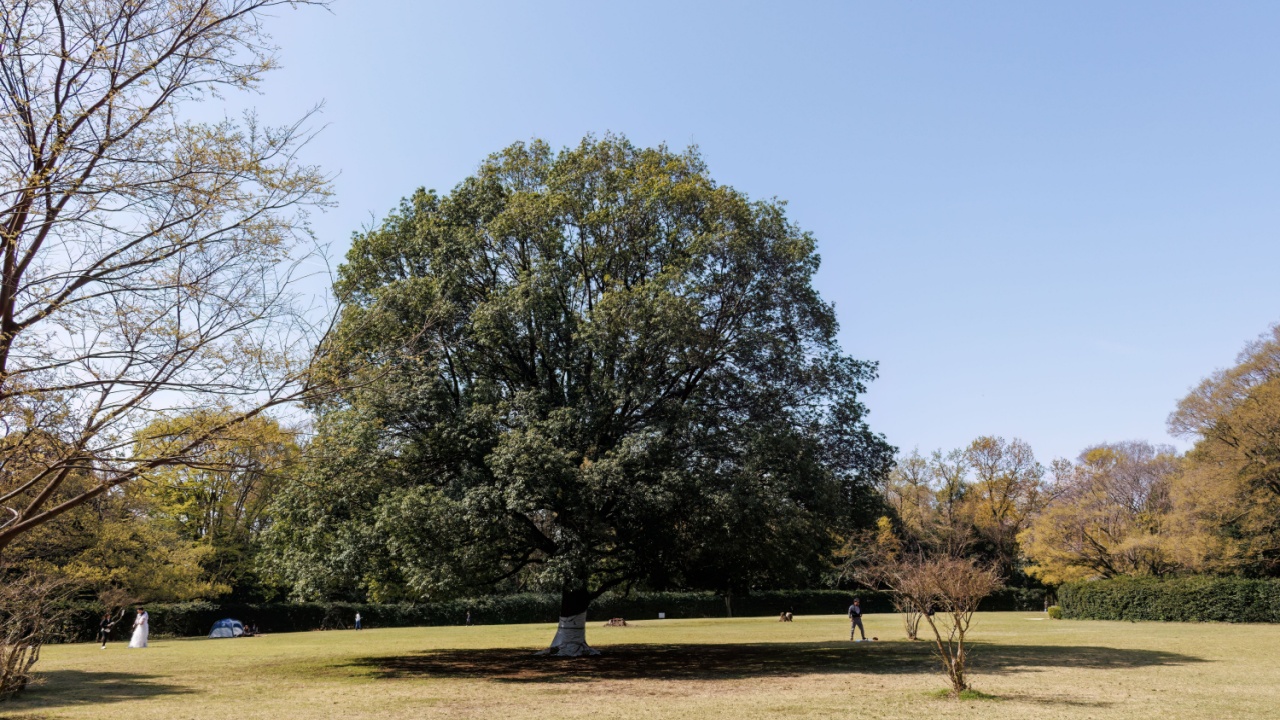
A single mature white oak supports over 530 caterpillar species, making it the most wildlife-valuable tree a homeowner can plant. Jays, woodpeckers, and dozens of songbirds flock to it for acorns, insects, and shelter. If you have space for one large tree, this is the one.
White oak attracts Blue jays, woodpeckers, wild turkeys, nuthatches, and 100+ additional species.
2. Serviceberry (Amelanchier spp.)

Spring white flowers, June berries, fall color, and striking winter bark make serviceberry a four-season performer. Its fruit is eaten by more than 40 bird species, and it hosts over 120 caterpillar species on top of that.
Serviceberry attracts Hummingbirds, orioles, grosbeaks, bluebirds, and cardinals.
3. Flowering Dogwood (Cornus florida)

The high-fat fruit of dogwood trees is eaten by more than 35 species of birds, including northern cardinals, tufted titmice, bluebirds, and cedar waxwings. Native dogwoods also host over 100 caterpillar species and provide nesting cover for robins and mockingbirds. Plant in well-drained, slightly acidic soil with light shade.
Flowering dogwood attracts Cardinals, robins, bluebirds, waxwings, tanagers, and woodpeckers.
4. Black Elderberry (Sambucus canadensis)
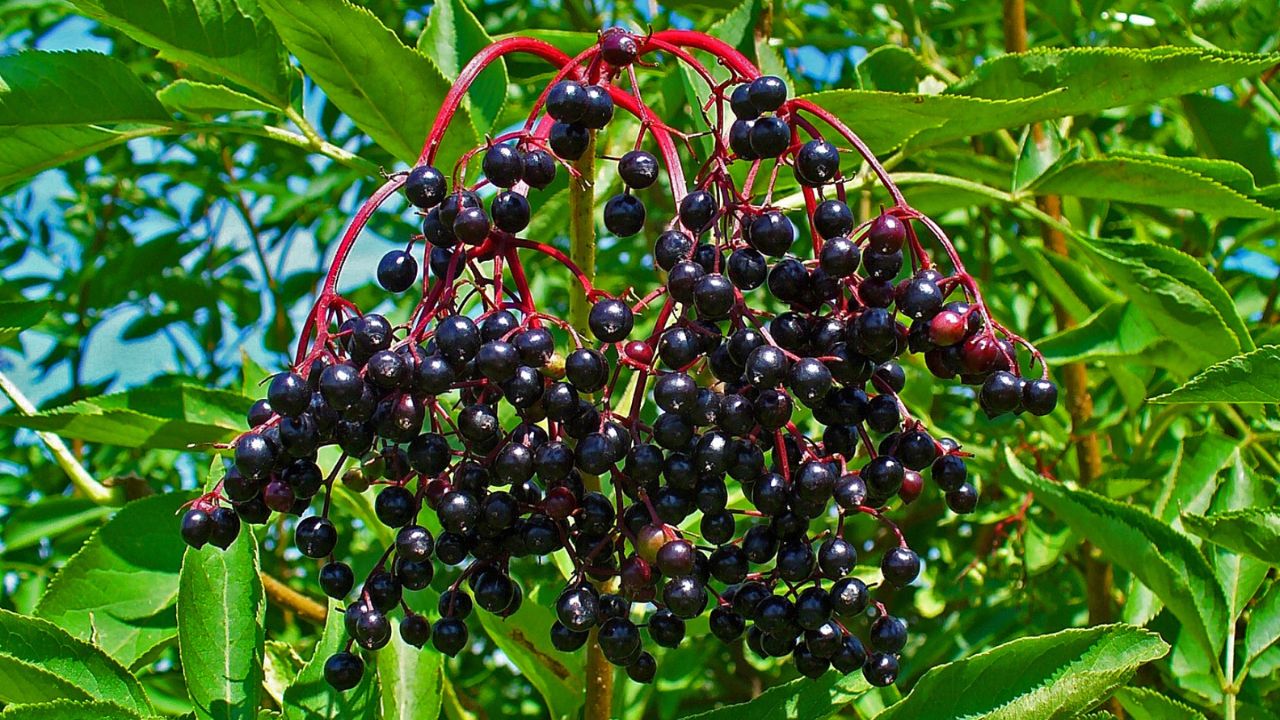
More than 120 bird species feed on elderberry, making it one of the most productive shrubs available to gardeners. It also attracts 42 caterpillar species and produces berries you can harvest yourself for syrups and jams. Plant two of the same species together for cross-pollination and maximum fruiting.
Black elderberry attracts Catbirds, robins, bluebirds, waxwings, warblers, and orioles.
5. Eastern Red Cedar (Juniperus virginiana)
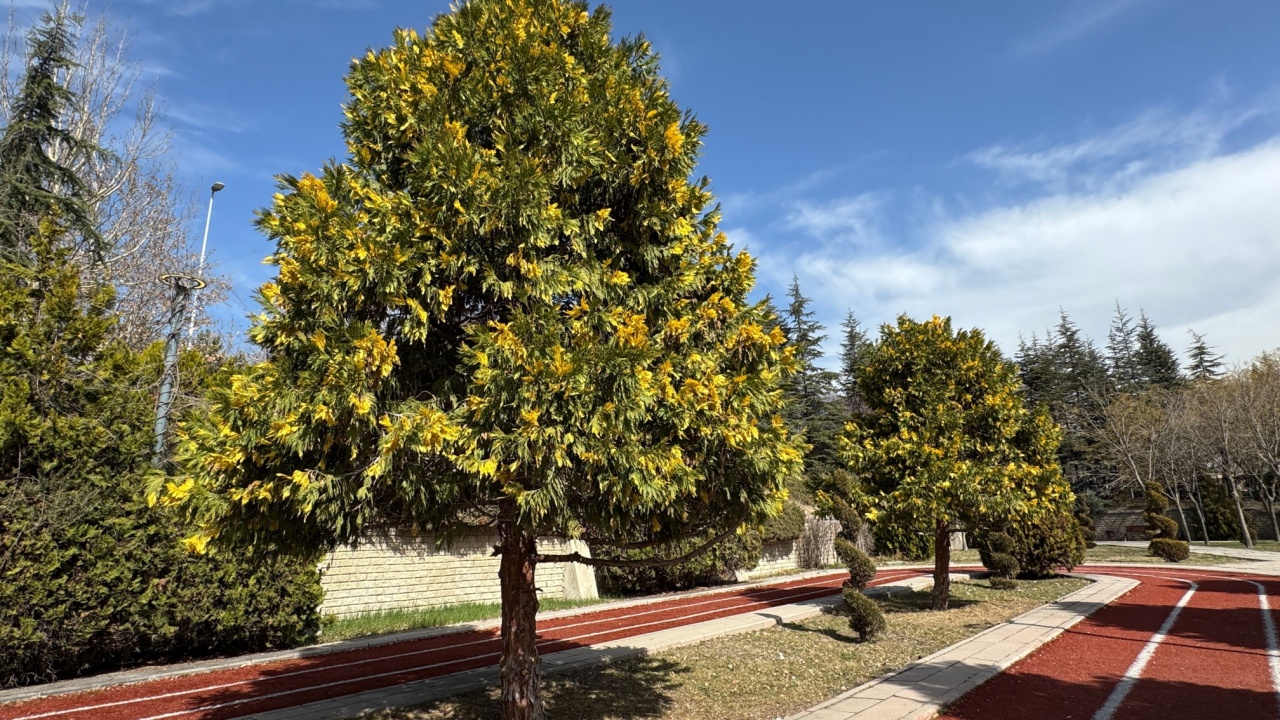
This native juniper produces bluish-black fruit from September through winter, precisely when food is hardest to find. Its dense, pyramid-shaped canopy offers year-round roosting and nesting cover. Cedar waxwings in particular are devoted fans.
Eastern red cedar attracts Cedar waxwings, sparrows, robins, mockingbirds, juncos, and warblers.
6. Sunflower (Helianthus annuus)
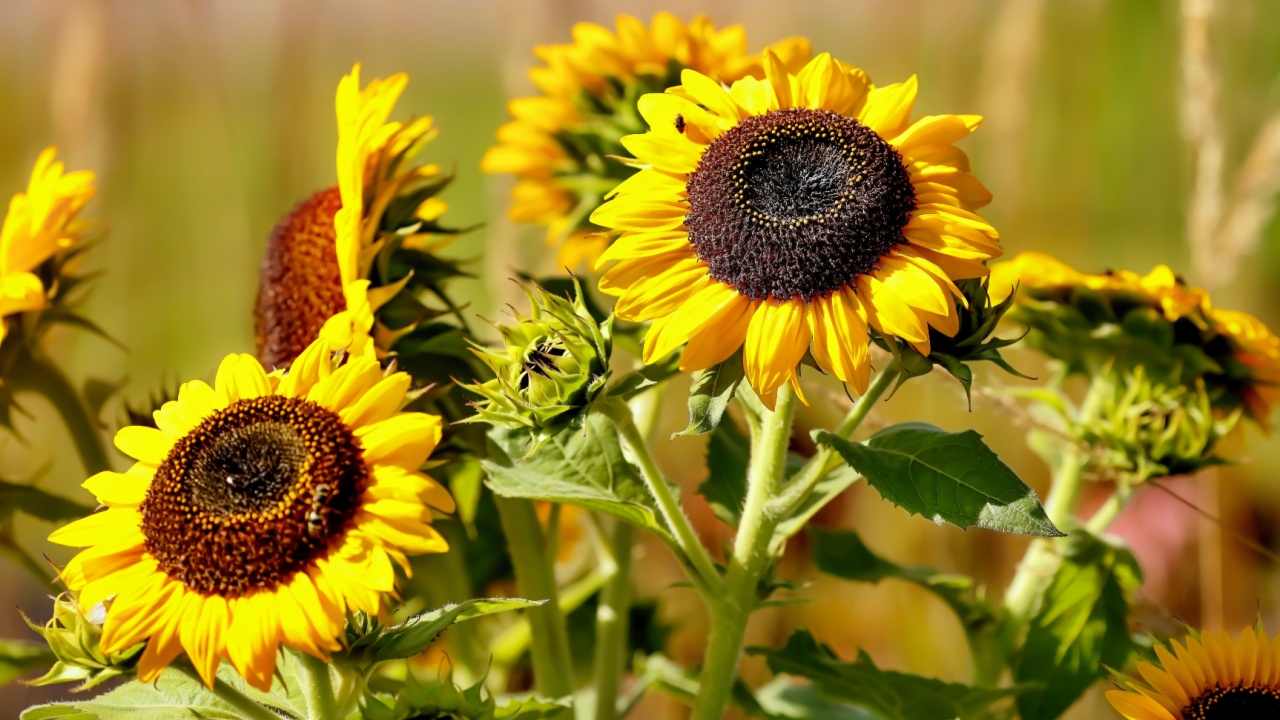
The seed heads of sunflowers have a high nutritional value and attract one of the longest bird species lists of any garden plant. Easy to grow from seed, they are ready to plant in spring across most of the country. Leave the heads standing through fall and winter for maximum benefit.
Sunflowers attract Cardinals, hummingbirds, orioles, finches, titmice, chickadees, nuthatches, grosbeaks, and woodpeckers.
7. Purple Coneflower (Echinacea purpurea)
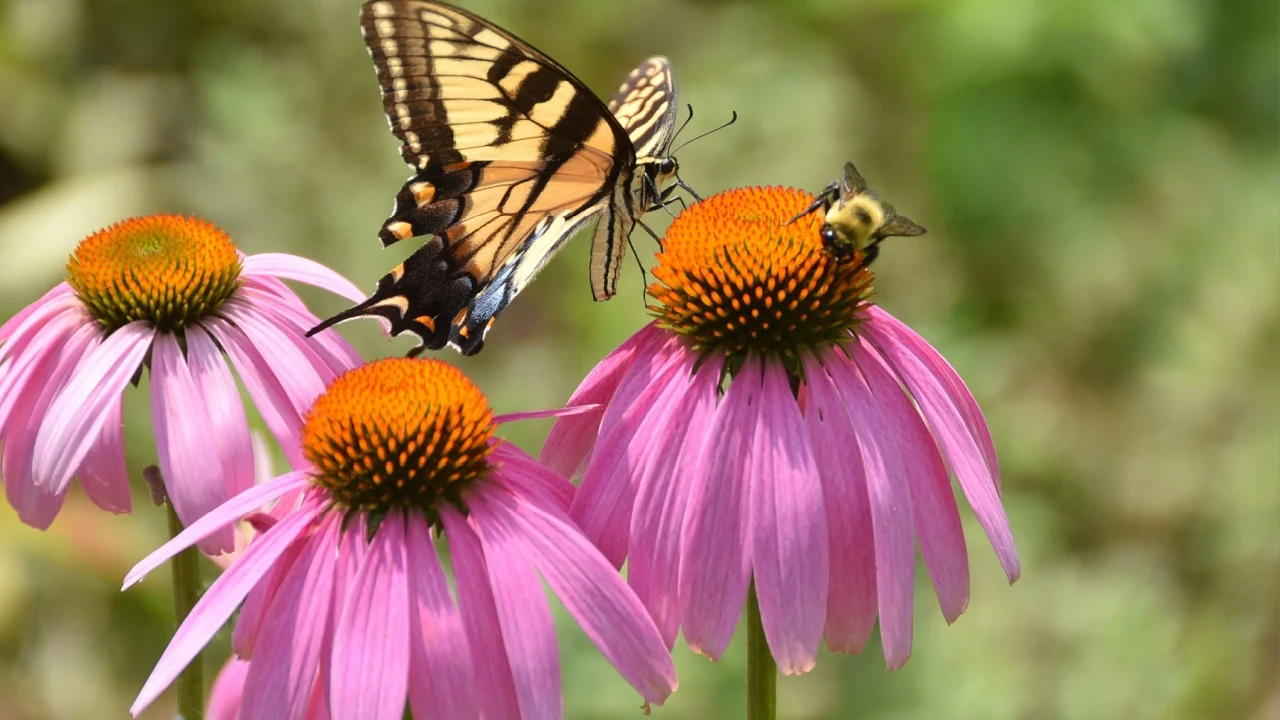
Spent coneflower heads turn black with seeds that goldfinches devour through fall and into winter. Audubon recommends it as one of the top native flowering plants for birds; it spreads readily by seed and thrives in tough conditions. Let it self-seed rather than deadheading.
Coneflower attracts Goldfinches, cardinals, finches, and chickadees.
8. Viburnum (Viburnum spp.)

Viburnums offer shelter, nesting cover, and berries in colors from yellow to blue to black across a range of seasons. For berries, plant two plants of the same species together; different viburnum species will not cross-pollinate. American cranberrybush viburnum is among the most productive choices.
Viburnum attracts Robins, waxwings, tanagers, bluebirds, cardinals, and pine grosbeaks.
9. Winterberry Holly (Ilex verticillata)
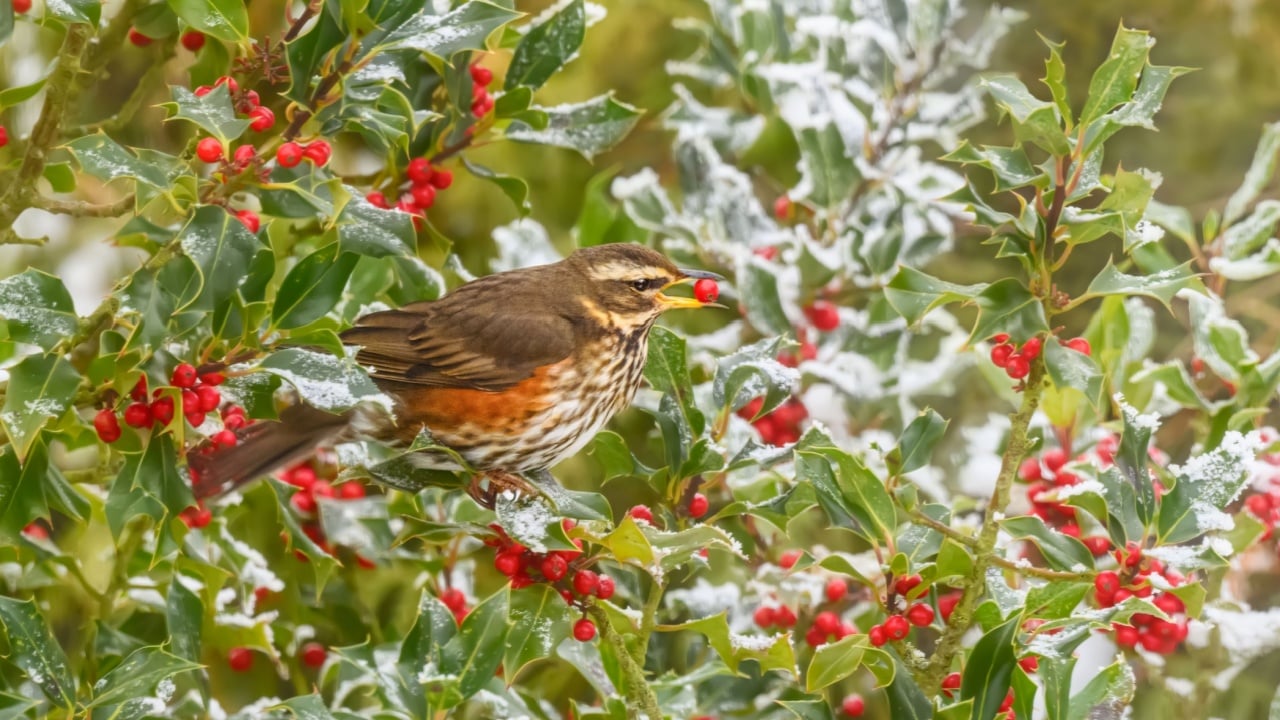
When leaves drop in late fall, winterberry explodes with brilliant red berries on bare branches, providing a vital food source precisely when snow covers the ground. It requires one male plant within 40 feet of females to produce fruit; one male can support up to 20 female plants.
Winterberry attracts Robins, cedar waxwings, bluebirds, songbirds, and waterfowl.
10. Cardinal Flower (Lobelia cardinalis)

The long tubular red blooms of cardinal flower are designed almost exclusively for hummingbirds; most insects cannot navigate the flower’s structure. A moisture-loving native, it grows well along pond edges, rain gardens, and in damp beds.
Cardinal flower attracts Ruby-throated hummingbirds.
11. Black-Eyed Susan (Rudbeckia hirta)
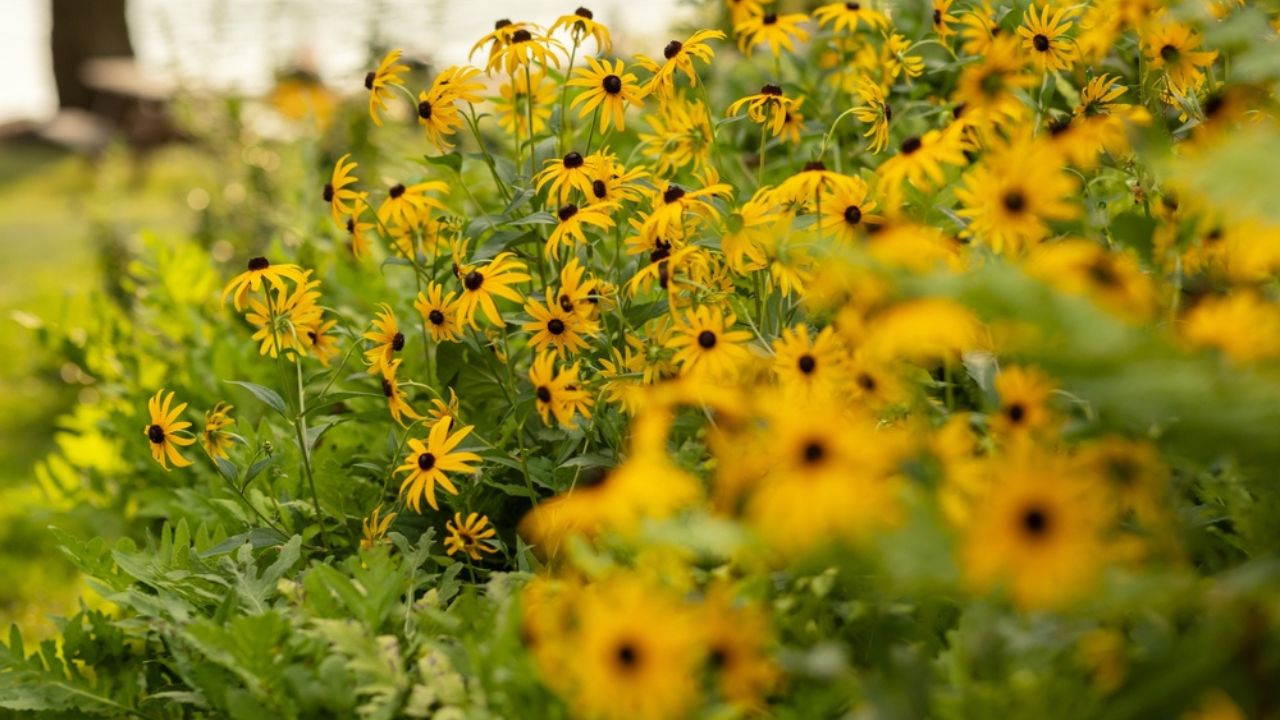
A reliable early-season performer, black-eyed Susans attract a myriad of insects that insectivorous birds then feed on. The dark seed heads persist through winter and are loved by nuthatches, grosbeaks, finches, and cardinals. Allow plants to self-seed for continued coverage.
Black-eyed Susan attracts Nuthatches, grosbeaks, finches, chickadees, and cardinals.
12. Trumpet Honeysuckle (Lonicera sempervirens)
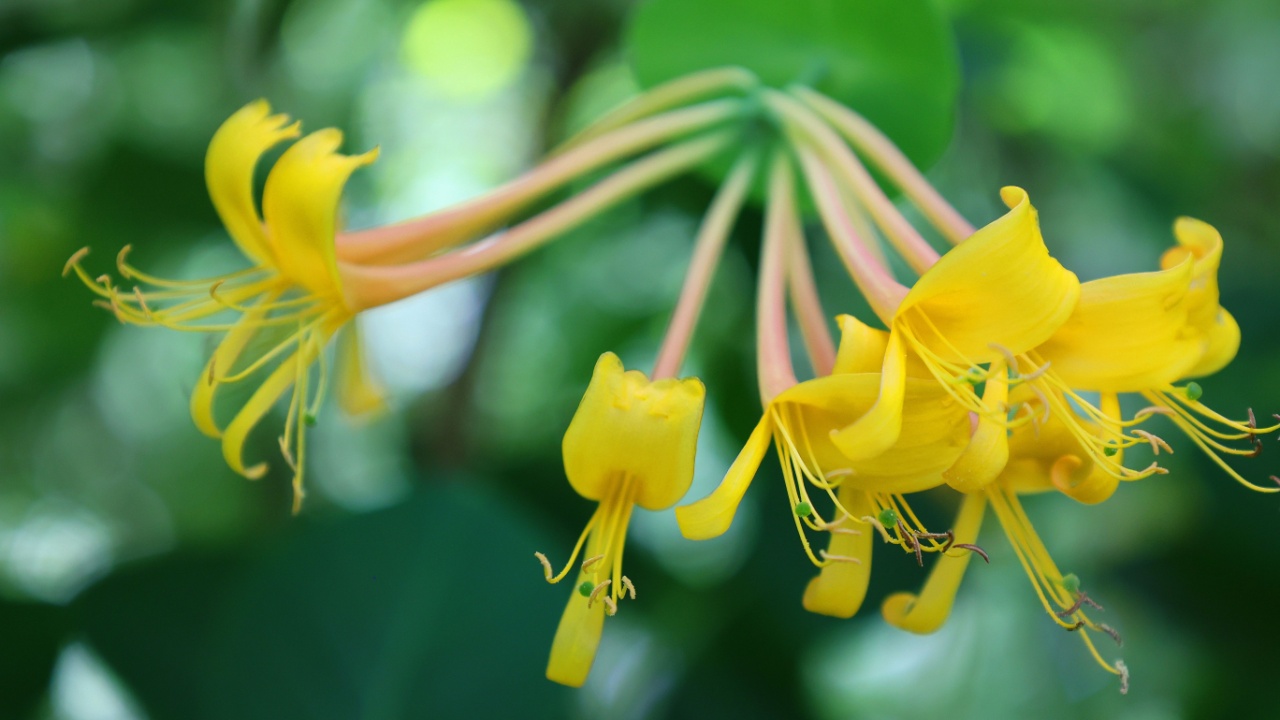
Unlike the invasive Japanese honeysuckle, native trumpet honeysuckle is a well-behaved vine whose bright red flowers draw hummingbirds from mid-spring onward. Its berries attract purple finches, hermit thrushes, robins, and orioles. Use it as a ground cover or climbing vine.
Trumpet honeysuckle attracts Hummingbirds, robins, finches, orioles, thrashers, and catbirds.
13. Virginia Creeper (Parthenocissus quinquefolia)
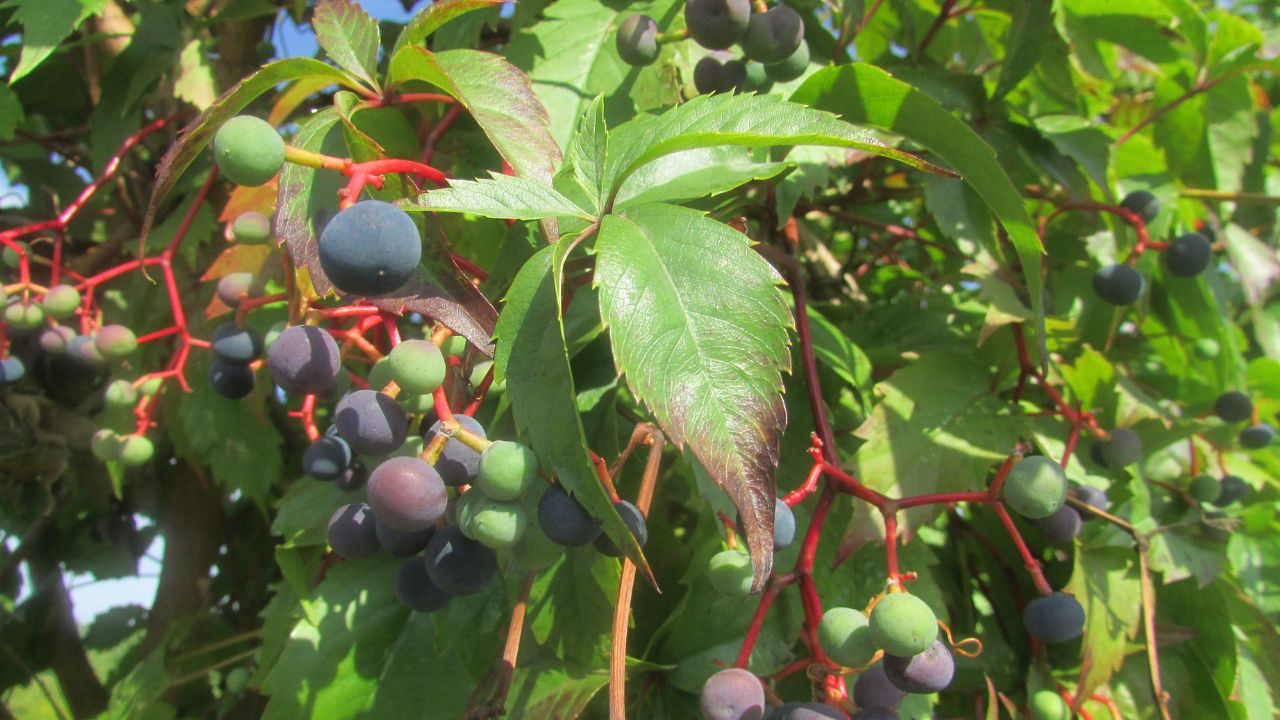
Often overlooked because of its similarity to poison ivy (it has five leaflets, not three), Virginia Creeper produces dark blue berries in fall that are a key food source for mockingbirds, nuthatches, woodpeckers, and blue jays. It adapts from full sun to deep shade and reaches 50 feet.
Virginia creeper attracts Mockingbirds, nuthatches, woodpeckers, blue jays, and thrushes.
14. Hawthorn (Crataegus spp.)
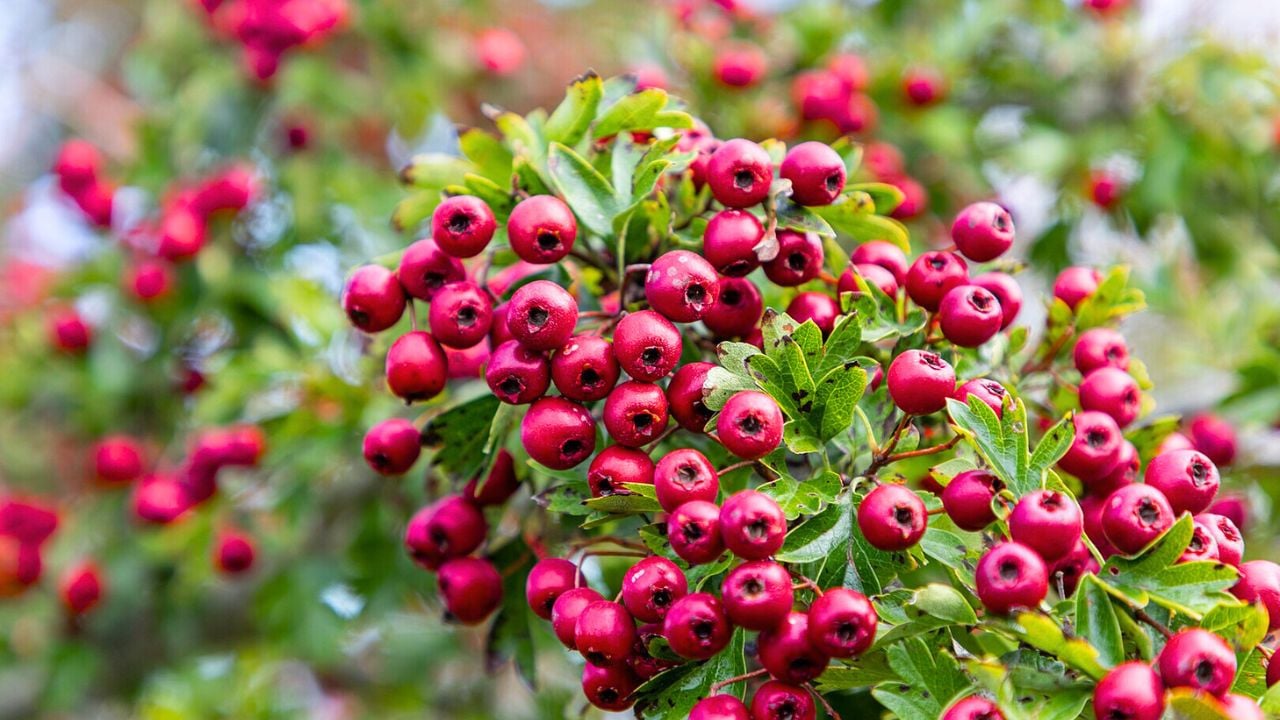
One of the most tolerant plants on this list, hawthorn grows in almost any soil, withstands drought, and does not require a second plant for pollination. Its glossy red berries last well into winter and are rich in calories for migrating and resident birds alike.
Hawthorn attracts Waxwings, robins, thrushes, mockingbirds, and finches.
15. Crabapple (Malus spp.)
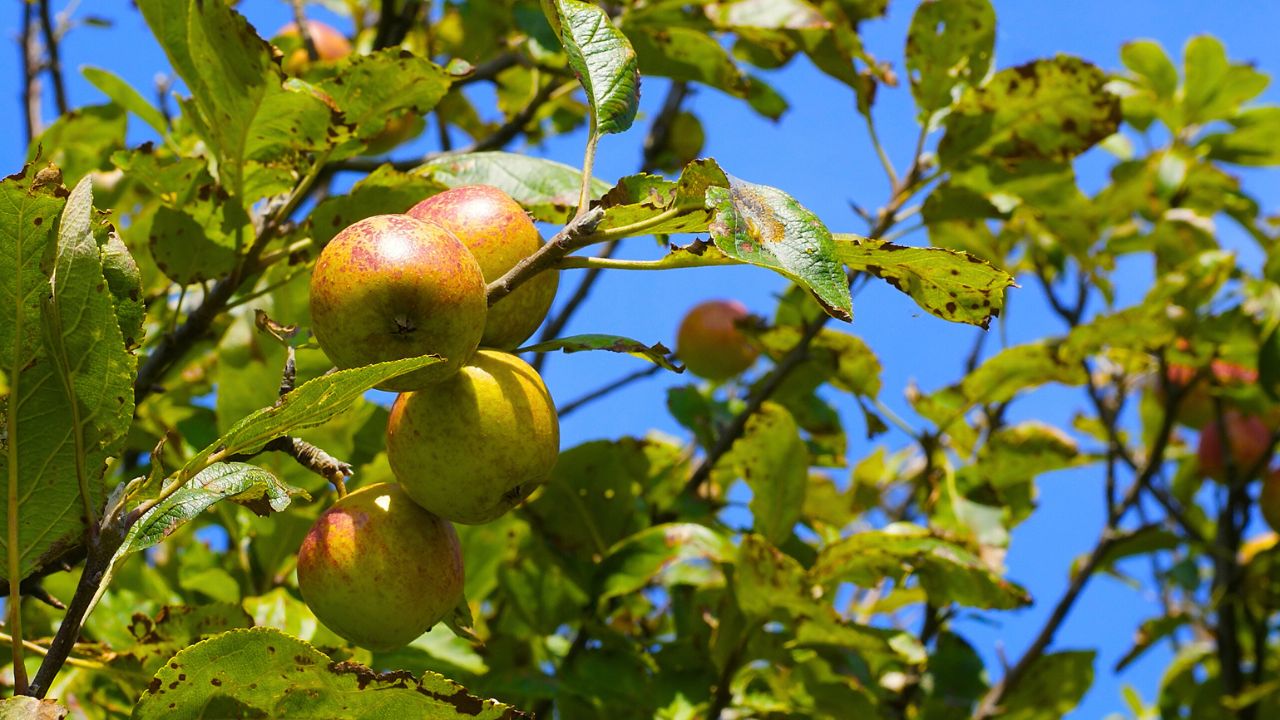
After a few freeze-thaw cycles, crabapples become irresistible to cardinals, cedar waxwings, and robins. Variety selection matters: birds consistently avoid Adams, Donald Wyman, and Red Jewel but eagerly feed on most other cultivars.
Crabapple attracts Cardinals, cedar waxwings, robins, and finches.
3 Popular “Bird-Friendly” Plants You Should Never Grow
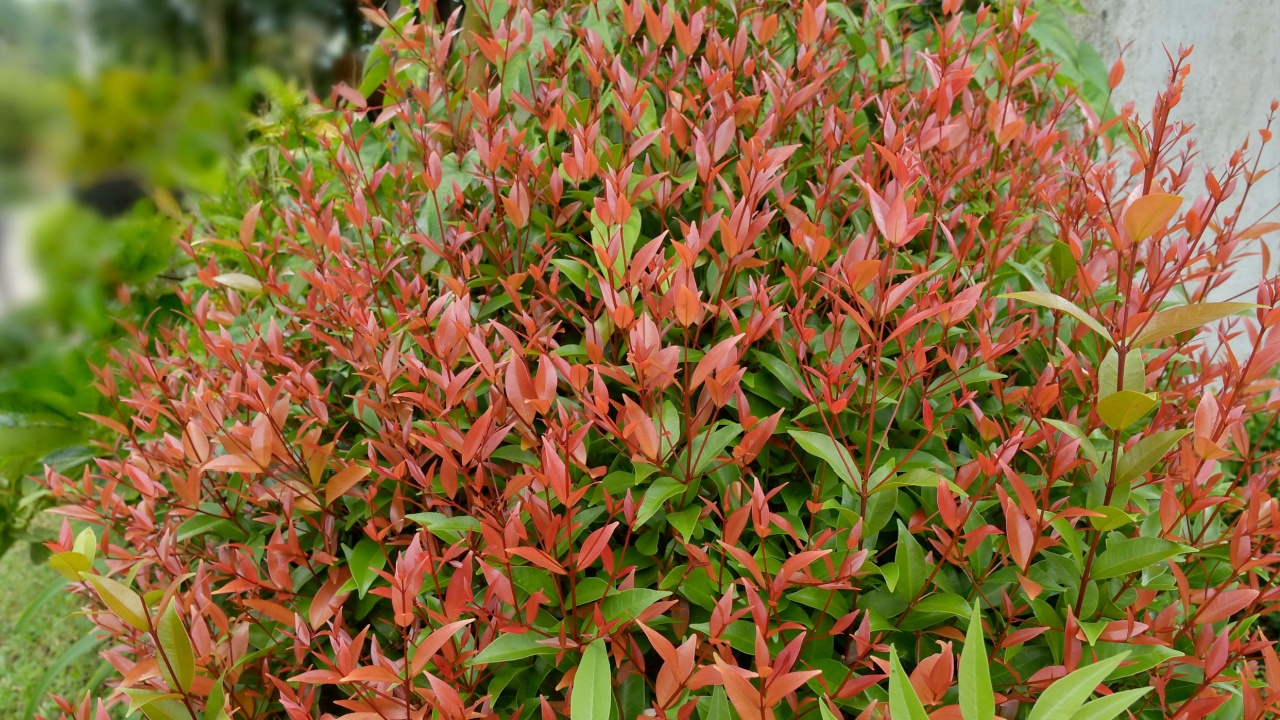
Not everything marketed as bird-friendly earns that label. These three plants are widely sold, commonly planted, and actively harmful to the birds they appear to help.
Nandina (Nandina domestica), also called Heavenly Bamboo, is the most dangerous plant on the list. According to Audubon, nandina berries contain cyanide and other alkaloids that produce highly toxic hydrogen cyanide. Sudden death may be the only visible sign of poisoning, and death can come within minutes to an hour. Nandina is invasive in many states and is still sold at major garden centers, often without any warning on the label. Remove it if you have it, and never plant it.
Japanese Honeysuckle (Lonicera japonica) produces abundant fruit that birds do eat, but it is listed as invasive across much of the eastern United States. It crowds out native species over time, including the very plants that insects, caterpillars, and ultimately birds depend on. The native trumpet honeysuckle achieves all the same bird-attracting benefits without the ecological cost.
Burning Bush (Euonymus alatus) is beloved for its brilliant red fall foliage. Burning bush is invasive across much of the eastern U.S. and crowds out native shrubs that support far more insect life. Its seeds spread readily through bird droppings, ironically worsening its invasion. Replace it with native serviceberry or flowering dogwood; birds will thank you with a longer stay.
How to Find the Right Plants for Your Specific Yard
Every region has its own native plant community, and the plants that attract birds in North Carolina are not the same as those that work in Colorado or the Pacific Northwest. Two free tools make this research simple.
The Audubon Society’s Native Plants Database (available at audubon.org) allows you to enter your zip code and receive a curated list of native plants for your area, along with photos, local resources, and the bird species each plant attracts.
The National Wildlife Federation’s Native Plant Finder (at nwf.org) ranks plants by the number of butterfly and moth caterpillar species they support, which is the most direct measure of their value to nesting birds.
Both tools are free, regional, and far more reliable than a generic plant list or a garden center recommendation. Use them before buying anything this year, and you will spend less, plant smarter, and give birds a yard they will return to for decades.
Read more:
Direct Sow These 9 Seeds in June Before the Window Closes for Good
June Is National Pollinator Month. Are You Accidentally Harming the Bees You Want to Help?