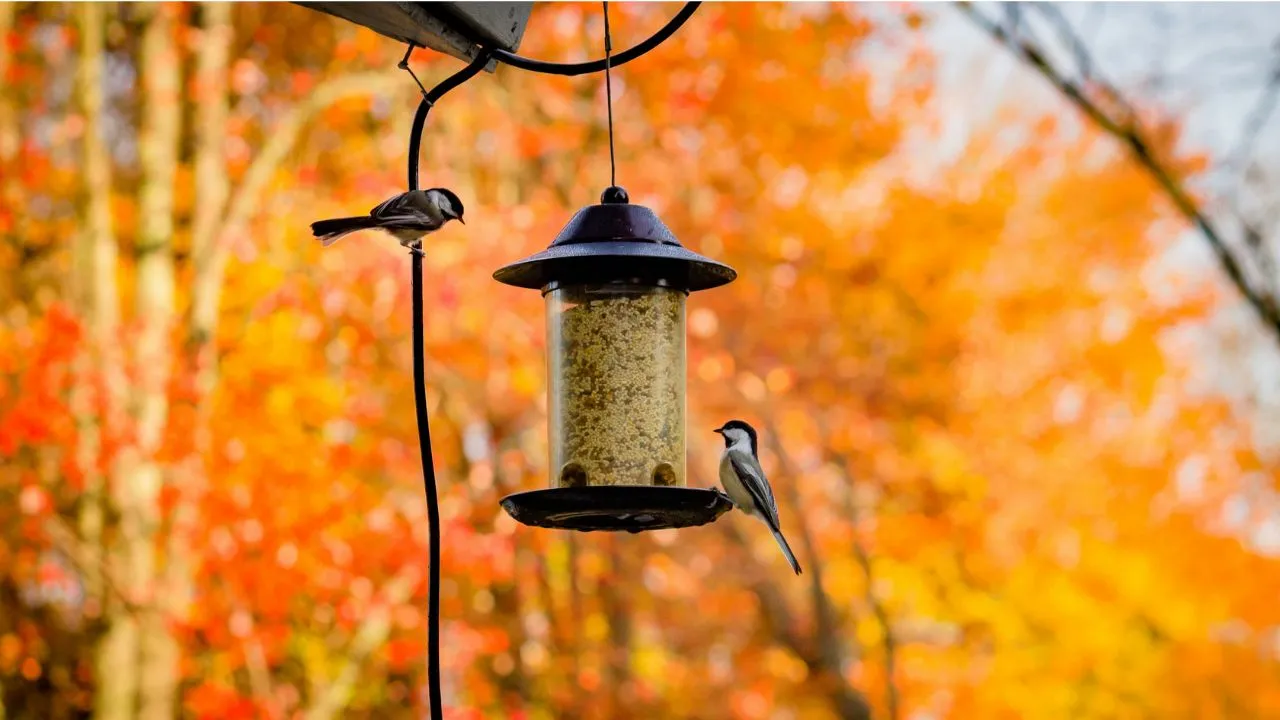
Why Wildlife Experts Are Telling People to Take Down Their Bird Feeders
Most backyard bird feeders are not bird sanctuaries. They are, by nearly every measure that conservation biologists use, the fast food drive-through of the avian world: convenient for the customer, questionable in its health outcomes, and decidedly more beneficial to the franchise than to anyone it claims to serve.
That may sound harsh, especially for the estimated 59 million Americans who fill feeders every season with the sincere belief they are helping wild birds. But emerging science, wildlife biologists, and conservation organizations are reaching a consensus that most of us do not want to hear: your bird feeder may be doing far more harm than good.
Here are seven reasons to consider taking it down, and what wildlife experts say you should do instead.
1. You’re Probably Feeding the Wrong Birds
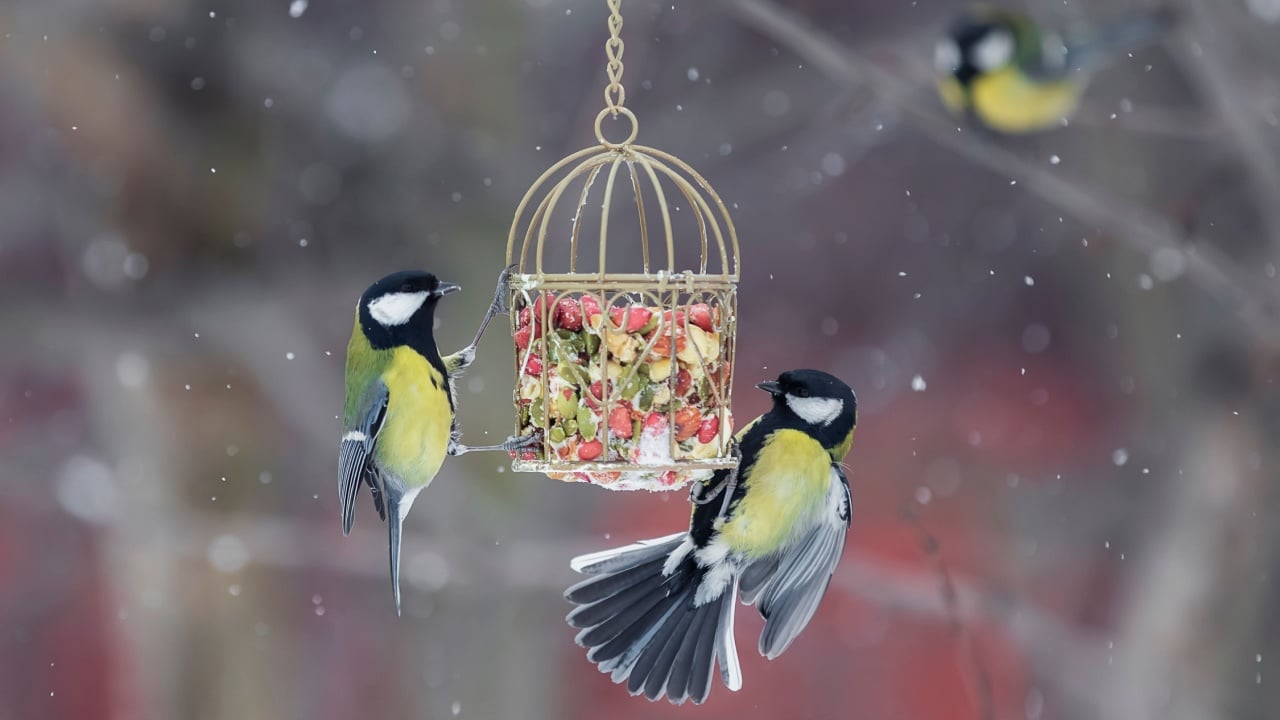
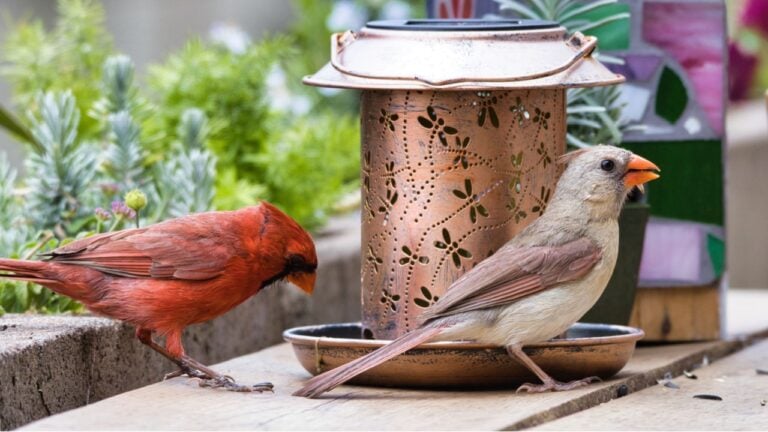
This is the inconvenient truth at the center of the bird feeder debate. The birds that most aggressively swarm the average backyard feeder, house sparrows and European starlings, are invasive, non-native species that actively displace and outcompete the native birds most people are hoping to attract.
According to the American Bird Conservancy, house sparrows will drive out and even kill native birds like Eastern Bluebirds when competing for nesting sites. A study published in the Proceedings of the National Academy of Sciences compared properties with and without feeders and found that feeder sites had dramatically higher numbers of non-native house sparrows, alongside significantly fewer native species. Research compiled in Scientific American found that feeder-dependent species surged in population, while woodland birds that avoid feeders (including the Willow Tit and Wood Warbler) crashed by as much as 87% over the same 25-year window.
The warblers, bluebirds, thrushes, and native sparrows that birders most want to see? They rarely visit feeders at all.
2. Bird Feeders Spread Disease Among Wild Birds
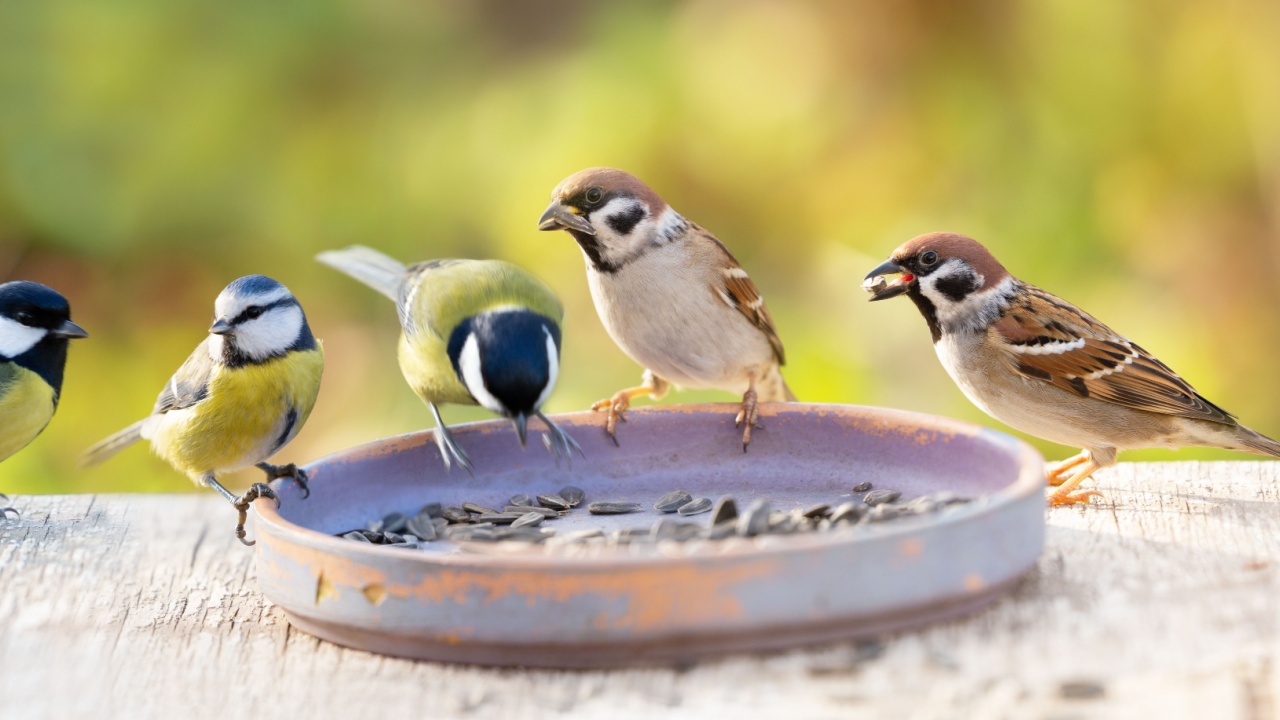
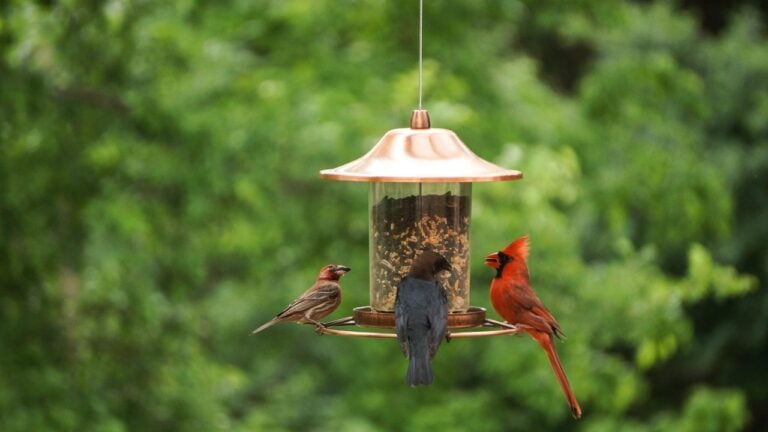
When you invite dozens of birds to share the same surfaces on a predictable daily schedule, you are creating ideal conditions for contagious disease. Sonia Hernandez, an associate professor of wildlife disease at the University of Georgia, describes highly concentrated, multi-species feeder populations in PBS Nature as “a recipe for disaster” from a disease transmission standpoint.
Bird feeders have been directly linked to outbreaks of mycoplasmal conjunctivitis among house finches, an eye disease that progressively blinds affected birds and makes it impossible for them to detect predators or feed. Feeders may also have fueled epidemics of trichomonosis, an upper-digestive tract disease associated with sharp declines of greenfinches and chaffinches in the United Kingdom, writes PBS Nature. Salmonella is a particular risk on platform feeders, where birds may defecate directly into the seed supply.
The birds you’re trying to protect may be picking up a death sentence instead.
3. Your Feeder is a Hunting Ground for Predators
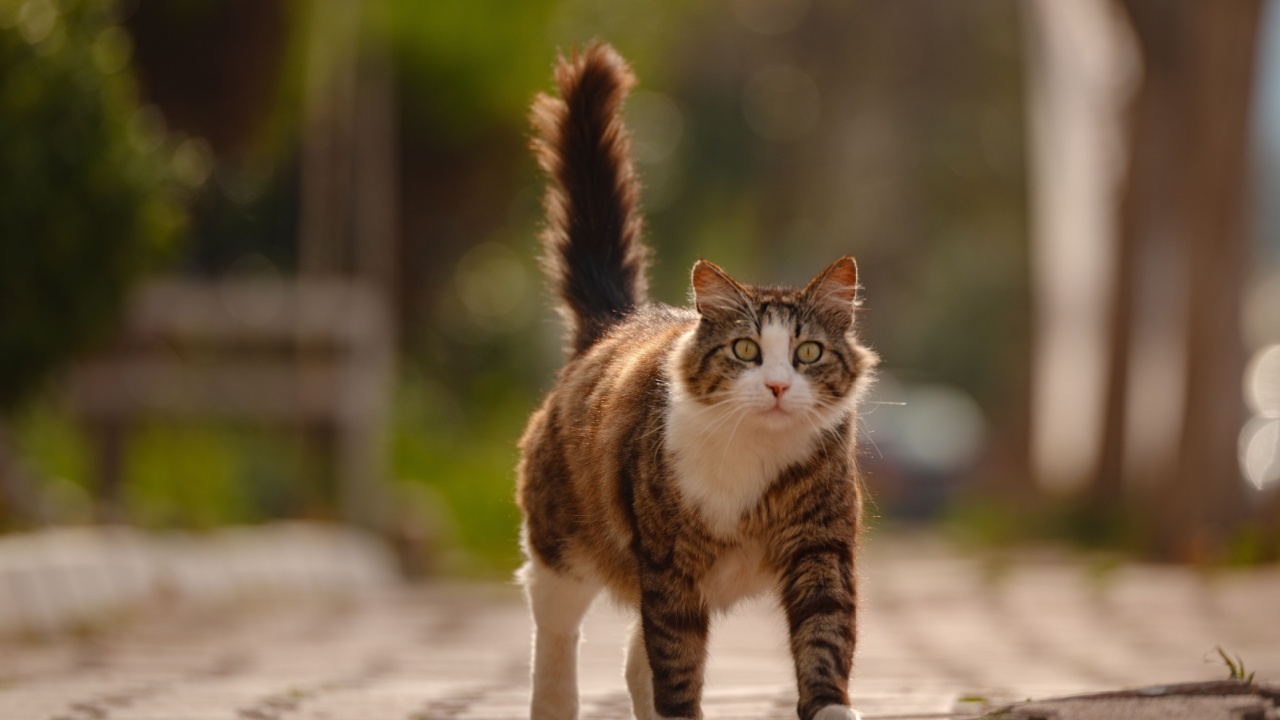
A bird feeder does not just attract birds. It creates a predictable, concentrated food source that neighborhood predators quickly learn to exploit. Cats are the most devastating; according to the U.S. Fish & Wildlife Service, free-roaming cats kill more than 2.5 billion birds per year in the United States and Canada, making them one of the single largest human-associated causes of bird death. A feeder turns your yard into a reliable hunting ground.
Hawks and raptors also key in on feeders as easy hunting opportunities. Some ornithologists note that certain normally migratory hawk species now opt to stay put year-round in regions where feeders provide sufficient prey. The feeder you put up for songbirds may, in practice, be sustaining the predator that hunts them.
4. Bird Feeders Attract Rats, Mice, and Bears
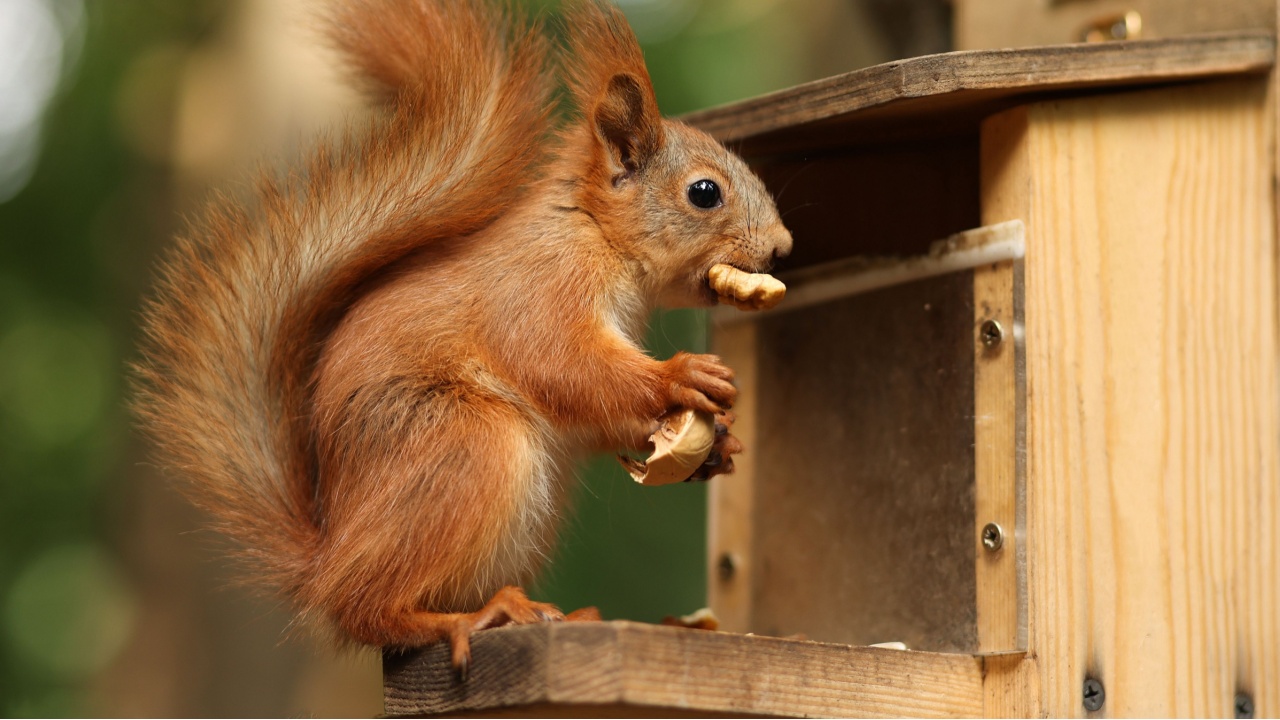
Spilled seed doesn’t disappear. It accumulates on the ground beneath feeders, and that ground-level food source is a direct invitation to rats, mice, squirrels, and, in many parts of the country, raccoons and bears. Wildlife officials recommend removing feeders entirely if you live in bear country; once a bear discovers a feeder, it will return reliably, and the situation can become dangerous.
Homeowners have reported serious tick infestations traced directly to bird feeders by pest control professionals. Neighbors have successfully pursued legal action in HOA disputes over rat infestations originating from a single feeder next door. Birdseed stored improperly in plastic bags in garages attracts rodents that can then enter the home itself. Jordan Rutter of the American Bird Conservancy recommends only airtight metal containers for seed storage, which adds cost and inconvenience that most feeder owners have never factored in.
5. The Upkeep Is More Demanding Than Most People Realize
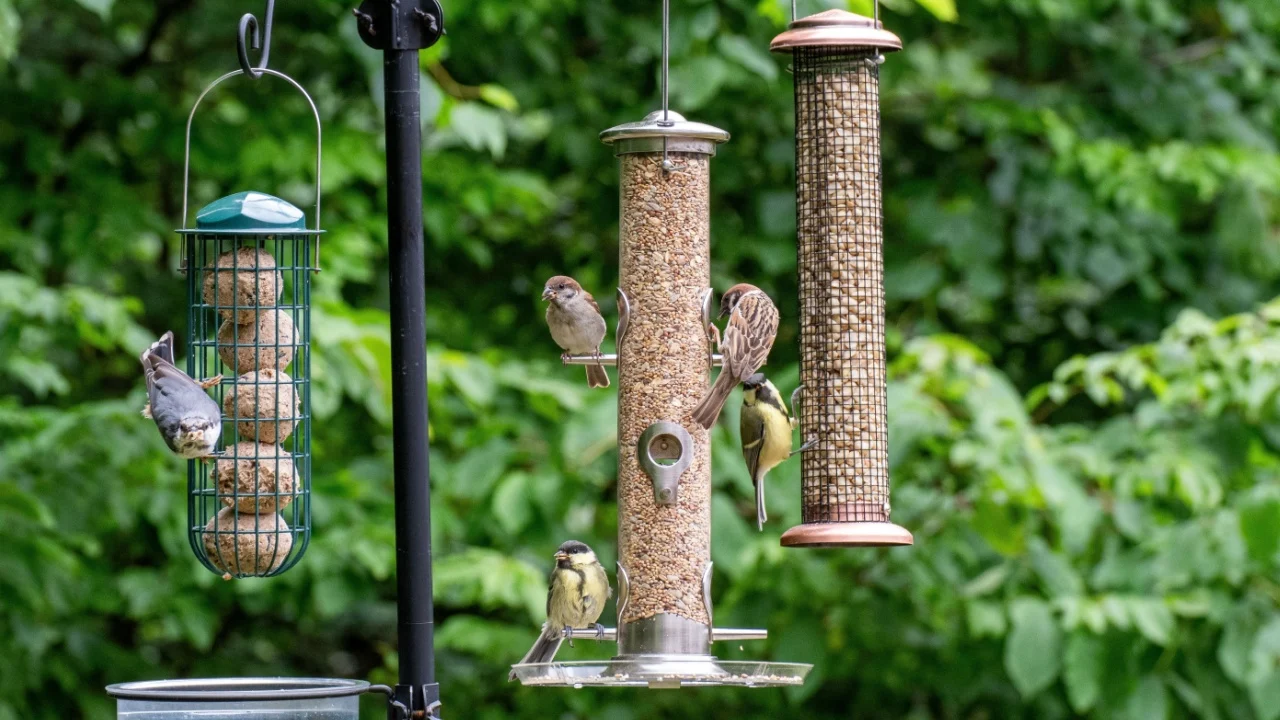
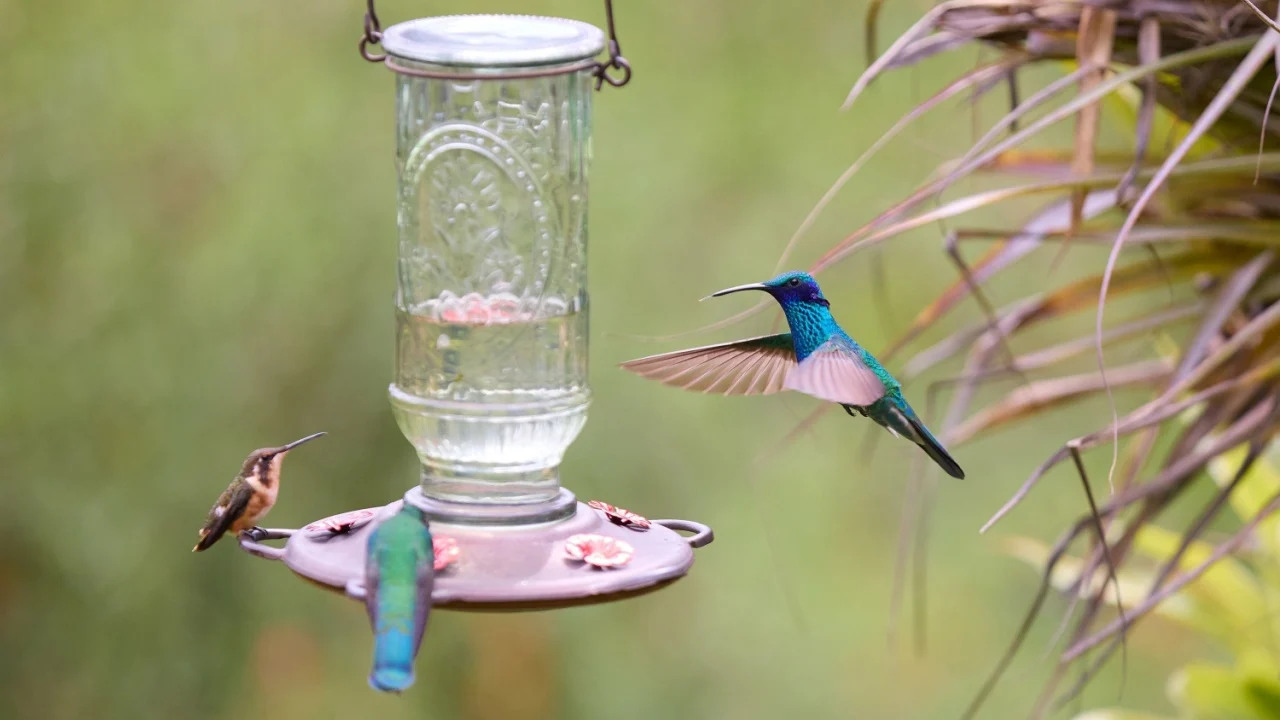
The feeder sitting in your yard right now, the one you filled two weeks ago and haven’t touched since, is almost certainly a disease vector. The Wild Bird Fund’s director, Rita McMahon, recommends in AARP to clean bird feeders at least once a week using a 10% bleach solution, replacing seed any time it gets wet. Hummingbird feeders, where bacteria multiply rapidly in sugar solutions, require cleaning every three to five days.
Most people do not come close to this standard. A dirty feeder doesn’t just stop working; it actively harms the birds that visit it. Moldy seed, hardened residue, and accumulated droppings create conditions where Salmonella, aspergillosis, and other pathogens spread efficiently from one bird to the next.
A well-maintained feeder requires more regular attention than most houseplants; an unmaintained one is worse than having no feeder at all.
The costs accumulate, too. One bird feeder owner interviewed by AARP spends $55 a month on seed for five feeders, filling them every three to four days during active seasons. Factor in specialty equipment like squirrel guards, proper storage containers, and replacement feeders, and the expense adds up to several hundred dollars per year.
6. Bird Feeders Can Alter Bird Behavior in Harmful Ways
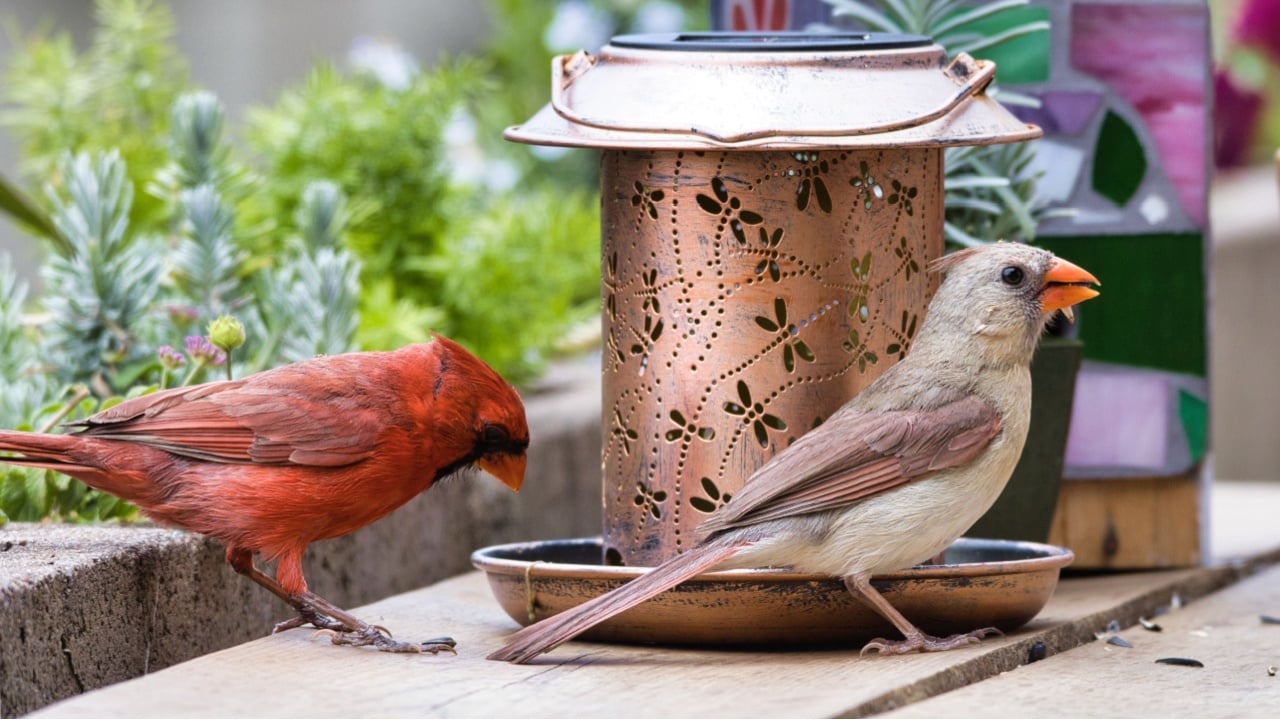
This is the issue that most feeder advocates prefer not to discuss. Concentrated supplemental feeding changes bird behavior in ways that range from ecologically disruptive to outright lethal. Some studies have linked bird feeding to lower egg production and hatching success, though the precise mechanisms are still being studied.
The Florida Scrub-Jay, a federally threatened species, offers the starkest example. According to the U.S. Fish & Wildlife Service, people began feeding these striking birds peanuts, enjoying how readily they came to the hand. Research showed that fed jays reproduced earlier in the season than unfed birds, but their chicks hatched before caterpillars were available for food, leading to starvation. Feeding Florida Scrub-Jays is now illegal without a federal permit.
Audubon’s guidelines note that the same logic applies more broadly: any feeding that draws birds toward roads, alters their natural foraging timing, or causes them to approach humans in vulnerable ways poses real risk.
7. The Environmental Cost is Higher Than You Think
Here is a number most birdseed buyers have never considered. USGS wildlife biologist Sam Droege points out that producing the birdseed that fills backyard feeders requires hundreds of thousands of acres of agricultural land, much of it converted from native prairie and wetland habitat. As Droege argues, it is deeply ironic to remove native habitat to build a house and lawn, then fill a feeder with seed grown on land that was itself converted from the very habitat birds need.
Commercial birdseed is typically packaged in plastic and shipped long distances, adding to its environmental footprint. The house sparrows and starlings eating most of it do not need conservation support. The birds that do need help, the ones whose populations are genuinely declining, are rarely visiting the feeder.
There’s a Better Way to Actually Help Birds
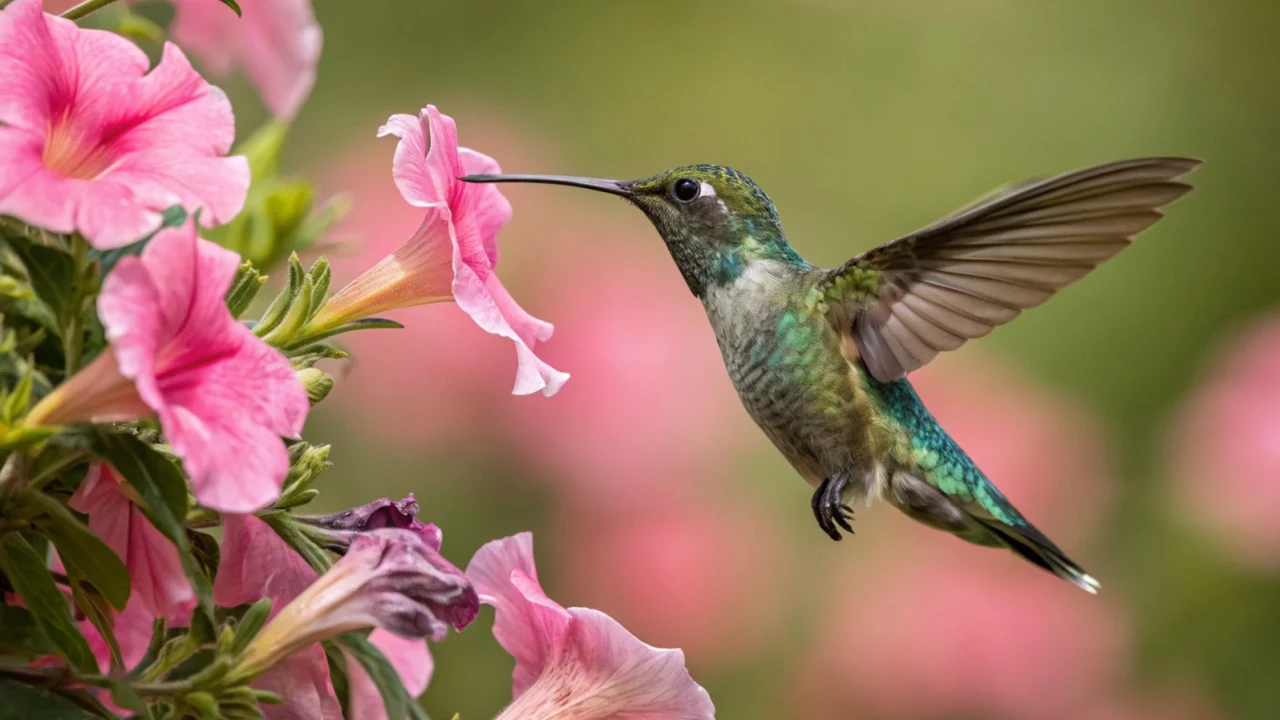
Native plants, fresh water, and reduced mowing. That is the consensus recommendation from the National Wildlife Federation, the Cornell Lab of Ornithology, Audubon, and the U.S. Fish & Wildlife Service, consistently, across decades of research.
Native trees and shrubs do everything a feeder does, and then some. Serviceberries, coneflowers, sumacs, crabapples, and asters provide seeds, berries, nectar, and nesting cover through every season. Critically, they also support the insects, especially caterpillars, that baby birds require to survive and thrive. No feeder provides that. Native plantings create more of an ecosystem, attracting a wider variety of birds, while also providing cover, nesting habitat, and support for pollinators.
A moving water source, even a simple fountain or bubbling birdbath, attracts more species than a seed feeder, requires no weekly bleach cleaning, creates no rodent problem, and benefits every bird in the neighborhood, including the ones that never visit feeders at all. Leaving sections of lawn unmowed, raking leaves under trees rather than bagging them, and allowing spent flower heads to stand through winter are all low-effort, high-impact habitat improvements that support birds far more meaningfully than a seed feeder ever could.
Read More
Washing Your Lettuce Won’t Remove Cyclosporiasis, But Growing Your Own Will
Your Grandmother Stored These 8 Foods All Winter Without Canning a Single Jar