How to Bring Nature Into Everyday Living With Biophilic Interior Design
Biophilic design focuses on strengthening the connection between indoor spaces and nature.
Many homeowners use natural materials, sunlight, plants, and organic textures to create calmer and more comfortable interiors. These design choices may improve mood, reduce visual stress, and make homes feel warmer and more inviting.
Here’s how you can get started with your own home to make it feel closer ot nature.
Start with Natural Light, It Changes the Feel of a Space
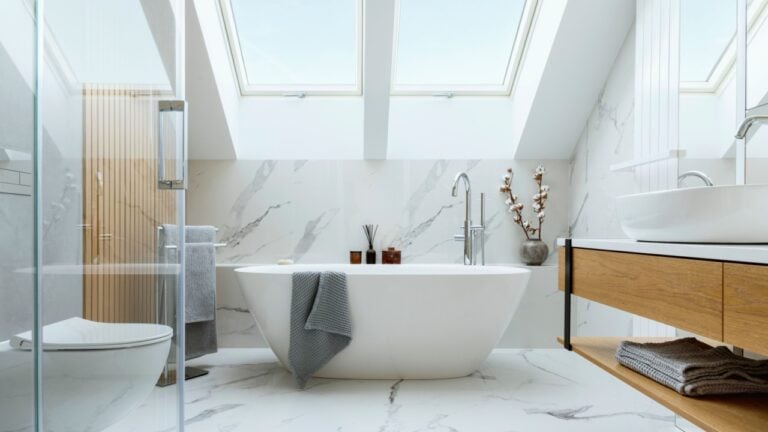
Sunlight plays a major role in biophilic interiors because it affects mood, energy levels, and the appearance of materials inside the home. Large windows, open layouts, and light-colored walls may help increase natural light throughout living spaces. Mirrors can also reflect sunlight into darker areas of the home during the day.
Homeowners often place seating areas near windows to create stronger connections with outdoor views and natural light patterns. Window treatments that allow adjustable light levels may also improve comfort throughout different seasons.
Add Organic Materials for Warmth
Natural textures help interiors feel softer and more grounded. Wood flooring, stone countertops, woven fabrics, linen curtains, and clay or ceramic decor all add visual warmth while creating more connection to natural elements.
Many homeowners also prefer furniture and finishes with visible grain patterns or earthy color tones because these materials often feel calmer and less artificial. Biophilic design may also influence larger planning decisions during construction projects, including choices tied to semi-custom home floor plans that prioritize open layouts and outdoor visibility.
Add Indoor Plants to Support a Natural Atmosphere
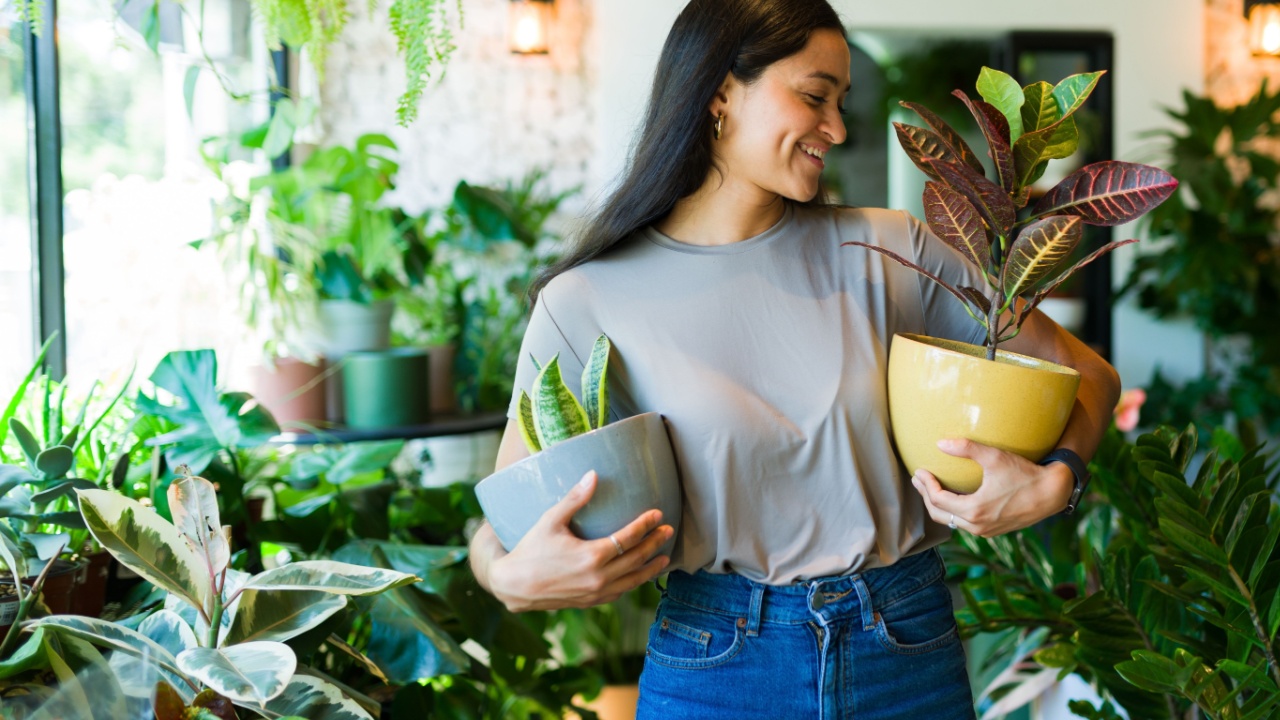
Plants remain one of the most recognizable parts of biophilic interiors. Houseplants add texture, color, and movement while improving the overall appearance of indoor spaces. Popular options such as pothos, snake plants, and peace lilies are commonly used because they require limited maintenance.
Grouping plants at different heights may create stronger visual balance throughout living rooms, kitchens, or bedrooms. Indoor greenery may also soften hard surfaces and create more comfortable environments inside busy homes.
Try Water and Natural Sound to Create Calm
Biophilic interiors often include subtle sensory elements connected to nature. Small indoor fountains, natural fiber textiles, and outdoor sound exposure through open windows may help create quieter and more relaxing spaces.
Natural scents from herbs, wood materials, or fresh flowers may also improve the atmosphere inside a home without relying heavily on artificial fragrances. These details often support a calmer and more welcoming environment for daily living.
Outdoor Connections Matter Indoors
Homes that connect indoor and outdoor spaces often feel larger and more balanced. Patios, gardens, sliding glass doors, and indoor-outdoor seating areas may strengthen the relationship between the home and surrounding nature. Even simple outdoor views from kitchens, bedrooms, or home offices can affect how comfortable and relaxing a space feels during the day.
Biophilic design focuses on fostering stronger connections between people and natural elements within the home. Sunlight, plants, organic materials, and outdoor connections all contribute to interiors that feel calmer and more inviting.
Homeowners who incorporate natural touchpoints throughout living spaces often create environments that support comfort, relaxation, and everyday well-being. Check out the infographic below to learn more.