5 Smart Storage Solutions to Stop Ruining Your Loaves
Bread serves as a universal staple. It offers comfort, essential carbohydrates, and endless versatility for meals. A fresh loaf represents a simple culinary pleasure, yet maintaining that freshness often feels like a battle against time.
One day, the crust offers a perfect crunch, and the next, it feels like a rock or displays spots of green fuzz. The culprit usually lies in the environment. Bread requires a delicate balance of airflow and humidity to thrive. Too much air causes staling, while excess moisture invites mold.
Finding the sweet spot saves money and reduces food waste. This guide explores seven specific storage methods designed to prolong the life of your bakery buys and homemade creations.
1. Malleable Beeswax Wraps
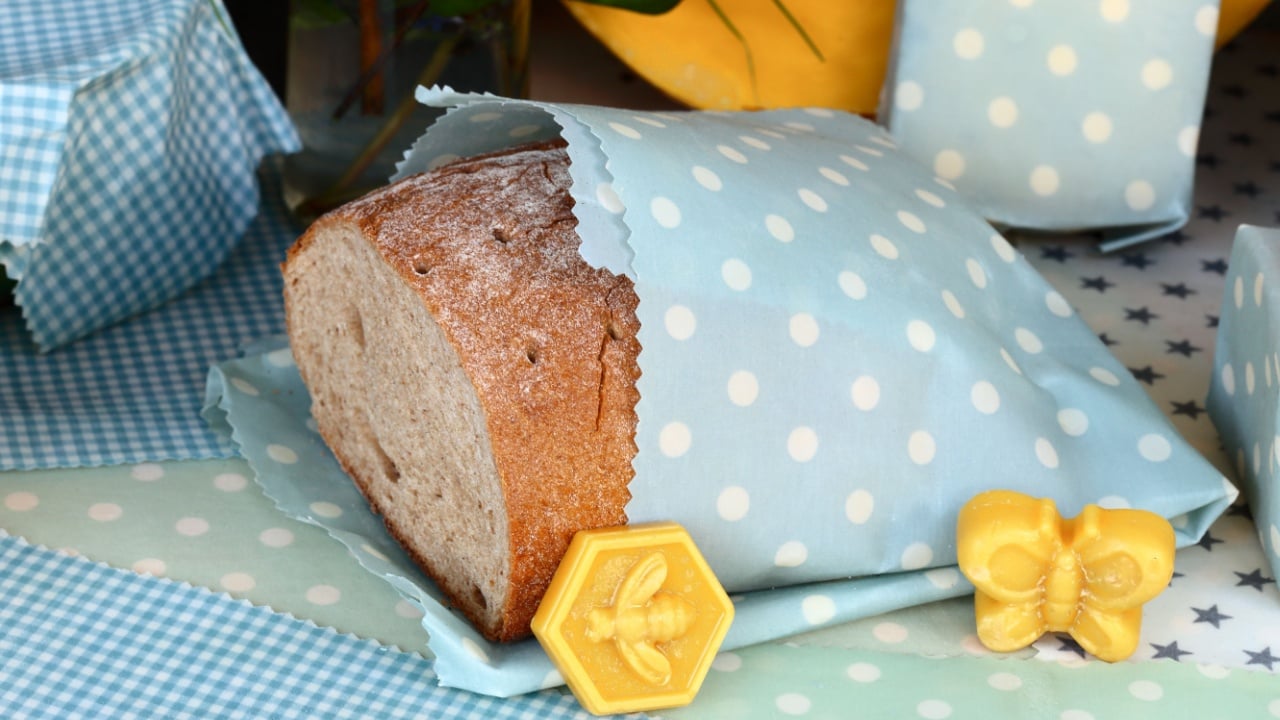
Plastic wrap often traps too much moisture, which accelerates mold growth on crusty loaves. Beeswax wraps offer a smarter alternative. These sheets typically combine organic cotton, beeswax, plant oils, and tree resin.
The warmth of human hands softens the wax, allowing the wrap to mold directly around the bread. This creates a seal that protects the loaf from drafts while the breathable cotton allows just enough air circulation to prevent a soggy crust.
This method works exceptionally well for odd-shaped artisan loaves that do not fit into standard bags or containers. The resin and wax coating naturally resists bacteria, adding a layer of protection for the food. It mimics the protective skin of a fruit or vegetable.
2. Beeswax-Lined Drawstring Bags
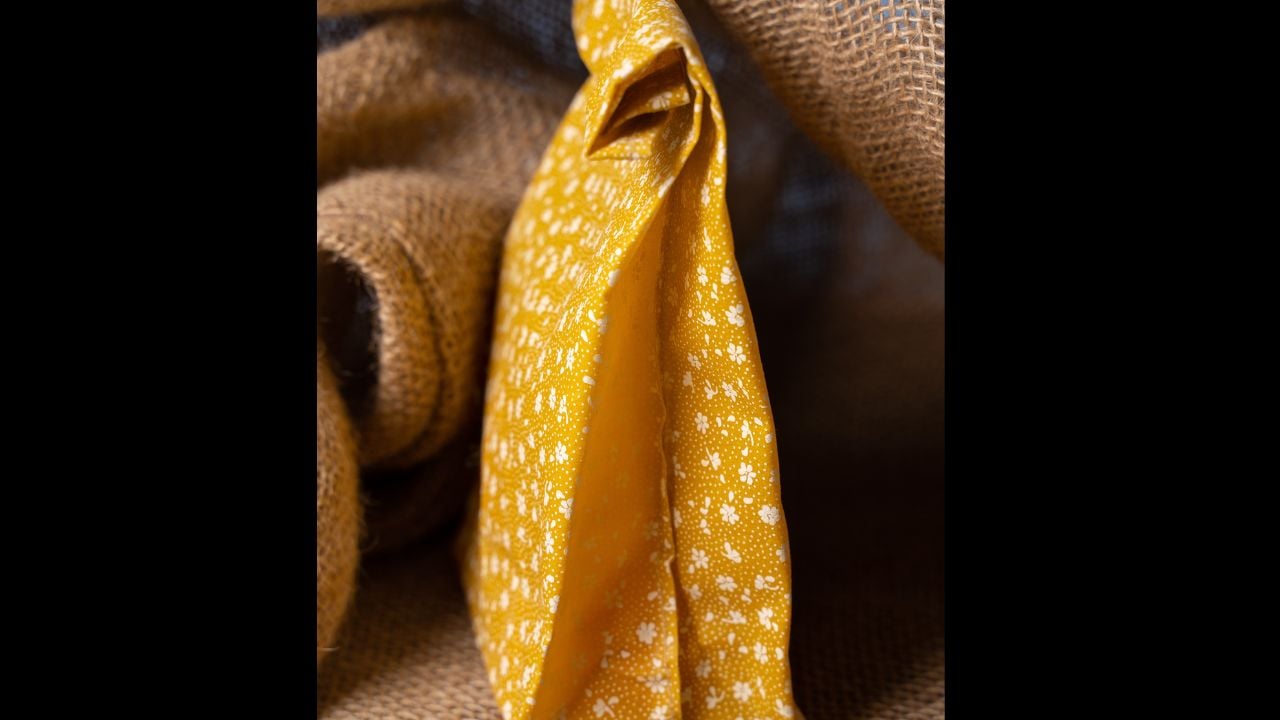
For those who prefer a bag format over a wrap, beeswax-lined bags provide a robust solution. These feature a fabric exterior with a wax-coated interior lining. The design specifically targets round loaves, such as boules or country sourdoughs.
The drawstring closure pulls tight to reduce airflow, while the lined interior retains the internal moisture of the crumb without softening the crust too much.
This hybrid approach solves the issue of linen bags letting in too much air and plastic bags trapping too much condensation. It keeps the crumb soft for longer periods compared to unlined fabric options.
3. Pure Linen Bread Bags
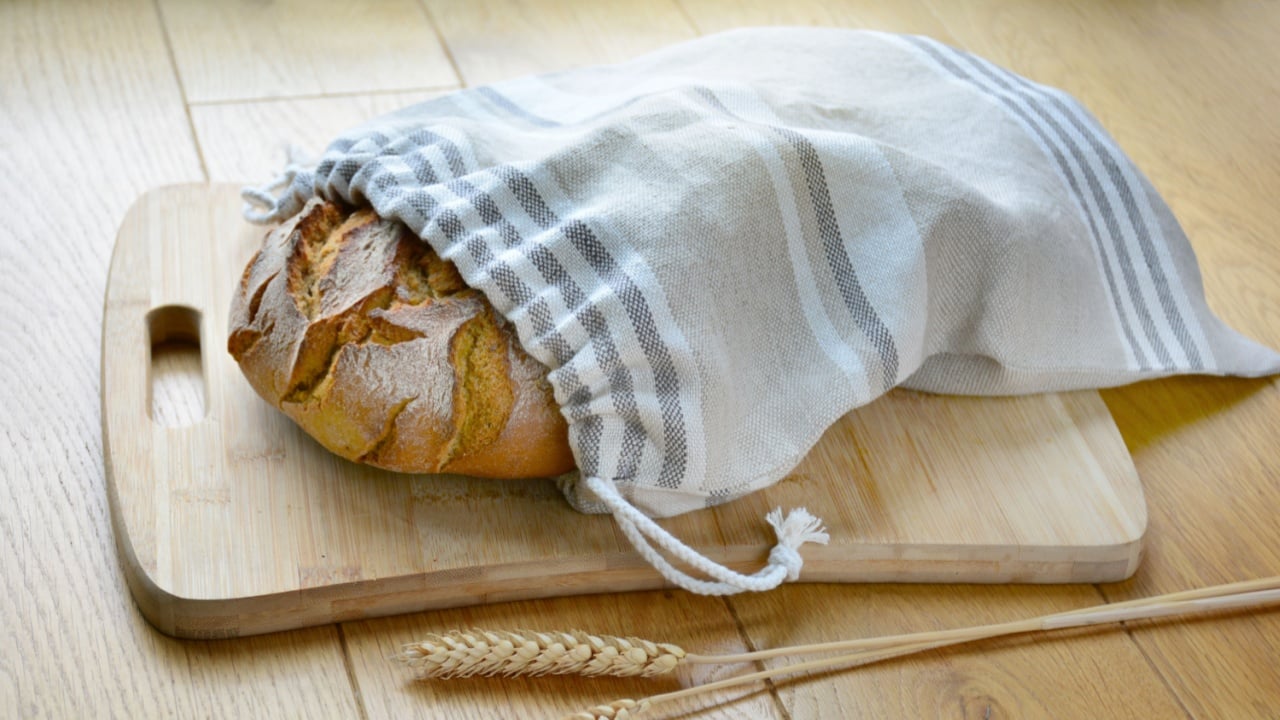
Linen has been used for food storage for centuries. This natural fiber is highly breathable and wicks moisture away from the surface of the bread. This makes it the ideal candidate for fresh, crusty artisan bread that is meant to be consumed within two days. The airflow preserves the crunch of the crust better than any other material.
While it excels at crust preservation, linen does allow the interior to dry out faster than wax or plastic. It serves best for short-term storage or for bread with a high hydration content that needs to breathe to avoid becoming gummy.
4. Cotton and Linen Blend Bags
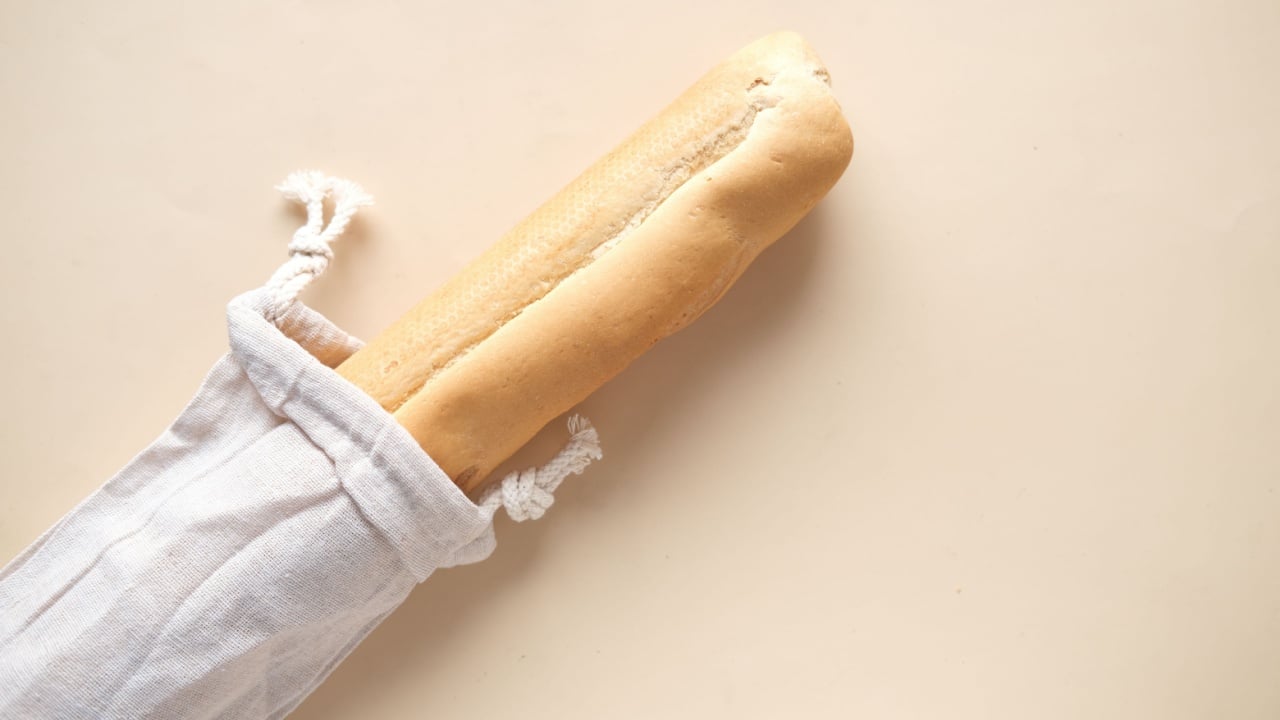
These bags offer a budget-friendly and durable alternative to pure linen. Often sold in sets, they accommodate various shapes, including long baguettes or oval batards. The blend of fabrics provides durability and washability.
Like pure linen, they allow the bread to breathe, which wards off the humidity that feeds mold spores.
These function well as everyday storage for store-bought bakery bread. They also double as excellent produce bags for grocery runs. The fabric is typically thicker than pure linen, offering slightly more insulation against drafts.
5. Stainless Steel Roll-Top Boxes
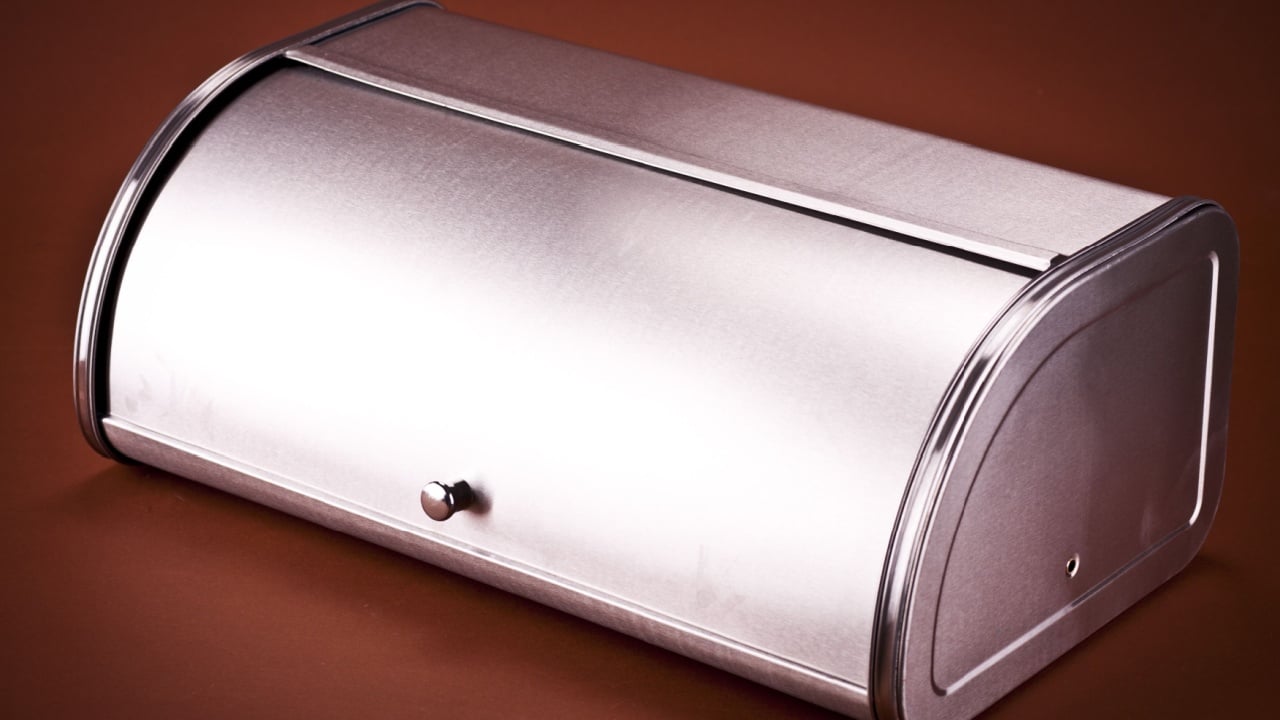
A bread box provides a dark and temperature-stable environment. Stainless steel models with roll-top doors offer a vintage aesthetic while clearing counter clutter. The metal construction helps regulate temperature fluctuations better than thin plastic. The roll-top mechanism creates a seal that is loose enough to allow airflow but tight enough to trap some humidity.
The darkness inside the box is significant. Light exposure can accelerate nutrient degradation and staling in some food products. Keeping the bread in the dark assists in maintaining quality.
Models with a small viewing window allow for inventory checks without opening the door and letting the controlled air escape.
Keep Your Bread Fresher, Longer: Smart Storage Tips for Every Loaf
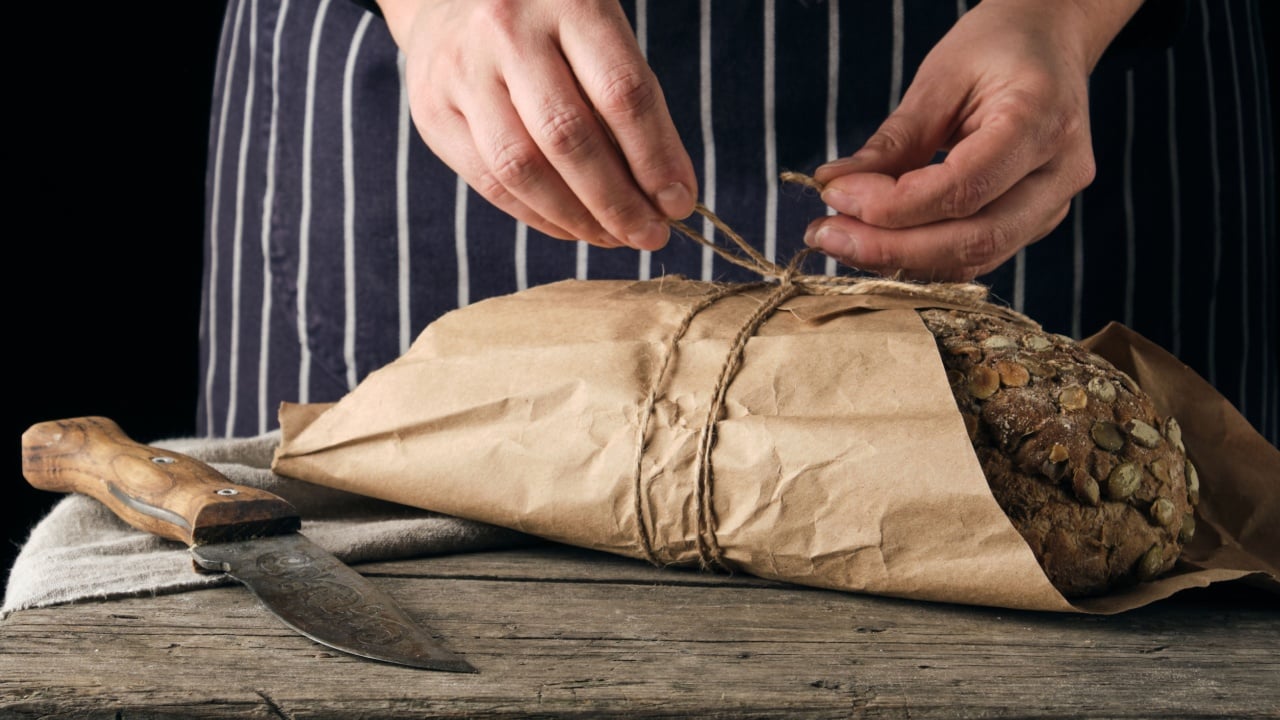
Bread deserves better than a short life on the counter. Choosing the correct storage method depends on the type of loaf and how quickly the household consumes it. From the breathability of linen for crusty boules to the airtight protection of silicone for long-term freezing, a solution exists for every kitchen.
Assessing current habits and picking the tool that matches daily needs will result in better toast and fewer wasted slices. Grab a dedicated storage container today and start enjoying fresh slices down to the very last crumb.