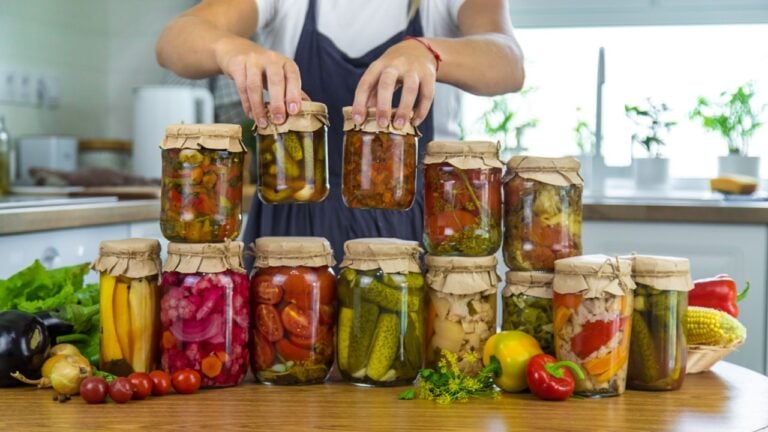
6 Biggest Food Trends of 2026
Food in 2026 is settling down a little (aka, back to the basics). After a stretch of experimental menus and highly engineered alternatives, the focus is shifting back to foods that feel familiar, satisfying, and easy to enjoy.
Fiber is gaining attention for everyday wellness, cabbage is showing up in more thoughtful ways, and meals are being valued for how they leave people feeling afterward, not how striking they look online. The year ahead favors comfort, balance, and small pleasures at the table, with fewer rules and more room for personal taste.
1. Fiber to the Maxx
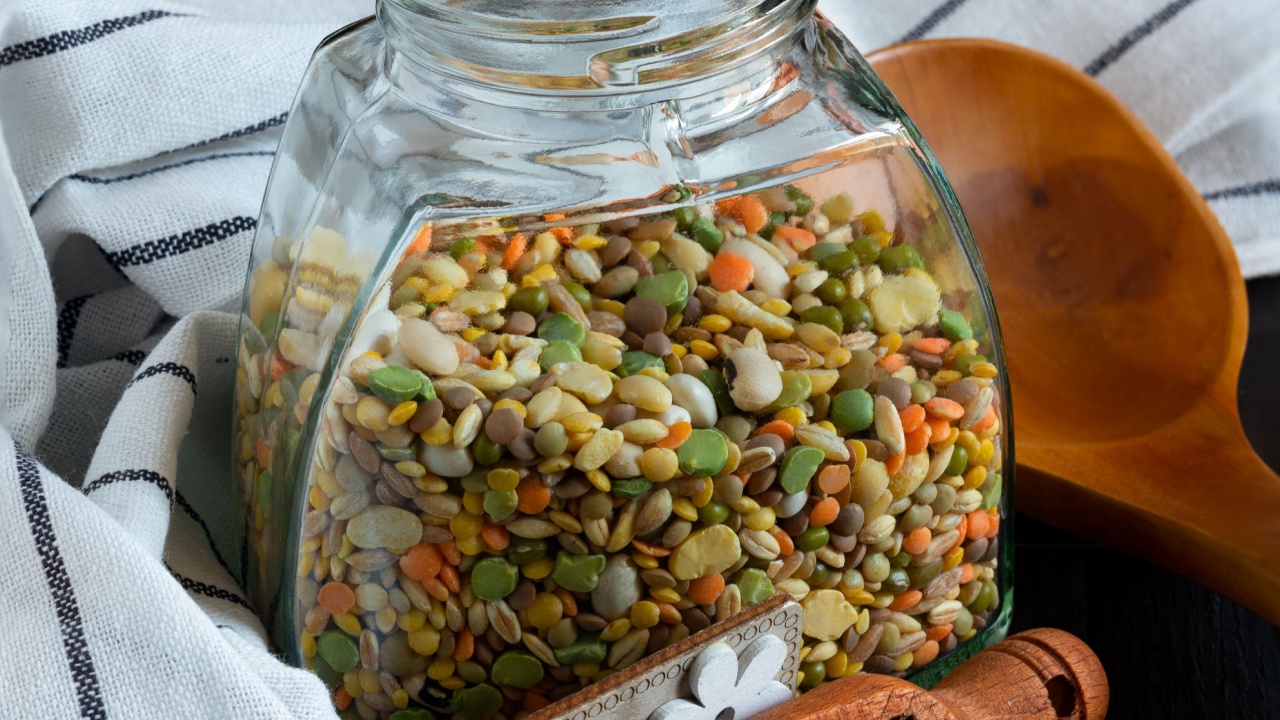
Wellness culture is pivoting from a singular obsession with protein to a massive embrace of fiber. This shift aligns with the growing interest in gut health and the rise of GLP-1 medications, which often benefit from high-fiber diets. Instead of viewing fiber as a boring dietary requirement, 2026 treats it as a primary health tool.
Look for “prebiotic” labels on everyday items like sodas and pastas. Integrate more legumes and ancient grains into weekly meal prep. Swapping standard white flour for fiber-fortified versions in baking is an easy way to boost intake without changing flavor profiles.
2. Red Meat’s Renaissance
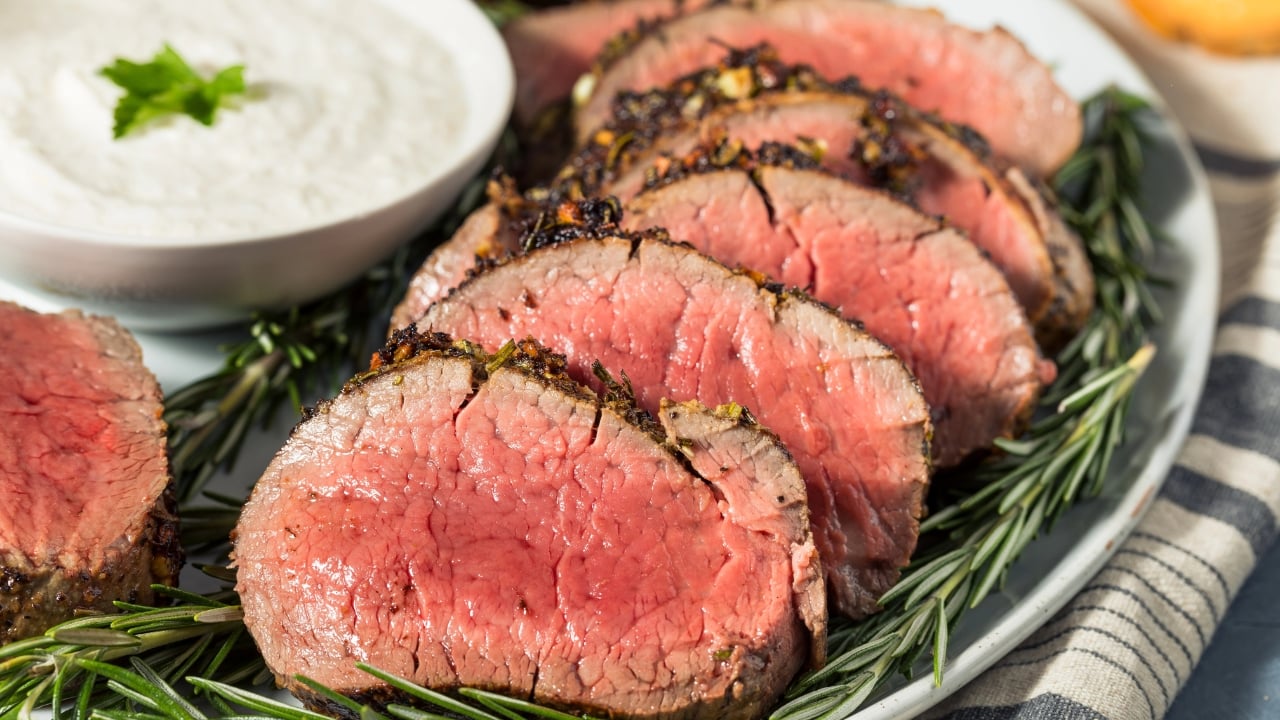
The shift away from highly processed plant-based substitutes is clear, with more people choosing whole, well-sourced meats. Grass-fed beef, heritage pork, and carefully raised lamb are prized for quality and transparency rather than novelty.
High-quality red meat delivers iron, B12, and complete protein, while supporting farmers who raise animals responsibly. Try blends with organ meats for extra nutrients, seek out cuts like hanger or flank steak when dining out, and work with a local butcher to find flavorful, responsibly sourced options.
3. Sensory Overload

2026 is all about sensory maximalism. People are leaning into foods with bold textures, strong aromas, and bright colors, from freeze-dried snacks to striking (naturally) “blue” drinks and tangy citrus like yuzu and sudachi. Eating is becoming a little more playful and a lot more satisfying.
Engaging the senses can make meals feel more enjoyable and help smaller portions feel filling. Try adding crunchy snacks or tangy vinegars to everyday dishes, or whip up craft mocktails with yuzu or sudachi juice for a fun, flavorful twist.
4. Solo Dining and Personalized Portions

Solo dining is having its moment. Favorite shared foods like pizza and wings are being reworked into single-serve boxes and customizable meals, letting people eat exactly what they want without compromise.
Personalized meals cut down on waste and let you enjoy exactly what you’re craving. Look for mix-and-match boxes at local spots, or use smaller cookware at home to make one-person meals feel deliberate and satisfying.
5. Cabbage-Core
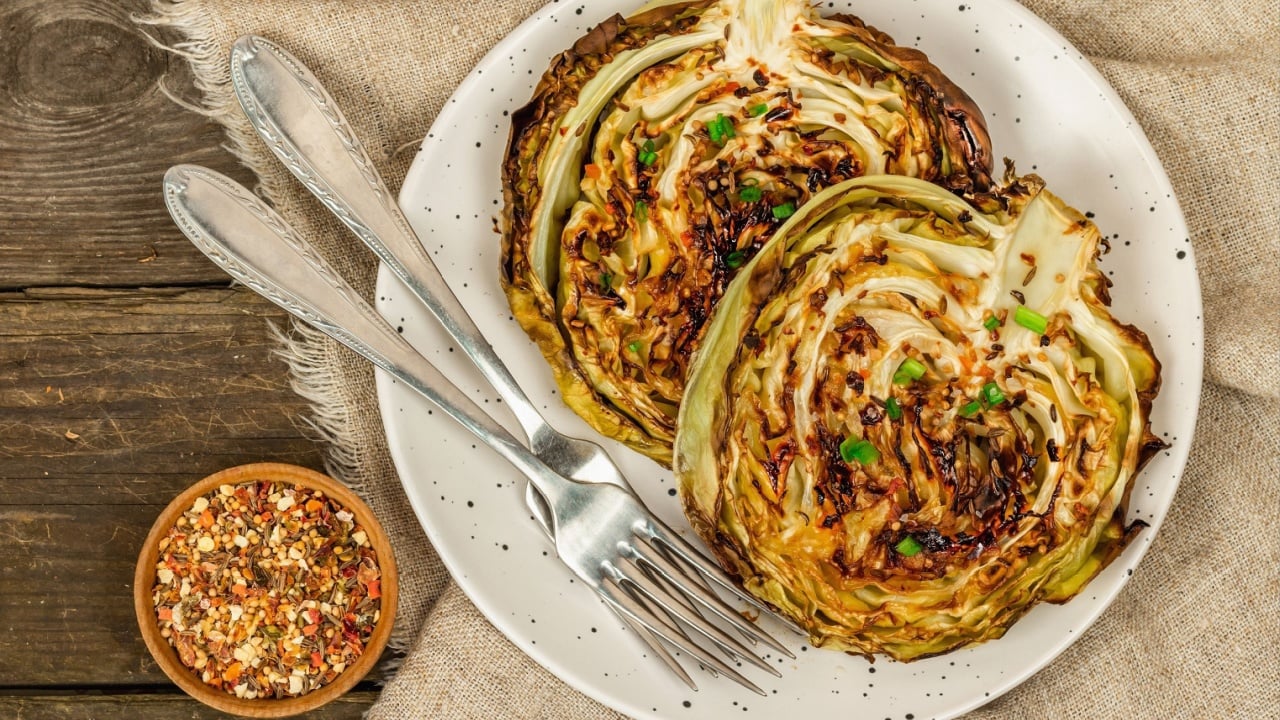
The humble cabbage is stepping out of the coleslaw bowl and into the spotlight. From charred wedges to fermented krauts and braised red cabbage, this vegetable is being celebrated for its versatility and crunch. It’s an affordable way to lean into the fiber and gut-health trends while adding significant texture to a plate.
Try roasting a whole “cabbage steak” with miso butter or experimenting with quick-pickled red cabbage as a bright topping for tacos and bowls. Keep a jar of high-quality kimchi or sauerkraut in the fridge for an instant probiotic boost.
6. The Rise of “Ancestral” Fats

Seed oils are taking a backseat as beef tallow and other animal fats return to professional and home kitchens. Tallow is being used for everything from finishing lean steaks to creating decadent whipped butters. Consumers are seeking out these “ancestral ingredients” for their high smoke points and deep, savory depth.
Swap standard cooking oil for a high-quality tallow when roasting potatoes for a superior texture. Look for tallow-based products at specialty grocers or ask a local butcher for fat trimmings to render at home.
Eating Forward: 2026’s Flavors and Fixes

The common thread for 2026 is a move toward food that is honest, functional, and deeply sensory. To stay ahead of these shifts, focus on diversifying the fiber in your diet and prioritizing the quality of your ingredients over the quantity.
Start by introducing one new “sensory” ingredient, like a complex citrus or fermented cabbage, into your weekly rotation to see how these bolder flavors and textures improve your dining experience.
Read more
Healthy or Hype? 14 “Superfoods” That Are a Super Waste of Money