The 12 Saddest States in America and Why They Are So Down
Ever wonder which states have it the toughest? While some places seem to have it all, others face real struggles with money, health, and overall vibe. It turns out that where you live can really affect how happy you are.
The data driving these rankings stems from the Gallup-Healthways Well-Being Index and similar national health surveys. Researchers survey hundreds of thousands of individuals nationwide to gauge physical health, emotional well-being, job satisfaction, and access to necessities.
The numbers reveal some clear patterns, especially in the South and Midwest. States with more chronic illness, less physical activity, and weaker economies consistently rank lower in life satisfaction.
Ready to see which states are at the bottom of the list? We’ll break down the twelve states with the lowest well-being scores, exploring why they’re struggling and what it would take to make a change.
1. West Virginia
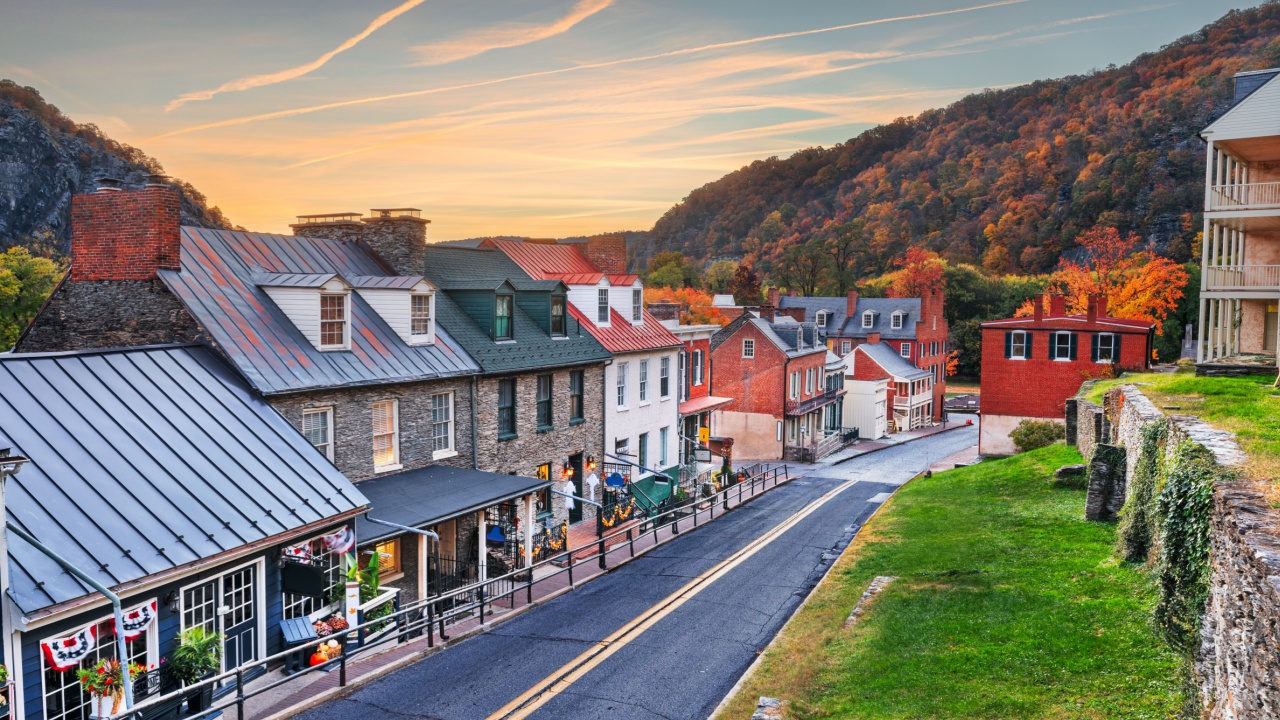
Data frequently places West Virginia at the very bottom of the well-being index. The state struggles with a diabetes rate near 15.7 percent and an obesity rate reaching 41.4 percent. Furthermore, less than half of the population engages in regular exercise, and community optimism remains the lowest nationwide.
These health and economic metrics create a difficult daily environment for individuals living in the state. High rates of chronic illness paired with low economic confidence mean many people feel stuck. When job prospects seem bleak and physical health declines, overall happiness naturally plummets.
Improving these conditions requires a strong focus on public health initiatives and local job creation. Communities can organize free outdoor activities to boost physical movement and mental health. Local governments should invest in retraining programs to help workers transition into growing industries.
2. Kentucky
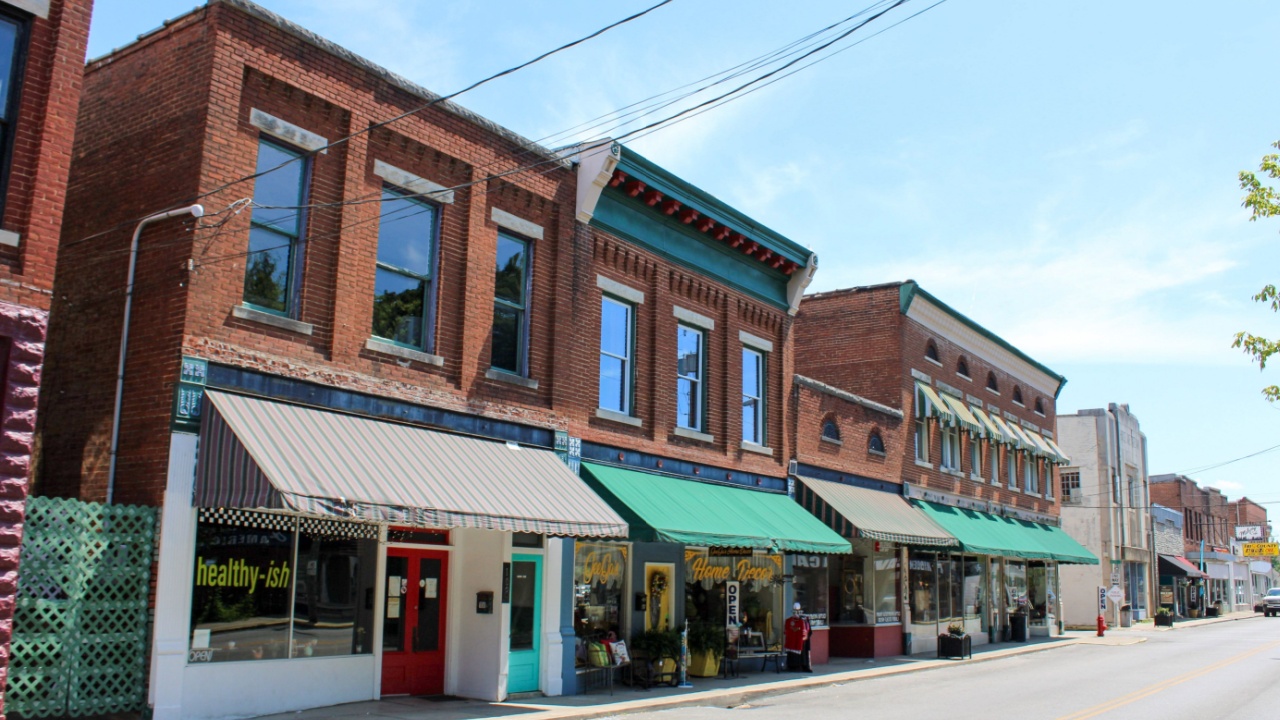
Kentucky’s well-being score is stuck at around 63. Over 30% of residents are obese, and smoking is common. The state also has a high unemployment rate and few new jobs, leaving people feeling insecure about their finances.
This mix of poor health and job instability is a recipe for unhappiness. It’s tough to feel joyful when you’re worried about your next paycheck and dealing with health problems. The stress affects families and the whole community.
Kentucky needs better healthcare access and community support. Things like smoking cessation programs and community gardens could boost physical health. For those looking for work, local career centers can help with resumes and interview skills.
3. Mississippi
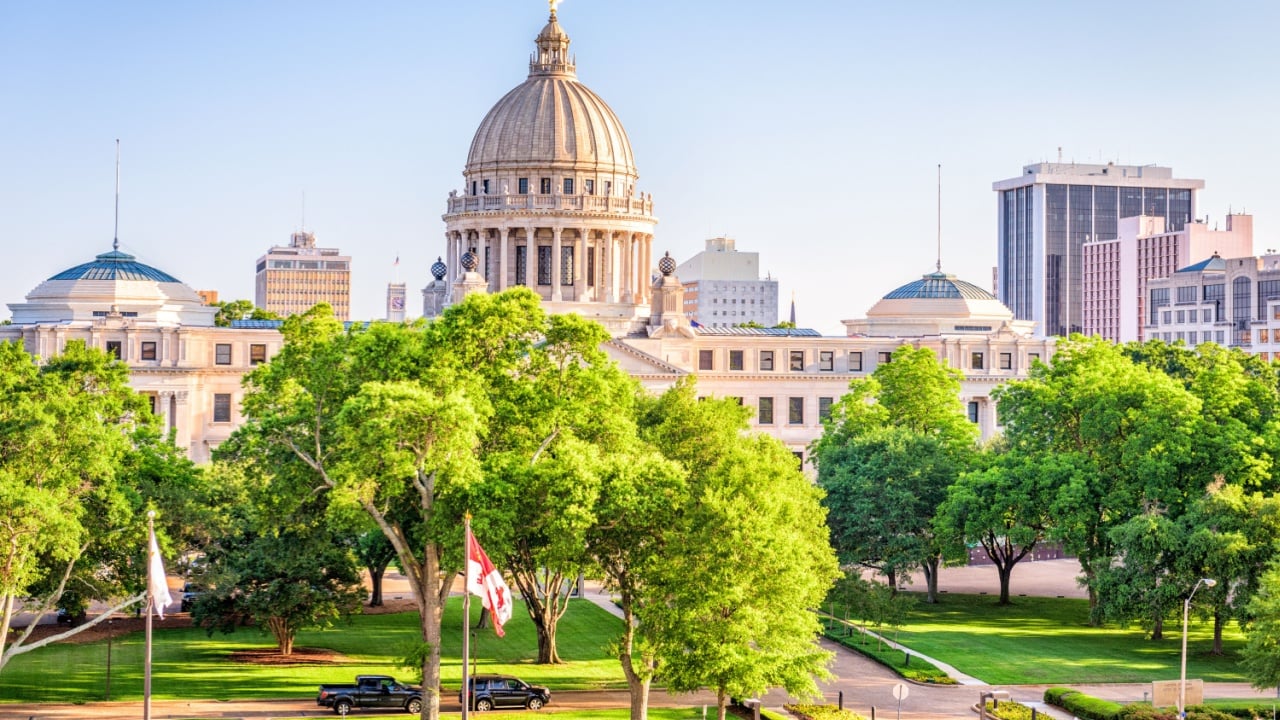
Mississippi has a well-being score of about 63.7, mostly because of its 40% obesity rate. A lot of residents don’t have health insurance, and many are underemployed. On the plus side, the state has a high number of very religious people, which provides a strong sense of community for some.
Without health insurance or stable jobs, many can’t afford basic medical care or healthy food. This creates a vicious cycle: poor diet leads to health problems, and medical bills create more financial stress. With no extra cash, there’s little room for fun and relaxation.
To break the cycle, Mississippi needs both state-level changes and local efforts. Expanding healthcare access would be a huge help. People can also take action by using local food pantries that offer fresh produce and checking in on their neighbors’ well-being.
4. Alabama
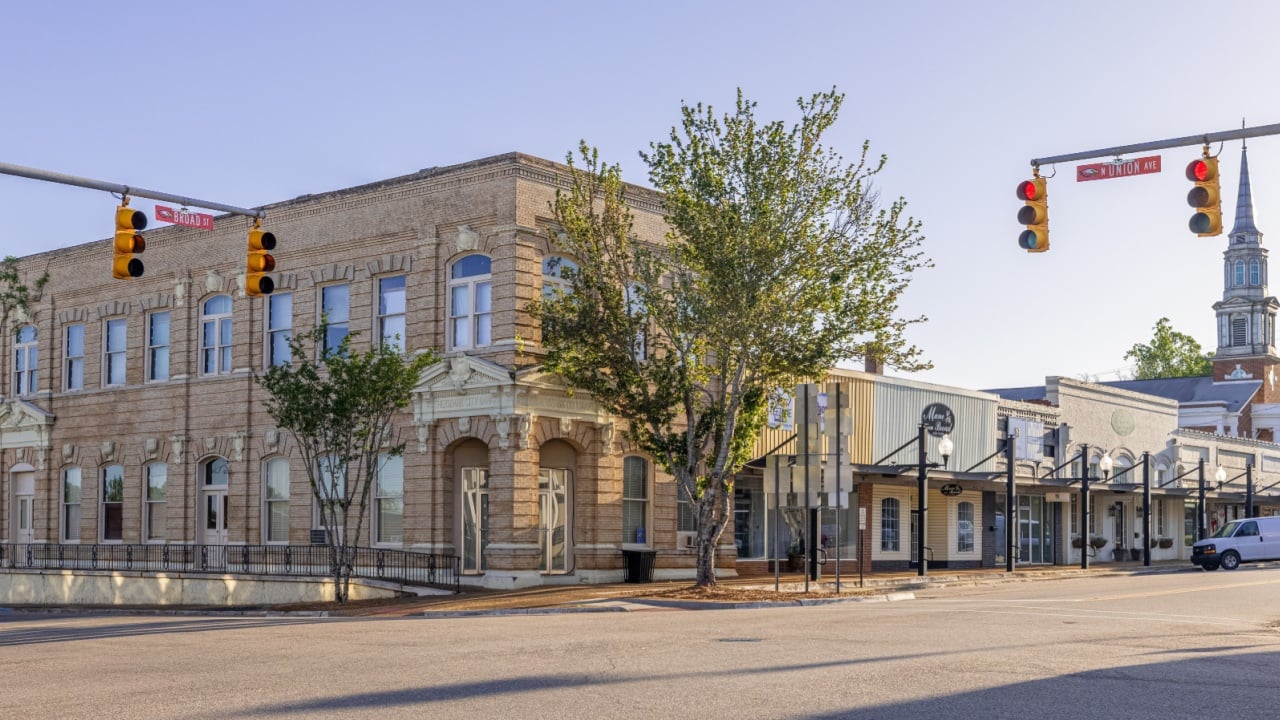
Alabama’s well-being score is around 64.1, with a diabetes rate of 14-16%. Not many people exercise regularly, and the state struggles to create new jobs. Historically, layoffs have been more common here than elsewhere.
The constant threat of losing a job creates a lot of anxiety. Add high rates of diabetes to the mix, and people are left feeling physically and emotionally drained. The lack of exercise means people are missing out on a natural way to relieve stress.
To lift the mood, local leaders need to bring in stable industries with good benefits. Neighborhoods can start walking groups for free exercise and social time. Individuals can also look into online courses to learn new skills and boost their job prospects.
5. Ohio
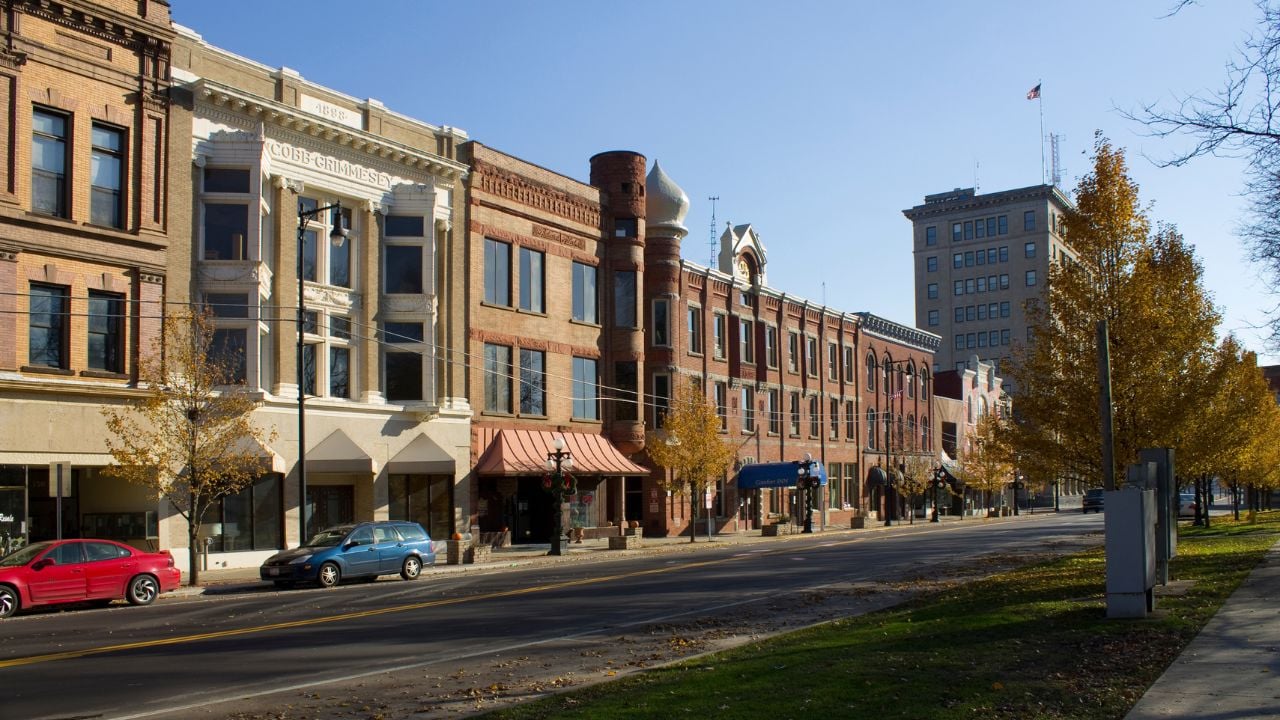
Ohio makes the list with a well-being score of about 64.2. The state has high rates of obesity and diabetes and very low consumption of fresh produce. People aren’t very optimistic here, with few having high hopes for their local area’s future.
A lack of fresh, healthy food affects both energy and brain function. When people have to rely on processed foods, their physical and mental health takes a hit. The general pessimism makes it hard for communities to come together and make positive changes.
To revitalize Ohio, communities need better access to food and improved infrastructure. Weekly farmers’ markets in underserved areas could be a game-changer. Residents can also go to city council meetings to push for better public spaces and community programs.
6. Arkansas
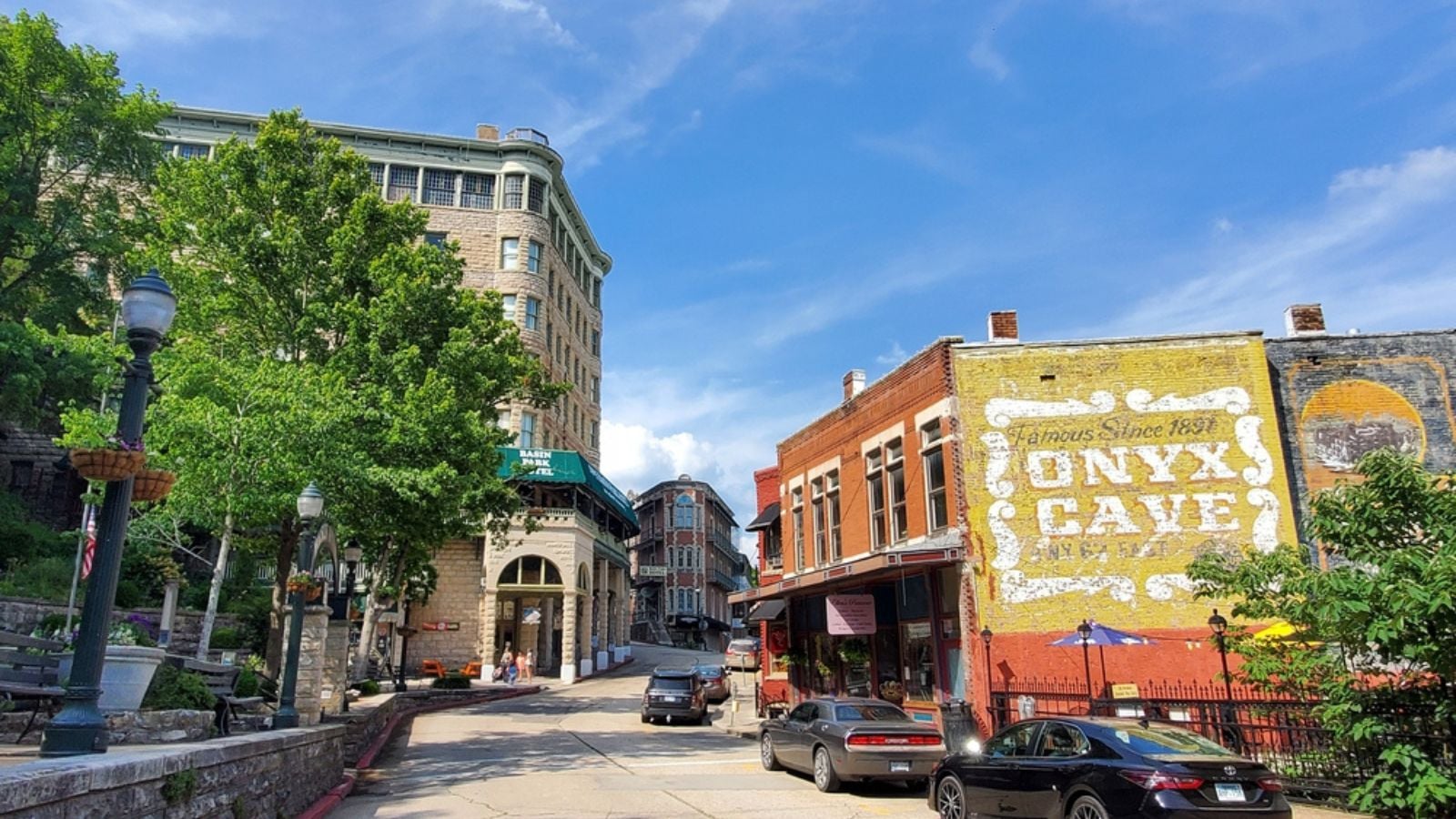
Arkansas has a score of about 64.3, with a 32.2% obesity rate and low fresh food consumption. In the past, over 20% of the population didn’t have health coverage, and the job market has been slow.
When people don’t have health insurance, they often put off seeing a doctor, which can make health problems worse. A sluggish job market leaves young people and families feeling stuck. This combo of health worries and economic stagnation makes it hard to be happy.
Community health clinics and mobile care units are crucial for helping uninsured residents. Local business grants could kickstart the economy and encourage startups to hire locally. People can also support local farms by joining community-supported agriculture (CSA) programs for affordable fresh food.
7. Tennessee
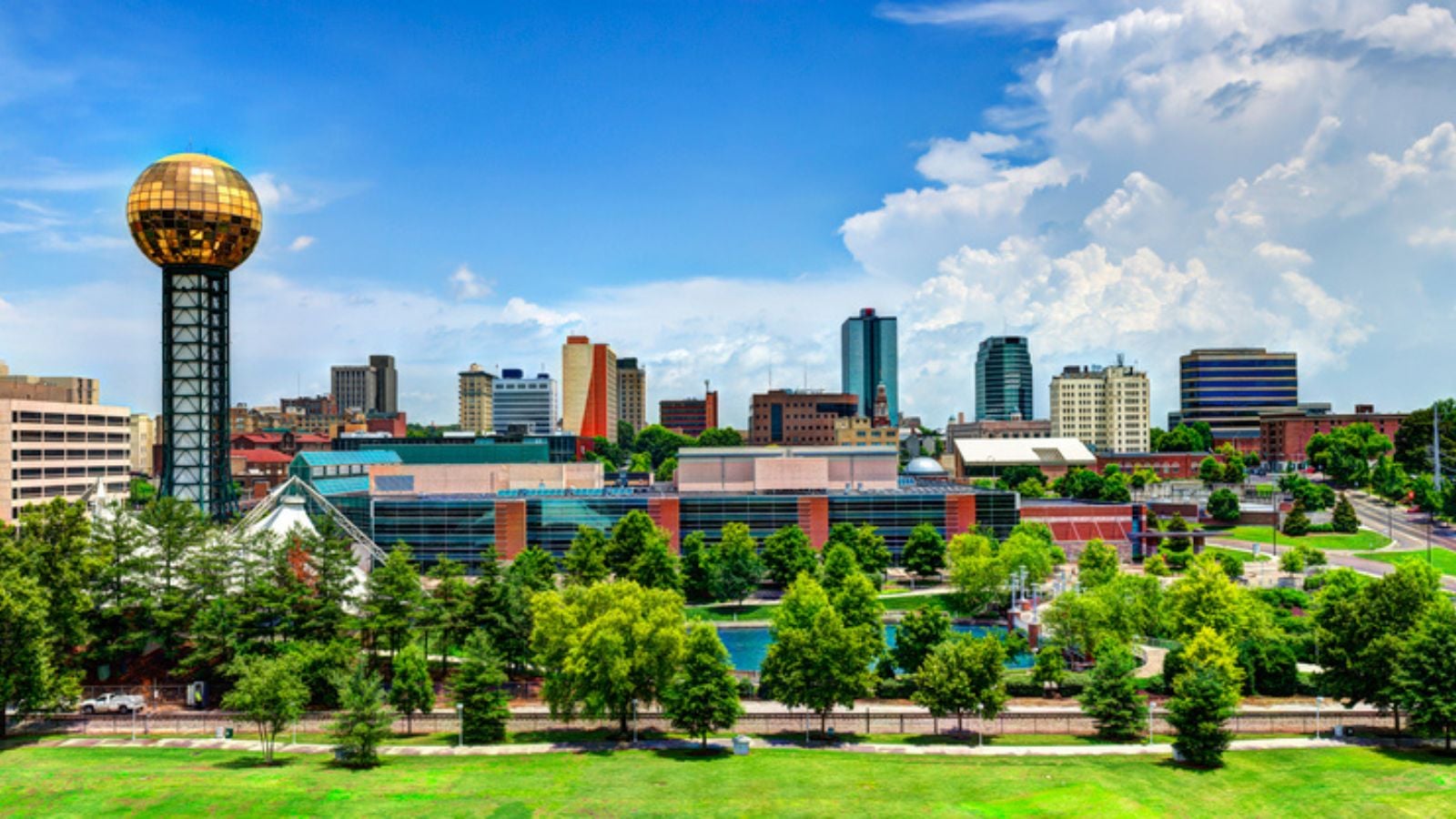
Tennessee also has a score of about 64.3, weighed down by high rates of obesity and diabetes. The state is one of the worst for exercise frequency, and economic confidence is low, which drags down everyone’s outlook.
When not exercising is the norm, communities miss out on the mental health perks of staying active. Widespread chronic diseases put a huge strain on families and healthcare. This shared health crisis contributes to a sense of hopelessness about the economy and the future.
To change this, Tennessee needs to invest in public parks and safe walking trails. Schools could introduce better physical education programs to build healthy habits early. Adults could even organize neighborhood sports leagues to get active and socialize.
8. Missouri
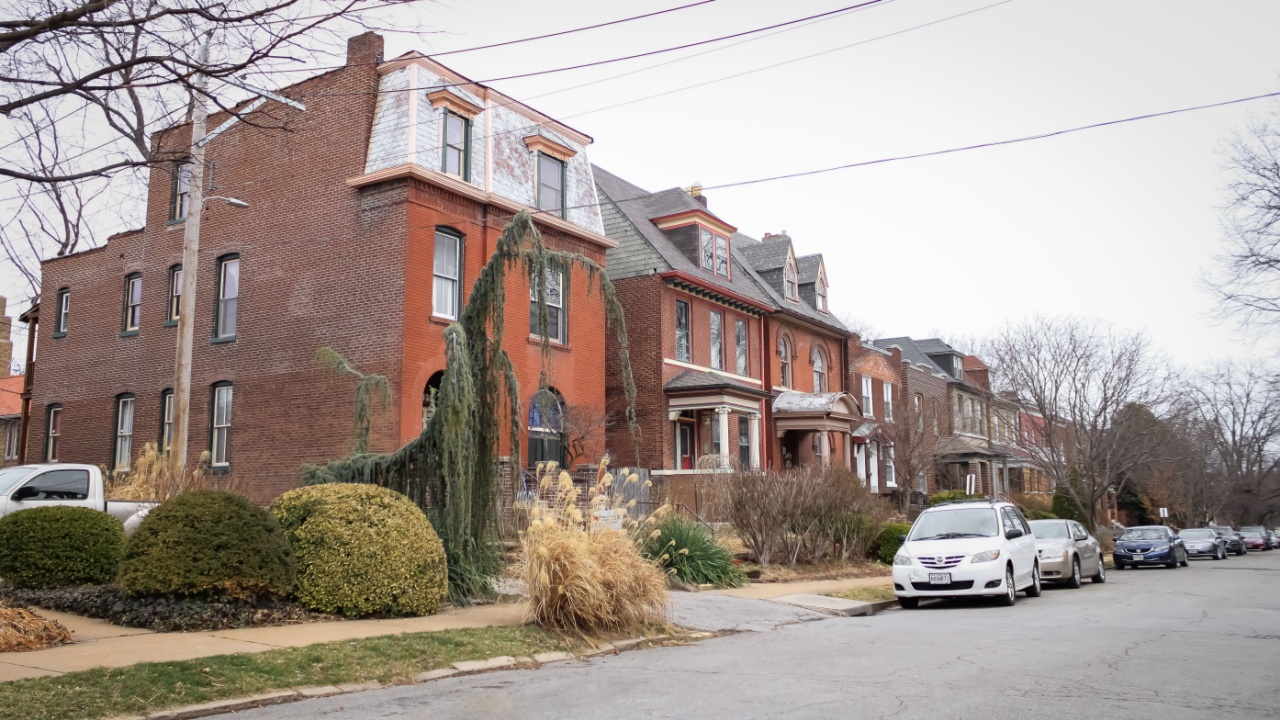
Missouri’s well-being score has dropped to around 64.5. While obesity and diabetes aren’t as bad as in some neighboring states, people eat very little fresh produce. The unemployment rate is average, but people’s overall evaluation of their lives is low.
The drop in life satisfaction suggests people are dealing with “invisible” stressors like loneliness or feeling stuck. Poor eating habits sap energy and motivation. When you feel like your life is going nowhere, it’s hard to find daily happiness.
Mental health awareness campaigns could help people talk about and manage their feelings. More funding for community centers would create safe places to socialize and learn new skills. At home, families can try swapping one processed meal a week for a home-cooked one with fresh ingredients.
9. Oklahoma

Oklahoma has a score of 64.7, with some of the highest obesity and diabetes rates in the nation. It also has the absolute lowest consumption of fresh produce. Despite this, people have a surprisingly positive view of their local communities.
It’s an interesting contradiction: poor physical health but high community pride. The lack of nutrition leads to chronic health issues that can limit people’s lives. But that strong sense of local pride seems to act as a buffer against complete despair.
The best way forward is to tap into that local pride to promote health. Town leaders could host community-wide health challenges to make wellness a shared goal. Teaching nutrition in schools can help the next generation make healthier choices.
10. Louisiana

Louisiana’s score is about 64.9, thanks to a 39.2% obesity rate and low exercise levels. The state also struggles with a low ratio of payroll jobs to population. The high humidity and other environmental challenges make daily life even tougher.
The combination of extreme weather and a tough job market makes it hard to get outside or feel financially secure. When people are stuck indoors and struggling to find work, they can feel isolated. The state’s rich culture is often overshadowed by these daily struggles.
To improve well-being, Louisiana needs to build community infrastructure that can stand up to the climate. Indoor recreation centers would offer a place to exercise year-round. Job training programs focused on new industries could also help get more people into the workforce.
11. Indiana
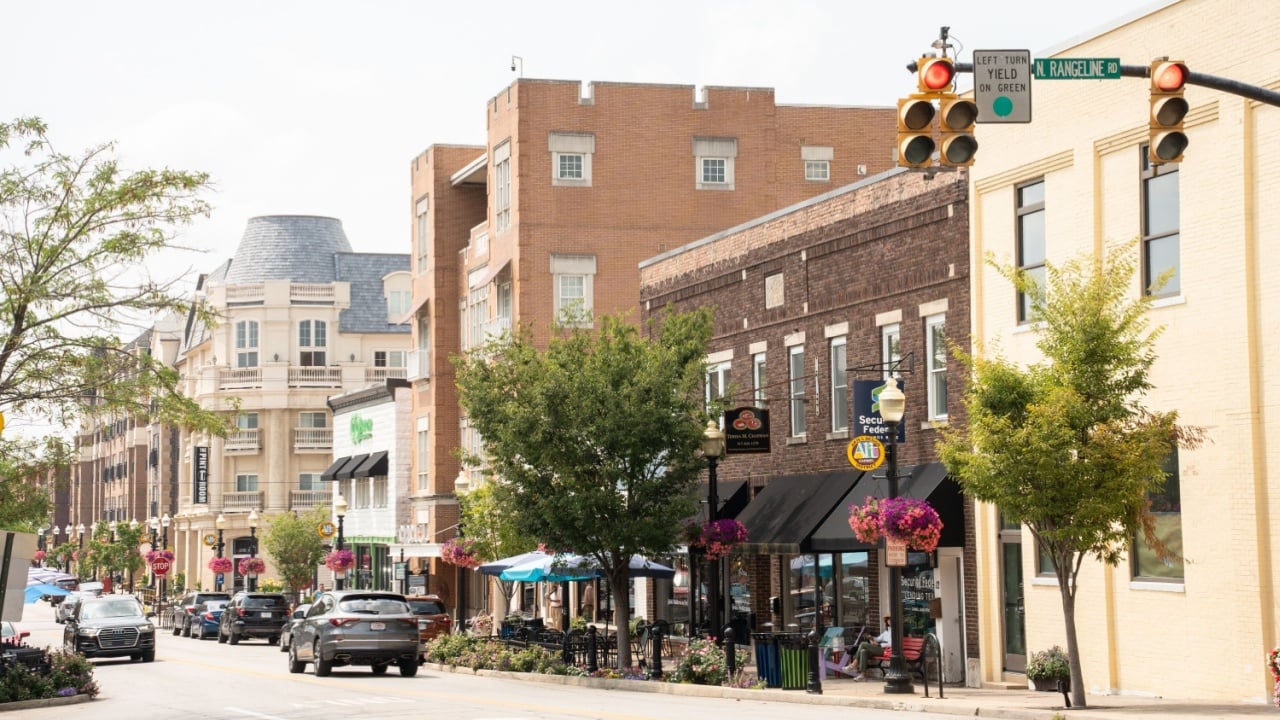
Indiana often ties with states like Louisiana, scoring around 64.9. It faces challenges with high smoking rates and the loss of industrial jobs. Mental health data shows that many residents feel stressed and underappreciated at work.
The decline of manufacturing has left many communities in a tough spot economically. The high smoking rate is often a way people cope with that stress. This dependence on an unhealthy habit just makes public health and life satisfaction worse.
To transition to a modern economy, Indiana needs to invest in tech and green energy. Workplaces should also prioritize employee wellness programs and mental health days. People can find local support groups to help manage stress in healthier ways.
12. Michigan

Michigan often ranks low on happiness indexes due to its long, harsh winters and economic shifts. Cities still recovering from the collapse of industry face high poverty and infrastructure problems. Seasonal depression also takes a heavy toll on the state’s overall mood.
Dealing with crumbling roads and long, cold winters is a source of daily frustration. The economic scars from the past decade still affect housing and schools. All these factors make it hard for people to feel secure and optimistic about the future.
Urban renewal projects and infrastructure repairs are key to restoring community pride. More mental health services during the winter could help fight seasonal depression. Residents can also form neighborhood groups to demand better local services and build a sense of community.
Finding the Path Forward in Your Community

Improving a region’s happiness is a team effort between local governments and everyday people. You can start by checking out local health resources or organizing neighborhood wellness events.
Pushing for better job training and healthcare access will ultimately lift the mood and improve life for everyone involved.