Ten Companion Plants Your Peppers Need For A Successful Growing Season
Your grandmother planted marigolds next to her peppers every single year, and she was doing something right — just not for the reason she thought.
Companion planting has been passed down through generations of home gardeners, often as intuition rather than instruction. Grow basil near your tomatoes, ring the garden with marigolds, and tuck nasturtiums wherever there’s space. Most of us learned these habits from someone older and wiser, and we’ve repeated them faithfully ever since.
The good news is that modern science has caught up, and it confirms that companion planting genuinely works. The nuance is that the plants you choose, where you place them, and when you plant them matter enormously. Get those details wrong, and your companions do nothing. Get them right, and your pepper plants will produce more, fight off pests naturally, and become the most productive bed in the garden.
Why Peppers Need Companions in the First Place
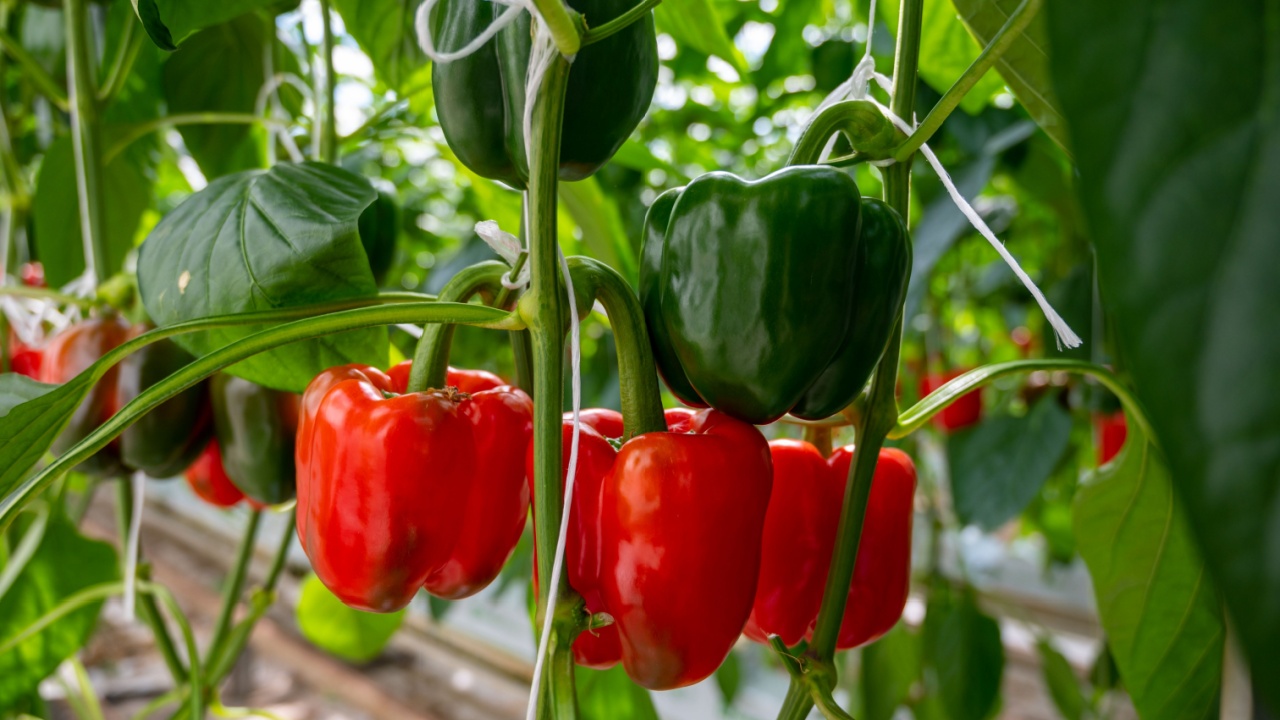
A bed planted with peppers alone is an invitation to pests. When you grow a single crop in dense rows, you create exactly the kind of concentrated, easy-to-locate target that insects are wired to find. Aphids, thrips, and flea beetles navigate largely by smell, following the volatile chemical compounds that pepper plants emit, and a monoculture makes those signals loud and clear.
Companion plants disrupt that system in four distinct ways. Some act as trap crops, luring pests to a sacrificial plant before they reach your peppers. Others release aromatic compounds that mask the scent of your crop, effectively jamming the signal. A third category attracts beneficial insects such as parasitic wasps, lacewings, and syrphid flies that prey on the very pests threatening your harvest. And a fourth category improves the soil itself, fixing nitrogen or acting as living mulch to retain moisture and suppress weeds. The best companion-planted pepper beds use all four strategies at once.
As the Old Farmer’s Almanac notes, the goal is to treat the garden as “an interconnected system, rather than isolated rows.” Here are the best companion plants for peppers, ranked by what they actually do.
1. Basil
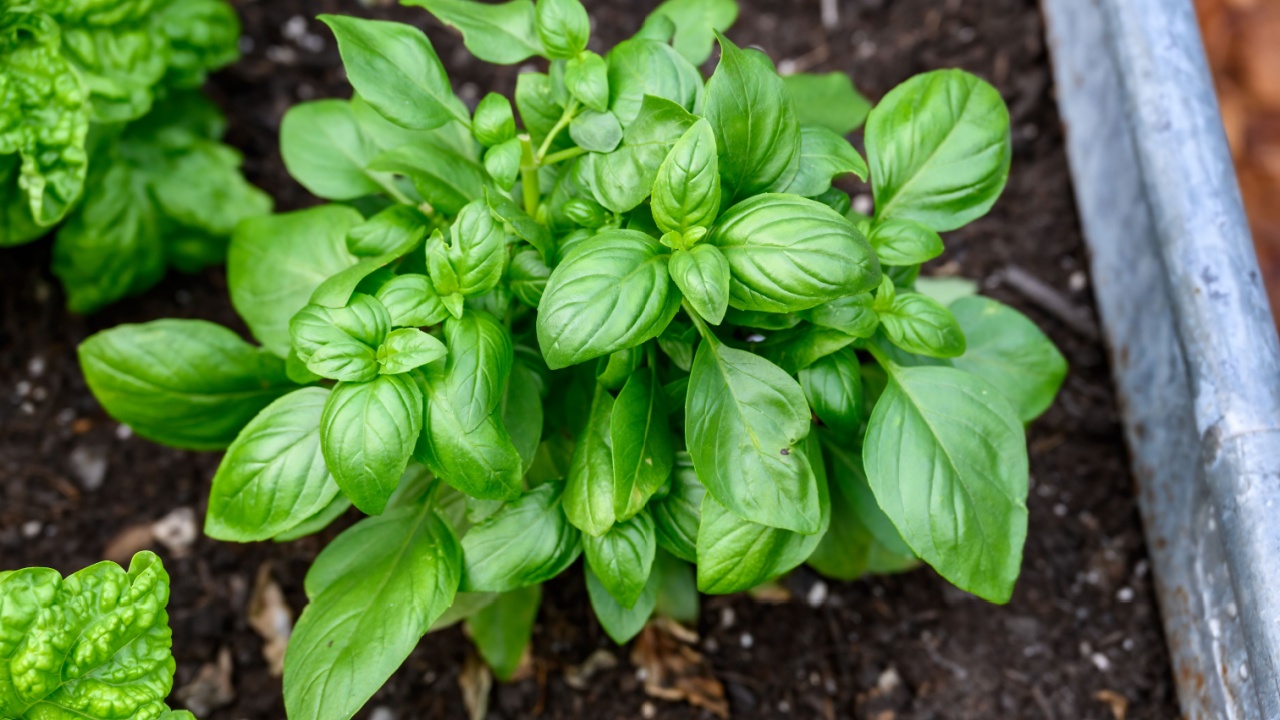
Basil is the single most useful companion you can plant with peppers, and the science behind the pairing is specific and well-documented. Basil’s essential oils, particularly eugenol, linalool, and a compound called (E)-β-farnesene, interfere with the olfactory system of aphids and thrips.
In a peer-reviewed study published in Agricultural and Forest Entomology, researchers confirmed that intercropping basil with sweet peppers significantly reduced green peach aphid populations, even without physical contact between the plants. Both crops share the same love of warmth and full sun, making them practical neighbors.
Plant basil 12 to 18 inches from pepper stems, and pinch the flower heads regularly to keep the aromatic oils concentrated in the leaves.
2. French Marigolds
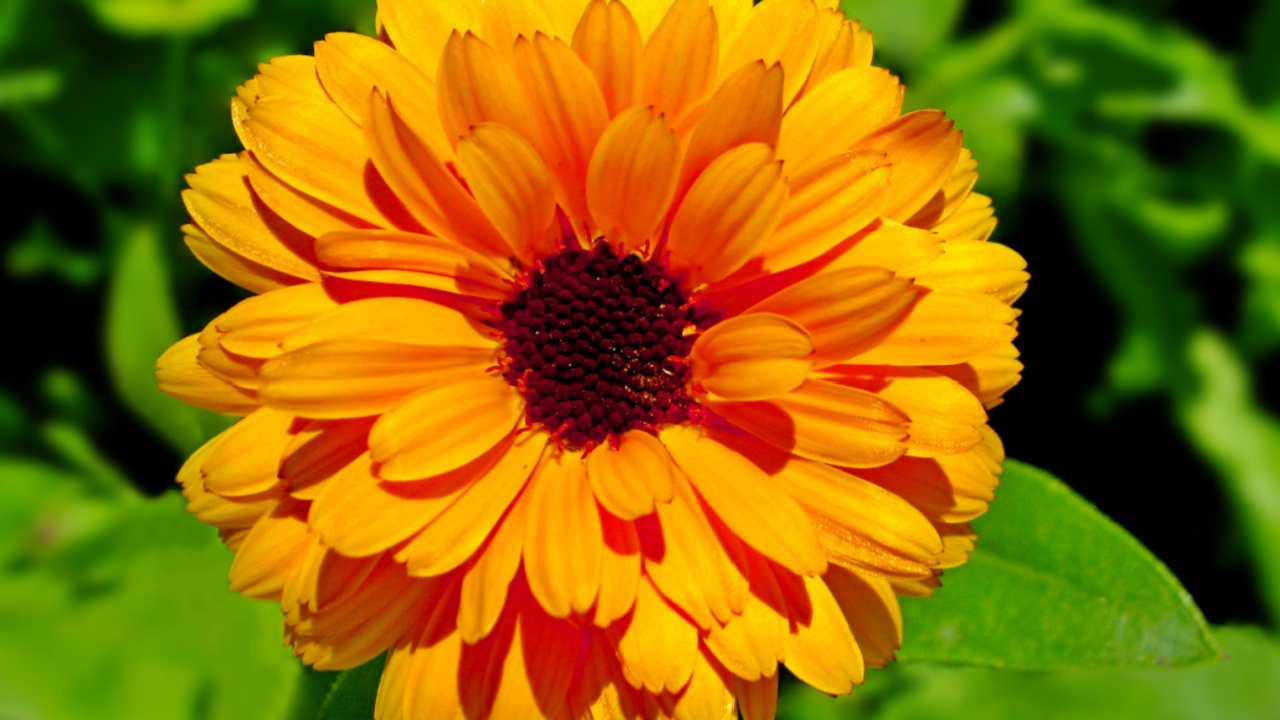
French marigolds earn their place in every pepper bed, but not for the scent-based pest repellency that folklore claims. Their real power is below the soil: their roots release a compound called alpha-terthienyl, which has documented nematicidal properties. Research from the University of California found that tomatoes grown after a French marigold cover crop had significantly fewer root-knot nematodes and produced higher yields.
Above ground, their flowers attract ladybugs, hoverflies, and parasitic wasps. Plant the French types (Tagetes patula), not the large African varieties, which are bred for ornamental size rather than root output.
3. Nasturtium
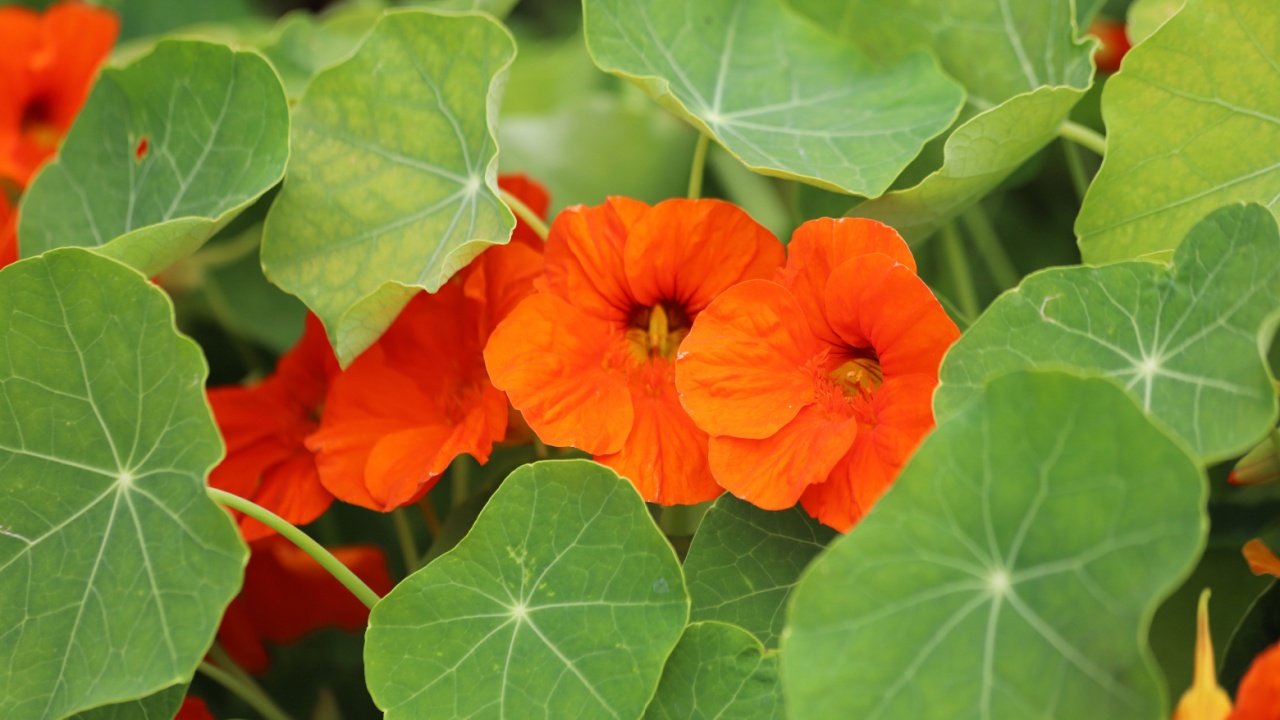
Nasturtiums pull double duty as a trap crop and a living mulch. Aphids are strongly attracted to them, which draws pest pressure away from your pepper plants. Those same aphid colonies serve a secondary purpose: they become a nursery for natural predators, which then spread through the garden and keep populations in check.
Nasturtium’s sprawling habit also conserves soil moisture and suppresses weeds. Check your nasturtiums regularly; if the aphid infestation grows too heavy, remove and destroy the affected stems before the population migrates to your peppers.
4. Dill
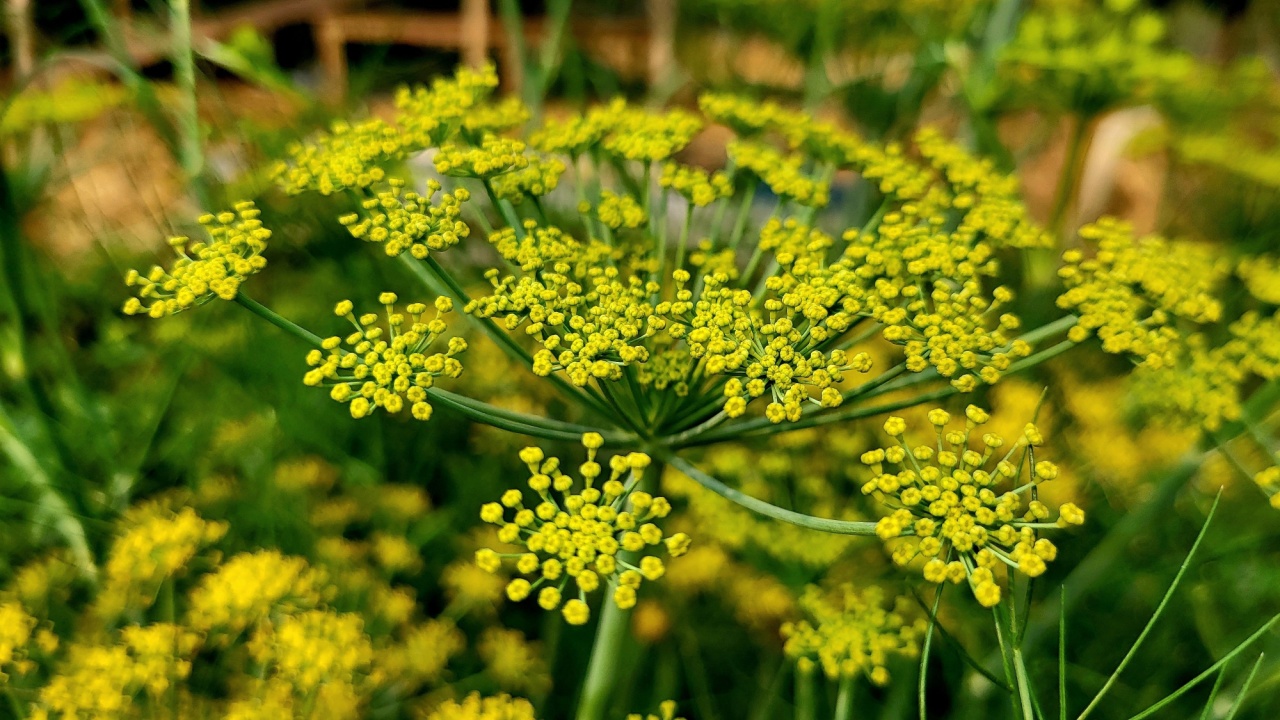
Let your dill go to flower. This is a hard habit for kitchen gardeners to build, because the instinct is to harvest before bolting. But those golden umbels are among the most effective beneficial insect attractors you can offer a pepper bed.
Parasitoid wasps, lacewings, and syrphid flies all feed from dill’s tiny, nectar-rich flowers, and when they’re not feeding, they’re hunting aphids, whitefly eggs, and other pepper pests. Keep some plants dedicated to the garden rather than the kitchen, and let them bloom freely.
5. Garlic and Chives
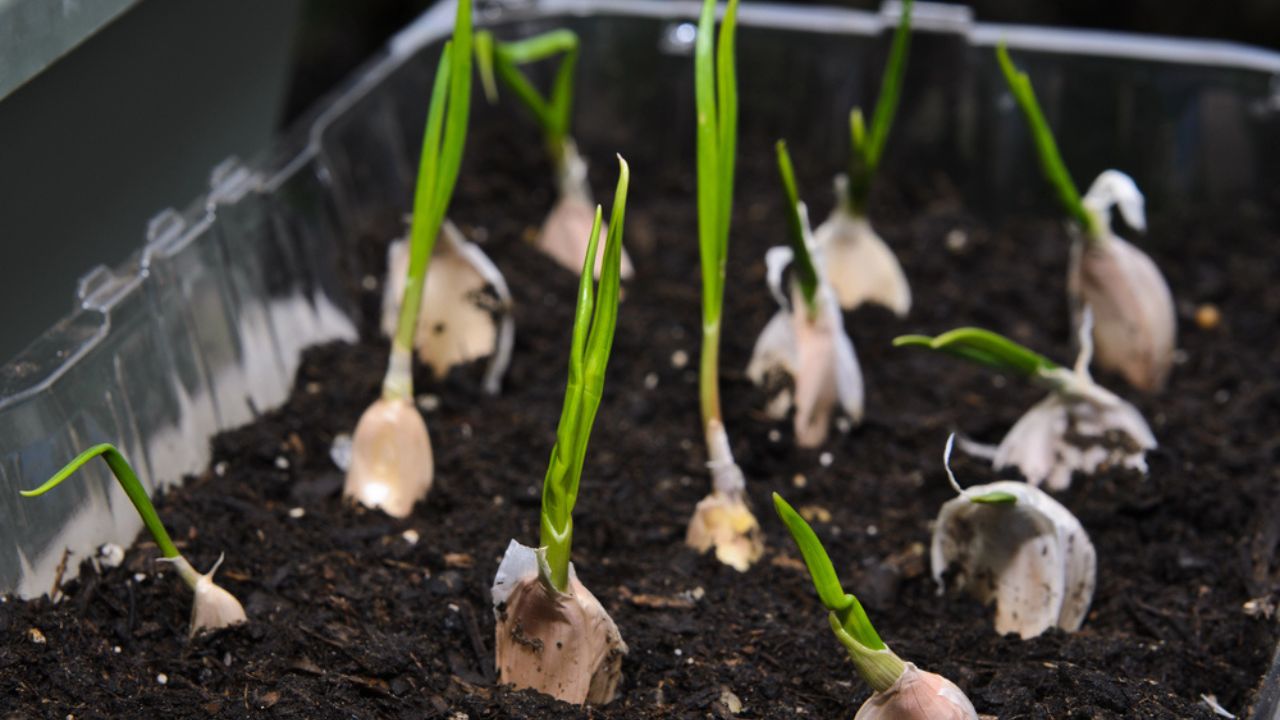
The entire allium family, including garlic, onions, chives, and leeks, is an underrated pest management tool for peppers. Their sulfur-based volatile compounds mask the scent of the pepper plant from aphids.
A 2007 study from the University of Peradeniya in Sri Lanka confirmed that chive volatiles masked sweet pepper odors well enough to significantly reduce green peach aphid colonization; the chive scent actually adheres to pepper leaves, making them chemically less recognizable to the pest. Interplant garlic or chives between individual pepper plants for maximum coverage.
6. Radishes
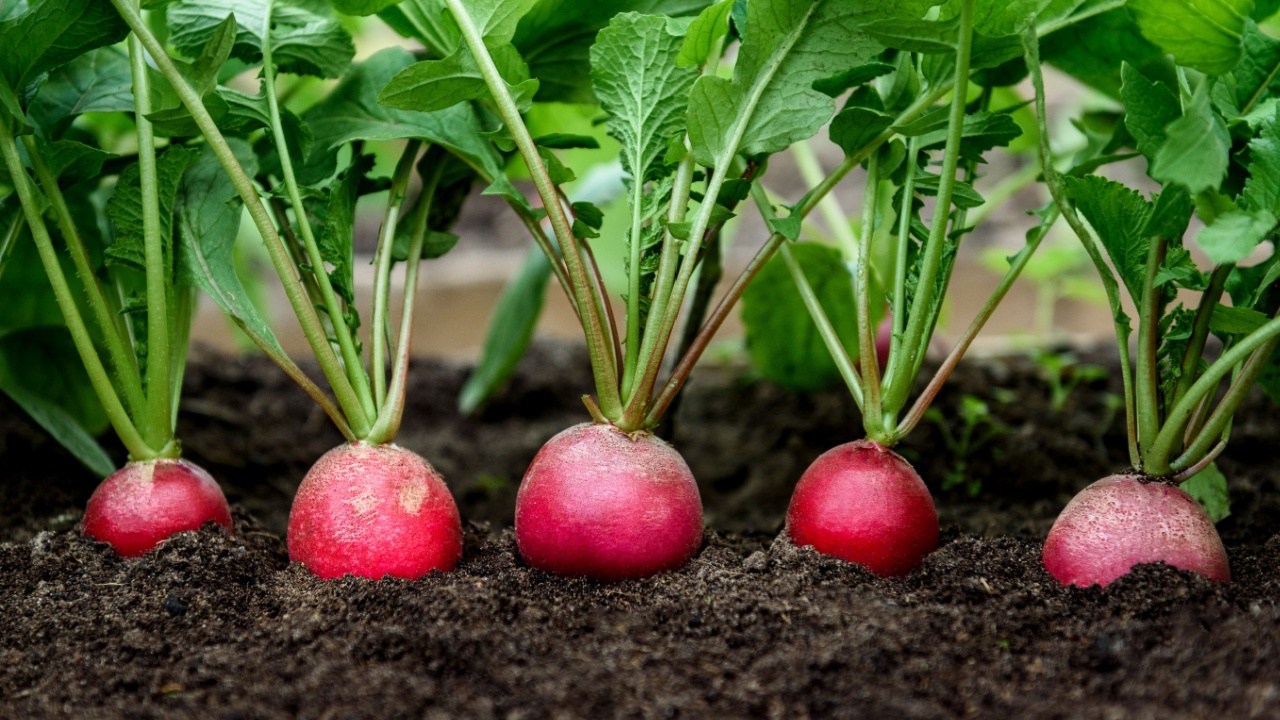
Radishes are the underappreciated workhorse of the companion-planted bed. Plant them in early spring, and they intercept flea beetles during the period when pepper seedlings are most vulnerable. Flea beetles prefer radishes and will colonize them first.
You can harvest and eat the radishes, removing the beetles along with them, then put your peppers in a bed with significantly lower pest pressure. They pull double duty as a real food crop, which makes them one of the most efficient companions in the garden.
7. Cilantro
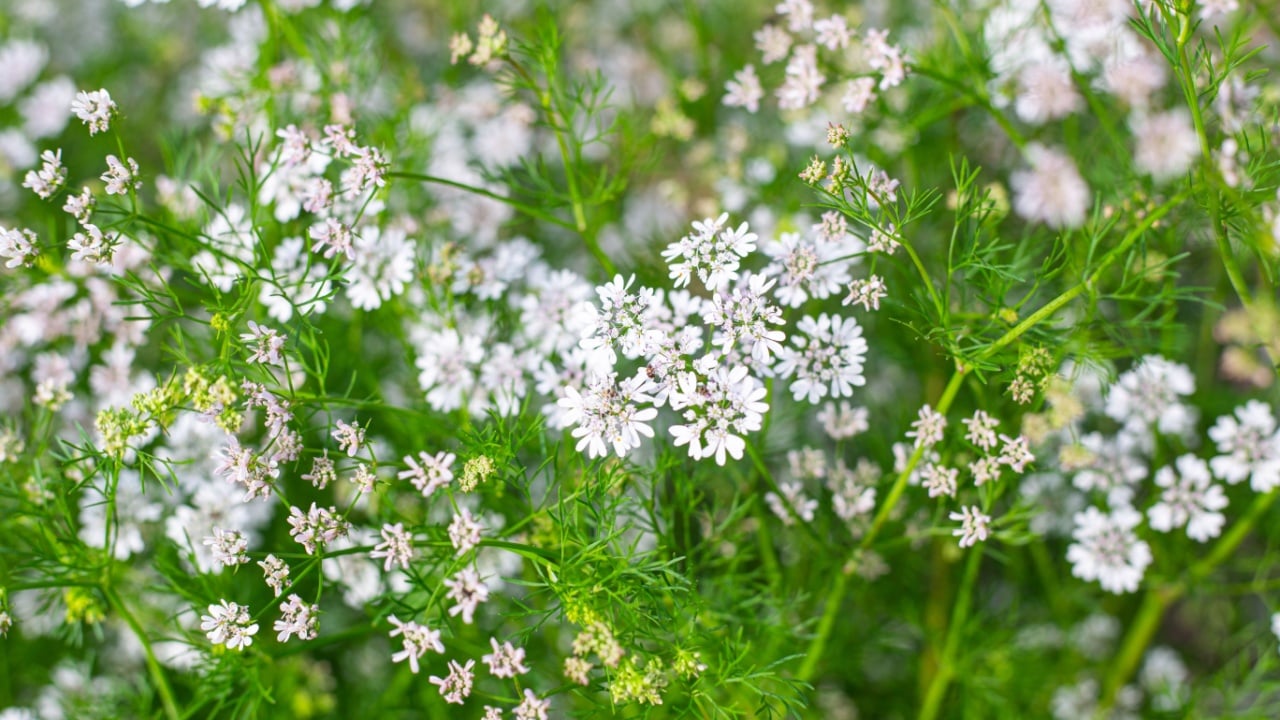
Cilantro is a cool-season plant that will bolt when summer temperatures rise, and that’s exactly what you want it to do. The delicate white flowers that appear when cilantro bolts are magnets for parasitic wasps, lacewings, and ladybugs.
Don’t pull bolted cilantro from the pepper bed; that’s when it’s doing its most important work. Succession plant in spring and again in fall, and let the summer plants flower freely around your peppers.
8. White Clover
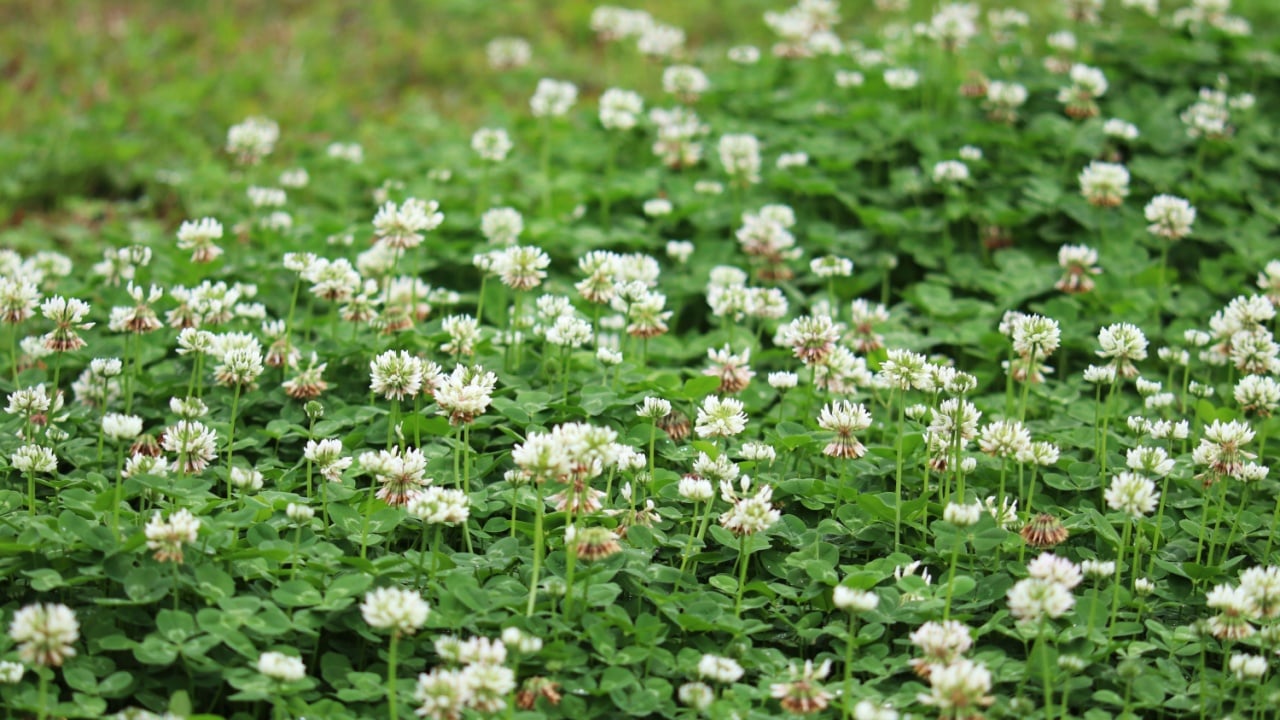
White clover is a living mulch that earns its space three ways: it fixes atmospheric nitrogen into the soil, reducing the need for supplemental fertilizer; it attracts native bees and other pollinators; and its low-growing habit suppresses weeds between pepper plants.
It tolerates light foot traffic and can be planted in fall or early spring, well before peppers go in, so it’s already established by transplant time.
9. Sweet Alyssum
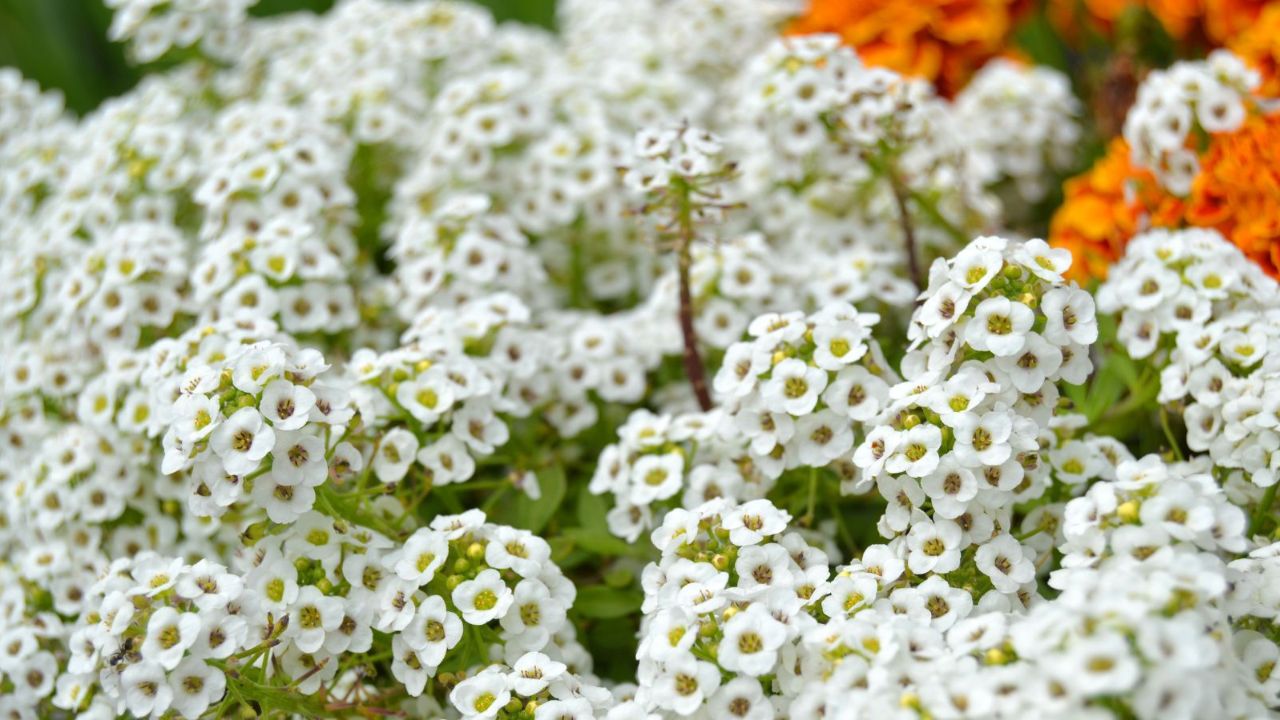
Sweet alyssum may be the most underrated companion on this list. Its tiny, honey-scented flowers attract an unusually broad range of beneficial insects: parasitic wasps, syrphid flies, tachinid flies, ladybugs, and lacewings.
Plant it as a low carpet beneath your pepper plants; it’s beautiful, it’s functional, and it creates a layered habitat that keeps your pepper bed actively defended all season long.
10. Carrots or Low-Growing Greens
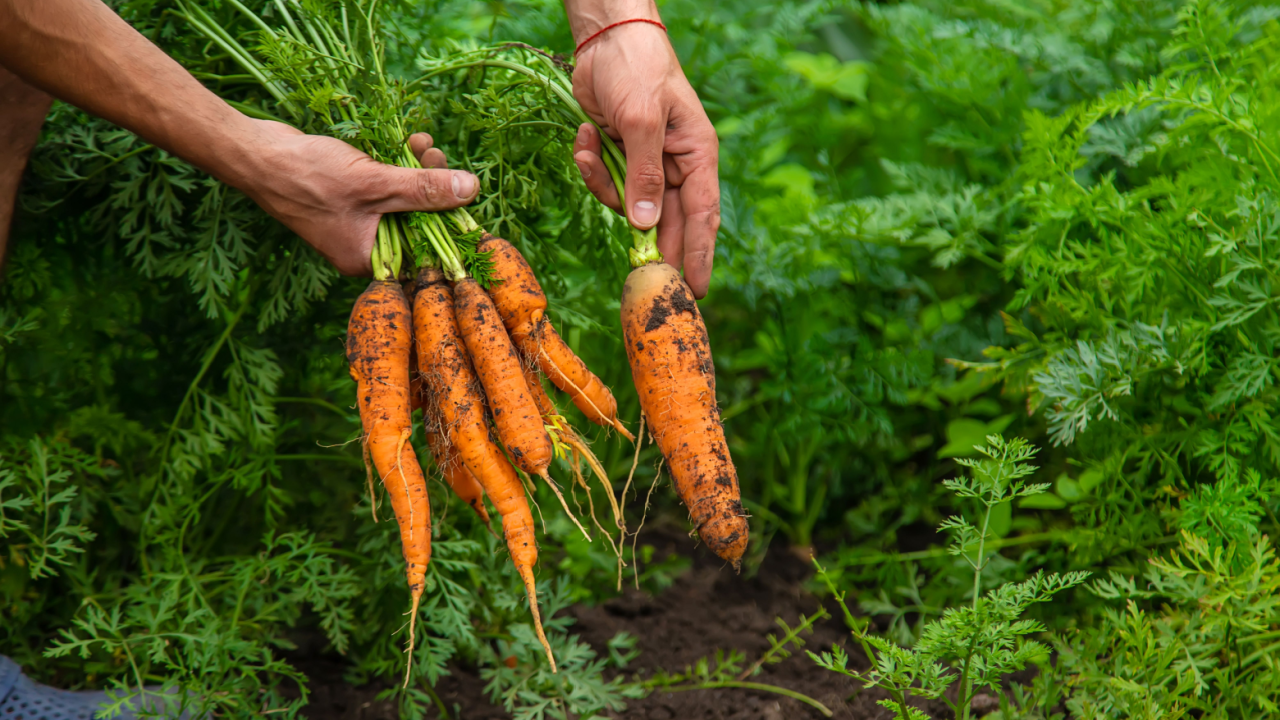
Carrots, lettuce, spinach, and chard all make practical gap-fillers in a pepper bed. Their compact size and shallow root systems don’t compete meaningfully with peppers; they crowd out weeds, and they let you harvest something while you wait for peppers to ripen. Carrots, in particular, break up compacted soil and improve aeration around pepper roots.
How to Lay Out a Companion-Planted Pepper Bed
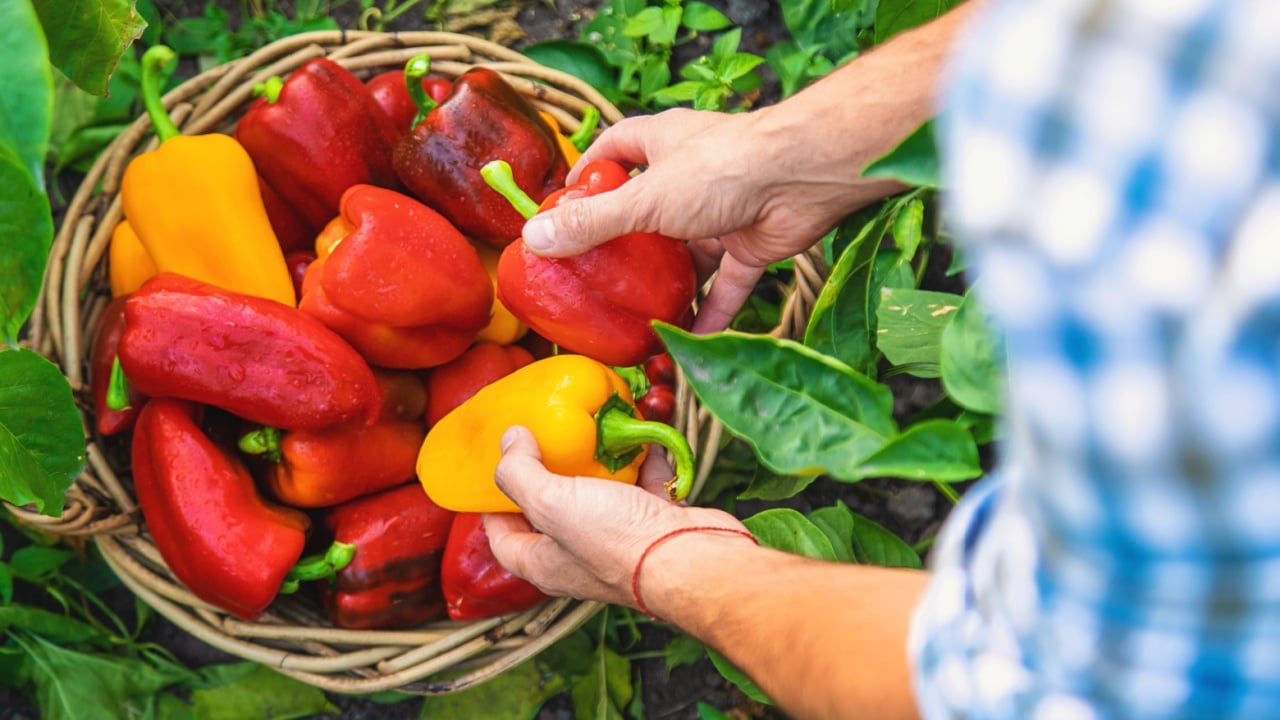
Resist the urge to group all your companions in clusters at the edge of the bed. For aromatic companions like basil, garlic, and chives, the protective volatile compounds diminish significantly with distance; research in Agricultural and Forest Entomology shows that effectiveness drops off sharply beyond 1.5 meters. Intersperse these companions between individual plants rather than massing them at the border.
A simple, practical layout for a 4×8 raised bed: peppers in the center two rows, basil planted between every other pepper, chives or garlic at each end, sweet alyssum or nasturtium tucked along the front edge, and dill or cilantro planted to one side where they can bolt freely without shading the peppers. Radishes can go in as early as the soil is workable, weeks before peppers are ready for transplant. As Savvy Gardening notes, companion planting can also take place in containers.
Companion planting isn’t a replacement for good watering, healthy soil, and proper spacing. It’s one intelligent layer in a complete garden strategy — and now, with the planting season fully underway, it’s exactly the right layer to get in place now.
Read More
Washing Your Lettuce Won’t Remove Cyclosporiasis, But Growing Your Own Will
Your Grandmother Stored These 8 Foods All Winter Without Canning a Single Jar