6 Ways to Get Rid of Yard Waste for Free
A weekend of pruning, mowing, and trimming can leave your yard looking great and your cleanup pile looking huge. Branches, leaves, grass clippings, and spent plants add up fast, and hauling them away can turn into a chore you did not plan for.
That much of that yard waste does not need to go to the curb. A lot of it can feed your soil, help local wildlife, or serve a useful purpose in other parts of your yard.
Free disposal options are often better for your garden than bagging everything up. They can cut waste, save time, and give you a cleaner system for handling seasonal cleanup.
Check out these six practical ways to get rid of yard waste for free and make good use of what your yard gives you.
1. Leave Grass Clippings On The Lawn
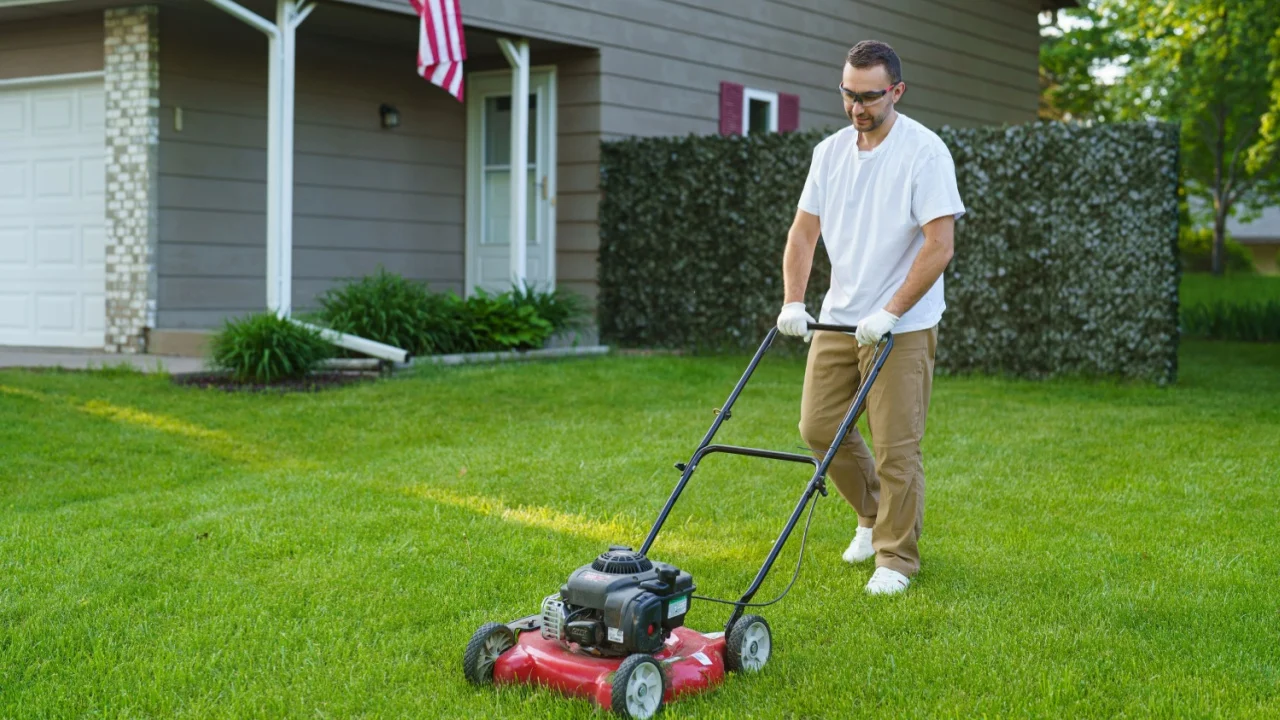
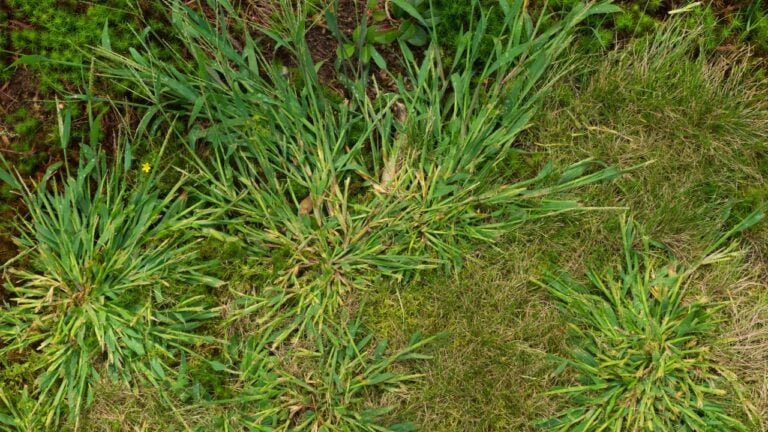
Grass clippings are one of the easiest types of yard waste to handle for free because you often do not need to remove them at all. When you mow often and take off only a small part of the blade, the clippings break down fast and return nitrogen to the soil.
This practice is often called grasscycling, and it can reduce the need for bagging while feeding the lawn at the same time. Short clippings usually disappear within days if the grass is dry and the mower blade is sharp.
To make this method work well, mow when the lawn is dry and avoid cutting too much at once (many lawn mowers have a mulching setting that helps spread it evenly as you mow). A common rule is to remove no more than one-third of the grass height in a single mowing, which helps clippings stay fine and easy to spread.
If the clumps are thick after rain or rapid growth, rake them out lightly so they do not smother the grass. For many yards, this single habit removes a large share of yard waste from the cleanup pile.
2. Build A Compost Pile
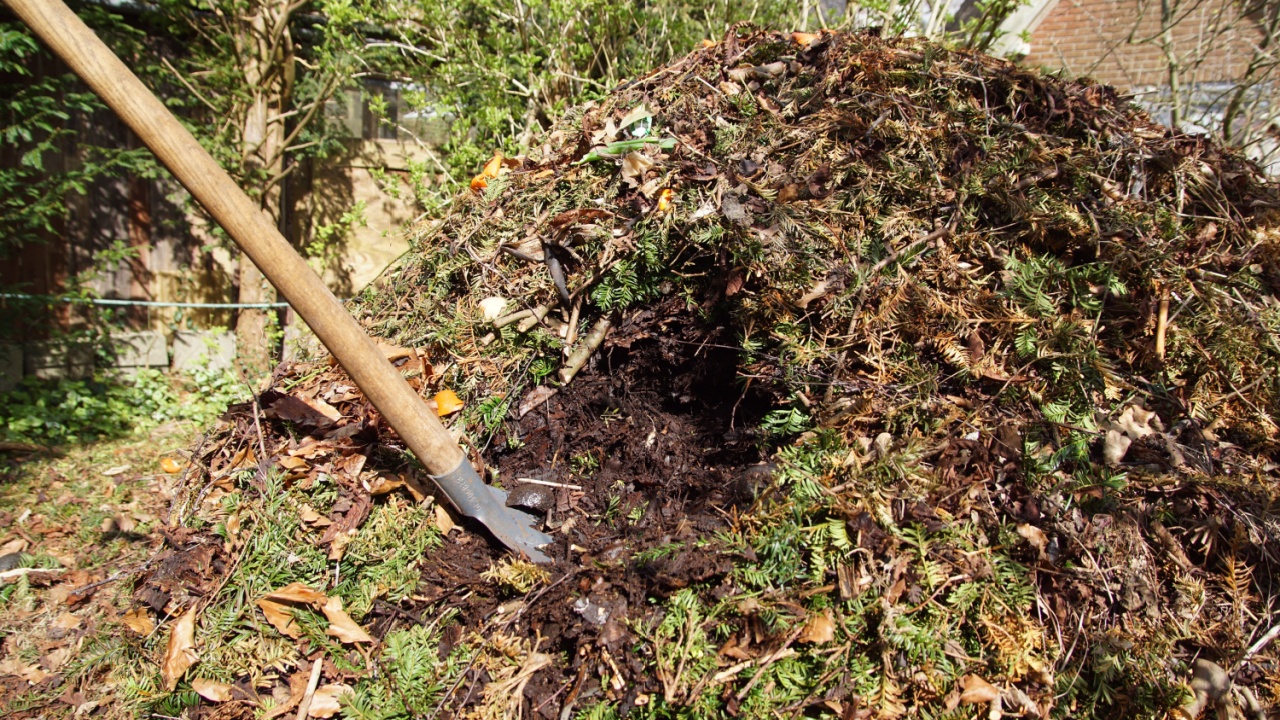
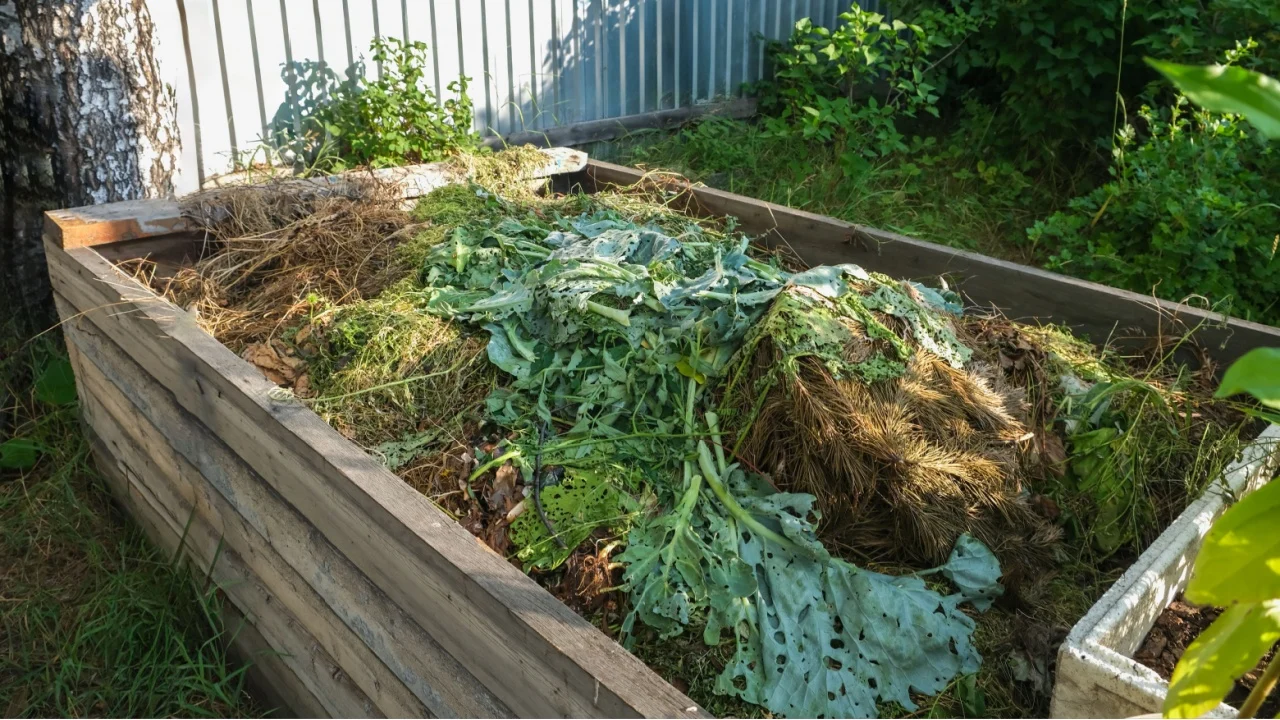
A compost pile turns leaves, grass clippings, small stems, and other plant scraps into a dark, useful material that improves garden soil. Free composting works best when you mix green materials, such as fresh clippings, with brown materials, such as dry leaves, shredded paper, or small twigs.
Set aside a simple corner of the yard, or make a basic bin from pallets, wire, or scrap lumber if you have them.
Keep weeds with mature seeds, diseased plants, and thick woody branches out of the pile unless you know your compost gets hot enough to break them down safely.
If the pile smells sour, add more dry browns and turn it to bring in air. If it looks dry and inactive, add a little water so it feels like a damp sponge.
3. Use Branches and Trimmings in Raised Beds
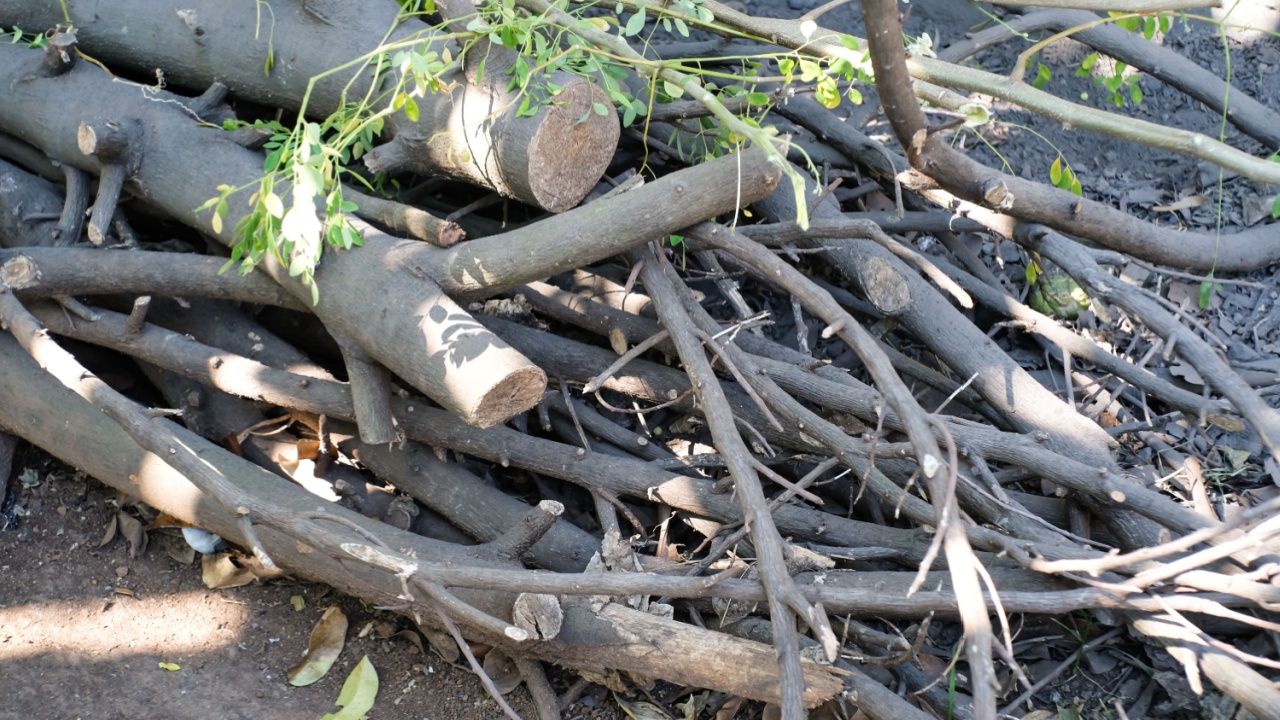
Large branches, logs, and woody prunings can fill the lower part of raised beds and deep planters instead of heading to the dump. This method saves soil, cuts disposal needs, and makes use of bulky material that is hard to bag.
As the wood slowly breaks down, it adds organic matter to the bed and can help hold moisture in the soil. Many gardeners use this idea as part of a layered bed system inspired by hugelkultur.
Place thicker wood at the bottom, then add smaller sticks, leaves, and softer yard debris on top before finishing with compost and soil. This works best in new raised beds or when rebuilding old ones, since you need space under the planting layer.
Avoid black walnut wood and any branches from diseased trees, since they can create problems in the bed. If you grow shallow-rooted crops, add enough topsoil so that roots have a rich, stable layer for planting.
4. Make Mulch From Leaves And Small Debris
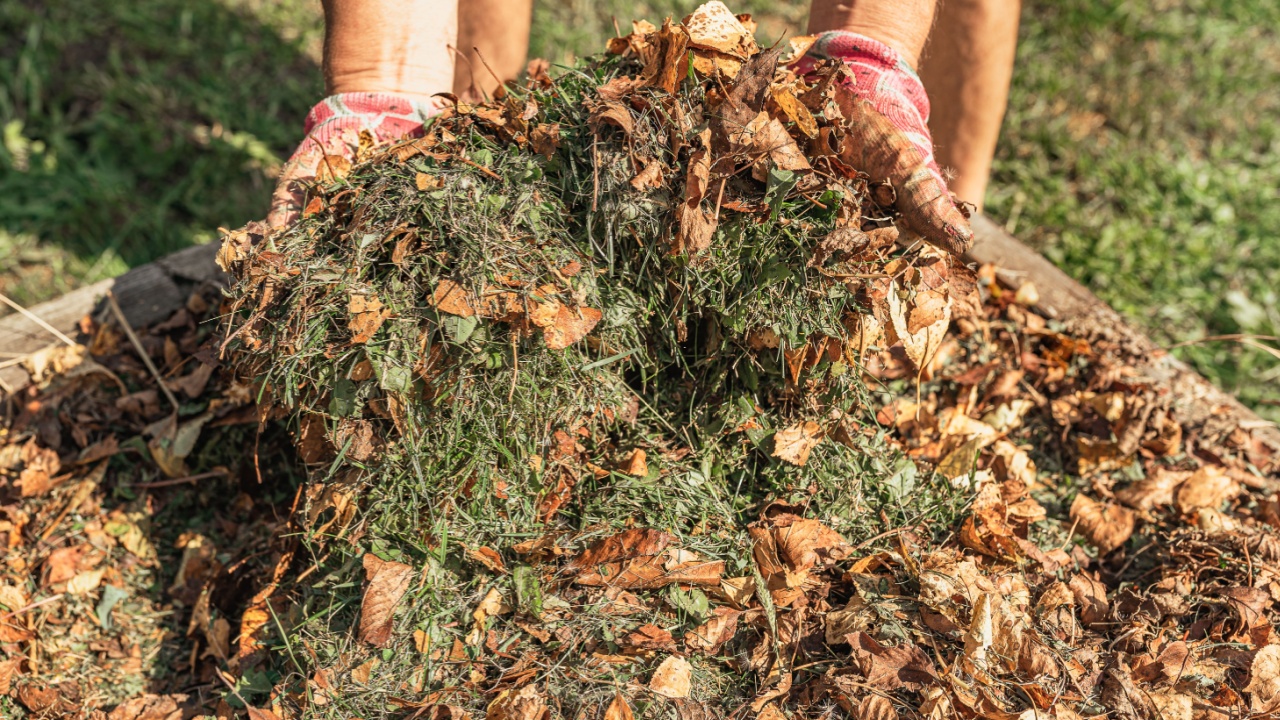
Leaves, pine needles, and small dry trimmings can become free mulch instead of waste. Mulch helps hold soil moisture, slows weed growth, and protects bare ground from hard rain and hot sun.
Shredded leaves are especially useful because they break down faster than whole leaves and are less likely to mat into a slick layer. This gives you a low-cost way to clean up your yard while improving garden beds, paths, and spaces around shrubs.
A mower with a bag attachment can shred dry leaves quickly, or you can rake them into a pile and chop them in place. Spread a two to three-inch layer around plants, but keep the mulch a few inches away from stems and trunks to reduce rot and pest issues.
Pine needles are handy under acid-loving plants such as blueberries and azaleas, while leaf mulch suits most flower and vegetable beds. If you have more than you need, save dry bags of shredded leaves for later use in compost or winter bed cover.
5. Create a Brush Pile for Wildlife
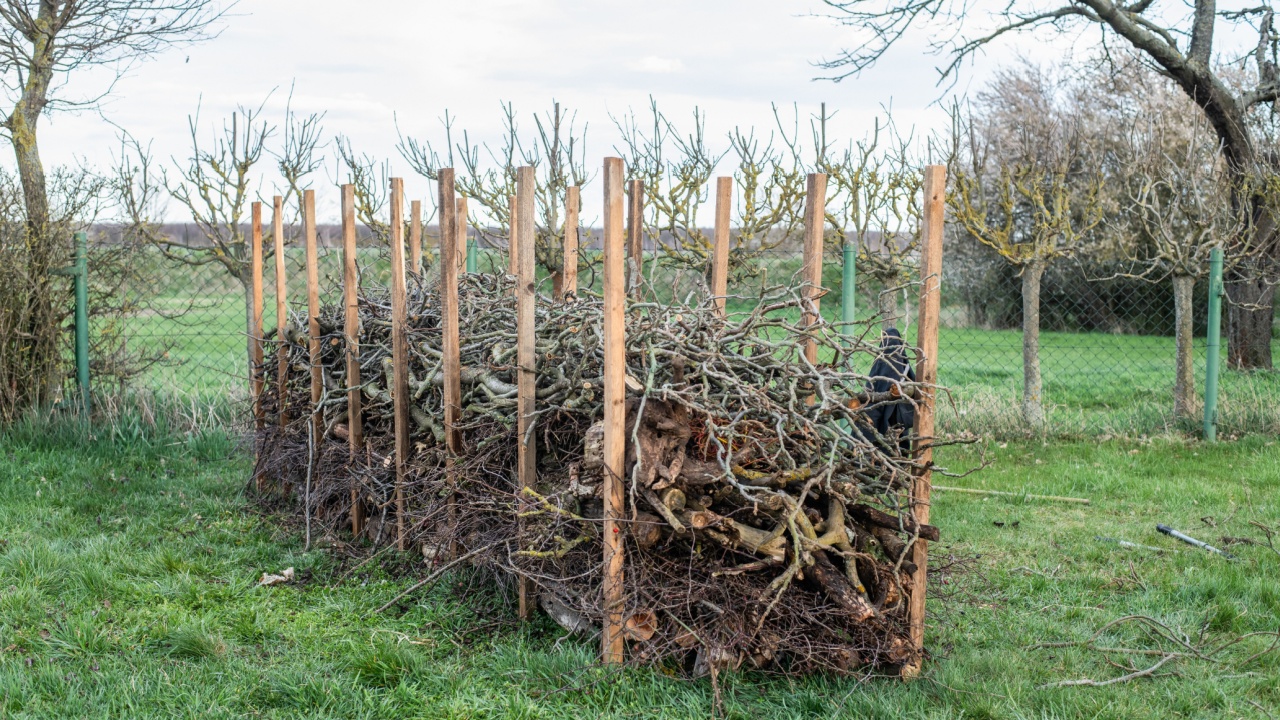
Yard waste can do useful work even when it is too rough for compost or mulch. Branches, twigs, hollow stems, and woody cuttings can be stacked into a brush pile or dead hedge that gives cover to birds, insects, frogs, and other small creatures.
These simple structures support backyard habitat and keep bulky debris out of trash bags. They also give your yard a more complete system, where plant waste stays on site and serves a purpose.
Choose a quiet spot near the back edge of the yard and stack larger branches first to create airflow and stable gaps. Then add smaller twigs and stems to build density without packing everything too tightly.
Keep the pile away from the house if rodents are a concern, and avoid adding any diseased material that could spread problems later. If you want a tidier look, place the brush between sturdy posts or woven branches to make a low natural fence.
6. Use Local Yard Waste Drop-Off Programs

If you have more debris than your yard can handle, a local drop-off site may be the best free option. Many cities, counties, and waste districts offer seasonal or year-round yard waste collection areas where residents can bring leaves, brush, and grass clippings at no charge.
The material is often turned into compost or mulch for public use, so it stays out of landfills and gets reused in a useful way. This is especially helpful after storms, heavy pruning, or major cleanup jobs.
Check your city or county website for rules before loading up your vehicle, since some sites separate brush from bagged leaves or limit stump size. Many programs ask residents to bring proof of address, unload material by type, and remove plastic bags before dumping.
If curbside pickup is available in your area, look at the calendar since some towns offer free collection during peak leaf season. A few places even let residents return later and pick up finished mulch or compost for free.
A Smarter Yard Cleanup
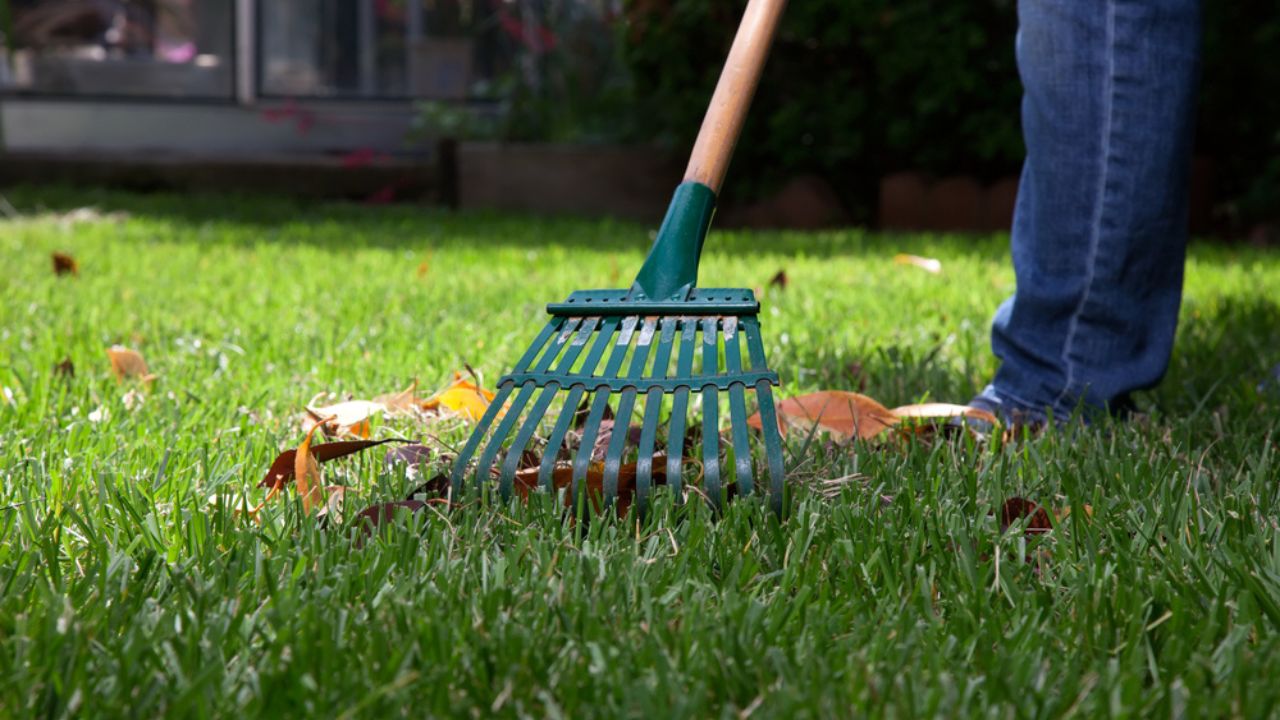
Yard waste does not have to become a costly problem each time you mow, prune, or rake. Much of it can stay in your yard as compost, mulch, habitat material, or bed filler, and local drop-off programs can handle the rest without a fee.
The best method depends on the type of debris you have and the space you can spare. With a simple plan, you can cut waste, save money, and turn routine cleanup into something useful for your yard.