

14 Subtle Signs a House Has Serious Problems
Buying a house is an exciting milestone, but it can also be filled with potential pitfalls. Beyond the fresh paint and charming curb appeal, serious problems can lurk, turning your dream home into a financial nightmare. Some of these issues are obvious, but many are subtle and easy to overlook if you don’t know what to look for.
This guide will walk you through 14 subtle signs that a house may have significant underlying problems, helping you become a more informed homeowner or buyer.
Where This Information Comes From

We pulled these tips together from trusted places like university extension programs, home‑repair experts, building associations, and health agencies.
Think of sources such as the CDC for mold and health, the EPA for water leaks, the Brick Industry Association for masonry, and roofing and plumbing professionals who deal with these problems every day.
1. Ceiling Stains
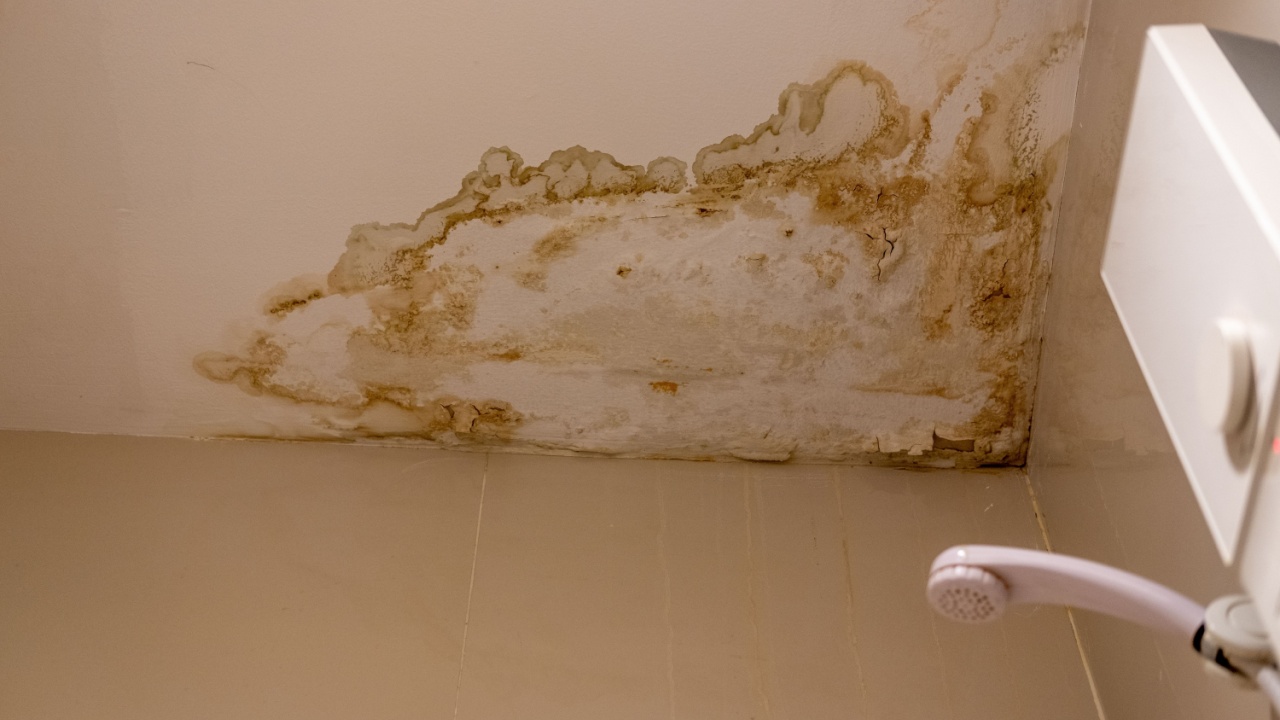
A faint, brownish stain on the ceiling is easy to dismiss or cover with a coat of paint, but it’s often the first indicator of a water-related issue. These stains suggest a persistent leak, which could be coming from a faulty roof, a plumbing issue in an upstairs bathroom, or condensation in the attic. Ignoring this sign can lead to much bigger problems, including mold growth, rotted ceiling joists, and destroyed insulation. A small stain today could be a collapsed ceiling tomorrow.
- Why it’s a problem: Indicates an active leak that can cause structural damage and mold.
- What to do: Don’t just paint over it. Track the source of the leak, which may require checking the roof, plumbing, and attic. It’s often cheaper to fix the source of a small leak than to deal with extensive water damage later.
2. Efflorescence on Brick or Masonry
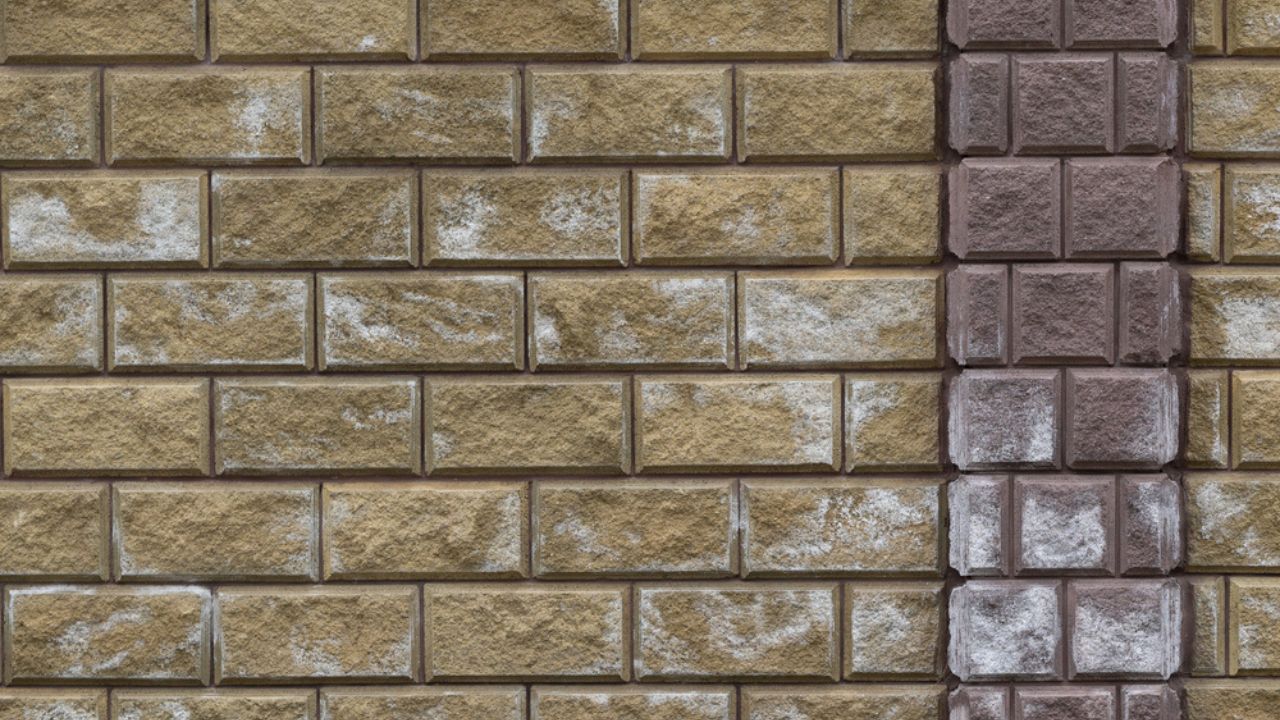
That chalky white powder you might see on a brick chimney, basement wall, or concrete foundation is called efflorescence. It occurs when water seeps through the masonry, dissolves the natural salts within, and then evaporates, leaving the salt deposits behind. While a small amount can be normal, significant efflorescence is a red flag for moisture intrusion. In a chimney, it could mean the flue liner is cracked, allowing moisture inside. When this moisture freezes and thaws, it can cause the bricks and mortar to crumble from the inside out.
- Why it’s a problem: A clear sign of excess moisture moving through the structure, which can degrade materials and lead to bigger structural issues.
- What to do: Identify and stop the source of the moisture. This could involve repairing a chimney crown, fixing roof flashing, or addressing groundwater issues around the foundation.
3. A Bulge in a Washing Machine Hose
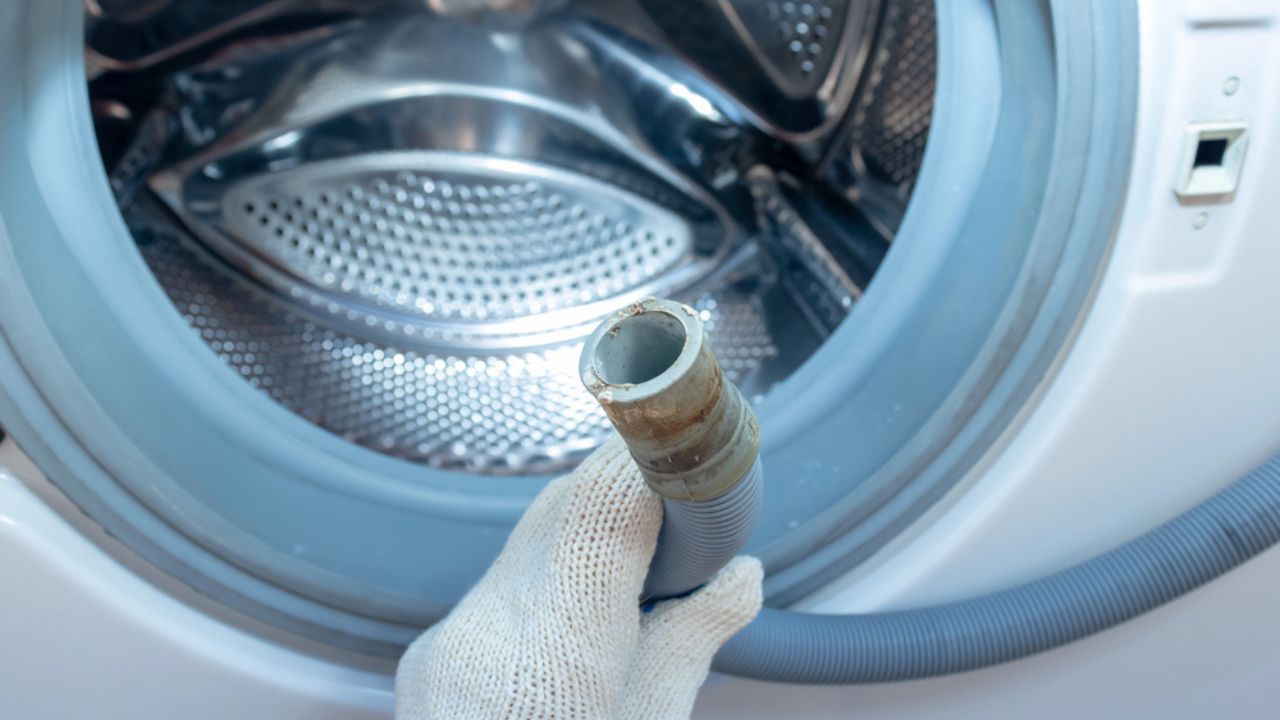
Take a quick look behind the washing machine. If you see a bulge, bubble, or crack in the rubber water supply hoses, you’re looking at a ticking time bomb. This is a sign that the hose is weak and on the verge of bursting. It’s not a matter of if it will fail, but when. When it does, it won’t be a slow drip; it will be a high-pressure gush that can flood a laundry room and surrounding areas in minutes, causing thousands of dollars in water damage.
- Why it’s a problem: Imminent risk of a major flood inside your home.
- What to do: Turn off the water supply to the washer immediately and replace the hoses. Opt for high-quality, braided stainless steel hoses, which are far more durable and resistant to bursting than standard rubber ones.
4. Damaged or Loose Roof Shingles
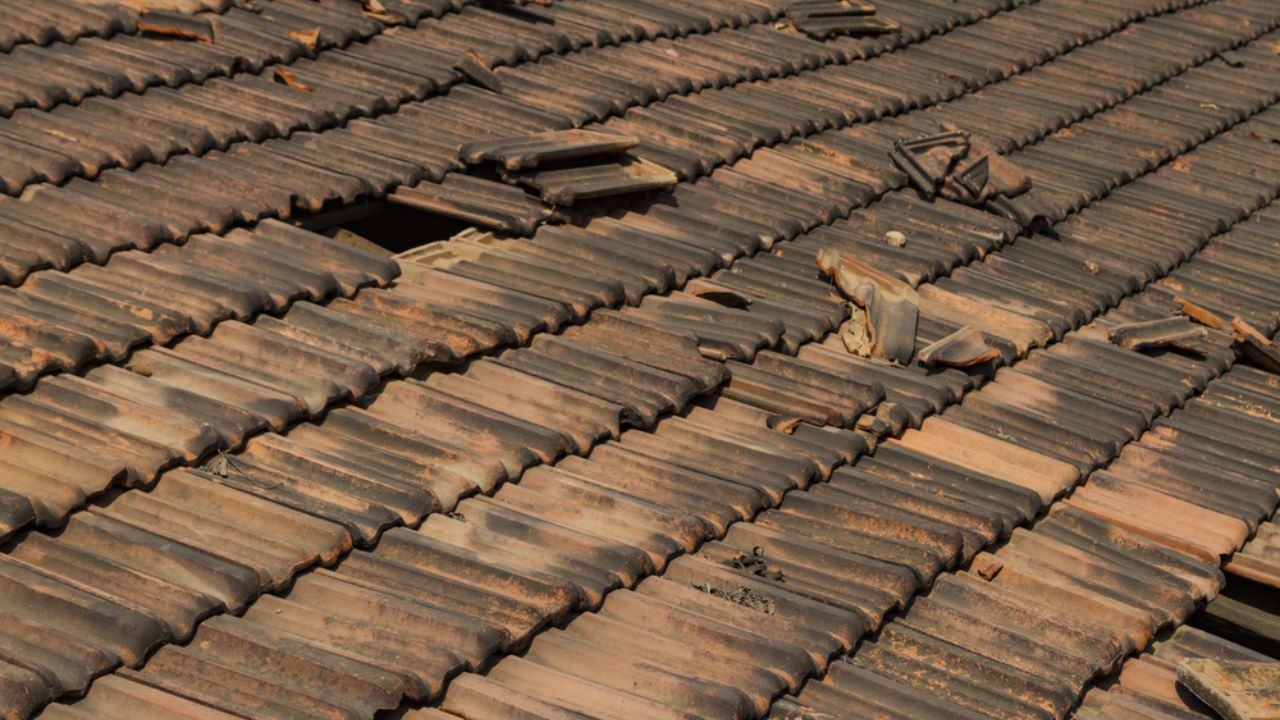
A single damaged or missing shingle might not seem like a big deal, but it’s a breach in your home’s primary line of defense against the elements. Water can seep into the tiny opening, leading to rotted roof sheathing, damaged insulation, and eventually, leaks inside your home. Similarly, look for shingles that have lost their granules, that sandy, textured coating. This layer protects the shingle from UV rays, and without it, the shingle will quickly become brittle and fail.
- Why it’s a problem: Compromises the roof’s ability to shed water, leading to rot and leaks.
- What to do: Replace individual damaged shingles as soon as you spot them. If you notice widespread granule loss or many damaged shingles, it could be a sign that the entire roof is nearing the end of its lifespan.
5. Musty Odors or Visible Mold
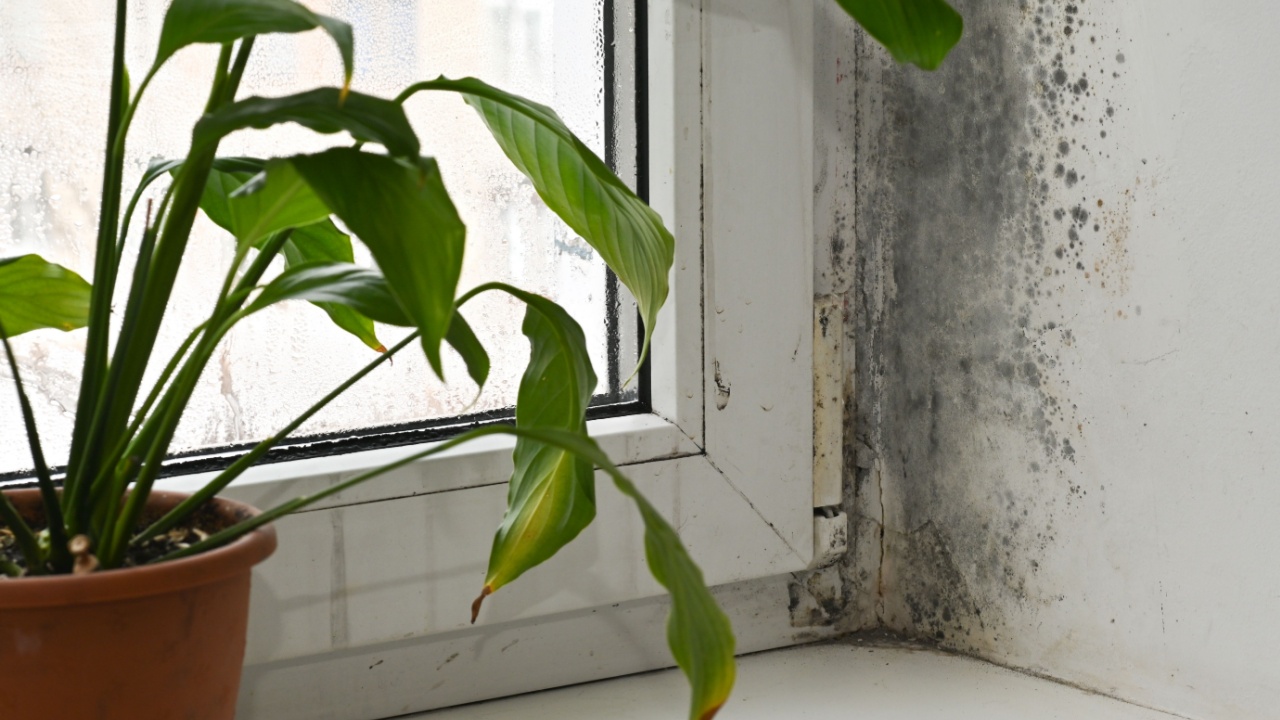
If you walk into a basement or a bathroom and are hit with a persistent musty smell, your senses are alerting you to the presence of moisture and, most likely, mold. Mold often grows in hidden places, behind walls, under carpets, or in damp crawl spaces. While some molds are harmless, others can cause health problems and indicate a significant, ongoing water issue that could be rotting the home’s structure.
- Why it’s a problem: Mold poses health risks and signals an underlying moisture problem that can cause structural decay.
- What to do: Don’t just clean the visible mold with bleach. Find and fix the moisture source. This could involve fixing a leak, improving ventilation by installing an exhaust fan, or running a dehumidifier. For large-scale mold problems, professional remediation is often necessary.
6. Flickering Lights or Loose Outlets
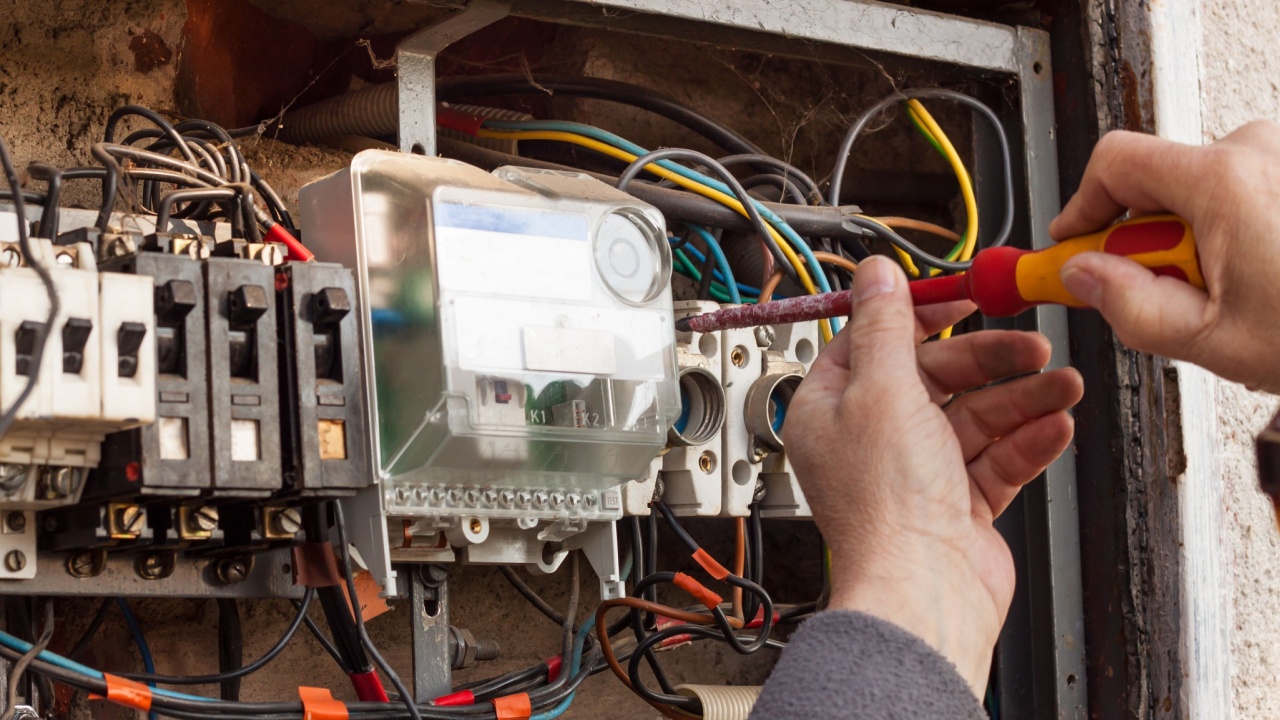
Flickering lights are annoying and can be a symptom of a serious electrical problem. It could be a faulty connection somewhere in the circuit, an overloaded system, or even arcing wires, which is a major fire hazard. Similarly, an electrical outlet that feels loose in the wall might seem minor, but every time you plug and unplug a cord, the movement can loosen the electrical connections behind it, creating another dangerous arcing situation.
- Why it’s a problem: Indicates potential fire hazards due to faulty wiring or overloaded circuits.
- What to do: For loose outlets, you can often use an outlet shim to secure them. For flickering lights or more widespread issues, it’s best to call a licensed electrician to diagnose and fix the problem safely.
7. Doors That Jam or Don’t Latch
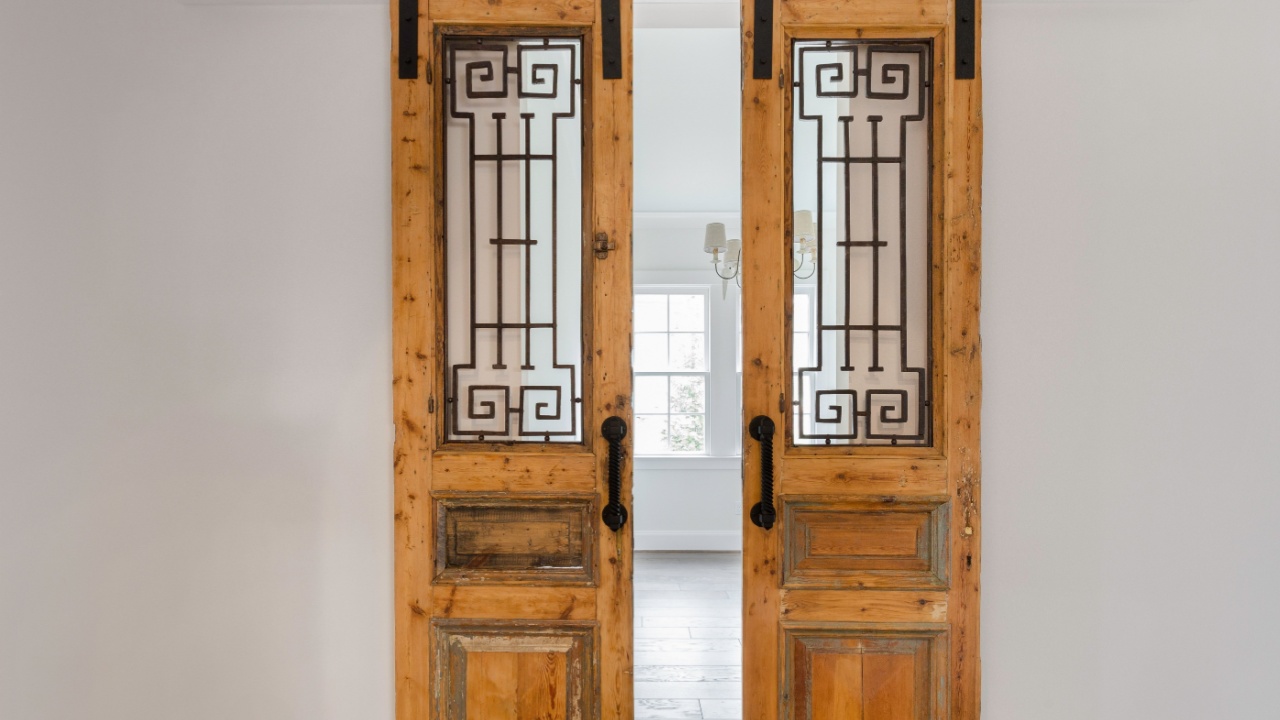
A door that suddenly starts to stick or won’t close properly can be more than a simple annoyance. While high humidity can cause wood to swell, it can also be a sign of a shifting foundation. If the house is settling unevenly, it can warp the door frames, causing doors to bind. Look for other signs, like cracks in the drywall above the door frame, which often accompany foundation movement.
- Why it’s a problem: It can indicate foundation issues, which are among the most expensive problems to fix.
- What to do: Check for other signs of foundation trouble, like large cracks in the foundation walls or floors. If you suspect a problem, consult a structural engineer for a professional assessment.
8. Sagging Deck or Porch

A deck should feel solid underfoot. Any sagging, bowing, or bounciness is a serious safety concern. It could be caused by rotting support posts, an undersized beam, or joists that have detached from the house. A common and extremely dangerous issue is when a deck ledger board (the piece that attaches the deck to the house) is improperly fastened. If it pulls away, the entire deck can collapse.
- Why it’s a problem: A sagging deck is structurally unsound and at risk of collapse, posing a major safety hazard.
- What to do: Immediately stop using the deck and have it inspected by a qualified contractor or deck builder. Repairs could range from reinforcing the structure to a complete rebuild.
9. Clogged Soffit Vents

The small vents under your roof’s eaves, known as soffit vents, play a critical role in attic ventilation. They draw in cool, fresh air, which then flows up and pushes hot, moist air out through vents near the peak of the roof. If these soffit vents get clogged with dust, debris, or paint, it chokes off this airflow. This can lead to moisture buildup in the attic, which promotes mold growth and wood rot, and can also cause ice dams in colder climates.
- Why it’s a problem: Poor attic ventilation leads to moisture problems, mold, and can shorten the life of your roof.
- What to do: Clean your soffit vents annually with a brush and compressed air. Ensure that insulation inside the attic isn’t blocking the vents from the inside.
10. The Water Meter Never Stops Spinning
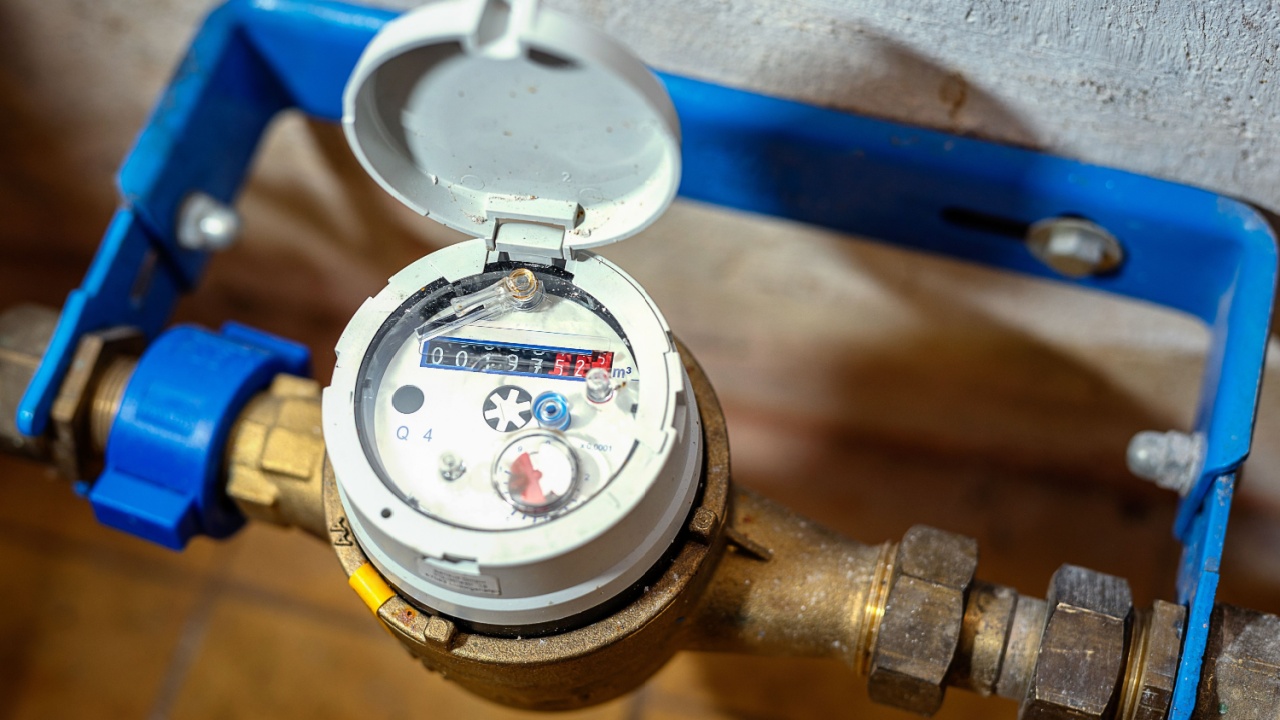
Here’s a simple test you can do yourself. Make sure every faucet, toilet, and water-using appliance in your house is turned off. Then, go look at your water meter. Most meters have a small dial or triangle that indicates low flow. If that indicator is still spinning, it means water is flowing somewhere in your system—a hidden leak. It could be a toilet that runs silently or, more seriously, a leak in a pipe under your foundation or within a wall.
- Why it’s a problem: A hidden leak wastes water and money, and can cause significant damage over time.
- What to do: To narrow it down, turn off the shut-off valves to your toilets one by one and check the meter again. If the meter stops, you’ve found your leaky toilet. If not, it’s time to call a plumber to hunt for a more elusive leak.
11. Peeling or Bubbling Paint on Exterior Walls
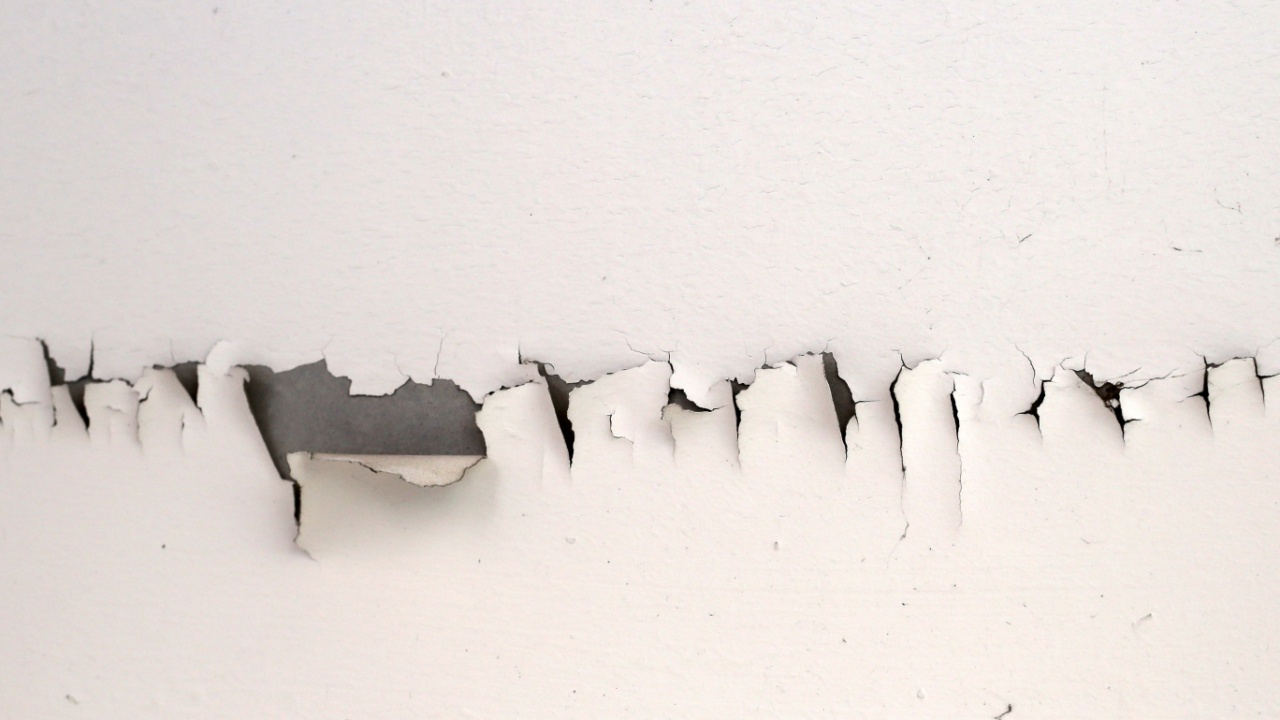
Paint is more than just for looks; it’s a protective barrier for your siding. When you see paint bubbling or peeling, it’s a sign that moisture is trapped underneath it. The source of the moisture could be a leak from the roof or gutters, or it could be coming from inside the house if there’s a lack of a proper vapor barrier. Either way, the underlying wood is getting wet, which can lead to rot.
- Why it’s a problem: Signals moisture being trapped in the walls, which can lead to rot and structural damage.
- What to do: Don’t just scrape and repaint. You need to find and fix the source of the moisture first. Once the issue is resolved and the wood is dry, you can then properly prep and repaint the surface.
12. Soft Spots in the Floor
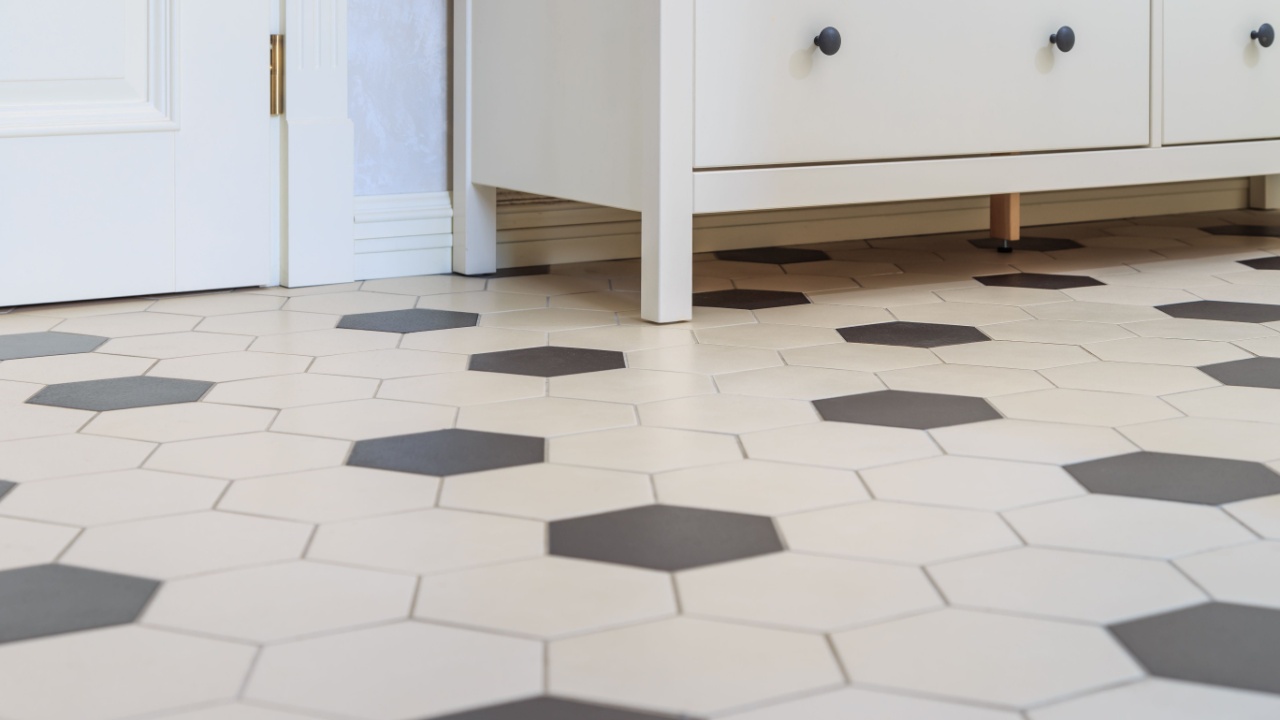
A floor that feels spongy, bouncy, or soft when you walk on it is a major red flag. This often indicates that the subfloor has been compromised, usually due to water damage. The leak could be from a faulty dishwasher, a leaky toilet seal, or a problem with the pipes underneath. Over time, the moisture rots the subfloor and can even affect the floor joists that support it.
- Why it’s a problem: Indicates rot in the subfloor and potentially the underlying support structure, which is a serious structural issue.
- What to do: This requires pulling up the finished flooring to inspect the subfloor and joists. Any rotted wood will need to be replaced before new flooring can be installed. This is often a job for a professional.
13. A Constant Puddle in the Yard

If you notice a perpetually soggy patch in your yard, especially when it hasn’t rained, pay close attention. It could be a sign of a broken water or sewer line underground. A leaking water main will not only run up your water bill but can also erode the soil and destabilize your home’s foundation. A broken sewer line is a serious health hazard and can cause unpleasant odors and backups inside the house.
- Why it’s a problem: It could be a broken plumbing line, which wastes water, poses a health risk, and can damage your foundation.
- What to do: If the wet spot is between your house and the street, call your utility company or a plumber. They can perform a pressure test or use a camera to inspect the line and confirm the source of the leak.
14. Cracks in Chimney Masonry

Just like efflorescence, cracks in the bricks or mortar of a chimney are a sign of trouble. These cracks allow water to get inside the chimney structure, where it can cause further damage, especially during freeze-thaw cycles. A cracked chimney can also be a sign of a shifting foundation. If the house settles, it can put immense stress on the rigid masonry of a chimney, causing it to crack or even pull away from the house.
- Why it’s a problem: Water intrusion can degrade the chimney, and it can also indicate more serious foundation movement.
- What to do: Small mortar cracks can be repointed, but larger or more numerous cracks warrant an inspection from a qualified mason or structural engineer to determine the root cause.
Be Proactive to Protect Your Home

Keeping a watchful eye on your home and garden is the best way to catch problems before they spiral out of control. By understanding these subtle signs, you can take proactive measures for maintenance and protect your investment.


