Stuck with a Shady Yard? These 12 Fast-Growing Climbers Are a Total Game Changer
Gardening in the shadows doesn’t have to be a struggle against nature. Many people see a north-facing wall or a dark porch and assume their only option is cold, bare brick. In reality, these “problem areas” are perfect spots for a specific group of plants that prefer life away from the scorching sun.
The secret lies in the forest floor. Many of the world’s most beautiful climbers evolved under thick canopies, learning to maximize every bit of ambient light. So, if you have low-light areas, you can choose the species that are genetically wired for such environments, turning a dim corner into a lush, vertical landscape.
Here are twelve resilient climbers that handle deep shade with ease. These selections have been vetted for their physiological hardiness, meaning they don’t just survive in the dark; they flourish.
To succeed, you simply need to match the plant’s climbing mechanism, like suction cups, twining stems, or tiny “feet”, to your specific wall or fence. With a bit of soil prep and the right support, you can stop fighting the shade and start using it to create a cool, green sanctuary.
1. Climbing Hydrangea
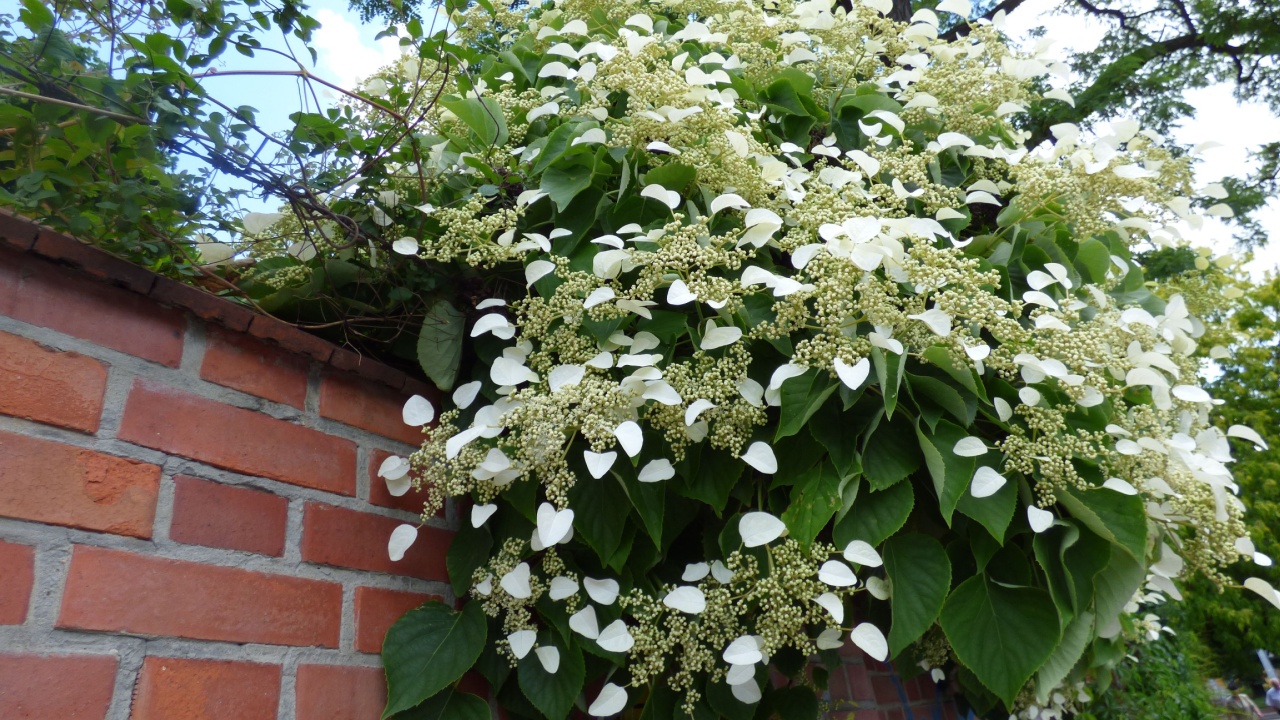
Hydrangea anomala petiolaris stands out for its ability to produce stunning white flower clusters in partial shade. It uses small aerial rootlets to grip brick or stone, making it a permanent fixture once established.
This plant grows slowly at first but eventually reaches significant heights, creating a dense blanket of heart-shaped leaves that turn a bright yellow in autumn.
Because it becomes quite heavy over time, ensure your wall is structurally sound. It grows slowly at first (often described as “sleeping, creeping, then leaping”), so be patient. Keep the soil moist, and prune it right after the flowers fade to keep it tucked neatly against the wall.
2. English Ivy
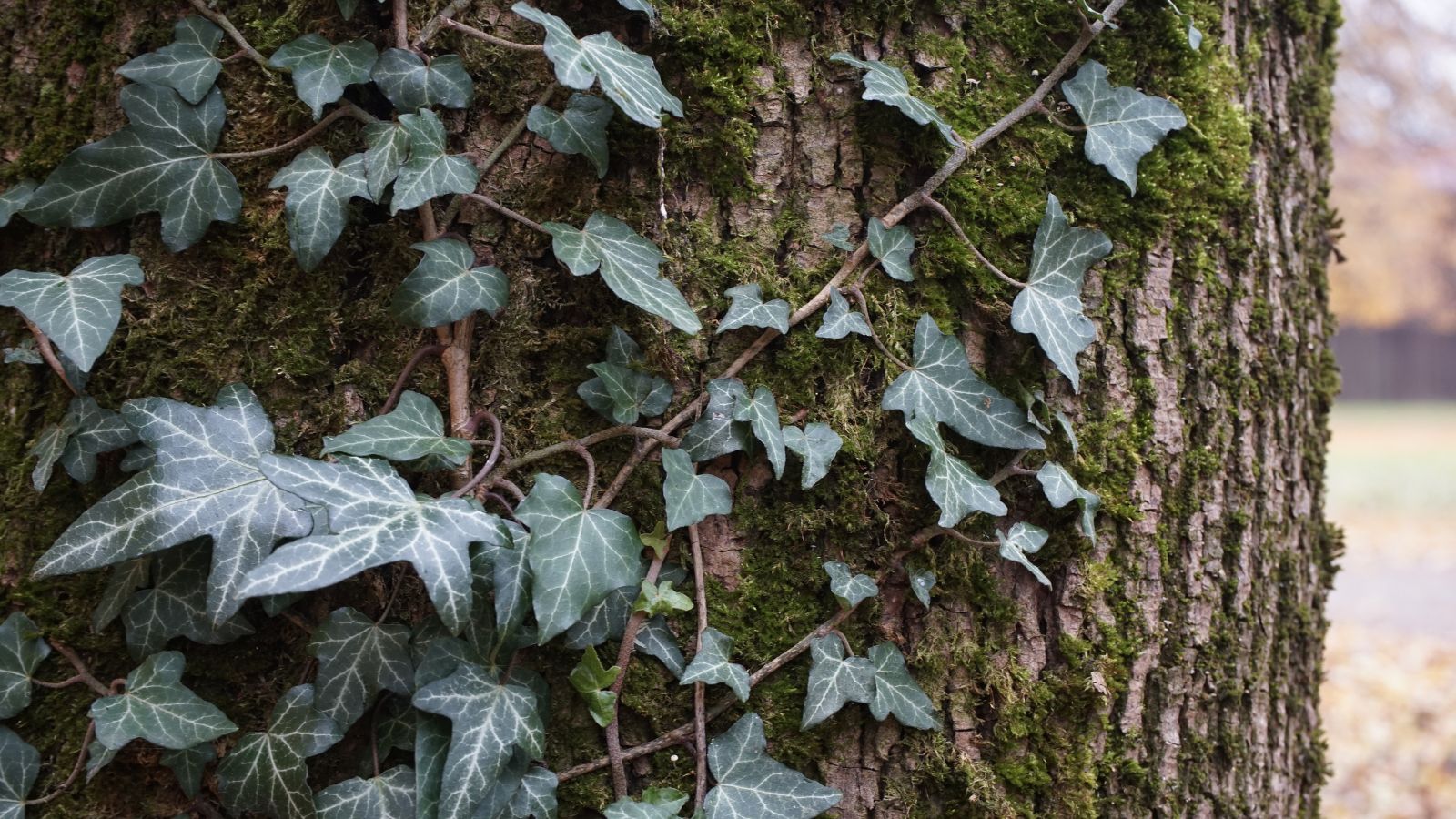
If you have a spot that feels like a cave, English Ivy (Hedera helix) is your most reliable ally. This evergreen classic stays vibrant and glossy all year long, providing a “living wallpaper” that masks ugly concrete or weathered wood even in the dead of winter.
This plant uses adhesive rootlets to climb almost any vertical surface and is famously unfazed by poor soil or heavy pollution. Its dense growth habit makes it excellent for insulation and sound dampening in urban gardens.
While it is easy to grow, it does require a firm hand. It can be aggressive, so you’ll want to trim the edges annually to keep it from wandering into your gutters or your neighbor’s yard. A quick misting during dry summer weeks will keep those dark green leaves looking their best.
3. Chocolate Vine
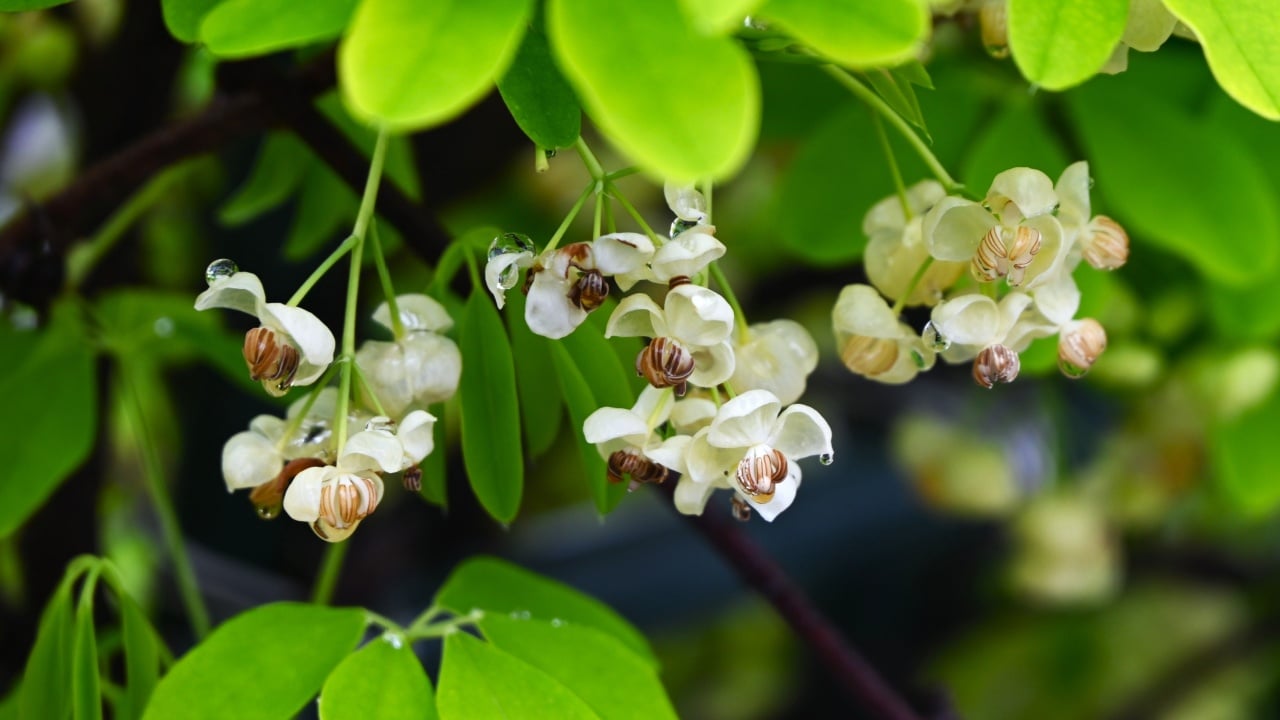
For those who want something a bit more exotic, the Chocolate Vine (Akebia quinata) offers a unique sensory experience. It produces unusual, brownish-purple flowers that tuck themselves under five-leaf clusters, giving the plant a soft, delicate texture.
On warm evenings, the blooms release a scent reminiscent of vanilla and cocoa, making it a perfect choice for a shaded patio or seating area. It is a “twiner,” meaning it climbs by wrapping its stems around a support rather than sticking to a wall.
You will need to provide a trellis or a wire grid to help it find its way upward. It grows incredibly fast, so it’s great for hiding a chain-link fence in a single season. If it starts to get a bit wild, don’t be afraid to give it a “hard prune” in early spring to reset its shape.
4. Virginia Creeper
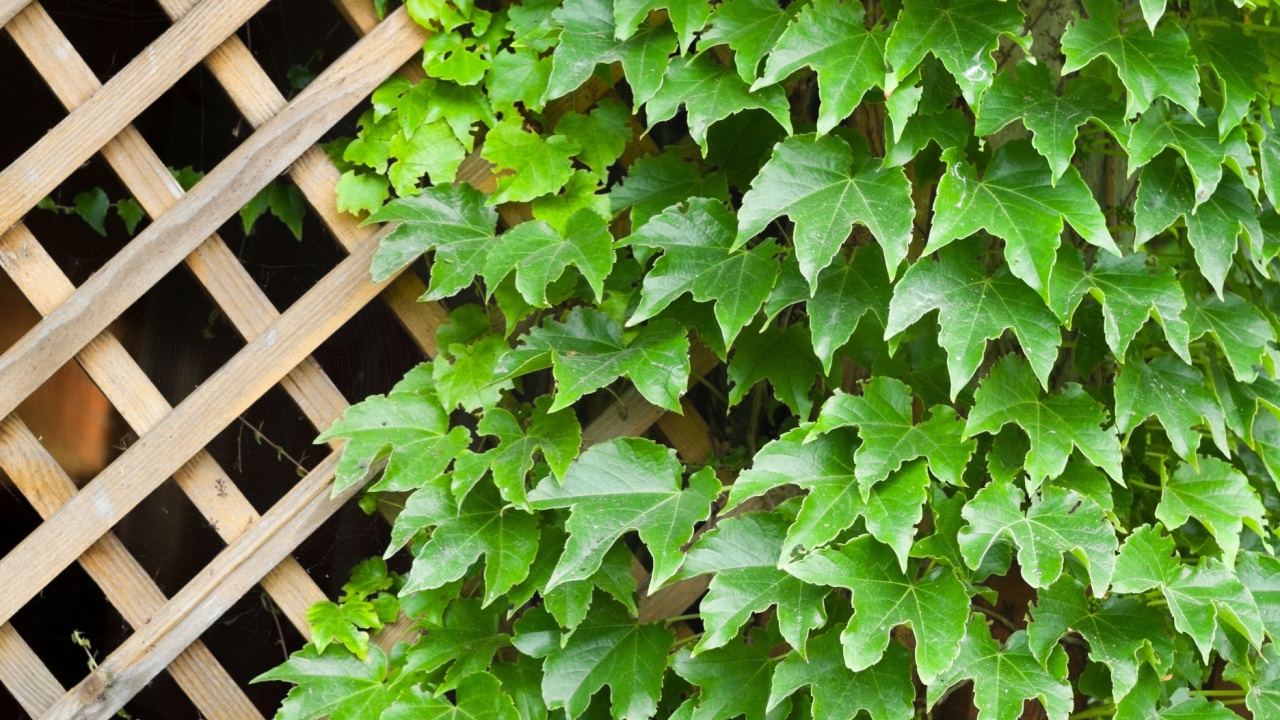
Virginia Creeper (Parthenocissus quinquefolia) is the drama queen of the shade garden. While it spends the summer providing a cool, leafy screen of five-pointed foliage, it truly shines in the fall when the leaves transform into a fiery, electric red.
What makes this vine special is its adhesive pads. These tiny suction cups allow it to scale smooth surfaces without digging into the mortar, making it safer for many buildings than traditional ivy.
Give this vine plenty of room to roam, as it is a vigorous grower. It is surprisingly drought-tolerant once established, but it appreciates a good soak during its first few years. Make sure to guide the vines away from windows, or you might find your view obscured by a curtain of red by October.
5. Clematis Alpine
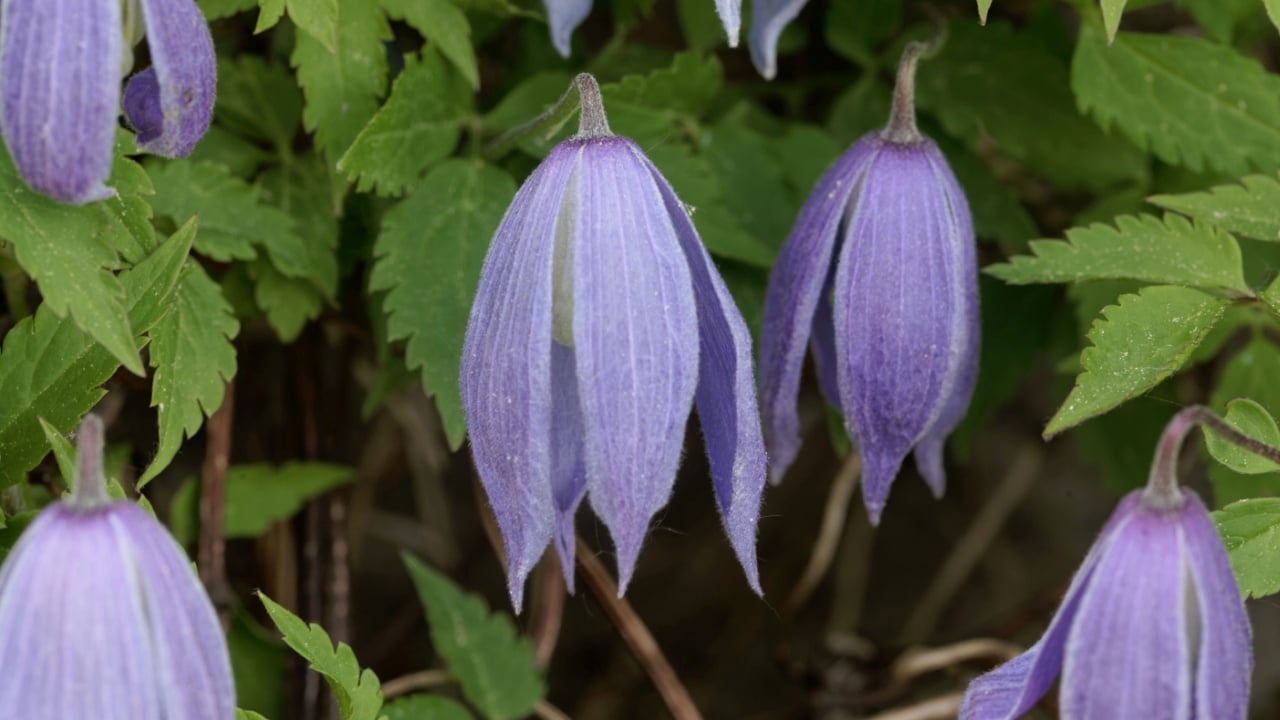
While most Clematis varieties thrive in the sun, the Alpine type (Clematis alpina) loves the cold and the dark. It is a tough-as-nails climber that produces nodding, bell-shaped flowers in shades of soft blue and violet during the spring.
Unlike its cousins, the Alpine Clematis is low-maintenance. It belongs to “Pruning Group 1,” which is botanical shorthand for “leave it alone.” It blooms on old wood, so you don’t have to worry about complex cutting schedules to get a good floral show.
This vine is perfect for a wooden obelisk or a small trellis in a cool, north-facing nook. The key to success is keeping the “feet” (the roots) cool and shaded with mulch or stones while the “head” (the vine) climbs.
6. Winter Jasmine
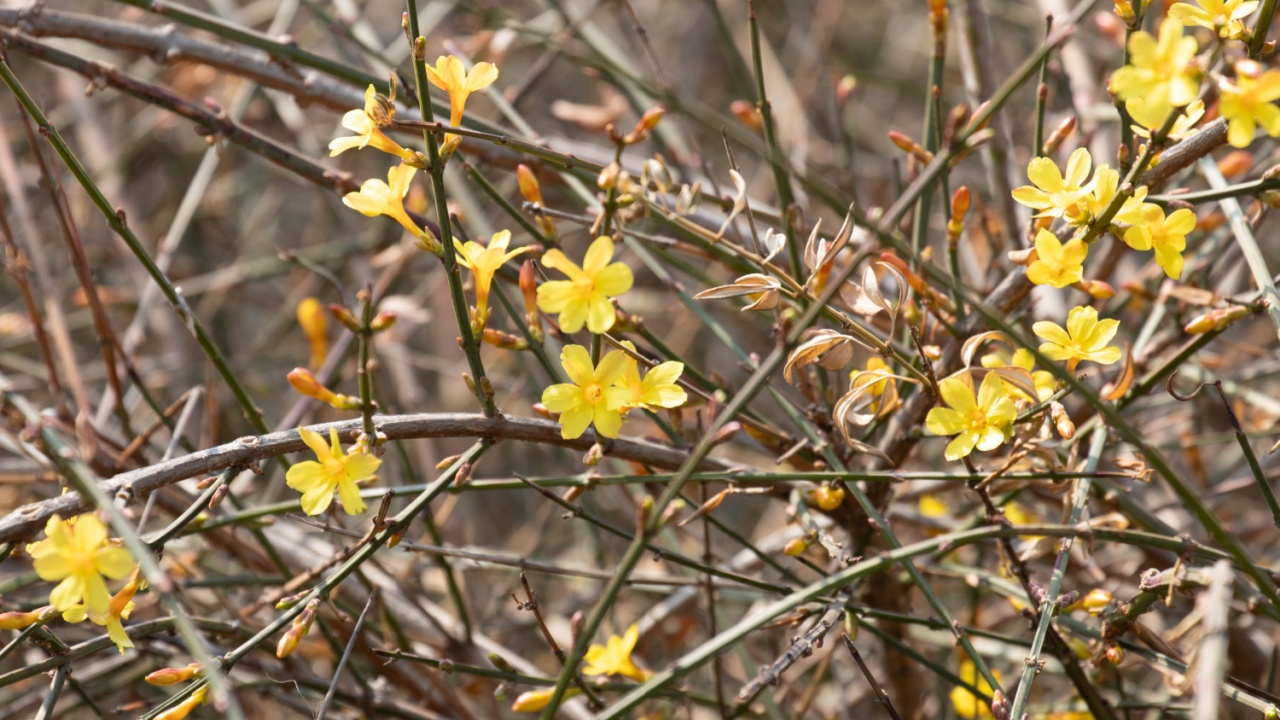
When the rest of the garden is gray and dormant, Winter Jasmine (Jasminum nudiflorum) provides a much-needed jolt of color. Starting in late winter, its bright yellow blossoms pop open along arching green stems, signaling that spring is on the horizon.
This plant is technically a scrambling shrub. Unlike vines with tendrils or suckers, it doesn’t “know” how to climb on its own. You’ll need to play coach by tying its long, flexible stems to a trellis or fence to encourage that vertical growth.
It’s a “tough love” plant that handles poor soil and partial shade without complaining. While it doesn’t have the typical jasmine perfume, its ability to brighten a dark corner in February is a fair trade-off. Prune it right after the yellow flowers fade to encourage plenty of new “climbing” wood for next year.
7. Honeysuckle Halliana
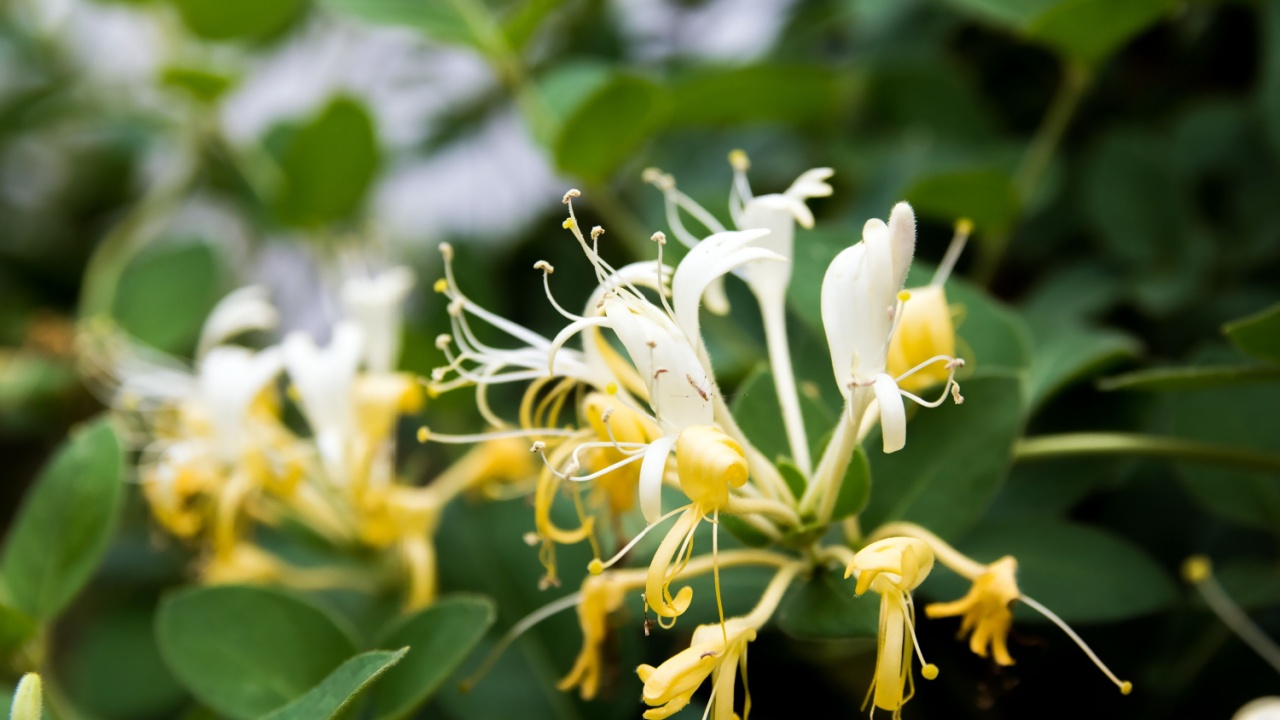
Honeysuckle ‘Halliana‘ (Lonicera japonica) is famous for its intoxicating scent and its ability to turn a shaded fence into a wall of perfume. The flowers start white and fade to a soft yellow, blooming consistently throughout the warmer months.
This is a vigorous twiner that creates a dense, tangled mat of foliage, making it the perfect choice for a privacy screen.
Because it grows so fast, you’ll want to check on it every few weeks to make sure it isn’t “strangling” nearby plants. It loves a balanced fertilizer in the spring and regular watering to keep the fragrance at peak levels. It’s a hardy, old-fashioned favorite that turns a shady backyard into a sensory retreat.
8. Boston Ivy
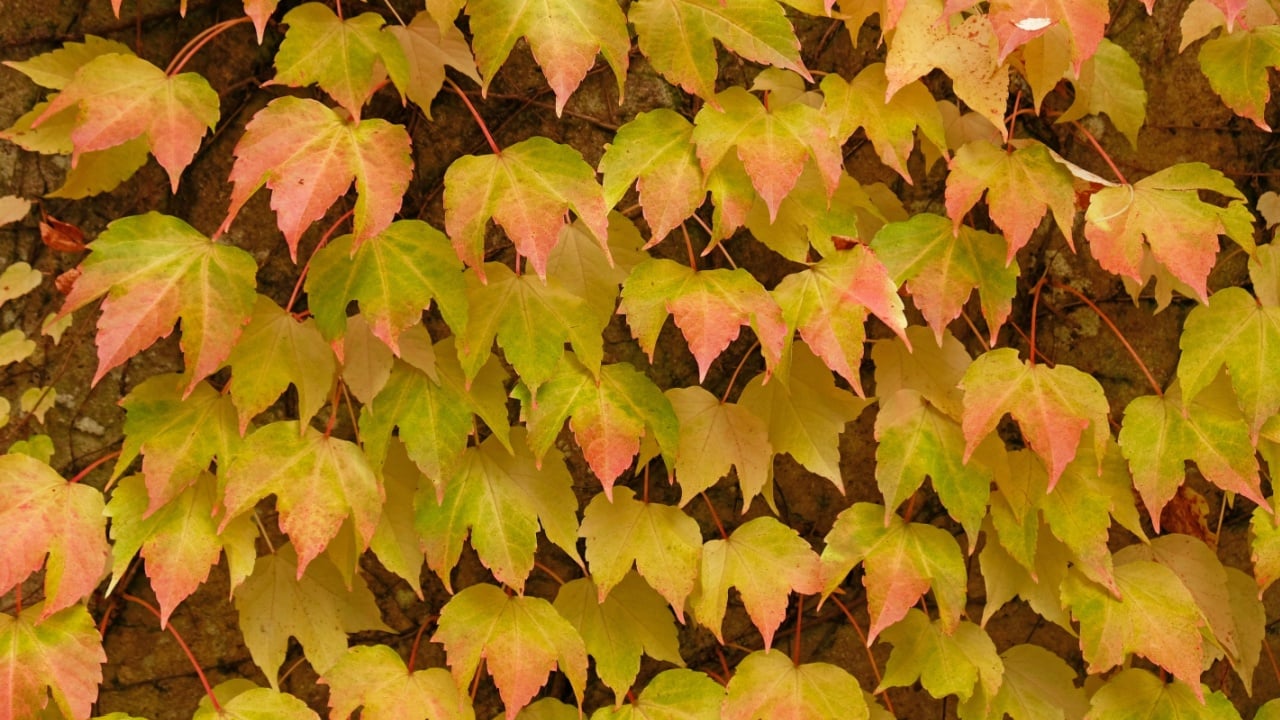
Boston Ivy (Parthenocissus tricuspidata) is often seen covering the walls of historic buildings because it clings tightly to masonry. Its three-lobed leaves overlap like shingles, creating a clean, uniform look that is both classic and sophisticated.
In the shade, the leaves remain a deep, cooling green all summer before shifting into spectacular shades of bronze and purple as the temperatures drop.
This is a “plant it and forget it” variety once the roots are established. It’s excellent for covering large expanses of masonry or concrete that would otherwise look bleak. Just a little thinning every couple of years is all it takes to keep the layers from getting too heavy.
9. Bleeding Heart Vine
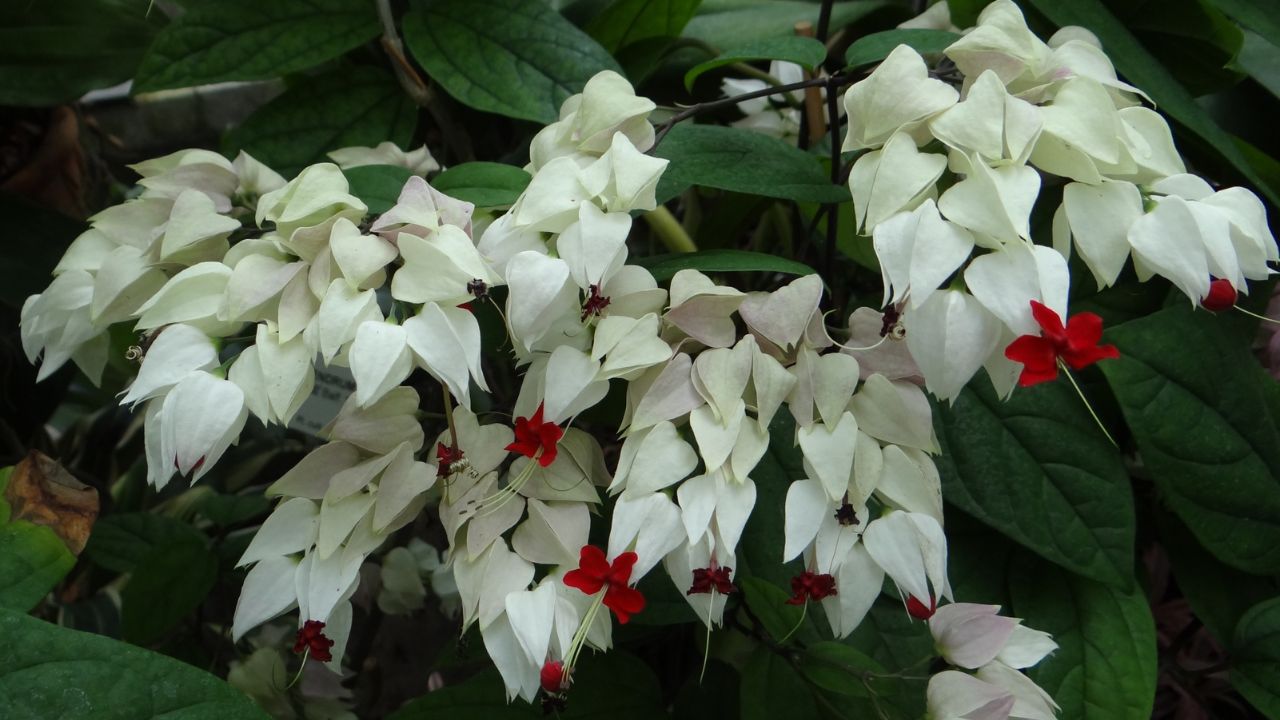
If you live in a warmer climate or want a stunning container plant for a shaded patio, the Bleeding Heart Vine (Clerodendrum thomsoniae) is a showstopper. It features exotic, bicolored flowers: a pure white outer shell with a bright red “droplet” emerging from the center.
This tropical climber thrives in dappled shade, as direct hot sun can actually scorch its delicate blooms.
Keep the soil consistently moist, but avoid waterlogging the roots to prevent rot. This vine benefits from a liquid feed every two weeks during the summer to sustain its unique blooms. Move container-grown plants indoors if temperatures drop near freezing.
10. Persian Ivy
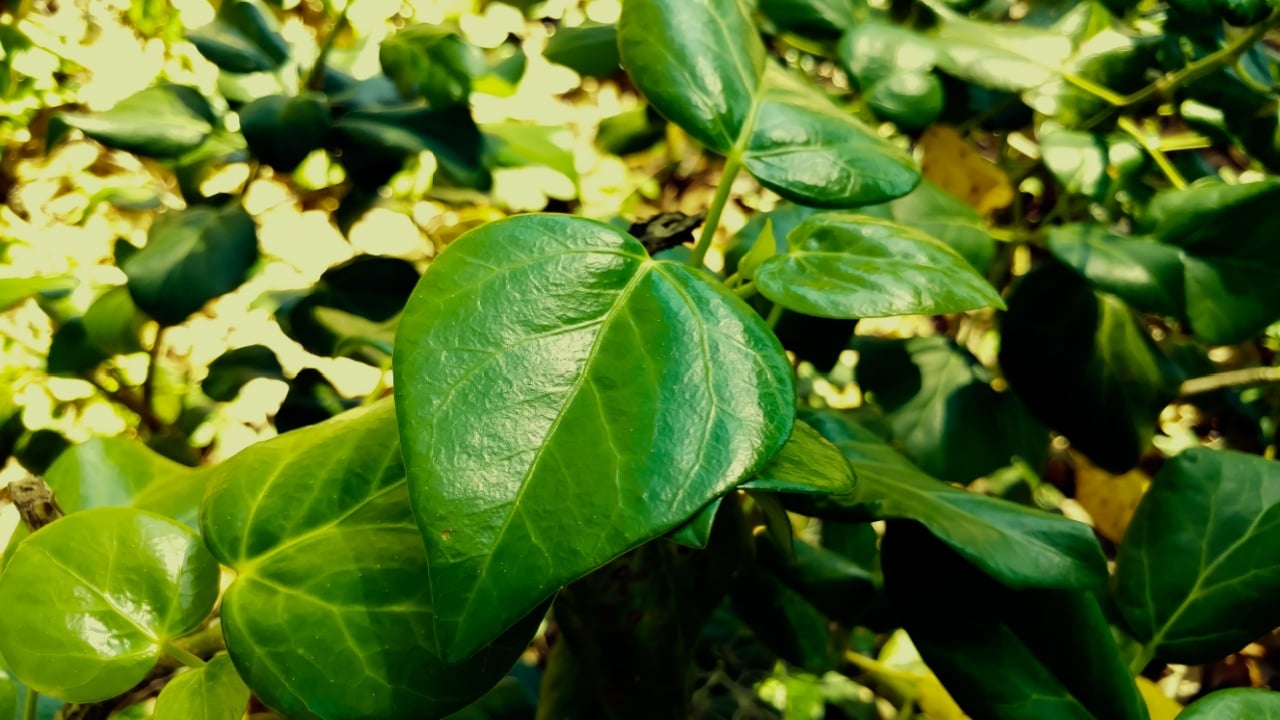
Persian Ivy (Hedera colchica) features massive, leathery, heart-shaped leaves that can be as large as a dinner plate. It offers a bold, tropical texture that standard ivies can’t match.
Because the leaves are so large and grow so densely, this vine is incredible at self-weeding. It blocks out so much light that nothing can grow underneath it. This makes it a top-tier choice for hiding unsightly sheds or retaining walls.
Provide a large area for this vine to roam as it grows broader and faster than many other ivy species. It is highly resistant to pests and diseases, making it a low-maintenance option for busy gardeners. Water the base deeply during the height of summer to maintain leaf turgidity.
11. Golden Hops
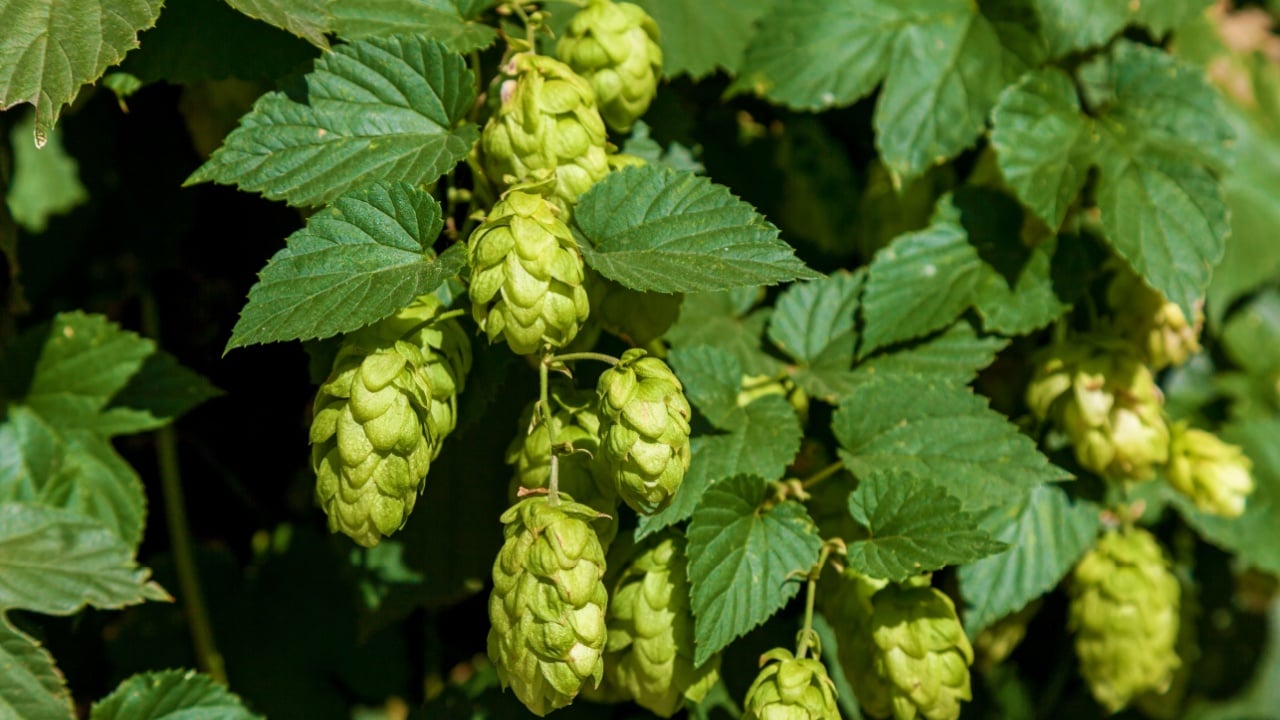
Golden Hops (Humulus lupulus ‘Aureus’) provides a rare splash of lime-green and gold for the shadows. While many hops prefer sun, the golden variety often scorches in direct light and actually performs better in dappled or full shade.
During the peak of spring, you can almost watch it grow, as it uses rough, twining stems to rocket up ropes or poles. It produces soft, pine-scented cones (hops) in the late summer that add a rustic charm to the garden.
Cut the vines back to ground level in late autumn after the foliage dies back for the winter. This plant needs a sturdy trellis or a series of vertical ropes to accommodate its rapid upward movement. Adding compost to the soil each spring provides the nutrients required for such fast growth.
12. Silver Fleece Vine
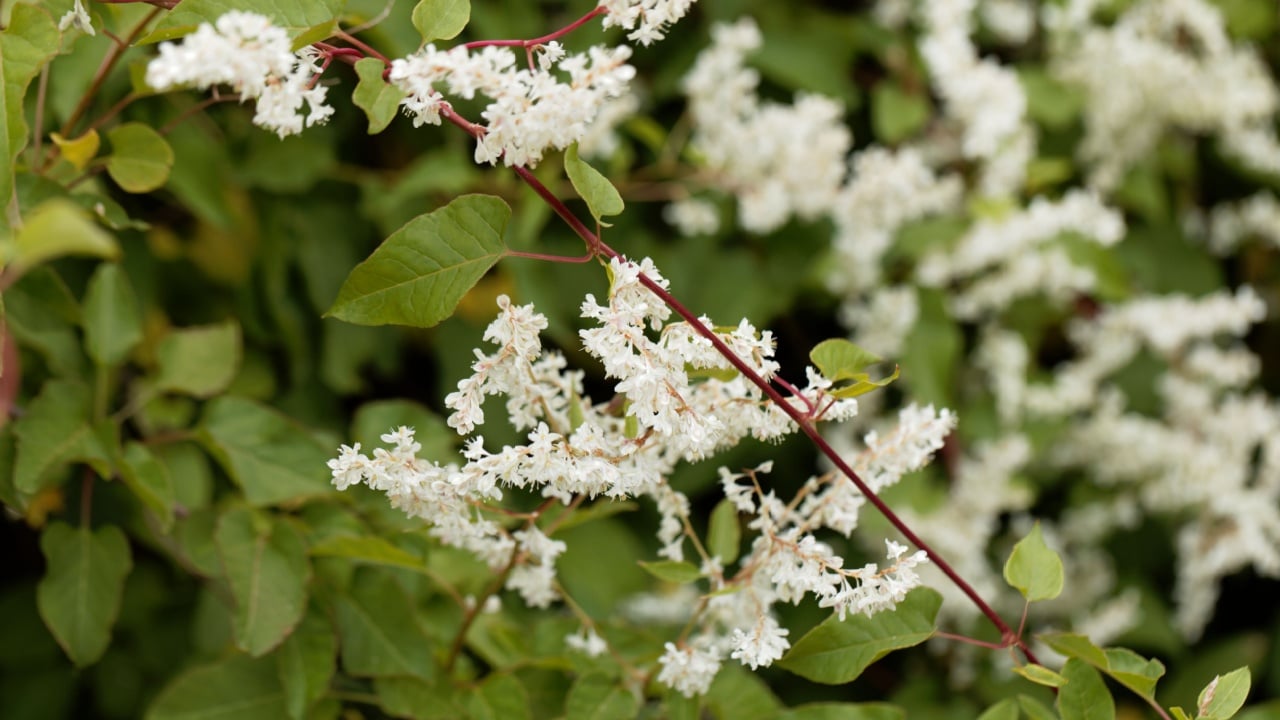
The Silver Fleece Vine (Fallopia baldschuanica) is a fast-growing climber that produces clouds of tiny white flowers even in low-light environments. It is capable of covering a large fence or pergola in a single season, providing immediate visual impact.
This vine can easily cover 20 feet in a single season, making it the ultimate tool for hiding chain-link fences or old outbuildings. The flowers have a delicate, frothy appearance that softens the look of harsh structures.
Use this vine only in large spaces where its vigorous nature can be properly managed. Hard pruning is necessary every winter to keep the plant within its intended footprint. But if you have a big, ugly gap to fill in the shade, nothing does it faster or with more flair.
Where Shade Turns Into a Strength
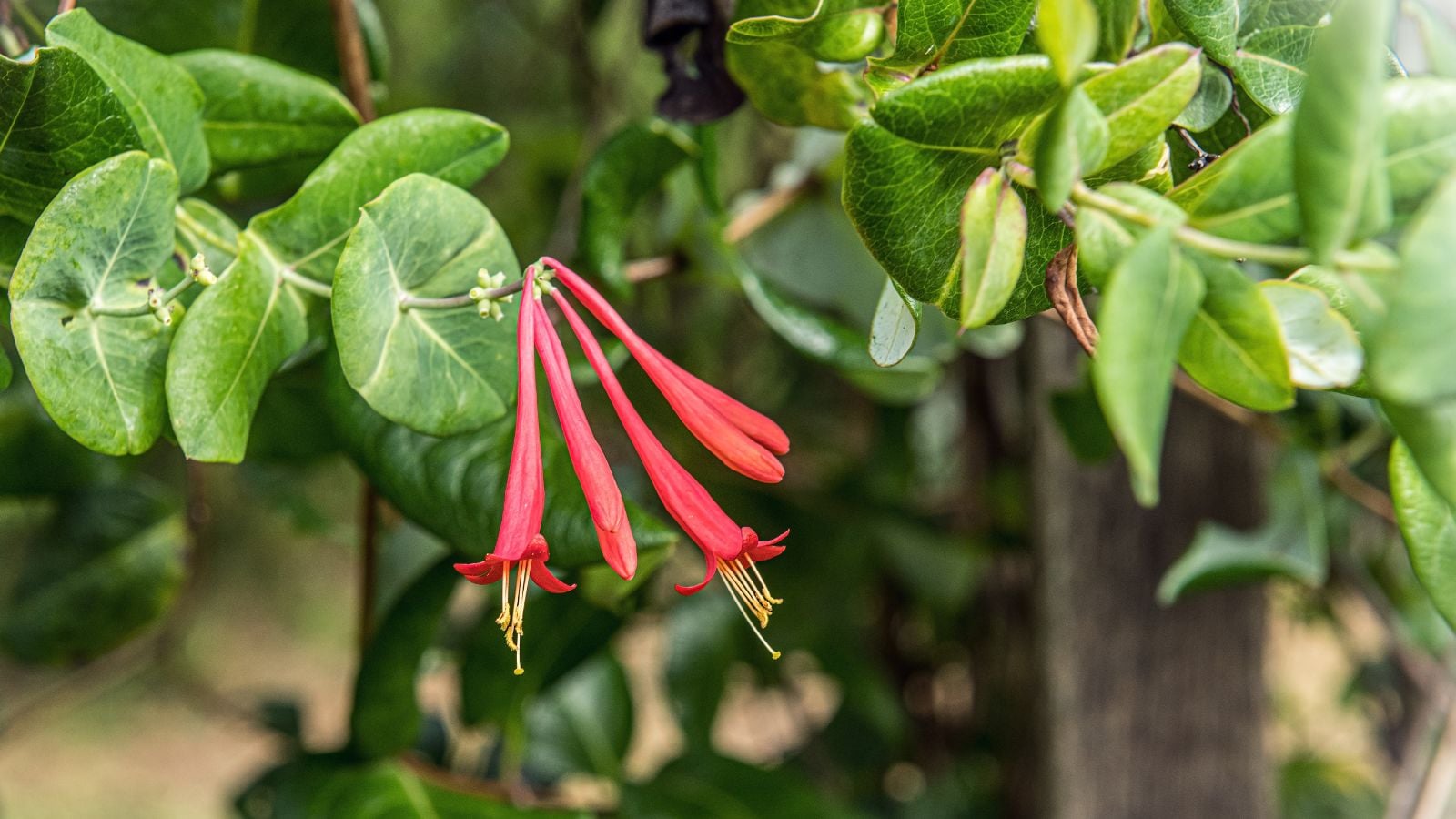
Transforming a dark corner requires selecting plants that view shade as an opportunity rather than a limitation. Success depends on preparing the soil with organic matter and providing the correct physical support for each vine’s specific climbing mechanism.
After choosing the right species, check the moisture levels of the soil regularly, as shaded areas can sometimes stay deceptively dry under building eaves. Establishing a consistent watering and pruning routine ensures these climbers remain healthy and vibrant for years to come.
Read More:
9 Pink Perennials That Love the Shade
12 Shade-Friendly Perennials You Should Be Growing But Probably Aren’t