
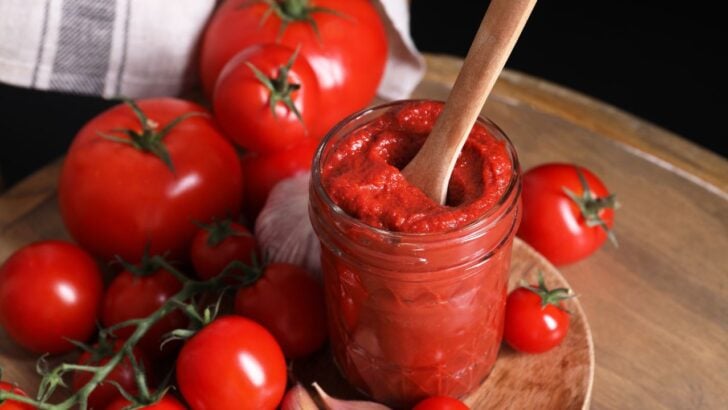
Most home gardeners throw away or let rot more than $200 worth of perfectly good tomatoes every single summer. That is what happens when you plant a dozen tomato plants, watch them produce 10 to 30 pounds each, and have no real plan for what comes next. If you have ever felt a stab of guilt watching a bowl of beautiful homegrown tomatoes slowly collapse on your kitchen counter, you are not alone.
The problem is not that you grew too many. The problem is that everything ripens at once, and most advice involves hours of canning, special equipment, and a grandmother’s recipe you may not have inherited. Experienced gardeners call it “tomato fatigue,” or that moment when even the most enthusiastic grower starts leaving fruit on the vine to rot. What nobody tells you is that the simplest preservation methods are also the ones most people never try.
September is the final stretch of tomato season. In most growing zones, the first frost is only weeks away, and every tomato still on the vine is on borrowed time. At grocery store prices of $3 to $5 per pound for organic tomatoes, a well-managed harvest from just six plants is worth $300 to $600 in winter meals. That is real money sitting in your garden, and it costs almost nothing to save it.
What follows are eight practical ways to use every last tomato before the season ends. Some take three minutes; others take an afternoon. All of them will keep your harvest out of the compost pile and in your kitchen where it belongs.
1. Freeze Them Whole
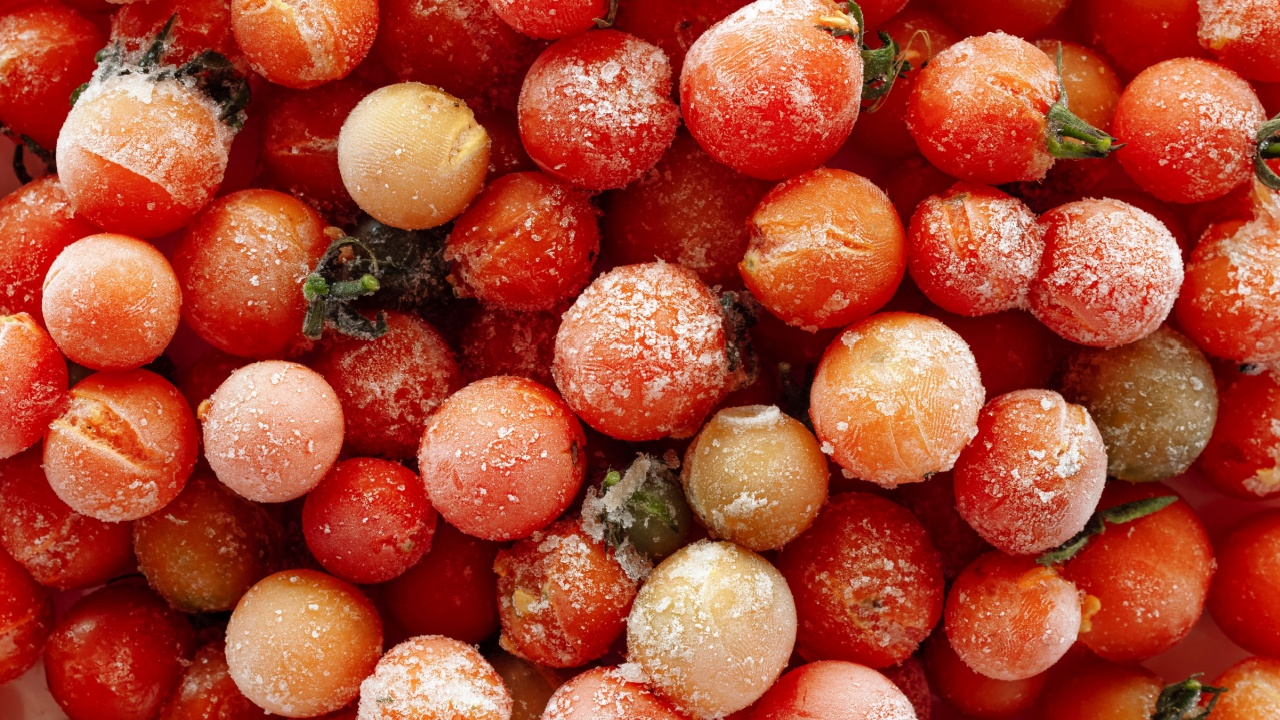
Image Credit: Shutterstock.
This is the most underrated preservation trick in gardening. Wash your tomatoes, let them dry, drop them into a freezer bag, and freeze. No blanching, no peeling, no cooking, no special equipment.
When you thaw frozen whole tomatoes, the skins slide off effortlessly. “Simply wash them off, allow extra water to drip off, put into a bag and freeze,” writes the team at Gardens That Matter. “When they thaw, their skins will slide off easily.” According to Utah State University Extension, frozen tomatoes maintain their nutritional value for 8 to 12 months at 0°F.
2. Make a Simple Freezer Sauce
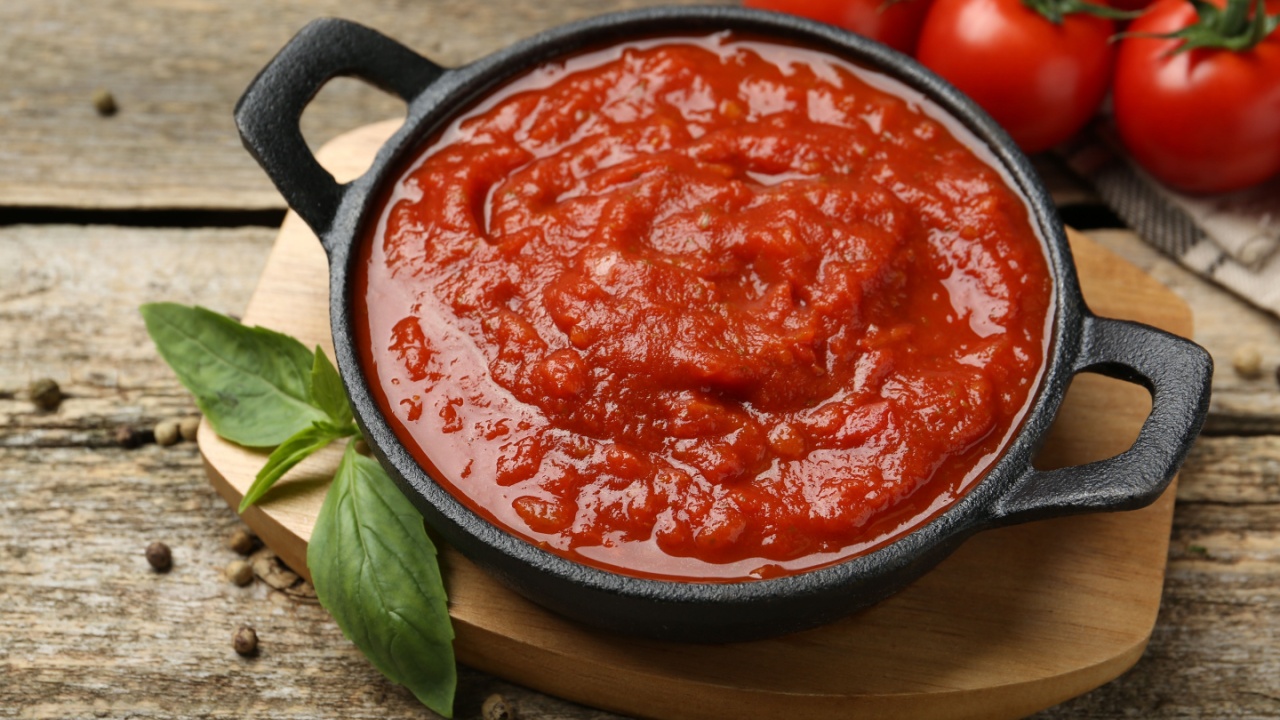
Image Credit: Shutterstock.
If you have been spending $3 to $5 per jar on organic marinara, your garden is about to save you serious money. A basic freezer sauce costs roughly $0.50 per pint. Chop your tomatoes, simmer with salt, pepper, and garlic, run through a food mill, and freeze flat in labeled bags. As gardener Jessie Alice Smith puts it, “I have not bought marinara from a store in several years now. Homemade is tastier, healthier, and only takes about 5 minutes to make.”
Lay filled bags flat on a cookie sheet until frozen. Those thin packages stack like books and take up half the room of bulky containers.
3. Roast a Sheet Pan of Salsa
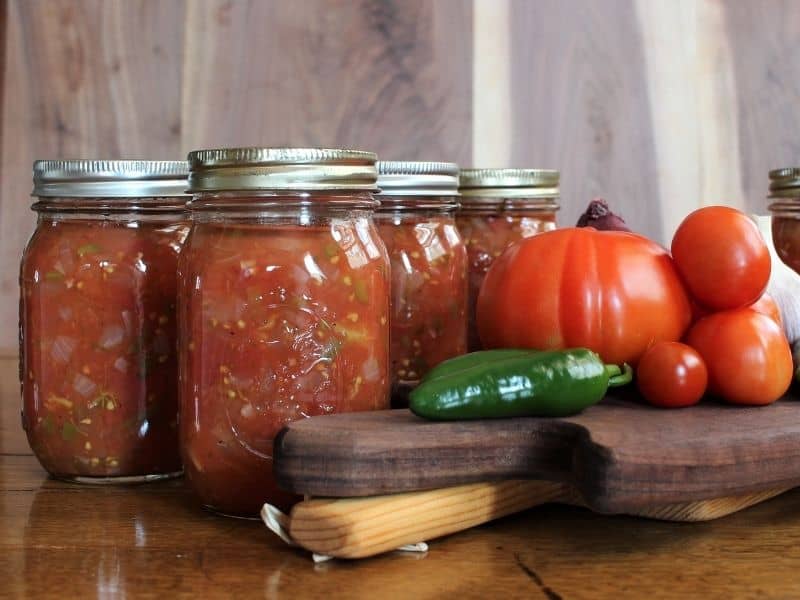
A single sheet pan of broiled tomatoes, onions, garlic, and hot peppers produces enough salsa to last weeks, using five or more pounds per batch. Broil until charred, let cool, then blend with lime juice and cilantro. The char adds a smoky depth that raw salsa cannot match. At the peak of September’s harvest, a double batch is the kind of afternoon project that pays for itself all winter.
4. Dry Them Into Tomato Chips or Sun-Dried Snacks
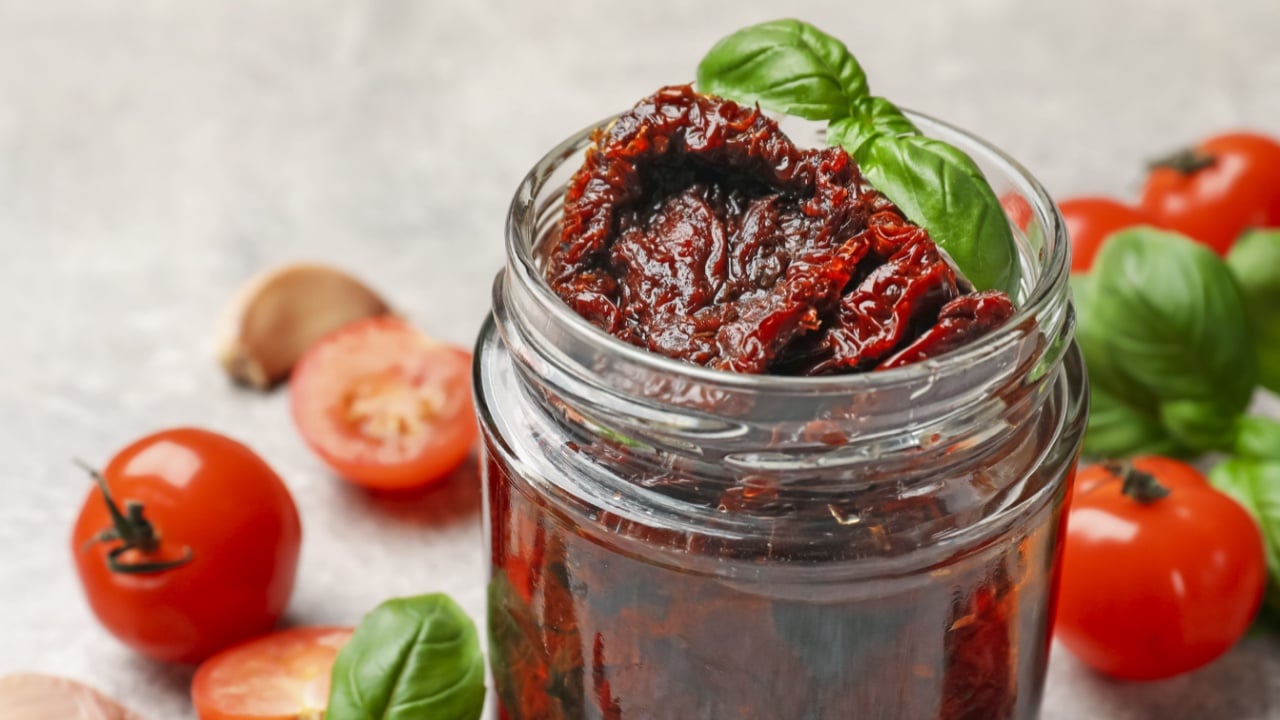
Image Credit: Shutterstock.
Dehydrating concentrates flavor into something almost candy-like and requires zero freezer space. Cherry tomatoes are ideal: halve them, sprinkle with sugar and salt, and dry in a dehydrator or a low oven.
RHS Horticultural Advisor Anne Adam has discovered an ingenious bonus: “Spread the leftover skins out on a tray and dry them, then blitz into a powder. It’s packed with flavour and adds a lovely tomato kick to winter dishes.” That tomato powder trick is something most gardeners never learn. Store dried tomatoes in airtight containers or jars of olive oil for months without any freezer space.
5. Build a Classic Panzanella
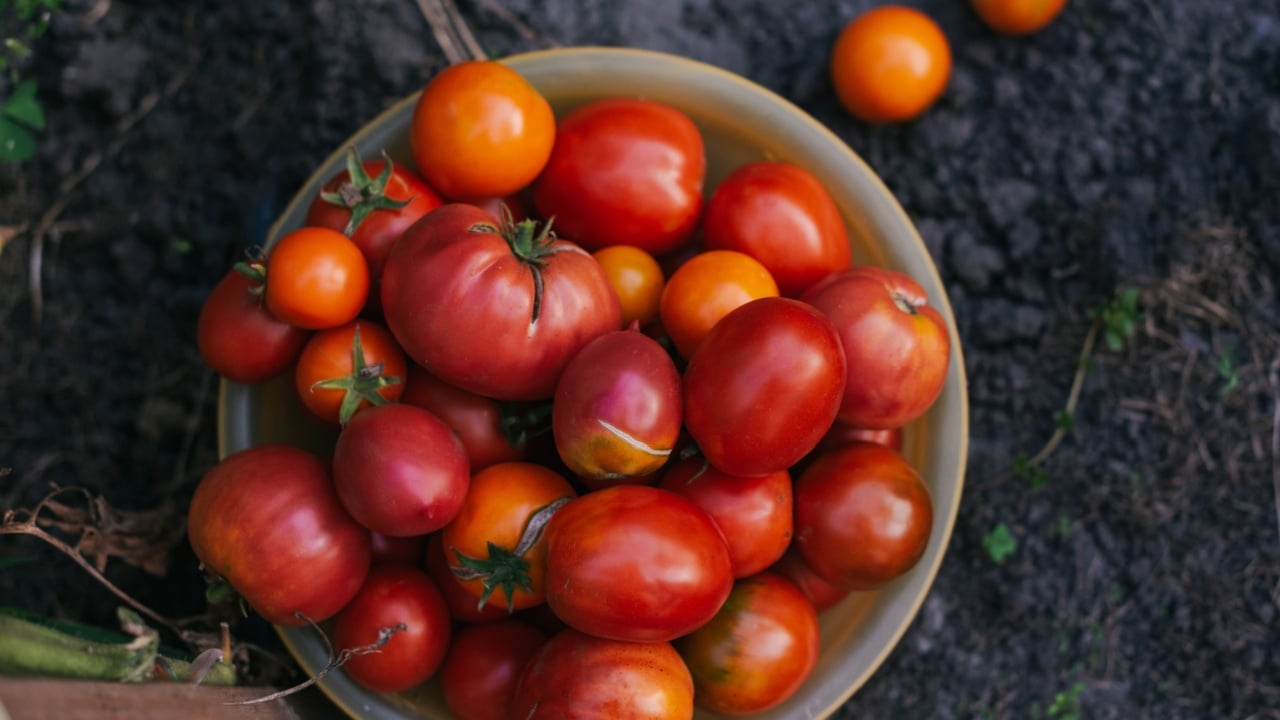
Image Credit: Shutterstock.
Not every tomato needs preserving. Some deserve to be eaten right now, at their peak, with nothing more than good bread and salt. Ina Garten reaches for panzanella the moment August arrives, calling it “a classic Italian tomato, cucumber, and bread salad.” Then there is the Southern tomato sandwich: thick slices on soft white bread with mayonnaise. No recipe needed.
A single panzanella uses two to three pounds of tomatoes. When your counter is overflowing, fresh eating is the fastest way to make a dent.
6. Cook a Roasted Tomato Soup You Will Crave in January

Image Credit: Deposit Photos.
Roasting transforms garden tomatoes into something deeply sweet, and a single batch uses five to eight pounds. Ina Garten makes her Roasted Tomato Basil Soup in bulk and freezes it “so I can have it when there’s a chill in the air.” Halve your tomatoes, toss with olive oil, garlic, and herbs, roast at 400°F, and blend. Each quart replaces $6 to $8 of store-bought soup. For gardeners over 50 who remember their mother’s soup simmering on the stove, this recipe brings that memory home.
7. Put Up a Batch of Chutney or Tomato Jam
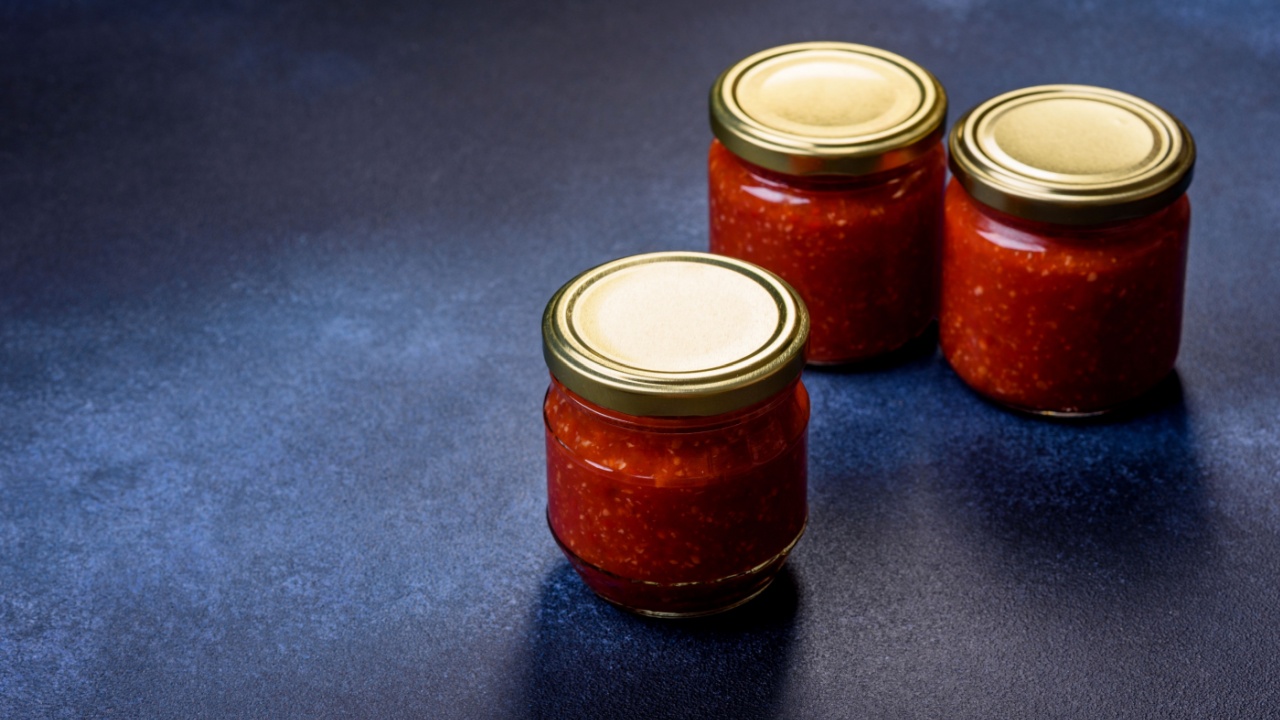
Image Credit: Shutterstock.
A good tomato chutney transforms ordinary cheese and crackers into something people remember. Anne Adam makes a tomato and pepper chutney that won first prize at her local flower show, and notes that green tomatoes work beautifully too. A single afternoon of cooking produces enough jars to last a year and stock your gift shelf for the holidays. A batch of tomato-chili jam will use up a full colander and produce something that pairs with sharp cheddar in a way that makes store-bought preserves feel pointless.
8. Share Them (and Watch What Happens Next)
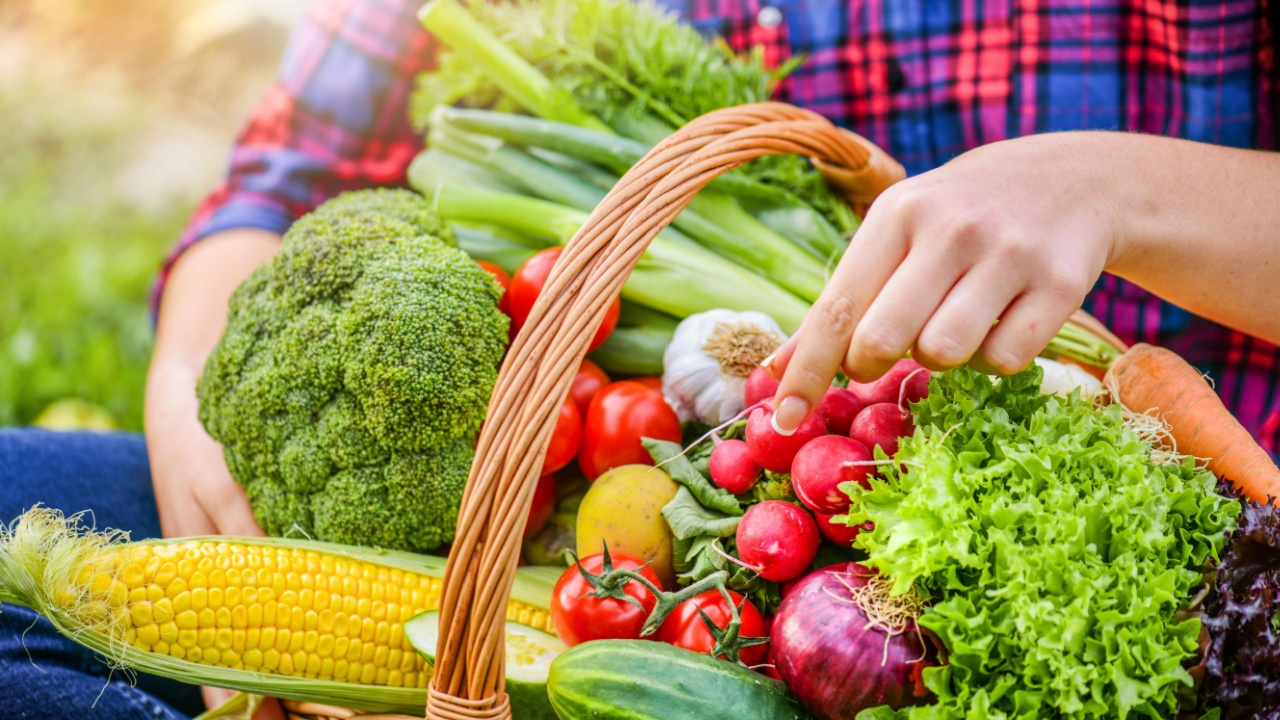
Image Credit: Shutterstock.
A bag of homegrown tomatoes on a neighbor’s doorstep is one of the smallest gestures in gardening and one of the most powerful. Gardens That Matter recommends garden trades: “Call together your gardening friends to trade your tomatoes for their green beans. You’ll exchange garden tips, build relationships, and everyone goes home with something new.” Local food banks accept fresh produce through programs like Plant a Row for the Hungry. A surplus that felt like a burden becomes a genuine gift, and the relationships that grow from sharing often outlast the season.
A Big Harvest Is Still a Gift
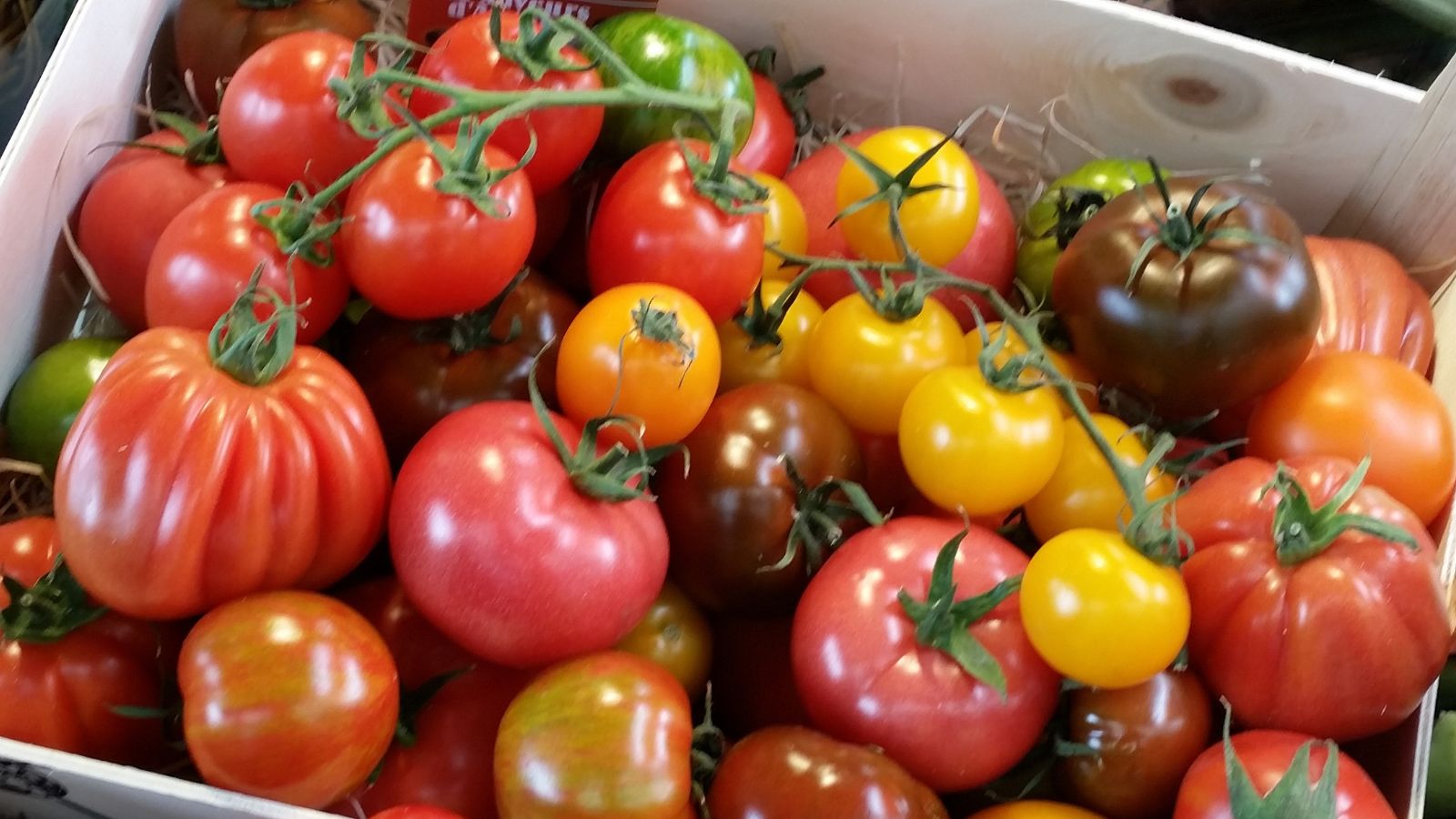
Image Credit: Emőke Dénes – kindly granted by the author, CC BY-SA 4.0/Wiki Commons.
The real problem was never too many tomatoes; it was not having a plan. Freeze a few bags tonight; it takes three minutes. Make sauce this weekend. Drop a bag on your neighbor’s porch. The villain is not your garden’s generosity. The villain is the assumption that preserving food has to be complicated. It does not. Your grandmother knew that, and now you do too.
Read More
Washing Your Lettuce Won’t Remove Cyclosporiasis, But Growing Your Own Will
Your Grandmother Stored These 8 Foods All Winter Without Canning a Single Jar