Stop Wasting Money on Vegetables That Die in Summer Heat: These 9 Vegetables Actually Thrive in It
Every summer, the same heartbreaking scene plays out in gardens across the country: the lettuce bolts, the spinach turns bitter, and the peas shrivel on the vine, and gardeners conclude that summer is simply not a season for growing food.
The real problem isn’t the heat. It’s that most gardeners are trying to grow the wrong vegetables in it. Cool-season crops like broccoli, lettuce, and radishes are designed for spring and fall; asking them to perform in July is like expecting wool mittens to work at the beach. Meanwhile, a whole lineup of heat-loving vegetables, many of them rooted in tropical and subtropical climates, are just getting started when the mercury climbs past 90°F. They don’t merely tolerate summer; they require it.
The stakes are real. According to the National Gardening Association, a well-maintained 600-square-foot garden can produce around $600 worth of food on an initial investment of roughly $70, but only if you’re growing the right things at the right time. A summer garden stocked with the wrong crops doesn’t just fail to produce, it wastes water, wastes effort, and leaves you buying at the grocery store what you could have harvested from your own yard. That gap adds up fast, especially as produce prices keep climbing.
The good news is that a productive summer garden isn’t complicated; it just requires a different plant list. Below are nine vegetables that don’t merely survive summer heat; they produce more, taste better, and demand less fuss when temperatures soar. Plant any one of them this month, and you’ll be harvesting well into fall.
1. Okra: The Workhorse That Gets Better the Hotter It Gets
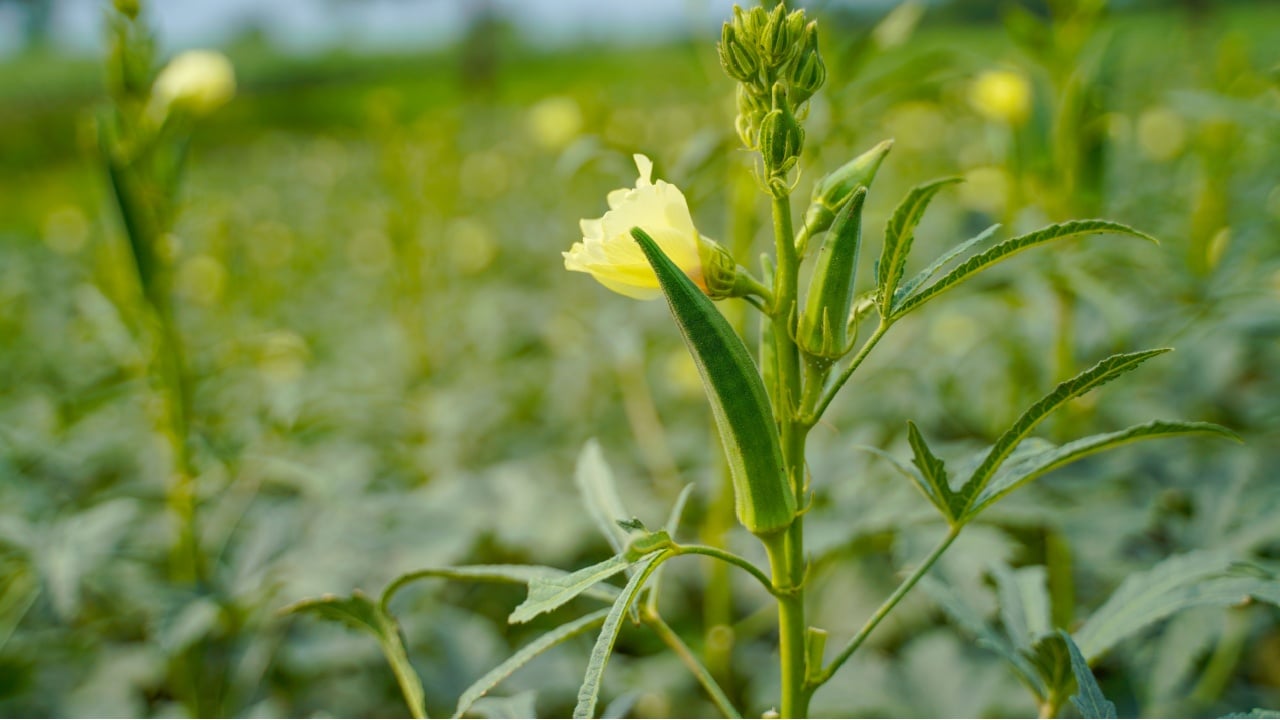
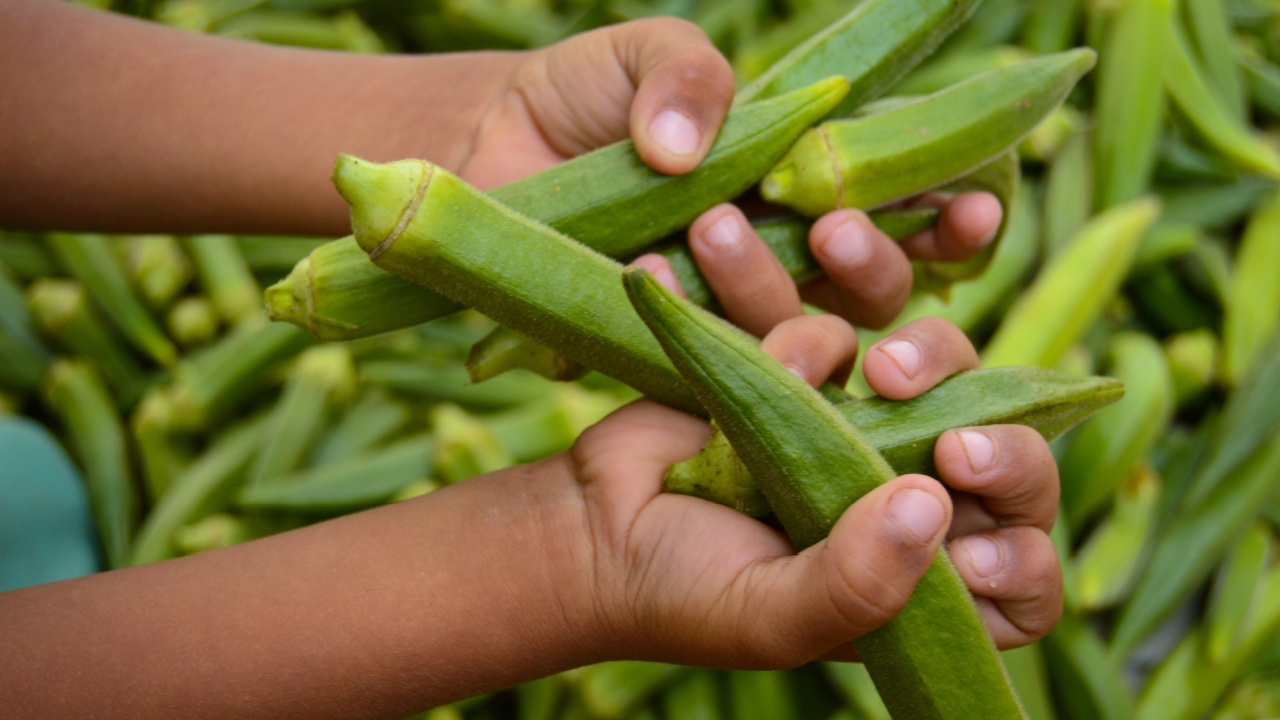
Okra is native to northeast Africa and thrives in soil temperatures above 70°F, conditions that would send most vegetables into distress. What makes it exceptional for summer gardens is a characteristic that surprises nearly every first-time grower: the hotter it gets, the more it produces. According to The Old Farmer’s Almanac, okra actually increases pod production as temperatures climb, making it one of the few vegetables in the garden that rewards a heat wave rather than suffering from one.
Harvest pods when they are two to four inches long for the best texture and flavor; pods that are left too long become tough and fibrous. One or two plants will keep a family supplied with okra through the whole season. Soak seeds overnight before planting to speed germination, and expect your first harvest in 50 to 60 days.
2. Sweet Potatoes: Underground Gold That Does the Work While You Wait
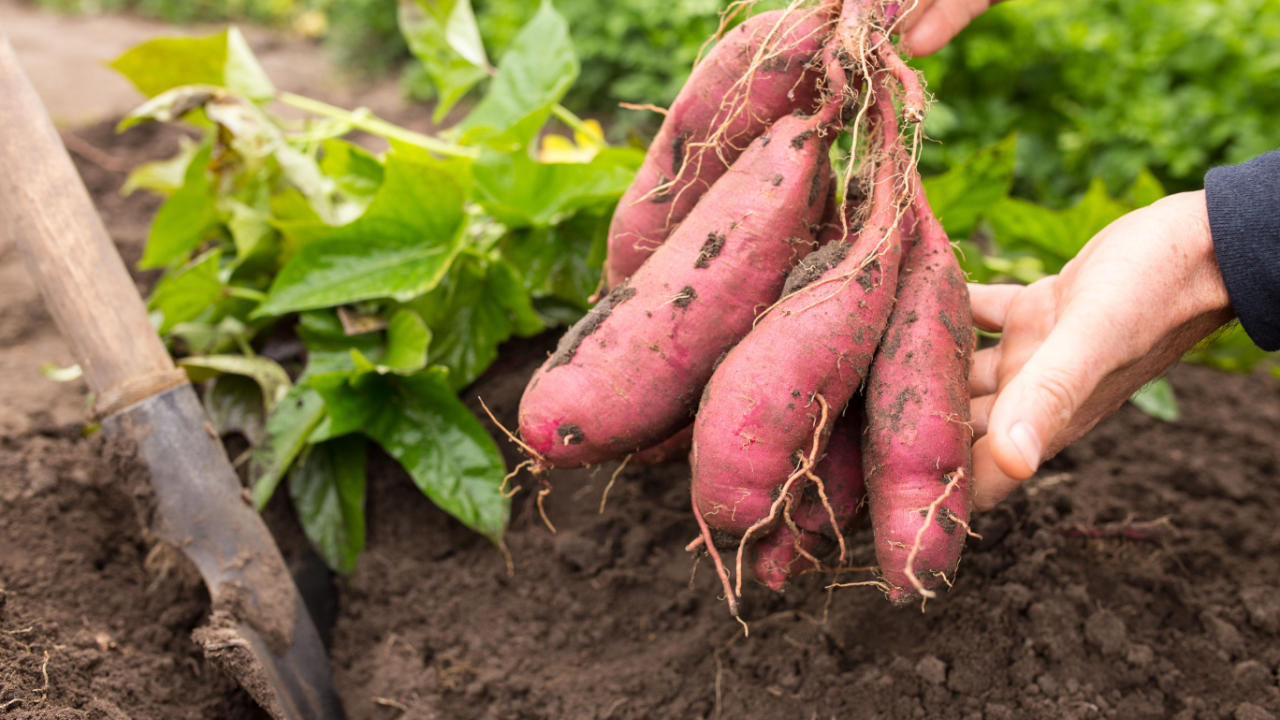
Sweet potatoes are one of the most efficient crops a home gardener can grow in summer. They are planted as slips in late spring, require minimal attention through the hottest months, and deliver a substantial harvest in 90 to 120 days, often just as the season begins to cool. According to The Old Farmer’s Almanac, sweet potato plants need warm days and warm nights to develop properly, making the peak of summer their most productive period.
They grow beautifully in landscape beds as well as traditional garden rows, and their vining foliage doubles as a living mulch that suppresses weeds. A single 10-foot row can yield 10 to 20 pounds of sweet potatoes, a crop that costs $2 to $4 per pound at the grocery store. Harvest before soil temperatures drop below 55°F in the fall.
3. Hot Peppers: What Summer Heat Actually Does to Their Flavor
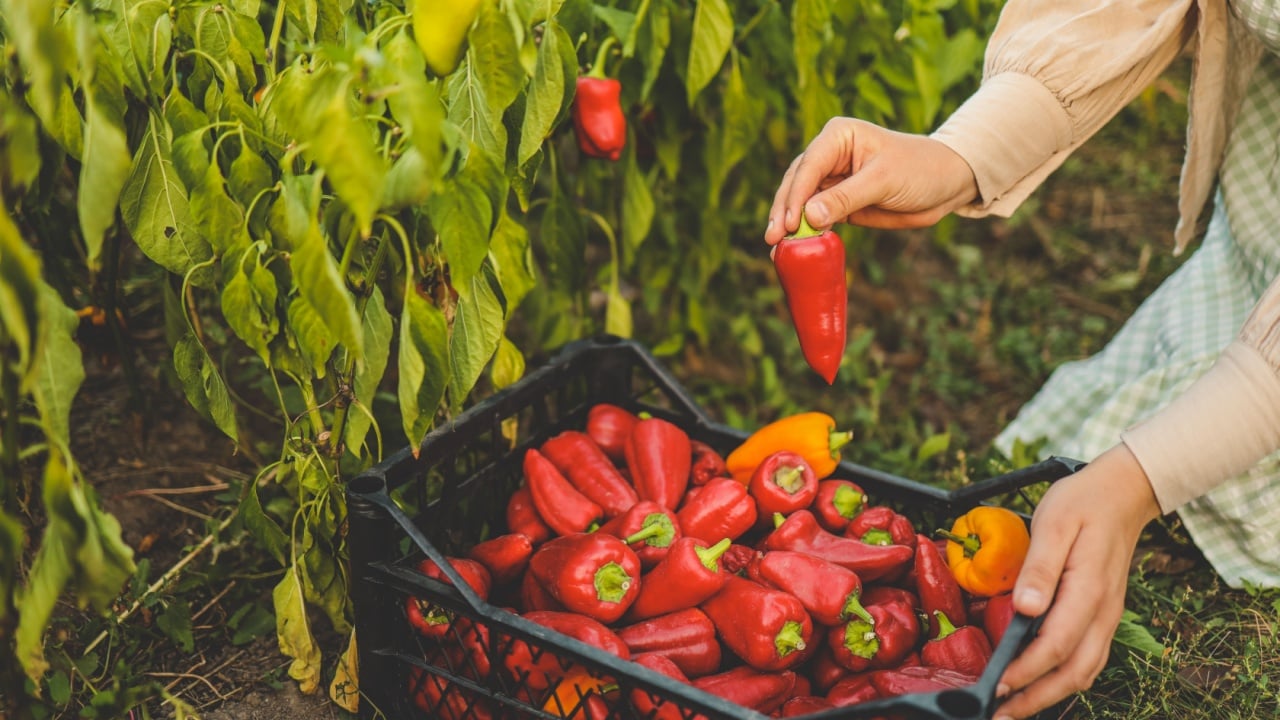
Here is a fact that most gardeners never hear from the nursery: heat doesn’t just keep hot peppers alive in summer; it intensifies their flavor and capsaicin content. Bell peppers, by contrast, are poorly suited to extreme summer heat and often drop their blossoms above 90°F. The swap most experienced gardeners learn eventually is to lean into jalapeños, banana peppers, shishitos, and cayenne varieties through the hottest weeks, reserving bell peppers for the cooler edges of the season.
According to Gardening Know How, varieties like jalapeño, banana, and shishito are particularly well adapted to high heat and continue to set fruit when other pepper types stall. Dried hot peppers also have tremendous shelf life, meaning a good summer crop translates into months of cooking through fall and winter, something worth far more than the $5 bag of dried chilies at the grocery store.
4. Eggplant: The Plant That Loves Heat More Than Any Other Nightshade
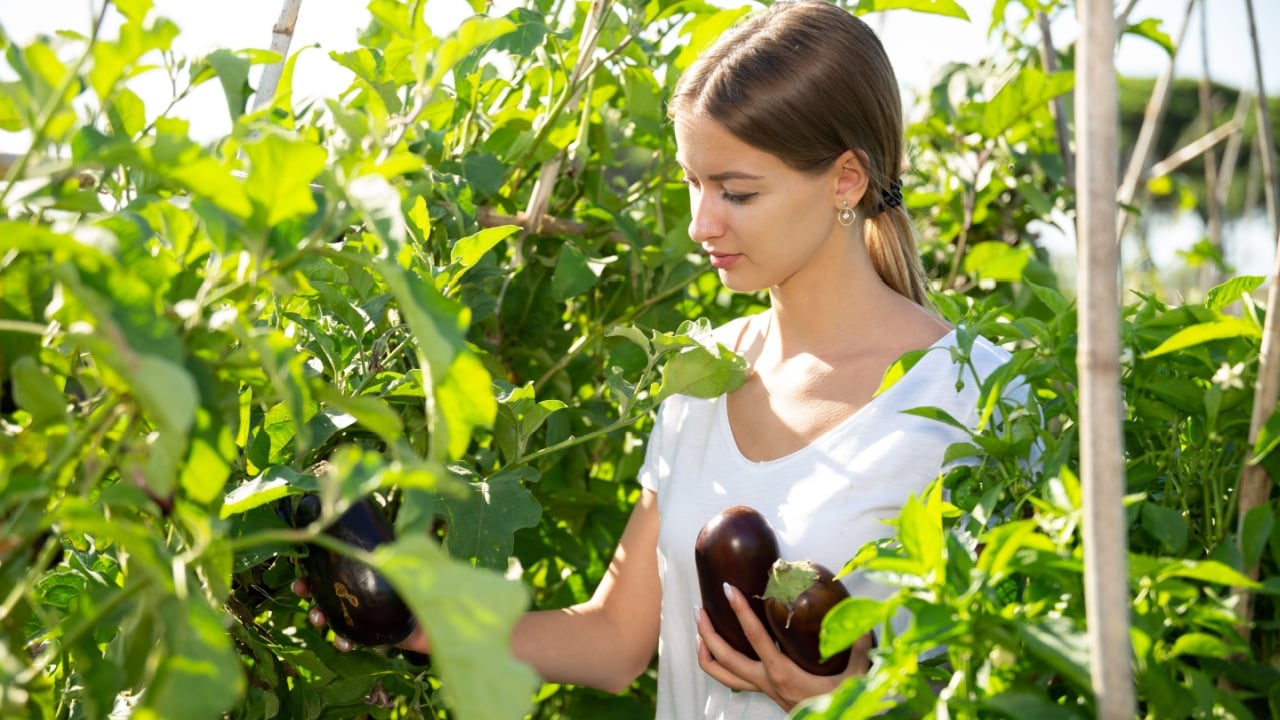
Of all the common garden nightshades, like tomatoes and peppers, eggplant is the one most genuinely suited to extreme summer heat. It thrives in daytime temperatures between 70°F and 90°F and handles low 90s without the blossom drop that plagues tomatoes. According to Epic Gardening, Japanese-style eggplants are especially heat-tolerant and continue producing even during sustained hot spells when larger-fruited varieties slow down.
Eggplant requires about an inch of water per week and benefits from consistent fertilization through the season. It’s one of the highest-value crops in a summer garden: specialty eggplant varieties routinely sell for $3 to $5 per pound at farmers’ markets and grocery stores, while a single healthy plant can produce several pounds of fruit through the season.
5. Malabar Spinach: The Heat-Proof Green Most Gardeners Have Never Tried
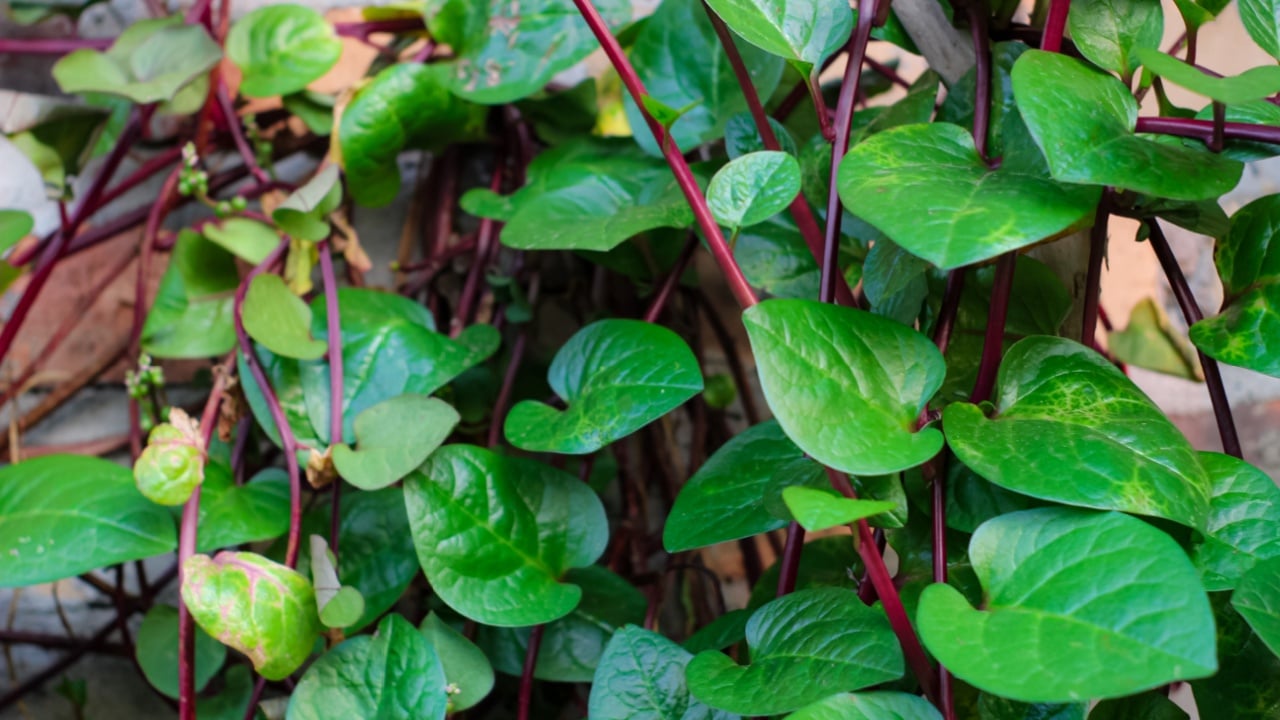
One of the most useful and least-known heat-season crops, Malabar spinach is not a true spinach but a tropical vine that produces lush, glossy leaves with a mild flavor that works well in salads, stir-fries, and soups. It thrives when soil temperatures are above 80°F and air temperatures are in the 90s; conditions under which true spinach would have bolted and gone bitter weeks ago.
According to the University of Florida IFAS Extension, Malabar spinach is an excellent substitute for cool-weather leafy greens and can keep a family harvesting through the entire summer in climates where traditional greens fail. Train it on a trellis and harvest young leaves regularly to encourage continued growth. In warm climates, it can be treated as a perennial.
6. Southern Peas and Cowpeas: The Crop That Improves Your Soil While It Feeds You
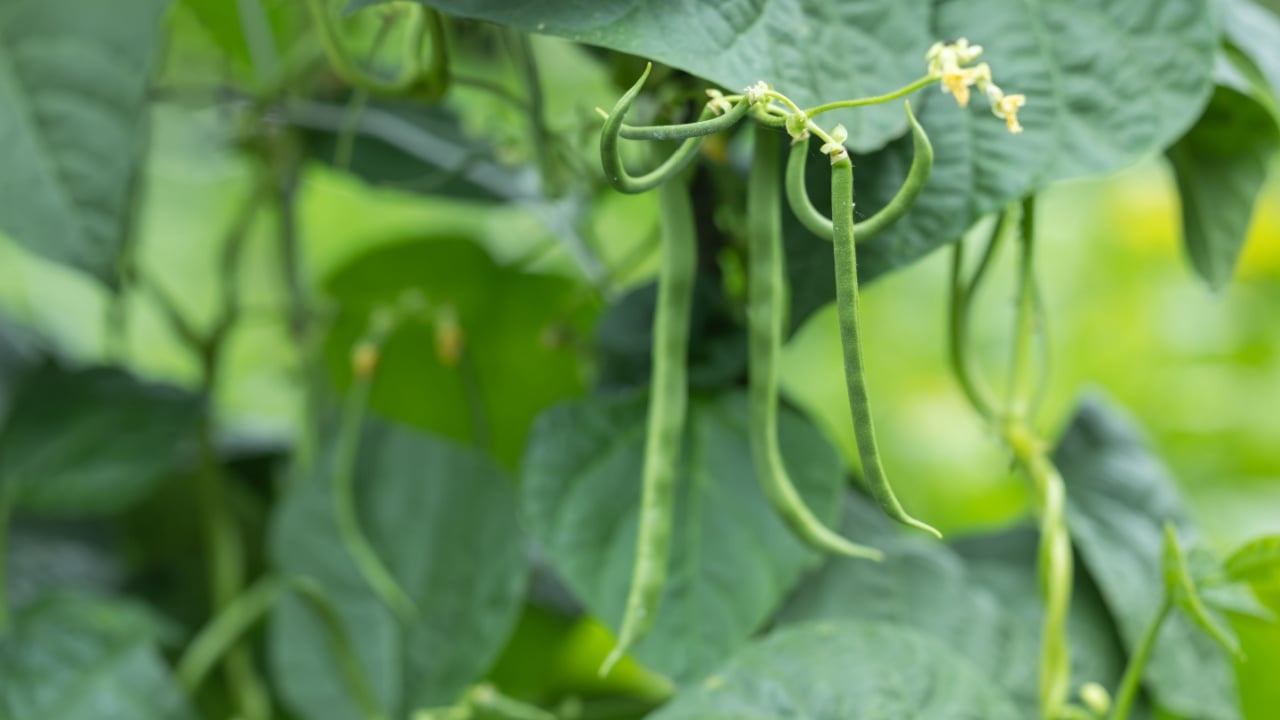
Southern peas, which include black-eyed peas, cream peas, and crowder peas, are among the most heat- and drought-tolerant vegetables available to home gardeners. They thrive in high humidity as well as dry heat, making them an ideal choice across a wide range of summer climates. According to St. Clare Heirloom Seeds, cowpeas are ready to harvest in 60 to 70 days and can be eaten fresh or dried for long-term storage.
What many gardeners don’t realize is that southern peas fix nitrogen in the soil, meaning they are actively improving your garden while producing food. This is the kind of plant your grandfather would have called a two-for-one deal, and he would have been exactly right. Grow a bed of southern peas this summer, and your fall planting beds will be in measurably better shape for it.
7. Watermelon and Cantaloupe: The Sweeter for Every Degree of Heat
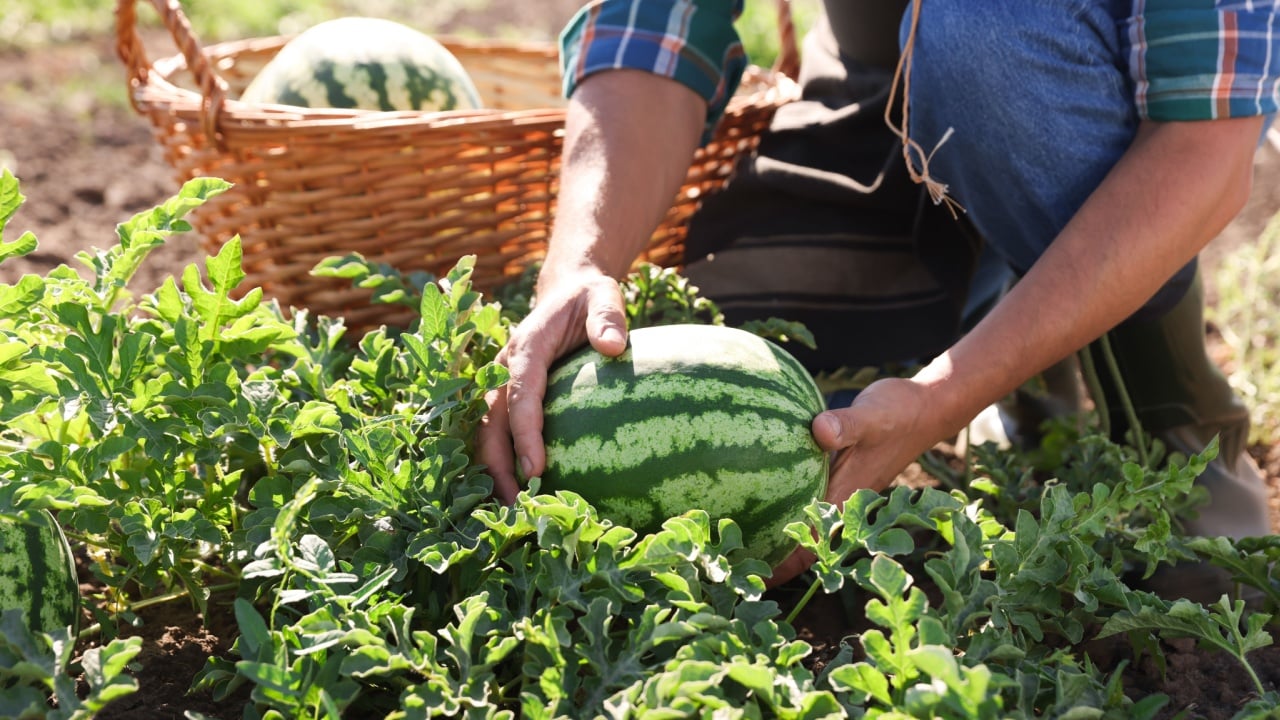
Melons originated in Africa and southern Asia and require two to three months of sustained hot weather to develop their signature sweetness. According to The Old Farmer’s Almanac, overwatering during the ripening phase actually dilutes the sugars in melons, which means backing off the hose as fruits mature is the counterintuitive move that makes them taste better. Many heirloom varieties are deep-rooted and remarkably drought-tolerant once established.
The practical upside is real: organic watermelons commonly sell for $8 to $12 each at grocery stores, and cantaloupes run $3 to $5. A successful melon patch can easily produce $50 to $100 worth of fruit from a handful of seed packets costing a few dollars. Give them full sun, rich, well-draining soil, and room to sprawl, or train them vertically on a strong trellis.
One thing worth knowing: while even heat-loving crops like tomatoes begin to drop blossoms above 95°F, watermelons and cantaloupes continue to set fruit in temperatures well beyond that threshold. It’s one of the clearest examples of how origin climate determines summer performance, and why choosing tropical-rooted crops pays off during genuine heat waves.
8. Sweet Corn: A Heat Lover That Grows Best in Blocks, Not Rows

Corn originated as a tropical grass and performs best in daytime temperatures between 77°F and 90°F, though it can handle short periods of temperatures as high as 112°F. According to Seed Sheets, corn is one of the genuinely heat-adapted staple crops available to home gardeners, making it a natural fit for midsummer planting in most of the country.
The most common mistake with corn is planting it in a single long row. Corn is wind-pollinated, and single rows produce poorly filled ears because pollen rarely lands where it needs to. Plant corn in blocks of at least three to four short rows so that pollen from tassels falls directly onto nearby silks. Keep plants consistently watered — an inch per week is the standard guideline — and consider a late succession planting in July to extend your harvest into September.
9. Cucumbers: Fast, Productive, and Built for Warm Weather
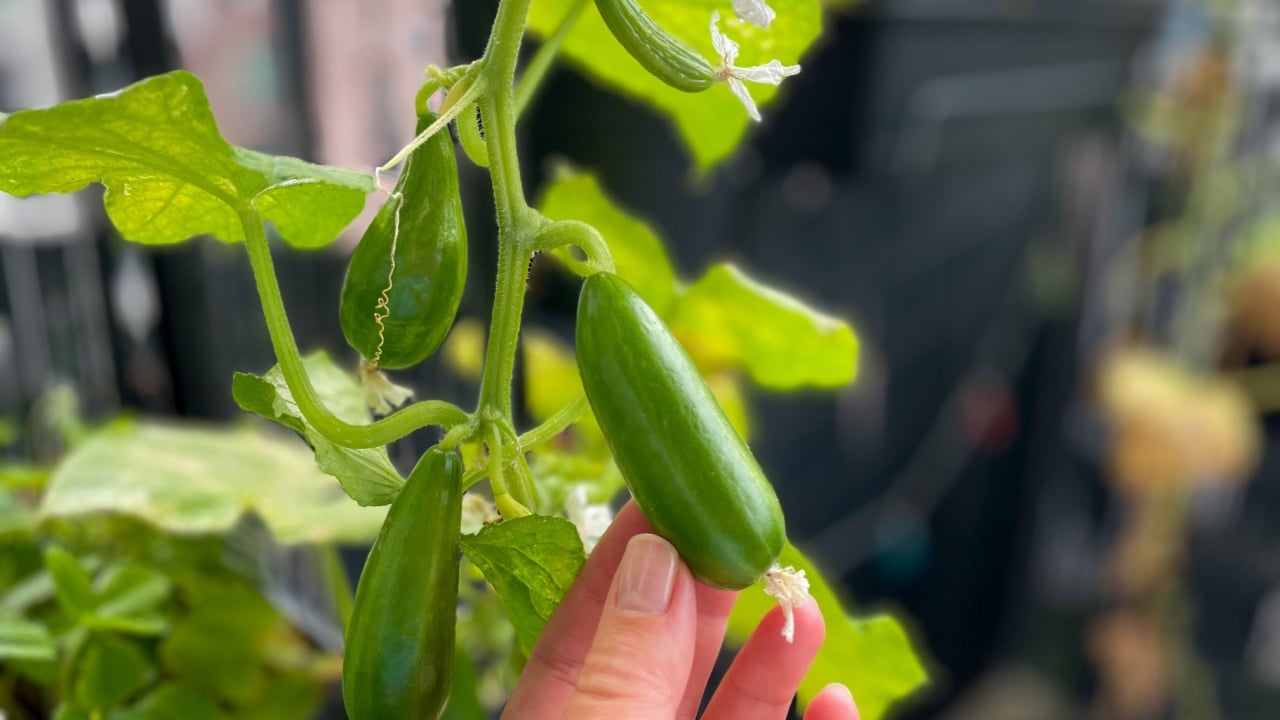
Cucumbers grow best in soil temperatures between 80°F and 85°F, making them one of the most naturally summer-suited vegetables in the common garden lineup. According to Garden Design, vining cucumbers trained on a trellis produce more fruit in less space than ground-grown plants and are easier to harvest cleanly. Regular harvesting is the critical management step: cucumbers left on the vine too long signal the plant to stop producing, so picking every two to three days keeps the harvest going.
For gardeners short on space, bush cucumber varieties work well in containers and raised beds. Consistent moisture is the most important cultural requirement; water stress causes bitterness in the fruit. A healthy cucumber plant can produce 10 to 20 cucumbers over the course of a season; at $1 to $2 each at the store, that’s real grocery savings from a few dollars of seed.
The Summer Garden Isn’t Finished: It’s Just Getting Started
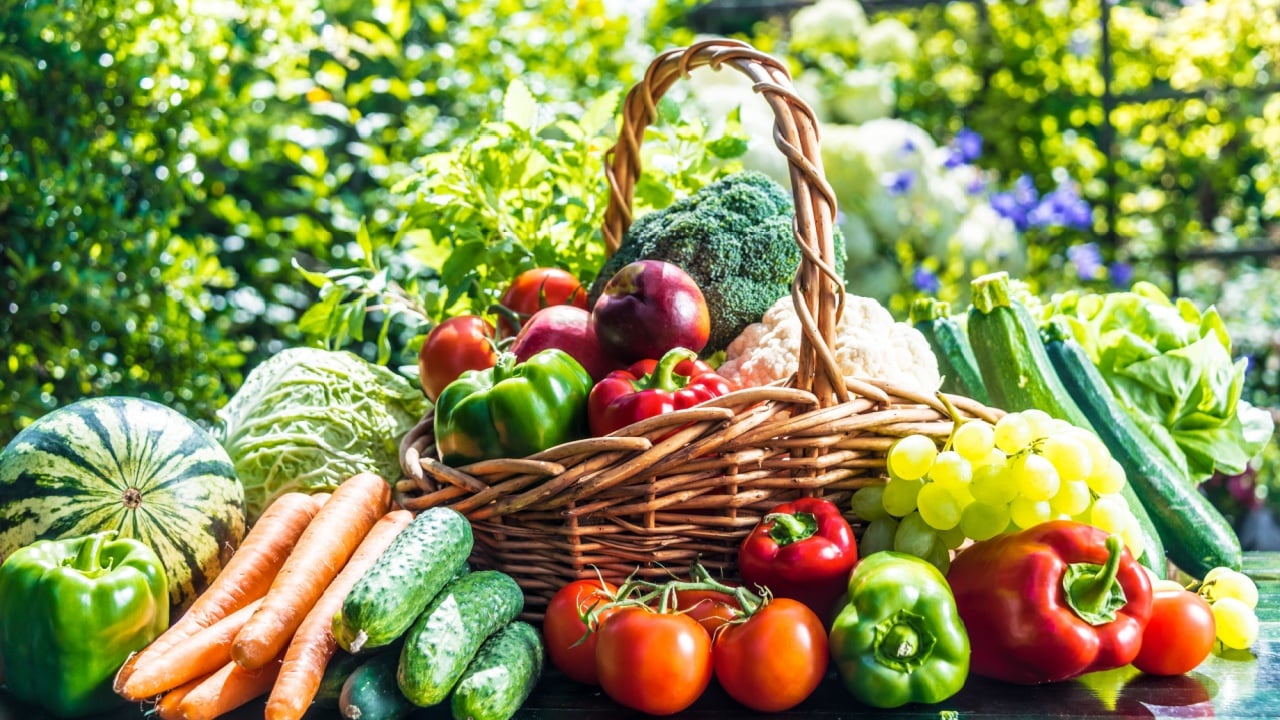
There is a version of summer gardening that doesn’t involve watching crops fail in the heat. It looks like a bed of okra producing pods every single day, sweet potato vines crawling happily across the ground, and a trellis of cucumbers that keeps giving well into September. None of it requires special equipment, elaborate irrigation, or advanced gardening knowledge. It requires only the right plant list and the willingness to let the season work with you instead of against it.
Start with one or two crops from this list if you are new to summer gardening. Okra and sweet potatoes are the most forgiving entry points and among the most productive. From there, expand as your confidence and space allow. Your grocery bill will notice.
Read more:
Why wildlife experts are telling people to take down their bird feeders
Plant these 10 companion plants with your tomatoes — and stop planting these 4