Stop Wasting Money on Fancy Garden Gadgets: Here Are 12 That Actually Work
The most transformative gadget in your garden toolkit might cost less than $20, and it has nothing to do with Wi-Fi.
Every summer, the gardening corner of the internet fills up with glossy roundups of smart sprinkler systems, AI plant monitors, and app-connected pots that promise to revolutionize your growing season. Some of them deliver. Many end up gathering dust in the garage by August. The difference isn’t price or sophistication; it’s whether the gadget solves a real problem that you actually have.
Here’s an honest look at which tech gadgets can help you in the garden, which ones are worth skipping, and why the most effective garden tech is often the kind that doesn’t need a subscription to work.
Why Most “Smart” Garden Gadgets Disappoint
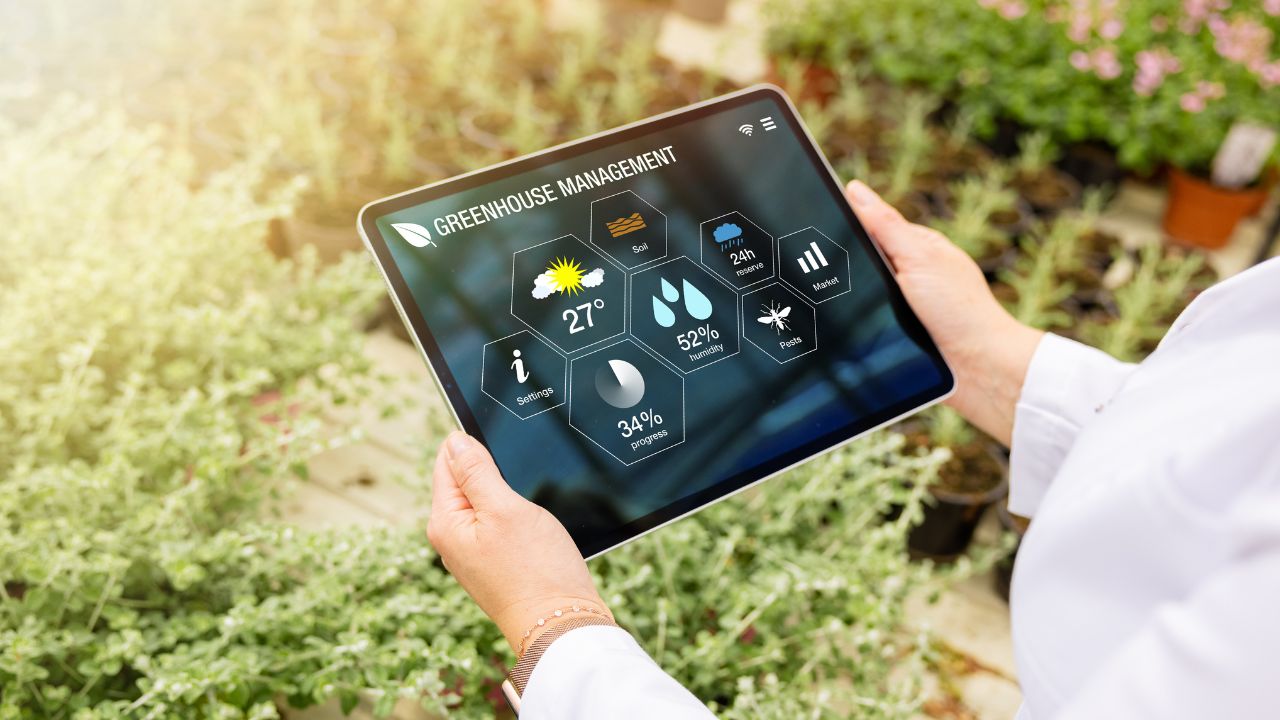
The smart home device market has grown fast; more than 57% of U.S. households owned at least one smart home device by 2025, and the garden world hasn’t been left behind. But “smart” doesn’t always mean better.
The pattern plays out predictably. A gardener buys a $150 soil sensor, plugs it into an app, and discovers it tells them roughly the same thing they’d have learned by pressing a finger an inch into the soil. Or they invest in an indoor hydroponic system expecting a season’s worth of tomatoes, only to harvest a handful of cherry-sized disappointments. As Logan Hailey of Epic Gardening notes, expensive Bluetooth plant monitors are often an overpriced substitute for simple observation.
That’s not a knock against technology. It’s a reminder that the best tools, digital or analog, are the ones that do something you genuinely can’t do yourself.
Here are 12 tech gadgets that can help you in the garden.
1. Soil pH and Moisture Probe
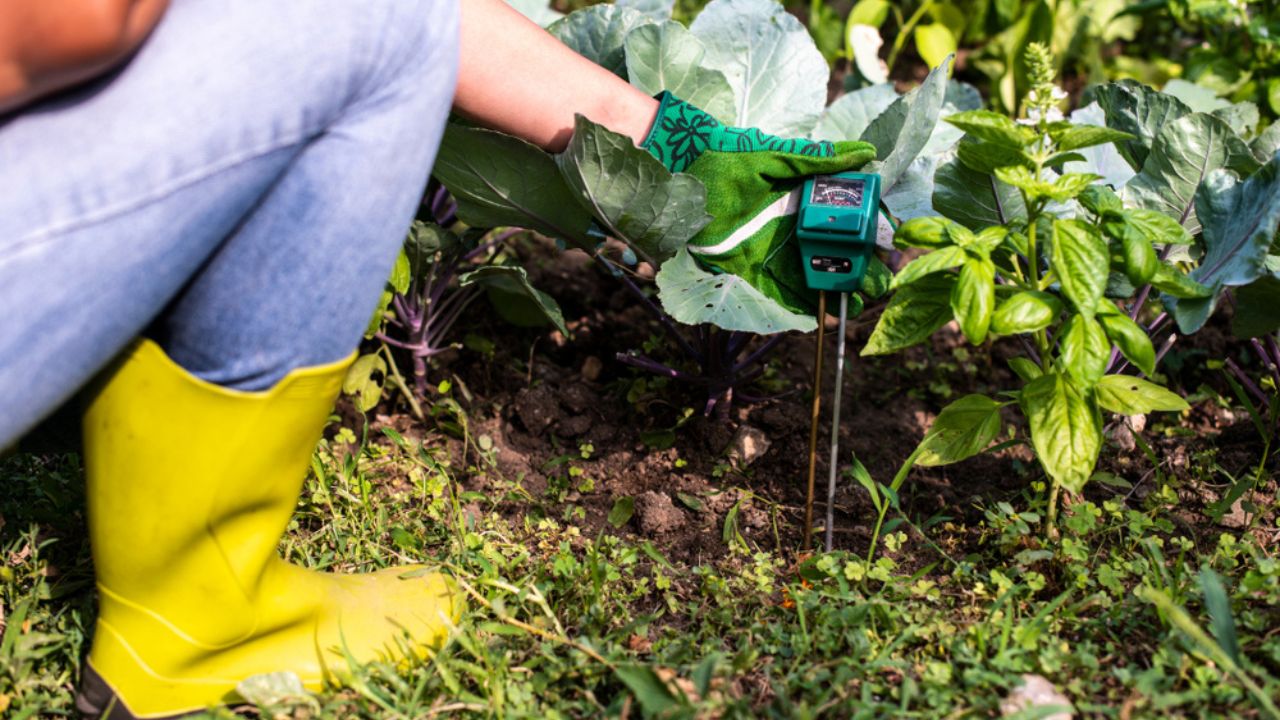
This is the unglamorous hero of garden tech. A quality multi-function soil probe, typically $15 to $35, measures pH, moisture, and light levels simultaneously. No app, no batteries, no subscription. You stick it in the ground and read the dial. For gardeners who’ve watched plants fail for mysterious reasons, this is often the tool that finally provides an answer.
2. Hygrometer and Thermometer Combo
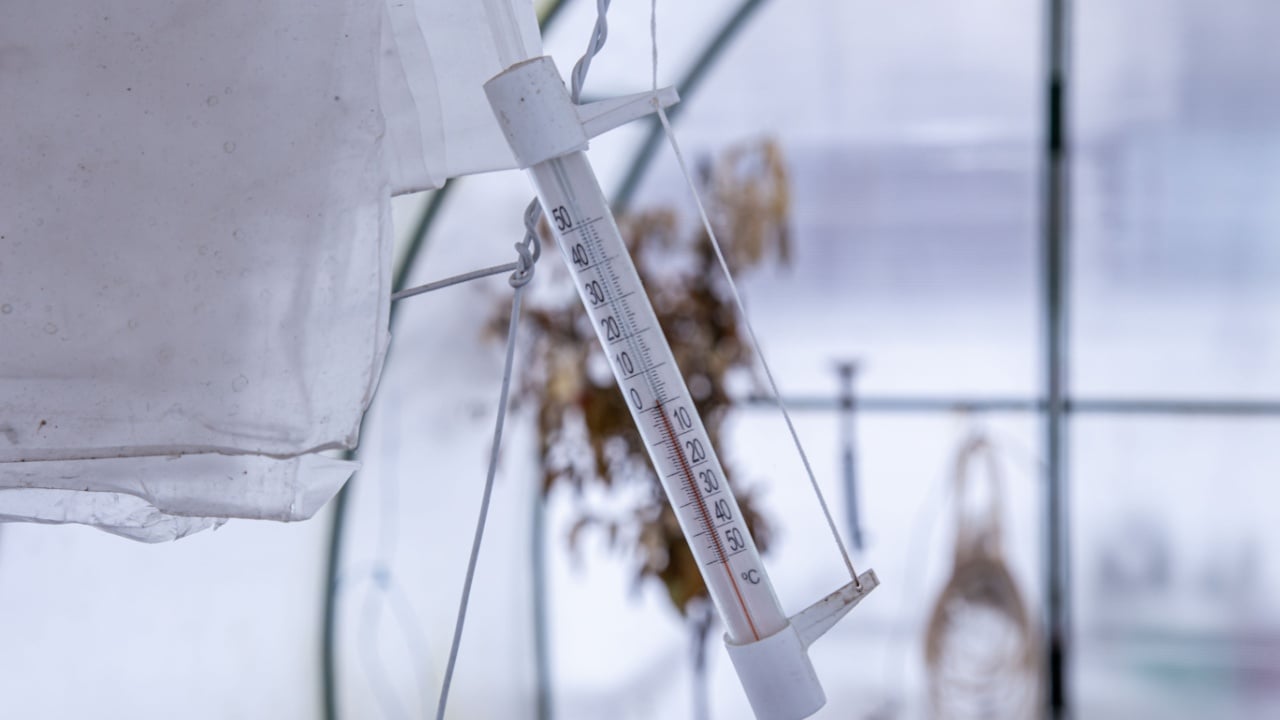
Most gardeners track daytime temperature. The smarter move is tracking what happens while you sleep. A combined hygrometer/thermometer stores minimum and maximum readings overnight, so you know what your plants actually experienced, not just what the forecast predicted.
According to Garden Culture Magazine, this is one of the most valuable tools a greenhouse or cold-frame gardener can own, particularly in early spring when frost risk is unpredictable. High nighttime humidity is also where late-season mildew quietly begins.
3. Smart Irrigation Controller
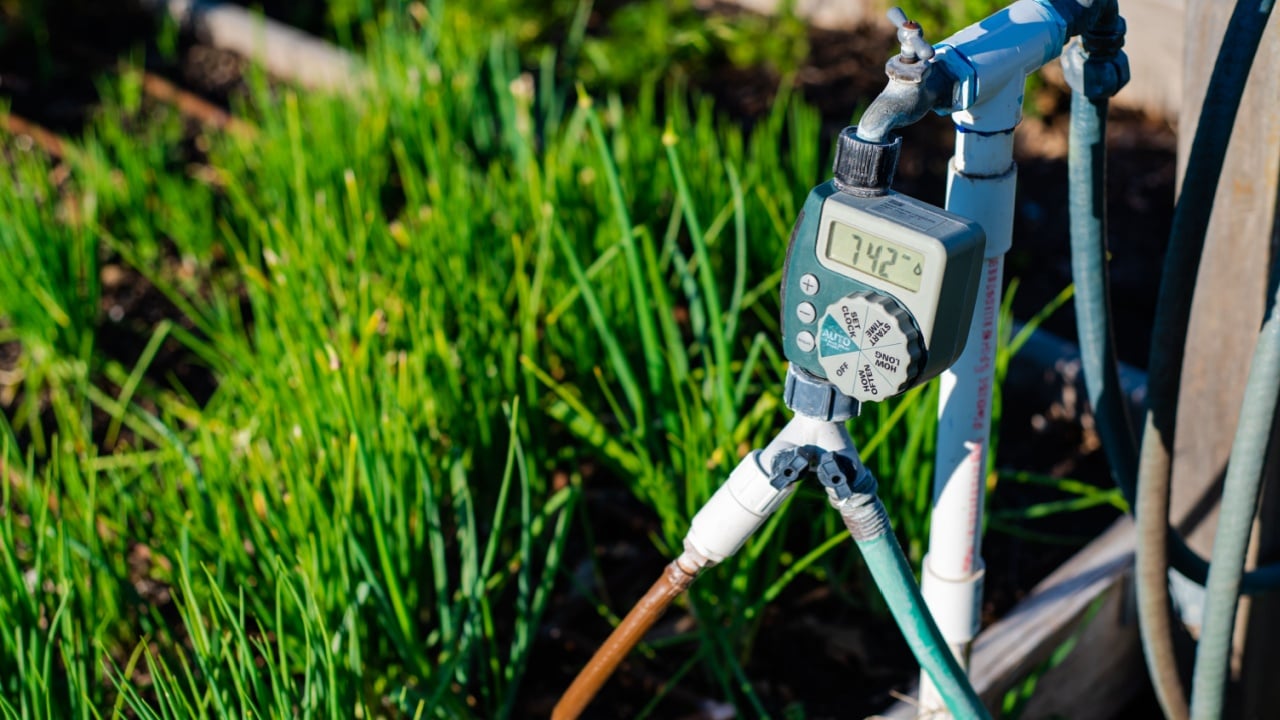
If you water on a manual schedule, you’re almost certainly over- or under-watering some part of your garden. A smart irrigation controller reads local weather data and adjusts watering automatically. Many models prevent watering during rain or freezing temperatures. For gardens with multiple zones, the time and water savings quickly offset the upfront cost.
4. Plant Identification App
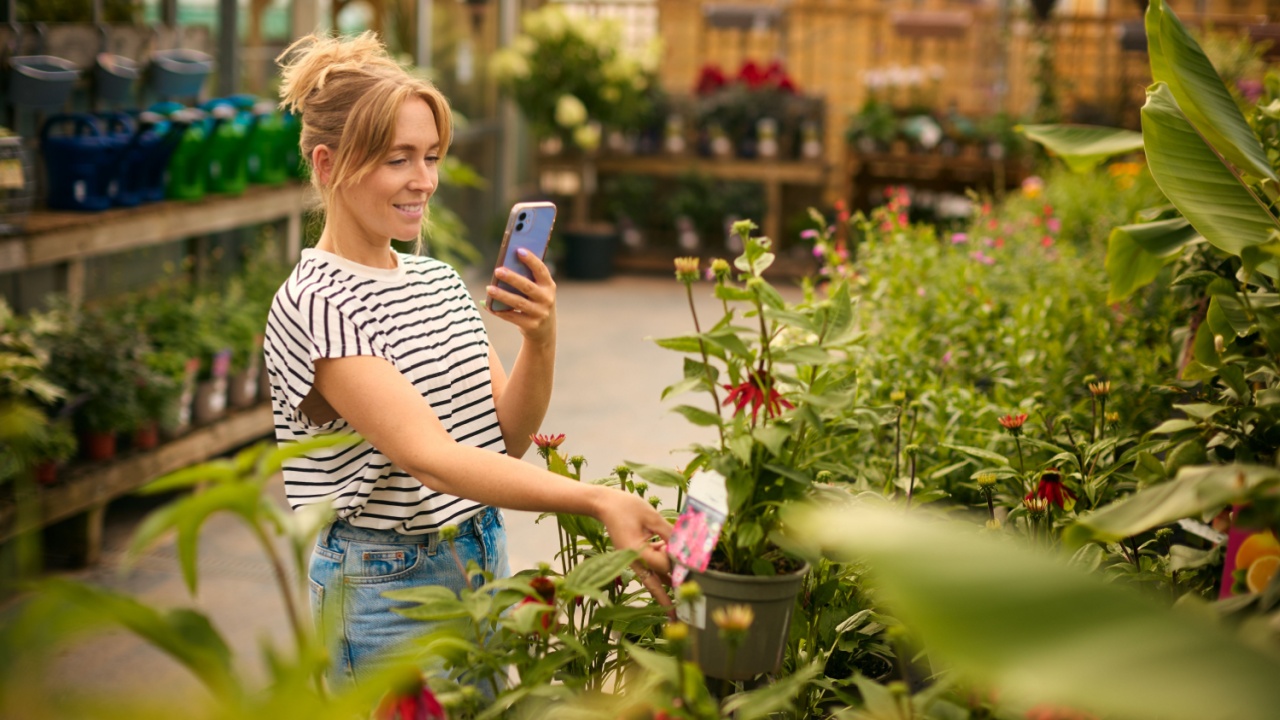
Free or nearly free, and genuinely impressive. Modern plant ID apps correctly identify plant species, pests, and diseases from a single photo in seconds. This saves hours of forum-scrolling when something is clearly wrong with a plant, and you can’t name what you’re looking at. Highest return on investment in all of garden tech: close to zero cost, immediately useful.
5. Home Weather Station
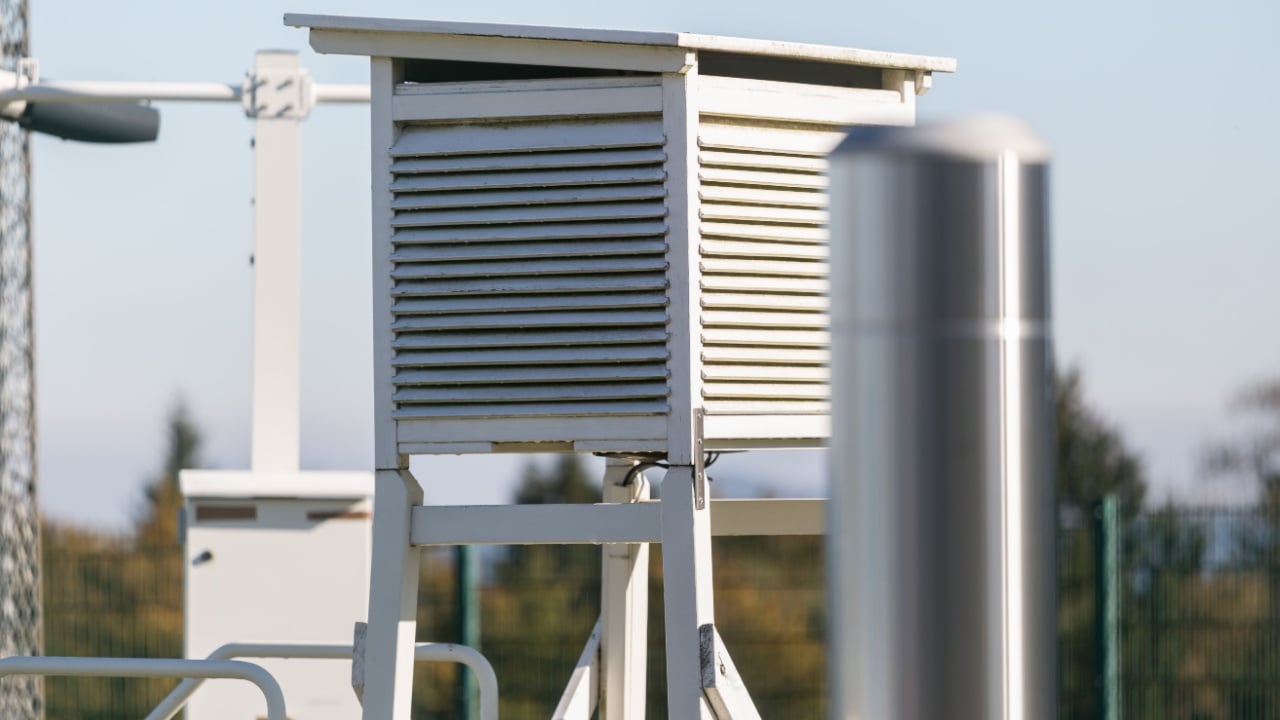
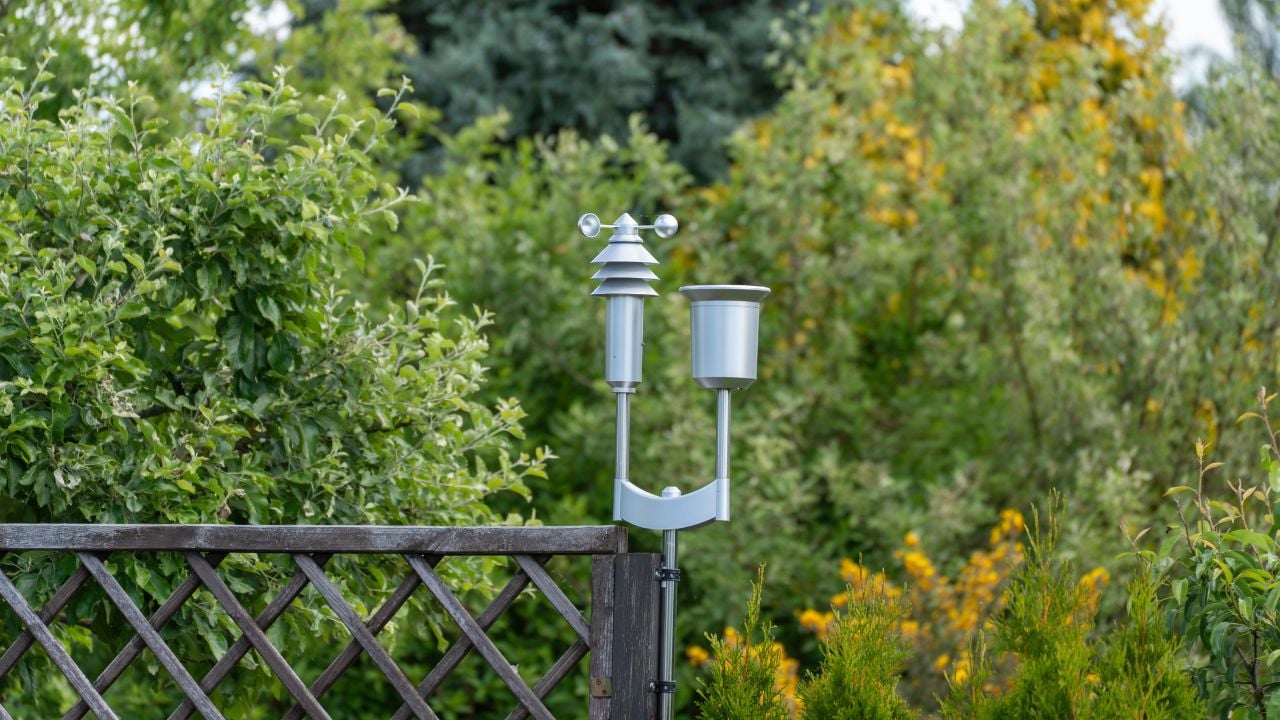
Regional weather apps work for planning your weekend. They don’t work for planning your garden. A personal weather station gives you hyper-local data at ground level in your own yard. Photographer and gardener Mark Turner, quoted by Dwell, described the value as being able to track actual conditions and trends in his vegetable garden over time.
In March, when a 4-degree difference between the forecast and your actual yard can mean the difference between a safe transplant and a frost-killed seedling, this data is invaluable.
6. Lomi Countertop Composter
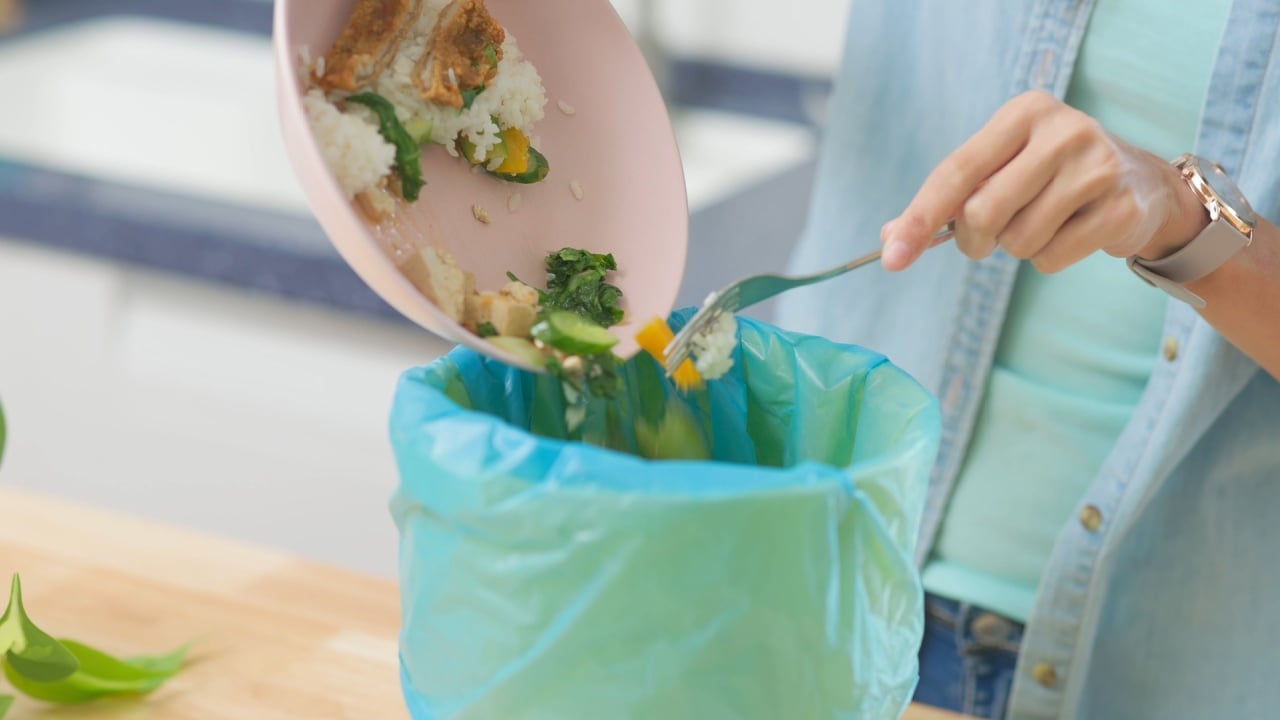
Traditional composting is slow and impractical in small spaces. Lomi turns kitchen scraps, including meat, dairy, and cooked food that standard bins can’t handle, into usable compost overnight.
Amanda MacArthur at Food Gardening Network describes the Lomi as driving a fundamental shift in how they think about food waste. The result is a nutrient-rich amendment ready to work into beds immediately, not in six months.
7. Robot Lawn Mower

The case is straightforward. They run more efficiently than manual mowing, improve lawn health over time, and free up weekend hours. Jeremy Yamaguchi, CEO of Lawn Love, told Dwell that robotic mowers help lawns “last longer” and require less replanting over time.
The caveat is that they work best on flat, obstacle-free lawns. A cottage garden full of winding paths will frustrate them. For a standard suburban lawn, though, the investment makes sense.
8. Self-Watering Smart Pot
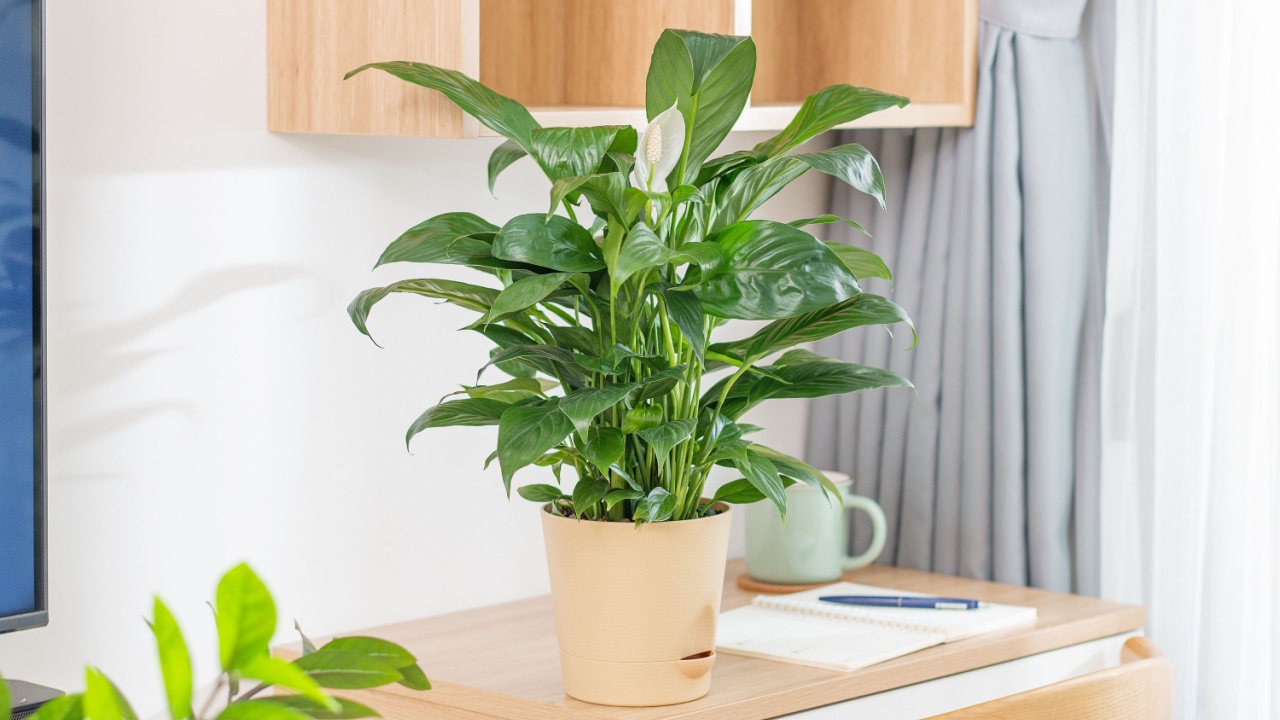
For gardeners who travel or simply forget to water, a self-watering smart pot is not a luxury. It is damage control. These pots use built-in sensors to monitor moisture and trigger watering only when the soil is dry. Some recycle excess water, addressing the equally common problem of overwatering. If you’ve killed plants during a week away from home, this gadget pays for itself on the first trip.
9. Plant Care App

Managing more than a dozen plants without a tracking system is asking for trouble. Apps like Planta log individual plant profiles, send care reminders, and document growth with photos. A $4-per-month subscription is an easy trade for avoiding the $30 plant you forget to water for three weeks.
Experienced plant collectors consistently name these apps among their most-used tools, not because they’re exciting, but because they work.
10. Fabric Grow Bags
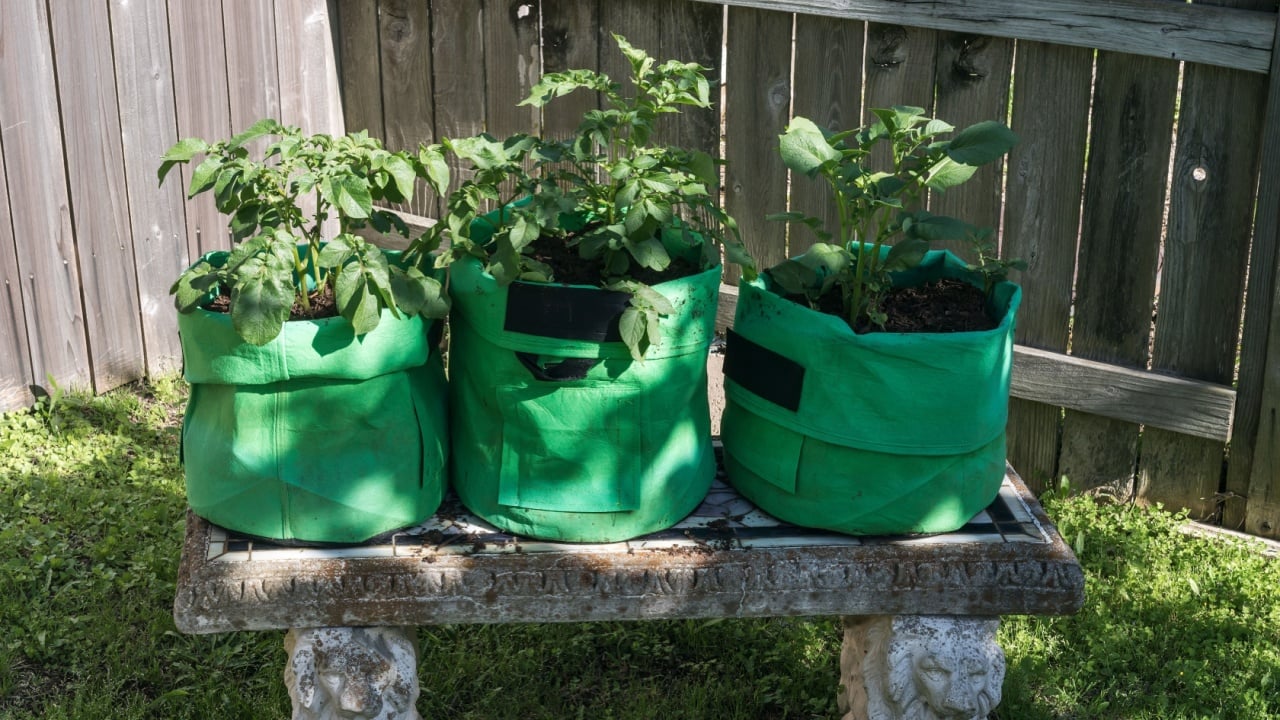
Not glamorous, not digital, but genuinely effective. Fabric grow bags outperform plastic containers in drainage, root health, and moisture management. They prevent the root circling that stunts container plants and are available in every size from one to 100 gallons. Start with a reputable brand; this is one case where cheap versions genuinely underperform.
11. Motion-Activated Pest Sprinkler
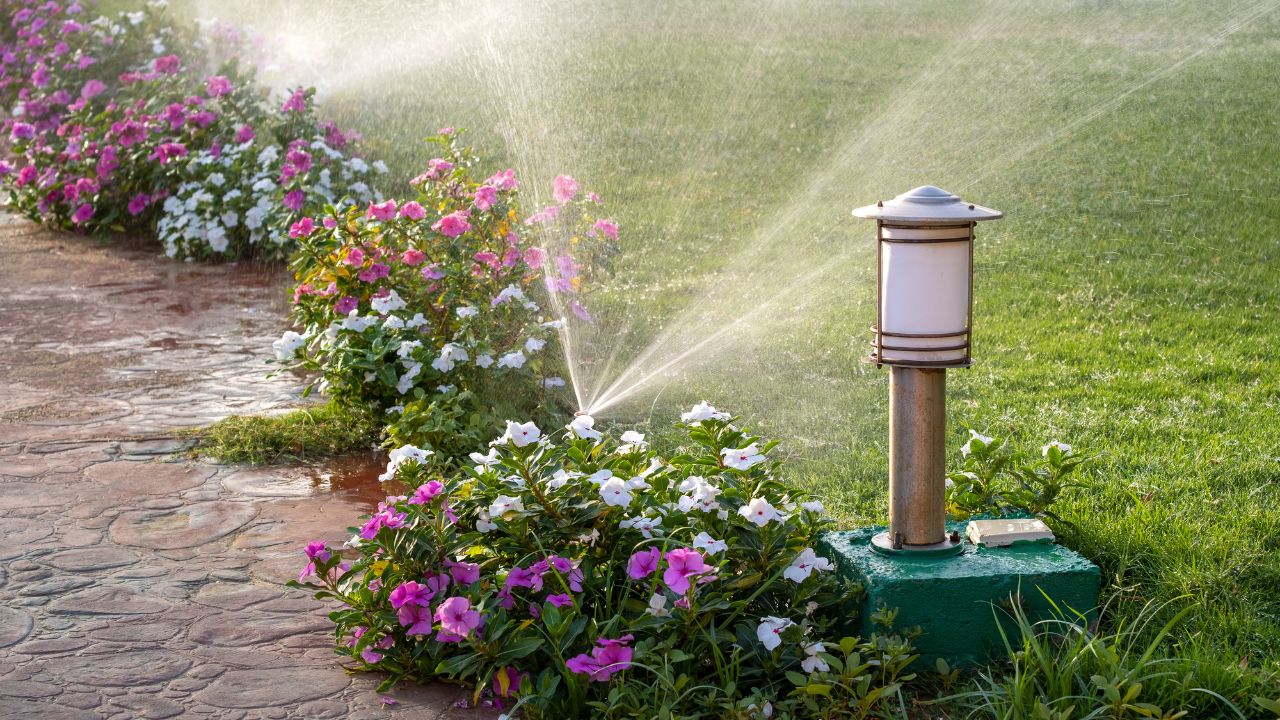
Deer, raccoons, rabbits, and neighborhood cats share one trait: they dislike being suddenly soaked. A motion-activated sprinkler delivers a harmless burst of water to anything that trips its infrared sensor, requiring no trapping or chemicals. Place it thoughtfully; gardeners have an excellent tradition of accidentally soaking themselves on early morning walks.
12. Actively Aerated Compost Tea Air Pump

This is the sleeper pick on the list. For under $15, a simple aquarium-style air pump transforms your compost tea entirely. Standard compost teas brew in low-oxygen conditions. An air pump creates an oxygen-rich environment that multiplies beneficial aerobic bacteria and fungi, the organisms that genuinely improve root health and soil structure.
Garden Culture Magazine calls the results superior to standard compost tea. Brew for 12 to 24 hours using foliage, molasses, and compost, then apply immediately.
The Best Entry Point for Garden Tech This March

July is exactly the right moment to invest in garden tech, because the choices you make now shape how well your garden handles the hardest stretch of the growing season. The best starting point for a first-time buyer is the least expensive and most immediately useful combination available: a soil moisture meter, a free plant ID app, and a hygrometer/thermometer combo. Together, they cost less than a single bag of name-brand fertilizer and require nothing beyond removing them from the packaging.
The right garden tech doesn’t replace the joy of growing things. It clears away the friction that makes gardening feel like work, so you can spend more time doing the part you actually love.
Read More
Washing Your Lettuce Won’t Remove Cyclosporiasis, But Growing Your Own Will
Your Grandmother Stored These 8 Foods All Winter Without Canning a Single Jar