Stop Wasting Money on Bad Seeds by Using the Best Seed Companies
Every spring, millions of gardeners make the same expensive mistake: they grab a few foil packets off a spinning rack at the hardware store, get home, and wonder six weeks later why almost nothing came up. The truth is, where you buy your seeds matters as much as how you grow them, and the best seed companies to use are not always the ones with the biggest end-cap displays in the nursery or hardware store.
Not all seeds are created equal, and the gap between a quality seed company and a cut-rate one shows up fast. Hybrid seeds from reputable suppliers typically germinate at rates of 90–95%, while heirloom seeds from quality sources average 80–85%. Seeds from unknown or low-quality vendors can fall far below that, and you won’t know until weeks of growing time have already passed.
Beyond germination, the company you choose determines what growing information you receive, how well-suited the variety is to your region, and whether the seeds you are holding are actually what the packet claims. According to garden researcher Linda Ly at Garden Betty, the biggest mistake she sees gardeners make is buying seeds that are not matched to their climate or growing season. Most reputable seed packets list a “days to maturity” figure, which tells you whether a variety will actually ripen before your first fall frost.
If you have been gardening for years and still feel like you are working harder than your results deserve, there is a good chance the problem started before you ever put a seed in the ground. Here are the best seed companies to use, according to experienced gardeners.
1. Baker Creek Heirloom Seeds
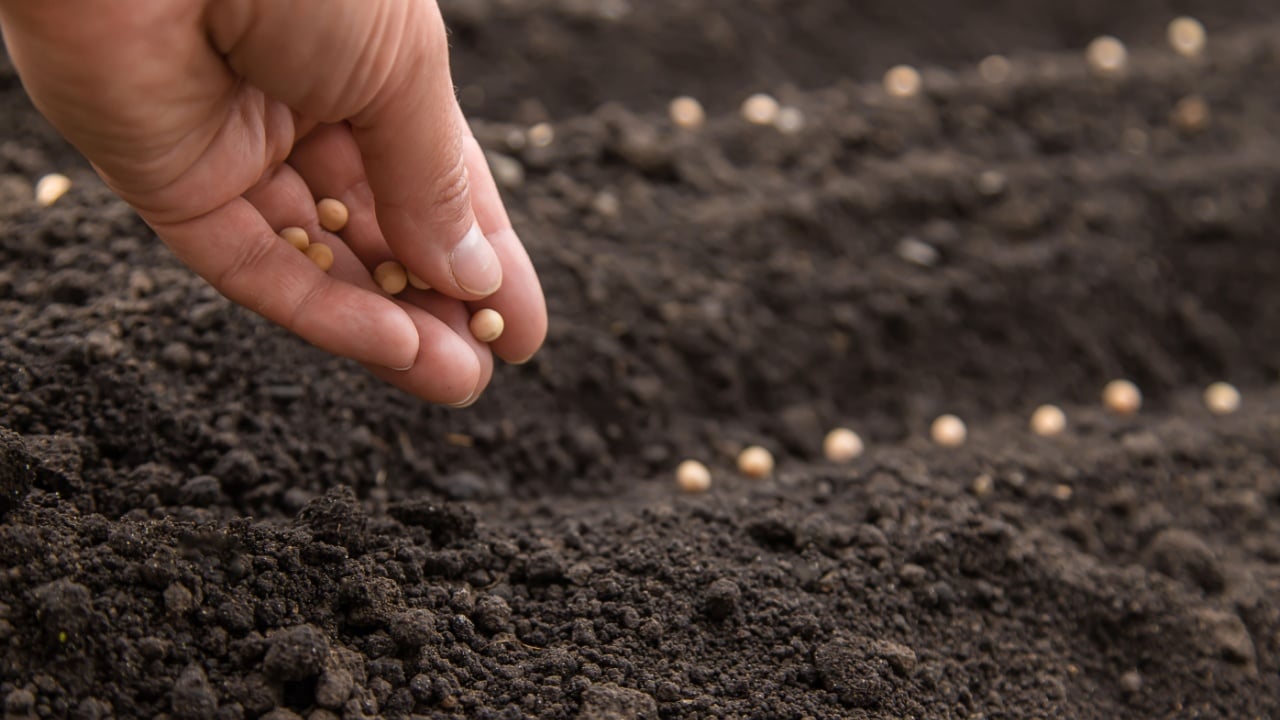
If you love rare and unusual plants, Baker Creek is in a category of its own. Founded in 1998 by a Missouri farm family, the company carries over 1,350 varieties spanning 75+ countries.
Their catalog has been described as reading like a trip around the world. Free shipping and reasonable prices make them one of the best values in seed buying. Best for: rare heirloom vegetables, flowers, and anything you simply cannot find elsewhere.
2. Burpee

Celebrating its 150th year in 2026, Burpee is the company your grandmother probably ordered from — and it has evolved. They recently introduced garden-sown tomato and pepper seeds that can be planted directly in the garden after the last frost, eliminating weeks of indoor seed starting.
As Country Living reported, Burpee is a strong one-stop shop for beginners and veteran gardeners alike. Burpee is best for reliable basics, first-time gardeners, and anyone looking to skip the indoor seed-starting process.
3. Seed Savers Exchange

Founded in 1975, Seed Savers Exchange is a nonprofit with a mission that goes beyond sales: preserving heirloom varieties from extinction. Their seed bank holds 20,000+ varieties, many of them sourced from immigrant families and Native American communities.
Membership costs around $50 annually and grants access to an exchange community of 13,000 gardeners sharing rare varieties you cannot buy anywhere. Seed Savers is best for rare heirlooms, seed saving, and gardeners who want their purchase to support biodiversity.
4. Johnny’s Selected Seeds
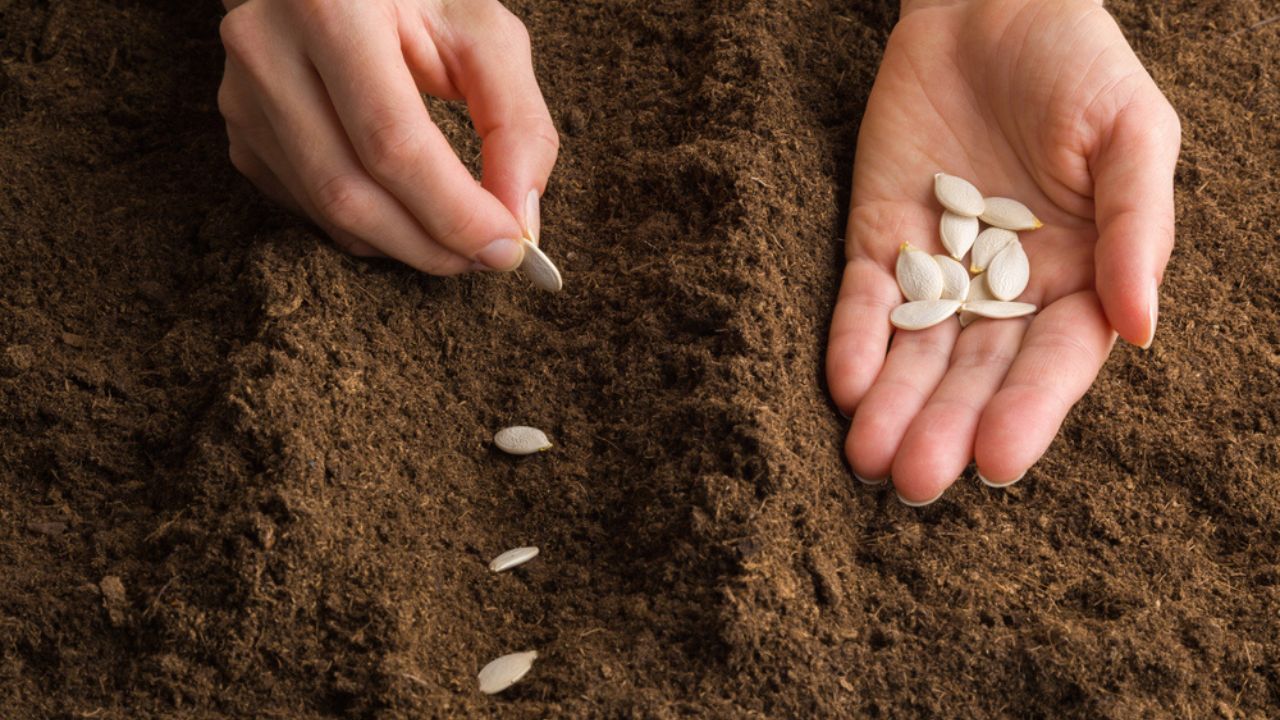
Johnny‘s has been a go-to for farmers since 1973, and it has an equally devoted home-garden following. The Beginner’s Garden describes Johnny’s as the top choice among serious growers, praising its disease-resistant varieties, regional adaptation notes, and a free interactive Seed Starting Date Calculator.
Their selection of greens and lettuce is widely considered the best in the industry. Shipping starts at $6.50, and seeds tend to be priced higher, but packet counts are often larger. Shop Johnny’s for serious vegetable growers, disease-resistant varieties, and gardeners who want exceptional growing support tools.
5. Eden Brothers
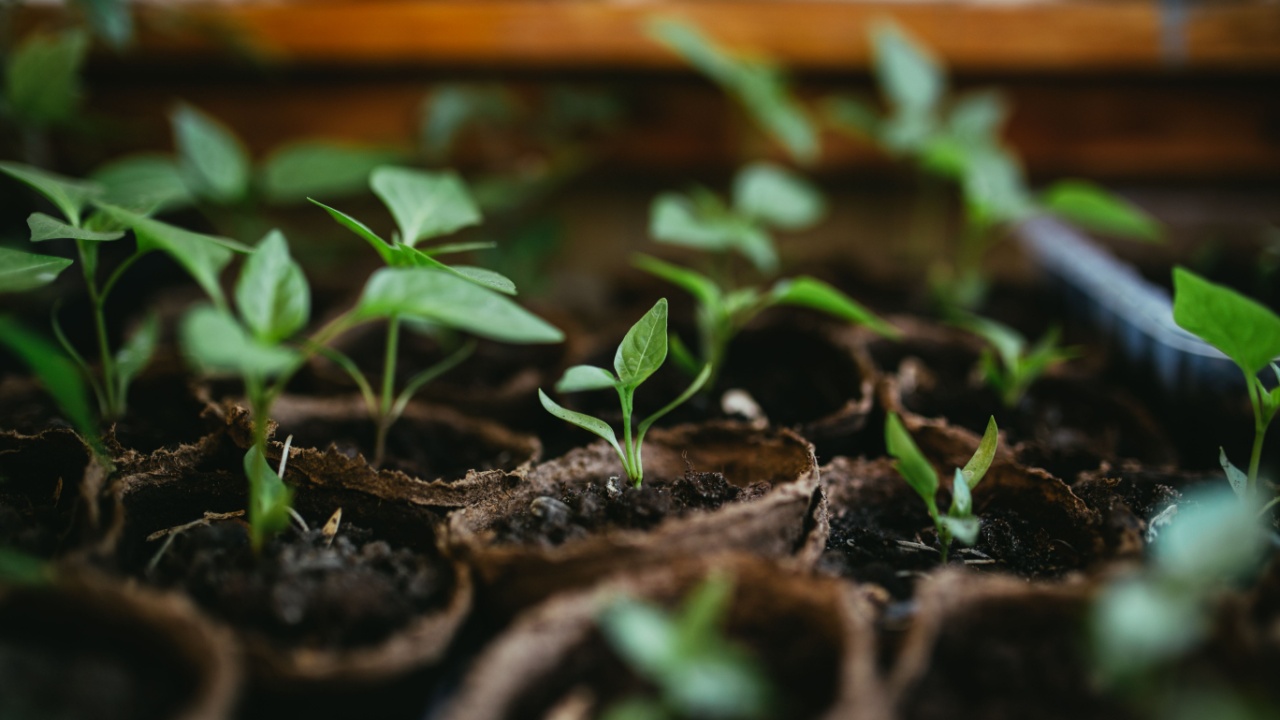
If your garden is your joy and not just your grocery supplement, Eden Brothers is where to shop. They carry more than 100 zinnia varieties, a superb selection of heirloom flowers, including love-lies-bleeding and love-in-a-mist, and over 600 vegetable varieties.
Their dahlia tubers are consistently praised for exceptional quality. Eden Brothers is best for flower gardeners, cutting gardens, and anyone who wants lush color and texture from spring through fall.
6. Pinetree Garden Seeds
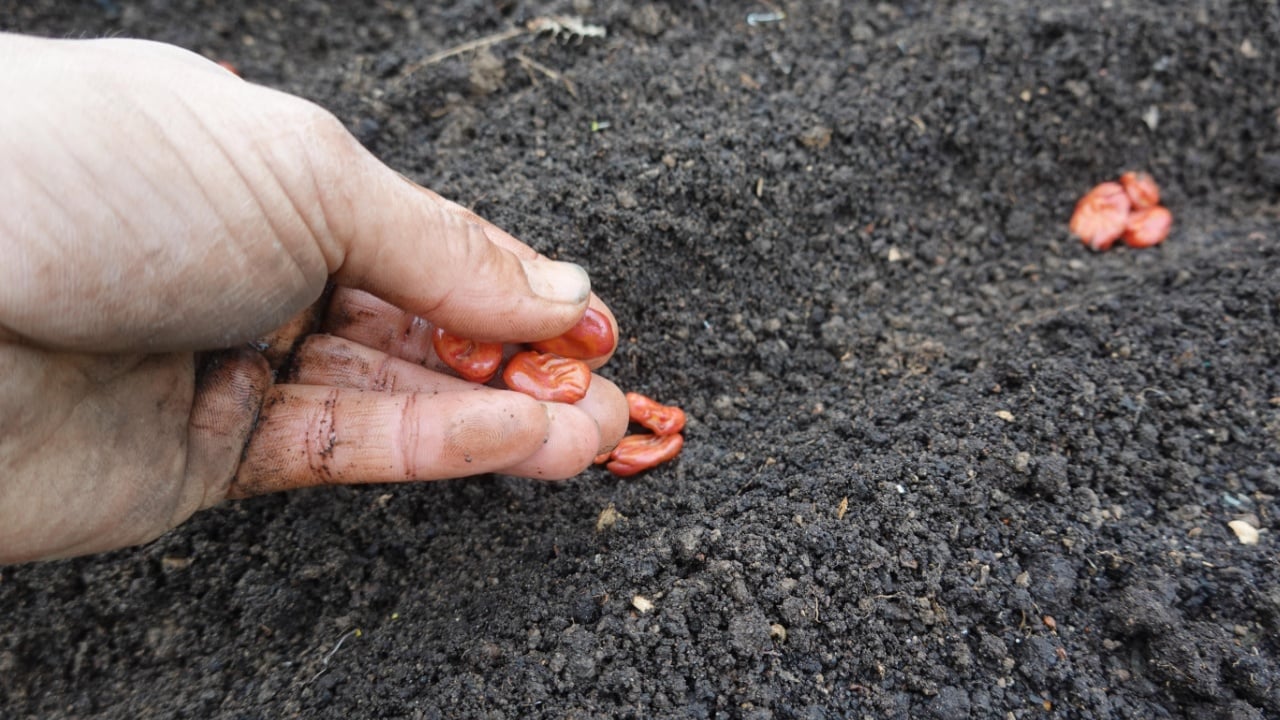
Founded in 1979, Pinetree is the quiet favorite of raised-bed gardeners and anyone who does not need 500 seeds of anything. Their smaller packet sizes mean less waste and lower per-order cost. The website is among the cleanest and easiest to navigate in the industry.
Pinetree is best for small gardens, raised beds, and gardeners who want variety without overwhelming quantities.
7. Prairie Moon Nursery
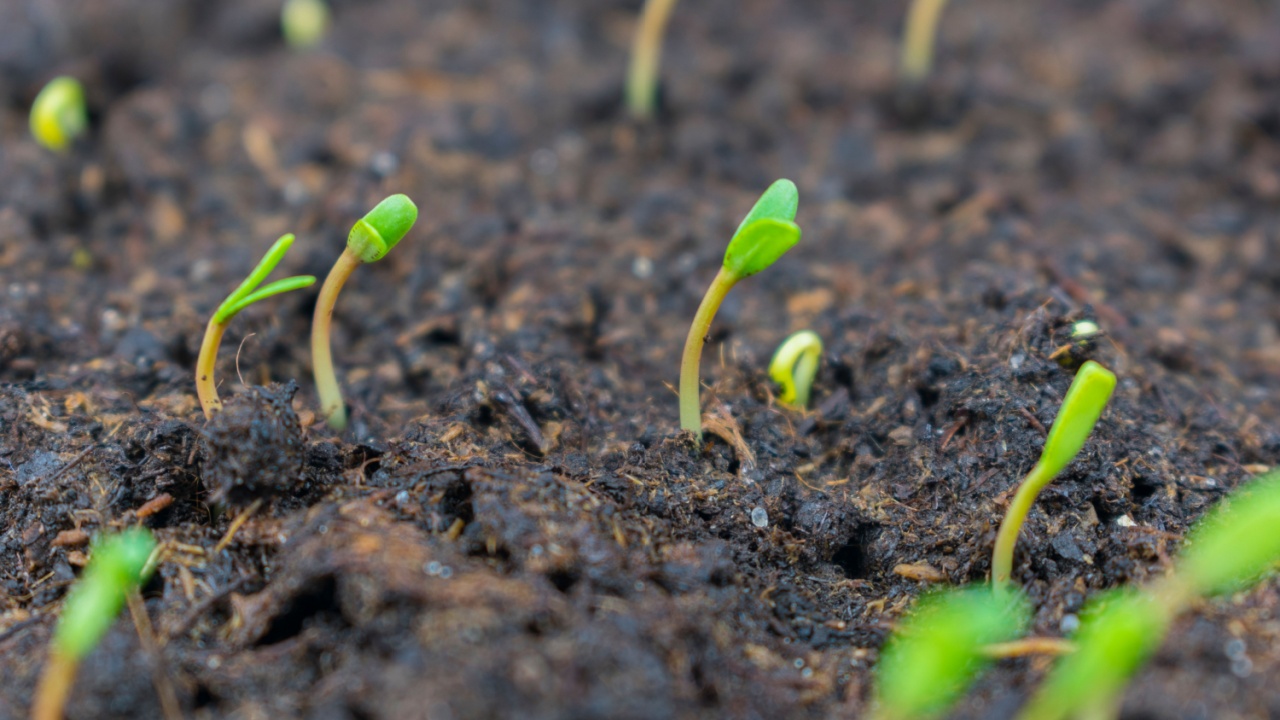
Founded in 1982, Prairie Moon carries 700+ North American native species, including wildflowers, grasses, sedges, and trees. For gardeners who want to support local wildlife and pollinators, this is the specialist.
Prairie Moon is best for native plant gardeners, pollinator gardens, meadow plantings, and anyone rewilding a portion of their yard.
8. John Scheepers Kitchen Garden Seeds

Founded in 1908 and now in its fourth generation, John Scheepers is the kind of company that still uses hand-drawn illustrations on its seed packets. They carry old-school varieties like borage, lovage, and breadseed poppies that are nearly impossible to source elsewhere.
Shop John Scheepers for heritage varieties, kitchen herb gardens, and gardeners who appreciate old-world charm alongside reliable quality.
9. High Mowing Seeds

Founded in 1996 in northern Vermont by Tom Stearns (starting with 28 backyard varieties), High Mowing Seeds is the first and most established organic seed company in the US. Over 700 varieties, all 100% certified organic and non-GMO, with every lot tested in their own on-site lab for germination, disease, and GMO contamination.
High Mowing is best for organic gardeners, those growing food for children or grandchildren, and anyone who wants complete confidence in what went into their seeds.
What to Know Before You Order (The Mistakes That Cost Gardeners the Most)

Order in January, not April. This bears repeating, because it costs gardeners every single year: popular heirloom varieties sell out fast. Seeds are a limited commodity, and many types, especially beloved cultivars, disappear from catalogs by January or February.
Match your seeds to your climate. A beautiful tomato variety that needs 90 days to mature will not feed you if your growing season ends in mid-August. Always check the “days to maturity” on any variety you consider and cross-reference it with your last frost date. Johnny’s free Seed Starting Date Calculator makes this step simple.
Understand heirloom versus hybrid before you order. Heirloom seeds produce plants you can save seed from; their offspring will grow true to the parent year after year, meaning a $3 packet can supply your garden for up to a decade. Hybrid seeds offer stronger disease resistance, more uniform crops, and often higher yields, but saved seeds from hybrids won’t reproduce consistently, so you’ll buy new seeds each season. As the University of Connecticut Extension explains, neither is universally “better”; the right choice depends on your gardening goals.
Never buy from a big-box store rack without checking the pack date. Many seed racks in hardware stores and grocery chains stock seeds with no visible pack date, meaning you could be planting two-year-old seeds with sharply reduced germination rates. Quality seed companies date their packets clearly.
Order Before These Sell Out

April is both the best and worst time to think about seeds. Best, because the urgency is real and the growing window is open. Worst, because the most coveted varieties may already be gone from the best seed companies. Check Baker Creek for rare heirlooms, Johnny’s for disease-resistant vegetables, and Seed Savers Exchange for anything you have never been able to find elsewhere. Order directly from each company’s website, skip the Amazon resellers, and look for USDA certification if you are trying a new source.
The gardeners with the most impressive yards are rarely working harder. They are simply starting with better seeds, from companies they found years ago and have never stopped ordering from.
Read more:
Why wildlife experts are telling people to take down their bird feeders
Plant these 10 companion plants with your tomatoes — and stop planting these 4