Stop Starting These 7 Warm-Season Crops Indoors — They Do Better When You Direct Sow Them Outside
Most gardeners are still hunched over seed trays under grow lights this April, nursing fragile seedlings indoors, when the best thing they could do is walk outside and push seeds straight into the ground. Here is the part the seed catalogs don’t emphasize: some seeds don’t just tolerate direct sowing, they prefer it.
There is a narrow planting window right now, and it is worth paying attention to. Warm-season seeds sown after your last frost can go straight into warmed soil with zero fuss. When planted in place rather than started in trays, they will often develop stronger root systems than anything you spent weeks babying indoors.
What “Direct Sow” Actually Means (and Why It Works Better Than You Think)
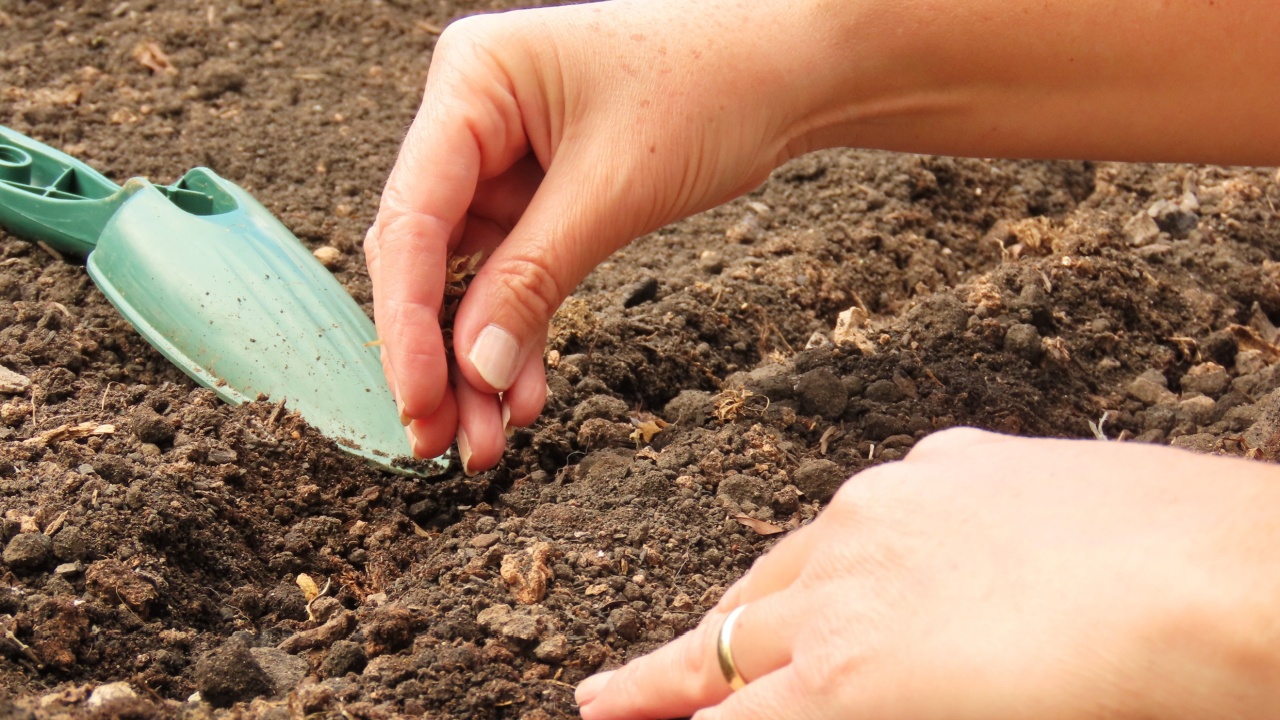
Direct sowing simply means putting seeds straight into the outdoor soil where they will grow to maturity, skipping the indoor seed-starting step entirely. For certain crops, this is not just acceptable — it is genuinely the superior method.
As Fine Gardening explains, direct-sown plants often produce stronger, more vigorous seedlings because they never experience transplant shock. The root systems develop in place, undisturbed, which means the plant spends its energy growing rather than recovering.
Root crops are the clearest example. Carrots, beets, radishes, parsnips, and turnips should only ever be direct sown. Their taproots are so sensitive that even careful transplanting from an indoor tray stunts or deforms the root you are trying to harvest. But the principle extends further. Beans, peas, corn, cucumbers, and squash all fall into the category of crops that resent having their roots disturbed, and April is exactly when most of them want to go into the ground (depending on your Zone).
The One Thing You Must Check Before Direct Sowing
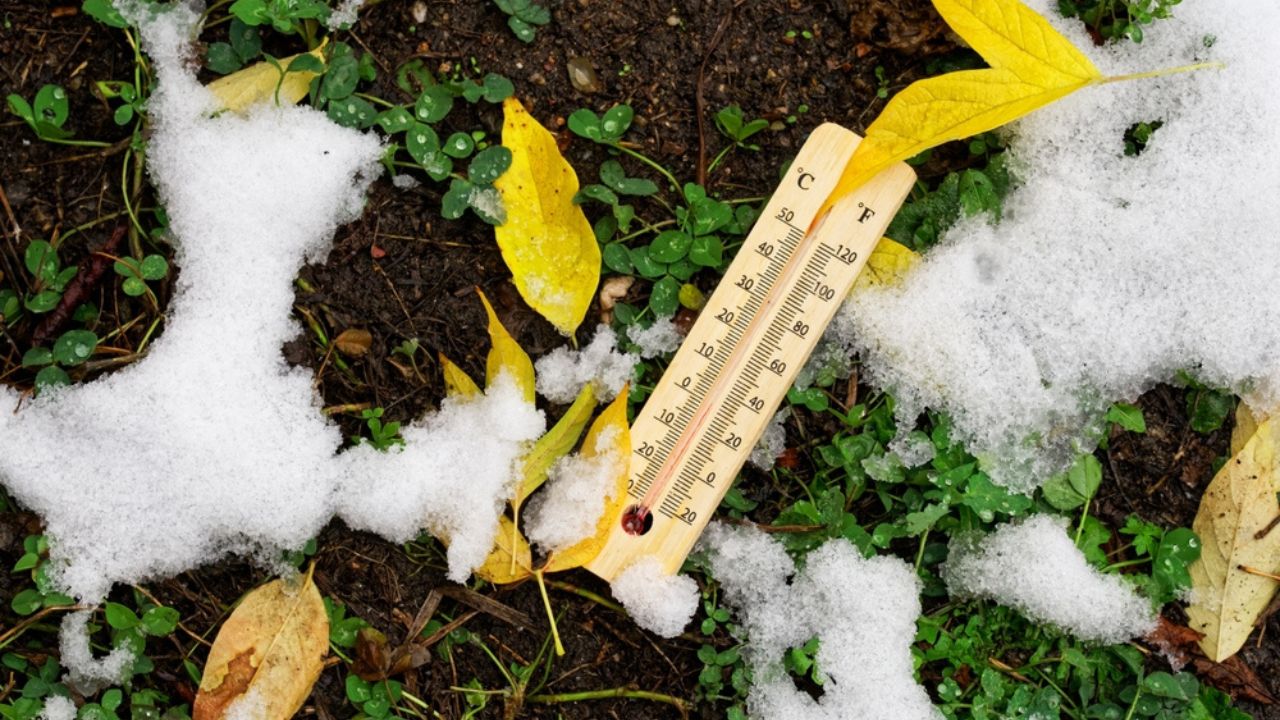
Before you put a single seed in the ground this month, check your soil temperature. This is the step most home gardeners skip, and it explains why seeds sometimes seem to disappear without germinating: they rotted in soil that was still too cold.
According to Oregon State University Extension, warm-season crops like beans, squash, and corn need soil that has reached at least 60°F. A simple probe-type soil thermometer, inserted one to two inches deep and read in the morning, gives you the number that actually matters. Air temperature in April can be deceiving; the soil beneath it may be five to fifteen degrees colder.
The second readiness check is the squeeze test. Grab a handful of soil and squeeze it into a ball. If it crumbles apart when you open your hand, the soil is ready to work. If it holds a muddy clump and smears, it is still too wet — working it now will compact the structure and create hard clods that persist for an entire season. Michigan State University Extension notes that once soil is ready, the smart move is to get cool-season seeds in the ground without delay.
Here are the warm-season crops that will thrive when you direct sow them and avoid transplanting. Once your soil has warmed and your last frost has passed (or is imminent), these crops should go straight into the ground rather than into a seed tray.
1. Beans (bush and pole)
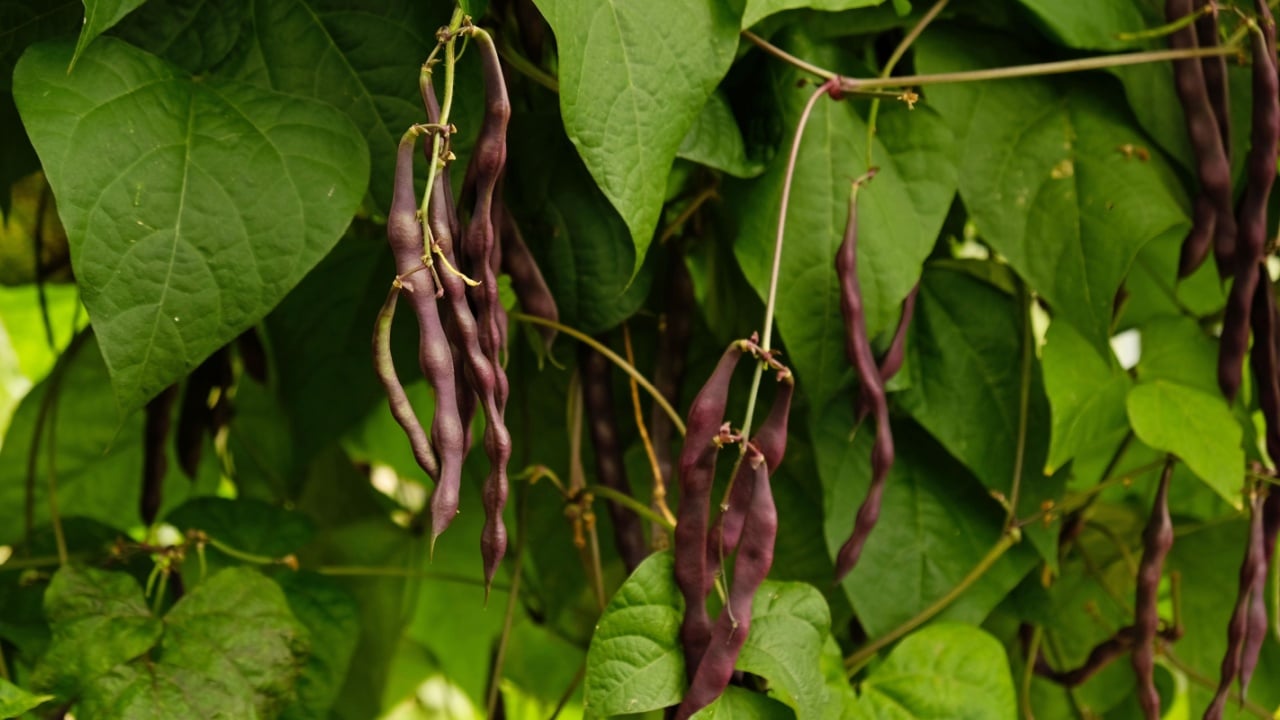
Do not start beans indoors. Sow seeds one inch deep and two inches apart once the soil reaches at least 60°F. Stagger plantings every two weeks for harvests all summer. Bush beans are the better choice for most home gardeners; they need no staking, mature slightly faster than pole beans, and a single well-timed sowing of a variety like Provider or Contender will produce more beans than a family of four can eat in a week.
2. Zucchini and summer squash
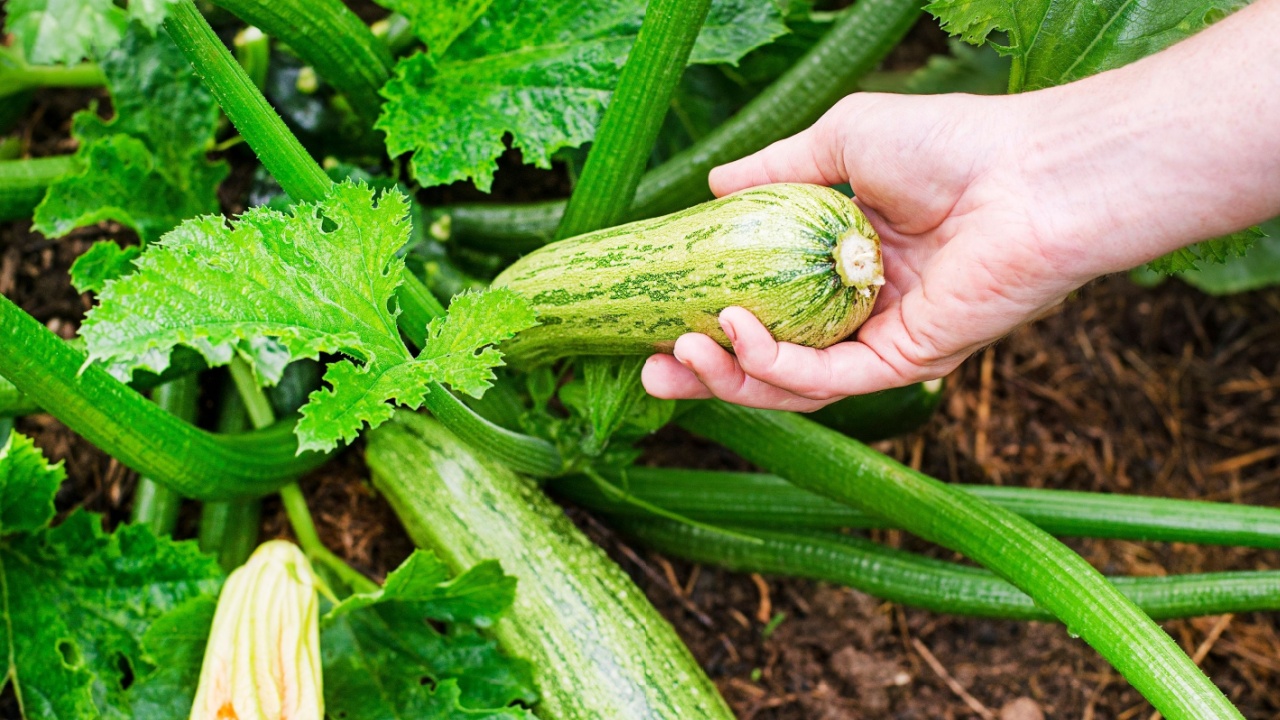
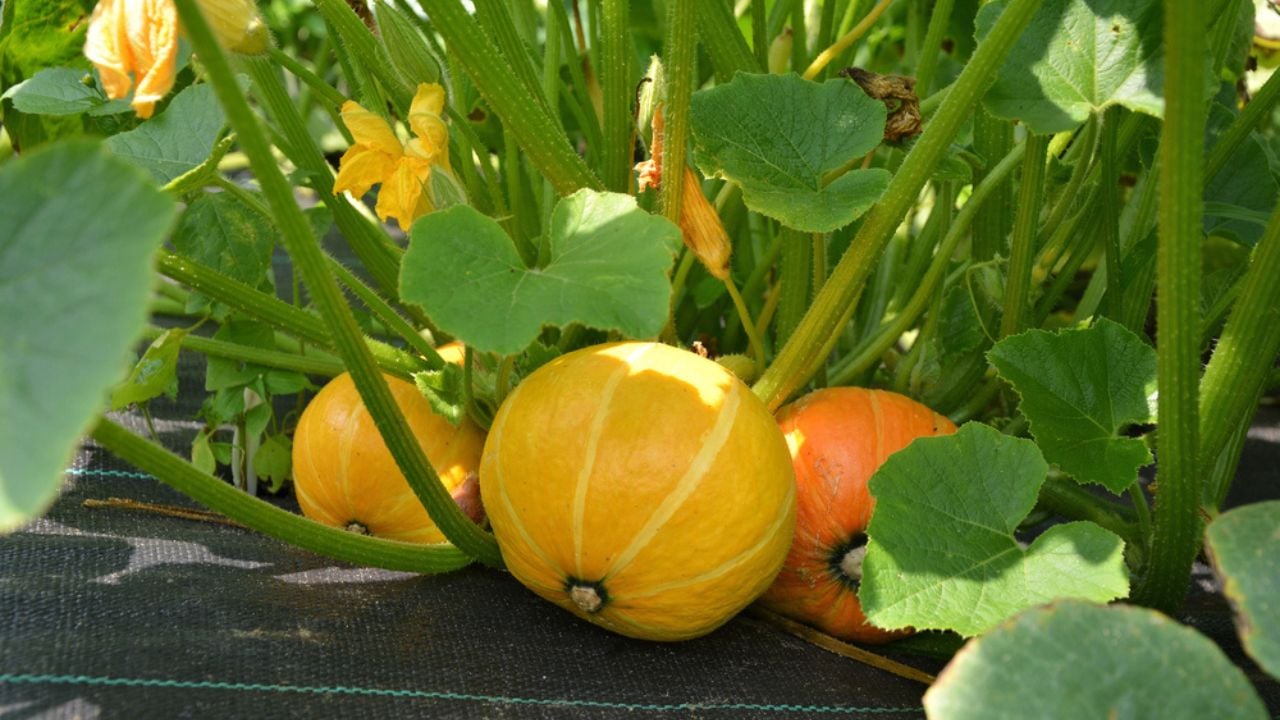
Among the most productive direct-sow crops in the garden. Sow two to three seeds per hill, one inch deep, then thin to the strongest plant. Expect your first harvest in about 60 days. One or two well-placed zucchini plants will produce more than most households can keep up with by midsummer; if you are gardening for a family, two plants are genuinely enough, and three borders on optimistic.
3. Cucumbers
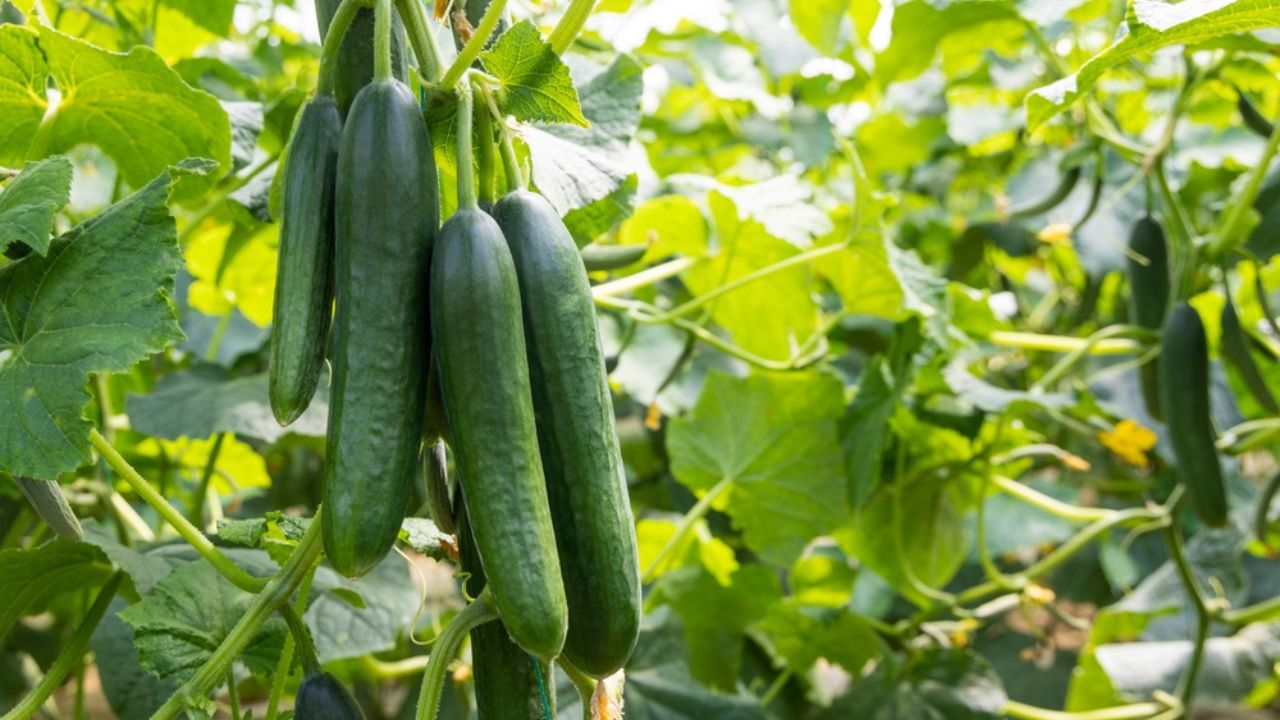
Once your last frost date has passed, direct sow in a sunny spot. Vining types need a trellis. Sow two seeds per hole and thin to one plant. Cucumbers are one of the fastest crops to go from seed to harvest once the soil is warm; most varieties are ready to pick in 50 to 65 days, so a late-April direct sowing in a mild zone will have you harvesting by late June with no transplanting required.
4. Sunflowers

Direct sow when soil hits 60°F, one inch deep and six inches apart. Sunflowers require almost no attention after germination and attract pollinators throughout the season. Plant them at the back of a bed or along a fence line where their height works in your favor rather than shading out everything around them — a single row of Mammoth or Autumn Beauty sown in April will be towering and in full bloom by late July.
5. Nasturtiums
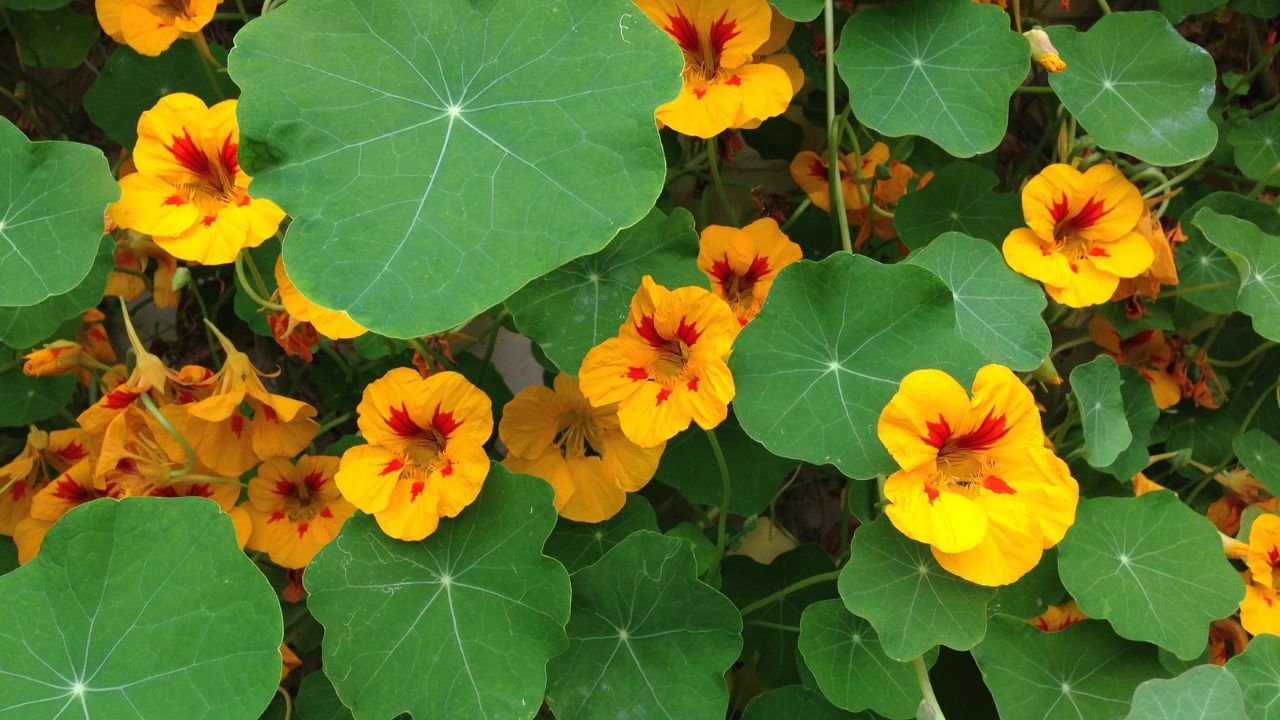
Sow directly in average to poor soil — rich soil produces foliage at the expense of flowers. The blooms are edible, the plants deter common pests in the vegetable garden, and they are nearly impossible to fail once established. Nasturtiums also self-seed prolifically, so a single April sowing has a good chance of returning on its own next spring with no effort from you whatsoever.
6. Zinnias
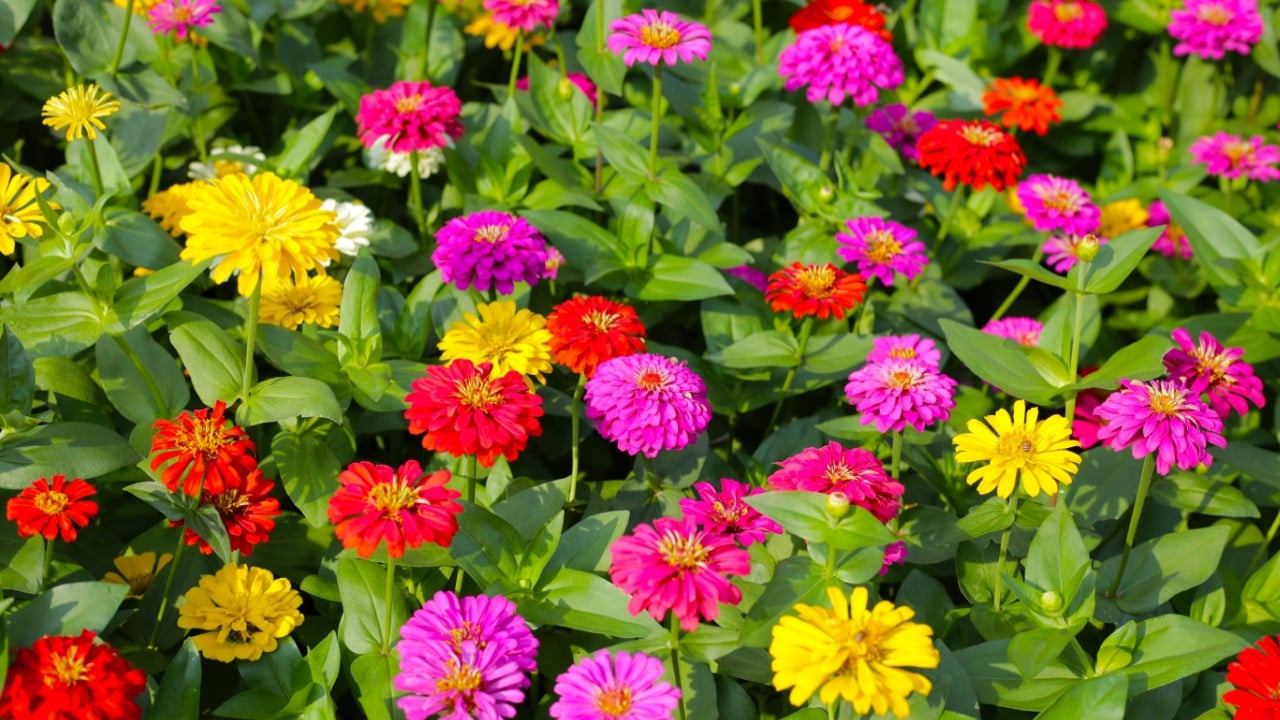
Scatter seeds a quarter-inch deep after your last frost date and expect vivid blooms by late June. Direct-sown zinnias frequently outperform transplants in vigor and bloom density. Cut them regularly and without guilt; zinnias are one of the few flowers that bloom more prolifically the more you cut them, and a vase of mixed zinnias on a kitchen table is one of the most reliable rewards a summer garden produces.
7. Cosmos
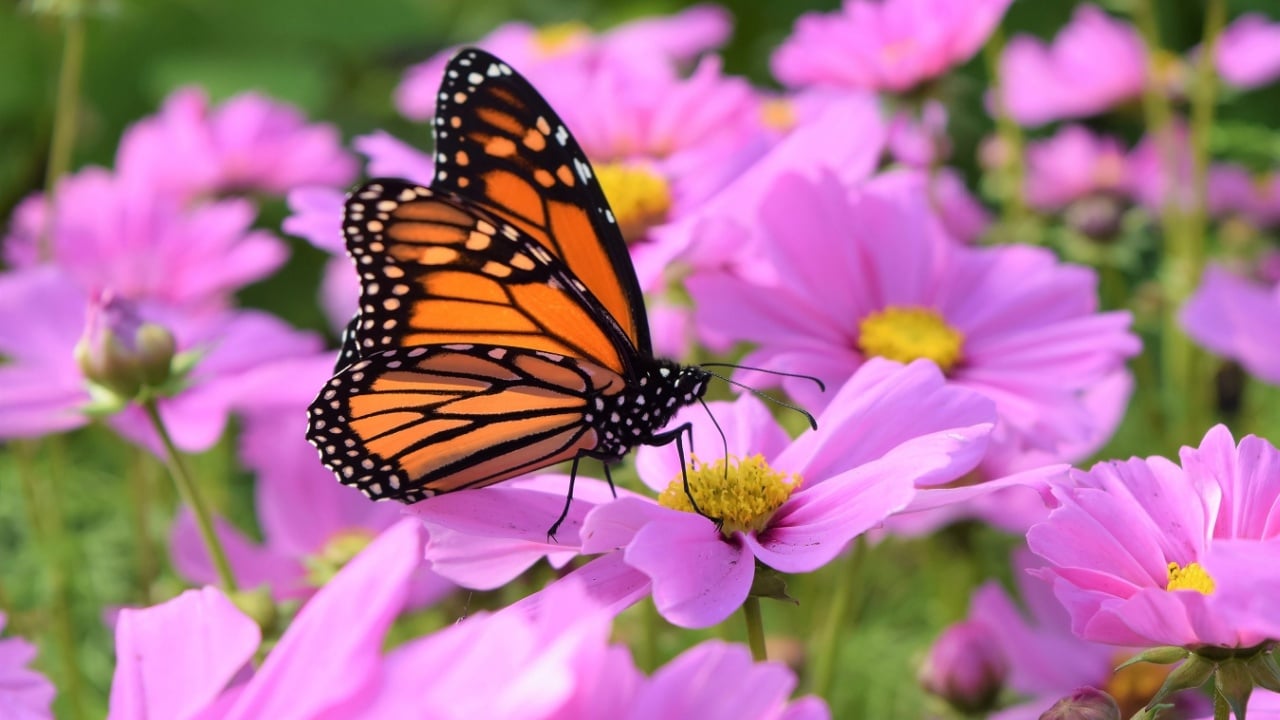
Surface sow in a sunny spot and walk away. Cosmos will self-seed year after year once established and is a powerful pollinator magnet from midsummer through frost. They are also one of the best cut flowers in the garden; the feathery foliage and delicate blooms look expensive in an arrangement, and unlike zinnias, they do not need frequent cutting to keep producing.
The Direct-Sowing Mistakes That Kill Seeds Before They Sprout
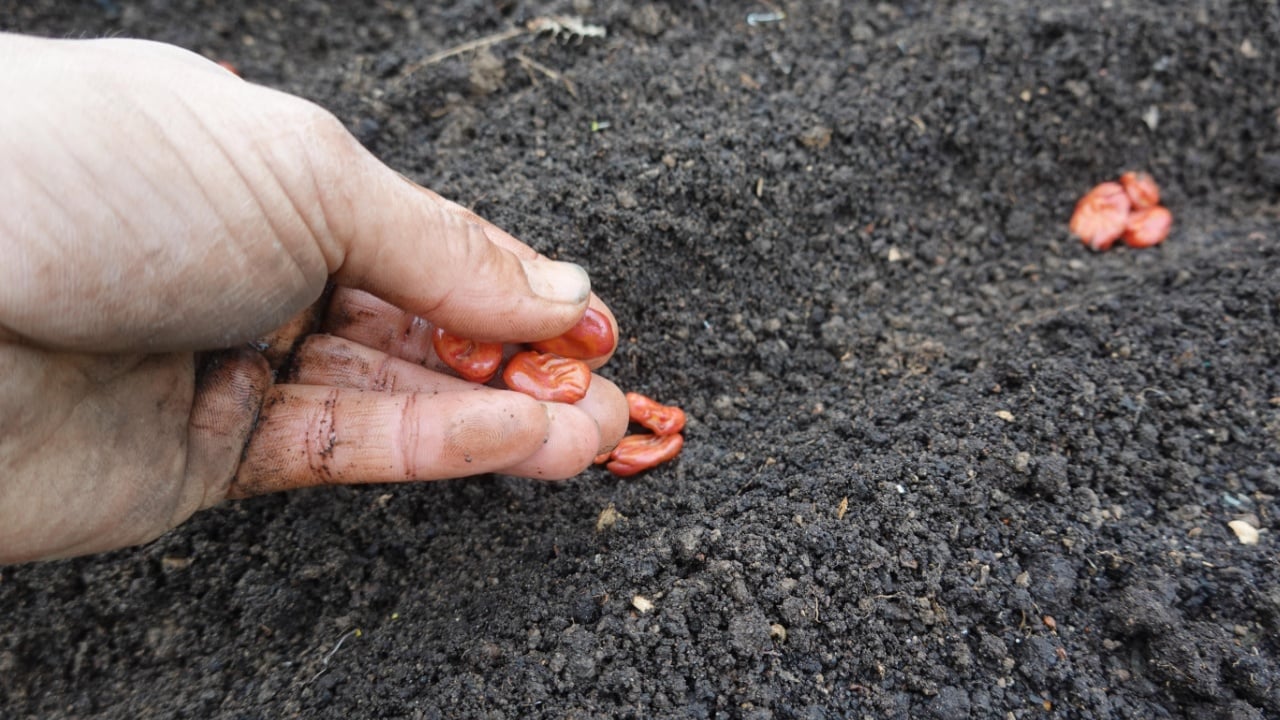
If you have tried direct sowing before and found the results disappointing, one of these is almost certainly what happened.
The first and most common mistake is sowing into cold, wet soil. Seeds sitting in cold, saturated ground do not germinate — they rot. Checking soil temperature and texture before sowing eliminates this problem. According to Hudson Valley Seed, the soil surface should be dry and crumbly, not sticky, before you begin working.
The second mistake is leaving the soil too loose after sowing. Seeds germinate best when they have firm contact with the surrounding soil. Loose, fluffy soil dries out quickly and loses contact with the seed. After sowing, press the soil gently but firmly over the seeds.
The third is inconsistent moisture. Seeds need consistently moist (not wet) soil for the first five to fourteen days after sowing. A single day of drying out during active germination can end the process entirely. Laying a piece of lightweight floating row cover over the bed after sowing retains moisture, protects against birds and squirrels, and buffers a late frost, all at once.
Finally, sowing too thickly. High Mowing Organic Seeds points out that over-sowing is one of the most common mistakes even experienced gardeners make. It feels like insurance, but it creates crowding that stunts growth and generates hours of tedious thinning work. Sow deliberately, at the recommended spacing, and resist the urge to fill every gap.
The Only Mistake Left Is Waiting
The best gardeners are not the ones with the most equipment or the longest planting lists. They are the ones who step outside in April, check their soil temperature, and put seeds in the ground as soon as the soil is warm. The warm-season crops on this list have no interest in your grow lights or your heat mats.
Pick two or three crops from this list. Prepare a small bed, confirm your soil is ready, and sow. The seeds will do the rest.
Read More
Plant these 10 companion plants with your tomatoes — and stop planting these 4
13 Plants That Grow Better (and Faster) Hydroponically — and Why March Is the Perfect Time to Start