12 Foods to Plant Them Once and Harvest for Years To Come
The annual gardening cycle is expensive, time-consuming, and, when you step back and look at it, a little absurd. You buy seeds or starts, raise them through a season, and then watch them die. Next spring, you do it all over again.
Perennial food plants break that cycle entirely. As Eric Toensmeier writes in Perennial Vegetables, cited in Edible Seattle, the category includes far more than most gardeners realize: vegetables, fruits, herbs, nuts, and edible ornamentals that establish once and produce annually for years, sometimes for generations. Many perennials also bridge the “hungry gap,” that late-winter, early-spring window when stored food runs low and nothing in the annual garden has started yet. Sorrel is poking through the soil, even though there may still be snow on the ground. Asparagus spears emerge while most gardeners are still planning their first planting date.
The financial logic is equally compelling. A $3 thyme plant will supply your kitchen for a decade. Three blueberry bushes purchased for roughly $40 can produce 5 to 7 pints of fruit per year, year after year: no seed packet, no annual start cost, no replanting weekend.
Here are 12 foods that you can plant once and harvest for years to come.
Asparagus: The One You’ll Never Regret Planting
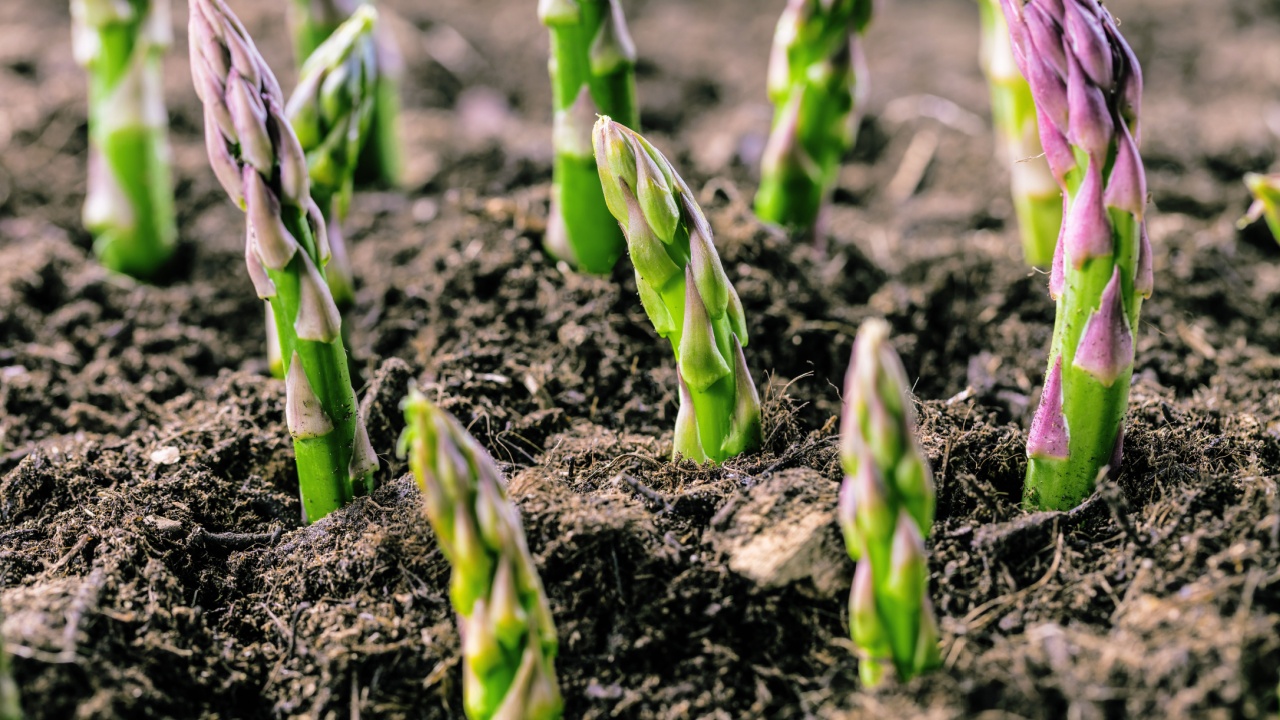
There is no other vegetable that rewards patience as asparagus does. Plant crowns this April, wait two to three years before harvesting, and then collect fresh spears every spring for the next twenty years or more. That is not an exaggeration. According to Cornell University’s growing guide, cited by GardenTech, an established asparagus bed reliably delivers two months of tender spring shoots every year for decades.
The flavor argument is the one that converts even skeptics. Asparagus is at its peak the day it is picked. The spears on grocery store shelves have traveled hundreds or thousands of miles and lost significant moisture, sweetness, and texture in transit. Homegrown asparagus harvested and cooked the same morning is a fundamentally different vegetable.
As Rural Sprout explains, an asparagus bed can provide twenty years or more of tasty spears every spring. Give it a dedicated bed with full sun and well-drained soil, keep weeds out in year one, and almost nothing else is required.
Rhubarb: The Easiest Spring Harvest You’re Not Growing
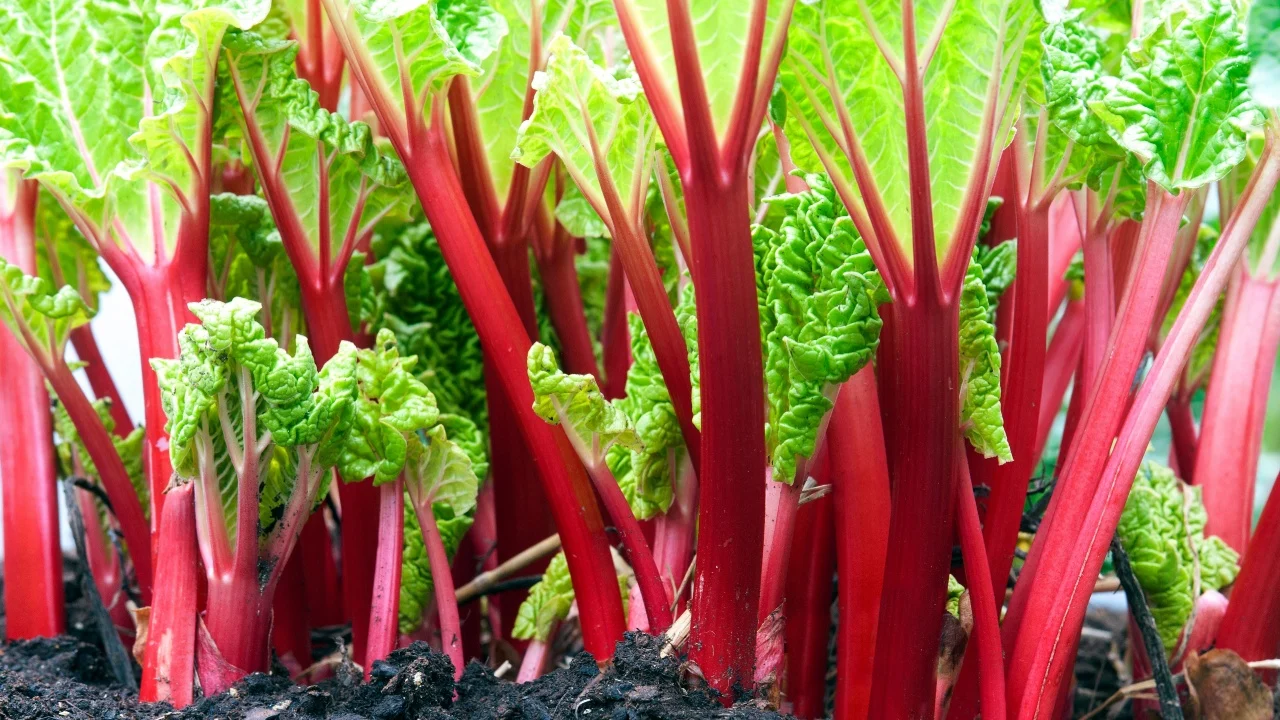
Rhubarb arrives in early spring like a declaration. Its bold red stalks and bright, tart flavor appear before nearly every other edible plant in the garden. According to Cornell University’s growing guide, rhubarb thrives in far northern zones throughout most of the country and does best where it receives some winter cold.
Once established, rhubarb is nearly indestructible. Multiple experienced gardeners report that years of zero fertilizing and zero attention produce no decline in yield. Give it two years to settle in before harvesting heavily, and expect 3 pounds or more of stalks per plant annually after that.
One non-negotiable rule with rhubarb is to never eat the leaves. Rhubarb leaves contain high levels of oxalic acid and are toxic. Remove and compost them immediately after harvest.
Blueberries, Raspberries, and Strawberries: The Berry Patch That Pays for Itself
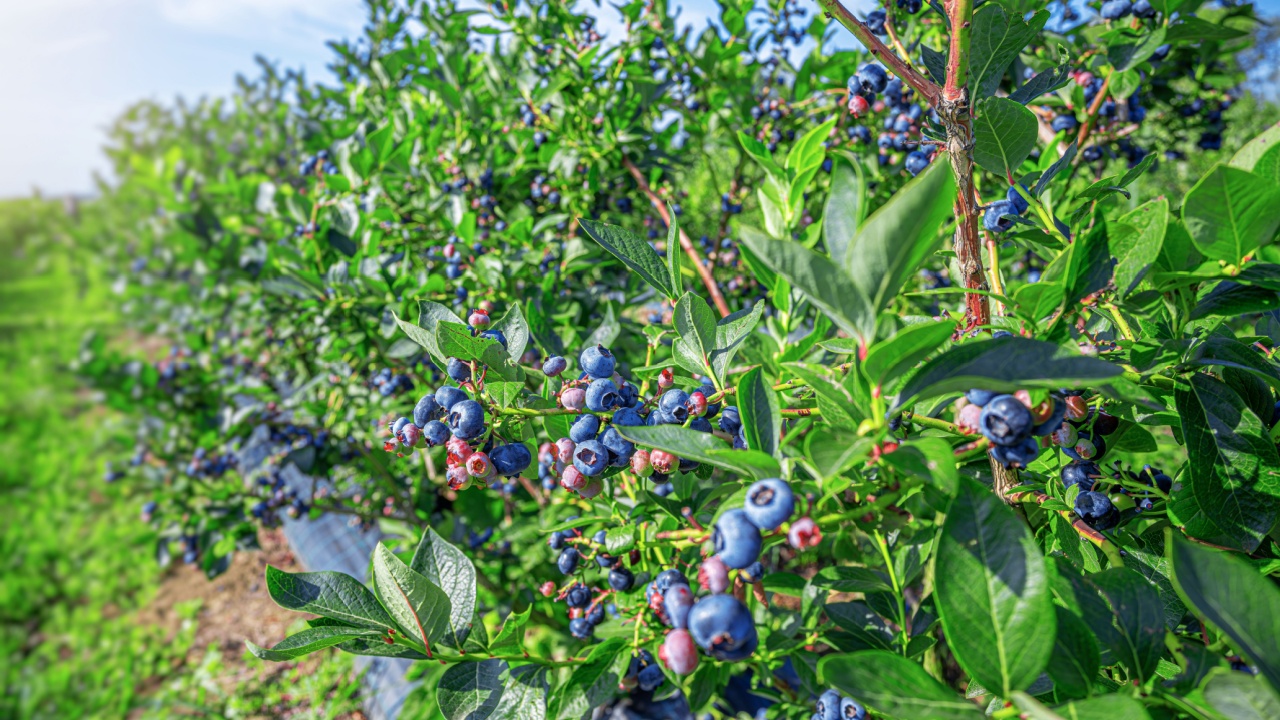
Home fruit production is where the financial return on perennial gardening becomes undeniable. The University of Maine Cooperative Extension notes that raspberries and blackberries produce from perennial crowns, with new canes emerging each year, while blueberries can remain productive for decades with appropriate soil conditions.
Blueberries require very acidic soil (pH 4.5 to 5.5) and take roughly three years to reach full productivity, but a planting that goes in this April will still be producing abundantly when you have long stopped counting the harvests. Raspberries are faster to establish and produce generously in their second season. Strawberries are the most accessible entry point: inexpensive as starts, forgiving about soil quality, and available in everbearing varieties that fruit from early summer through mid-fall.
A gardener who stops buying berries from the grocery store and instead grows three to five blueberry bushes alongside a raspberry row and a strawberry patch has built something that functions like a small annuity: low-maintenance, self-renewing, and increasingly productive over time.
Perennial Herbs: The Most Underestimated Food Source in Any Garden
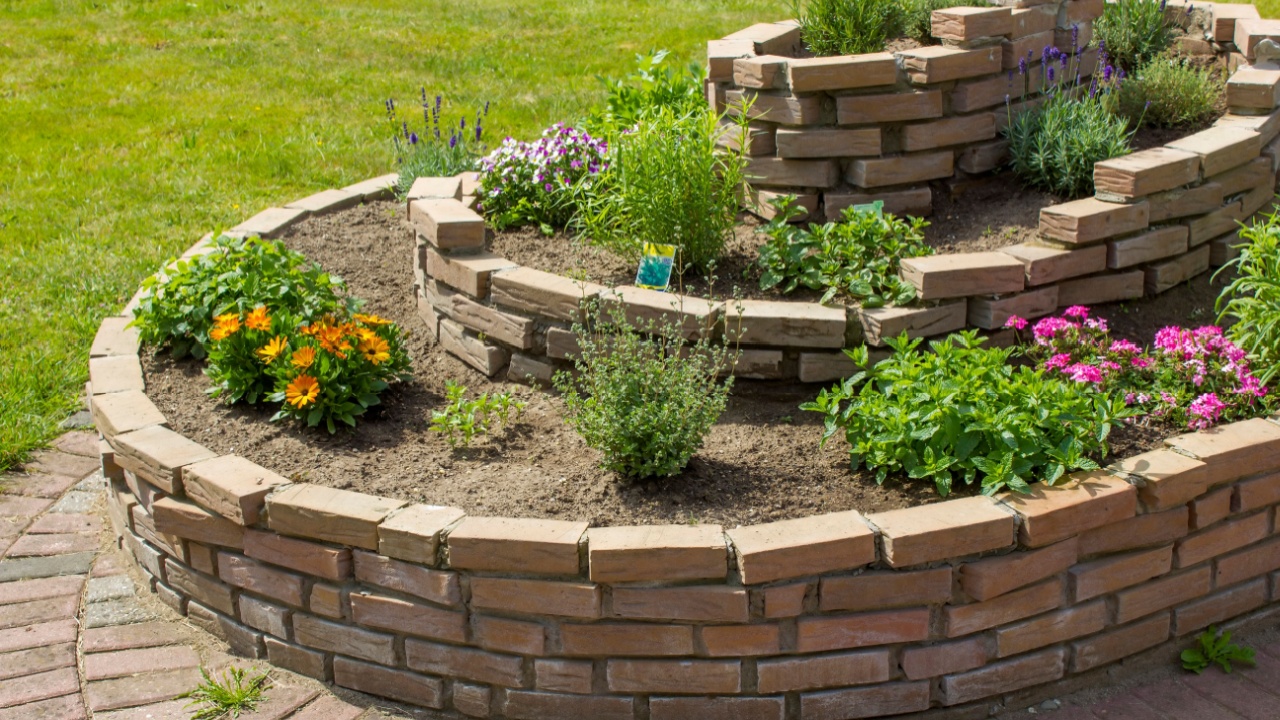
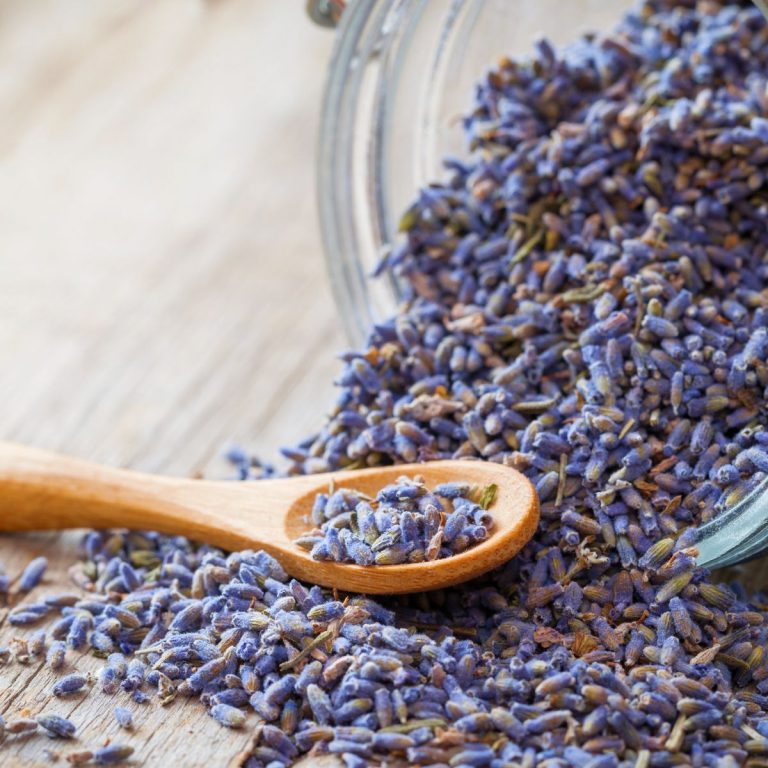
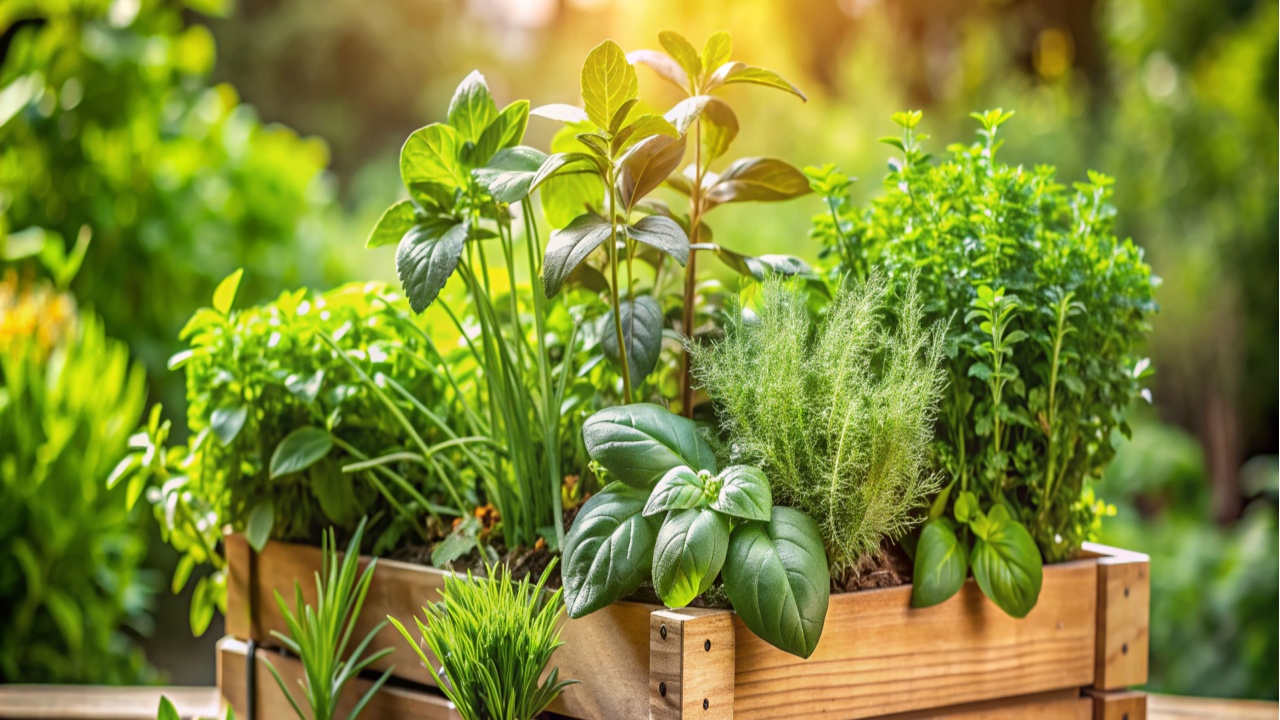
If there is one category of perennial food plants that every gardener should prioritize, it is herbs. Rosemary, thyme, sage, oregano, lavender, and chives are all hardy perennials that return year after year with little to no input. A $3 plant purchased this April may still be producing culinary herbs in fifteen years.
According to The House and Homestead‘s guide to edible perennials, most culinary herbs are extremely low-maintenance beyond occasional pruning and light fertilizing. Many, including mint, oregano, and lemon balm, actually grow better when contained in pots because they spread aggressively if given open ground. This makes perennial herbs among the most patio- and balcony-friendly food plants available: full culinary value from a single container.
Chives are especially worth calling out. They tolerate cold, bloom attractively in spring, and attract pollinators. Their flowers are edible and mildly oniony, making the entire plant useful from root to tip across the full season.
Jerusalem Artichokes: Grow Them, But Contain Them

Jerusalem artichokes, also called sunchokes, are among the most productive perennial vegetables available to home gardeners. According to the North Carolina Cooperative Extension, they grow throughout most of the United States, reaching 5 to 10 feet tall and producing substantial yields of flavorful tubers that can be roasted, mashed, or eaten raw with a flavor somewhere between water chestnut and potato.
The yield is real. However, do not plant sunchokes in open ground unless you plan to dig the entire bed every fall. Their rhizomes spread aggressively, and any piece of tuber left in the soil will produce a new plant the following spring. Every experienced grower recommends a large container or a clearly bordered, dedicated bed. Treat them like a productive, delicious houseguest who will absolutely overstay the visit without firm limits.
Sorrel: The First Green of Spring (And the Last of Fall)
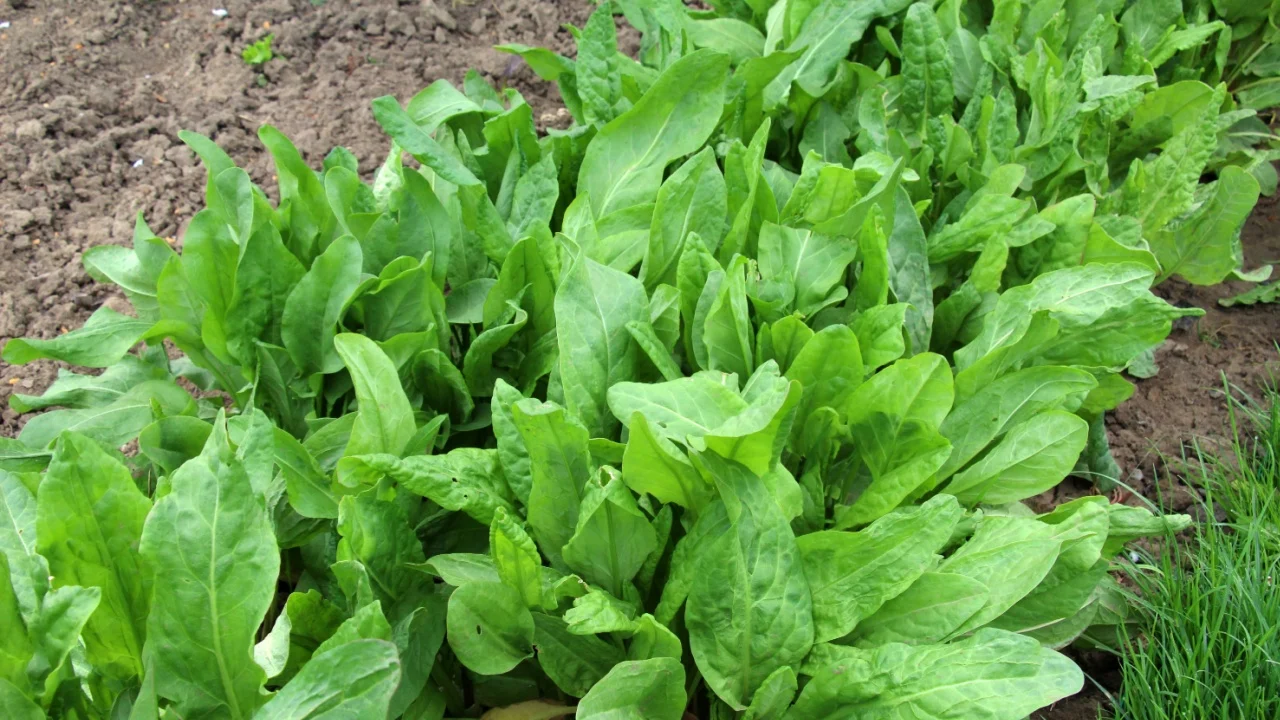
Sorrel is an argument for paying attention to what your garden can do before and after the main growing season. This lemony, tart leafy green is often one of the very first edibles to emerge each spring, and it frequently persists well into fall. Rural Sprout describes its flavor as citrusy, bright, and tart, with a fruitiness that brightens fish dishes, soups, and salads.
The variety to seek is French sorrel, which is milder and less bitter than common sorrel. Start it from seed, give it a permanent spot with reasonable drainage, and it will return every year. It grows in partial shade, tolerates neglect, and fills the role of a fresh cooking green during seasons when most other greens have either not yet arrived or already bolted.
Garlic Left in the Ground: A Permanent Allium Patch
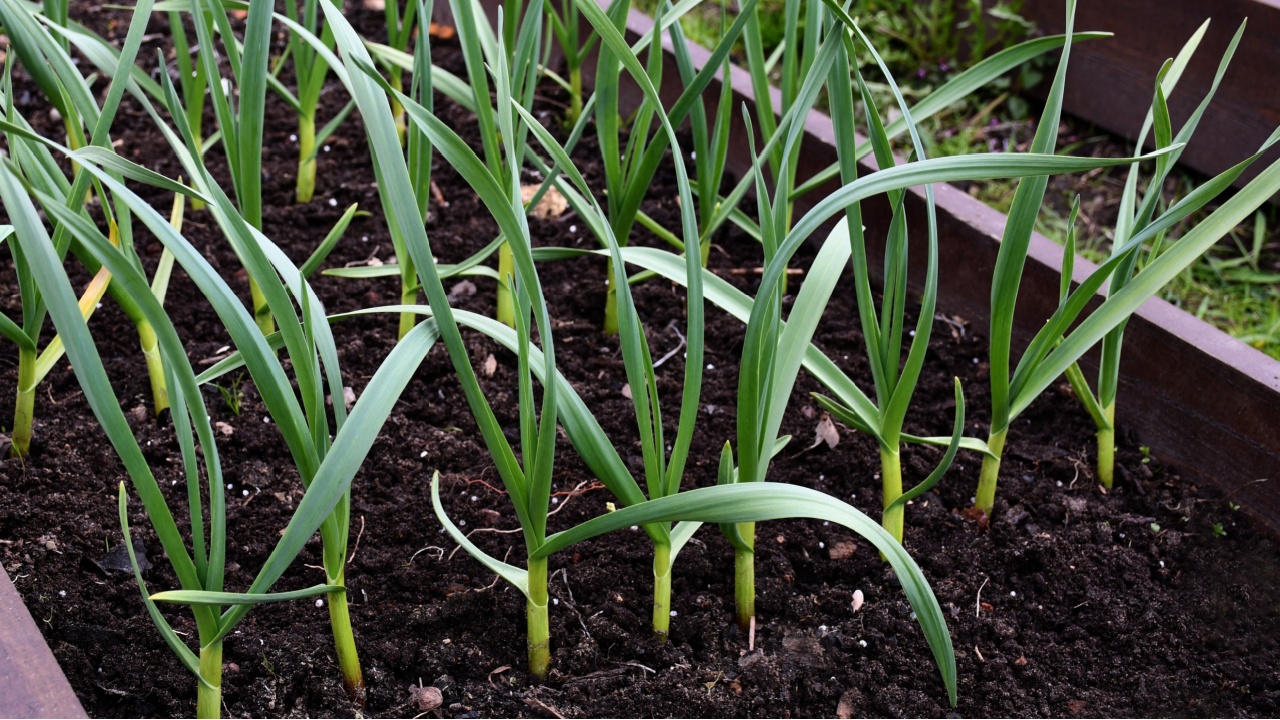
Most gardeners grow garlic as an annual, harvesting all the bulbs in summer and replanting in fall. But garlic is, at its core, a perennial. As Garden Betty‘s perennial vegetable guide explains, leaving bulbs in the ground allows them to divide and regrow year after year, producing edible garlic greens in early spring, flavorful scapes in late spring, and full bulbs in summer, all without replanting.
Softneck garlic, the most common grocery store variety, performs well as a perennial in Zones 6 to 10. Hardneck garlic, with a shorter shelf life but more complex flavor, is perennial all the way to Zone 0. Many growers use a hybrid approach: harvest most bulbs annually, replant a portion, and let a section of the bed grow undisturbed as a permanent allium patch.
Fruit Trees and Nut Trees: The Long Game Worth Playing
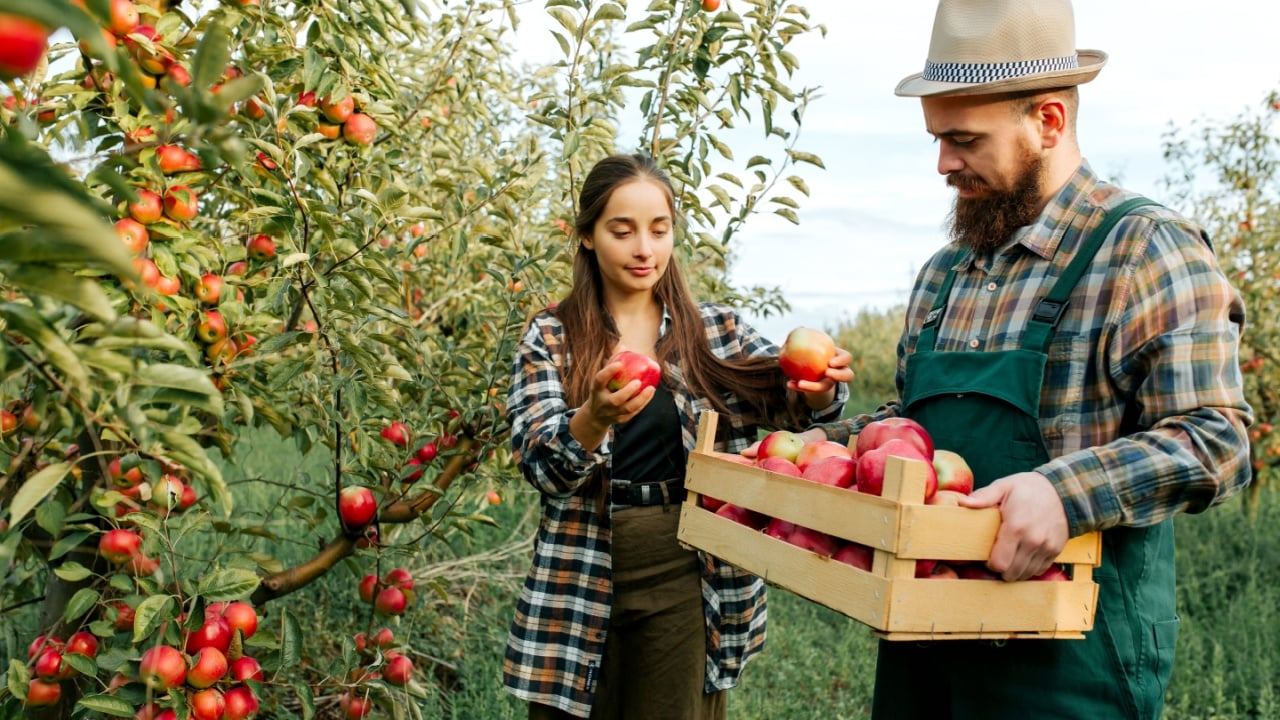
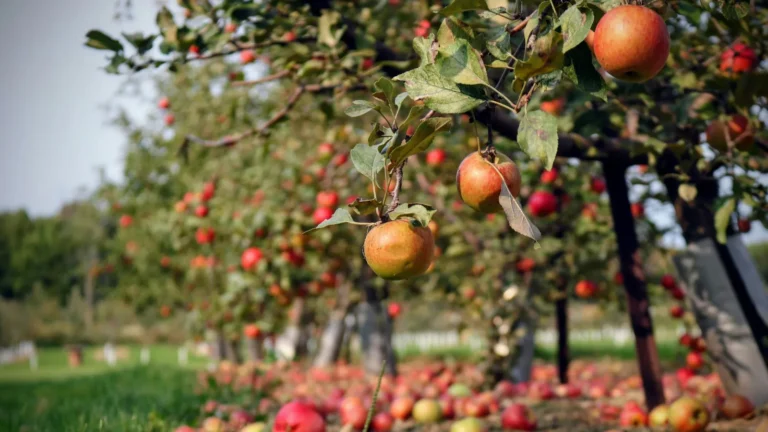
No category of perennial food plant produces more food per square foot over time than a well-chosen fruit or nut tree. A single established apple tree can supply applesauce, fresh fruit, juice, and storage apples for an entire family for decades. A hazelnut tree, once mature, produces baskets of nuts annually with minimal attention.
The initial investment is real: fruit trees require more space, take several years to mature, and most varieties need a cross-pollinator planted nearby. Self-fertile exceptions include many peach, tart cherry, and some pear varieties. According to The House and Homestead, the volume of food that a single established fruit tree can produce is remarkable, and nuts, being high in fat, protein, and calories, are among the most nutritionally dense perennial food sources available.
For gardeners with limited space, a semi-dwarf apple, a single fig, or a container-grown Meyer lemon represents a perennial food investment that begins paying back within a few seasons and does not stop.
Stop Replanting All of Your Food Every Year
The argument for perennial food plants is ultimately an argument for thinking about your garden in years rather than months. Every asparagus crown you plant is the beginning of a twenty-year harvest. Every blueberry bush is a long-term food investment that does not require a renewal fee.
Timing does matter. Asparagus crowns and strawberry plants establish best when they go into the ground during cool weather, well before the heat of summer. Perennial herbs planted early in the growing season will begin producing within weeks and every season after that. The sooner you get perennial food plants into the ground, the more time they have to build strong roots before their first winter.
For small spaces, chives, sorrel, strawberries, and most herbs grow beautifully in containers. Sunchokes and horseradish should be in containers regardless of garden size. A sunny balcony with a few well-chosen pots can support a productive, self-renewing food garden with no replanting required.
The smartest move any gardener can make is to dedicate even a single bed, a single row, or a single large container to something that will still be feeding them ten years from now.
Read More
Is Your Garden Hurting You? 9 Tools Doctors Say Could Save Your Joints
Ten Companion Plants Your Peppers Need For A Successful Growing Season