5 Winter Pruning Mistakes That Could Ruin Your Spring Garden
Winter feels like the perfect time to tidy everything in your garden. With leaves gone and structure exposed, it’s tempting to grab the pruners and start cutting.
But many winter pruning mistakes can happen this time of year, and what you remove in February can quietly shape (or sabotage) your spring garden.
Winter pruning is powerful because plants are dormant. As experts at FELCO explain, “Pruning during a plant’s dormancy is a practice rooted in horticultural science. It leverages the natural cycle of the plant to promote vigor and health.”
Pruning done well improves airflow, strengthens structure, and encourages productive spring growth. Done poorly, and it weakens stored energy reserves, exposes plants to disease, and removes the very buds you were hoping to enjoy.
The difference often comes down to timing, restraint, and technique.
1. Pruning at the Wrong Time

One of the biggest winter pruning mistakes is cutting the wrong plants during dormancy.
As Teo Spengler of Gardening Know How cautions, “Spring-flowering azalea, forsythia, dogwood, and rhododendron set flower buds in the fall. Pruning in winter means you reduce their spring flower display.”
If a shrub blooms on “old wood,” its flower buds are already set, waiting on the branches for warmer temperatures to arrive. If you cut in winter, then you’re cutting off summer blooms. Hydrangeas, lilacs, and forsythia are common casualties.
The rule of thumb:
- Prune spring bloomers after they flower.
- Prune summer bloomers and many deciduous trees in late winter, before bud break.
You’ll also want to avoid pruning in freezing weather. Frozen wood can become brittle and more likely to crack in cold temperatures, which increases the risk of disease and structural damage.
2. Over-Pruning (and Under-Pruning)
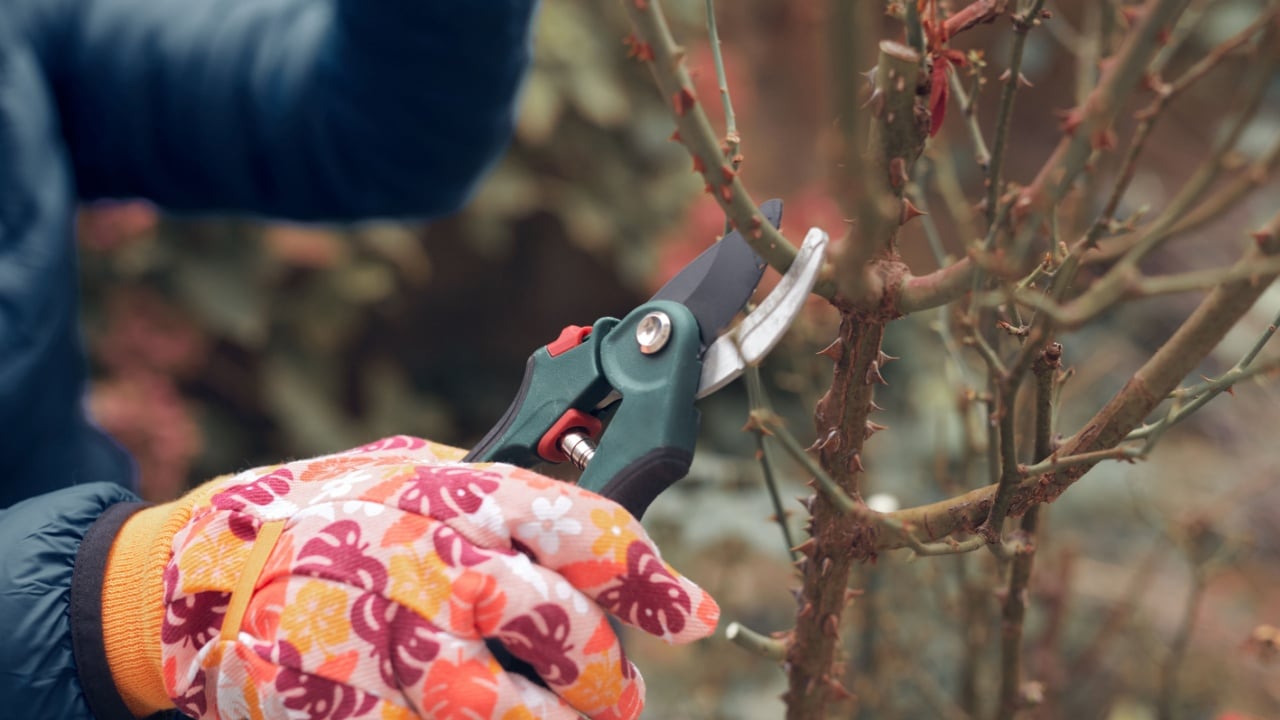
It’s easy to swing too far in either direction.
Linda Hagen of Garden Design advises: “Follow the general rule of never removing more than one-third of the plant’s foliage in a single pruning session.” Removing too much can stress the plant and limit its ability to photosynthesize when growth resumes.
But under-pruning can be just as problematic. Overcrowded interiors reduce airflow and trap moisture, inviting fungal disease. Neglected fruit trees produce weaker growth and smaller harvests.
If you’re unsure how much to cut, remember:
- Step back frequently and re-evaluate.
- Focus first on dead, damaged, or diseased wood.
- Thin selectively rather than shearing everything evenly.
As many seasoned gardeners say: look twice, cut once.
3. Using Dirty or Dull Tools

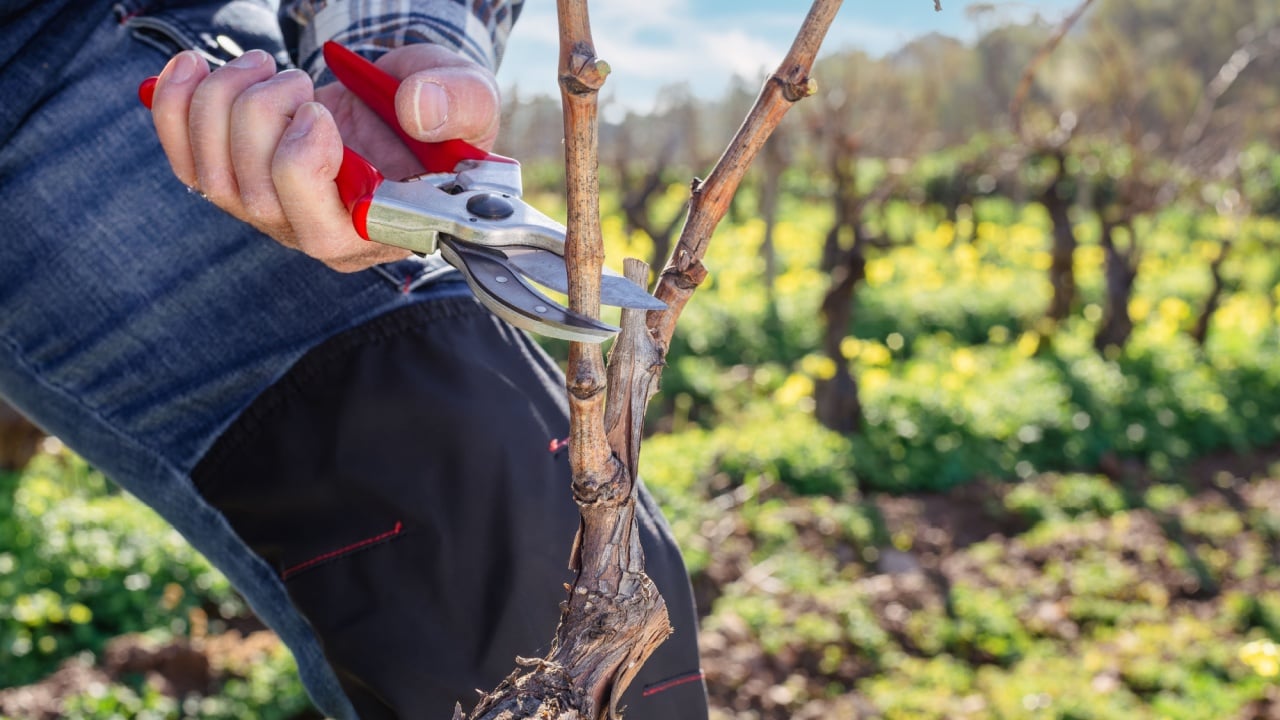
A sharp blade makes a clean slice. A dull one crushes and tears. Ragged wounds left from dull cuts will heal slowly, and can invite rot and cankers.
Dirty tools can also spread bacteria and fungal spores from plant to plant. This is especially risky when pruning diseased branches.
Before and after pruning:
- Wipe blades with 70% isopropyl alcohol or disinfectant.
- Sharpen regularly.
- Remove debris and moisture before storing.
Tool care is plant care.
4. Ignoring Plant Health and Structure

Winter pruning mistakes often happen when gardeners focus on shape alone.
Pruning an already stressed or unhealthy tree can worsen its condition. As Olivia Heath at House Beautiful writes, “Trees already stressed or showing signs of poor health should not be pruned. Only dead, damaged, or diseased branches should be removed.”
Remove crossing branches that rub. Thin areas that block light. Look for heavy limbs that strain the tree’s balance.
In fruit trees, especially, structure determines future harvests. An open canopy allows sunlight to reach developing buds and improves air circulation.
5. Not Pruning at All
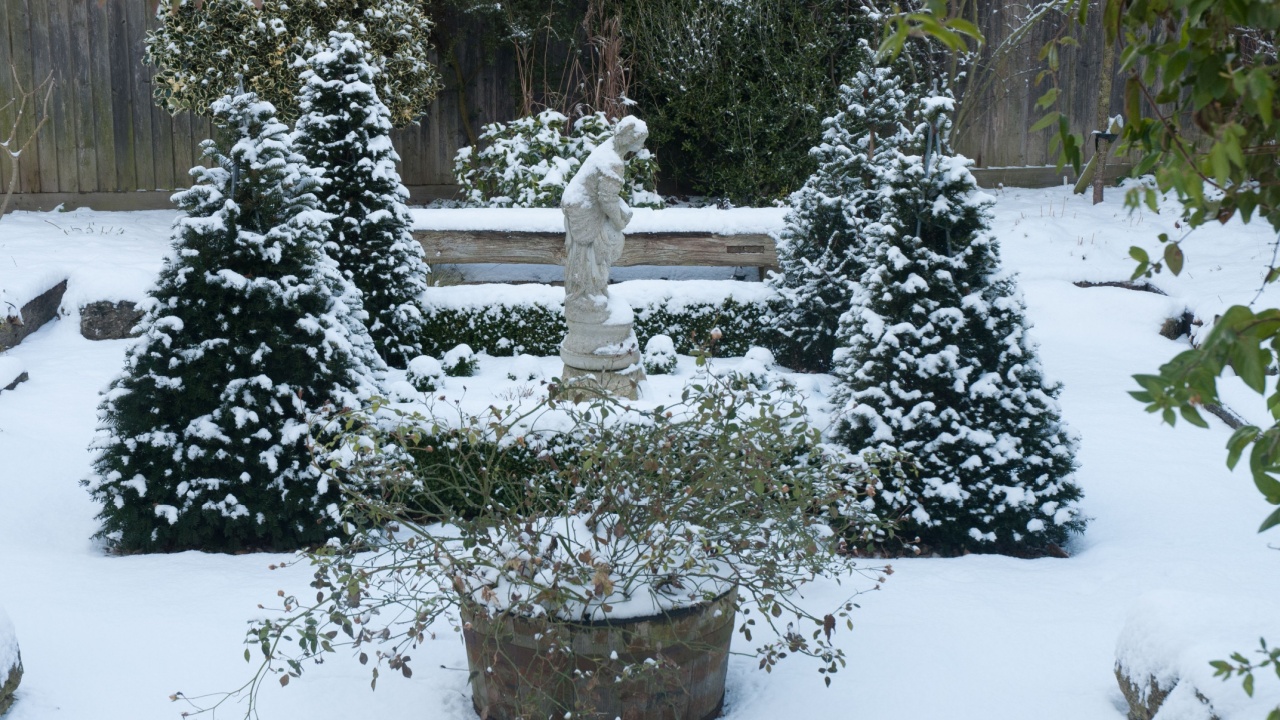
Surprisingly, avoiding pruning entirely is one of the most common winter pruning mistakes.
Over time, unpruned shrubs become congested. Older wood stops producing vibrant stems or fruit. Apples throw up crossing branches that shade out productivity. Shrubs lose their natural form.
Regular, moderate pruning prevents the need for drastic correction later. It keeps plants manageable, resilient, and attractive.
What to Do Instead

To avoid winter pruning mistakes:
- Avoid pruning during frost and wet conditions.
- Remove no more than one-third of the growth.
- Cut just outside the branch collar.
- Keep tools sharp and sterile.
- Focus first on plant health, then shape.
A few intentional cuts in late winter can make all the difference. With restraint and a clear plan, you’ll protect precious buds, reduce disease risk, and set the stage for stronger growth.
Spring rewards thoughtful gardeners. And often, the secret isn’t cutting more; it’s cutting wisely.