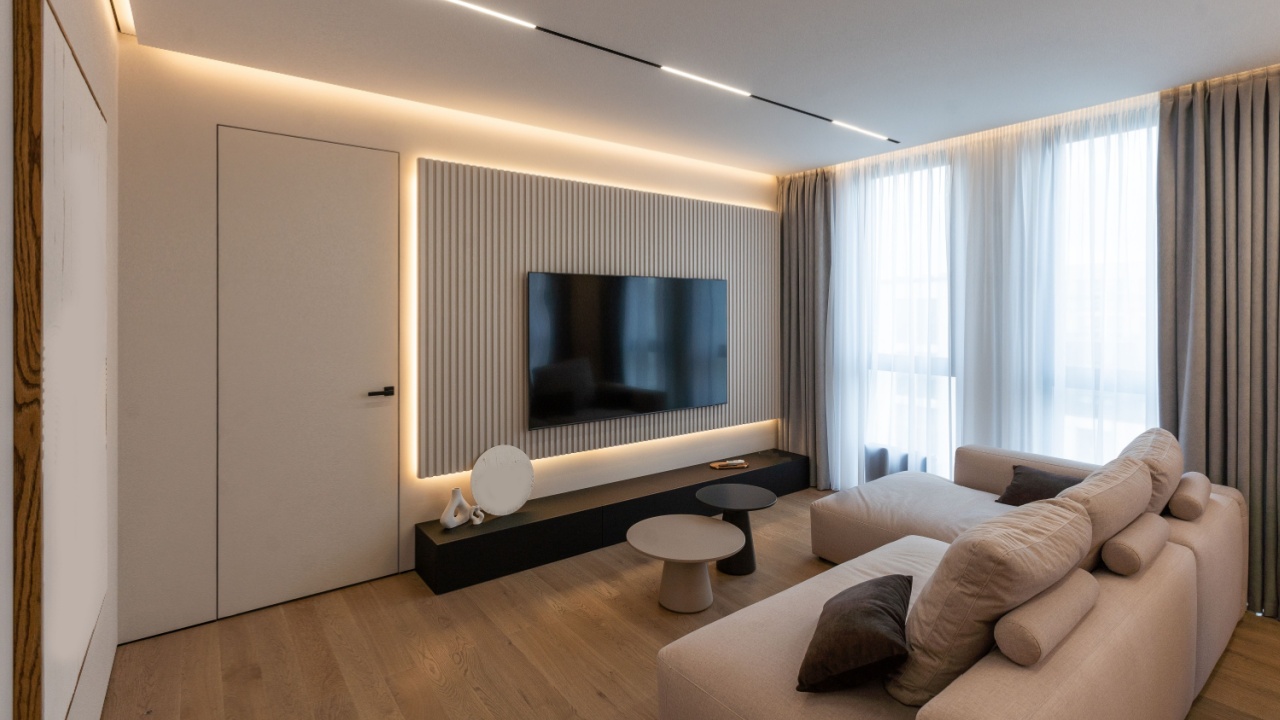
17 Overdone Home Trends People Can’t Stand Anymore
Home design is meant to reflect your personality and create a space where you feel truly at ease. However, some trends have become so overdone that they’ve gone from inspiring to downright annoying for many. If you’ve ever walked into a room and thought, “This again?” you’re not alone.
We’ve gathered insights from design experts, homeowners, and online communities to pinpoint which trends have officially worn out their welcome. These are the design choices that, while once fresh and exciting, are now leaving people frustrated or bored.
Let’s dig into the most overused home design trends, why they’ve lost their appeal, and what alternatives you can try instead. By the way, if you love any of these trends, carry on! This isn’t meant to shame anyone’s design choices.
1. Grey and Beige Everything
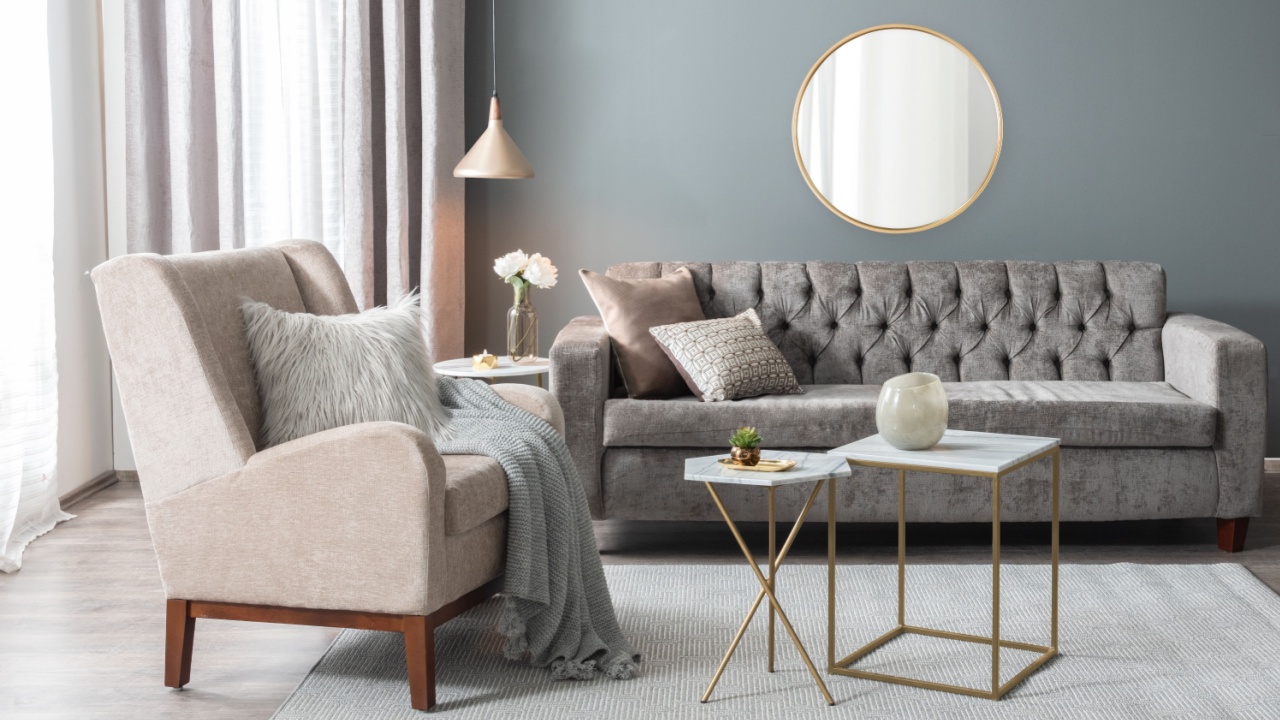
The “greige” revolution has gone too far. Homes drenched in grey and beige may photograph well for resale, but they lack personality and warmth. The trend has become so pervasive that some parents are even painting their children’s rooms and toys in these muted tones, even though babies and kids thrive in colorful environments that stimulate development.
Living in a space should bring you joy, not feel like you’re staging for a sale that may never happen. Your home is for you, not some hypothetical future buyer.
2. Cool and White Lighting
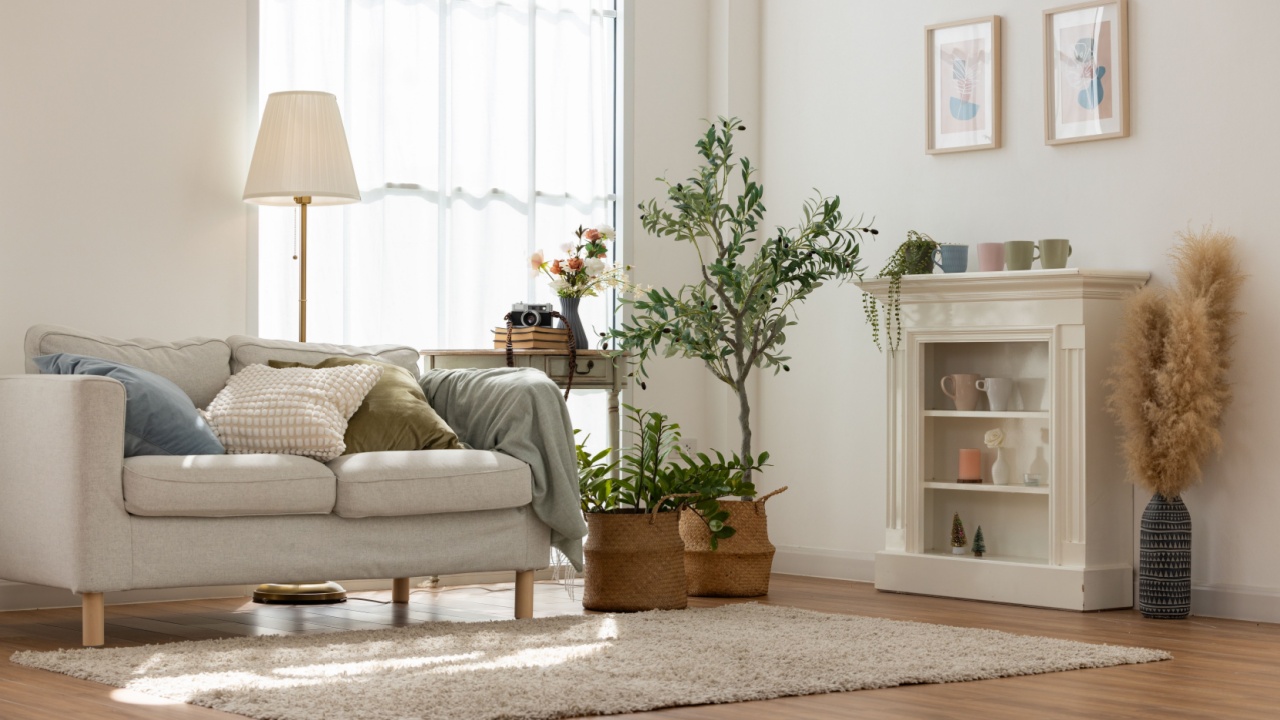
Harsh, cool-toned lighting might mimic daylight, but it transforms a home into a sterile, unwelcoming environment that feels more like a medical office than a living space. This kind of lighting strips away warmth, making spaces feel cold, impersonal, and less inviting for both residents and guests.
At its core, lighting should enhance comfort and ambiance, not create a clinical atmosphere. For a more inviting home, opt for warm lighting that creates a cozy, relaxed atmosphere.
3. Front Doors That Don’t Face Forward
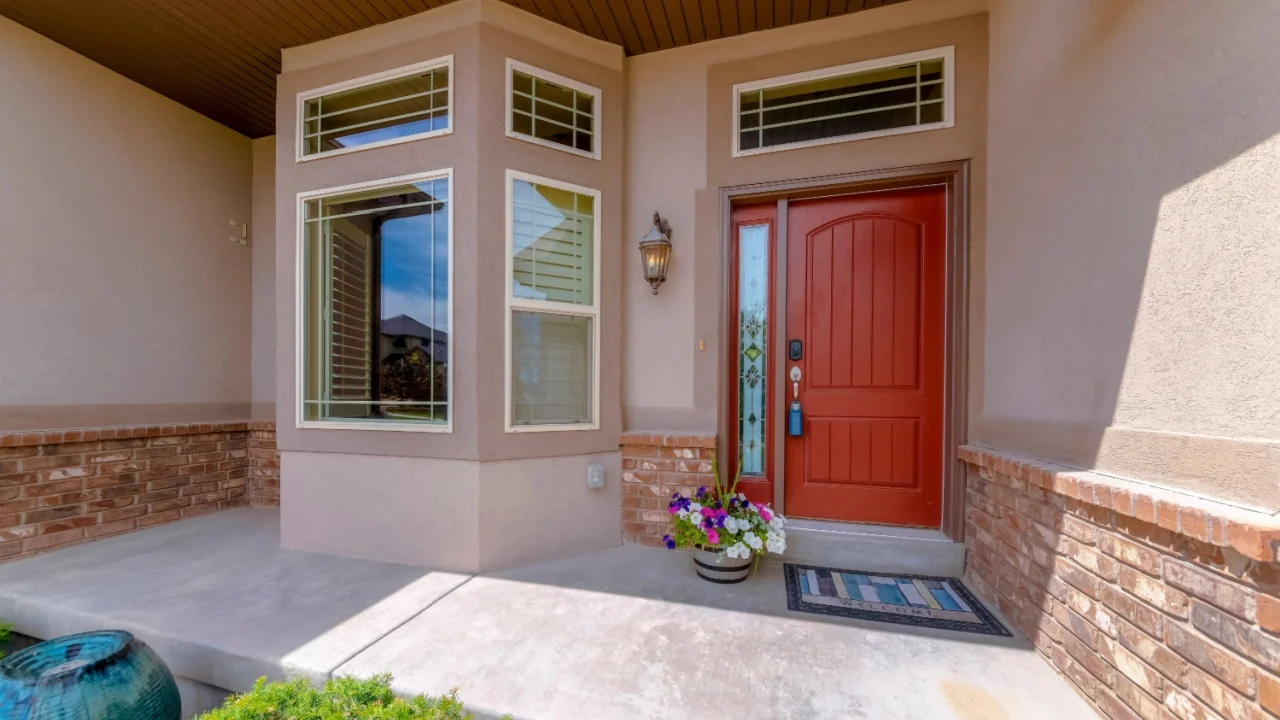
A front door that’s hard to spot or faces sideways can make a home feel uninviting and awkward. Guests shouldn’t have to guess if they’re at the right house or hunt for the entrance. Sure, some designs prioritize looks over function, but that can lead to unnecessary confusion.
A truly welcoming home starts with an entryway that’s easy to find and inviting (like the one pictured above). Try creating designs that balance curb appeal with practicality.
4. Bookshelves Without Books
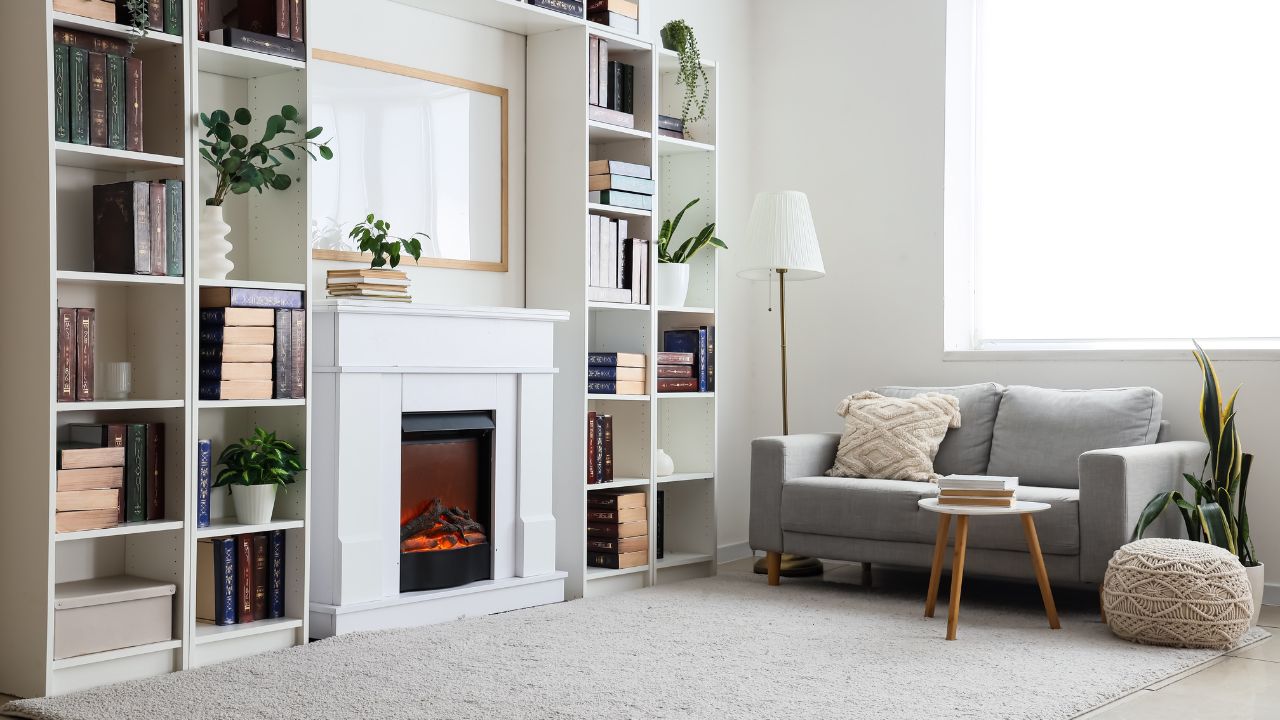
Bookshelves filled with random decorative objects instead of books lose their intended purpose and their charm. While knick-knacks can be interesting, overloading shelves with them often looks cluttered rather than curated.
Bookshelves, when used properly, add depth and personal character to a home. They tell a story about the people who live there, what they love, what they’ve learned, and who they are. A well-balanced bookshelf can be both functional and visually appealing, striking the perfect harmony between style and substance.
5. Patterned Wallpaper in Every Room
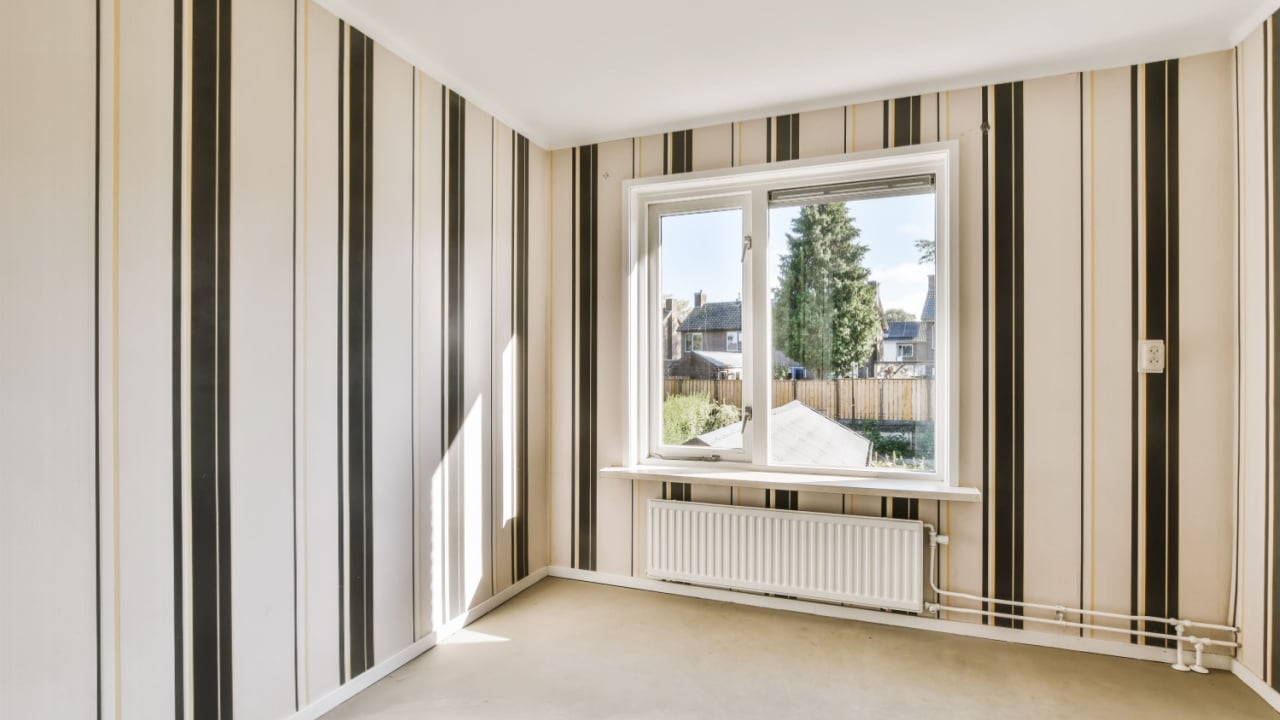
Covering every room with loud, mismatched, patterned wallpaper can quickly create visual chaos. Moving from one room to the next becomes overwhelming, disrupting the flow of the home and eliminating any sense of cohesion.
When overused, the charm and impact of wallpaper are lost, leaving a cluttered and disjointed feel rather than elevating the design. Instead, using wallpaper strategically on an accent wall or in select spaces can bring character and interest to a room without overpowering it.
6. Faux Shutters That Don’t Function
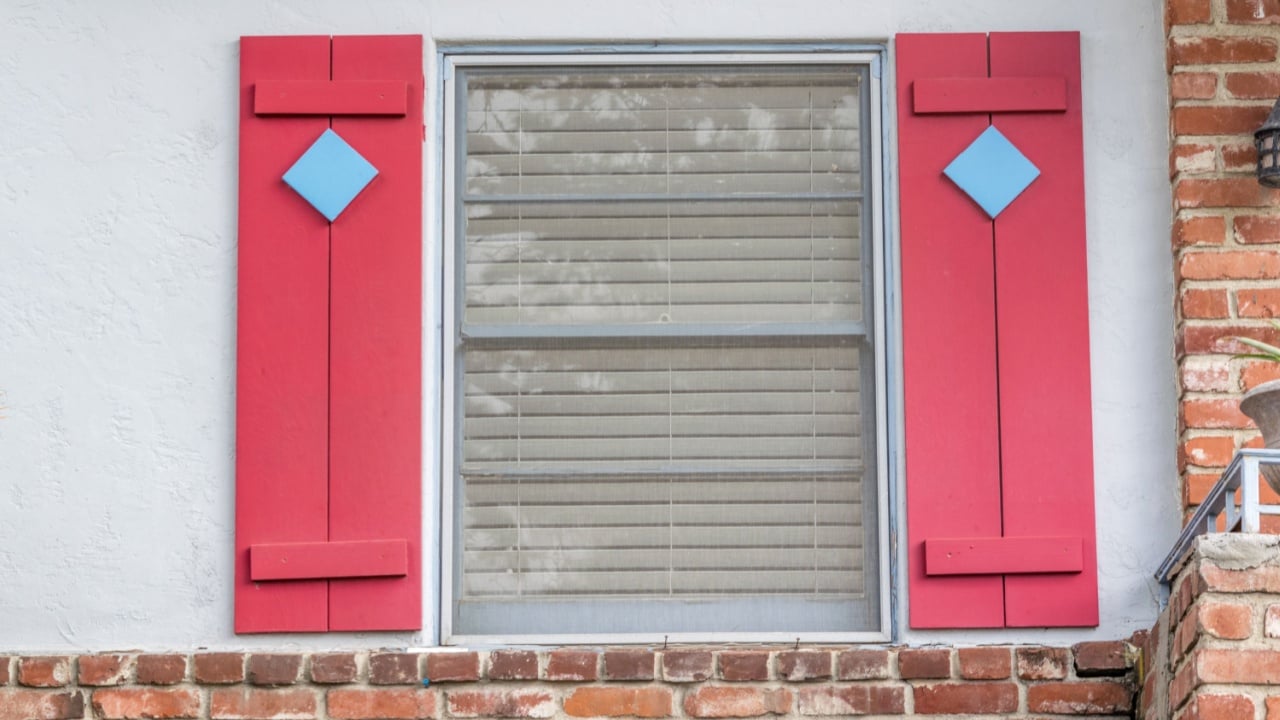
Tiny decorative shutters that obviously can’t cover the windows they’re next to are a common design mistake. Instead of adding charm, they can end up looking cheap and out of place.
The fix? Go for functional shutters that open and close, or make sure your decorative ones are properly sized and actually complement your home’s design.
7. Single-Light Ceiling Fans
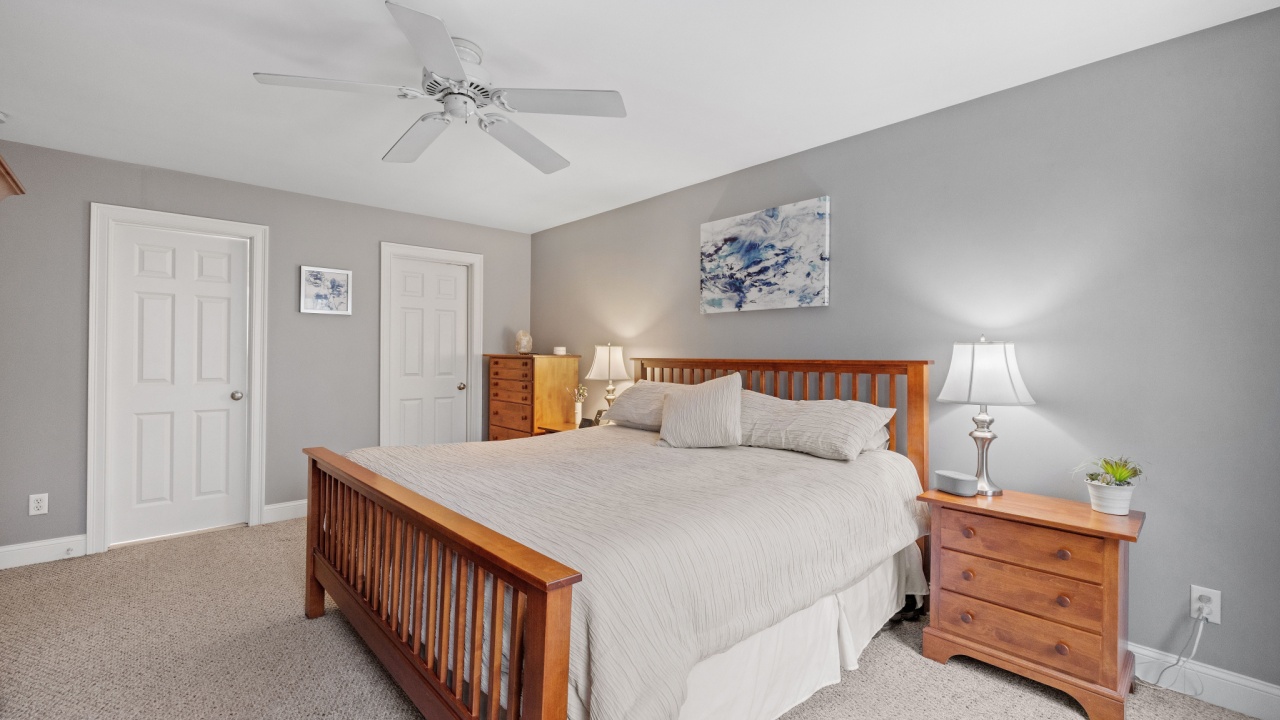
Ceiling fans with just one flat light fixture often fall short in both style and function. They cast uneven light, creating a harsh and uninviting atmosphere while doing little to enhance the room’s visual appeal. This type of fixture can make a space feel dated and can limit your design possibilities.
Consider upgrading to a fan with multiple, well-designed light sources or separating your fan and lighting fixtures altogether. This will instantly improve the room’s ambiance and overall look.
8. Books with Bindings Facing Backward
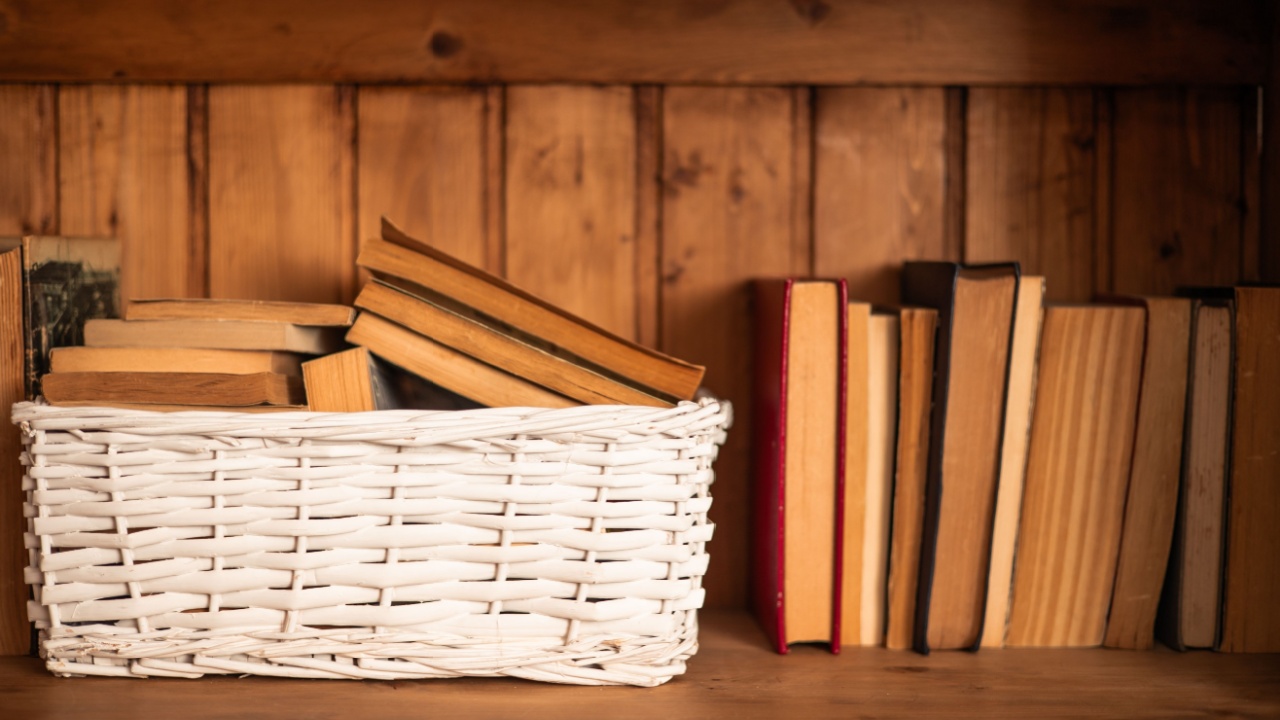
Flipping books so their pages face outward might create a clean, neutral aesthetic, but it comes at the cost of practicality. It makes finding specific titles nearly impossible and can strip a room of its warmth, turning it into a showroom rather than a space that celebrates reading and learning.
Bookshelves should tell a story about who you are, showcasing your personality and interests, not just serving as decorative props. Let your books add character, not just style.
9. Tiled Countertops
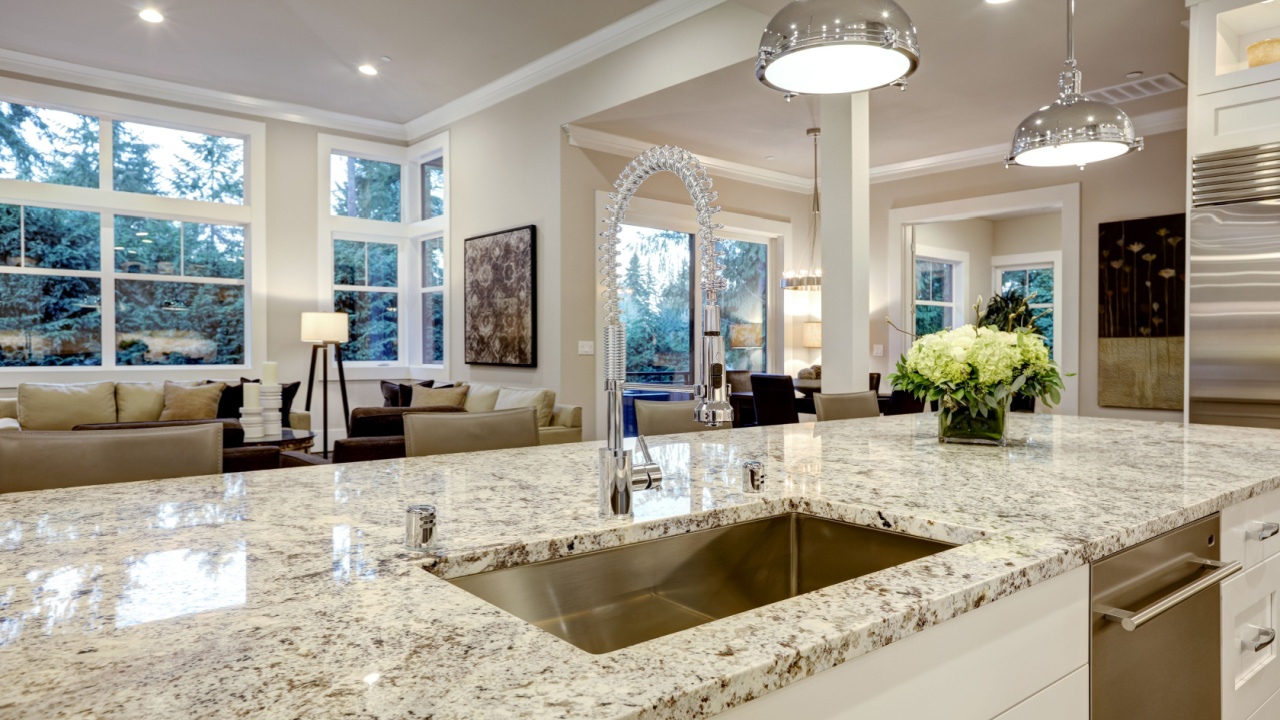
Tiled countertops may have been popular once, but they’re far from practical. The grout lines trap food particles and bacteria, making them hard to clean and unhygienic for food prep.
Over time, these counters can become a breeding ground for grime, no matter how diligently you clean. For a more modern and sanitary kitchen, solid-surface countertops like quartz or granite are the way to go, offering durability, ease of maintenance, and timeless style.
10. Strip Lighting in Living Spaces
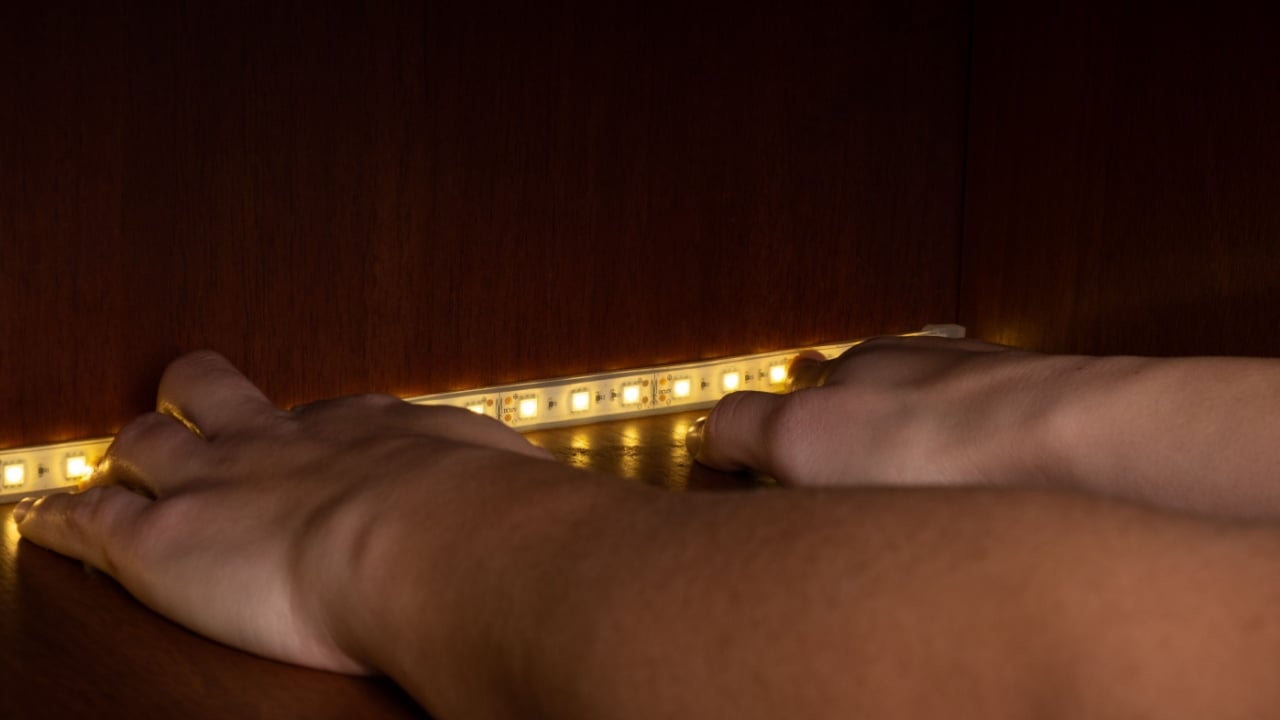
LED strip lighting in living rooms and bedrooms creates a cold, clinical atmosphere that lacks the warmth and comfort a home should have. While effective for some commercial spaces, this kind of lighting strips away the cozy, relaxing vibe people look for in their personal spaces.
Instead, use layered lighting with soft lamps and strategically placed fixtures to create a warm, inviting ambiance.
11. Carpets in Dining Rooms
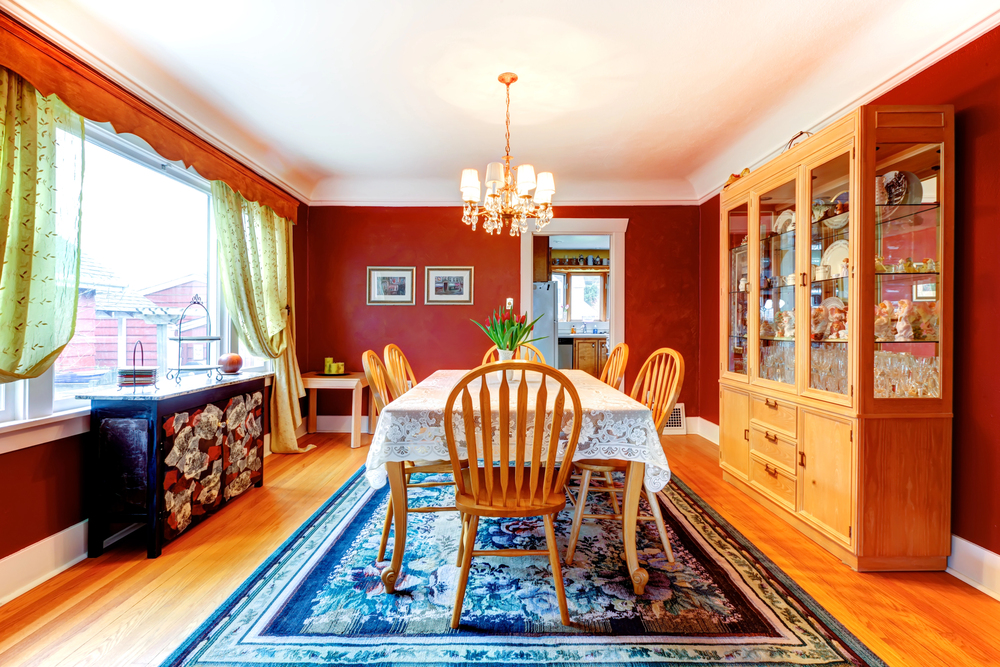
Placing carpets or rugs under dining tables can be a recipe for stains and stress. Spills are inevitable, and cleaning carpets in such a high-risk spot can quickly turn into a time-consuming and frustrating task.
Eventually, dining area carpets can trap hidden messes, making them harder to maintain. Opting for hard flooring, such as hardwood or tile, is a far more practical and hassle-free choice for dining spaces.
12. Floating Shelves Everywhere

While floating shelves can look sleek, they often collect dust and lack practicality. The minimalistic aesthetic can feel unfinished, and maintaining cleanliness becomes a hassle.
These shelves often sacrifice functionality for style. Instead, consider traditional shelving or closed cabinets for a polished, functional look that strikes a balance between style and usability.
13. Black Tile
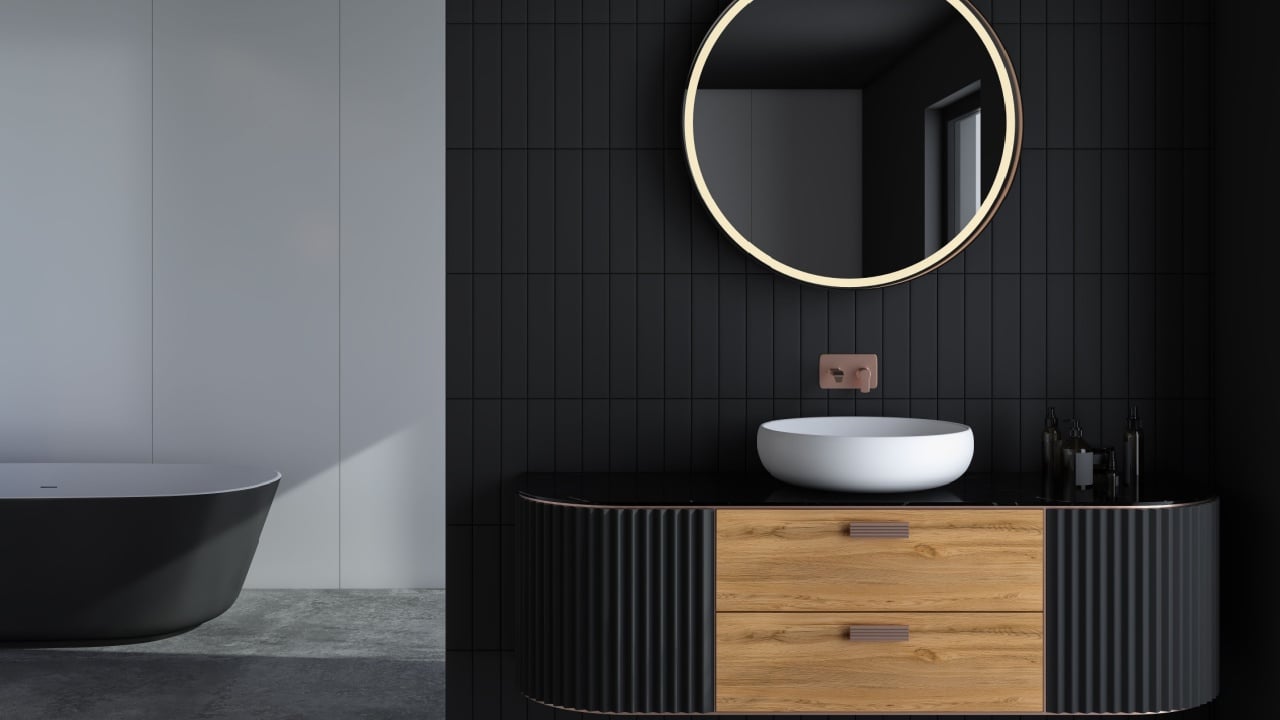
Dark tiles may initially seem dramatic and luxurious, but they’re impractical. Black tiles make it harder to spot dust, water spots, or even bugs while also making spaces feel smaller and more enclosed.
In bathrooms, they can create a cold, cave-like atmosphere. Lighter tiles reflect light and make spaces feel larger, more inviting, airy, and fresh.
14. Barn Doors as Bathroom Doors
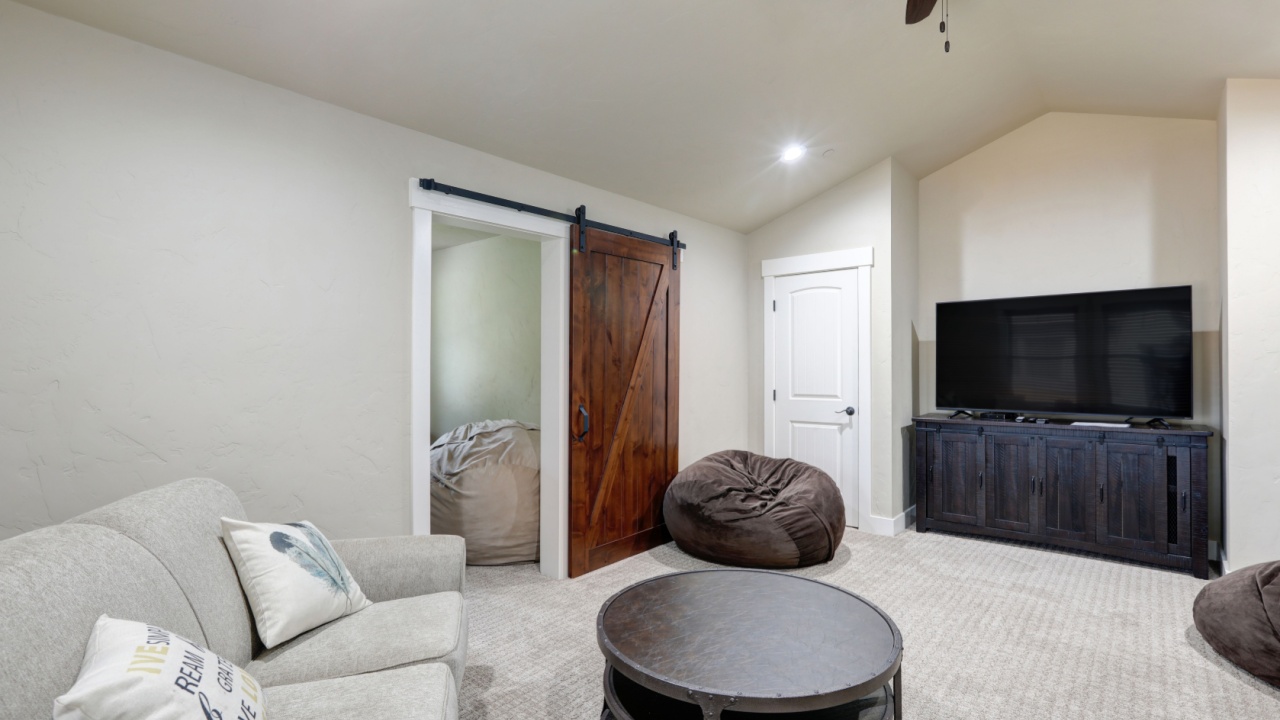
Barn doors aren’t ideal for bathrooms because they don’t seal properly, allowing sounds, smells, and even drafts to escape. They also compromise privacy with visible gaps around the edges, making them impractical for such a personal space.
While they may look stylish, using barn doors in bathrooms prioritizes aesthetics over essential functionality. When it comes to bathroom doors, practicality and privacy should always come first.
15. Recessed Lighting Without Lamps
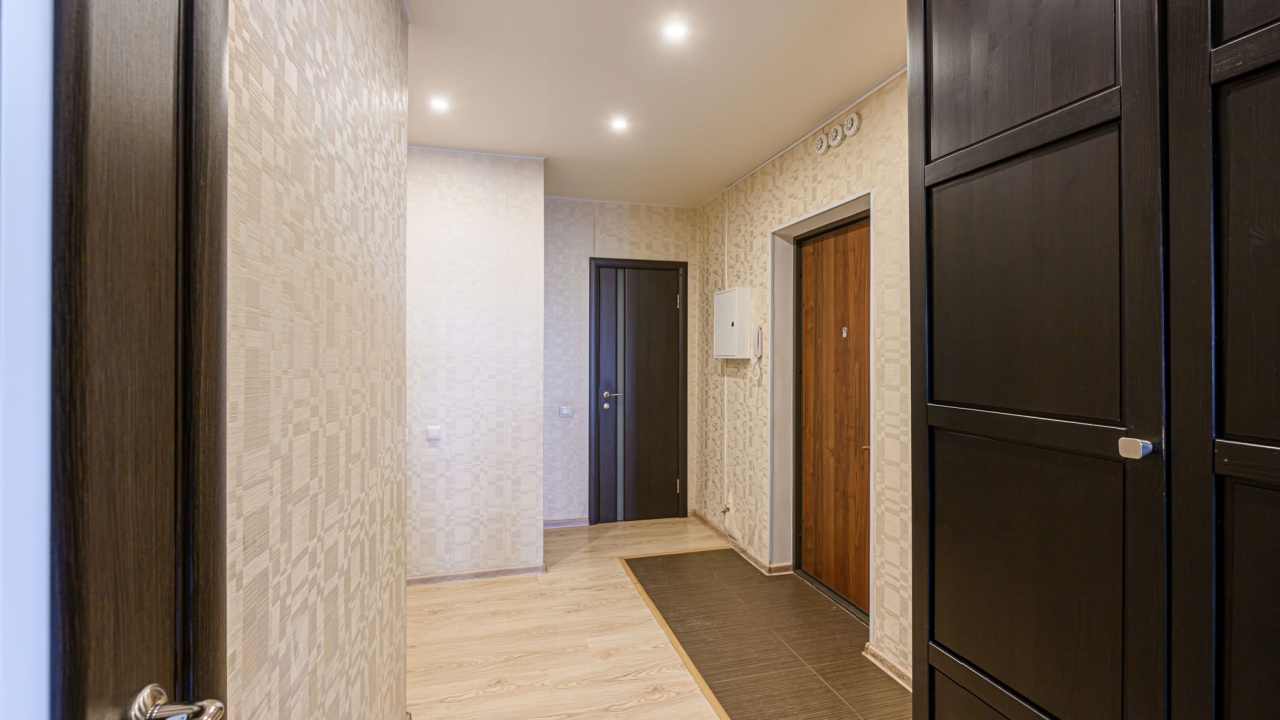
Relying only on recessed lighting can make a home feel cold and uninviting. Overhead lights give general brightness but lack the warmth and depth needed to make a space feel cozy.
Adding lamps, sconces, or other accent lighting brightens dark corners and brings texture and personality to a room. Without this layering, spaces can feel flat and incomplete.
16. Open Kitchen Shelving
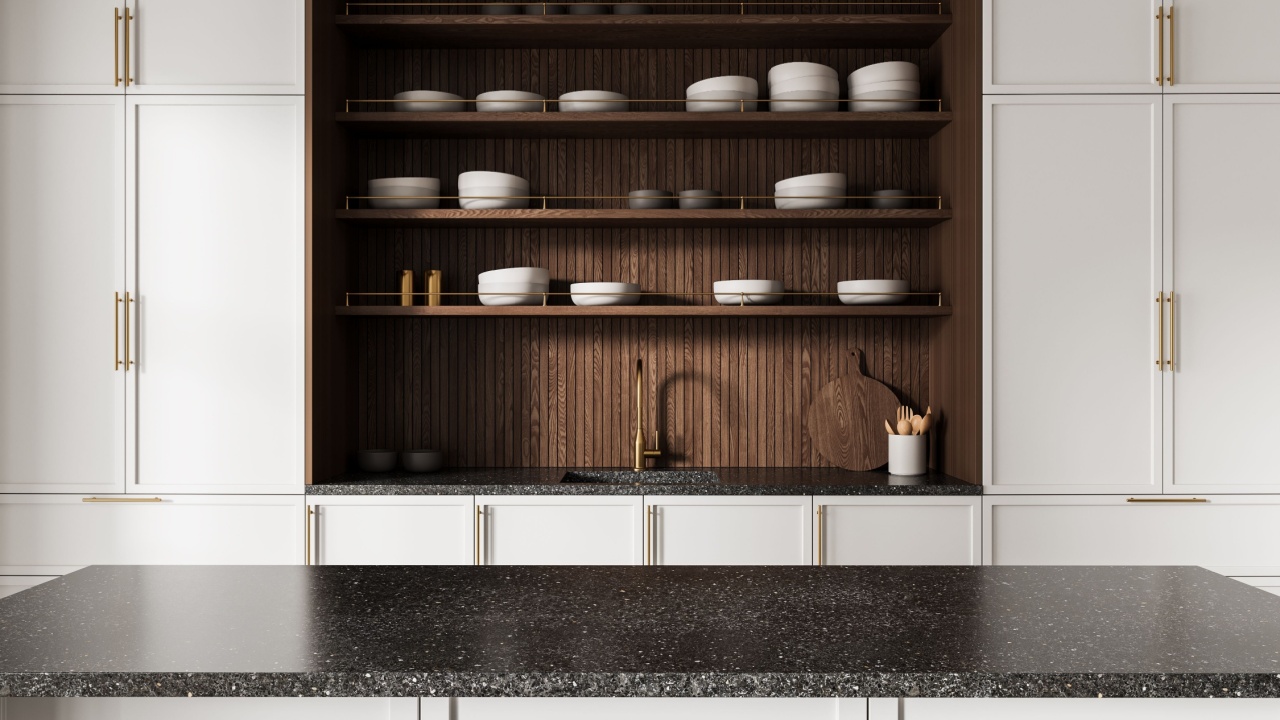
Exposed kitchen shelves may look trendy, but they’re impractical. Dust, grease, and airborne particles settle on dishes, requiring them to be cleaned before every use.
This undermines the convenience of traditional closed cabinets. Closed cabinets keep your dishes clean and protected while maintaining a polished look.