Stop Making These 18 Common Mistakes That Are Quietly Ruining Your Garden
Every April, millions of home gardeners make the same well-intentioned mistakes. They grab their shovels on the first warm Saturday, dump fertilizer on their beds, and race their tomatoes into the ground before their neighbors do. Then they wonder why, by June, their garden looks like it skipped spring entirely.
The most expensive spring gardening mistakes are not the obvious ones. They are the habits that feel responsible, even virtuous, while they quietly cost you weeks of growth, hundreds of dollars in wasted plants and fertilizer, and, in some cases, an entire season of blooms.
Horticultural experts and master gardeners say the same thing, year after year: the gardener who waits, tests, and reads the soil consistently outperforms the one who starts too early.
Here are 18 common garden mistakes that could be undermining everything you are trying to grow this April.
1. Stop Digging Wet Soil
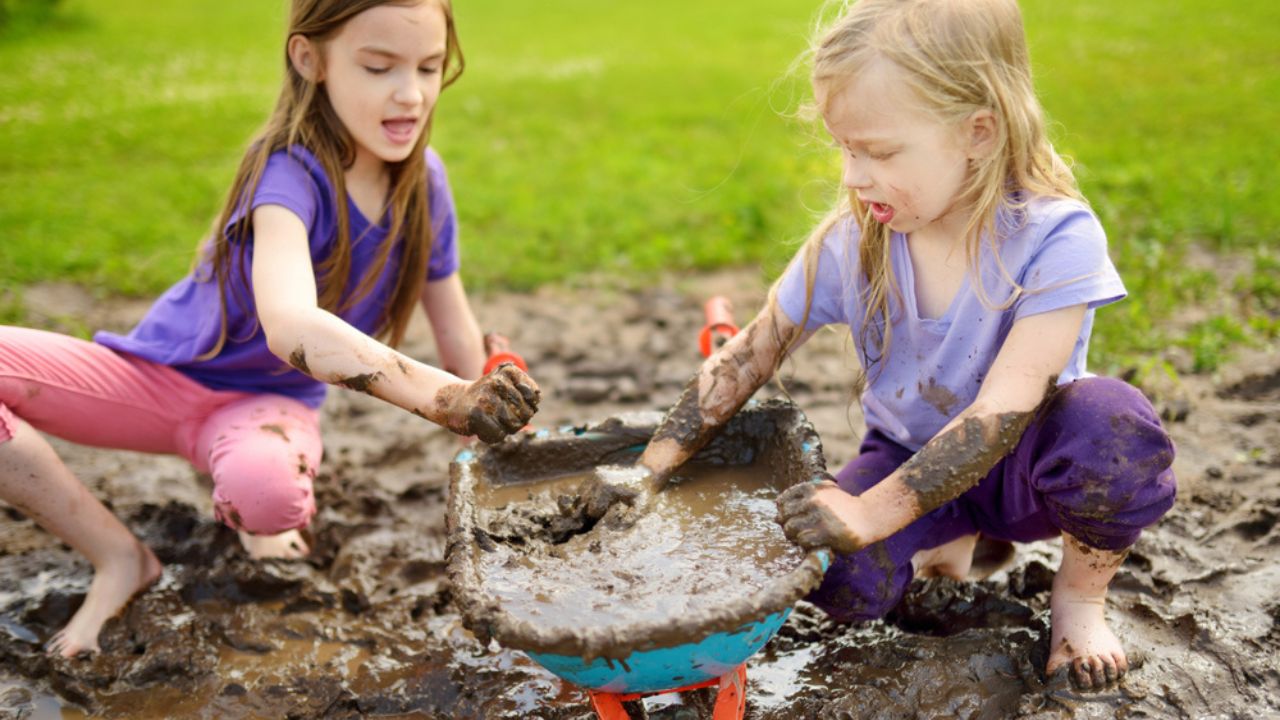
This is the mistake that sets every other problem in motion. Spring soil is frequently waterlogged from snowmelt and rain, and working it too soon is one of the most damaging things a home gardener can do.
Amy Enfield, Ph.D., senior horticulturist at Miracle-Gro, explains it clearly in House Beautiful: when you till, walk on, or dig wet soil, you collapse its structural aggregates and squeeze out all the air pockets. When that soil eventually dries, it hardens into dense, concrete-like clods that delicate roots simply cannot penetrate. That compaction can persist throughout the entire growing season.
The fix is simple: take a handful of soil, squeeze it firmly, and release it. If it crumbles apart, it is ready to work. If it holds a ball, put the shovel away and wait a few more days. Patience here pays for itself by harvest time.
2. Never Prune Spring-Blooming Shrubs Before They Flower
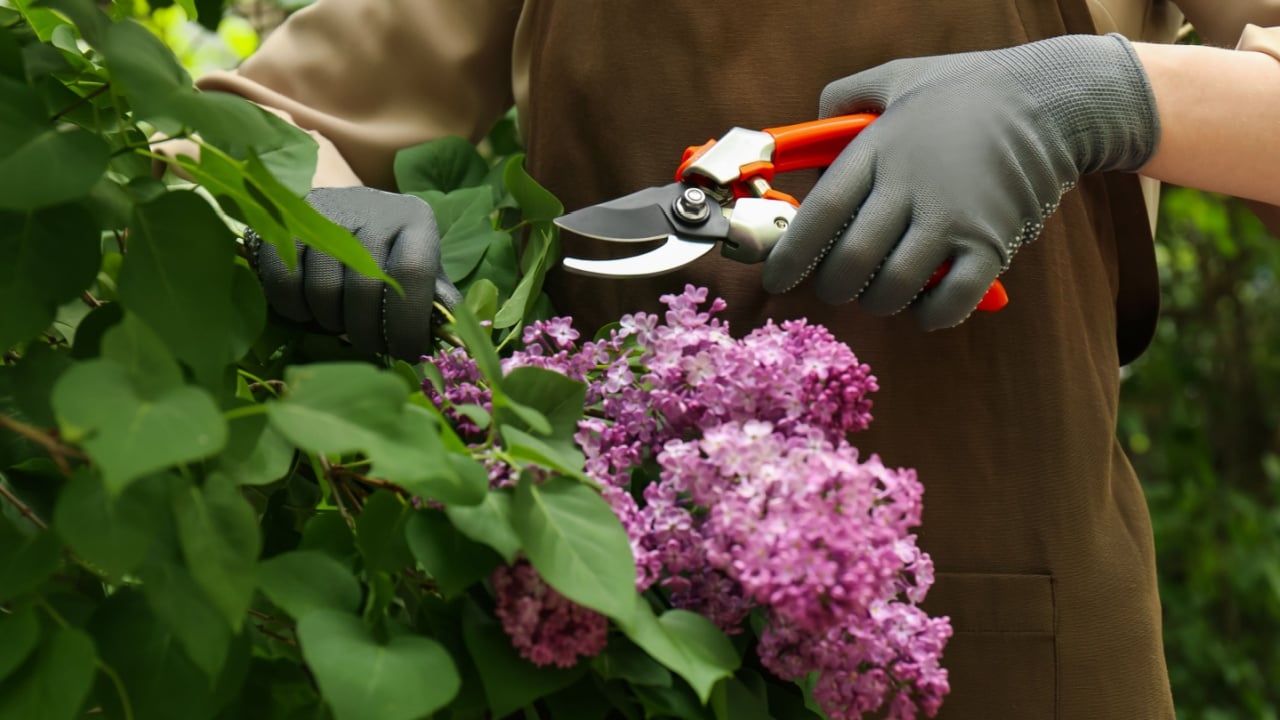
Every spring, gardeners prune their lilacs, forsythias, azaleas, and rhododendrons with the best of intentions, and every spring those shrubs produce no blooms. This is one of the most heartbreaking and entirely avoidable spring gardening mistakes.
Jim Lapic, a master gardener with the Penn State Master Gardener Program, explains in House Beautiful that spring-flowering shrubs set their buds during the previous year’s growing season. Pruning in early spring means cutting off every flower bud before it ever has the chance to open. You will have to wait an entire year to see blooms again.
The general rule of thumb is to enjoy the flowers first, then prune these shrubs within a few weeks after flowering ends, typically in May or early June.
3. Stop Planting Warm-Season Vegetables Too Early
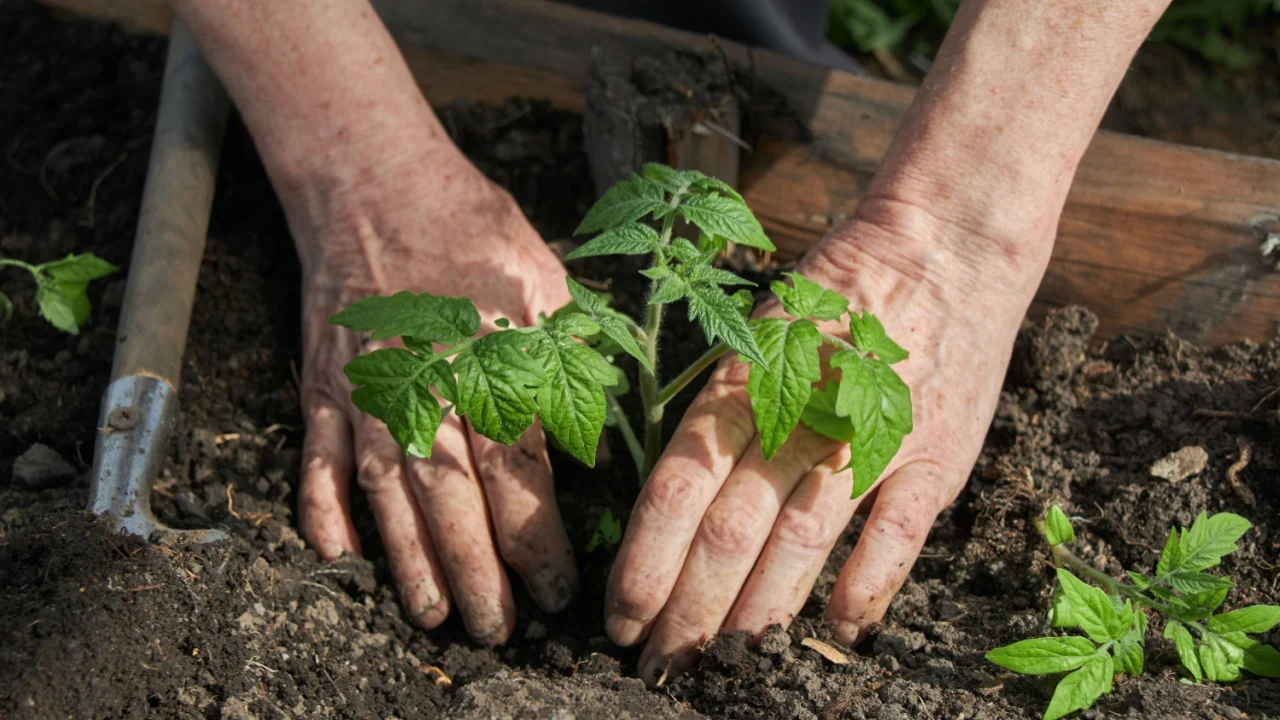
That warm weekend in late March is lying to you. Tomatoes, peppers, cucumbers, and basil belong in the ground only when soil temperatures consistently hold above 60°F and nighttime lows stay reliably above 50°F.
The Old Farmer’s Almanac, which has been guiding American gardeners since 1792, offers a free frost date calculator by zip code that removes all the guesswork. The Almanac is direct on this point: wet soil causes seed rot, and cooler temperatures prevent root development and stunt plant growth.
Seedlings put in the ground weeks before conditions are ready are often overtaken by plants set out later in genuinely warm soil.
4. Never Skip Hardening Off Your Seedlings
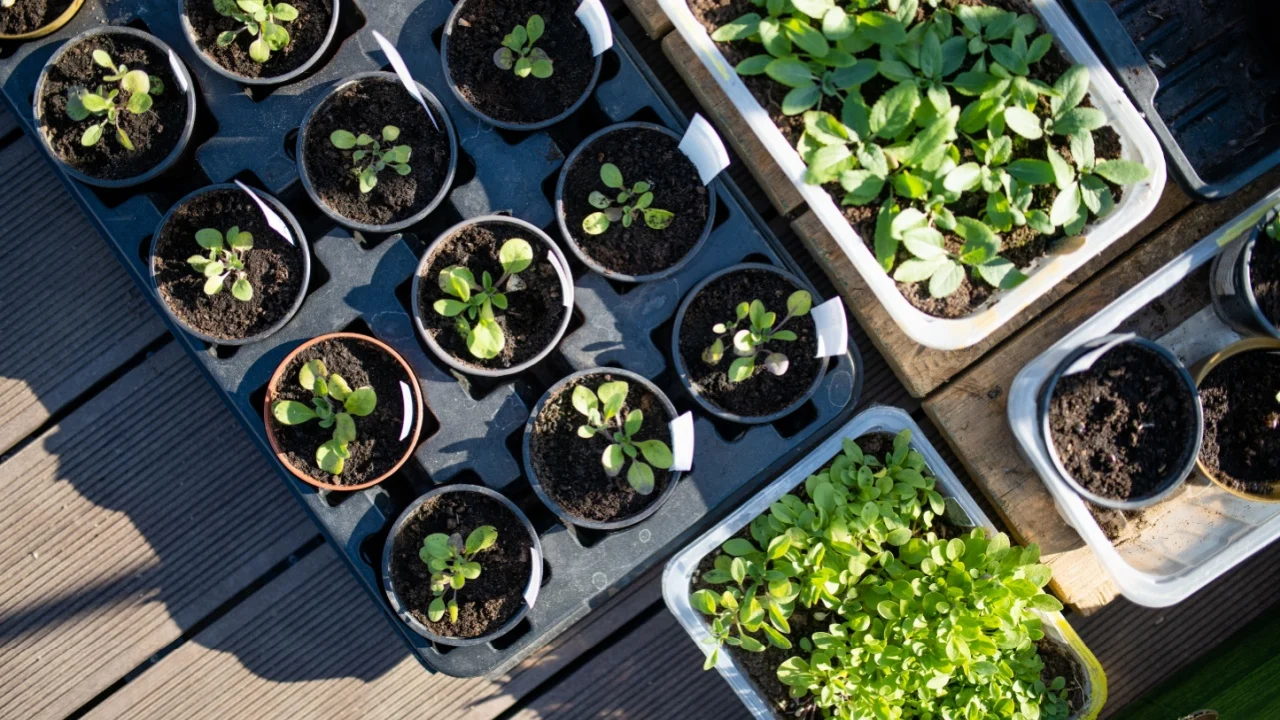
Indoor seedlings have never felt direct sun, wind, or temperature swings. Their leaves have thin cuticles, and their stems are soft. Moving them straight from a kitchen windowsill to a garden bed on a bright spring afternoon causes immediate environmental shock that can stunt growth permanently, or kill the plant outright.
According to Cornell Cooperative Extension, the transition from protected growing conditions to full outdoor exposure is genuinely stressful for young plants. The hardening-off process should take seven to fourteen days: start with two to three hours in a shaded, sheltered spot and increase outdoor time and sun exposure gradually each day.
Transplanting in the evening or on an overcast day reduces shock considerably.
5. Stop Fertilizing Before Your Plants Are Ready
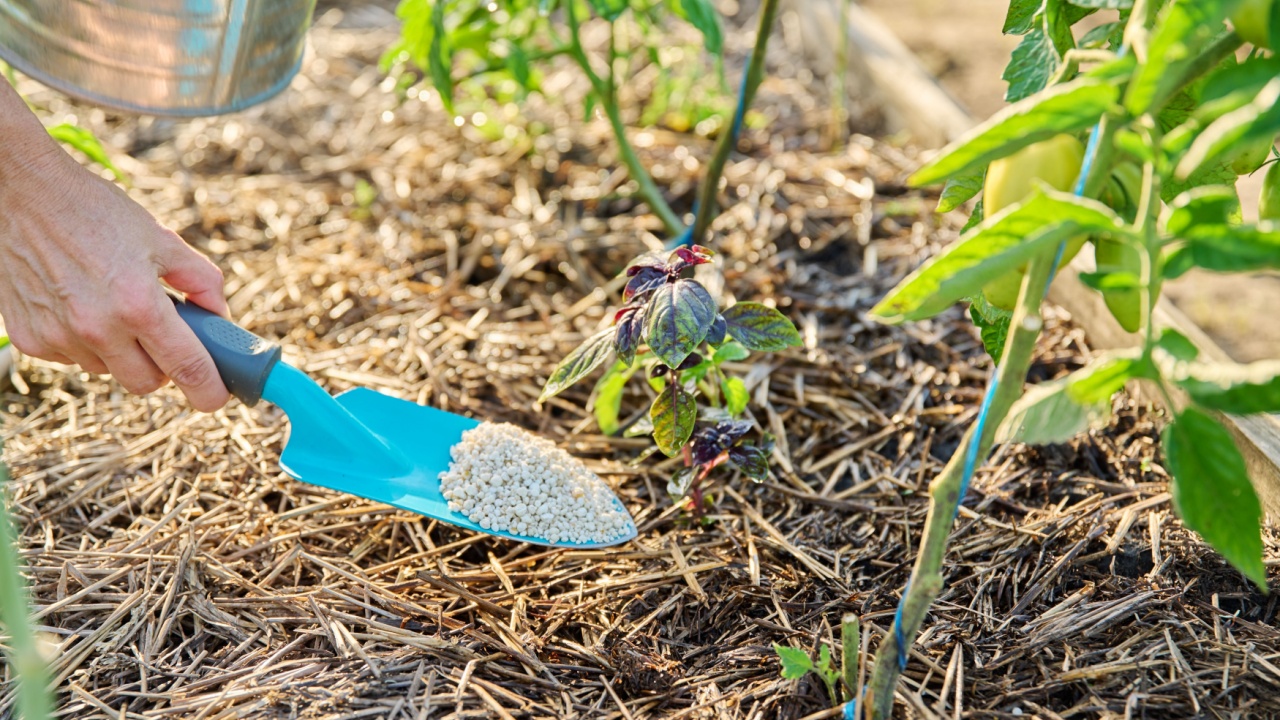
Feeding your garden in early spring feels like a head start. It is usually the opposite. Applying nitrogen-heavy fertilizer before plants are actively growing pushes soft, tender new growth that a late April frost can kill overnight.
Nutrients applied to cold soil do not get absorbed; they leach away with rain, wasting your money and potentially contributing to runoff.
Penn State Extension advises waiting until soil temperatures reach at least 55°F before fertilizing lawns, and until garden plants show several inches of steady new growth before applying any fertilizer to beds.
6. Stop Overwatering in Cool Spring Weather
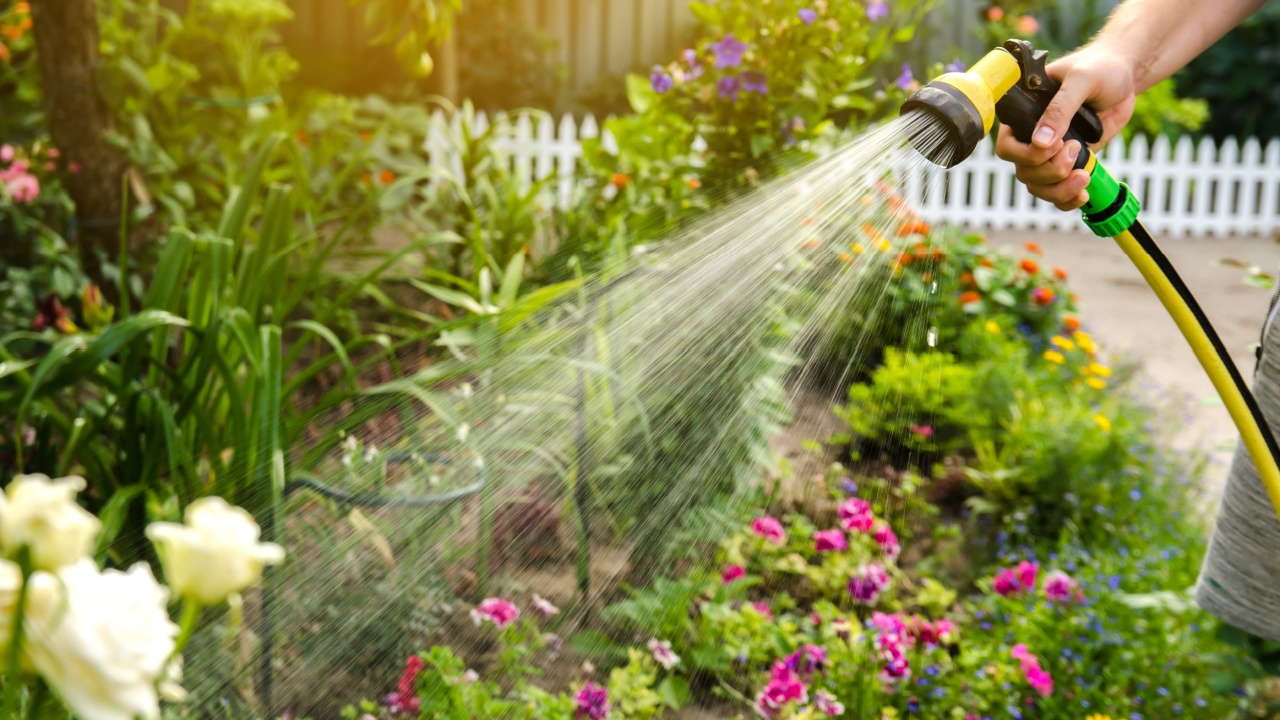
Overwatering is the most common gardening mistake of all, according to UC Cooperative Extension, and spring is the season when it most often happens. Cool temperatures cause plants to retain moisture naturally, and spring rainfall does much of the work for you.
The standard guidance is to check the soil to a depth of about two inches before reaching for the hose. If the soil is still moist at that depth, the plants do not need water. When you water, water deeply and infrequently to encourage roots to grow downward. Shallow, daily watering produces shallow, vulnerable root systems.
7. Never Mulch Too Early
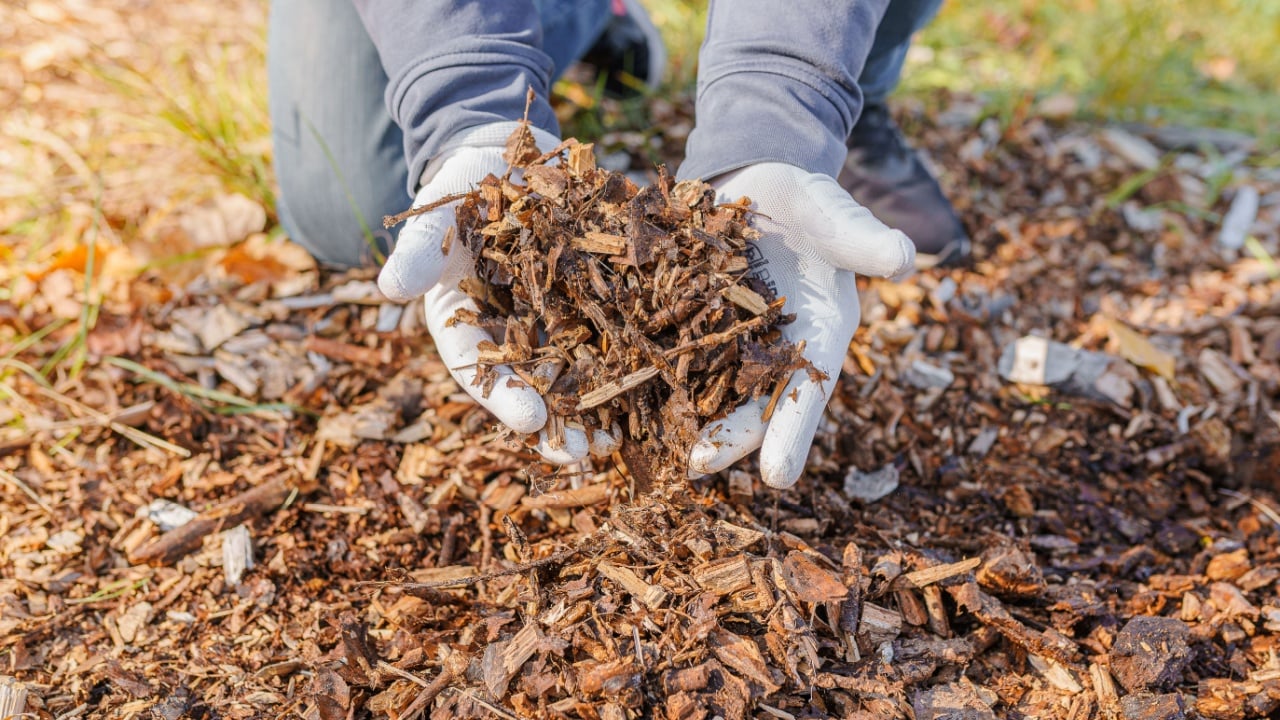
Mulching too early in spring is a mistake gardeners rarely hear about. Applying a thick layer before the soil has warmed to at least 55°F insulates the cold into place, slows the warming process plants need to begin growing, and can smother emerging perennial shoots that are trying to push through the surface.
Wait until mid to late spring, after perennials have emerged and the soil feels warm to the touch.
Then apply two to three inches of organic mulch around plants, keeping it away from stems and crowns. Gardeners who skip mulching entirely spend significantly more time watering and weeding all summer; a well-mulched bed retains moisture far more effectively than bare soil.
8. Stop Sending Leaves to the Landfill
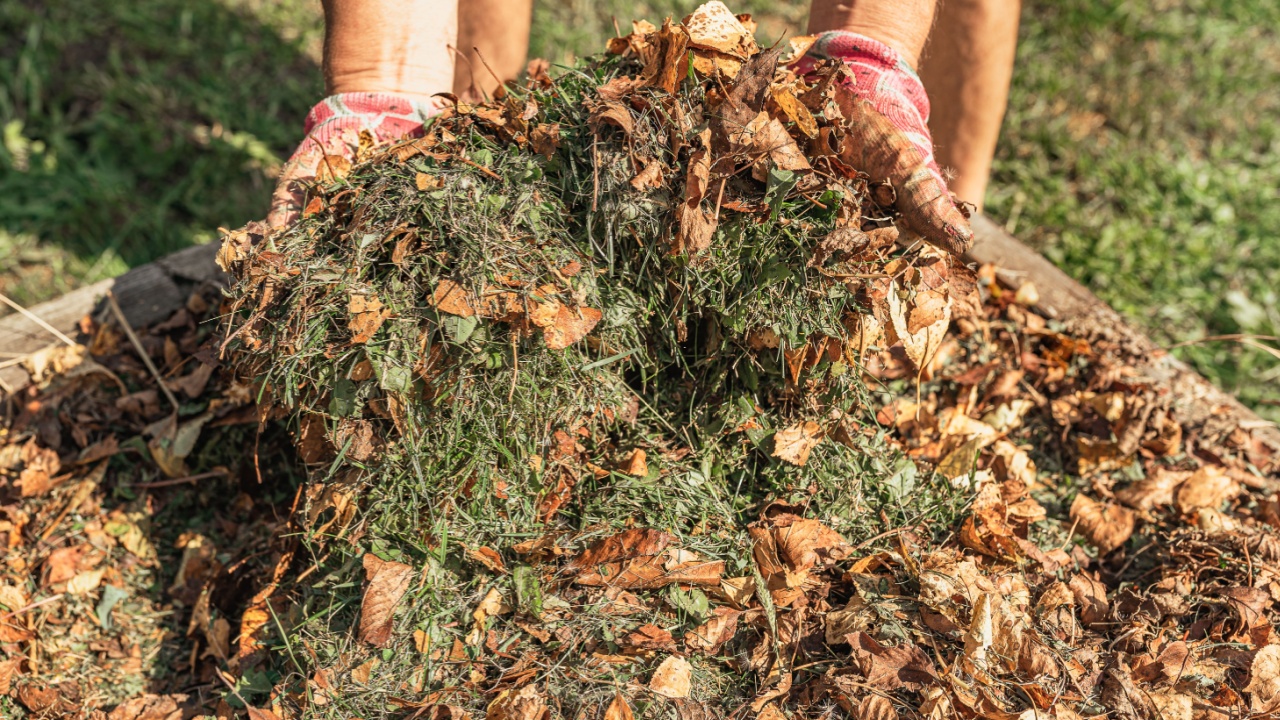
Those leaves still sitting in your beds from last fall? Do not bag them. Leaves used as mulch in landscape beds break down to enrich the soil, improve moisture retention, and reduce waste.
Mowing over leaves and leaving them on the lawn, or adding them to a compost bin, recycles nutrients your garden would otherwise have to get from a bag.
There is also an ecological case for leaving leaf litter and hollow stems until daytime temperatures consistently reach 50°F: many native bees and beneficial insects overwinter inside them, and removing those materials too early destroys habitat that supports your own pollinators.
9. Stop Ignoring a Soil Test

Adding fertilizer without knowing your soil’s current makeup is, as the University of Illinois Extension puts it, like taking a random product off the drugstore shelf for a headache. It is unlikely to work and could make things worse.
Casey Hentges, Oklahoma State University associate Extension specialist in horticulture, says in the High Plains Journal that the most common fertilization mistakes are not testing before applying, believing more is always better, and repeating the same habits year after year, expecting different results. A test from your county Extension office costs only a few dollars and removes all the guesswork.
10. Stop Putting the Wrong Plant in the Wrong Place
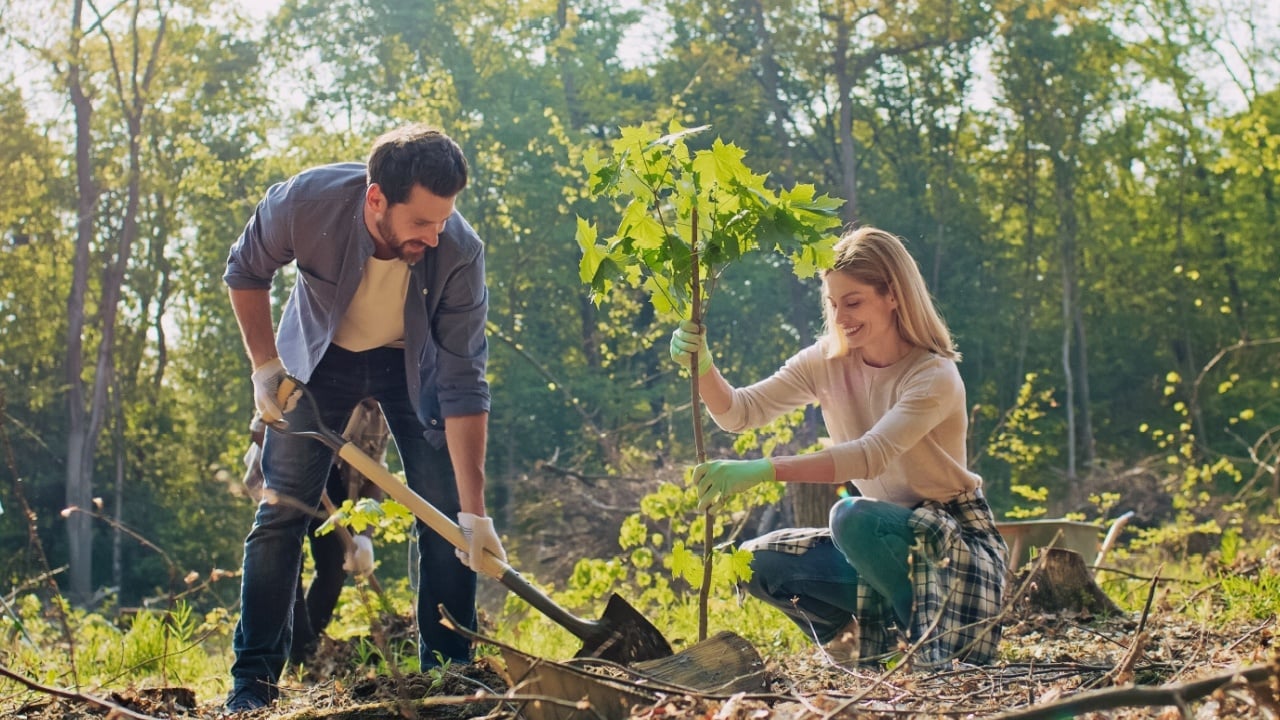
‘Right plant, right place’ is the oldest mantra in professional horticulture, and it is the one most consistently ignored by home gardeners. A full-sun perennial placed in shade will grow spindly and rarely bloom.
A shade plant in full sun will wither. Soil texture, drainage, and moisture levels matter equally: plant tags rarely provide enough information, which is why checking your state’s Extension service website before purchasing is worth the few extra minutes.
11. Stop Overcrowding Your Plants
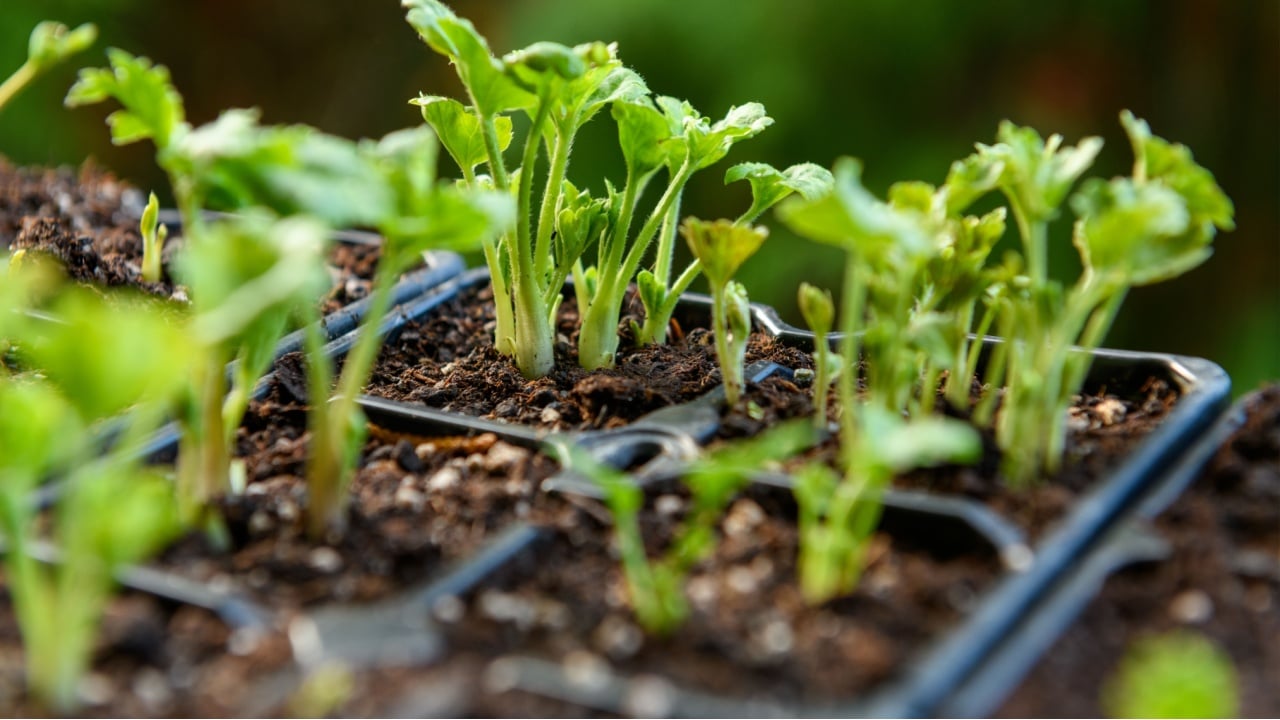
Spacing recommendations on plant tags exist for a reason, and ignoring them is a mistake that tends to look fine for a year or two before it collapses. As plants reach mature size, poor air circulation sets in, disease spreads, roots compete for water and nutrients, and weaker plants decline.
Trees and large shrubs planted too close to structures are the hardest version of this problem to fix; moving an established tree is expensive and often futile.
12. Don’t Buy Plants Only When They’re in Bloom
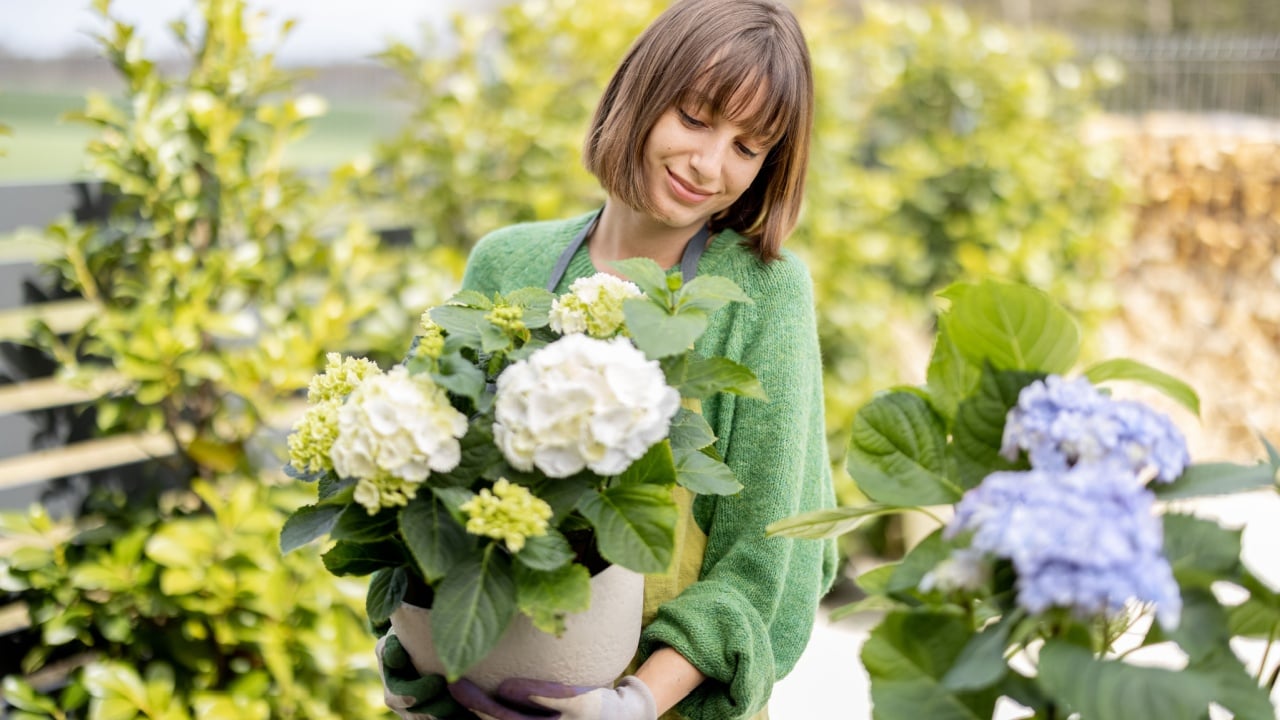
Garden centers push plants that are currently flowering because they sell easily. Buying all your plants in one spring shopping trip almost guarantees a garden that peaks in April and is uninspiring from June onward.
Choose a selection that includes plants blooming across all three seasons, including some that offer winter interest (ornamental grasses, evergreen shrubs), and make a habit of visiting the nursery in summer and fall, not only in spring.
13. Stop Planting Invasive Species
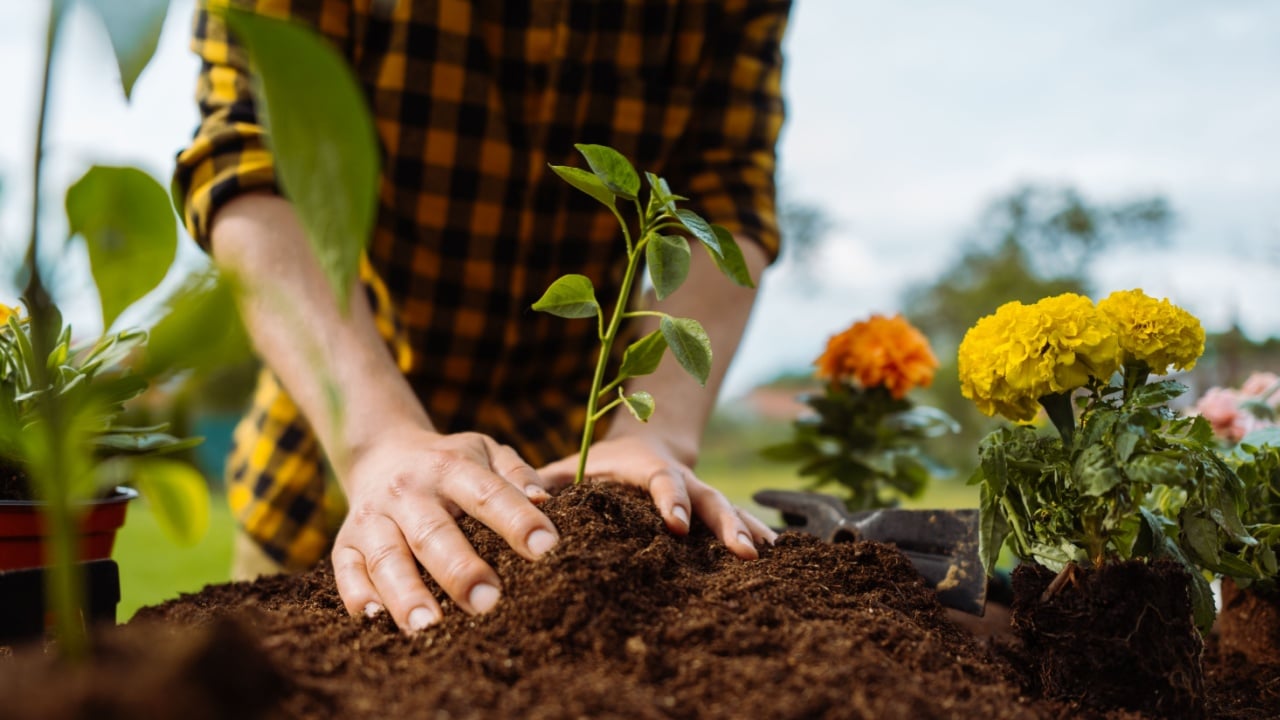
Many invasive plants are sold at mainstream garden centers without adequate warning. English ivy, autumn olive, privet, Bradford pear, and rose of Sharon are among the most common offenders. Once established, most are extremely difficult to remove, will overtake neighboring properties, and in some states carry legal liability.
Before planting anything unfamiliar, check your state’s Extension service or native plant society for an invasive species list. And as experienced gardeners frequently warn, think twice before accepting a free plant from a neighbor. If it spreads prolifically in their yard, it will spread in yours.
14. Don’t Plant Trees Too Deep
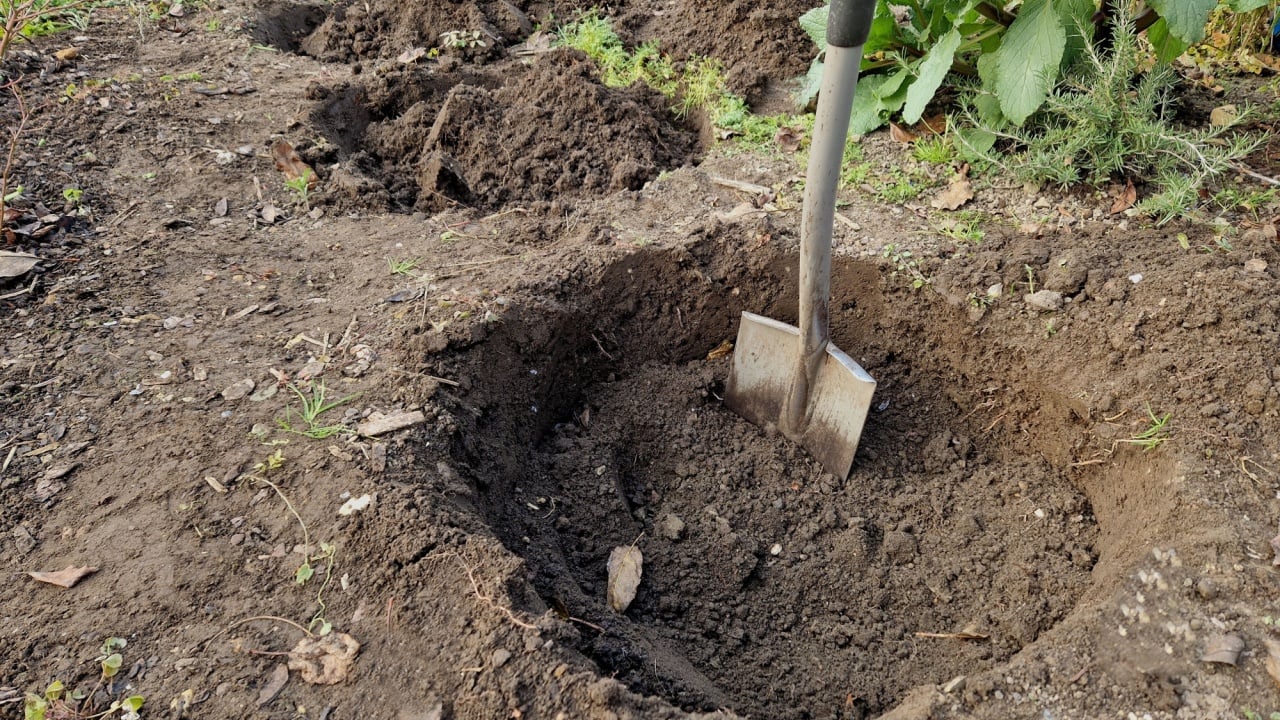
University of Illinois Extension calls this the most common and most costly tree-planting mistake. Many young nursery trees are even potted too deeply in the containers you buy them in.
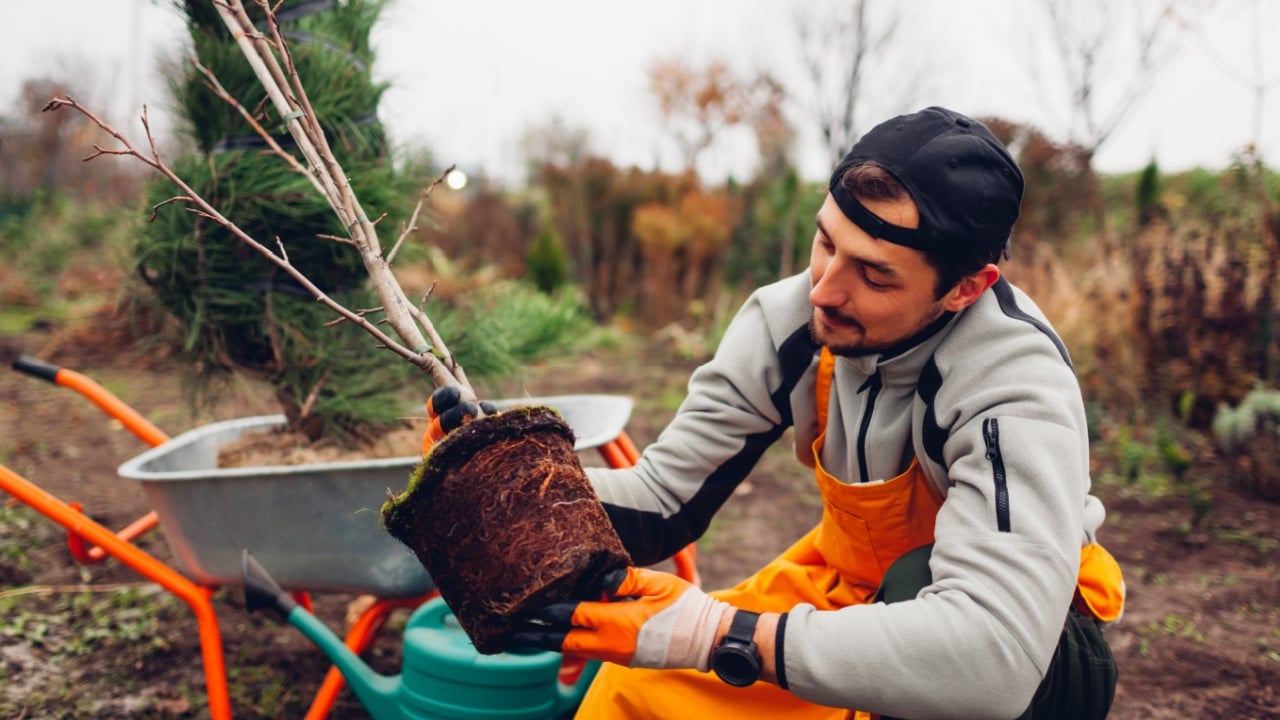
When planting, locate the root flare (the point where roots begin to spread outward from the trunk) and place it exactly at soil level. Planting too deeply buries that transition zone, invites rot, restricts oxygen to roots, and can slowly kill the tree over the years.
15. Stop Scalping Your Lawn
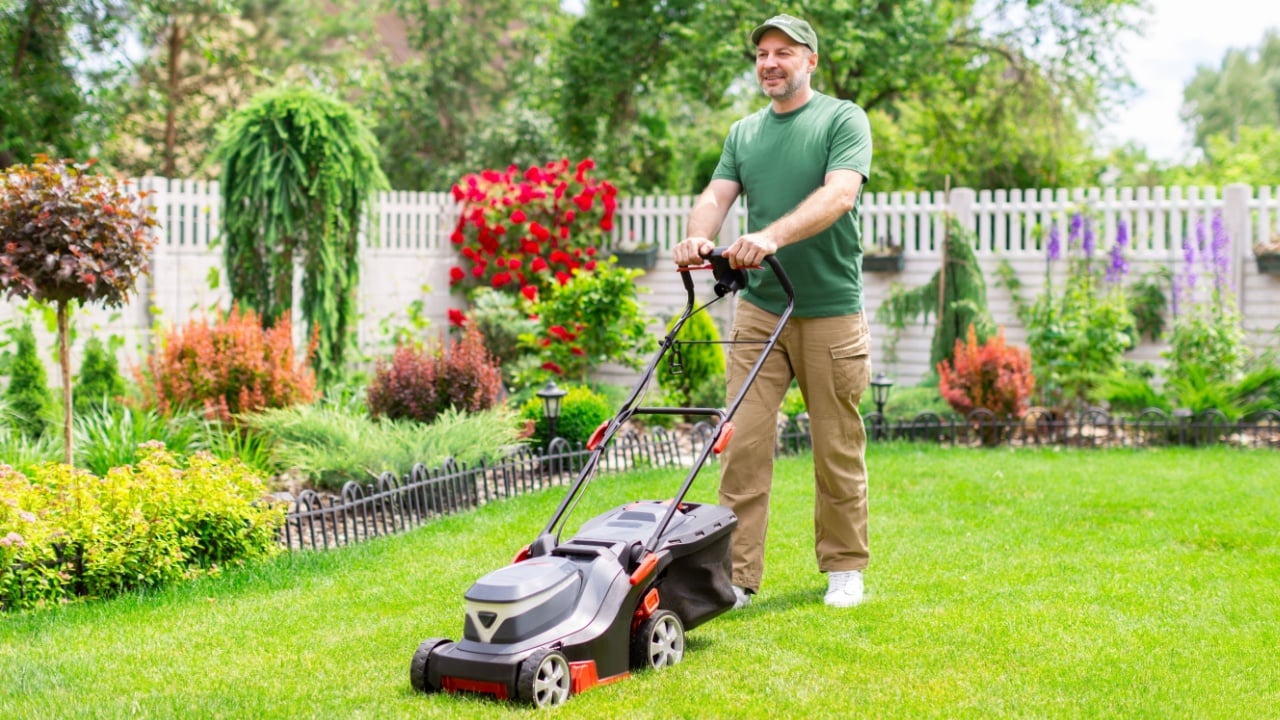
Cutting grass too short in early spring weakens roots and creates ideal conditions for weeds to take over bare or thin patches.
The one-third rule is the standard professional guideline: never remove more than one-third of the grass blade at any single mowing. Starting high in spring and gradually adjusting the cutting height as the season progresses keeps the lawn dense enough to crowd out weeds naturally.
16. Never Skip Pre-Emergent Weed Control

By the time you see weeds, they have already won the first round. Pre-emergent treatments must go down before soil temperatures consistently reach 55°F; once that threshold is crossed, germination is already underway, and pre-emergents lose their effectiveness.
Getting ahead of weeds before they sprout is far less work and far less expensive than managing a full infestation in May.
17. Stop Taking on Too Much Too Soon
This mistake does not kill plants directly, but it kills gardens indirectly, through neglect and burnout. Casey Hentges of Oklahoma State University Extension describes the spring mindset as being like a New Year’s resolution: optimistic gardeners routinely plan more than they can maintain, and the result is a garden that peaks early and deteriorates when April’s enthusiasm cannot be sustained through July.
Start small, especially if you are new to gardening. A well-maintained 100-square-foot bed will produce more joy and more produce than a sprawling 500-square-foot garden that overwhelms you by June.
18. Never Remove Winter Mulch All at Once
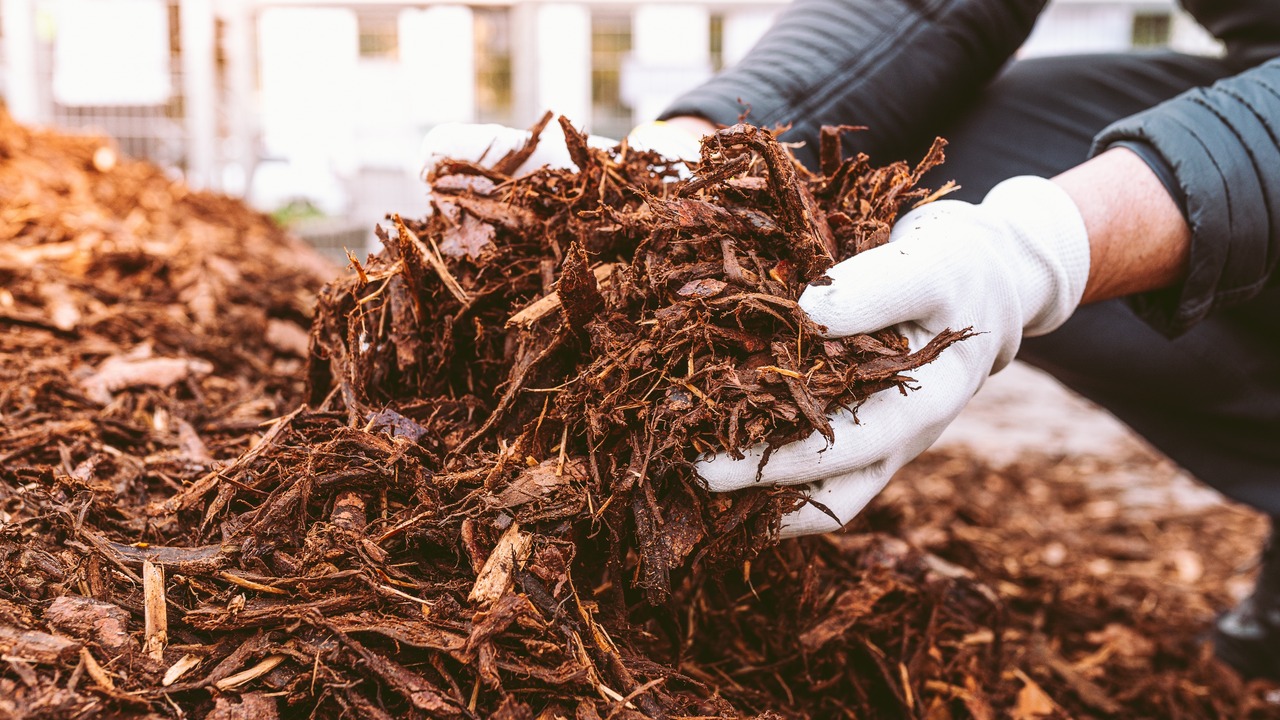
Pulling back all of your winter mulch on the first warm April day exposes tender plant crowns, perennial shoots, and shallow-rooted shrubs to late-season cold snaps that can still arrive well into May in many parts of the country. The smarter approach is to loosen the mulch in stages over two to three weeks, allowing air to circulate while maintaining protection.
Linda Langelo, extension and horticulture specialist at Colorado State University, notes in House Beautiful that many gardeners underestimate how long cool-season conditions persist into what feels like spring. Once nighttime lows consistently stay above freezing and daytime temperatures hold above 50°F, you can safely remove winter mulch entirely and refresh beds with a new two-to-three-inch layer for the growing season.
One More Thing Your Garden Needs This April
After more than two centuries of helping American gardeners, the Old Farmer’s Almanac still offers the most reliable free tool for avoiding spring planting mistakes: the Frost Date Calculator at almanac.com, which gives your last average frost date by zip code and takes the guesswork out of knowing when it is genuinely safe to plant.
Pair that with a $12 soil thermometer, and you have everything you need to stop making the mistakes that quietly cost home gardeners hundreds of dollars and a full season of growth every April.
The garden that wins in June is rarely the one that rushed in March.
Read more:
Why wildlife experts are telling people to take down their bird feeders
Plant these 10 companion plants with your tomatoes — and stop planting these 4