Stock Up Now: 7 Foods Expected to Go Up in Price in 2026
If you’ve felt the sting of a higher total at the checkout counter lately, you aren’t alone. While general inflation has shown signs of cooling, food economists and the USDA are warning that 2026 will bring specific “sticker shock” for several kitchen staples. A combination of historic droughts, disease outbreaks like avian flu, and rising packaging costs means that your grocery budget may need a serious tune-up.
To help you plan instead of react, we looked at recent forecasts to spot the items most likely to climb next. Below are seven foods worth buying ahead of time while prices are still relatively steady.
1. Beef and Red Meats
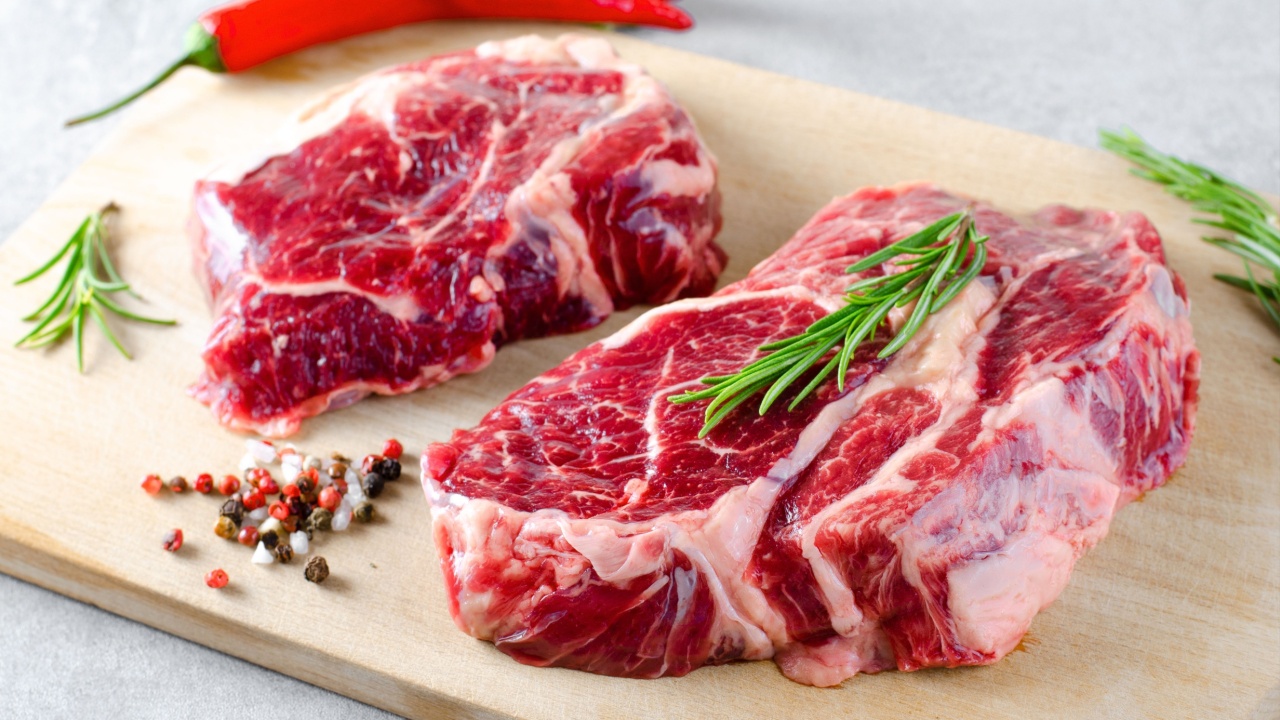
The primary driver for high meat prices in 2026 is the shrinking size of the U.S. cattle herd, which has reached historic lows. Years of persistent drought in the Midwest have forced ranchers to sell off cattle they couldn’t afford to feed, leading to a supply squeeze that is just now hitting the retail level.
Analysts from the USDA Economic Research Service (ERS) forecast that beef and veal prices will grow significantly faster than their 20-year historical average. Buying in bulk now (especially larger cuts like roasts or loins) locks in today’s prices.
2. Eggs and Poultry
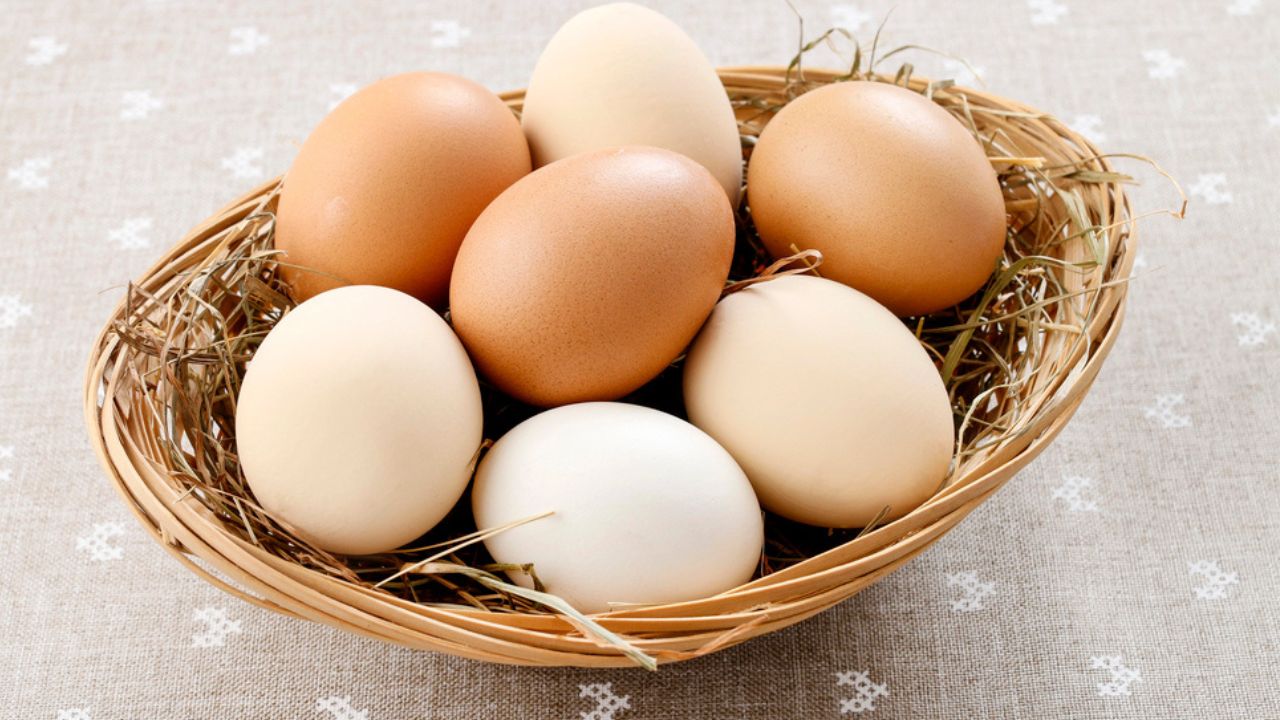
The poultry aisle remains highly volatile due to ongoing outbreaks of avian influenza (bird flu). When flocks are culled, chicken meat supplies drop instantly, and demand keeps prices elevated. USDA economists expect poultry prices to rise faster than the long-term average in 2026.
Eggs, however, may see a slightly different trajectory. After record highs in 2023–2024, prices eased as flocks were rebuilt. Analysts caution that while outbreaks can still cause sudden spikes, egg prices are more likely to stabilize compared to poultry meat.
While you can’t stockpile fresh eggs indefinitely, you can freeze whisked eggs or egg whites for baking. For poultry, buying family packs and freezing portions remains the best hedge against future increases.
3. Coffee and Sugar
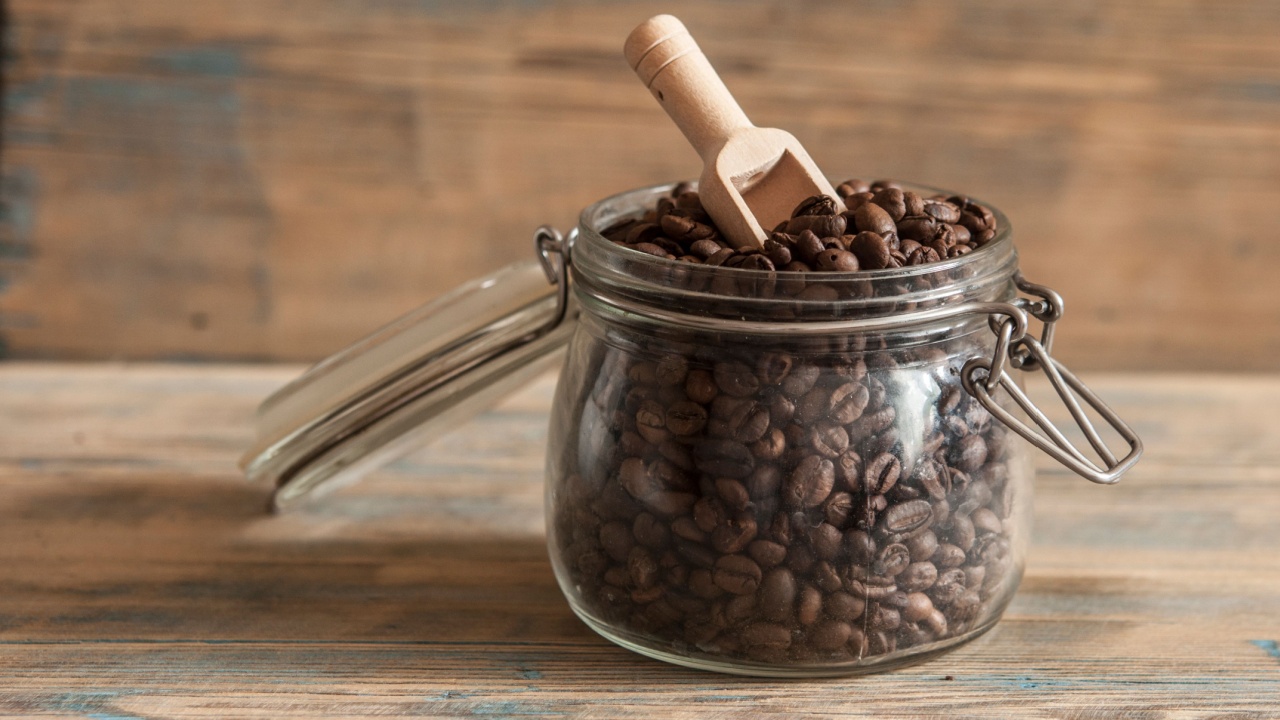
Climate disruptions in major producing countries like Brazil and Vietnam have decimated coffee harvests, while sugar markets are feeling the squeeze of higher processing and import costs.
The ERS notes that non-alcoholic beverages (led by coffee and soda) are one of the four categories predicted to see the sharpest growth in 2026. Luckily, both coffee and sugar have long shelf lives. Buying coffee beans in bulk or grabbing extra bags of sugar during holiday sales can save you 20-30% over the course of the year.
4. Canned Staples (Soup, Tuna, and Beans)
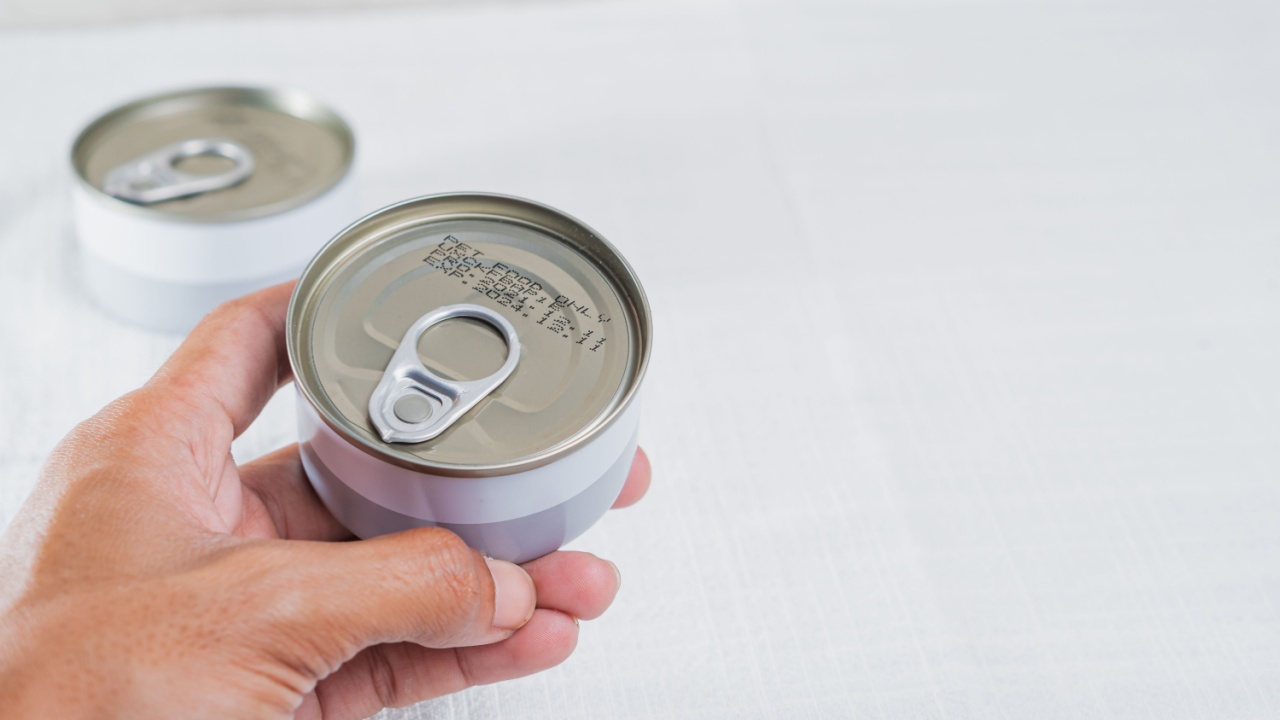
Interestingly, the price of these items isn’t just rising because of the food inside, but because of the outside. Rising costs for metal (aluminum and steel) and global shipping have made canned goods more expensive to produce.
Since these are the ultimate “safety net” foods, a 10-15% increase can significantly impact low-budget meal planning.
5. Dairy Products (Milk and Cheese)
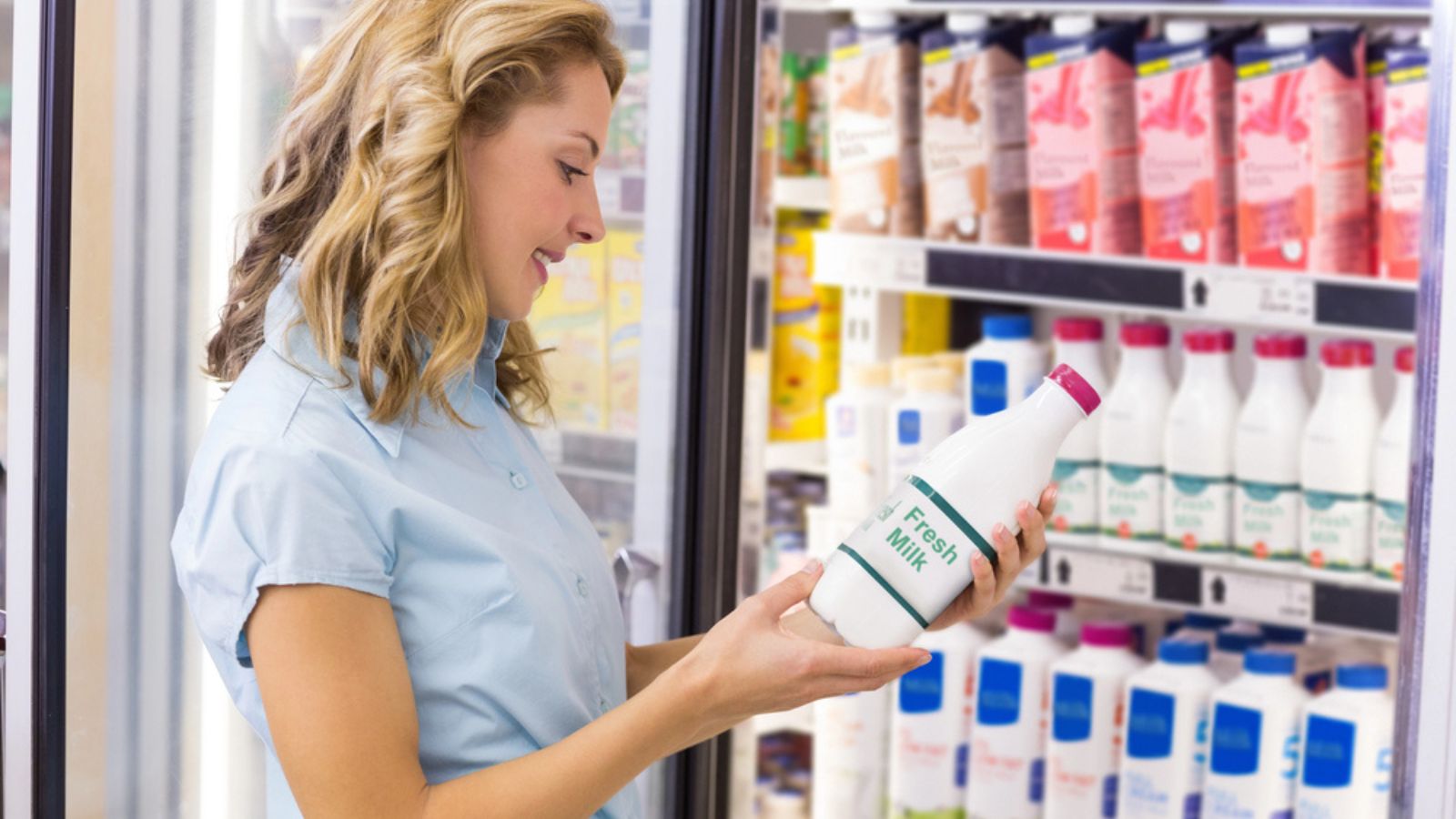
The same avian flu affecting poultry has recently been detected in dairy cattle herds. While the impact on milk supply is less drastic than in chickens, it still adds a layer of “production friction” that analysts say will lead to higher cheese and butter prices in 2026.
Hard cheeses (like cheddar or parmesan) and butter freeze remarkably well. If you see a “buy one, get one” deal on blocks of cheese, grab them.
6. Bread and Cereal Grains
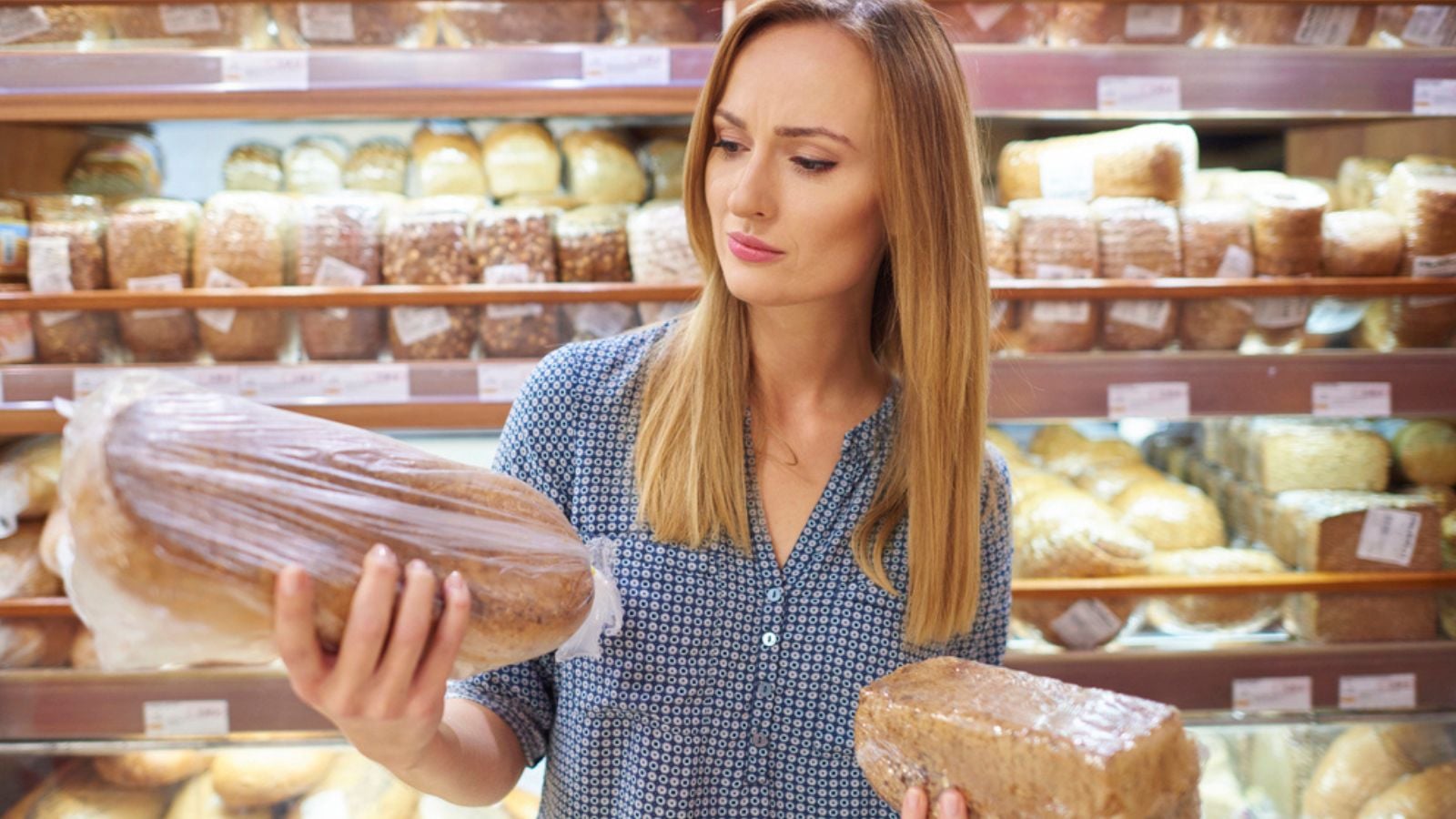
The cost of bread is highly sensitive to “input costs” like fuel and fertilizer. With energy prices remaining unpredictable and climate-related disruptions affecting wheat harvests globally, staples like bread, flour, and cereal are expected to trend upward.
Flour and dry grains (like rice or oats) are incredibly cheap when bought in 10- or 20-pound bags compared to small canisters.
7. Fresh Produce (Lettuce and Berries)
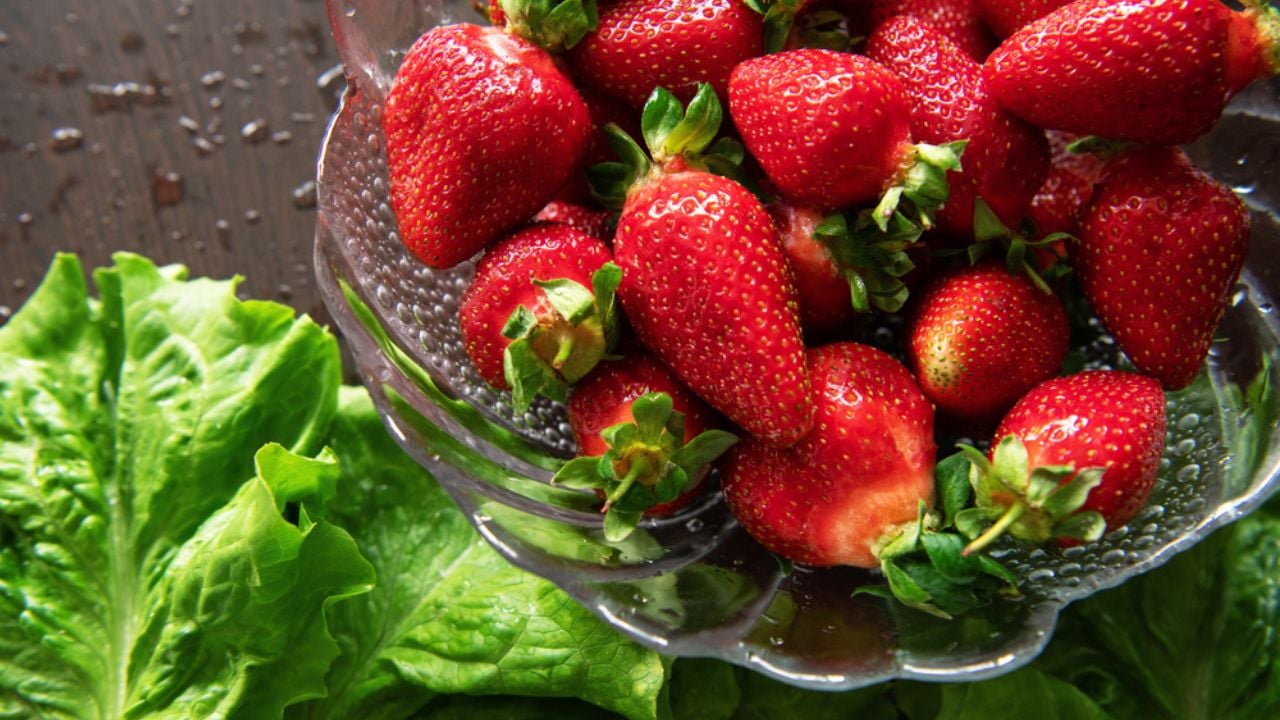
Leafy greens and seasonal fruits are becoming the “canaries in the coal mine” for climate change. Extreme weather in concentrated growing regions (like California’s Central Valley) has led to extreme price volatility.
Experts noted that items like cauliflower and lettuce saw some of the most significant price swings last year, a trend set to continue. While you can’t stock up on “fresh” lettuce, you can pivot to frozen vegetables, which are picked at peak ripeness and have a much lower price-per-ounce.
Planning Ahead Pays Off
Grocery shopping in 2026 rewards foresight. Prices move too quickly for last-minute trips, and waiting until shelves are empty often means paying more than necessary. A steadier approach helps protect both your budget and your routine.
Take stock of what you already have and plan meals around it before buying more. Simple storage upgrades make it easier to buy essentials when prices dip and use them over time.
Store apps and digital coupons are now part of basic planning, especially for items that see frequent price jumps. When you shop, focus on core staples that support most of your meals instead of impulse extras.