4 Steps to Sparkly Clean Stainless Steel
Stainless steel appliances and cookware bring a certain modern gleam to a home. They are durable, long-lasting, and look fantastic when they are clean. But fingerprints, water spots, and mysterious smudges can quickly tarnish that professional look.
Keeping these surfaces pristine should neither be a constant battle nor a frustrating chore. With a few simple techniques and household items, you can maintain that brilliant shine.
Here are four straightforward processes for cleaning, protecting, and restoring your stainless steel items.
1. Check the Manufacturer’s Instructions

Before reaching for any cleaning agent, the first step is a bit of homework. Reading the manufacturer’s manual for your appliance or cookware is the safest approach. Stainless steel is not all the same; it comes in different grades and finishes. For instance, grade 304 is common in kitchen sinks and appliances due to its high resistance to corrosion and rust. Grade 430, which is magnetic, is often used for the exterior panels of refrigerators and dishwashers.
These differences can affect how the surface reacts to certain cleaners. Some modern appliances also have a special fingerprint-resistant coating that can be damaged by abrasive materials or harsh chemicals. The manual will specify what to use and, more importantly, what to avoid
Quick Guide:
- Consult the Manual: Always review the manufacturer’s care instructions first.
- Know Your Steel: Identify the grade and finish of your appliance.
- Check for Coatings: Be aware of special finishes, like fingerprint-resistant layers, that require specific care.
- Follow Recommendations: Use cleaners suggested by the manufacturer to avoid voiding warranties or causing damage.
2. Use Proper Daily Cleaning Techniques and Materials
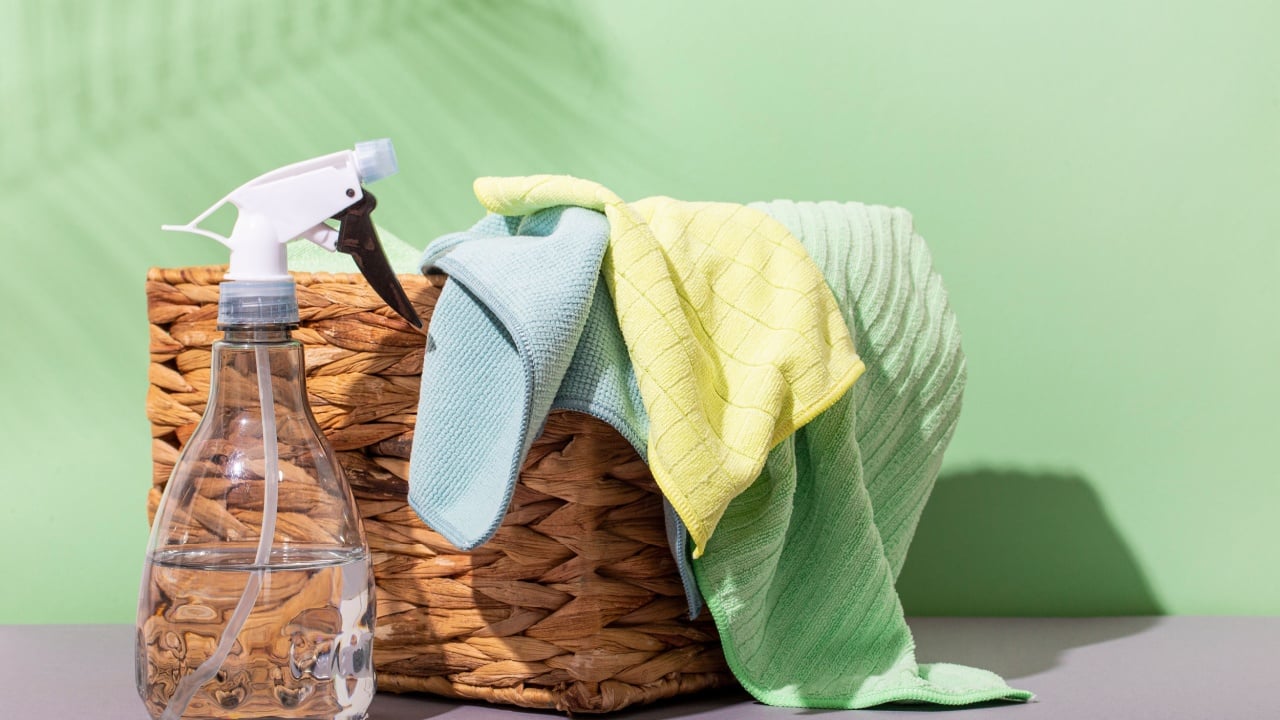
For routine maintenance and tackling everyday grime, a simple and gentle approach is most effective. Regular cleaning prevents the buildup of grease and food particles that can become more difficult to remove later. The best tools for this job are a soft microfiber cloth and warm water.
Distilled water is a great option because it contains no minerals, which are the culprits behind hard water spots and streaks. Simply dampen the cloth, wring out the excess water, and wipe the surface. A crucial detail is to always wipe in the direction of the grain. Look closely at the stainless steel, and you will see faint lines running in one direction, either horizontally or vertically. Wiping with the grain helps to clean inside these tiny grooves and prevents fine scratches from appearing.
Quick Guide:
- Gentle Tools: Use warm (distilled, if possible) water and a microfiber cloth.
- Wipe with the Grain: Observe the direction of the steel’s grain and wipe along it.
- Dry Immediately: Use a separate, dry, lint-free cloth to buff the surface dry and prevent water spots.
- Dish Soap for Grease: For light grease, add a drop or two of mild dish soap to the water, then rinse and dry.
3. Get Rid of Stains Naturally
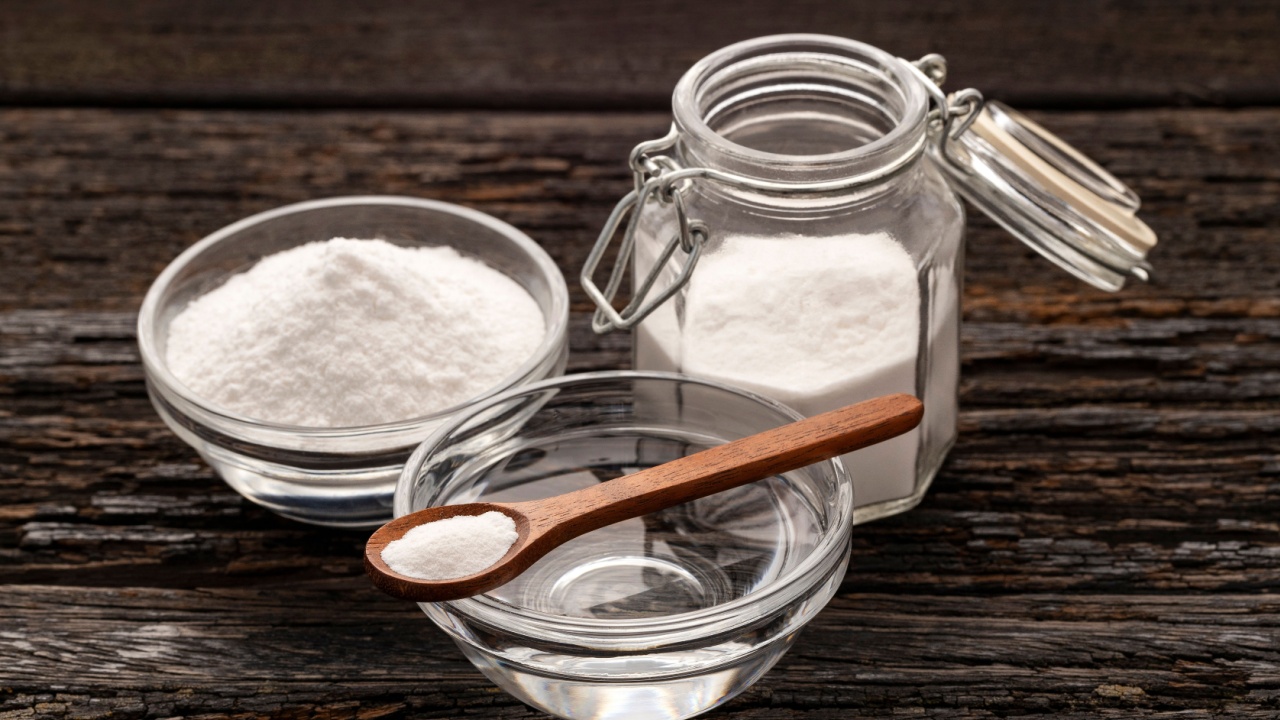
Sometimes, a simple wipe-down isn’t enough. Stubborn stains, caked-on food, and greasy buildup require a bit more effort. For these tougher jobs, a paste made from baking soda and water is an excellent solution. Baking soda is a mild abrasive that can lift stains without being overly harsh on the steel’s surface.
Mix water and baking soda to form a thick paste, like toothpaste. Apply it to the stain and let it sit for a few minutes. Gently rub the paste along the grain of the steel with a soft cloth or sponge; avoid vigorous scrubbing to prevent scratches. Rinse thoroughly with a damp cloth to remove residue, then dry completely. For stains on the bottom of stainless steel pans, simmer crushed tomatoes for 30 minutes. The acid helps break down stains. Wash as usual afterward.
Quick Guide:
- Baking Soda Paste: Mix baking soda and water to create a paste for tough stains.
- Gentle Application: Apply the paste and rub gently along the grain.
- Rinse and Dry: Completely remove the paste residue with a damp cloth and dry the surface.
- Other Options: Use lemon juice for limescale on faucets or crushed tomatoes for pan discoloration. Avoid harsh scrubbers like steel wool.
4. Polishing and Shine
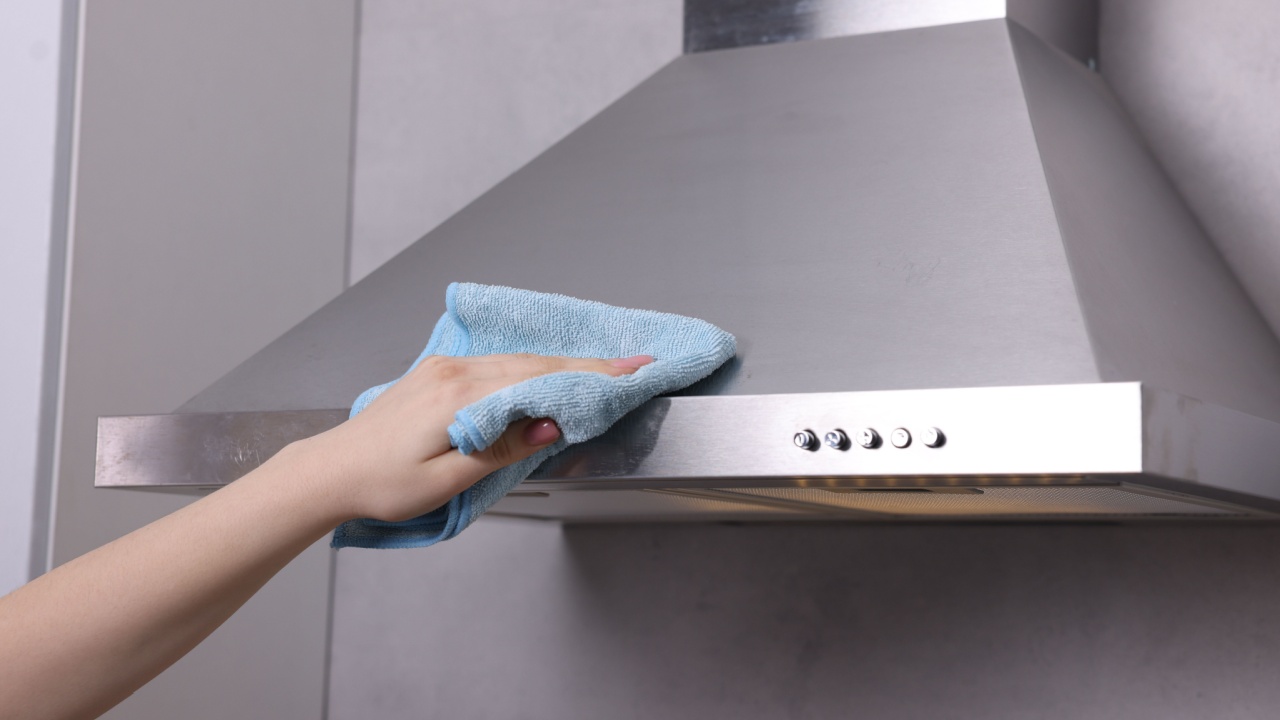
After your stainless steel is clean, a final polishing step can restore its luster and add a protective layer. This step helps to repel fingerprints and water spots, keeping the surface looking better for longer. A small amount of oil or vinegar is perfect for this. You can use food-grade mineral oil or even a few drops of olive oil.
Apply a small amount of oil (like mineral or olive oil) to a clean, dry microfiber cloth; using too much will leave a greasy finish. Buff the oil onto the surface in circular motions, then finish by wiping with the grain. For a pleasant scent, add a few drops of diluted essential oil, like lemon or orange, to the polishing oil. Alternatively, you can use an ammonia-free glass cleaner for a quick polish; spray it onto the cloth, not the appliance, and buff with the grain.
Quick Guide:
- Use Oil Sparingly: Apply a few drops of mineral or olive oil to a microfiber cloth.
- Buff to a Shine: Work the oil onto the surface in circular motions, then finish by wiping with the grain.
- Alternative Polishers: Ammonia-free glass cleaner or specific commercial stainless steel polishes can also be used.
- Protective Barrier: Polishing creates a barrier that helps repel future smudges and water spots.
Maintaining the Sparkle
Achieving and maintaining clean stainless steel is a straightforward process when you have the right techniques. The key is consistency. By incorporating daily wipe-downs into your routine, you can prevent the buildup that leads to bigger cleaning jobs.
For tougher stains, remember to be gentle. A final polish not only brings back that showroom shine but also provides a helpful protective layer. Moving forward, try to establish a rhythm for cleaning your stainless steel items. For example, wipe down appliance fronts at the end of each day and give cookware a thorough cleaning after each use.