Snow Day or Lazy Day: 5 Low-Cost Activities to Keep Kids Busy at Home
Whether you’re dealing with unexpected snow days or just want to spend a low-key day at home, these activities are lifesavers.
Keeping your kids entertained at home doesn’t have to involve screens or a lot of money. While boredom can make kids restless, it’s also a great chance for them to get creative. Simple, low-cost activities can help them think, improve their motor skills, and bring the family closer.
This list has plenty of budget-friendly ideas for all energy levels and interests. You probably already have everything you need at home, making these activities easy and stress-free to set up.
1. Arts and Crafts
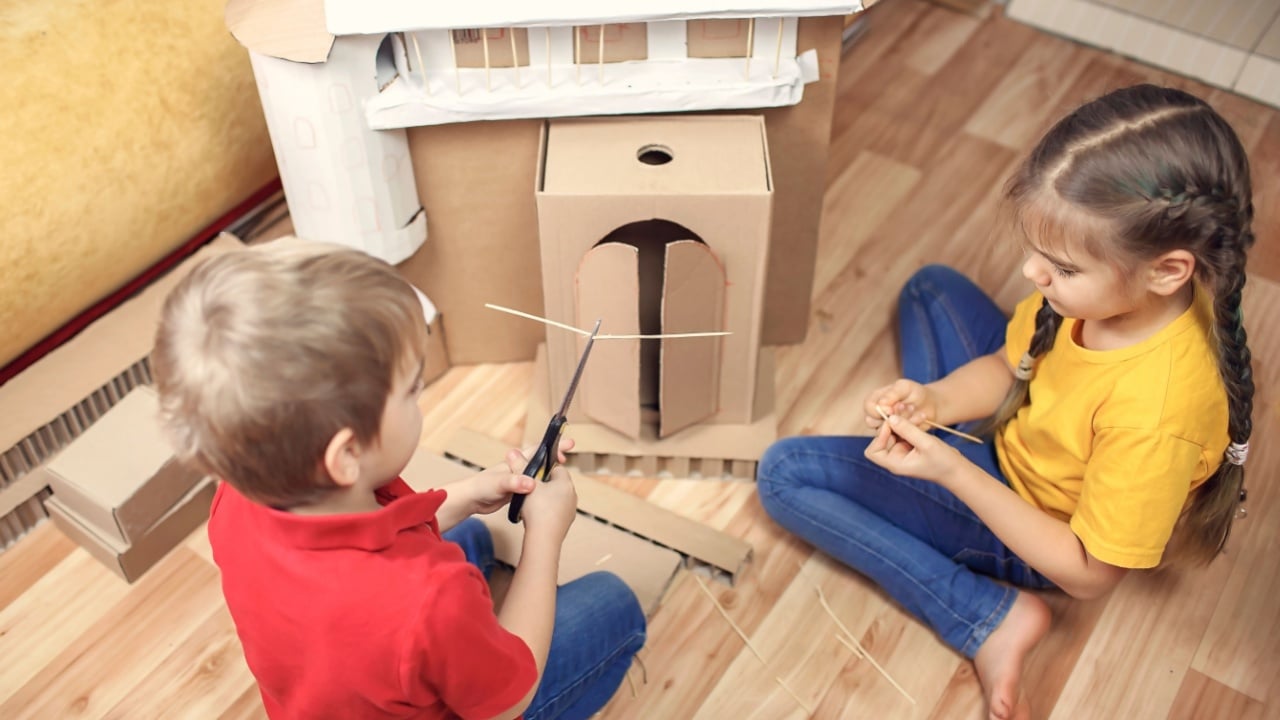
Art projects are a great way for kids to show their creative side and improve their hand-eye coordination. Plus, making art can help them learn to solve problems.
Build a Cardboard Dollhouse
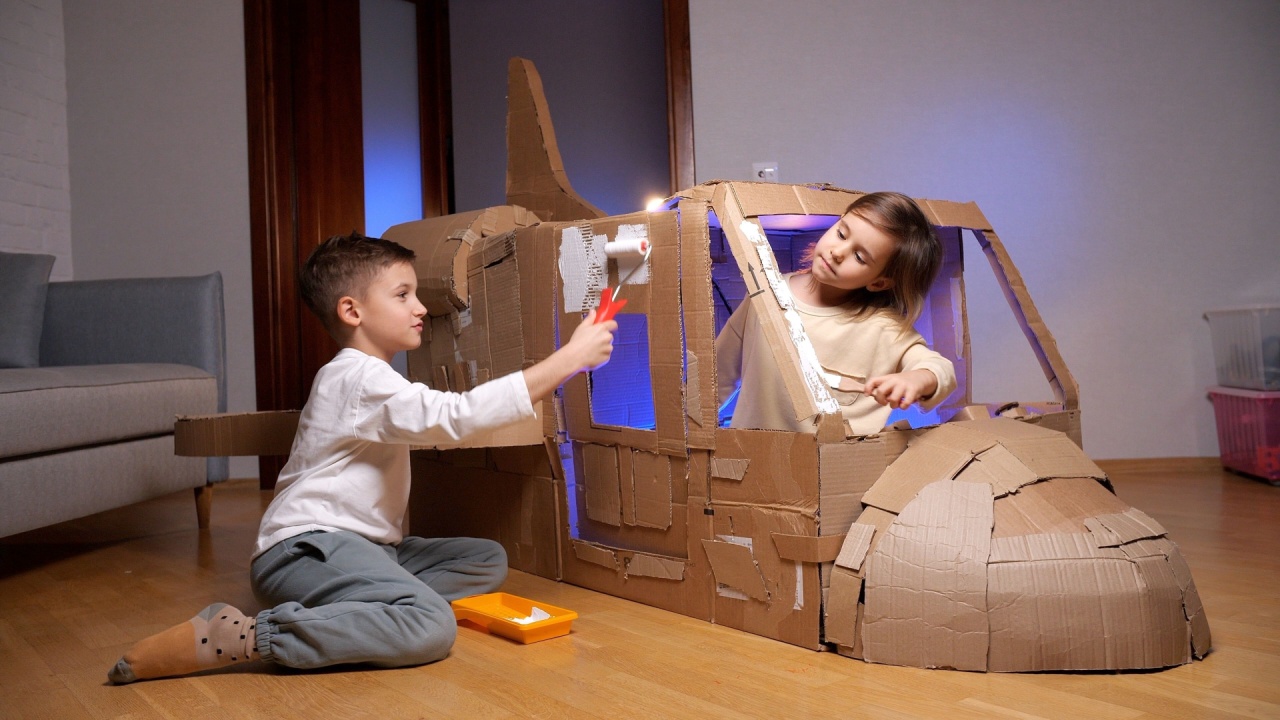
Don’t throw away those big delivery boxes! They make a perfect base for a DIY dollhouse. Cut out windows and doors, and use leftover cardboard to make furniture or stairs. Kids can draw on the walls or use wrapping paper scraps as wallpaper. This activity is great for teaching them about space and design.
Make Friendship Bracelets and Wands
Threading beads onto a string is a fun way to improve focus and finger dexterity. Kids can use pipe cleaners or string to make colorful friendship bracelets. For a magical twist, they can find a stick outside, wrap it in ribbon, and top it with beads to create a wand.
Paint Pet Rocks
Smooth rocks from the garden or park make a great canvas. With a bit of acrylic paint, kids can turn them into ladybugs, owls, or other fun creatures. Once they’re dry, these painted rocks can be used as toys or decorations for a fairy garden.
2. Sensory and Messy Play

Sensory play is all about using touch, smell, sight, and hearing. It’s not just fun, it actually helps kids’ brains grow and prepares them for harder learning tasks later on.
Homemade Moon Sand
Store-bought sand can be pricey, but you can make your own with just two ingredients. Mix 8 cups of flour with 1 cup of baby oil. It creates a soft, squishy sand that holds its shape. Kids will love building castles and shapes with it!
Easy Slime
Slime is a classic favorite. Just mix school glue and a little baking soda, then add contact lens solution until it gets stretchy. You can even add glitter or sequins to make it “mermaid slime.” It’s a great way to learn about how different materials change when mixed.
Sensory Bins
Fill a big plastic bin with dry rice, pasta, or beans. Hide small toys or “treasures” inside and give your kids scoops, funnels, or tongs to find them. This is a great activity for practicing hand-eye coordination.
3. Fun Science and STEM Activities
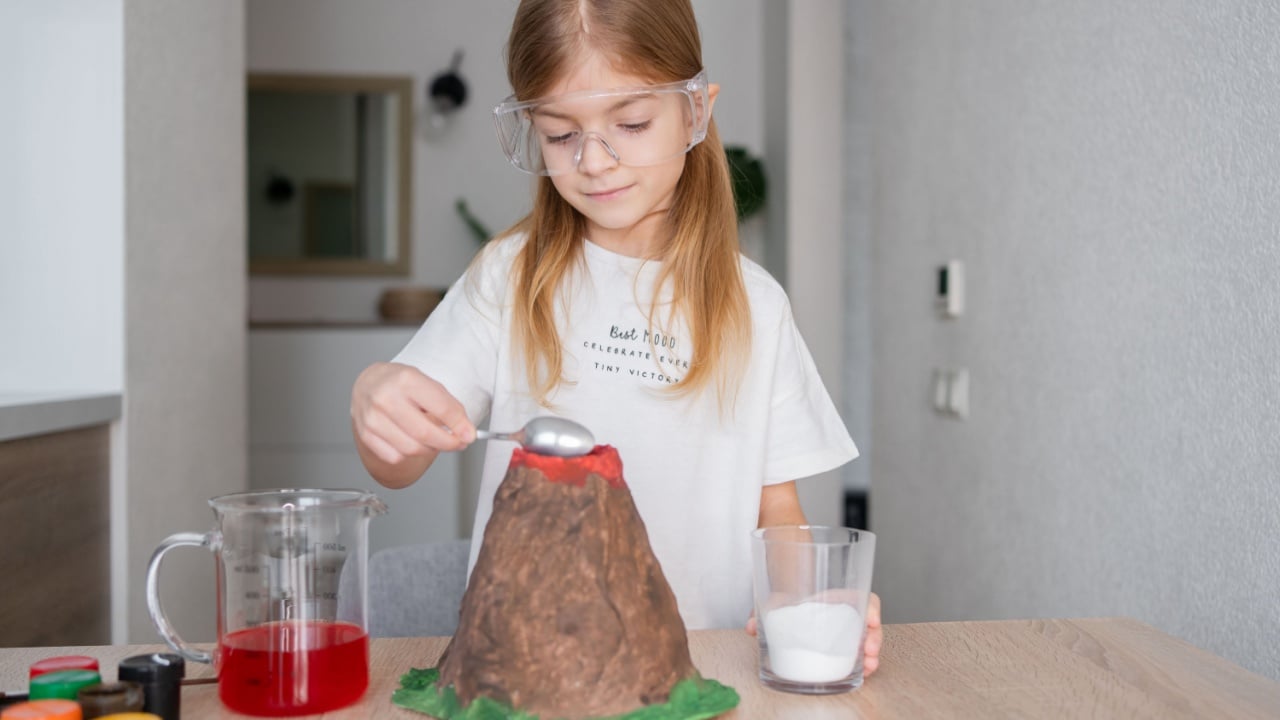
STEM (Science, Technology, Engineering, and Math) activities spark curiosity and make learning fun. These experiments turn big ideas into hands-on discoveries.
Baking Soda Volcano
Mix baking soda and food coloring in a cup, then pour in vinegar to create a bubbling eruption. A fun way to learn about chemical reactions!
Grow Crystals
Dissolve salt or sugar in hot water to make a supersaturated solution. Suspend a string in the jar and watch crystals grow as the water evaporates.
Rainbow Walking Water
Line up cups with colored water and empty cups in between. Connect them with paper towel strips. Watch as water “walks” to the empty cups, mixing colors along the way.
4. Active Indoor Play
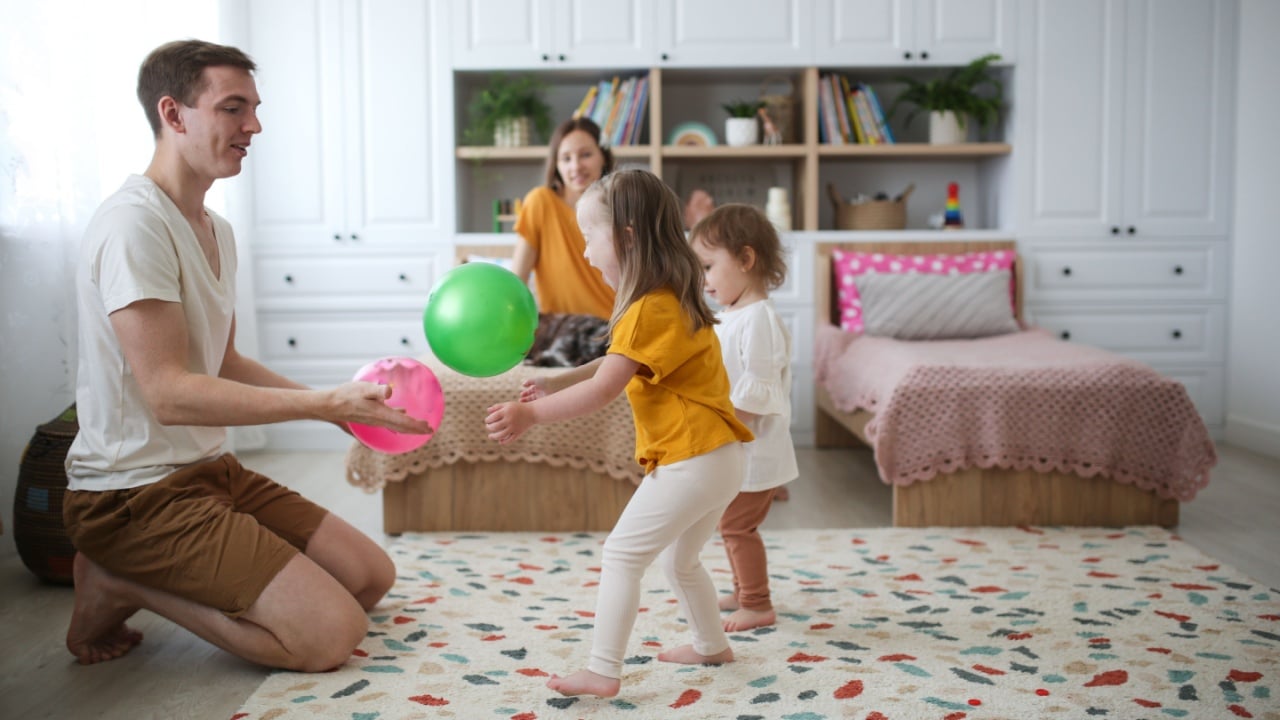
When the weather keeps the family inside, burning off physical energy becomes essential. Gross motor activities help regulate sleep patterns and improve physical health.
Indoor Obstacle Course
Use sofa cushions, chairs, and blankets to create a course. Crawling under tables, jumping over pillows, and balancing on a line of tape on the floor challenge agility. Time the children to encourage them to beat their personal bests.
Scavenger Hunt
Create a list of items for kids to find around the house. Hints can be simple pictures for toddlers or riddles for older children. Searching requires movement and problem-solving. Theme the hunt around colors, letters, or specific shapes.
Balloon Volleyball
Blow up a balloon and use a piece of string or tape as a net. The objective involves keeping the balloon off the floor. Balloons move more slowly than balls, making this game accessible for all ages and less likely to break household items.
5. Imaginative and Role Play

Role-playing builds empathy and social skills. When children pretend, they experiment with different social and emotional roles.
Living Room Campout
Pitch a tent indoors or build a fort using sheets and dining chairs. Turn off the lights and use flashlights to tell stories. A pretend campfire made of tissue paper and cardboard logs adds to the atmosphere. This breaks the daily routine and creates a sense of adventure.
Cardboard Box Drive-In
Decorate large boxes to look like cars, complete with paper plate wheels and steering wheels. Park the “cars” in front of the TV for a movie night. This adds a layer of novelty to a standard screen-time activity.
Finger Puppet Theater
Create characters using felt, paper, or old gloves. A shoe box with a hole cut in the bottom serves as the stage. Children can write scripts and perform shows for the family. Narrative construction helps with language development.
Turn Your Living Room into a World of Wonder

With a little imagination, your living room can become a bustling restaurant, a drive-in movie theater, or a busy vet clinic. You don’t need fancy toys or complicated setups to create a world of wonder for your children. Everyday items can spark hours of creative play, turning a dull afternoon into a memorable adventure. So, grab a cardboard box, some paper plates, and get ready to build, pretend, and play the day away.