
Should I Buy Another House? Weighing the Pros and Cons of Buying a Second Home
Buying a second home is one of those decisions that sounds appealing in the abstract but gets considerably more complicated the moment you start running the actual numbers. The idea of a place that is always available, a future retirement base, or a property that generates income on the side is genuinely attractive.
For some buyers, it works out exactly as planned. For others, the financial and logistical demands arrive faster than expected and stay longer than anticipated.
The people who fare best with a second-home purchase tend to be those who went in with a clear, specific reason for buying rather than a general sense that it would be a good idea. A second property purchased with a concrete plan performs differently from one bought on impulse during a holiday week when a destination felt irresistible.
Understanding that distinction before signing anything is what separates a sound investment from an expensive lesson. Here are the most significant pros and cons of buying a second home in plain terms.
Pros of Buying a Second Home
1. It Can Become Your Retirement Home

One of the sound strategic reasons to buy a second property is the option to convert it into a primary residence in retirement. Many people buy in areas with lower property taxes, a better cost of living, or a preferred climate. They then use the property occasionally before retirement, letting it appreciate in value.
By the time they are ready to make the move permanent, the home is already familiar, and the mortgage may be paid down considerably. The transition involves far less upheaval than searching for a new home from scratch during retirement.
The tax dimension of this plan is worth examining carefully before purchase.
Some states and countries offer significant primary residence exemptions on property taxes that do not apply to second homes. A property that looks affordable as a vacation base may become considerably cheaper once it becomes your main address. Consulting a tax advisor who specializes in property is a worthwhile step before committing to a location.
2. Rental Income is a Real Possibility

A second home that sits empty for most of the year is carrying costs without producing anything in return. Many owners offset that by renting the property out during periods they are not using it.
Short-term rental platforms have made this considerably easier to manage remotely. In high-demand locations, the rental income can cover a significant portion of the mortgage, insurance, and maintenance costs.
The math works well in markets with strong tourism demand and limited accommodation supply, where occupancy rates stay high enough to justify the effort.
The legal and logistical aspects of short-term rentals require attention before purchase rather than after. Many municipalities have introduced strict regulations on short-term rentals in recent years. These may include caps on the number of rental nights per year, licensing requirements, and, in some cases, outright bans in residential zones.
3. Having a Place to Vacation

A second home can function as your vacation home. There are no booking windows to navigate, no minimum stays to work around, and no arriving at an accommodation that looked better in the photographs than it does in person.
For families who return to the same destination repeatedly, the accumulated cost of hotels and vacation rentals adds up fast. A property purchase eventually reaches a point where ownership becomes the more economical choice, often sooner than buyers expect.
The lifestyle benefits go beyond the financial calculation in ways that are harder to measure but just as real.
A home visited regularly accumulates the specific things that make a vacation restorative. Children thrive with the consistency of a familiar place. A hotel room cannot replicate that sense of returning somewhere that already feels like yours.
4. Property as a Long-Term Investment

Property has historically been one of the more reliable ways to build and preserve wealth across generations. A second home purchased in a market with steady demand can appreciate meaningfully over a holding period of ten years or more.
Unlike other investment classes, real estate also produces a tangible asset that can be passed to heirs, used as collateral, or sold during periods of liquidity need. For buyers with cash in low-yield savings, a well-chosen property offers credible long-term diversification.
The investment argument holds up better in some markets than others.
Markets dependent on a single employer, a seasonal economy, or a fleeting tourism trend are riskier than those with diverse economies and steady population demand. Treating a second home purchase as a financial instrument means doing the research that any investment warrants.
The Cons of Buying a Second Home
1. The Financial Burden is Significant

Owning two properties means carrying two of almost everything. Two mortgage payments, two sets of property taxes, two insurance premiums, two utility accounts that continue running regardless of occupancy, and two maintenance budgets for the repairs, landscaping, and upkeep that every property requires.
The combined carrying cost of a second home is often higher than buyers initially project. A thorough cost analysis that accounts for all recurring expenses, not just the mortgage, is an essential step before any offer is made.
The financial pressure becomes most apparent during periods of personal economic disruption.
A job change, a health event, or a broader market downturn can make two sets of property costs feel unmanageable in a way that seemed theoretical during the purchase. Lenders typically require buyers to demonstrate that they can carry both properties comfortably on their existing income without relying on rental income to make the numbers work.
2. Financing a Second Home is More Demanding

The lending environment for second homes is stricter in almost every respect compared to a primary residence. Down payment requirements are typically higher, and interest rates sit above what the same borrower would receive on a primary mortgage.
The qualification criteria are more rigorous because lenders assess second-home loans as carrying a higher default risk. Buyers who are accustomed to the terms available on a first purchase are often surprised by how much more demanding the second application process turns out to be.
Loan type options are also narrower. Many government-backed loan programs that make primary home purchases more accessible do not apply to second properties. This limits buyers to conventional loan products with their associated requirements.
Getting pre-approved by multiple lenders and working with a mortgage broker with specific experience in second-home financing is the most efficient way to understand what is realistically available before falling in love with a specific property.
3. Being Tied to One Location Has a Cost

A second home creates a strong pull toward a particular destination, and that pull can narrow how a family travels and recreates. Because of the sunk cost effect, trips that might have gone to new cities, different countries, or unfamiliar landscapes instead default to the property, since it is already paid for and feels wasteful not to use it.
This can reduce the variety that makes travel genuinely enriching. It can create a subtle obligation that takes the spontaneity out of how free time is spent. These are not catastrophic drawbacks, but they are worth naming honestly.
The lifestyle constraint tends to affect couples and families differently depending on how aligned their preferences are. A household where everyone loves the same destination will feel the limitation less than one where interests diverge.
Children grow into different preferences as they age, and a coastal cabin that suited a family perfectly at one stage of life may feel limiting a decade later when different kinds of travel become more appealing.
Should You Take the Leap or Wait on the Shore?
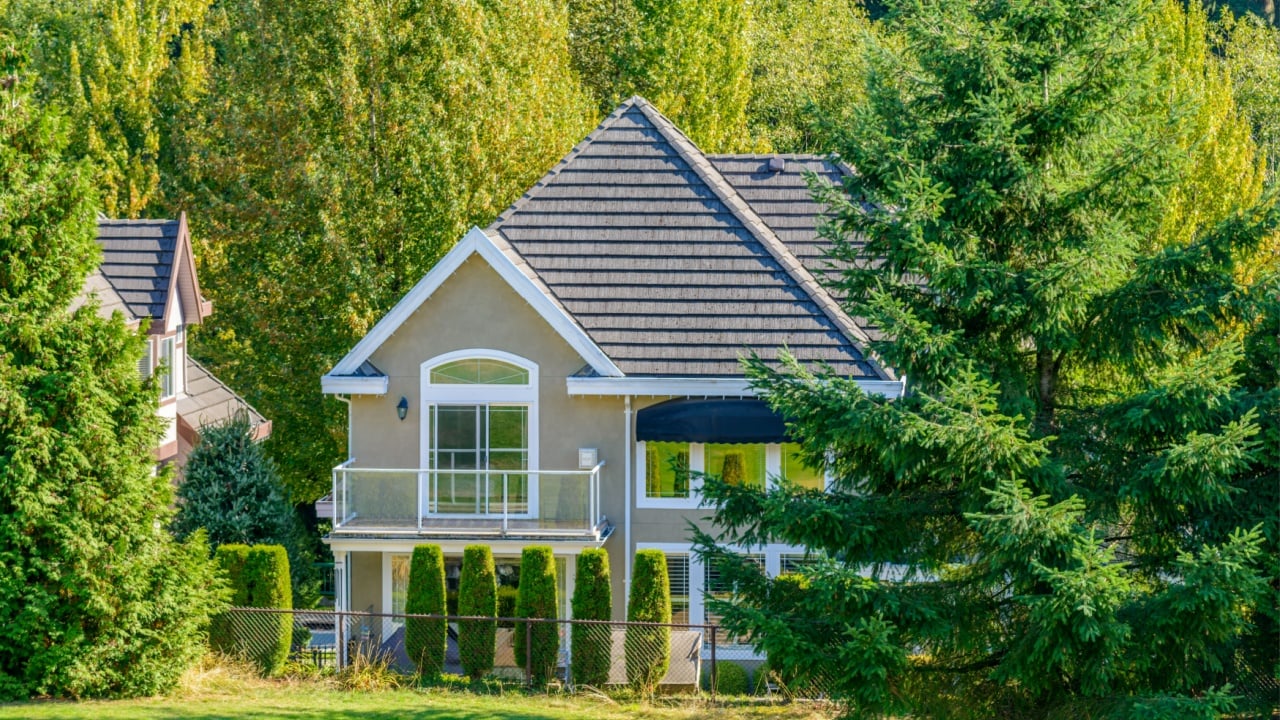
A second home is neither a straightforward financial win nor a guaranteed source of regret. The outcome depends almost entirely on how clearly the buyer understands their own motivations, how honestly they assess the costs, and how well the property fits the specific way they actually live.
The strongest second home purchases tend to share a few common characteristics. The buyer had a specific and durable use case in mind; the carrying costs were calculated conservatively; the financing terms were fully understood before any commitment was made; and the lifestyle implications were considered with the same seriousness as the financial ones.
For buyers who can honestly say all of those boxes are checked, a second property can deliver genuine and lasting value. For those who are still working through the answers, the most useful thing this article can offer is the encouragement to keep asking the questions before the paperwork is signed.
Read More:
10 Small Cities People Are Considering Making Home
7 Mistakes First-Time Homebuyers Make, According to a Realtor