Scammers Are Targeting Homeowners With Fake City Permit Invoices
Homeowners applying for permits in Idaho’s Treasure Valley are being warned about a scam that uses real project details to make fake invoices look official.
The Idaho Attorney General’s Office said scammers are taking public information submitted to municipal planning and development departments, then using it to contact applicants with forged emails and payment demands.
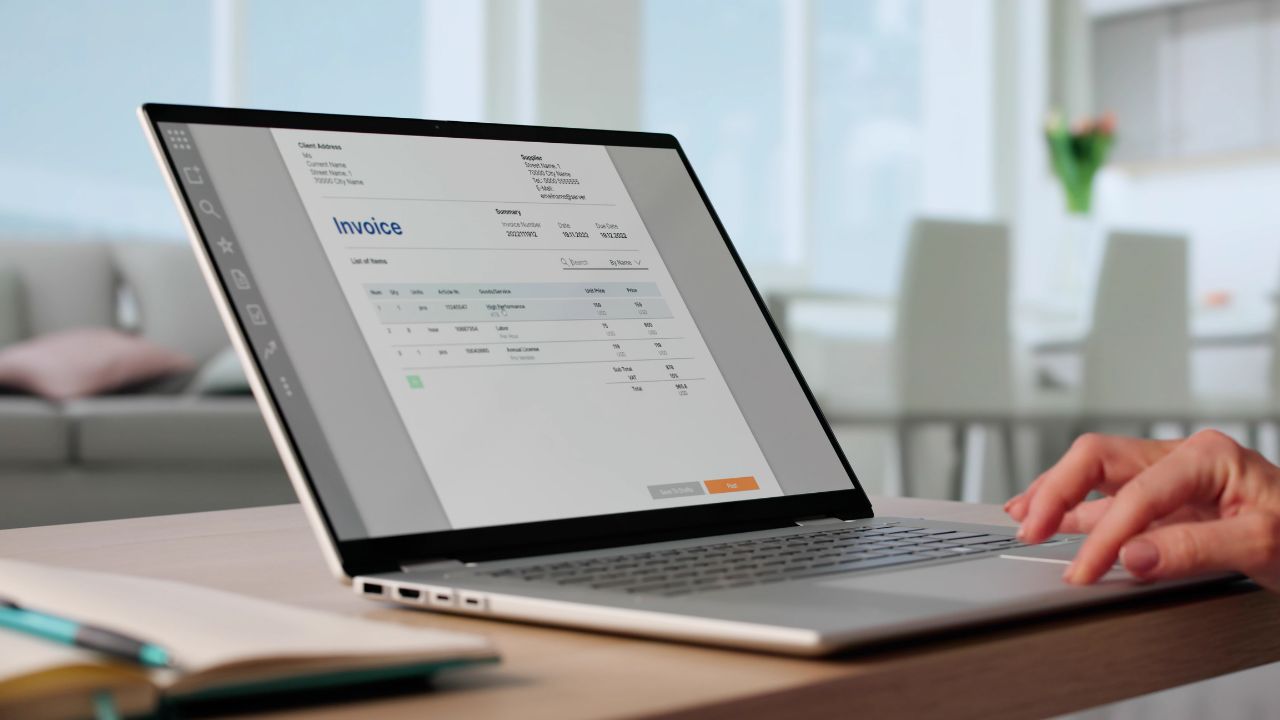
The scams have affected Boise, Meridian, Nampa, and Caldwell, according to the Idaho Statesman. The fake messages may include official logos, names of city employees, contractor details, correct addresses, and project information.
A fake permit invoice is easier to believe when it names a real project, address, contractor, or city employee. Homeowners already waiting on a renovation, building permit, zoning application, or development approval may feel pressured to pay before checking the source.
The Emails Can Look Tied to Real Projects
The Attorney General’s Office said the scheme uses public planning and development records to make the requests appear legitimate.
That can make the email look different from ordinary spam. Instead of a vague demand, the message may appear connected to a permit or project the homeowner actually filed.
Recipients should avoid clicking links, opening unexpected attachments, replying to the sender, or paying from instructions inside the suspicious email.
The Payment Method Is the Warning Sign
Officials said the scammers are asking for payment through wire transfers, gift cards, or cryptocurrency ATMs.
Boise Planning and Development Services Director Maureen Brewer told local media the city would never ask people to pay planning application or permitting fees by wire transfer.
Nampa’s planning director also warned that scammers are using city logos and contact information to send fraudulent invoices.
Homeowners Should Verify Through the City
Before paying any permit-related invoice, applicants should contact the city directly through an official website, known phone number, or established department contact.
They should not use phone numbers, links, QR codes, or email addresses included in the suspicious message.
Homeowners should save the email, invoice, sender address, payment instructions, attachments, and screenshots. Idaho officials said scam attempts can be reported through ReportScamsIdaho.com, even if no money was sent.