

A beautiful yard doesn’t always require a complete landscape overhaul or a huge budget. Sometimes, the most significant transformations come from small, focused efforts. An untidy outdoor space can feel overwhelming, but a few simple tasks can quickly restore order and curb appeal, making your yard a place you truly enjoy. You can reclaim your outdoor sanctuary in just a few hours by tackling the little things that make a big difference.
This guide will walk you through 12 quick fixes that instantly declutter and beautify your yard. These are simple, high-impact jobs you can complete today to create a more polished and inviting space. From tidying up edges to refreshing tired planters, you’ll be surprised at how much you can accomplish with a little time and effort.
1. Gather and Remove Yard Clutter

Image Credit: Shutterstock.
Let’s start with the obvious choice for this list (a big “duh’). The fastest way to improve your yard’s appearance is to clear away the clutter. Toys left on the lawn, empty pots stacked by the porch, stray tools, and forgotten projects can make even the most well-maintained garden look messy.
This visual noise detracts from the natural beauty of your plants and lawn. Start by doing a thorough walkthrough of your property with a trash bag for garbage and a bin for items that need to be stored. Be decisive. If a toy is broken or a planter is cracked beyond repair, it’s time to let it go. Put away tools, coil hoses, and find a designated spot for everything that remains. A clutter-free yard immediately feels larger, cleaner, and more peaceful.
Quick Guide:
- Action: Walk your yard and collect all out-of-place items.
- Why it Works: Instantly removes visual distractions and creates a sense of order.
- Next Steps: Designate permanent storage spots for common items like tools, hoses, and outdoor toys to prevent future clutter.
2. Trim and Define Overgrown Edges
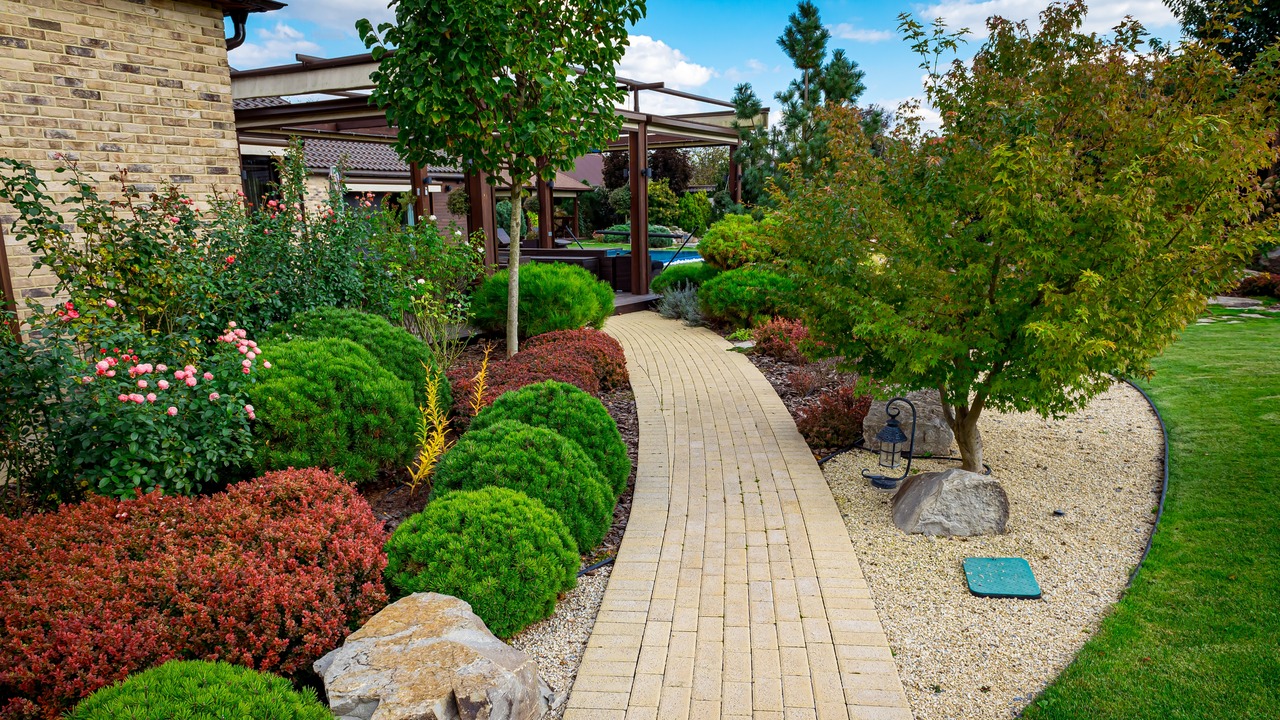
Image Credit: Shutterstock.
Crisp, clean lines are a hallmark of a well-tended landscape. When grass and weeds creep over sidewalks, driveways, and garden bed borders, the entire yard can look fuzzy and undefined. Trimming these edges is a small task that delivers a surprisingly professional-looking result.
Use a string trimmer or a manual edging tool to create a sharp, distinct border between your lawn and other surfaces. Pay special attention to walkways, patios, and the front curb. This simple act of defining spaces makes everything look intentional and sharp. It’s like giving your yard a fresh haircut; it instantly looks neater and more put-together.
Quick Guide:
- Action: Use an edger or trimmer to create clean lines along walkways, driveways, and garden beds.
- Why it Works: Creates sharp, defined borders that make the entire landscape look polished.
- Next Steps: Edge your lawn every few mows to maintain the clean lines and prevent overgrowth.
3. Pull Weeds from Visible Flower Beds

Image Credit: Shutterstock.
Weeds have a way of making a garden look neglected, especially in prominent areas like front entry beds or along main pathways. They compete with your beloved plants for nutrients and water, and they quickly signal to visitors that the yard isn’t being maintained.
Focus your efforts on the most visible areas first. Pulling weeds by hand, especially after a rain when the soil is soft, is often the most effective method. Make sure to get the entire root system to prevent it from growing back. Once the weeds are gone, you can rake any existing mulch to give the bed a smooth, refreshed appearance.
Quick Guide:
- Action: Hand-pull weeds from your front flower beds and other high-traffic areas.
- Why it Works: Immediately cleans up garden beds and lets your desired plants shine.
- Next Steps: Apply a 2-3 inch layer of fresh mulch to help suppress future weed growth and retain soil moisture.
4. Prune Dead or Unruly Branches

Image Credit: Shutterstock.
Overgrown shrubs and dead branches on trees can make your yard feel chaotic and unkempt. A quick pruning session can restore shape to your plants and remove unsightly dead wood, improving both the look and health of your garden.
Grab a pair of pruning shears or loppers and walk around your yard. Look for any branches that are dead, broken, or crossing over others. Trim back shrubs that are encroaching on walkways or blocking windows. You don’t need to perform a major overhaul; just a strategic trim to tidy things up. This not only improves aesthetics but also encourages healthy new growth.
Quick Guide:
- Action: Trim away dead, broken, or overgrown branches from shrubs and small trees.
- Why it Works: Restores shape to plants, removes eyesores, and promotes plant health.
- Next Steps: Research the best time of year to prune your specific plants to avoid damaging them or sacrificing blooms.
5. Sweep Porches and Walkways
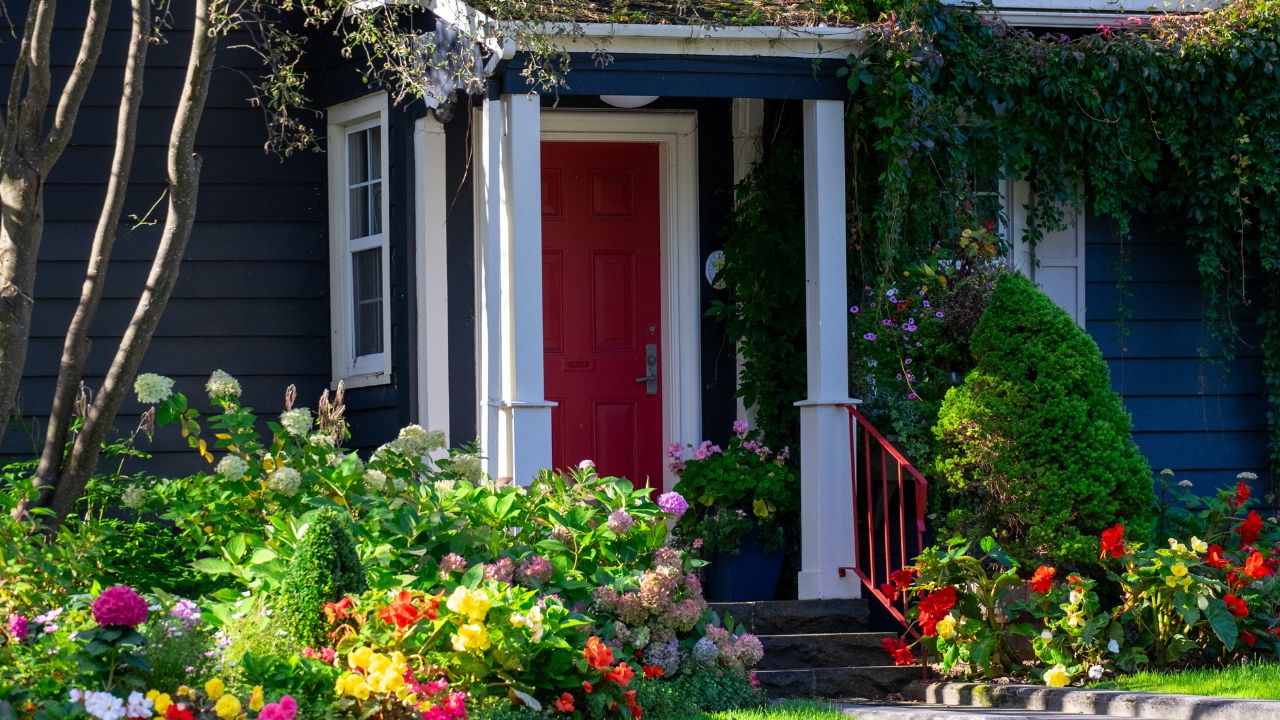
Image Credit: Shutterstock.
Dirt, fallen leaves, grass clippings, and cobwebs accumulate quickly on hard surfaces, making your entryways and patios look dirty and uninviting. A simple sweep can make a world of difference in just a few minutes.
Use a stiff broom to clear off your front porch, steps, walkways, and any patio areas. While you’re at it, knock down any cobwebs you see around doors, windows, and light fixtures. This small cleaning task brightens up your hardscape and makes the entire space feel more welcoming and cared for.
Quick Guide:
- Action: Sweep all hard surfaces to remove leaves, dirt, and debris.
- Why it Works: Instantly freshens up entryways and outdoor living areas.
- Next Steps: Make sweeping a weekly habit, especially during seasons when trees are dropping leaves or pollen.
6. Properly Store Your Garden Hose
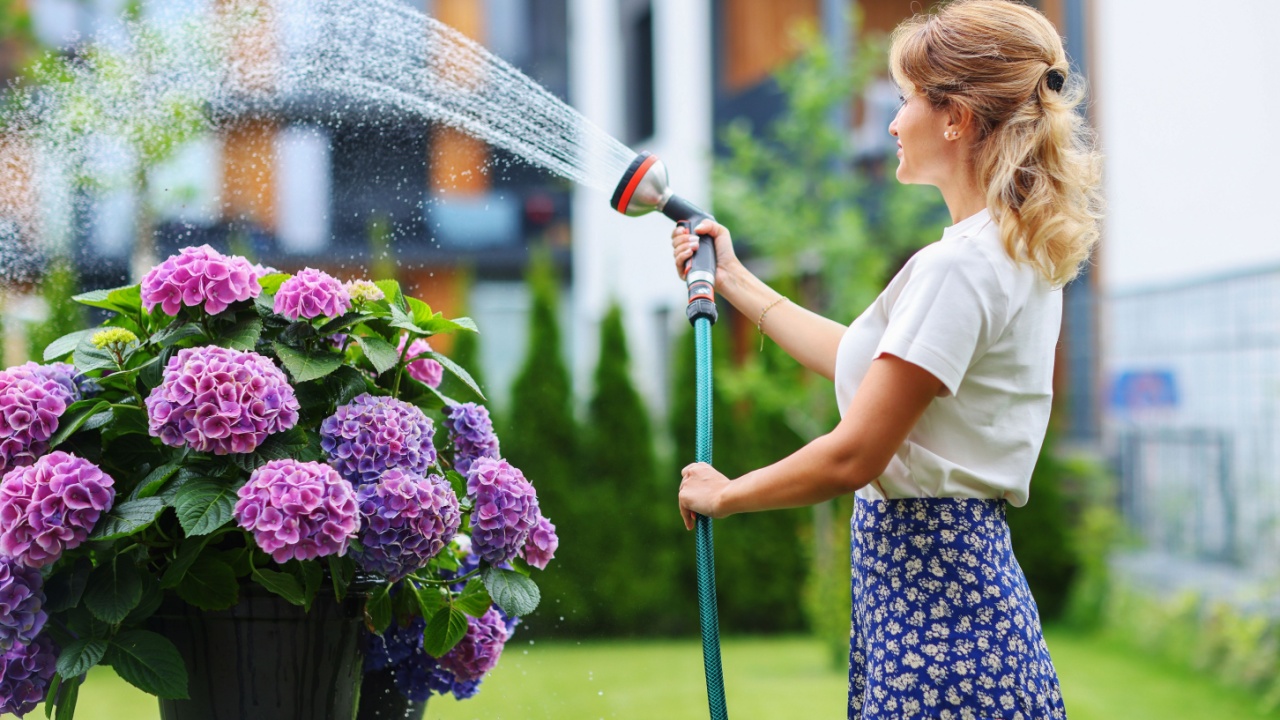
Image Credit: Shutterstock.
A garden hose sprawled across the lawn or tangled in a heap next to the spigot is a classic yard eyesore. It looks messy and can be a tripping hazard. Taming your hose is a simple fix that adds a touch of organization.
Invest in a hose reel, a decorative pot, or a simple wall-mounted hook. After each use, take a minute to neatly coil the hose and store it away. Even tucking it behind a large shrub is better than leaving it out in the open. This small habit keeps your yard looking tidy and protects your hose from sun damage.
Quick Guide:
- Action: Neatly coil and store your garden hose after every use.
- Why it Works: Removes a common source of visual clutter and prevents tripping hazards.
- Next Steps: Consider installing a retractable hose reel for the ultimate in convenience and tidiness.
7. Patch and Seed Bare Spots in the Lawn
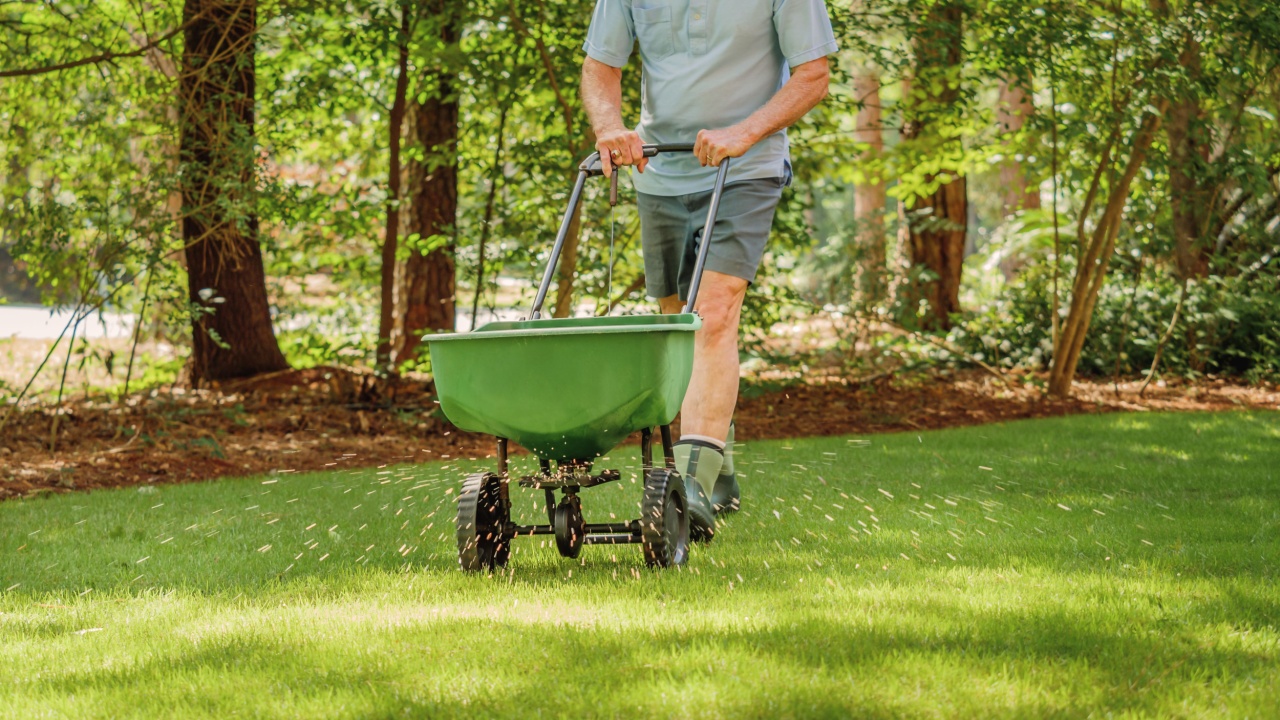
Image Credit: Shutterstock.
Bare or thinning patches in your lawn can disrupt the uniform look of the grass and make it appear unhealthy. Addressing these spots is a quick project that sets the stage for a lush, green lawn down the road.
First, use a rake to remove any dead grass or debris from the bare spot and to loosen the top layer of soil. Sprinkle a generous amount of grass seed appropriate for your climate and sun exposure. Cover the seed with a thin layer of compost or topsoil to protect it and keep it moist. Water the area gently and keep it damp until the new grass is established.
Quick Guide:
- Action: Rake, seed, and top-dress any bare patches in your lawn.
- Why it Works: Begins the process of filling in sparse areas for a fuller, healthier-looking lawn.
- Next Steps: Water the newly seeded areas daily until the grass is a few inches tall.
8. Clean Up Around the Base of Trees
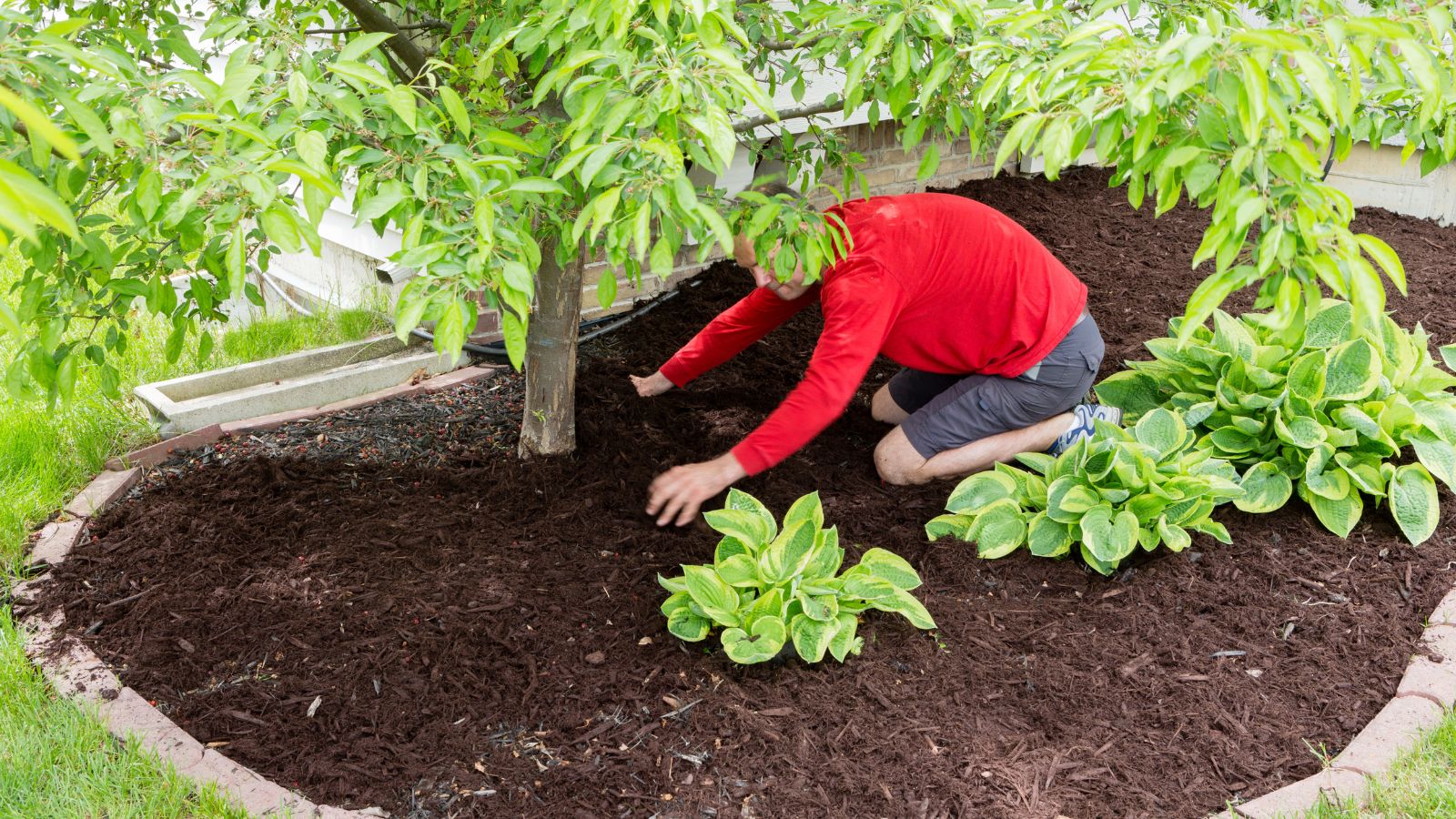
Image credit: YAY Images.
Grass and weeds growing right up to the trunk of a tree can look messy and compete with the tree for water and nutrients. Creating a clean ring around the base of your trees provides a neat, landscaped look and is better for the tree’s health.
Use a shovel or a garden tool to carefully remove the sod in a circle around the tree trunk, creating a clean edge. A diameter of 2-3 feet is a good starting point for smaller trees. Once the area is cleared, apply a layer of mulch, but be sure to keep it a few inches away from the trunk itself to prevent rot and pest issues.
Quick Guide:
- Action: Remove grass and weeds from around the base of your trees.
- Why it Works: Creates a tidy, polished look and reduces competition for the tree.
- Next Steps: Add a 2-3 inch layer of mulch to the cleared ring to retain moisture and suppress weeds.
9. Refresh or Remove Dead Planters

Image Credit: Depositphotos.com.
Pots filled with last season’s dead annuals or just plain dirt are a sad sight that can drag down the appearance of your porch or patio. It’s time to either give them new life or store them away. Go through your container collection and decide what to do with each pot.
If the plants are truly dead, compost them and empty the old soil. You can either store the empty pots or replant them with fresh, hardy greenery, seasonal flowers, or even a few herbs. A vibrant container can instantly brighten up an entryway.
Quick Guide:
- Action: Empty and clean pots with dead plants, or replace them with fresh ones.
- Why it Works: Removes a depressing eyesore and adds a pop of life and color.
- Next Steps: Choose low-maintenance plants like succulents, ornamental grasses, or evergreens for year-round interest.
10. Brighten Up Your Hardscape

Image Credit: Shutterstock.
Over time, patios, walkways, and stone features can become dull and stained from dirt, mildew, and algae. A quick cleaning can restore their color and make them look new again. You don’t necessarily need a pressure washer for a quick fix.
Often, a stiff-bristled broom and a bucket of soapy water are enough to scrub away the grime on your main walkways or patio. For stubborn spots, a mixture of water and vinegar can be an effective solution. Hosing down the surfaces afterward will wash away the dirt and reveal a brighter, cleaner space.
Quick Guide:
- Action: Scrub or hose down dirty patios, walkways, and stone pavers.
- Why it Works: Brightens hard surfaces and removes dulling grime and stains.
- Next Steps: For a deeper clean on larger areas, consider renting or buying a pressure washer.
11. Fix or Replace Broken Outdoor Lighting
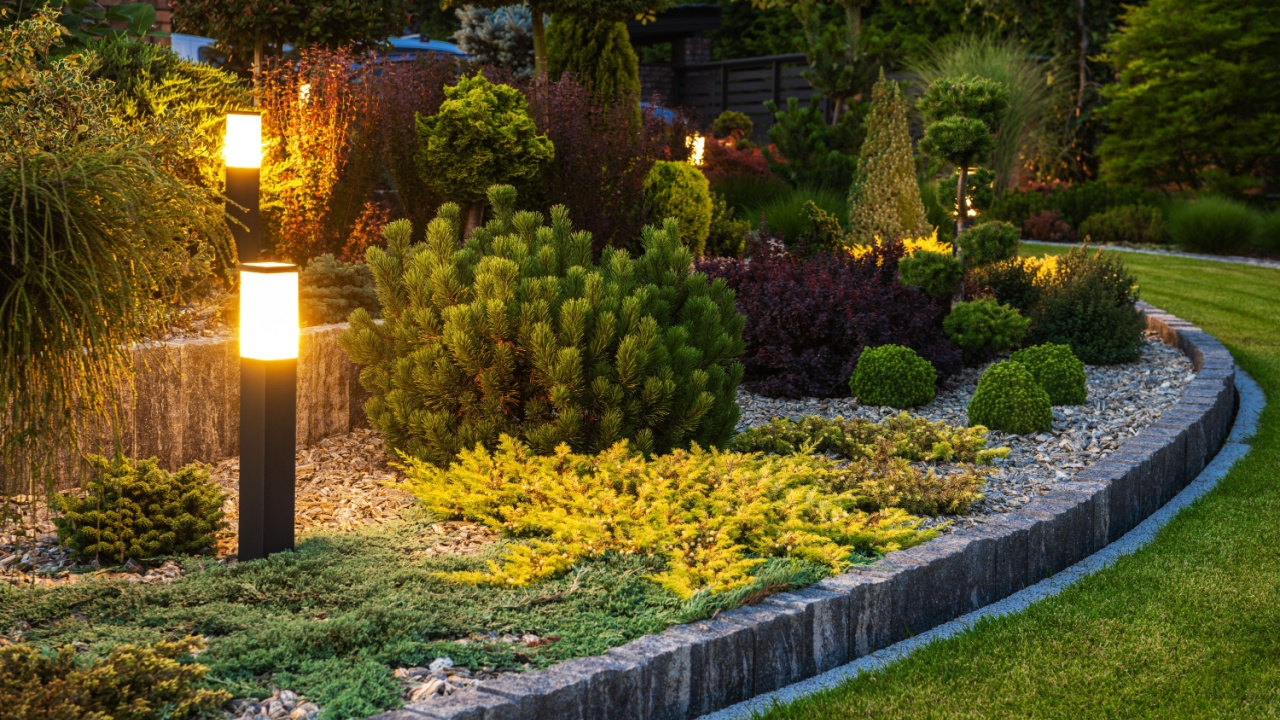
Image Credit: Shutterstock.
Solar lights are meant to add ambiance and highlight your landscape, but when they are leaning, broken, or no longer working, they do more harm than good. A row of dysfunctional lights looks cheap and neglected.
Take a moment to inspect your outdoor lighting. Straighten any lights that are leaning over. Clean the solar panels with a damp cloth to ensure they can charge properly. If a light is broken or no longer works, either replace it or remove it. It’s better to have fewer, well-functioning lights than a full set that looks dilapidated.
Quick Guide:
- Action: Straighten, clean, or replace any broken or non-working solar lights.
- Why it Works: Ensures your landscape lighting enhances your yard instead of detracting from it.
- Next Steps: Upgrade to higher-quality solar or low-voltage lighting for better durability and performance.
12. Add a Fresh Layer of Mulch
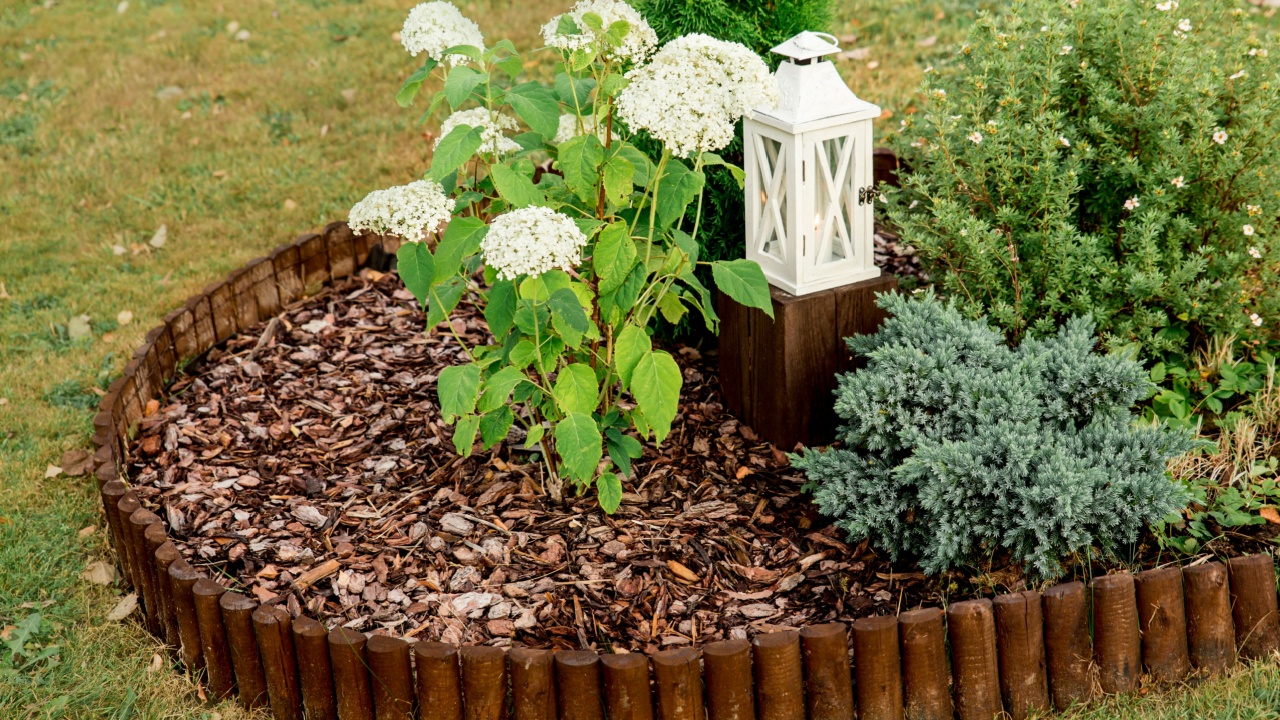
Image Credit: Shutterstock.
Mulch is one of the most powerful tools for a quick yard transformation. It suppresses weeds, retains moisture, and provides a rich, uniform background that makes your plants pop. If your old mulch is faded, thin, or breaking down, a fresh layer can work wonders.
You may not have time to mulch every bed, so start with the most visible one, like the area by your front door. A 2 to 3-inch layer is all you need to give the space a clean, cohesive, and professionally landscaped look. The dark, rich color provides an immediate contrast that makes everything around it look healthier and more vibrant.
Quick Guide:
- Action: Apply a fresh layer of mulch to a key garden bed.
- Why it Works: Instantly provides a neat, uniform appearance and makes plants stand out.
- Next Steps: Plan to refresh the mulch in all of your garden beds once a year to maintain the benefits and appearance.
Your Next Steps
Image Credit: Shutterstock.
Now that you have these 12 quick fixes, the next step is to get started. Don’t try to tackle them all at once if you’re short on time.
Pick one or two tasks that will make the biggest impact on your yard today. Maybe it’s finally gathering the clutter or giving your front flower bed a quick weeding. By dedicating just an hour or two to these simple projects, you can transform your outdoor space from overwhelming to orderly. Once you see the instant improvement, you’ll be motivated to keep going and create the beautiful backyard garden you’ve always wanted.