15 Plants with Stunning Orange Foliage
While green is the classic color we associate with garden foliage, adding a splash of vibrant orange can transform your outdoor space from ordinary to extraordinary. Orange foliage brings warmth, energy, and a touch of autumnal magic to your landscape all year long. From the fiery glow of a sunset to the soft hue of a ripe apricot, orange-leaved plants create stunning contrast, draw the eye, and infuse your garden with a unique personality. Whether you have a sprawling backyard or a small patio, there is an orange plant ready to make a statement.
Let’s explore 15 exceptional plants that boast stunning orange foliage, perfect for adding that fiery spark to your home and garden.
1. Coleus ‘Campfire’ (Solenostemon ‘Campfire’)
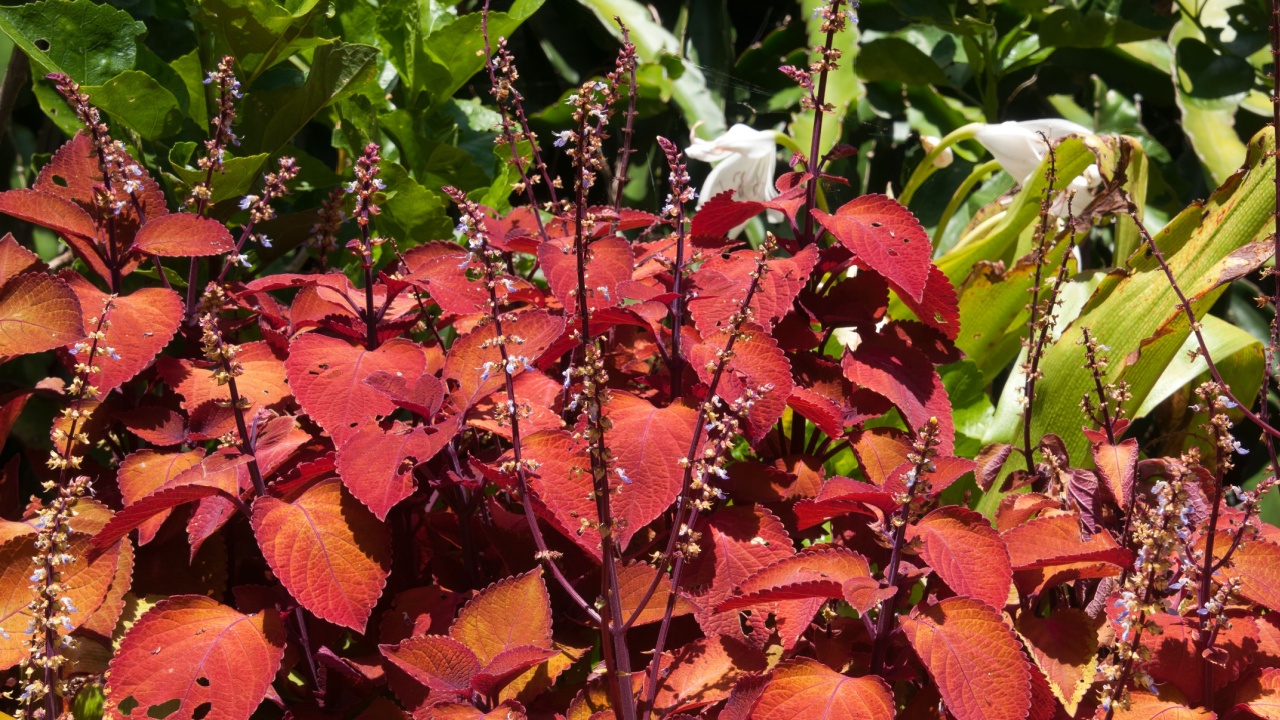
Coleus is a favorite among gardeners for its incredible color variety, and the ‘Campfire’ cultivar is a true showstopper. Its leaves glow with an intense, coppery-orange hue that seems to light up any corner of the garden. The color is so rich and consistent that it looks like a living ember, providing continuous warmth from spring until the first frost.
This plant is an excellent choice because of its versatility. It thrives equally well in containers, hanging baskets, and garden beds. ‘Campfire’ is also more sun-tolerant than many other coleus varieties, though it appreciates some afternoon shade in hotter climates to prevent leaf scorch. Its fast-growing nature means you get a big impact in a short amount of time, making it perfect for filling in gaps or creating a bold focal point.
Quick Care Guide:
- Light: Full sun to partial shade. Brighter light enhances its orange color.
- Water: Keep the soil consistently moist but not waterlogged.
- Soil: Rich, well-draining soil.
- Next Steps: Pinch back the tips regularly to encourage a bushier, fuller plant and prevent it from becoming leggy. This also delays flowering, which can cause the plant to lose vigor.
2. Heuchera ‘Marmalade’ (Coral Bells)
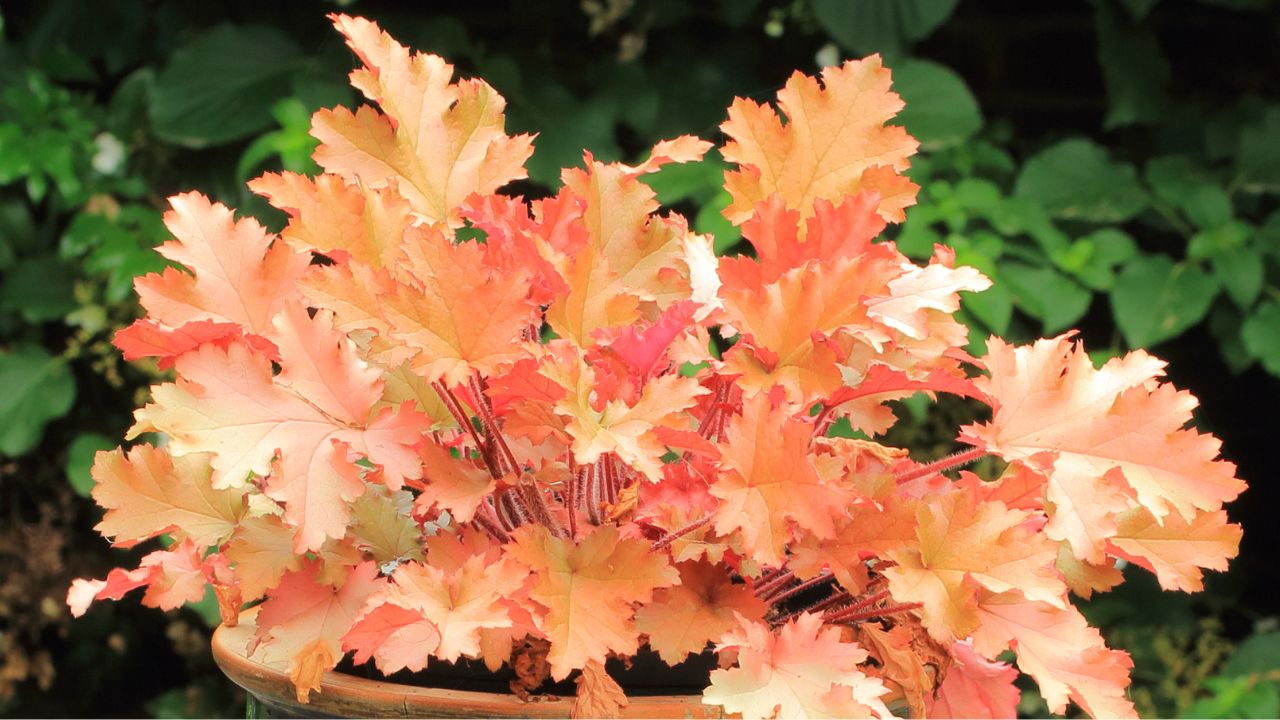
Heuchera, commonly known as Coral Bells, are prized for their mounded foliage, and ‘Marmalade’ is one of the most vibrant varieties. It features deeply lobed, ruffled leaves that emerge in shades of amber and peach, maturing to a rich, sienna-orange with hot pink undersides. The colors shift beautifully with the changing light and seasons, offering a dynamic display.
‘Marmalade’ is a fantastic choice for adding texture and color to shady or semi-shady spots where other flowering plants might struggle. It is a hardy perennial that provides year-round interest in milder climates. Its low, mounding habit makes it ideal for borders, rock gardens, or as a groundcover beneath taller plants. In summer, it sends up delicate wands of small, light-colored flowers that attract pollinators.
Quick Care Guide:
- Light: Partial shade is ideal. Can tolerate more sun in cooler climates if the soil is kept moist.
- Water: Water regularly, allowing the soil to dry slightly between waterings. Avoid wet feet, especially in winter.
- Soil: Well-draining, humus-rich soil.
- Next Steps: Divide clumps every 3-4 years in the spring to rejuvenate the plant and create new ones for other parts of your garden.
3. Japanese Maple ‘Orange Dream’ (Acer palmatum ‘Orange Dream’)
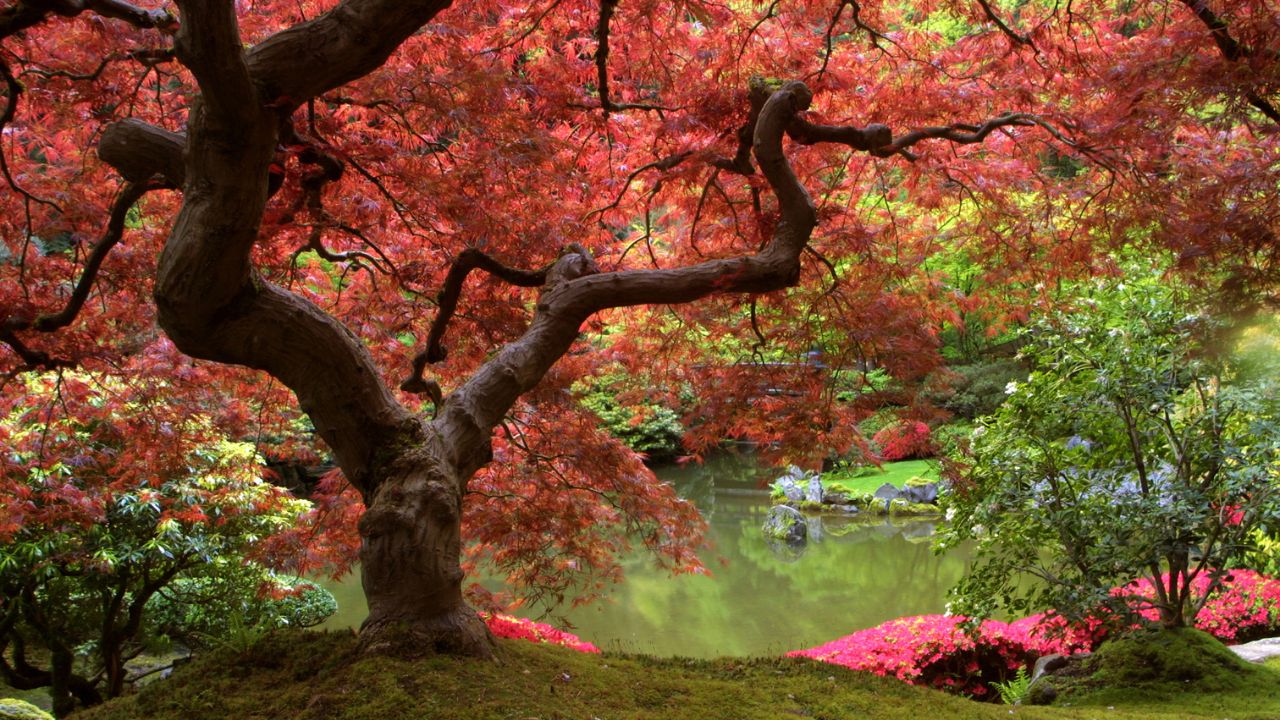
Japanese Maples are the stars of the garden, and ‘Orange Dream’ lives up to its name. This deciduous tree offers a breathtaking seasonal show. In spring, the leaves unfurl in a brilliant shade of orange with delicate red margins. As summer progresses, the foliage transitions to a chartreuse-yellow before igniting into a fiery orange-red in the fall.
As a smaller, slow-growing maple, ‘Orange Dream’ is perfect for small gardens, large containers, or as a stunning specimen tree in a mixed border. Its elegant, layered branching structure adds architectural interest even in winter. It provides a sophisticated focal point that commands attention without overwhelming the space.
Quick Care Guide:
- Light: Partial shade, especially protection from harsh afternoon sun, to prevent leaf scorch.
- Water: Keep the soil consistently moist, particularly during hot, dry periods.
- Soil: Moist, well-draining, slightly acidic soil.
- Next Steps: Apply a layer of mulch around the base to retain soil moisture and regulate temperature. Prune only to remove dead or crossing branches in late winter when the tree is dormant.
4. Orange New Zealand Sedge (Carex testacea)
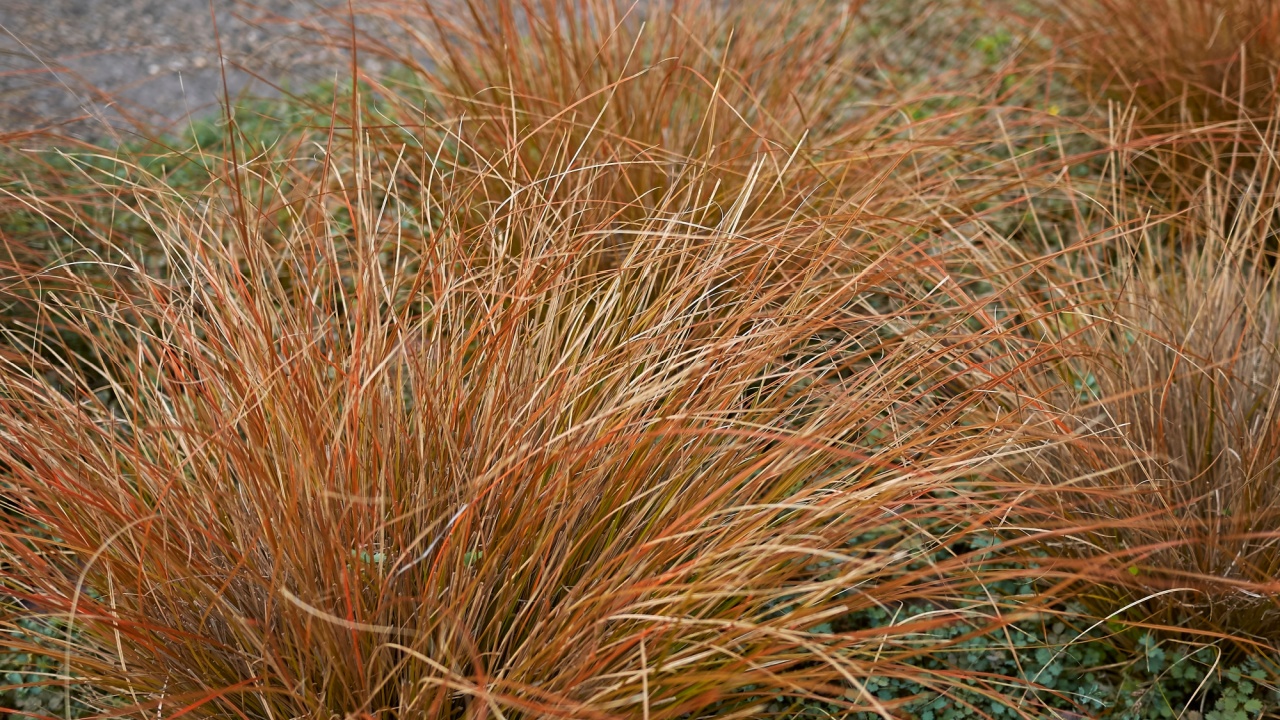
For a completely different texture, the Orange New Zealand Sedge offers fine, arching blades of grass-like foliage. This ornamental grass starts as a subtle olive-green and gradually transitions to a vibrant coppery-orange as it matures. The color becomes even more intense in full sun and during the cooler months of autumn and winter, providing a wonderful warm glow when many other plants are dormant.
This sedge is an excellent choice for modern gardens, rockeries, or container plantings. Its graceful, weeping habit softens hard edges and creates a sense of movement. It’s a low-maintenance, drought-tolerant plant once established, making it a reliable performer that pairs beautifully with succulents, stones, or broad-leaved plants.
Quick Care Guide:
- Light: Full sun to light shade. Sun exposure brings out the best orange color.
- Water: Water regularly until established; it is quite drought-tolerant afterward.
- Soil: Prefers well-draining soil and is adaptable to various soil types.
- Next Steps: In early spring, you can gently comb through the foliage with your fingers to remove any dead leaves and tidy up its appearance. It typically does not require heavy pruning.
5. Canna ‘Tropicanna’ (Canna indica ‘Tropicanna’)
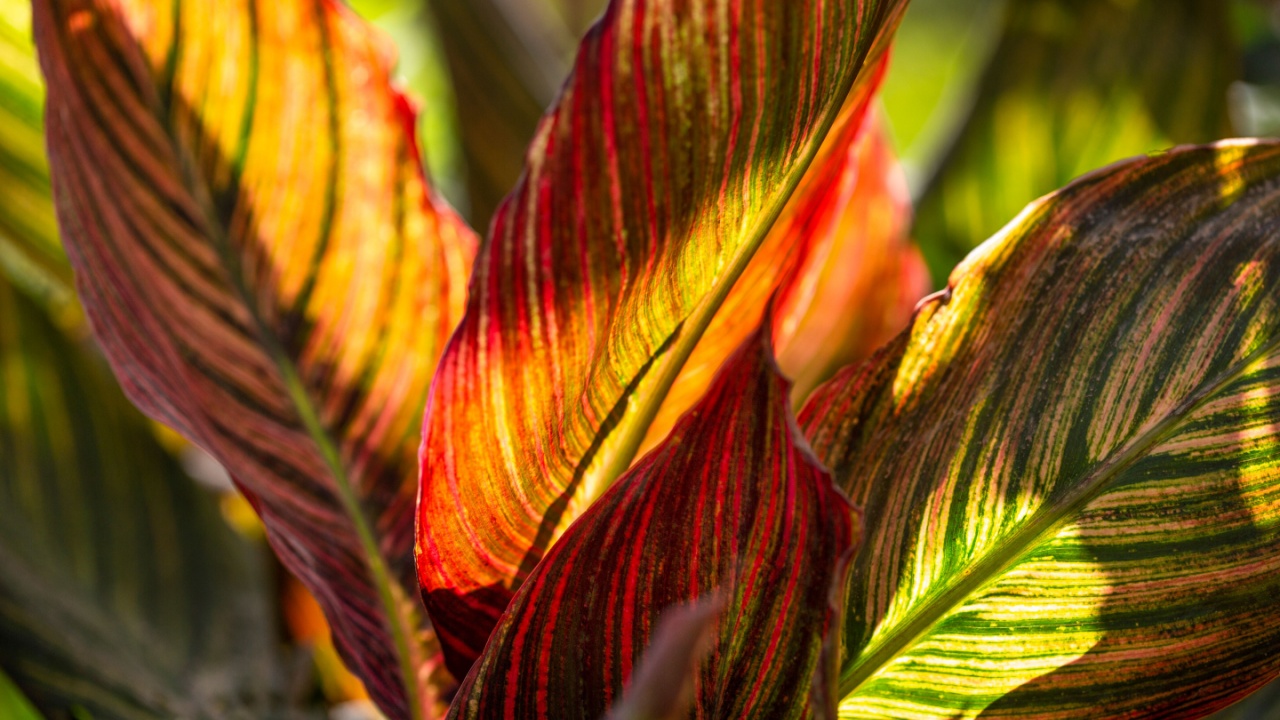
If you want to bring a tropical paradise feel to your garden, Canna ‘Tropicanna’ is the plant for you. It’s known for its massive, paddle-shaped leaves striped with dramatic shades of orange, gold, red, and green. As if the foliage weren’t enough, it produces spectacular, bright orange flowers that rise above the leaves in summer.
‘Tropicanna’ is a bold, architectural plant that makes a powerful statement. Use it as a centerpiece in large containers or as a backdrop in a garden bed. It grows quickly in warm weather, creating a lush, jungle-like effect. Its ability to thrive in heat and humidity makes it a star performer throughout the summer.
Quick Care Guide:
- Light: Full sun for the best foliage color and flowering.
- Water: Loves water; keep the soil consistently moist to wet, especially in the heat of summer.
- Soil: Rich, fertile, boggy soil.
- Next Steps: In colder climates (below zone 7), dig up the rhizomes after the first frost, let them dry, and store them in a cool, dark place over winter to replant in spring.
6. Copper Spoon (Kalanchoe orgyalis)
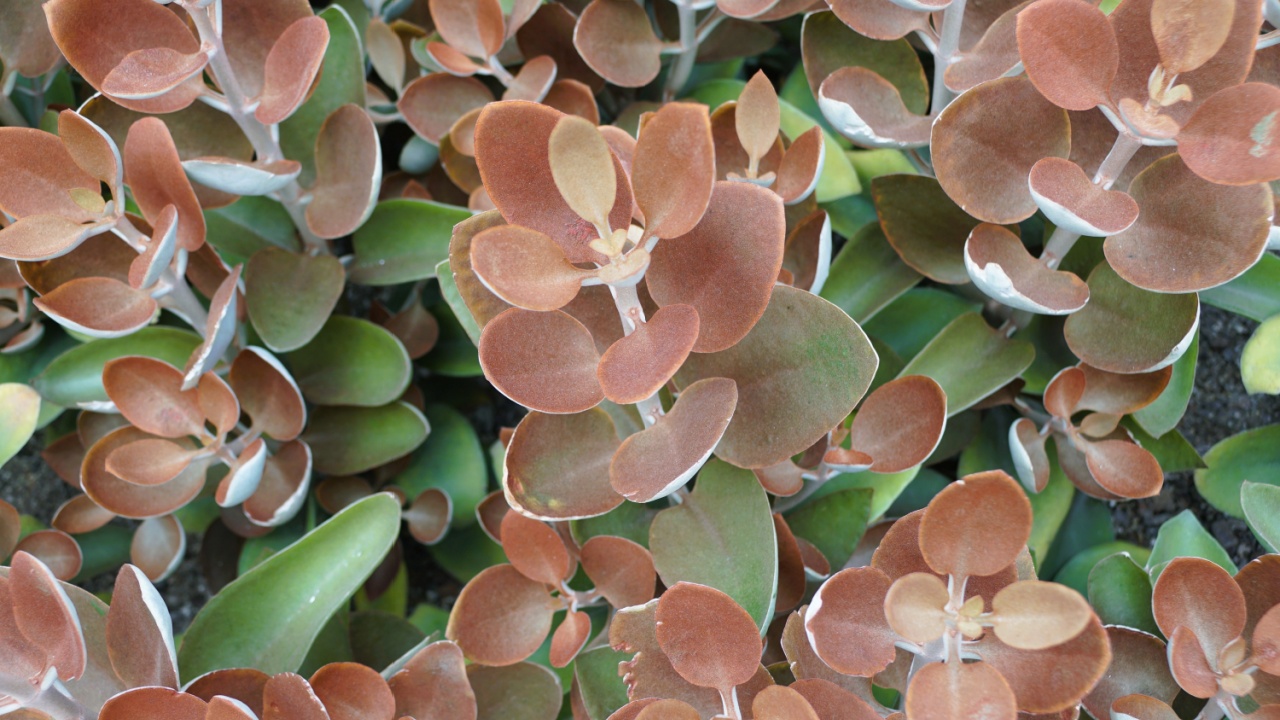
Copper Spoon is a unique succulent that offers both intriguing texture and stunning color. Its paddle-shaped leaves are covered in fine, cinnamon-colored hairs that give them a velvety, metallic sheen, reminiscent of burnished copper. The undersides of the leaves are a contrasting silver-gray. New growth is brightest, creating a beautiful two-toned effect with the older, darker foliage.
This is a great choice for those seeking a low-water, low-maintenance plant with high visual impact. It’s perfect for succulent bowls, rock gardens, or as a striking houseplant in a sunny window. Its upright growth habit adds height and structure to arrangements. Over time, it can grow into a small, branching shrub.
Quick Care Guide:
- Light: Bright, indirect light to full sun. More sun exposure deepens the copper tone.
- Water: Water thoroughly when the soil is completely dry. Avoid overwatering.
- Soil: Fast-draining cactus or succulent mix.
- Next Steps: Protect from frost. If you’re growing it indoors, give it the brightest spot you have to maintain its vibrant color.
7. Graptosedum ‘California Sunset’
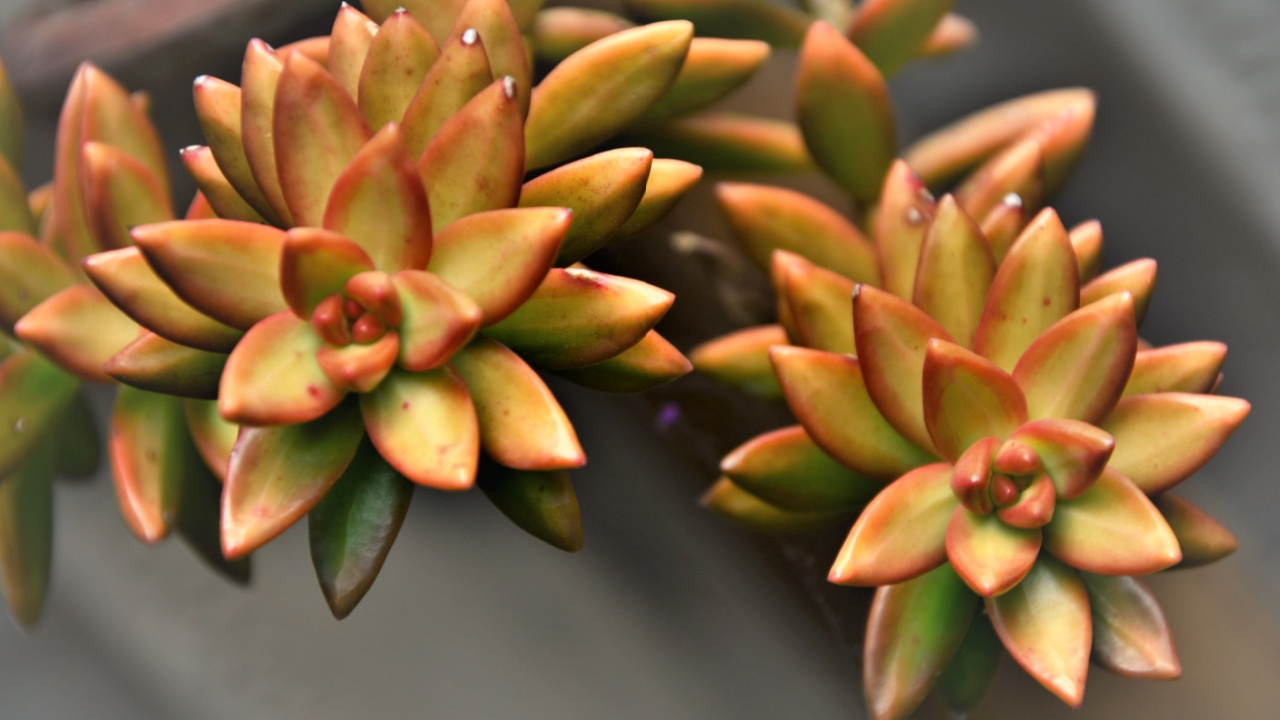
Aptly named, this charming succulent hybrid displays rosettes of fleshy leaves that blush with shades of orange, pink, and apricot, just like a West Coast sunset. The colors are most intense when the plant is “stressed” by bright sunlight, cool temperatures, or minimal water, rewarding you with a brilliant display.
‘California Sunset’ is an easy-to-care-for succulent, making it ideal for beginners. Its trailing habit makes it perfect for spilling over the edges of pots, hanging baskets, or rock walls. It readily produces new rosettes, quickly filling in an area with its warm, glowing color.
Quick Care Guide:
- Light: Full sun to bright, indirect light.
- Water: Water when the soil is dry to the touch. It is very drought-tolerant.
- Soil: Excellent drainage is crucial. Use a cactus/succulent potting mix.
- Next Steps: This plant is incredibly easy to propagate. Simply break off a leaf or a small rosette, let it callous for a day, and place it on top of the soil to grow a new plant.
8. Ninebark (Physocarpus opulifolius ‘Amber Jubilee’)
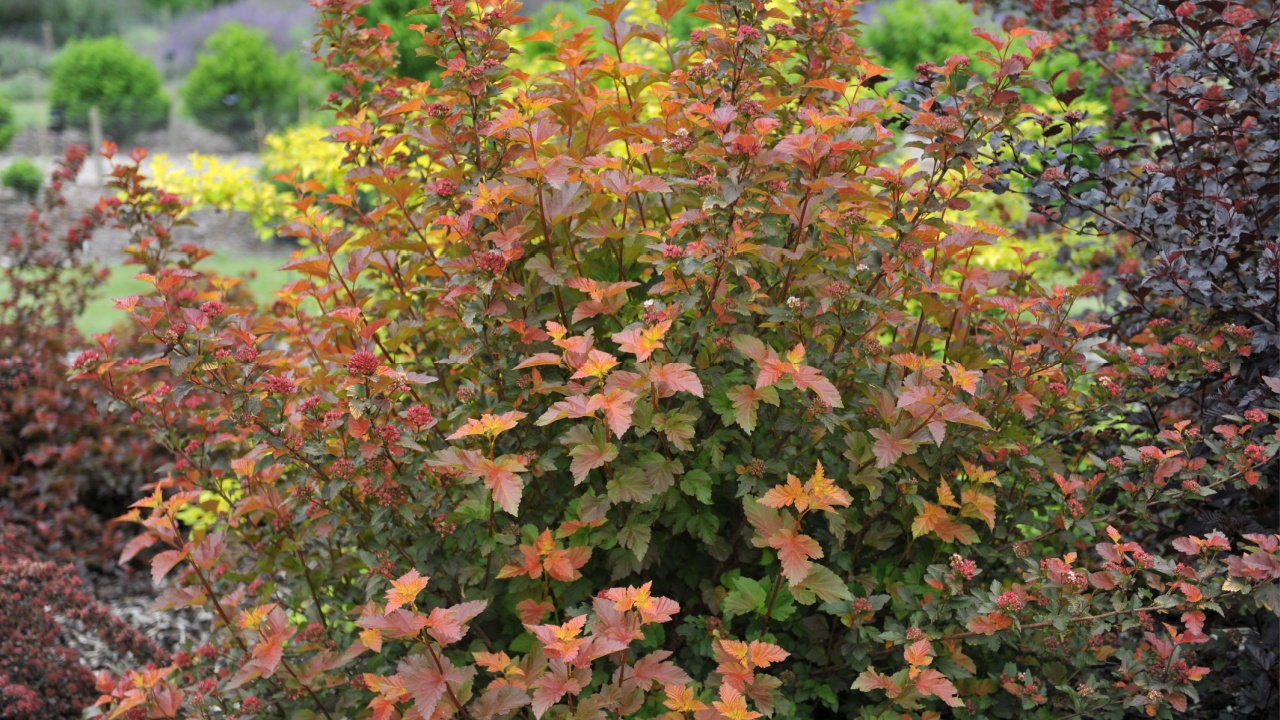
Ninebark is a tough, durable shrub, and the Amber Jubilee variety brings a spectacular color palette to the garden. New growth emerges in sunny shades of yellow and orange, matures to a vibrant lime-green in summer, and finally deepens to rich purple and red tones in the fall. This multi-toned effect means the shrub looks different almost every time you look at it.
This is an excellent choice for a low-maintenance, high-impact shrub border or hedge. It’s extremely cold-hardy and adaptable to a wide range of soil conditions. In late spring, it produces clusters of white, button-like flowers that attract bees and butterflies, adding another layer of interest.
Quick Care Guide:
- Light: Full sun provides the most dramatic and varied foliage color.
- Water: Water regularly during its first year; it is drought-tolerant once established.
- Soil: Adaptable to most soils, but prefers well-draining conditions.
- Next Steps: Prune after flowering to maintain its shape and encourage vibrant new growth, as the best color is on new stems.
9. Begonia ‘Autumn Ember’
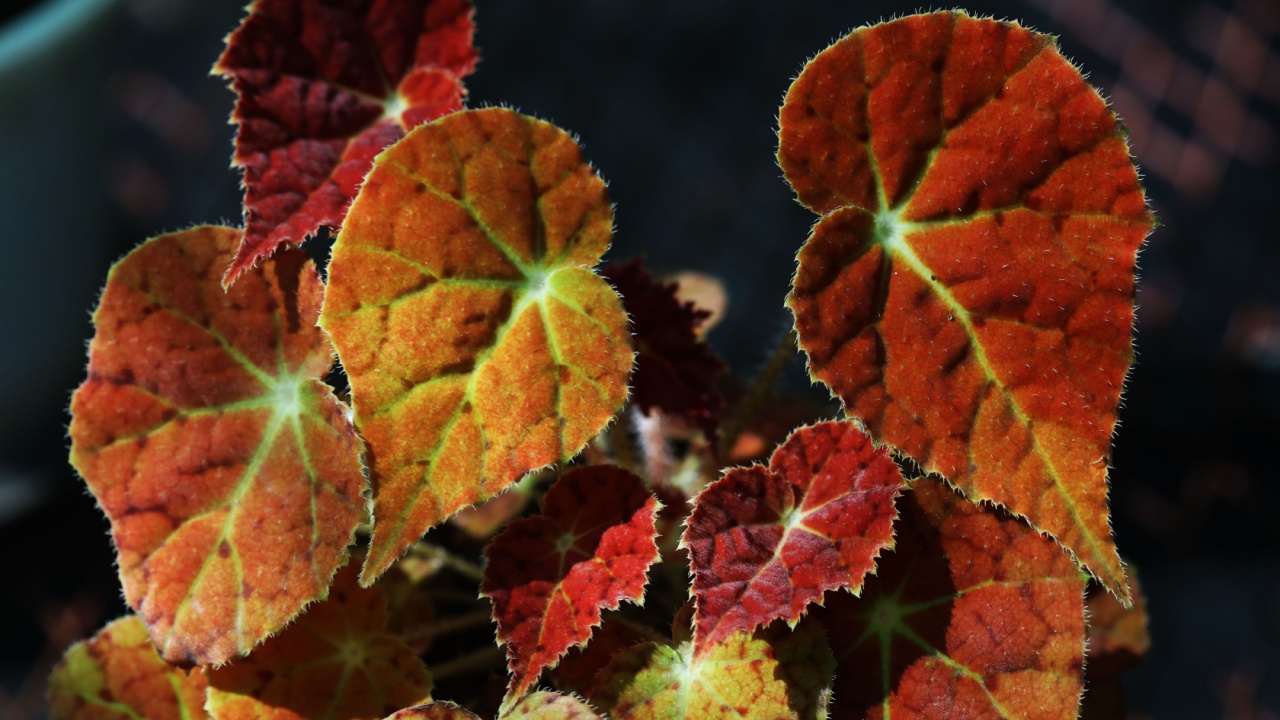
For those who love houseplants or have shady garden spots, Begonia ‘Autumn Ember’ is a must-have. This rhizomatous begonia features spiraled, textured leaves that glow with a fiery, warm orange. The color can range from a soft, peachy orange to a deep, smoldering ember, depending on the light and maturity of the leaves.
It’s a fantastic plant for bringing a pop of color indoors or for brightening up a shaded container on a patio. Unlike many other foliage plants, its beauty lies in its intricate leaf shape and luminous color rather than flowers. It remains compact and manageable, making it perfect for smaller spaces.
Quick Care Guide:
- Light: Bright, indirect light. Avoid direct sun, which will scorch its leaves.
- Water: Keep the soil evenly moist but not soggy. Allow the top inch of soil to dry out before watering again.
- Soil: A light, well-aerated potting mix.
- Next Steps: Provide good air circulation to prevent powdery mildew, a common issue for begonias. Boost humidity by placing the pot on a pebble tray with water.
10. Spirea ‘Magic Carpet’ (Spiraea japonica ‘Magic Carpet’)
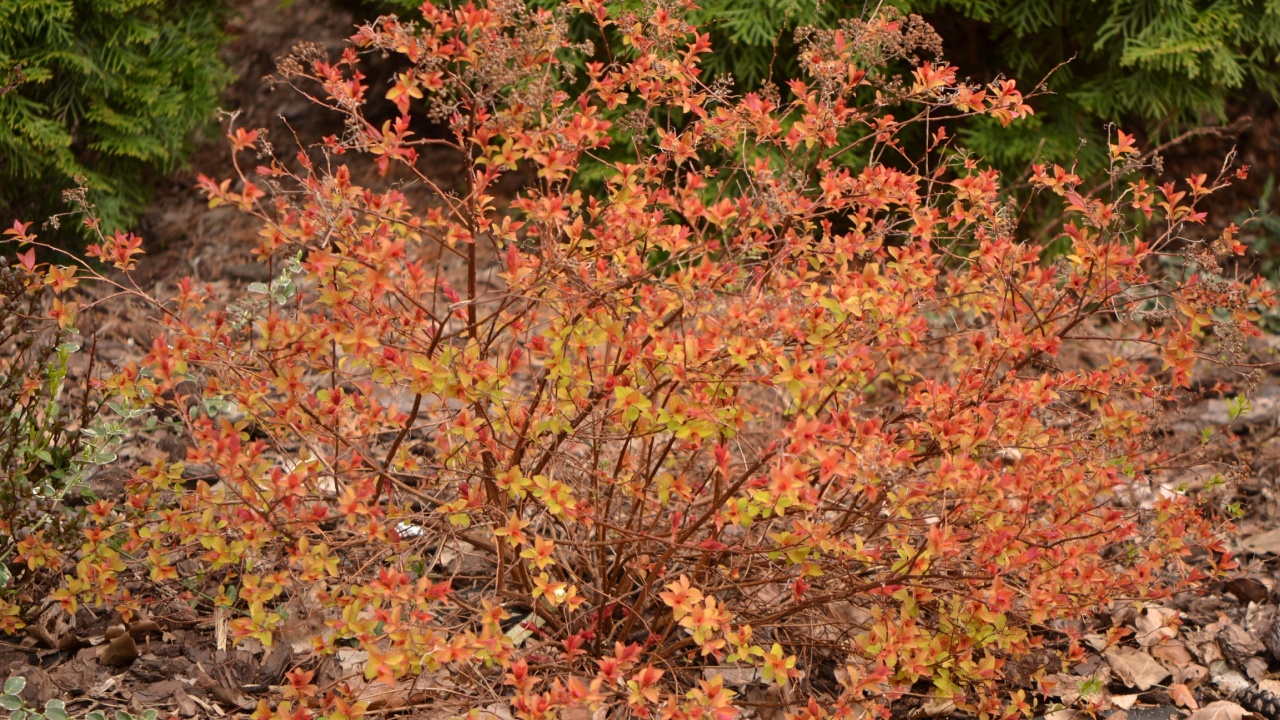
‘Magic Carpet’ is a compact, deciduous shrub that offers a season-long color show. The new leaves emerge in a vibrant reddish-orange, mature to a bright golden-yellow through the summer, and finally turn a rich russet-red in the fall. In early summer, it is topped with clusters of cheerful pink flowers that contrast beautifully with the golden foliage.
This spirea is a workhorse in the garden. Its small, mounded shape makes it perfect for foundation plantings, low borders, or mass plantings on a slope. It is exceptionally hardy, deer-resistant, and requires very little maintenance once established, making it a reliable choice for gardeners of all skill levels.
Quick Care Guide:
- Light: Full sun is needed to bring out the best foliage color.
- Water: Average water needs; drought-tolerant once established.
- Soil: Adaptable to a wide range of soils.
- Next Steps: To encourage a fresh flush of colorful new growth, give the shrub a light shearing after its first wave of flowering is complete.
11. Sedum nussbaumerianum (Coppertone Stonecrop)
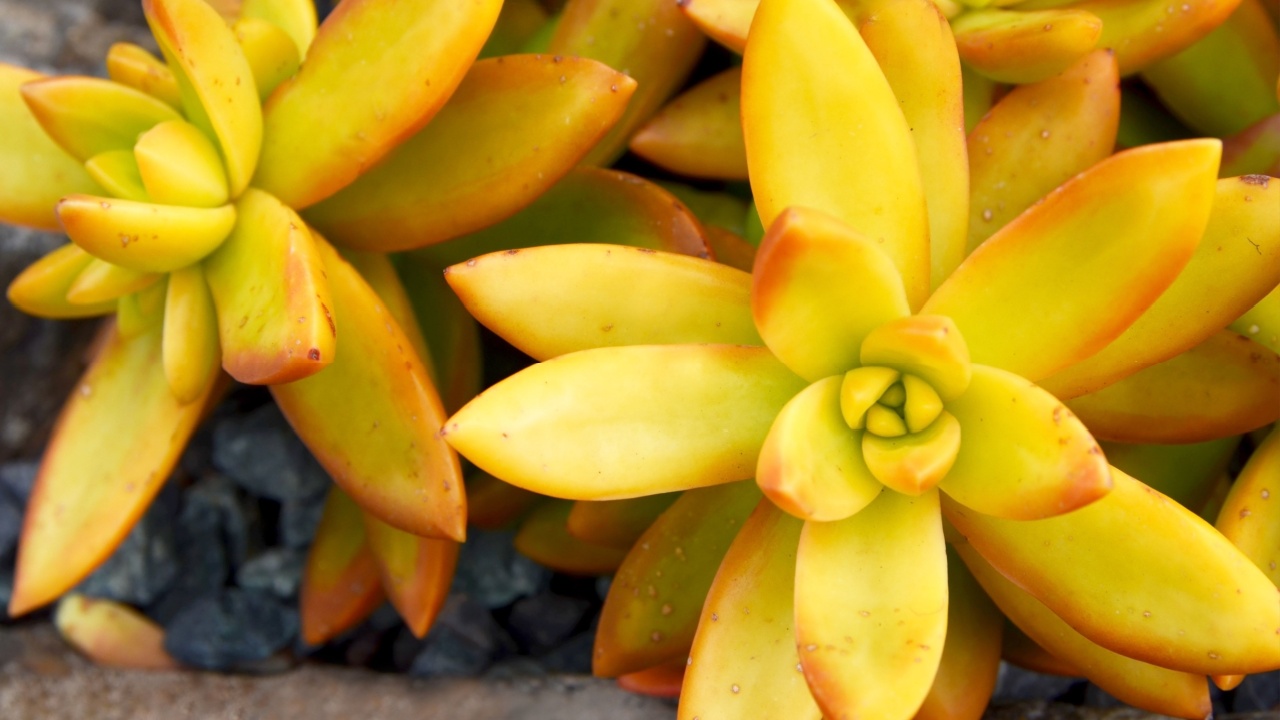
Often sold as ‘Coppertone Stonecrop,’ this trailing succulent has pointed, fleshy leaves arranged in rosettes. In partial shade, the leaves are a bright apple-green, but with exposure to full sun, they transform into an incredible shade of brilliant coppery-orange with reddish edges.
This is a superb plant for sunny, dry areas where other plants might fail. It’s perfect for rock gardens, groundcover, or as a “spiller” in container arrangements. Its trailing stems will gracefully cascade over the sides of pots or walls, creating a waterfall of fiery color. It is extremely drought-tolerant and thrives on neglect.
Quick Care Guide:
- Light: Full sun for the best, most intense orange color.
- Water: Infrequent watering. Allow soil to dry out completely.
- Soil: Gritty, well-draining soil is essential.
- Next Steps: Easily propagated from cuttings. Simply snip a piece, let it dry for a day, and stick it in soil. It will root quickly.
12. Aloe ‘Carmine’
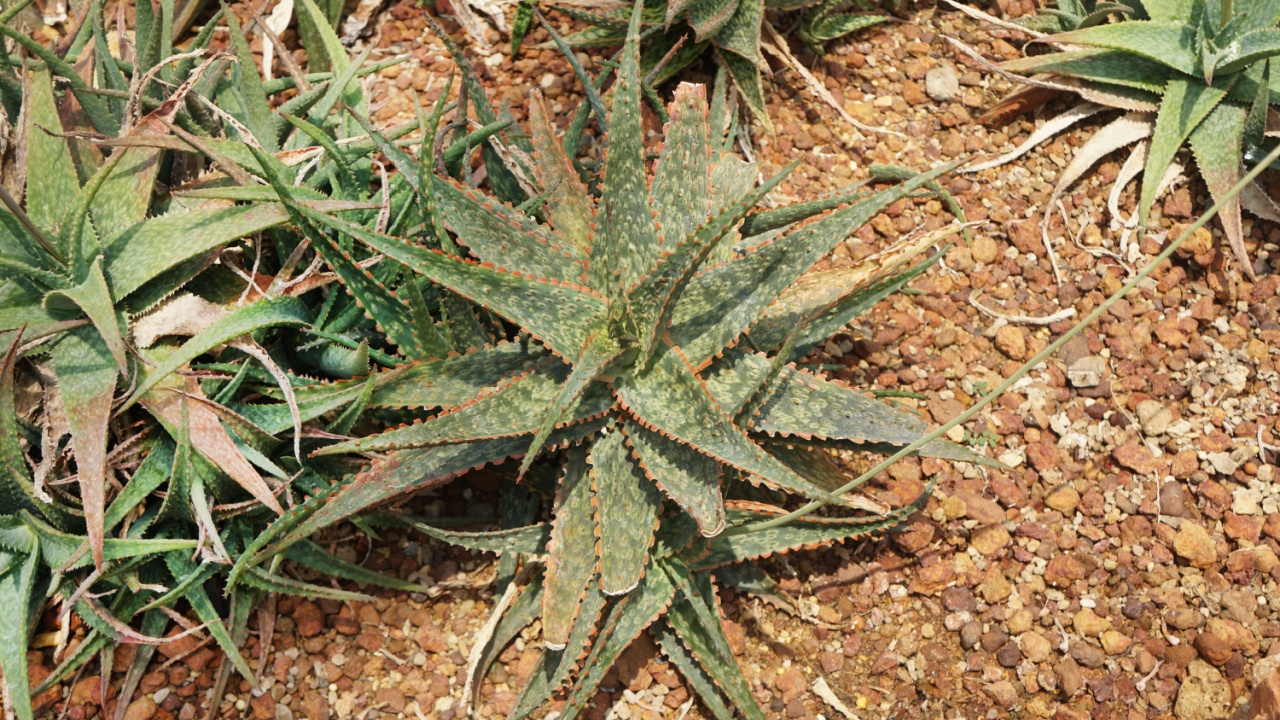
While most people think of green when they imagine an Aloe plant, hybrid varieties like ‘Carmine’ break the mold. This stunning aloe features textured, toothy leaves that are a vibrant orange-red. The color is most intense when the plant receives plenty of direct sunlight, transforming it into a fiery centerpiece.
Aloe ‘Carmine’ is a great option for adding sculptural form and bold color to a xeriscape garden or a collection of potted succulents. Like its relatives, it’s incredibly water-wise and easy to care for, making it suitable for busy gardeners or those in dry climates. Its compact size keeps it manageable for container culture.
Quick Care Guide:
- Light: Full sun to very bright indirect light.
- Water: Water deeply but infrequently, letting the soil dry out completely.
- Soil: A fast-draining succulent or cactus mix.
- Next Steps: Plant it in a terracotta pot, which helps wick away excess moisture and prevents root rot, a common issue for aloes.
13. Coleus ‘Sedona Sunset’
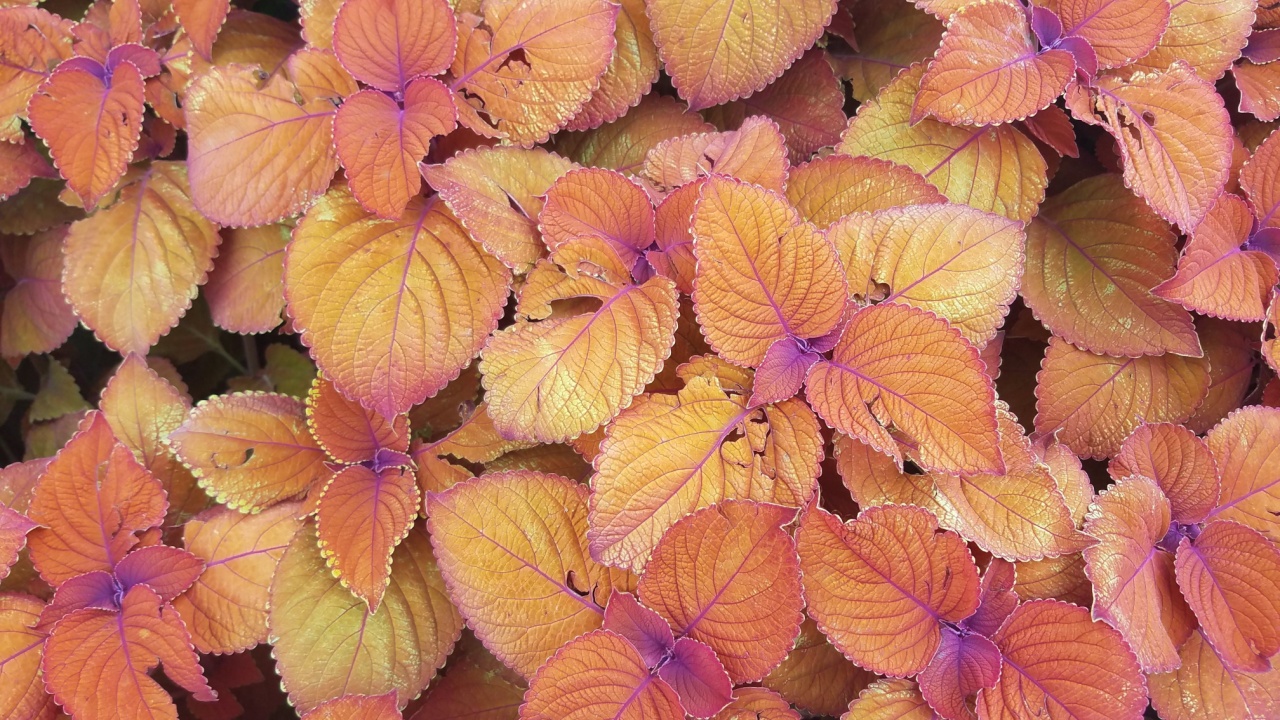
Another spectacular coleus, ‘Sedona Sunset’ lives up to its evocative name with large leaves in a rich, rustic orange-red. The color is reminiscent of the famous red rocks of Sedona, Arizona, glowing under the setting sun. The deep, velvety tones add a sense of depth and warmth to any planting combination.
This variety is prized for its vigor and its ability to perform well in both sun and shade, giving you more placement options. Whether you use it as a standalone thriller in a pot or mix it into a garden bed with plants of contrasting colors like deep purple or lime green, ‘Sedona Sunset’ is guaranteed to draw attention.
Quick Care Guide:
- Light: Sun or shade. Color is deepest with some direct sun.
- Water: Requires consistent moisture to prevent wilting.
- Soil: Fertile, well-draining soil.
- Next Steps: Like other coleus, pinch off any flower spikes as they appear. This diverts the plant’s energy back into producing more of its magnificent foliage.
14. Echeveria ‘Orange Monroe’
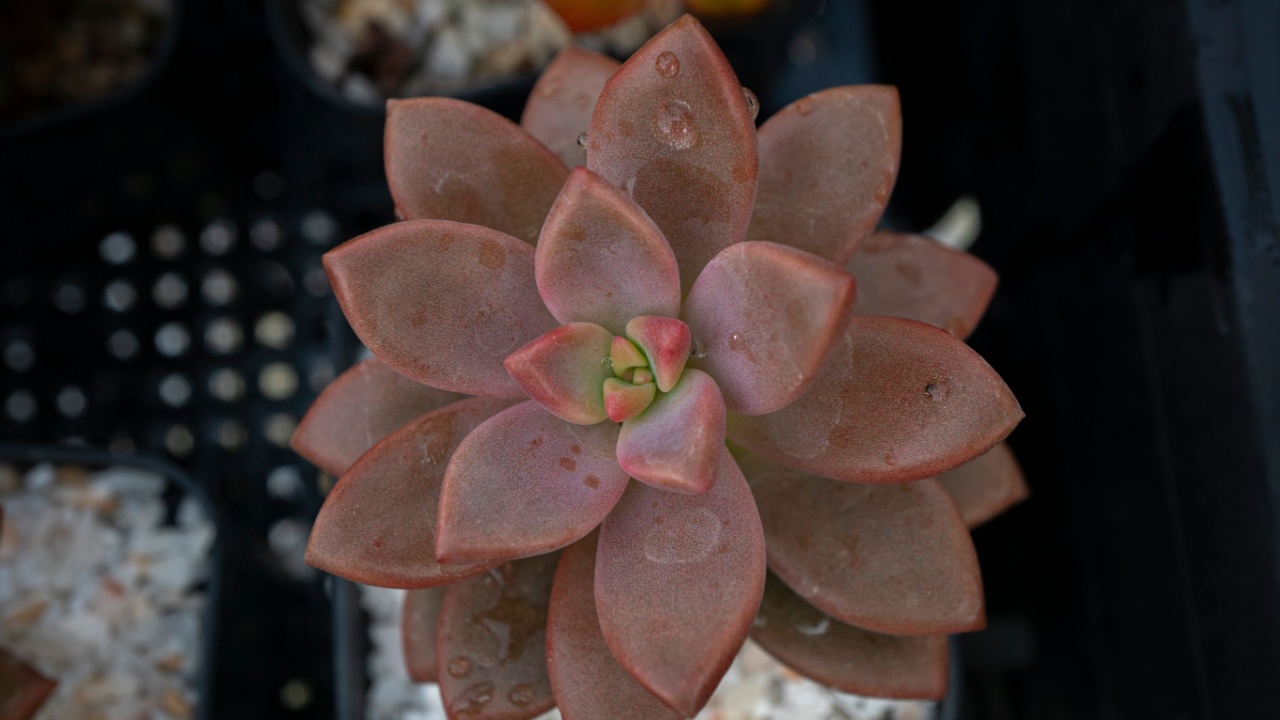
A true gem among succulents, ‘Orange Monroe’ forms beautiful, tight rosettes of plump, fleshy leaves. The leaves are coated in a fine layer of natural wax (farina), which gives them a soft, powdery appearance. Depending on the season and sun exposure, the rosettes blush from a pale peachy-pink to a vibrant, glowing orange.
This echeveria is a perfect choice for collectors and anyone who appreciates subtle beauty. It’s ideal for small pots, tabletop arrangements, or mixed succulent bowls where its form and color can be admired up close. It remains relatively small, making it a great “jewel box” plant.
Quick Care Guide:
- Light: Bright, direct sunlight is needed to develop and maintain its orange hues.
- Water: Water only when the soil is completely dry. Be careful not to let water sit in the rosette.
- Soil: Use a gritty, fast-draining succulent mix.
- Next Steps: When watering, aim for the soil at the base of the plant, not the leaves, to protect the powdery farina and prevent rot.
15. Smokebush ‘Golden Spirit’ (Cotinus coggygria ‘Golden Spirit’)
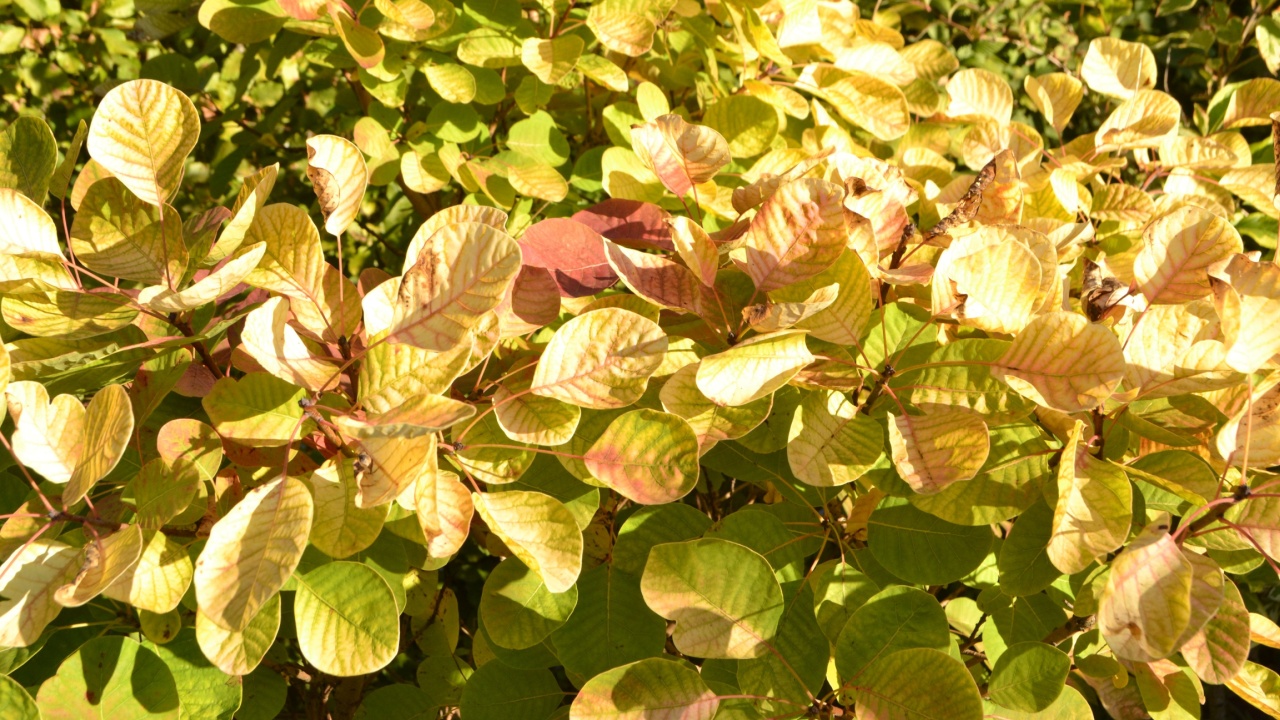
‘Golden Spirit’ is a smokebush that offers a twist on the traditional purple varieties. Its round leaves emerge a bright, lime-gold in spring, hold their color through summer, and then transform into stunning shades of coral, orange, and red in the fall. In mid-summer, it produces large, airy plumes of flowers that look like puffs of pinkish smoke, creating a magical, hazy effect.
This large shrub or small tree is an excellent choice for a dramatic backdrop or specimen planting. Its vibrant foliage brightens up the landscape, and the combination of colorful leaves and smoky plumes is truly unique. It is hardy, deer-resistant, and relatively low-maintenance once established.
Quick Care Guide:
- Light: Full sun to light shade. Foliage color is best in full sun.
- Water: Average water needs; becomes more drought-tolerant with age.
- Soil: Adaptable to most soils as long as they are well-drained.
- Next Steps: You can prune it back hard in late winter or early spring. This practice, known as coppicing, will prevent it from flowering but will encourage the growth of larger, more vibrant leaves.
Bringing the Fire to Your Garden
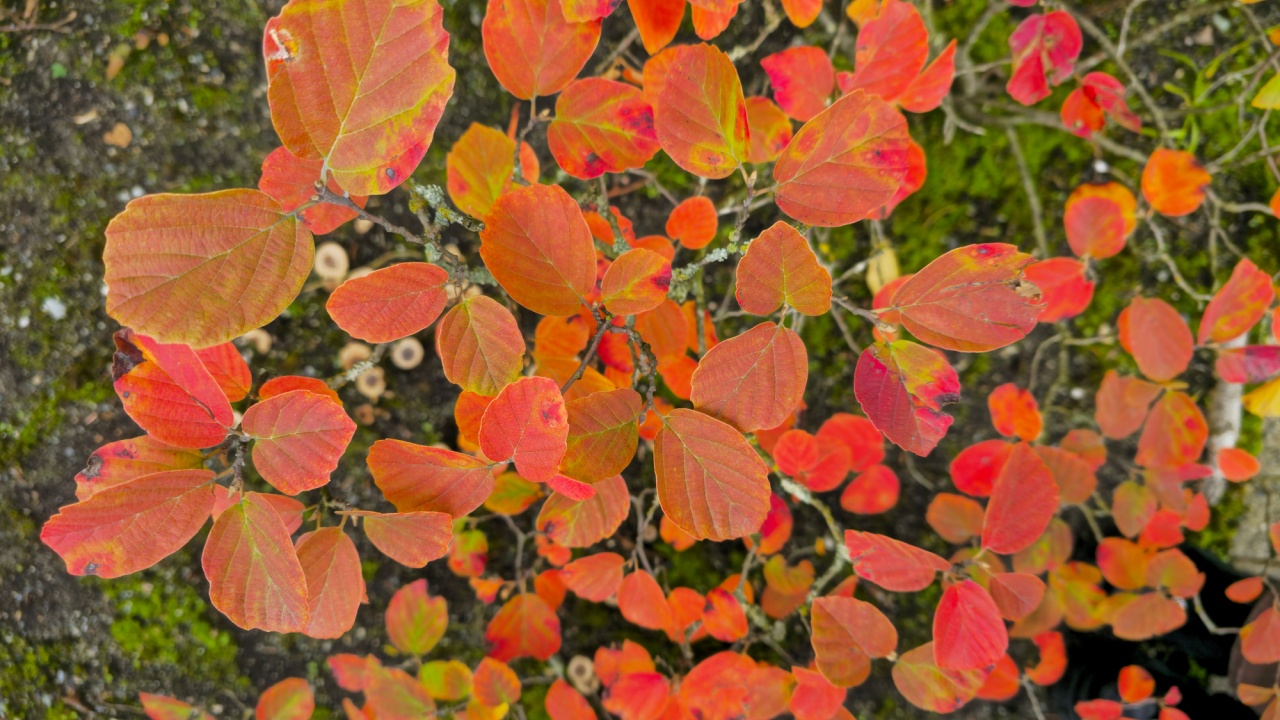
Incorporating orange foliage is one of the easiest and most effective ways to create a garden that feels alive and full of energy. These 15 plants offer a wide range of sizes, textures, and care requirements, ensuring there’s a perfect orange-hued option for every garden style and skill level.
Your next step is to assess your space. Take note of your sunny and shady spots, consider your soil type, and decide whether you want to add color to a container, a border, or a large landscape bed. Start with one or two of these fiery plants and watch how they instantly elevate the look and feel of your garden. Don’t be afraid to pair them with complementary colors like deep blues and purples or contrasting textures to create a truly dynamic and personalized outdoor sanctuary.