
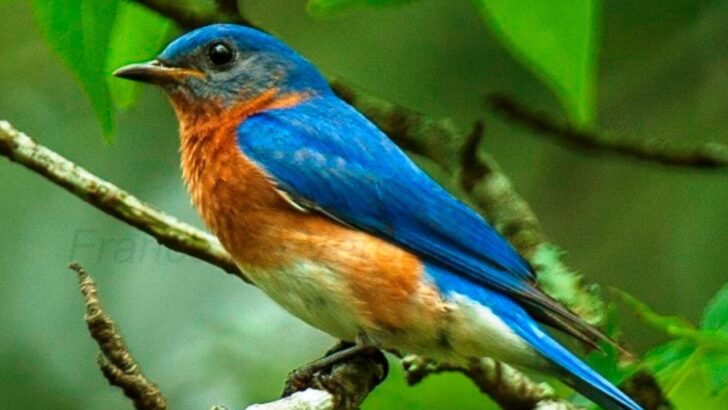
Bluebirds are a beloved addition to any garden, their bright plumage and cheerful songs adding charm and vibrancy to outdoor spaces. But did you know that planting the right flora can make your yard a prime destination for these feathered visitors?
Bluebirds are particularly drawn to plants that provide them with food (like berries), nesting materials, or shelter. Here are 12 exceptional plants that will help you build a bluebird-friendly garden, ensuring these delightful creatures keep visiting your yard year-round.
How We Chose These Plants

Image Credit: Shutterstock.
We based this list on guidance from reputable sources that specialize in native plants and bird conservation, including university extension programs, Audubon chapters, and wildlife habitat experts.
These organizations provide research-backed recommendations on plants that supply food, shelter, and nesting opportunities for bluebirds while also supporting overall ecological health.
1. Serviceberry (Amelanchier)

Image Credit: Shutterstock.
Serviceberry is a versatile native shrub that blooms in early spring with clusters of delicate white flowers. By early summer, the plant produces small, sweet berries that are a lifeline for bluebirds during their breeding season. These nutrient-rich fruits also appeal to fledgling bluebirds.
Why Bluebirds Love It: The berries are packed with nutrients, providing vital sustenance for young and adult bluebirds alike. The plant’s structure also offers perches for resting and scouting.
Care Tips: Serviceberry thrives in full sun to partial shade and adapts to various soil types. Make sure the soil is well-drained, and water the plant regularly, especially in its first season of growth.
2. Elderberry (Sambucus)
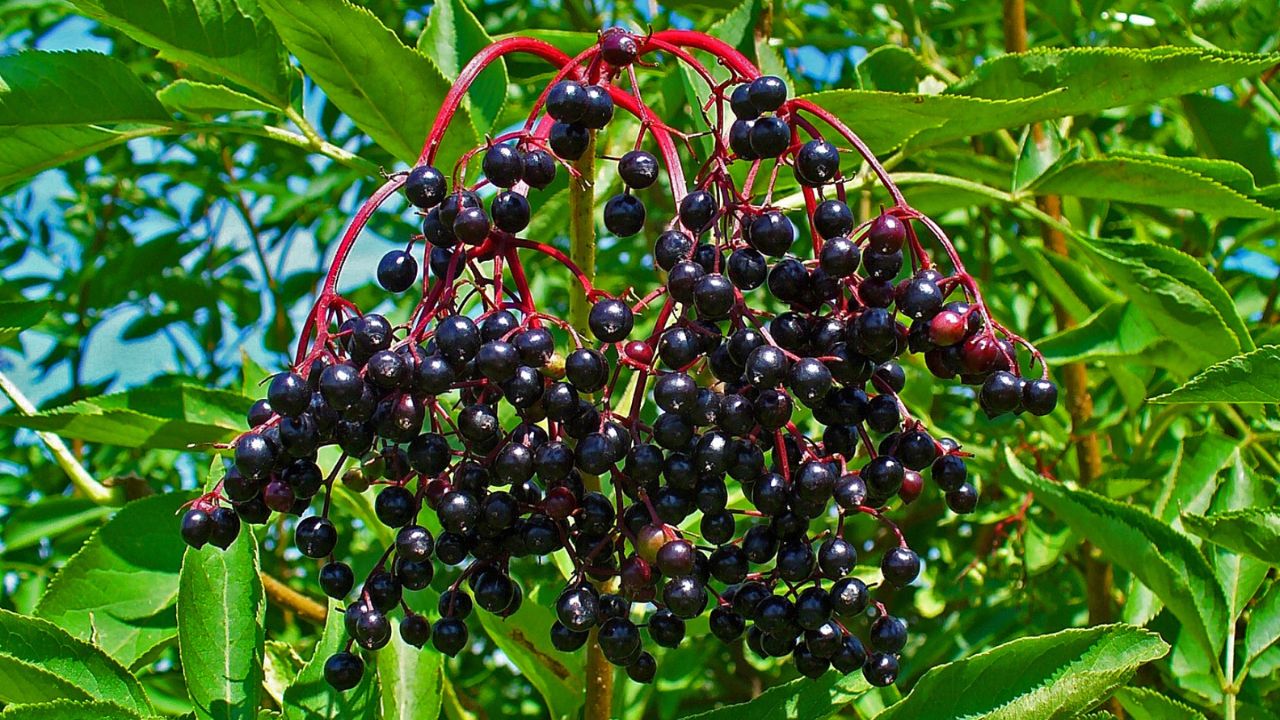
Image Credit: H. Zell (Own work)- CC BY-SA 3.0/Wiki Commons.
A fast-growing shrub with dramatic white clusters of flowers, elderberry transforms into a bluebird magnet when its dark-purple berries ripen in late summer. These berries are rich in antioxidants and nutrients, ensuring bluebirds stay healthy through the seasons.
Why Bluebirds Love It: Elderberry provides abundant food during the late summer and fall, a crucial period before migration or preparation for winter.
Care Tips: Elderberry is easy to grow and adapts to various soils, but it thrives in well-drained, moist conditions. Plant it in full sun for maximum berry production.
3. Dogwood (Cornus)
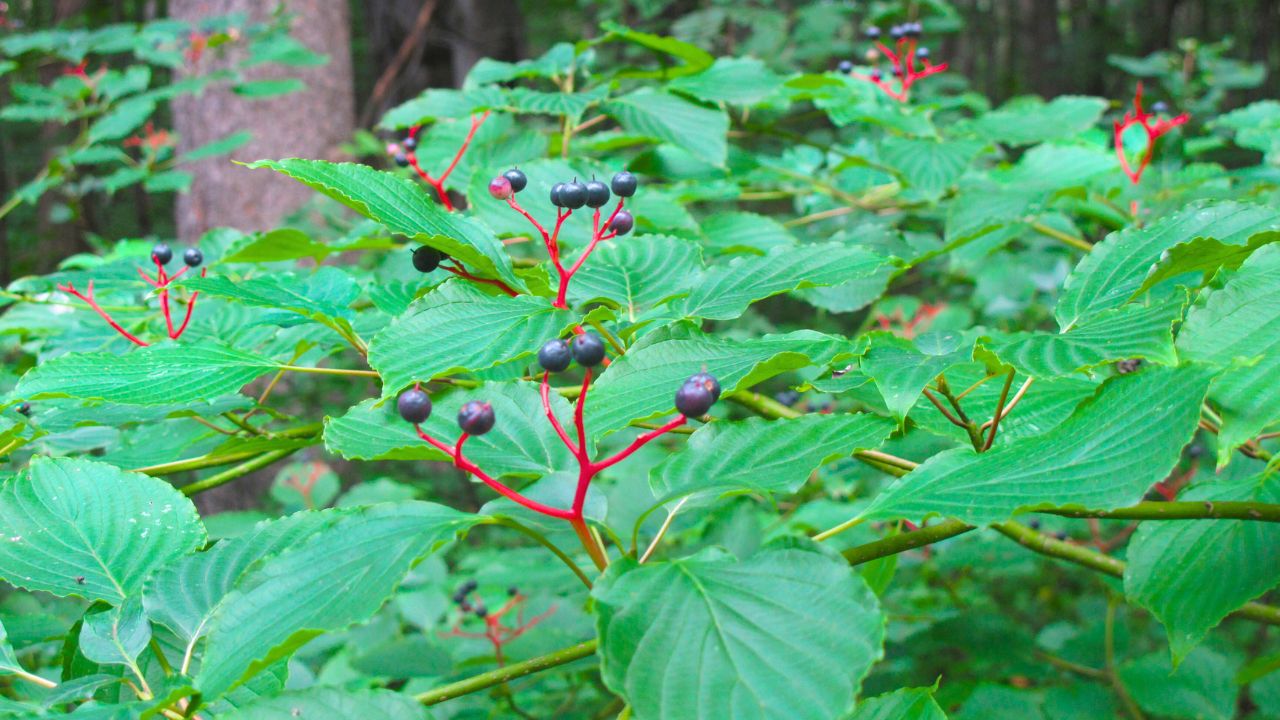
Image Credit: Ayotte, Gilles- CC BY-SA 4.0/Wiki Commons.
Dogwoods are a favorite amongst gardeners for their stunning flowers, vibrant fall foliage, and adaptability. The berries that appear in late summer and fall are a particular draw for bluebirds, offering a rich source of fats and proteins just when they need it the most.
Why Bluebirds Love It: Seasonal berries provide essential calories for migration or energy during colder weather, while the branches offer safe perches.
Care Tips: Dogwoods prefer well-drained soil and can tolerate both full sun and partial shade. Regular watering, particularly in the early years, helps maintain healthy growth.
4. Sumac (Rhus)
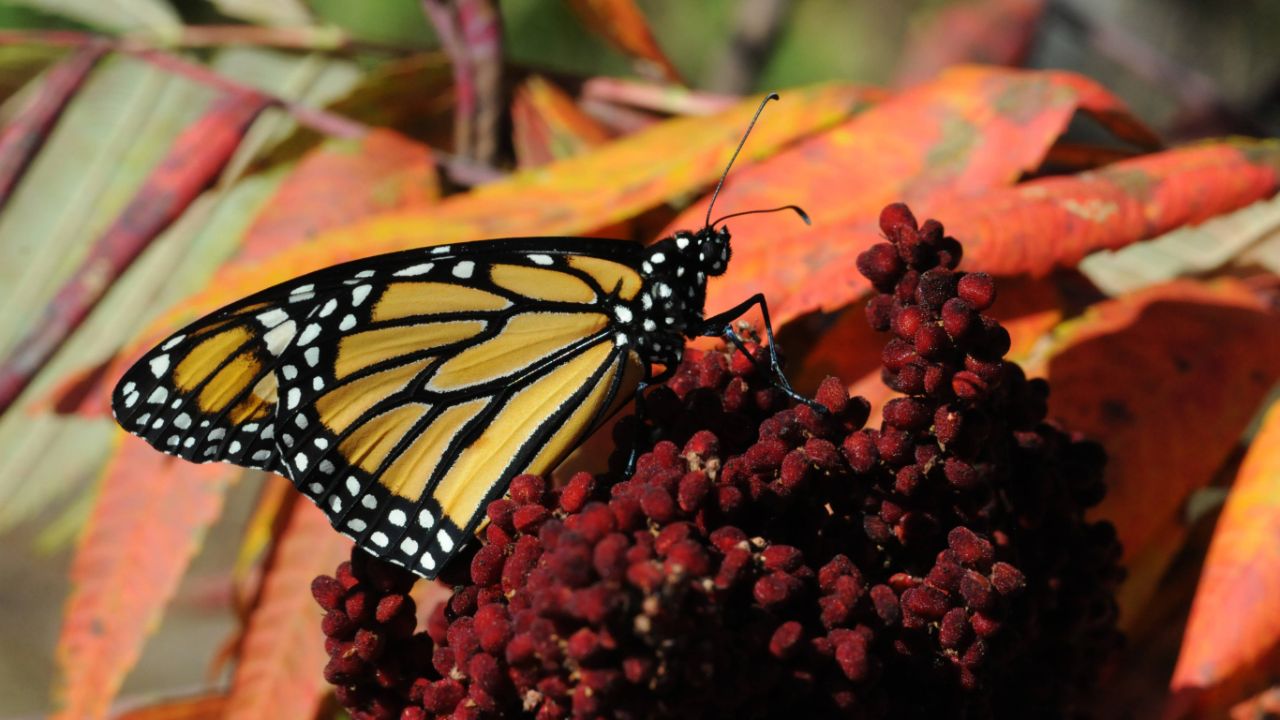
Image Credit: Brett Billings/USFWS, Public Domain/Wiki Commons.
With its striking red berries and feathery foliage, sumac is a stunning addition to any landscape. The berries persist well into the winter, providing food for bluebirds when other options are scarce.
Why Bluebirds Love It: The carbohydrate-dense berries sustain bluebirds through the colder months, ensuring they have enough energy to endure tough conditions.
Care Tips: Sumac tolerates poor soil and harsh conditions, making it a resilient choice. Plant it in full sun to partial shade, and consider entrenching barriers to prevent spreading, as some species can be invasive.
5. Holly (Ilex)

Image Credit: Shutterstock.
Holly’s iconic glossy green leaves and bright red winter berries make this shrub a year-round favorite. For bluebirds, the value lies not just in its berries but also in its dense branches, which provide safe nesting sites.
Why Bluebirds Love It: The berries ripen in late fall and remain available through winter, serving as a critical food source during lean times.
Care Tips: Plant holly in full sun to light shade and provide moist, well-drained soil. Avoid over-pruning to maintain its natural bushy shape, which offers protection to birds.
6. Virginia Creeper (Parthenocissus quinquefolia)
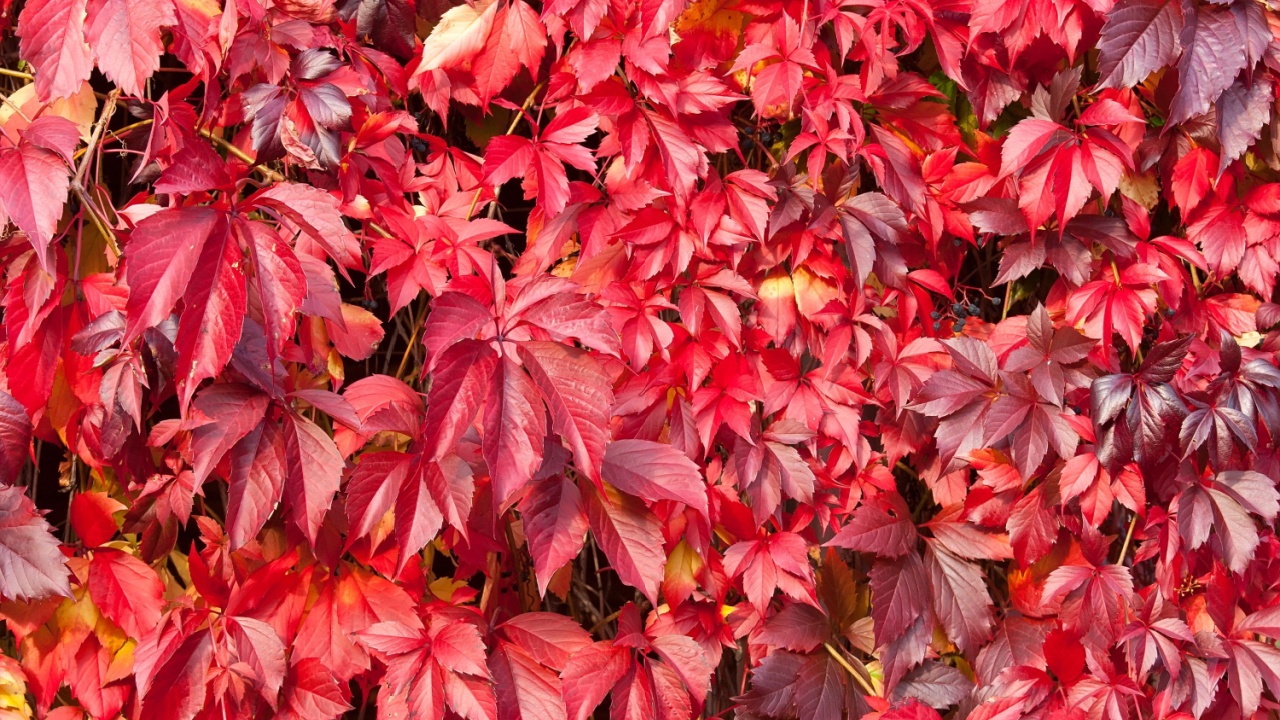
Image Credit: Shutterstock.
This vigorous vine is as practical as it is beautiful, with its deep red fall foliage and clusters of small, dark blue berries. Its versatility makes it a great choice for vertical gardening on walls, trellises, or fences.
Why Bluebirds Love It: The nutrient-dense berries sustain bluebirds in late summer and fall, offering an energy-packed meal as seasons transition.
Care Tips: Virginia creeper thrives in a range of soil types and light conditions, from full sun to shade. Train it early if you want it to climb, and trim back any aggressive growth as needed.
7. Bayberry (Myrica pensylvanica)
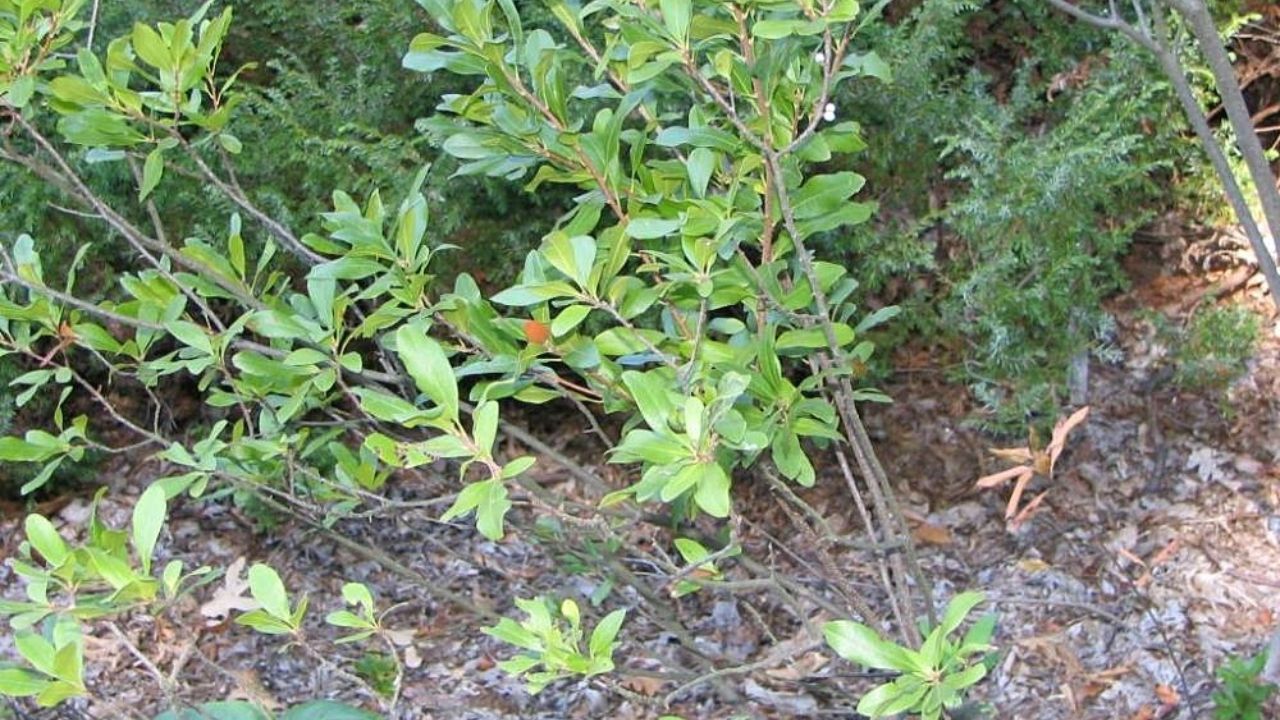
Image Credit: David J. Stang, CC BY-SA 4.0/Wiki Commons.
Bayberry produces small, waxy berries loved by bluebirds for their high-fat content. Additionally, this shrub flourishes in sandy or salty soils, making it a versatile option for diverse landscapes.
Why Bluebirds Love It: The berries provide a critical source of energy during winter when other food is scarce.
Care Tips: Plant bayberry in full sun and in well-draining soil. This hardy shrub requires minimal maintenance and can tolerate drought once established.
8. American Beautyberry (Callicarpa americana)
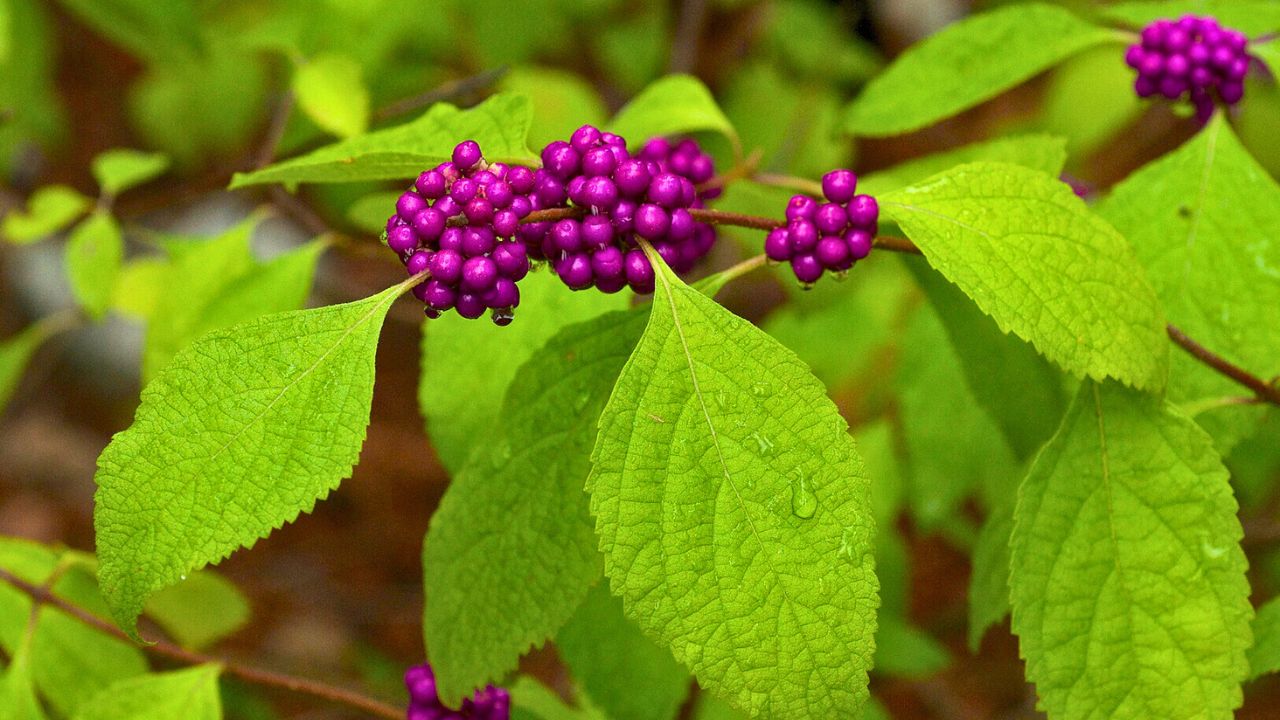
Image Credit: Eric Hunt (Own work)- CC BY-SA 3.0/Wiki Commons.
American beautyberry is aptly named for its showstopping clusters of bright purple berries that appear in fall. These berries attract bluebirds with their high nutritional value and visually stunning appeal.
Why Bluebirds Love It: The vibrant berries are packed with sustenance, helping bluebirds prepare for migration or endure winter.
Care Tips: This adaptable shrub thrives in partial to full sun and tolerates a variety of soils. Water it regularly in the first growing season to establish deep roots.
9. Wild Grape (Vitis)
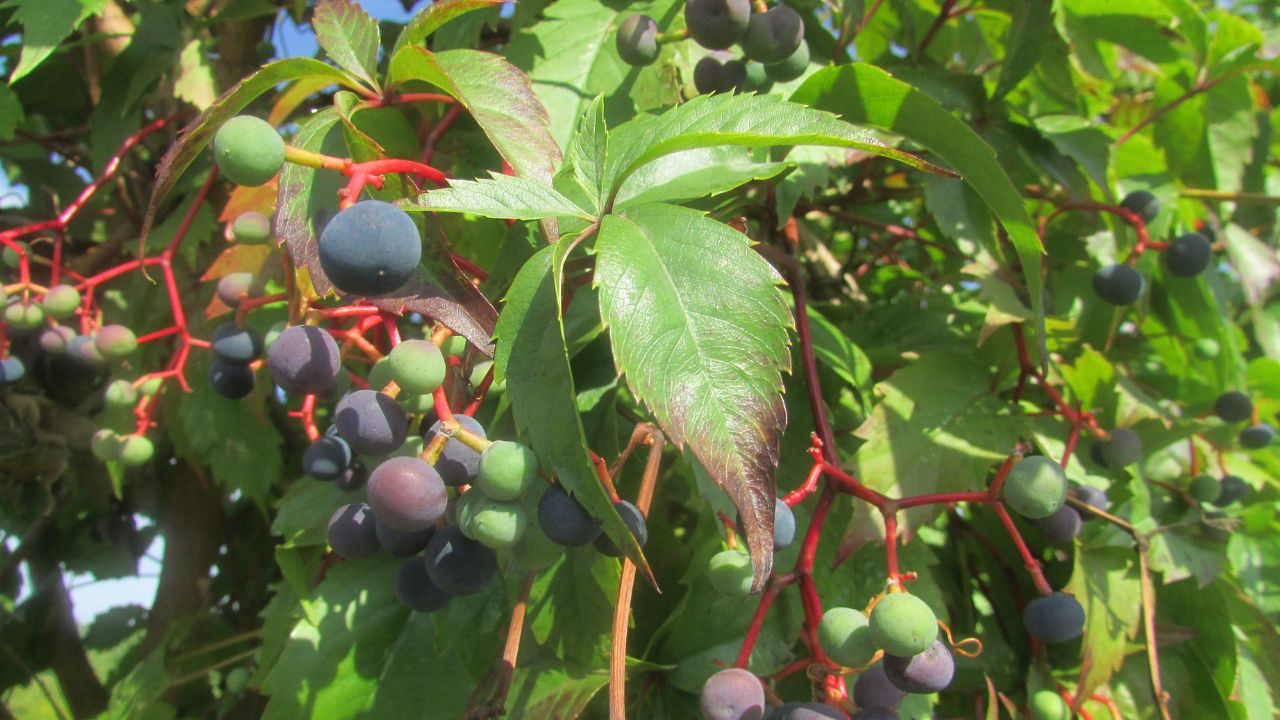
Image Credit: Chris Light – Own work, CC BY-SA 4.0/Wiki Commons.
Wild grapevines add a rustic charm to any yard while providing excellent resources for bluebirds. Their small, sweet grapes ripen in clusters in late summer and early fall.
Why Bluebirds Love It: Grapes offer a reliable food source during key migration and preparation periods. The vines also create natural perches and screening for nests.
Care Tips: Train wild grapevines on trellises or fences to manage their growth. Provide full sun to encourage fruit production and prune as needed to prevent overgrowth.
10. Winterberry (Ilex verticillata)
Image Credit: Shutterstock.
A type of deciduous holly, winterberry produces bright red berries that persist through the winter, standing out starkly against its bare branches.
Why Bluebirds Love It: When food is scarce in winter, the high-energy berries sustain bluebirds, helping them through difficult months.
Care Tips: Winterberry thrives in wet, poorly drained soils but also adapts well to standard garden environments. Plant in full sun to achieve the best berry display.
11. Chokeberry (Aronia)
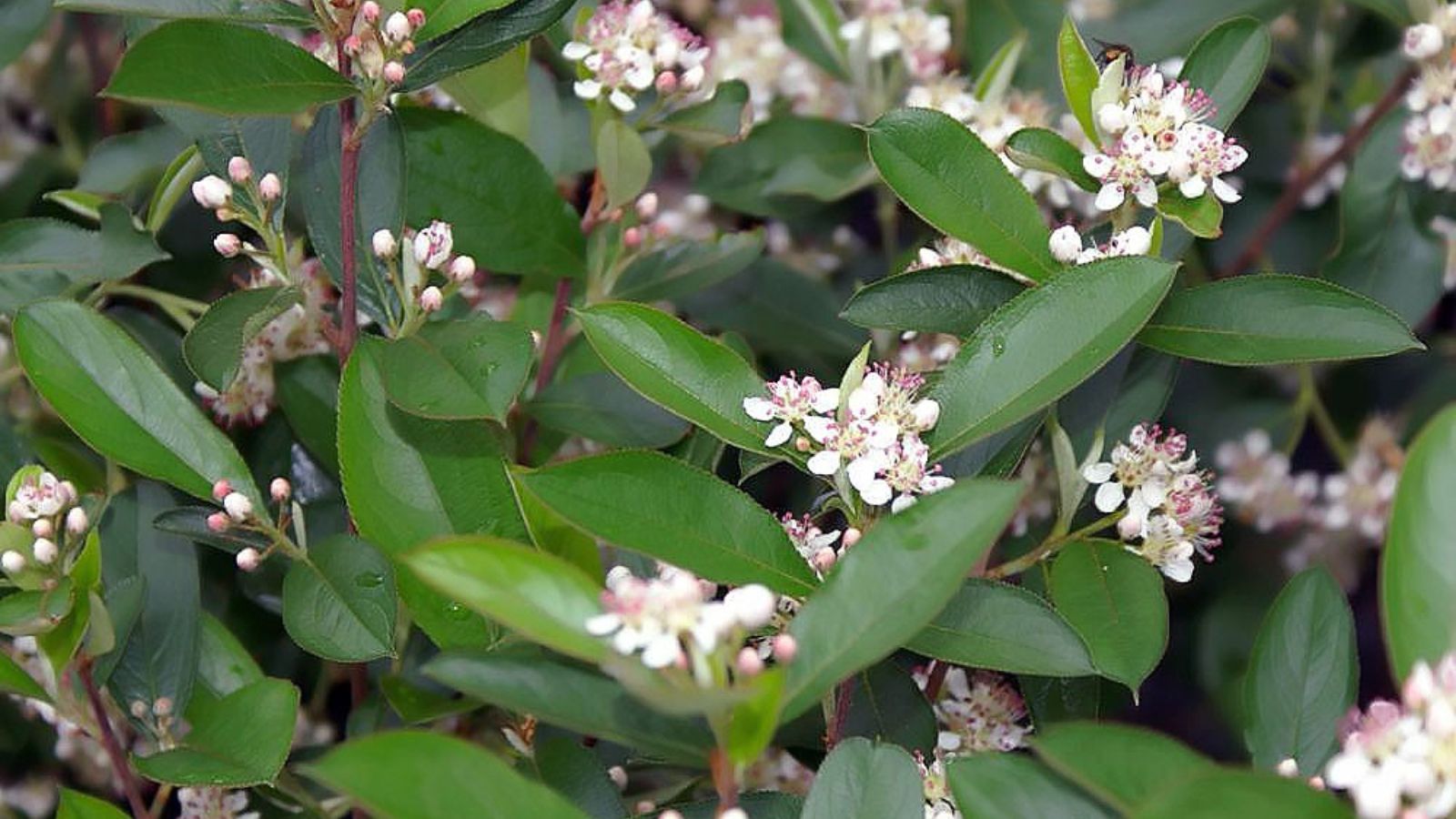
Image Credit: David J. Stang, CC BY-SA 4.0/Wiki Commons.
Chokeberry is a native shrub with year-round appeal. It produces white spring flowers followed by dark, glossy berries in late summer, which last into winter.
Why Bluebirds Love It: The berries are a dependable food source, particularly as other fruits become scarce during colder months.
Care Tips: Plant chokeberry in full sun to partial shade and provide moist, acidic soil. Prune annually to maintain its rounded shape and encourage healthier berry production.
12. Crabapple (Malus)
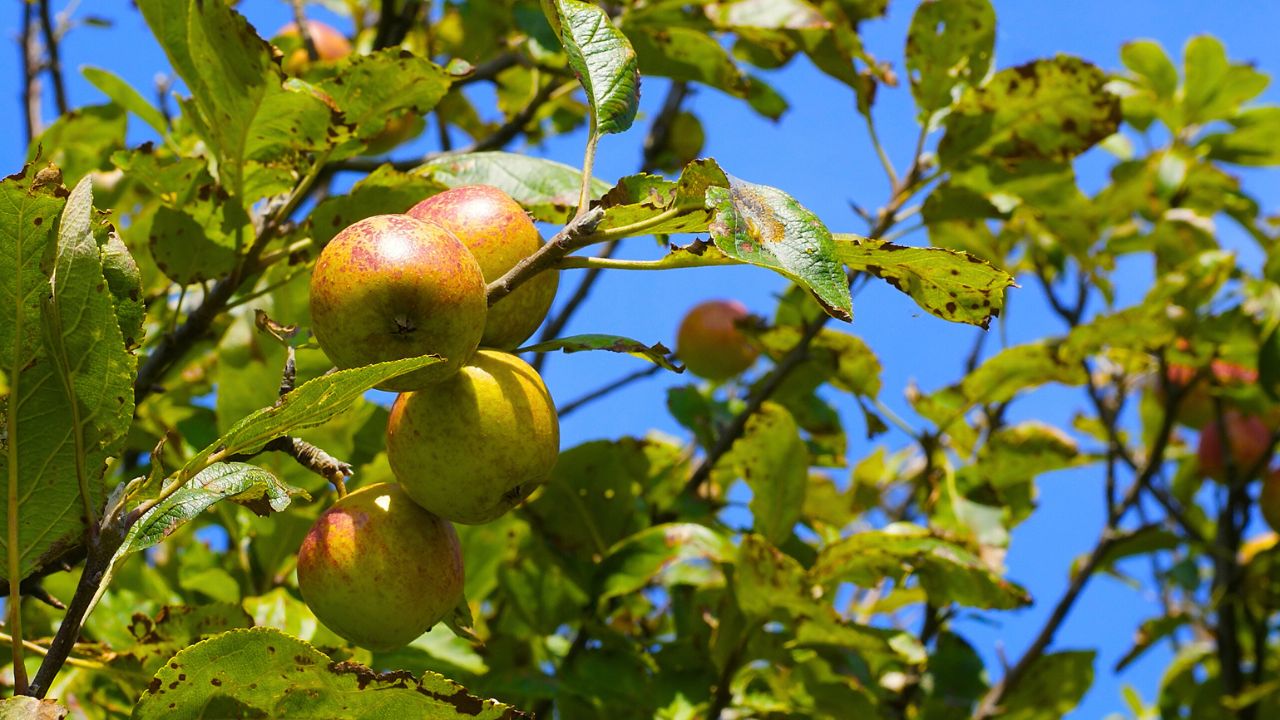
Image Credit: Hans Hillewaert- CC BY-SA 3.0/Wiki Commons.
Crabapple trees light up gardens with their stunning spring blossoms and small, colorful fruits in the fall. Bluebirds feast on these fruits well into the cooler months.
Why Bluebirds Love It: Crabapple fruits are rich in energy and readily available in fall and winter, when bluebirds need them most.
Care Tips: Plant crabapple trees in full sun with well-draining soil. Water regularly until established, and choose disease-resistant varieties for vibrant, long-lasting blooms and fruit.
Build It and They Will Come

Image Credit: Shutterstock.
Creating a garden that attracts bluebirds is not only a joy for bird enthusiasts but also a step toward a thriving, biodiverse ecosystem.
By planting these 12 incredible species, you’ll provide bluebirds with the food and shelter they need to return year after year. With thoughtful care and planning, your yard can become a sanctuary for these delightful feathered friends — and a source of endless beauty and tranquility for you.