
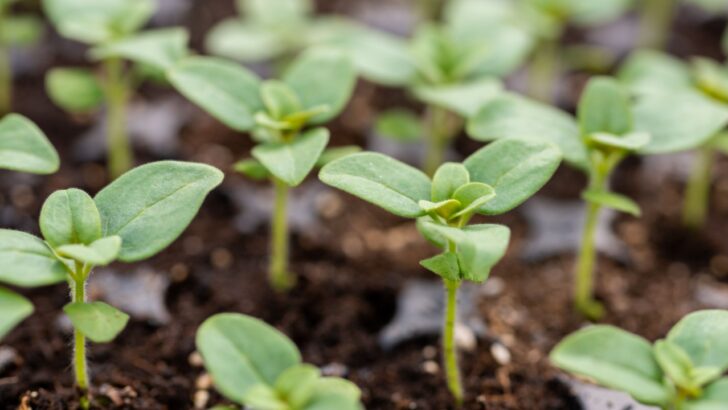
There’s a special kind of pride that comes with nurturing a plant from a tiny seed into a thriving part of your garden. You provide the right soil, the perfect amount of water, and just enough sun. It’s a rewarding process, but sometimes, the effort, time, and resources just don’t add up. For certain plants, starting from seed can be a long, frustrating journey with a low chance of success.
Deciding to buy plant starts instead of seeds isn’t a shortcut; it’s a smart gardening strategy. It saves you time, specialized equipment like heat mats and grow lights, and the disappointment of failed germination. This approach lets you focus your energy on other parts of your garden that bring you joy.
Ready to garden smarter, not harder? Here are 12 plants that gardening experts confirm you’re better off buying as young plants rather than starting from seed.
1. Roses
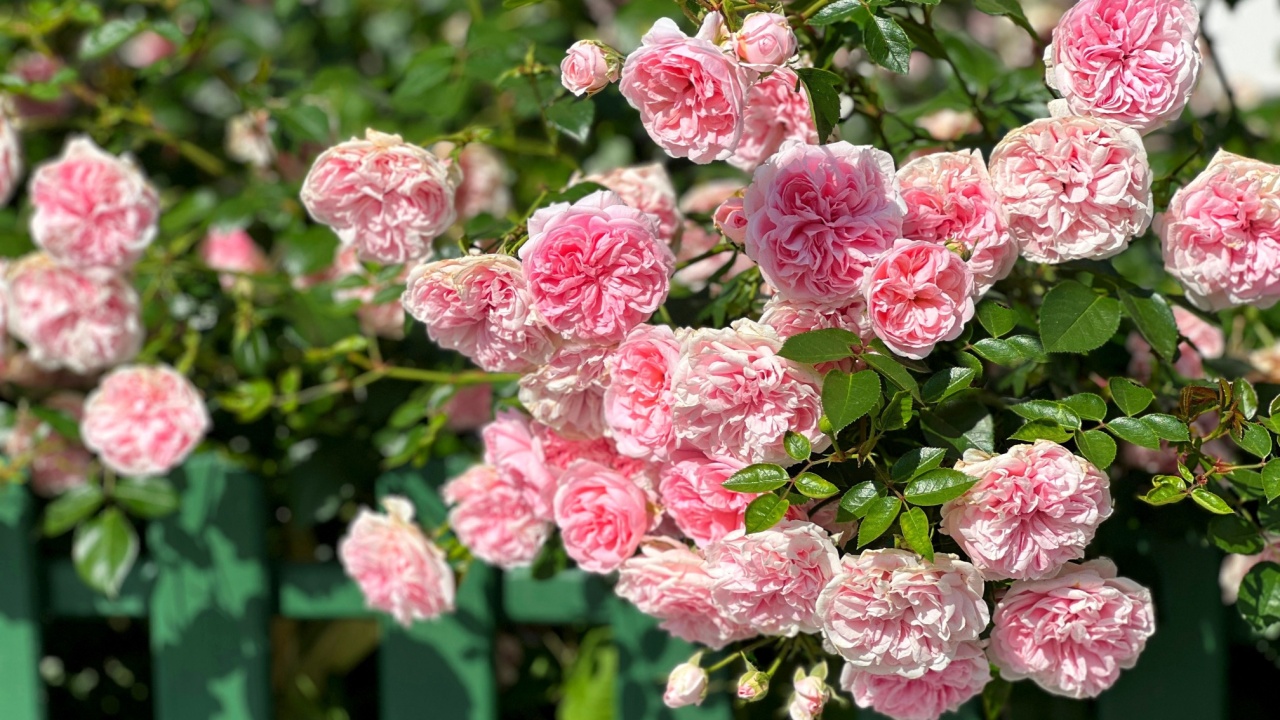
Image Credit: Shutterstock.
Growing roses from seed is an exercise in extreme patience, often taking years to produce a single bloom, if they flower at all. Most commercially available roses are complex hybrids, and seeds from these plants won’t grow into a plant identical to the parent. Instead, you’ll likely get a thorny, unpredictable version that may not have the color or fragrance you love.
The standard and much more reliable method for propagating roses is through stem cuttings. This technique creates a genetic clone of the parent plant, ensuring you get the exact rose variety you want. For an even easier start, buying a bare-root or potted rose from a nursery is the best choice. This way, you begin with a healthy, established plant that is ready to grow and bloom in its first season.
- Best Alternative: Buy bare-root or container-grown plants from a reputable nursery.
- Why It’s Better: You get a specific, healthy hybrid that is ready to establish itself and bloom much sooner.
- Care Tip: Plant your new rose in a spot with at least six hours of direct sunlight and in well-draining, nutrient-rich soil. Water deeply and regularly as it gets established.
2. Peonies
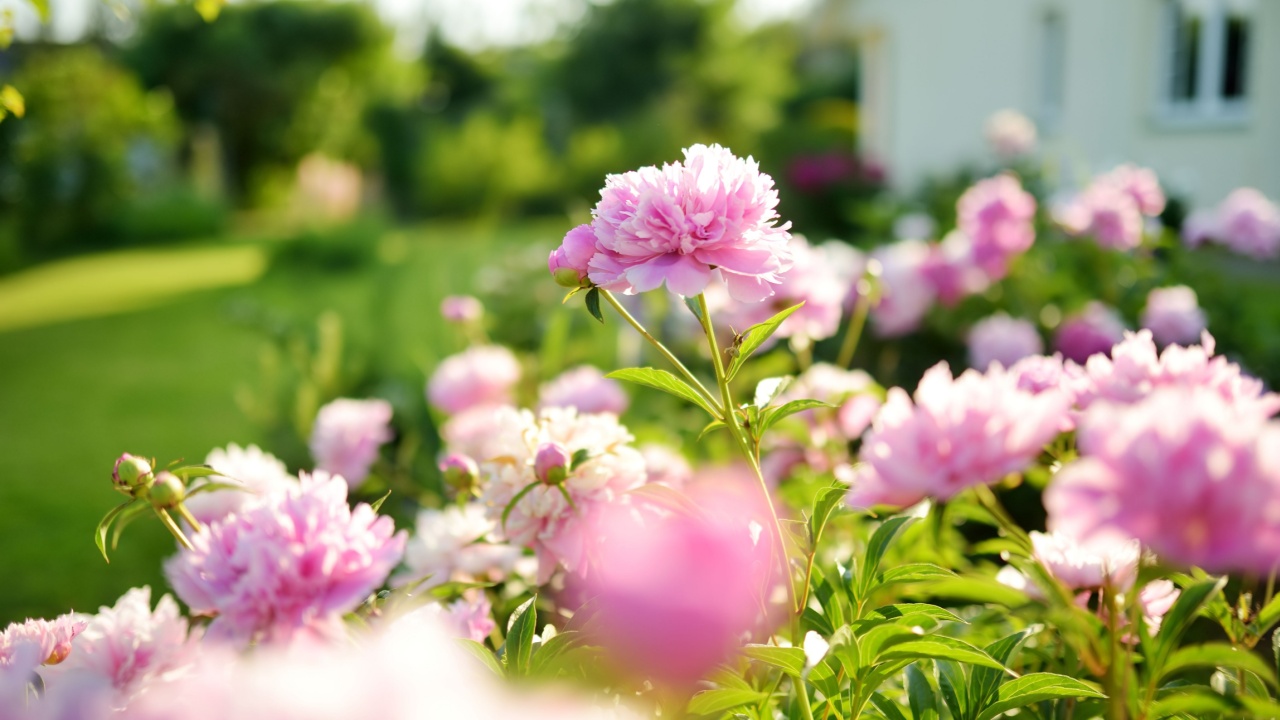
Image Credit: Shutterstock.
If you have several years to spare and enjoy a gardening challenge, you might try growing peonies from seed. For most home gardeners, however, the timeline is simply impractical. It can take up to four years from sowing a seed to seeing the first flower. This long wait for their famously beautiful blooms is a significant drawback.
Peonies are best grown from tuberous roots, often sold as “divisions.” These are sections of a mature peony root system with several “eyes” or growth buds. When planted in the fall, these divisions can establish themselves over the winter and often produce flowers in their very first spring. This method bypasses the long germination and maturation period, delivering those lush, fragrant blooms much faster.
- Best Alternative: Plant bare-root tuber divisions in the fall.
- Why It’s Better: You’ll see blooms in the first or second year, compared to the four-plus years it takes from seed.
- Care Tip: Peonies don’t like to be planted too deep. Ensure the eyes on the root division are no more than two inches below the soil surface.
3. Lavender
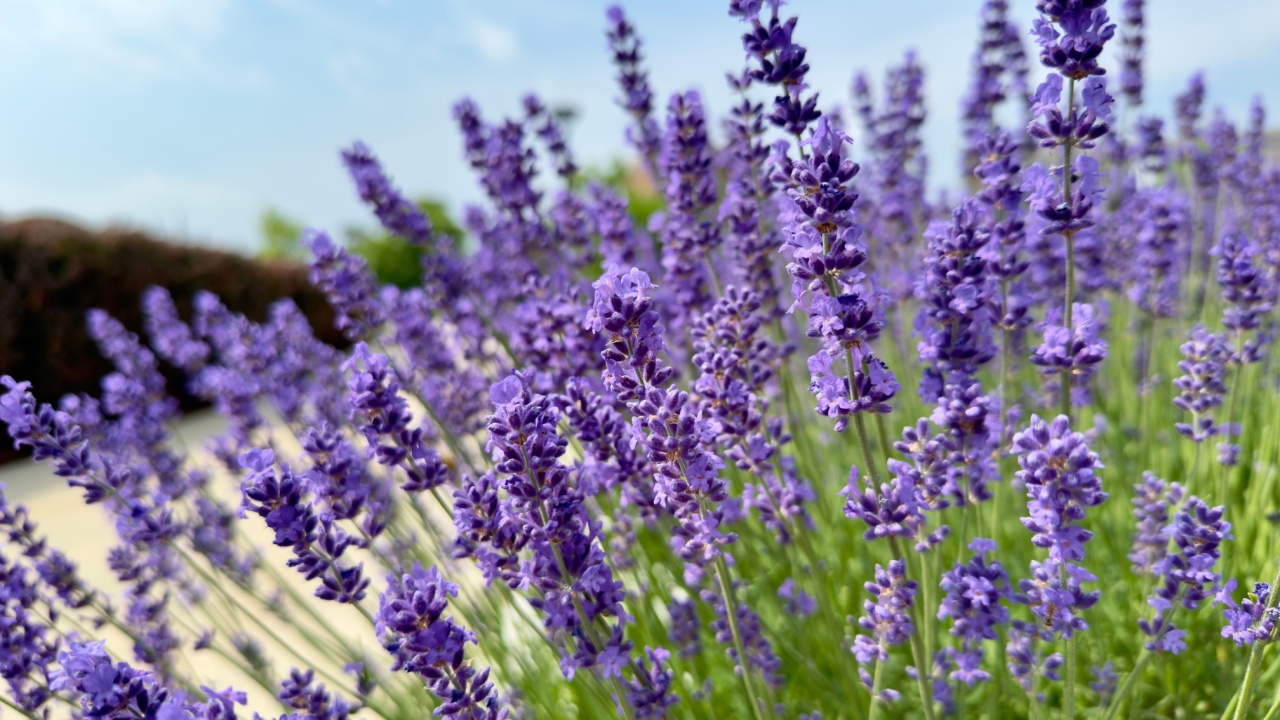
Image Credit: Shutterstock.
Lavender seeds are notoriously slow and difficult to germinate. They require specific conditions, including a period of cold stratification, and even then, germination rates can be frustratingly low. The delicate seedlings are also prone to fungal diseases and grow very slowly in their initial stages.
Given how readily available lavender plants are at nurseries, starting from seed is an unnecessary headache. When you buy a young plant, you can also get expert advice on which variety will perform best in your specific climate and soil type. Some lavenders are better suited for hot, humid regions, while others prefer dry climates. A nursery-grown plant gives you a significant head start.
- Best Alternative: Purchase young plants from a garden center.
- Why It’s Better: You skip the difficult germination process and can choose a variety proven to thrive in your growing zone.
- Care Tip: Lavender needs full sun and excellent drainage. Amend heavy clay soil with sand or gravel to prevent root rot.
4. Rosemary
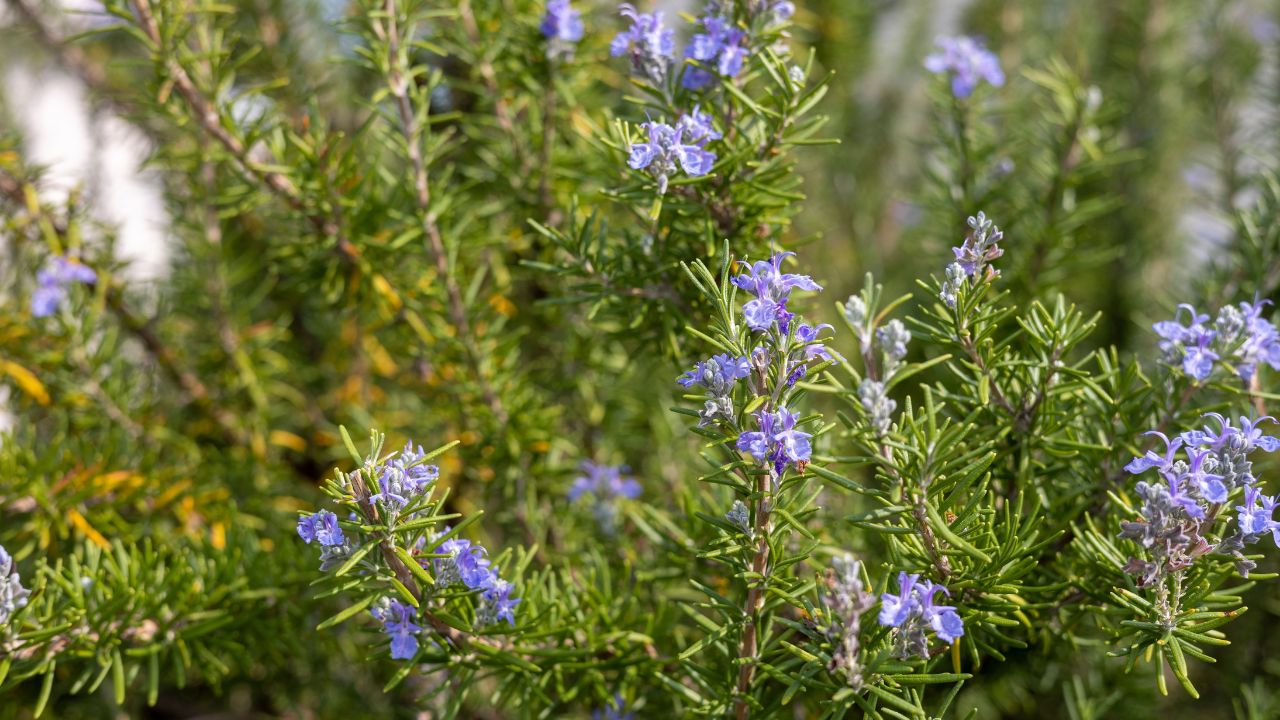
Image Credit: Shutterstock.
Similar to lavender, rosemary is another Mediterranean herb that presents a major challenge when grown from seed. Germination is slow and unreliable, and the seedlings grow at a glacial pace. It can take a very long time to get a plant sizable enough to harvest from. A much faster and more reliable method is to propagate rosemary from stem cuttings.
If you have a friend with a healthy rosemary bush, you can easily take a cutting and root it in water or soil. The simplest option, however, is to buy a small plant from a nursery. You’ll have a mature, fragrant herb ready for your kitchen and garden from day one.
- Best Alternative: Propagate from cuttings or buy a nursery plant.
- Why It’s Better: You get a usable plant almost immediately, avoiding months of waiting for slow-growing seedlings.
- Care Tip: Rosemary thrives in full sun and well-draining soil. It is drought-tolerant once established and prefers to dry out between waterings.
5. Lisianthus
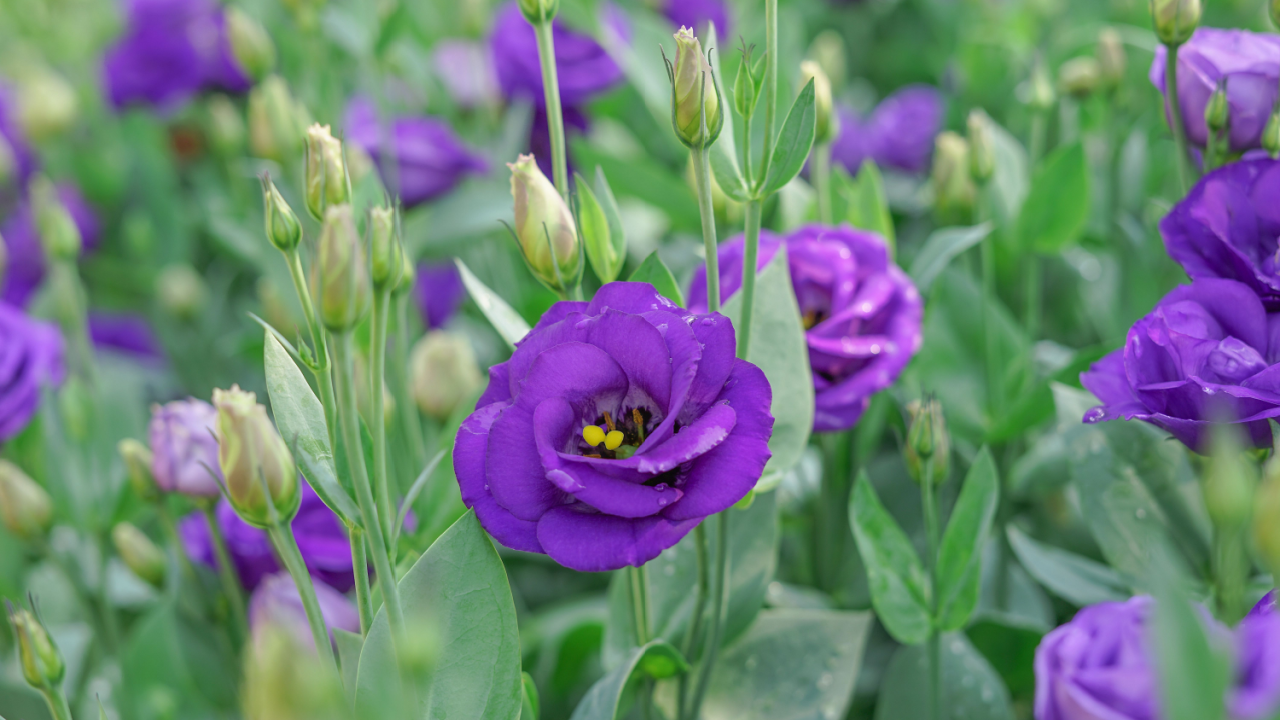
Image Credit: Shutterstock.
Lisianthus flowers are breathtaking, but they are incredibly demanding to start from seed. The seeds are dust-like and require a very long growing period, up to 16 weeks, just to reach a transplantable size. During this time, they need consistent light, temperature, and moisture, and any small mistake can set them back or kill them.
Professional growers often handle the difficult propagation stage, making lisianthus plugs (young seedlings) available to gardeners. Buying these plugs saves you months of meticulous care and provides you with a strong, healthy plant that is ready to take off in your garden. This is a case where letting the experts do the hard work is well worth it.
- Best Alternative: Purchase plugs or young plants.
- Why It’s Better: It skips the extremely long and delicate germination and seedling stage, which requires expert-level attention.
- Care Tip: Plant lisianthus in rich, well-drained soil in a location that receives full morning sun and some afternoon shade.
6. Potatoes
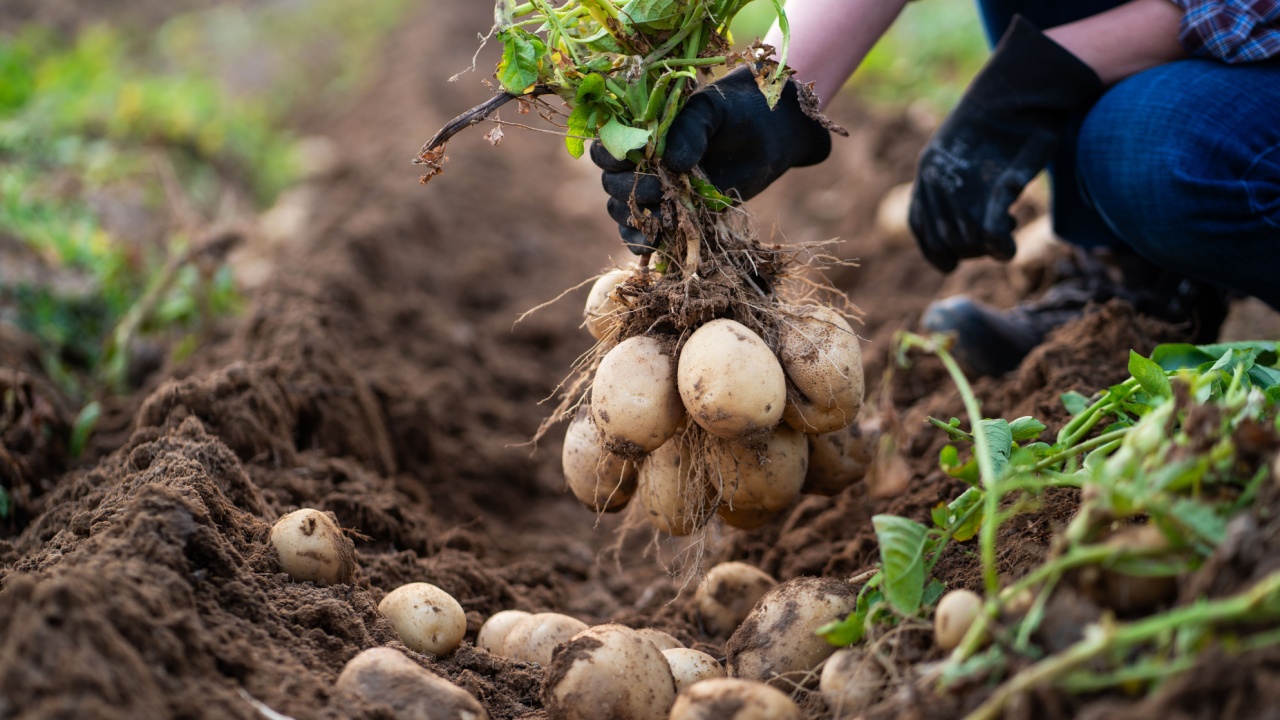
Image Credit: Shutterstock.
While potatoes do produce seeds (they look like small, green tomatoes), they are almost never grown this way by gardeners. The resulting plants are not genetically identical to the parent, leading to unpredictable results in tuber size, shape, and taste. Potatoes are grown from “seed potatoes,” which are actually just potatoes from the previous year’s harvest.
You can plant whole seed potatoes or cut larger ones into pieces, ensuring each piece has at least one or two “eyes” (the small dimples where sprouts emerge). This method is a form of cloning, guaranteeing that your new potato plants will produce tubers identical to the parent.
- Best Alternative: Plant certified seed potatoes.
- Why It’s Better: It’s a reliable, fast, and easy method that guarantees the quality and variety of your potato harvest.
- Care Tip: Let the cut pieces of seed potato “cure” for a day or two before planting. This allows the cut surface to dry, which helps prevent rot.
7. Sweet Potatoes
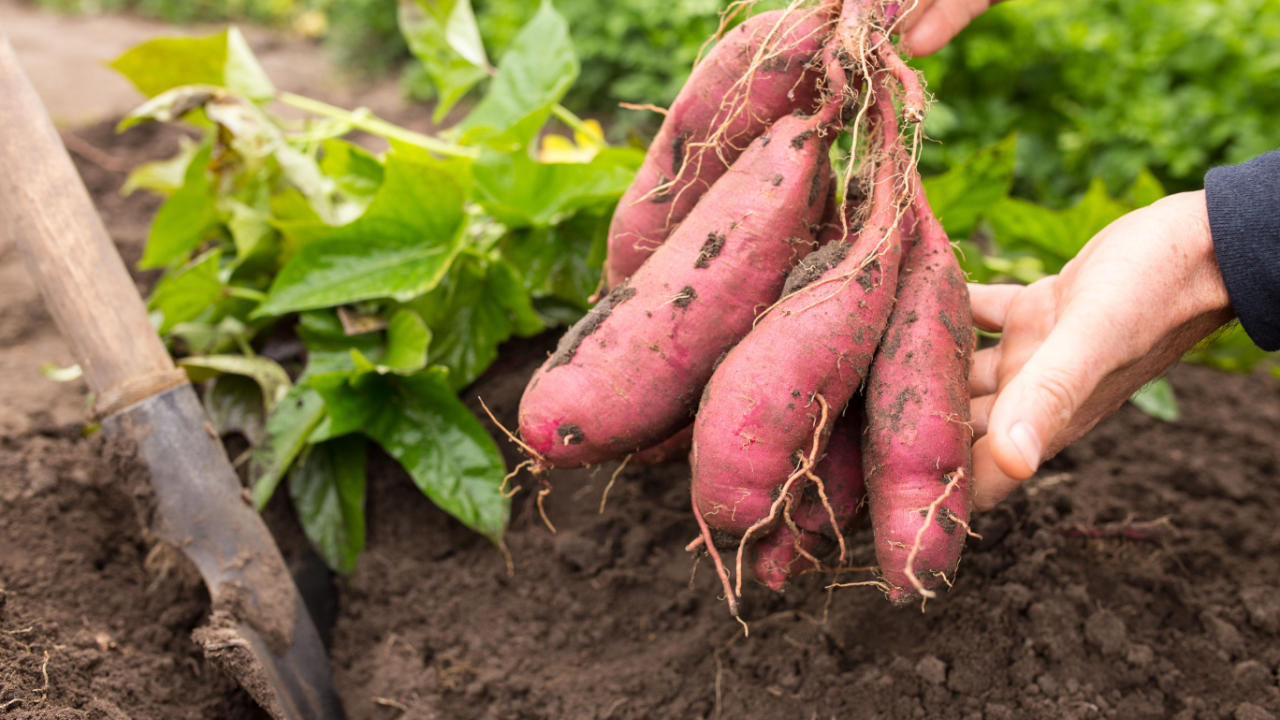
Image Credit: Shutterstock.
Like regular potatoes, sweet potatoes are not grown from seed. They are propagated from “slips,” which are shoots that grow from a mature sweet potato. While you can grow your own slips by suspending a sweet potato in a jar of water, it’s a process that takes time and effort.
For a more direct path to a bountiful harvest, you can purchase bundles of slips from nurseries or online suppliers. These are ready to be planted directly into your garden beds or containers. This saves you the step of sprouting your own and ensures you start with vigorous, disease-free shoots.
- Best Alternative: Plant slips purchased from a nursery or mail-order supplier.
- Why It’s Better: It’s the most reliable and efficient way to grow sweet potatoes, bypassing the need to sprout your own.
- Care Tip: Sweet potatoes are heat-loving plants. Wait until the soil has thoroughly warmed up in late spring or early summer before planting your slips.
8. Garlic

Image Credit: Shutterstock.
Growing garlic from seed, known as true garlic seed, is a lengthy, multi-year process typically undertaken only by breeders developing new varieties. The first year, the seed grows a small, non-divided bulb. This bulb must be replanted the following year to develop into a familiar, cloved head of garlic.
For home gardeners, the only practical way to grow garlic is by planting individual cloves. You can even use cloves from a head of garlic purchased at the grocery store, though buying certified seed garlic from a nursery ensures it’s disease-free and suited to your climate. Simply separate a head into cloves and plant them point-side-up in the fall for a summer harvest.
- Best Alternative: Plant individual garlic cloves in the fall.
- Why It’s Better: It’s easy, reliable, and produces a full head of garlic in a single growing season.
- Care Tip: Plant garlic in a sunny spot with loose, fertile soil. Mulch the bed heavily after planting to protect the cloves over winter.
9. Onions

Image Credit: Shutterstock.
Onions can be grown from seed, but they require an early start indoors and careful attention to get the seedlings to a good size for transplanting. It’s a long process that many gardeners find tedious. A much simpler approach is to plant onion “sets.” These are small, immature onion bulbs that were grown from seed the previous year.
Planting sets gives you a massive head start, and they are much more likely to mature into large, full-sized onions. You simply press the small bulbs into the soil in early spring, and they’ll be ready to harvest in about three to four months.
- Best Alternative: Plant onion sets (small bulbs).
- Why It’s Better: Sets are easier to handle than tiny seeds and mature into full-sized bulbs much faster.
- Care Tip: Plant sets just deep enough so the top of the bulb is level with the soil surface. Space them according to the desired final bulb size.
10. Succulents
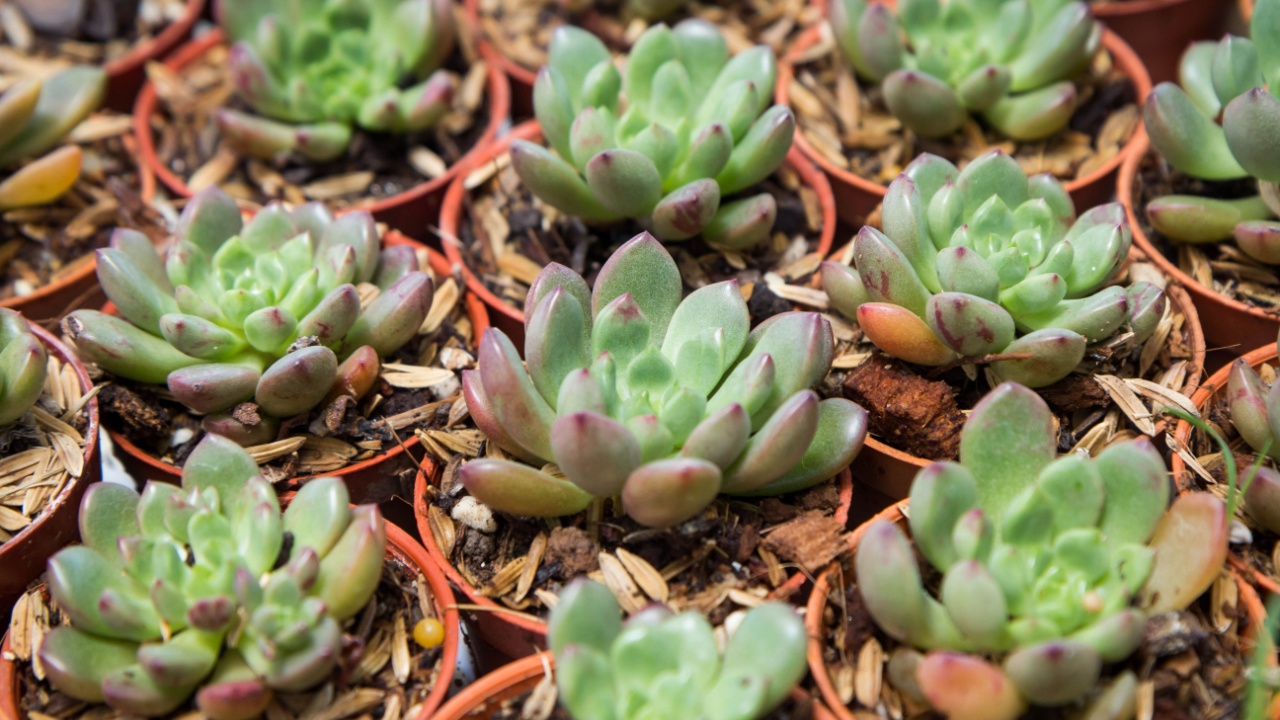
Image Credit: Shutterstock.
The idea of growing a whole planter of unique succulents from a packet of mixed seeds is tempting, but the reality is often disappointing. Succulent seeds are tiny, can take months or even up to a year to germinate, and the seedlings are extremely fragile and slow-growing.
Propagation from cuttings or leaves is infinitely easier and faster. A single leaf broken off a healthy succulent can root and grow into a whole new plant in a matter of weeks. You can also take stem cuttings to create new plants. This method allows you to multiply your collection for free and with a much higher success rate.
- Best Alternative: Propagate from leaves or stem cuttings.
- Why It’s Better: It’s fast, easy, and has a very high success rate, allowing you to create many new plants for free.
- Care Tip: Allow the leaf or cutting to callous over for a few days before placing it on top of well-draining cactus soil. Mist it lightly every few days until roots form.
11. Foxglove
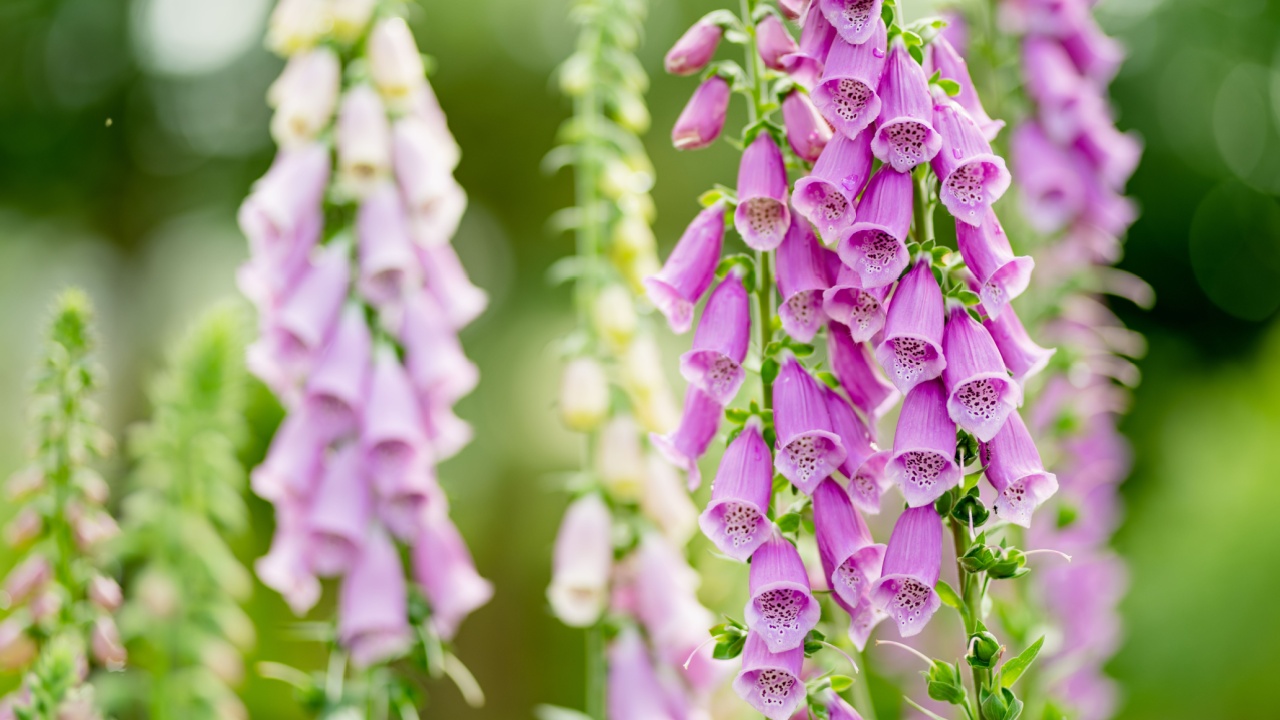
Image Credit: Shutterstock.
Foxgloves are beautiful biennials, meaning they have a two-year life cycle. When grown from seed, they typically produce only foliage in the first year and then flower in the second. Their seeds are also as fine as dust, making them difficult to sow evenly and prone to being washed away.
To get those iconic spires of bell-shaped flowers in your garden this year, purchase plugs or small plants from a nursery. These plants are often vernalized (exposed to a period of cold), which tricks them into flowering in their first year. You get the beauty without the two-year wait.
- Best Alternative: Buy plugs or first-year plants.
- Why It’s Better: You can enjoy flowers in the first growing season, rather than waiting until the second year.
- Care Tip: Foxgloves re-seed readily. If you let the flowers go to seed after blooming, you may get “volunteer” plants for years to come.
12. Snapdragons
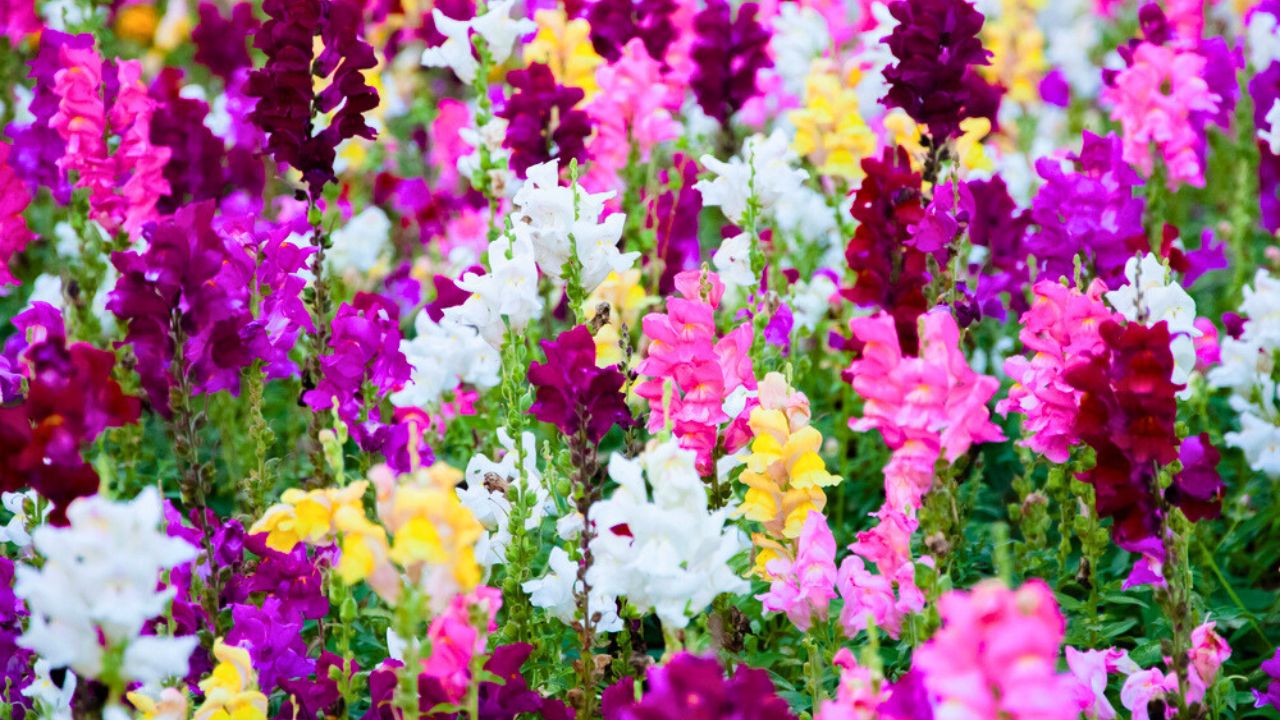
Image Credit: Shutterstock.
While it’s possible to grow snapdragons from seed, the seeds are incredibly small and can be finicky to plant. It’s easy to sow them too deeply or wash them away when watering. For many gardeners, the fuss isn’t worth it, especially when nurseries are filled with cheerful, blooming snapdragons in the spring.
Buying starts allows you to pick out the exact colors you want and get them into your garden for an instant burst of color. They are inexpensive and readily available, making them a perfect candidate for skipping the seed-starting stage.
- Best Alternative: Purchase bedding plants from a garden center.
- Why It’s Better: You get instant color and avoid the tedious process of sowing tiny, delicate seeds.
- Care Tip: Snapdragons are cool-weather annuals. Plant them in early spring for blooms that last until the summer heat intensifies, or plant them in the fall for winter color in warmer climates.
Working Smarter and Saving Time in the Garden
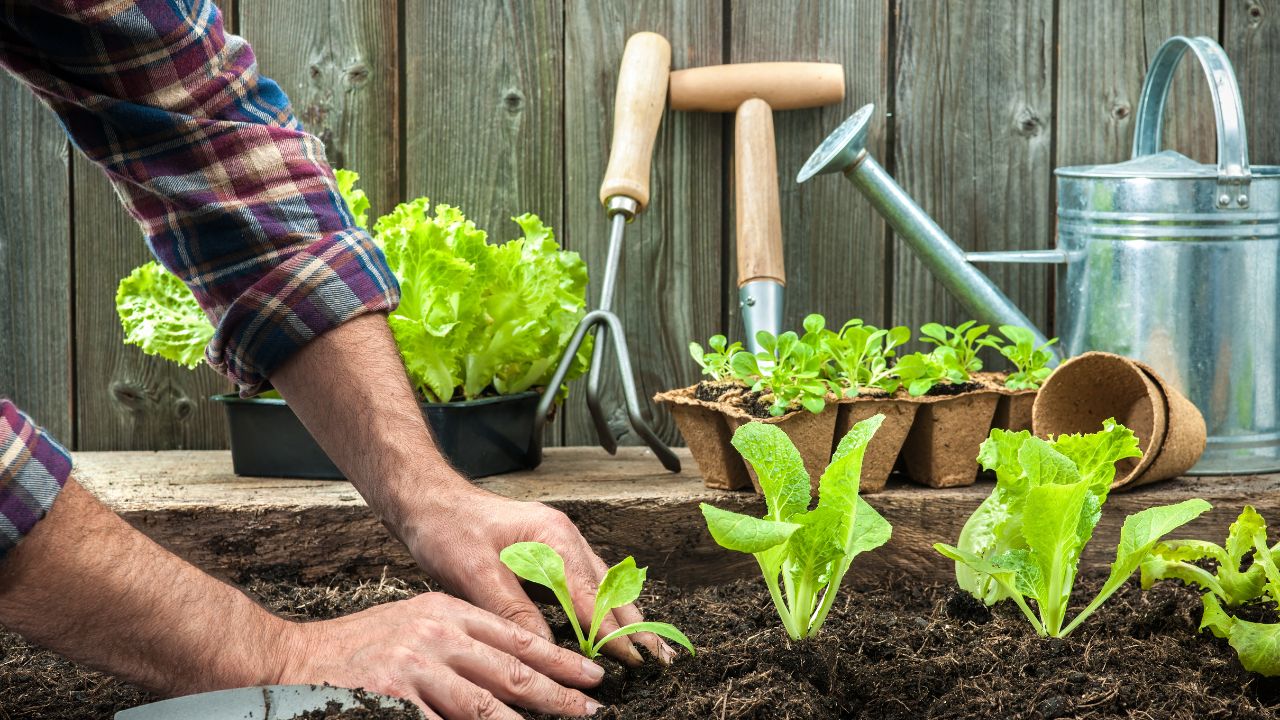
Image Credit: Shutterstock.
Choosing to buy plants instead of starting everything from seed isn’t about cutting corners; it’s about investing your time and energy wisely. By opting for starts, divisions, or bulbs for these tricky plants, you free yourself up to focus on soil preparation, design, and caring for the plants that are already thriving in your garden.
Take this list with you on your next trip to the nursery. Focus on finding strong, healthy starts for these varieties, and save your seed-starting efforts for easier plants like zinnias, cosmos, or beans. Your garden will thank you with a season of beautiful blooms and a bountiful harvest, and you’ll have more time to simply enjoy the space you’ve created.