Plant These 12 Perennials This Spring for a Summer Garden Packed With Color
Every spring, millions of gardeners spend real money on annuals that will be dead by October, and then do the whole thing again next year. There is a smarter way to garden, and it starts this month.
Late Spring (late April, May, depending on your growing zone) is the single best time to plant perennials because the soil is workable, your local nursery shelves are still fully stocked, and the cool, moist conditions of early spring give roots a critical head start before the summer heat arrives.
In their first year, most perennials devote the majority of their energy to establishing a deep, strong root system underground. The above-ground display can look modest at first, which tempts impatient gardeners to pull perfectly healthy plants that just needed more time.
According to the University of Connecticut Extension, perennials develop larger root systems than annuals, which is precisely what makes them more drought-tolerant and longer-lived once established. By Year 2, those same plants will be noticeably fuller, more vigorous, and producing more blooms dramatically. By Year 3, they look like something out of a magazine. That is the perennial promise: a one-time investment that compounds, season after season, without asking you to spend another dollar.
Here are the 12 best perennials to plant in April for a color-packed summer garden, year after year.
1. Coneflower (Echinacea purpurea)
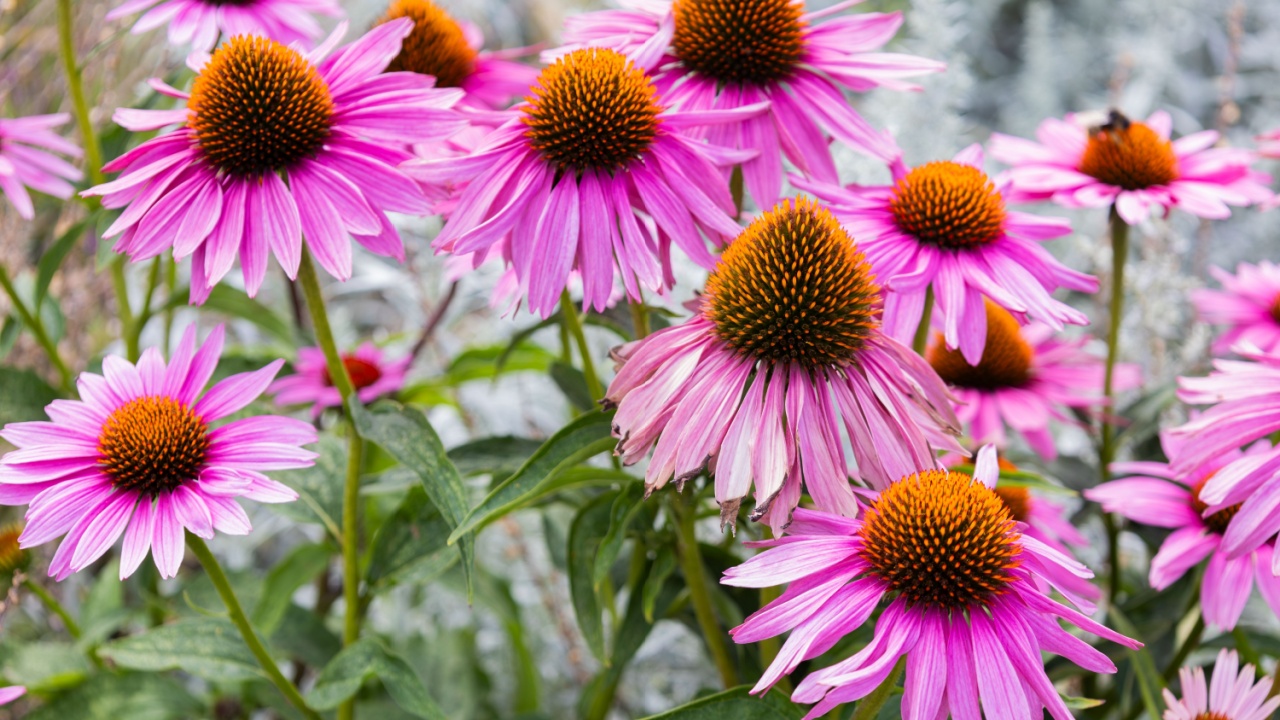
Bold, daisy-like flowers in purple, pink, white, and orange bloom from midsummer into fall, making coneflower one of the hardiest workhorses in the perennial garden. It tolerates drought, thrives in full sun, and butterflies practically queue up for it.
As a bonus, the architectural seed heads feed goldfinches through the winter if you resist the urge to cut them back. Coneflower is a reliable perennial in Zones 3–9.
2. Black-Eyed Susan (Rudbeckia fulgida)
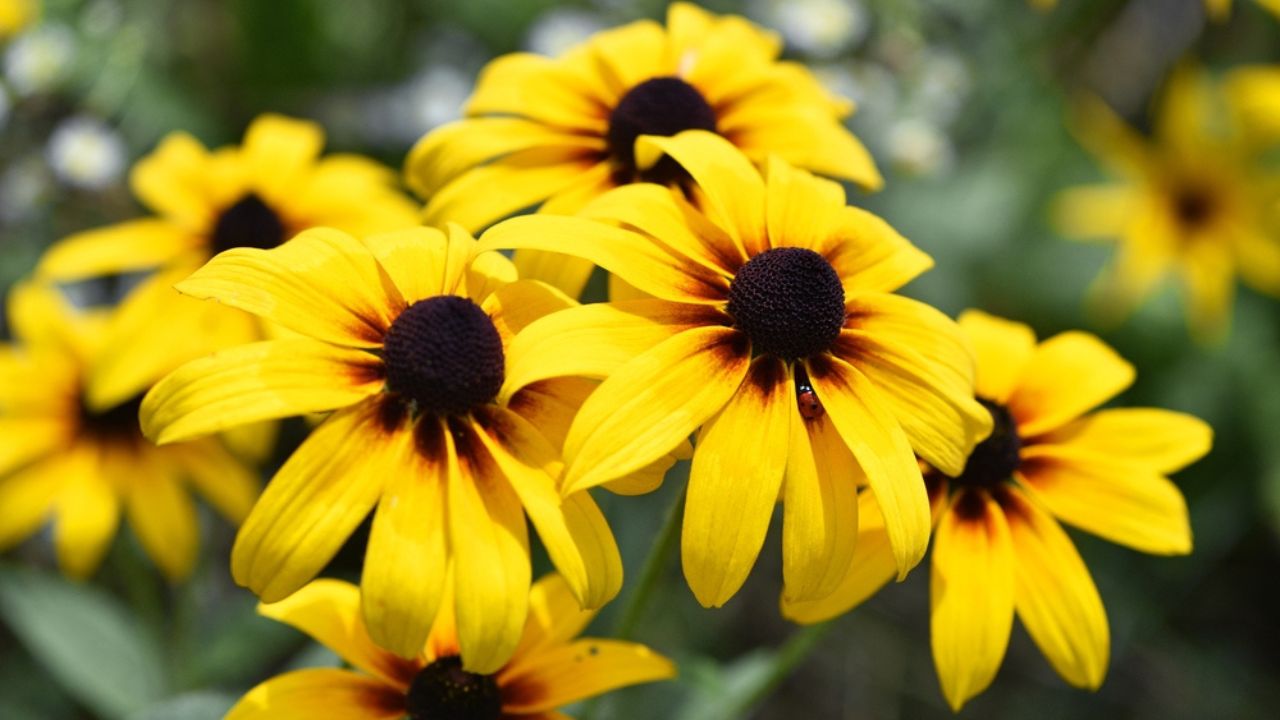
Few perennials deliver a bigger visual impact for less effort than black-eyed Susan. The vivid golden-yellow blooms with dark brown centers begin in midsummer and keep going until hard frost, and the plant spreads happily once established.
“Black-eyed Susan is a hardy North American native plant capable of thriving in just about any sunny location,” notes MyGardenLife. Plant black-eyed Susan in Zones 3–9.
3. Catmint (Nepeta)
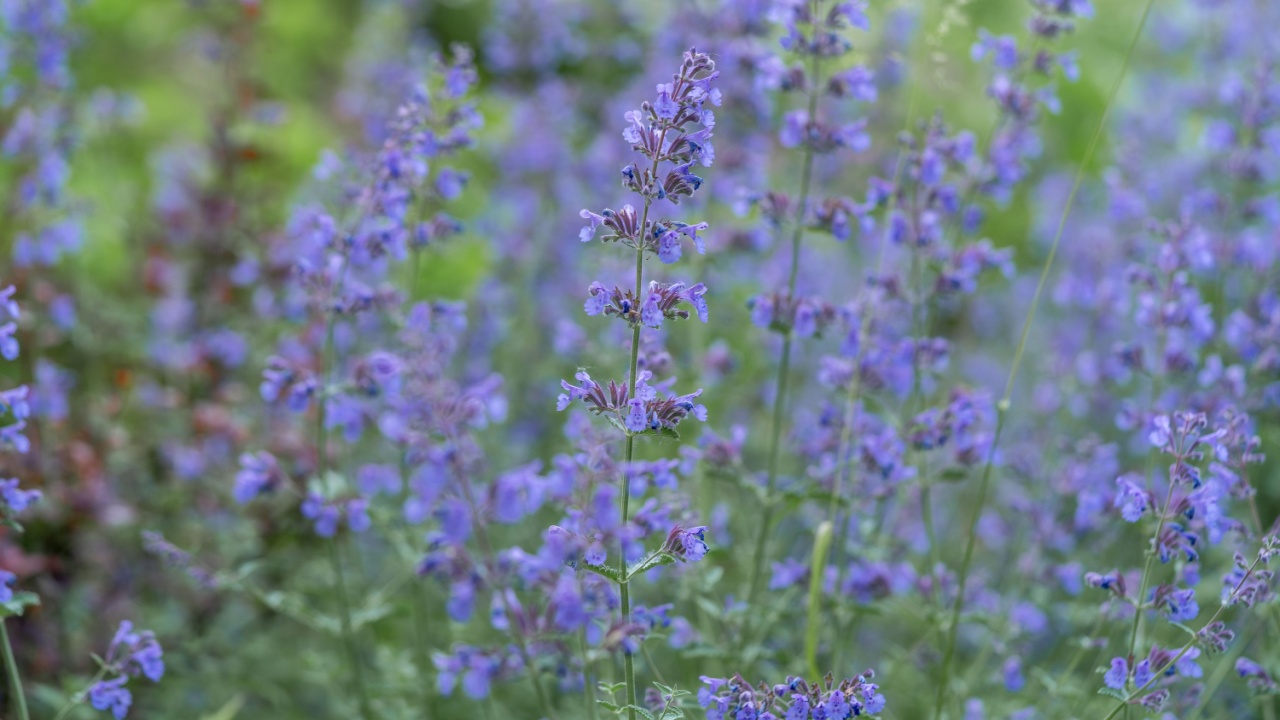
The lavender-blue haze of catmint blooming in early summer is one of the garden’s quiet glories. According to Better Homes and Gardens, catmint produces soft purplish-blue blossoms from spring to fall, and the silver-green foliage looks attractive even when nothing is open.
It is deer-resistant, drought-tolerant, and essentially asks nothing of you in return for months of bloom. Grow catmint in Zones 3–8.
4. Bee Balm (Monarda)
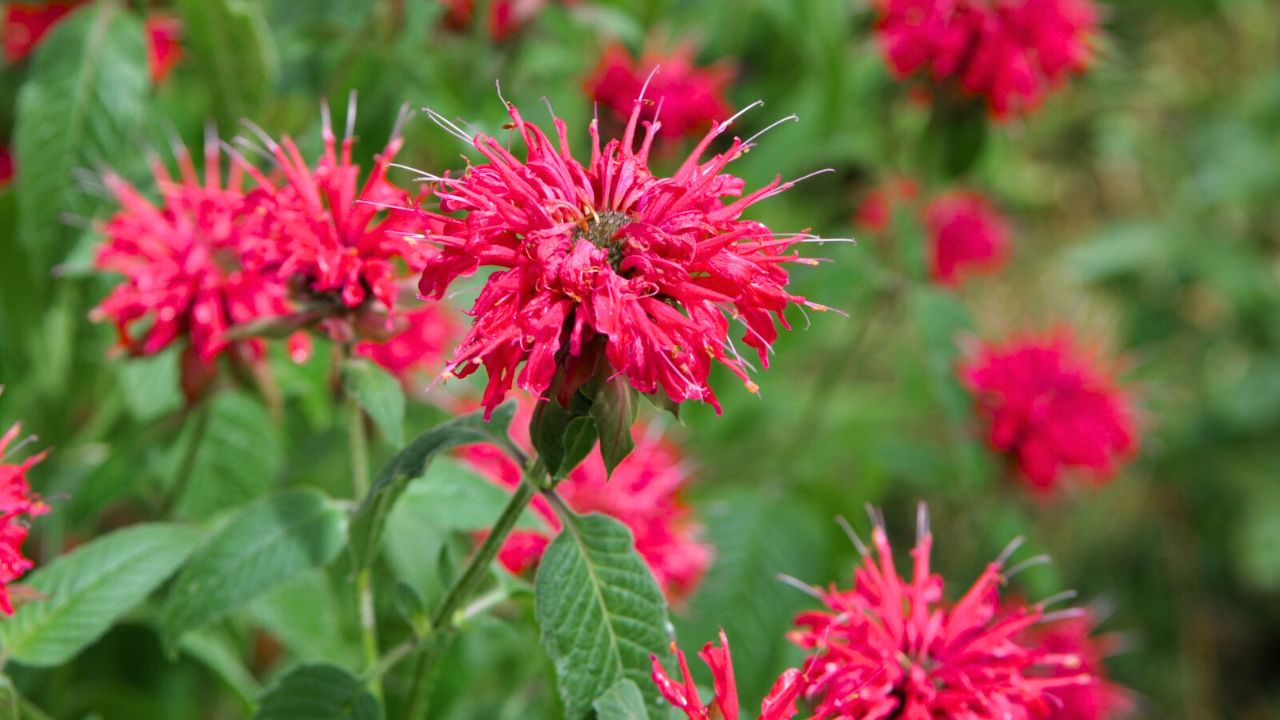
If you want hummingbirds, plant bee balm. The tufted, fragrant flowers in shades of pink, red, and purple are irresistible to both hummingbirds and bumblebees, and the plant blooms from midsummer onward.
Homes and Gardens notes there are over a dozen native bee balm species, with plants growing from two to five feet, depending on variety. Divide it every two or three years to keep it from spreading aggressively. Bee balm thrives in Zones 4–9.
5. Blanket Flower (Gaillardia)
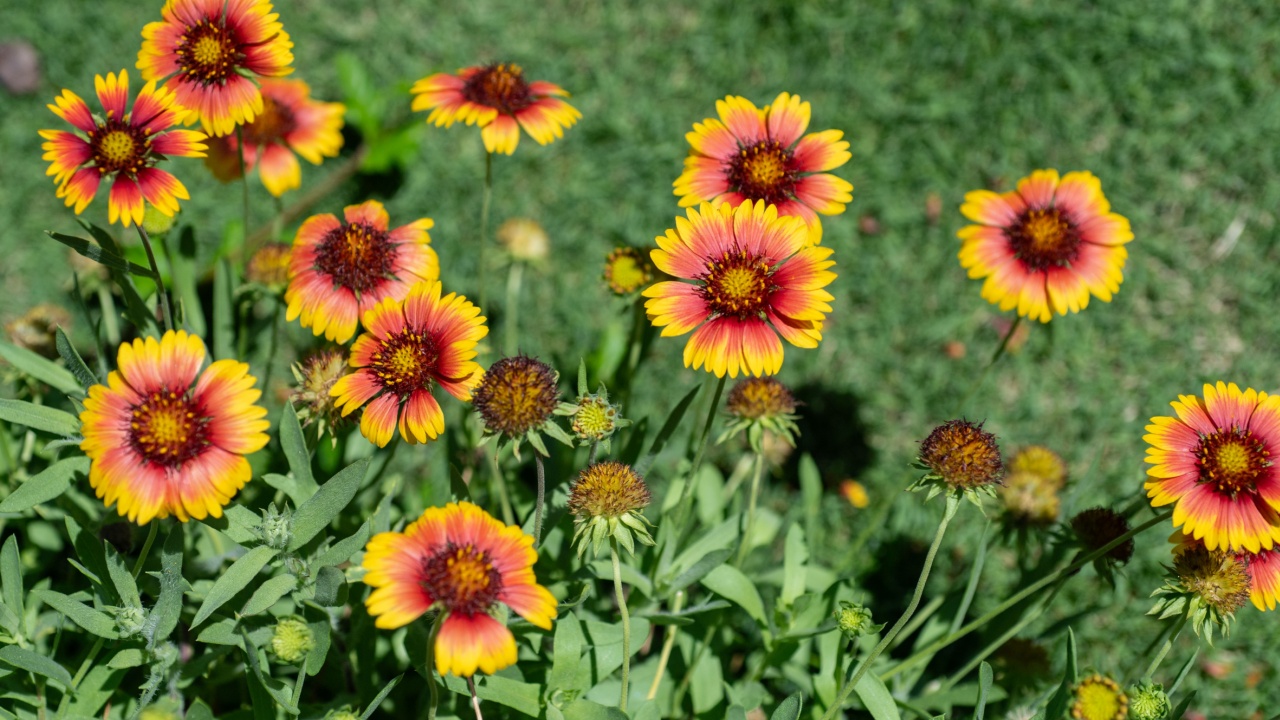
Blanket flower is the unsung workhorse of the summer border. Horticulturist Kelly D. Norris, writing for Martha Stewart Living, describes Gaillardia grandiflora as “an all-star, regularly flowering from mid-May through frost, even without supplemental watering.”
The fiery red-and-yellow blooms look like they belong in a sunset painting, and the plant’s drought tolerance makes it ideal for gardeners who don’t want to fuss. Blanket Flower should be planted in Zones 5–9.
6. Coreopsis (Tickseed)
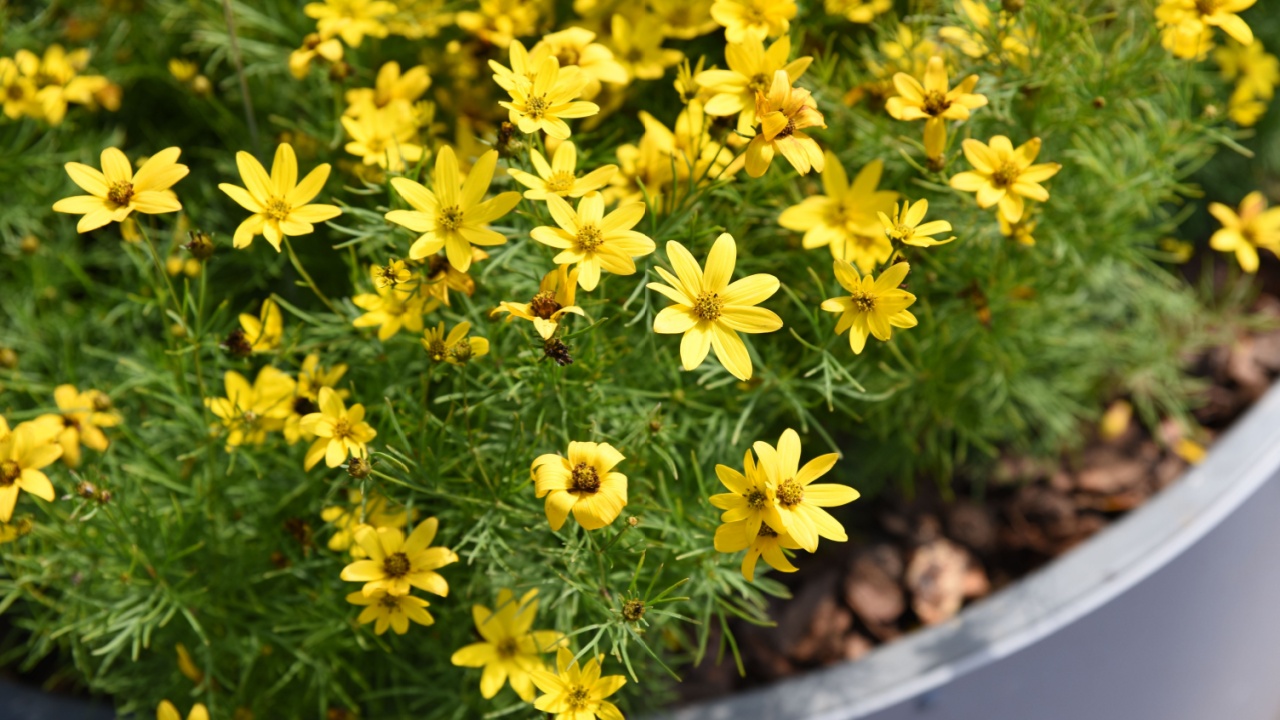
Cheerful, daisy-like blooms on airy, grass-like foliage; coreopsis is one of the longest-blooming perennials available, reliably flowering from early summer through fall. Country Living calls it “a reliable full-sun performer, attracting tons of butterflies and bees.”
Regular deadheading encourages even more blooms, though threadleaf varieties are largely self-cleaning. Hardy in Zones 3–10, it tolerates heat, drought, and clay soil better than most.
7. Garden Phlox (Phlox paniculata)
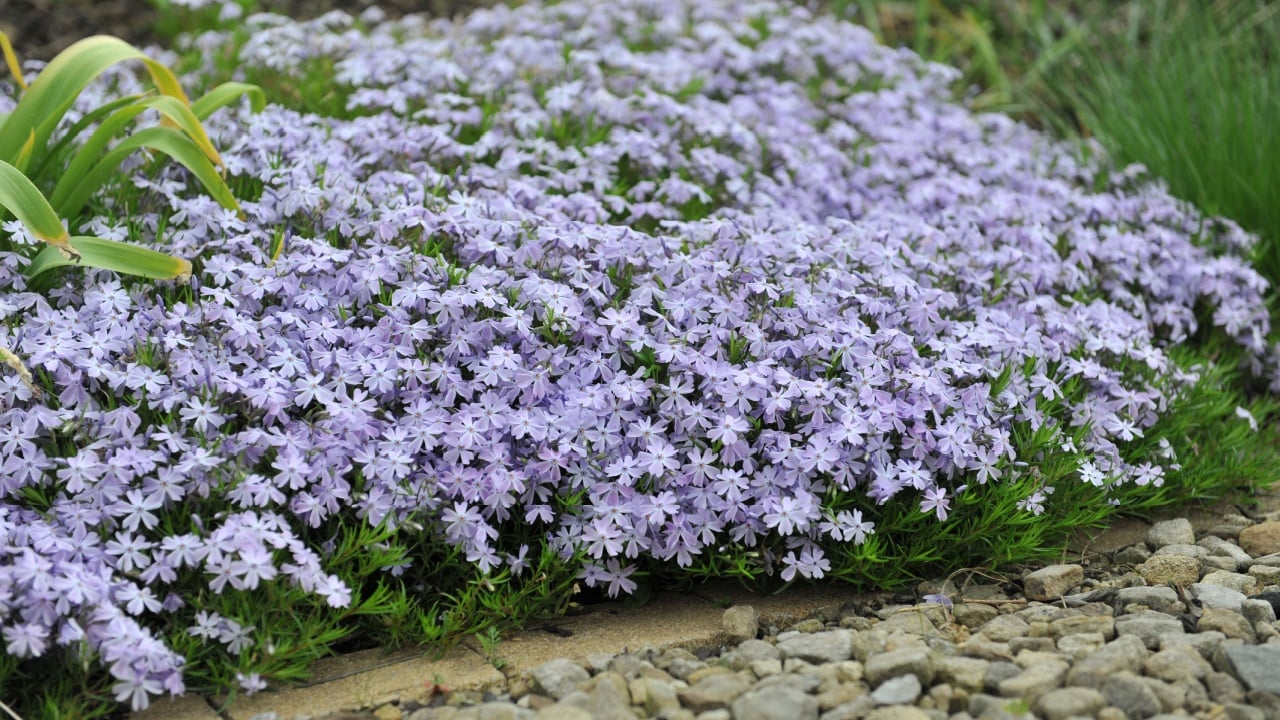
American gardens have grown phlox since colonial times, and there are excellent reasons it has never fallen out of favor. The large, fragrant flower heads in white, pink, lavender, and bicolor bloom from midsummer into early fall.
Martha Stewart Living describes Phlox paniculata ‘Peppermint Twist’ as “best-in-class for hardy flowers, stouter composition, and heady fragrance.” Give it full sun and good air circulation to ward off powdery mildew. Garden phlox grows well in Zones 4–8.
8. Daylily (Hemerocallis)
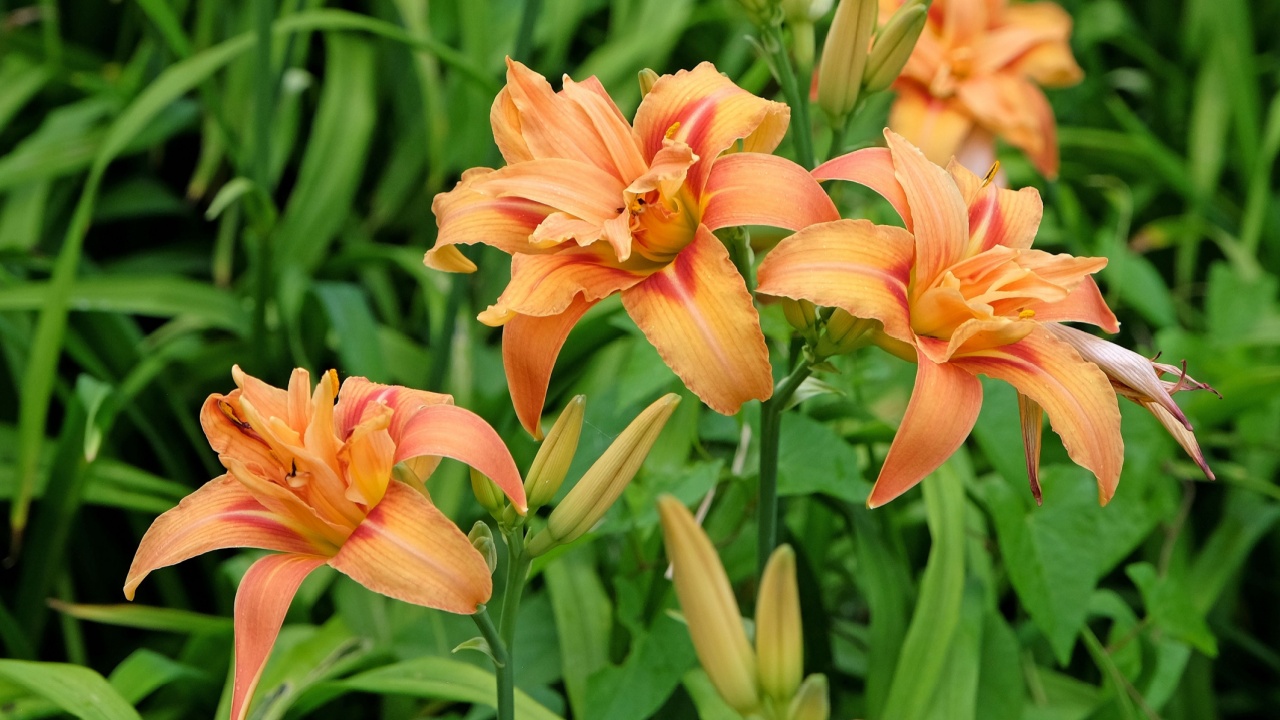
With over 50,000 registered varieties, there is a daylily for every color scheme, every sun level, and every gardening personality. A single clump blooms for two to four weeks, but by choosing early, mid-season, and late varieties, you can sustain color from June all the way through August.
MyGardenLife recommends choosing a deliberate mix of bloom times to “assure a colorful garden for months.” Once established, daylilies are vigorous, drought-tolerant, and virtually indestructible in Zones 3–9.
9. Salvia
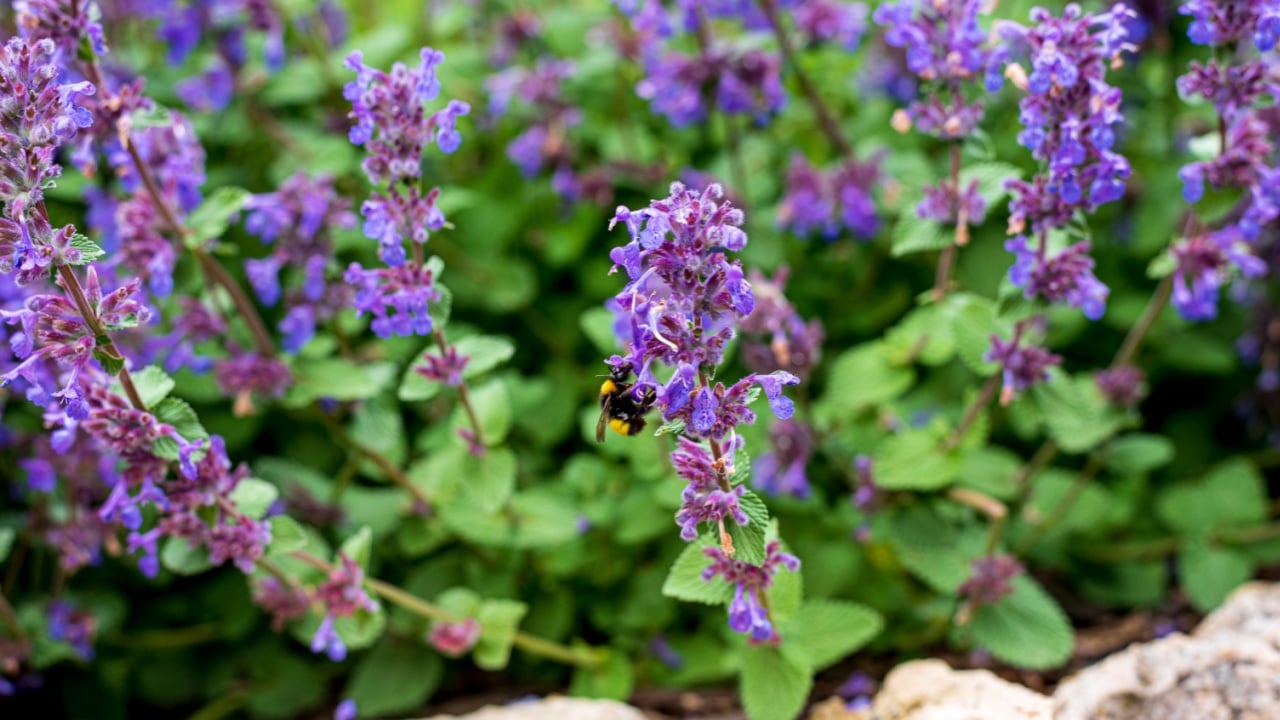
Spikes of deep blue and purple salvia are among the most reliable summer bloomers in the perennial garden, and pollinators go absolutely wild for them. Salvia blooms over a long season, tolerates heat and drought once established, and tends to rebloom if cut back lightly after the first flush.
According to Gardenia, Salvia is specifically noted among perennials with the longest-lasting summer blooms. The aromatic foliage also helps deter deer. Salvia grows well in Zones 4–9.
10. Sneezeweed (Helenium)
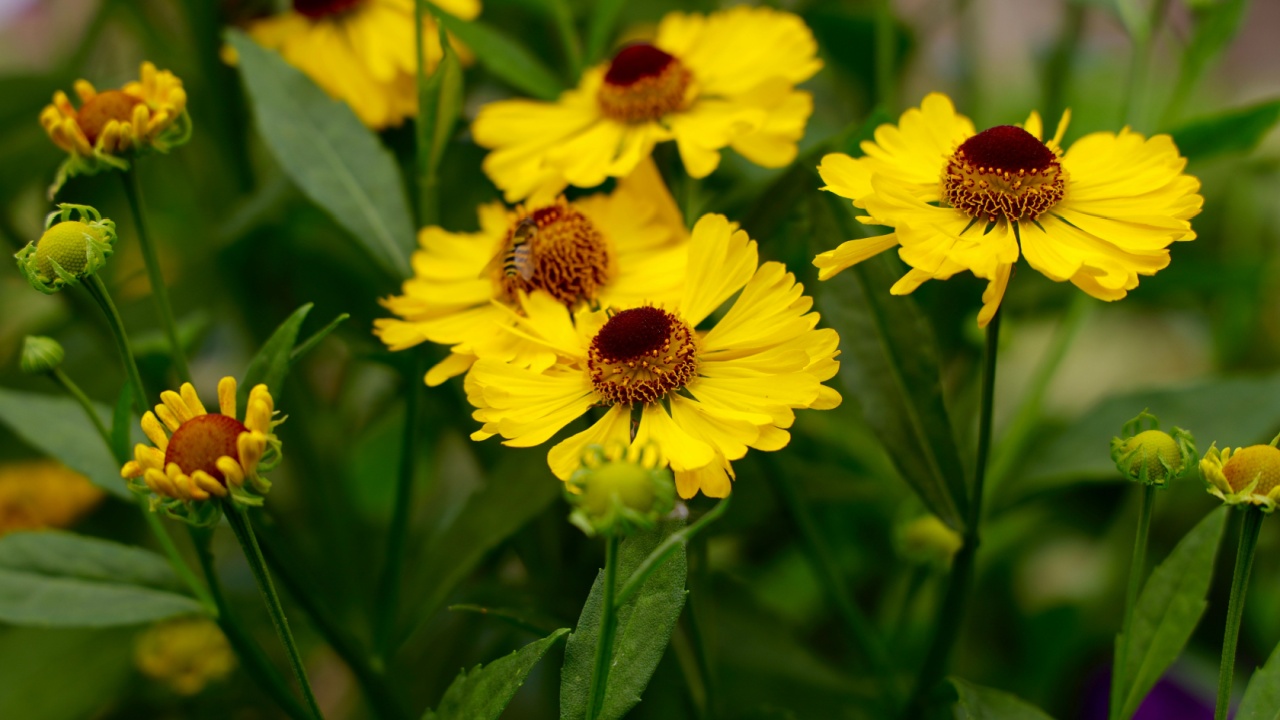
Don’t let the odd name put you off; sneezeweed earned it because the dried petals were historically made into snuff, not because it causes allergies. The real story is the blooms: bold, daisy-like flowers in warm gold, orange, and russet that begin in August and carry on through October, precisely when the rest of the garden is winding down.
Garden Design notes that landscape designer Nick McCullough specifically relies on Helenium to “liven up the dog days of summer.” Helenium thrives in Zones 3–8.
11. Aster
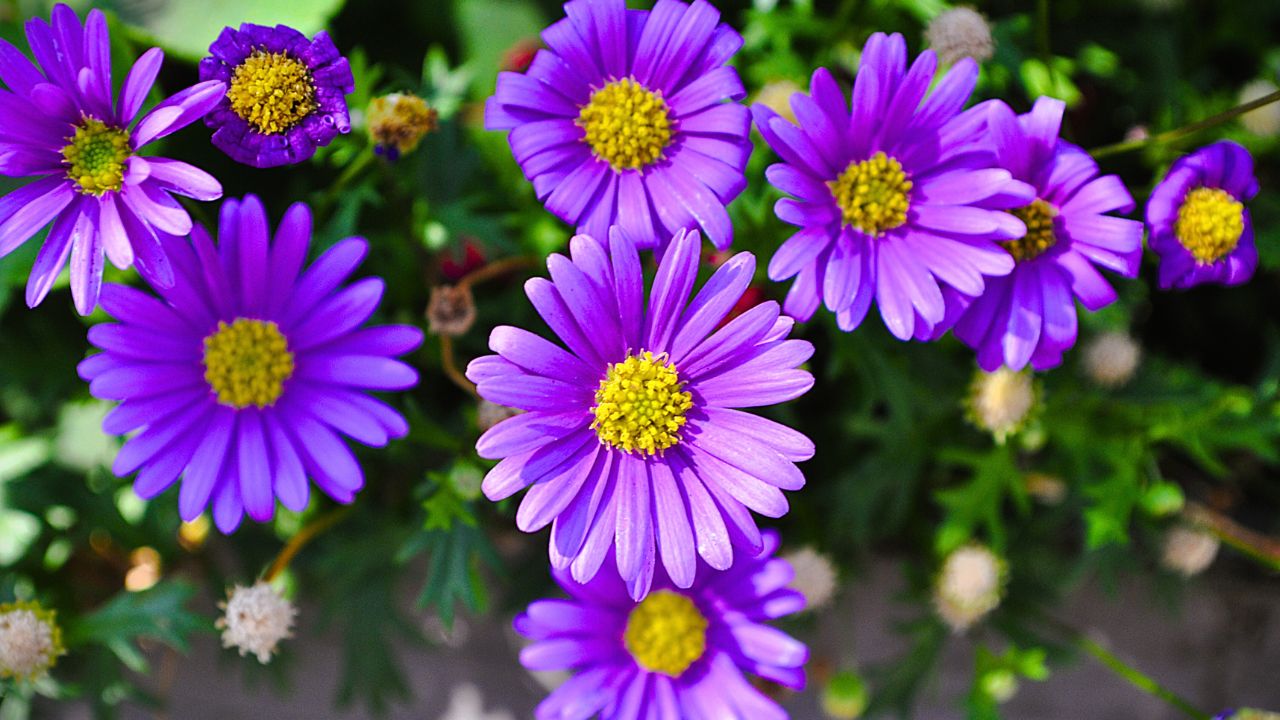
If you want your garden looking spectacular in September and October when everything else has gone to seed, asters are non-negotiable. These native perennials bloom in purples, pinks, and whites from late summer into fall, and according to Homes and Gardens, they provide critical food for migrating monarch butterflies.
Country Living notes that well-sited asters “thrive for a decade or more in full sun.” The display improves substantially from Year 2 onwards. Asters will thrive in Zones 4–8.
12. Coral Bells (Heuchera)
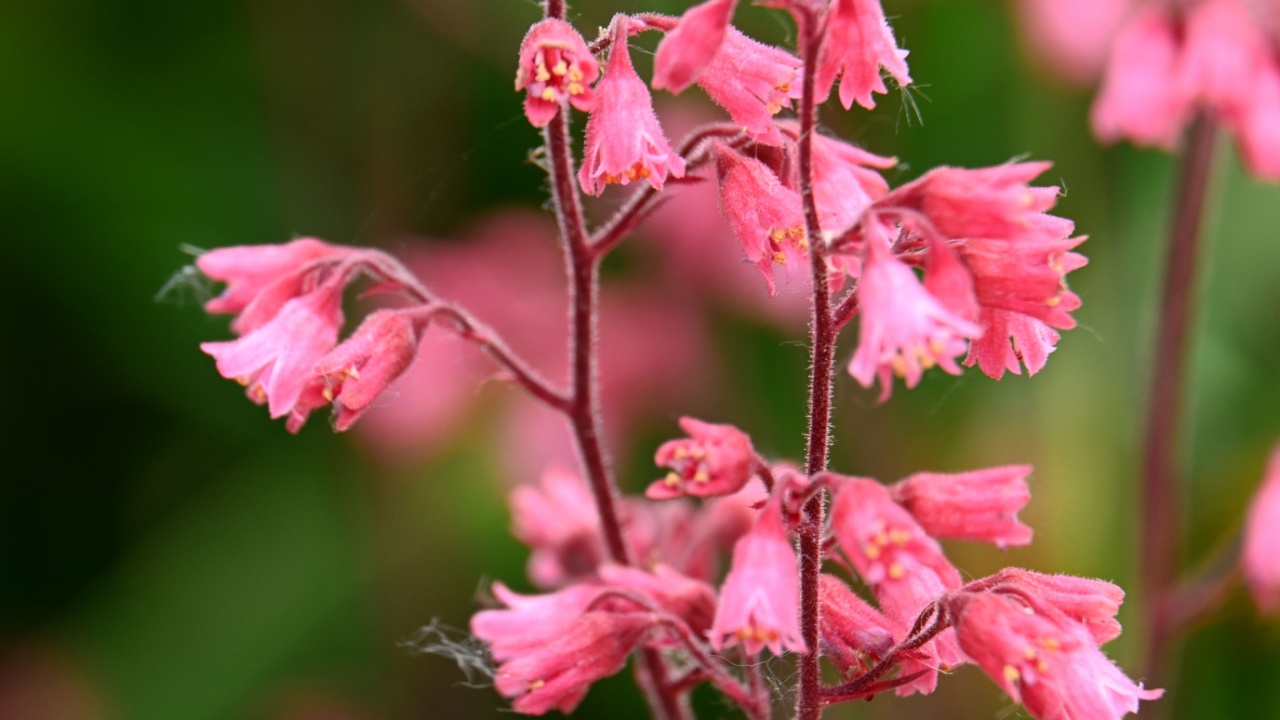
Coral bells earns its spot through foliage alone: leaves in burgundy, caramel, silver, lime green, and near-black that add rich color to the garden even between bloom cycles. The airy, bell-shaped flowers appear in summer and attract hummingbirds, but the foliage does the real heavy lifting year-round.
Country Living notes that heuchera sells out quickly at garden centers each spring, making April or May the right time to buy. These perennials are especially valuable for adding color in partial shade and thrive in Zones 3–9.
The Secret to Keeping Color From Spring All the Way to Fall
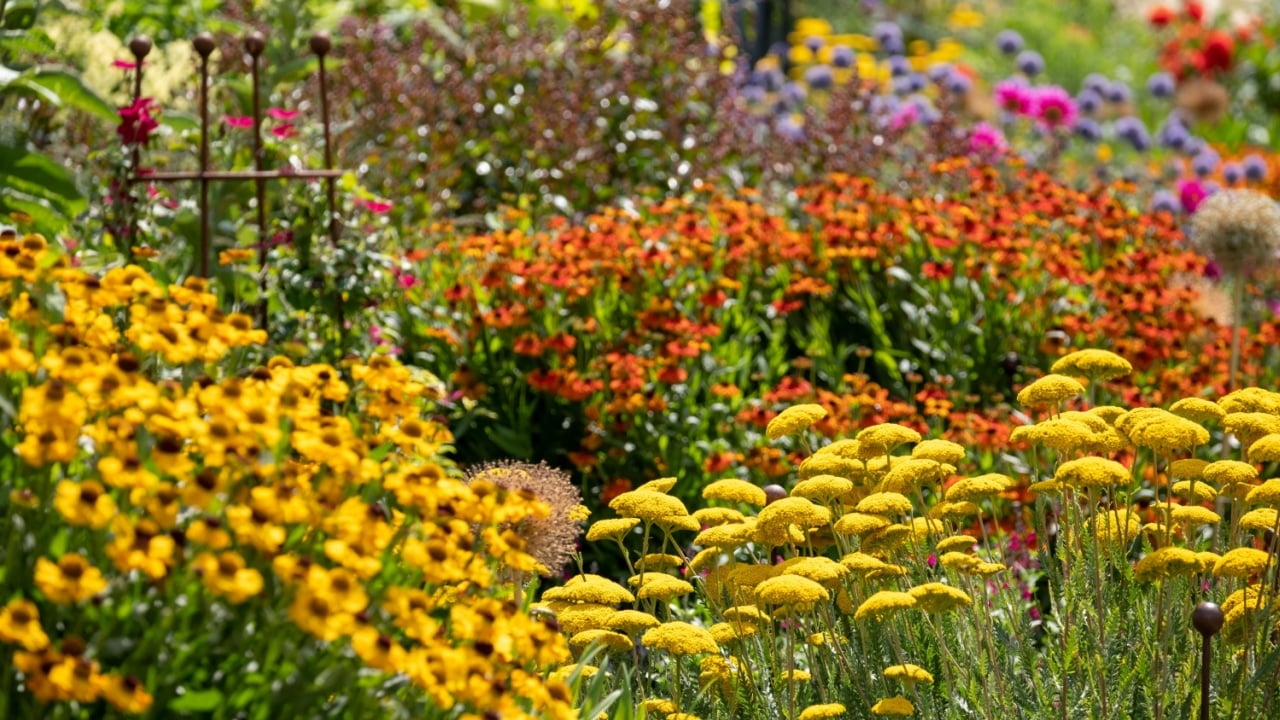
The most common perennial garden mistake isn’t bad plant selection; it’s planting everything that blooms in spring and ending up with a gorgeous spring and a green desert by July. The solution is succession planting: choosing perennials that bloom in deliberate waves from spring through fall.
Think of planting your garden in three layers. Early-season bloomers like catmint and salvia carry you from late spring into early summer. Midsummer performers like coneflower, black-eyed Susan, blanket flower, and bee balm take over when temperatures climb. Then late-season stars like asters, sneezeweed, and stonecrop step in to carry the color into October.
While your perennial garden is still establishing in its first year, a handful of annuals tucked into the gaps will plug the color holes beautifully. Zinnias, marigolds, and cosmos are inexpensive, sun-loving, and bloom all summer without complaint. As Proven Winners notes, annuals can be the perfect complement to a perennial garden, bridging bloom gaps while the permanent plants mature. By Year 2, you’ll need far fewer of them.
Read More
Plant these 10 companion plants with your tomatoes — and stop planting these 4
13 Plants That Grow Better (and Faster) Hydroponically