How Floating Gardens in Chicago Are Cleaning Up the River
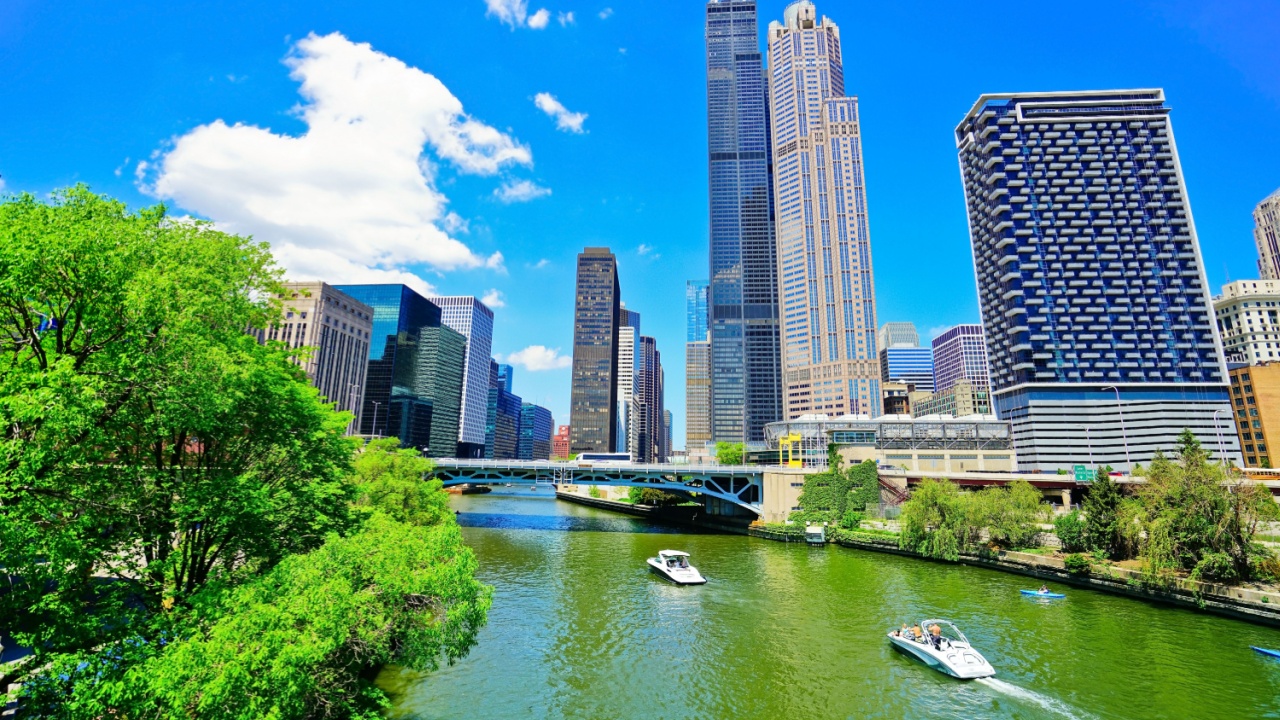
The Chicago River has a complicated history. For more than a century, it absorbed factory waste, raw sewage, and runoff from the city’s meatpacking industry until it became one of the most polluted urban waterways in the United States.
For a long time, most people assumed the damage was simply permanent. Then a small, stubborn group of people decided to try something that had never been done before. A nonprofit called Urban Rivers started installing floating gardens directly on the river, and the results have been remarkable.
Now, a very different kind of river project is taking shape on its surface. Floating gardens are turning part of the river into a living habitat and, in the process, improving water quality in one of the most engineered urban rivers in the country.
Sam Bentley, who creates videos on sustainable living and good news you may not have heard of, shared the story on Facebook, and it quickly picked up over 61,000 likes and more than 1,300 comments from people who could not believe something this hopeful was actually happening.
Here is how floating gardens in Chicago are cleaning up the river, how the Wild Mile works, why mussels and volunteers matter so much, and what this project could mean for other cities with damaged waterways.
Why the Chicago River Needed Help
The Chicago River did not become polluted by accident. In the 1800s and early 1900s, rapid industrial growth, meatpacking waste, raw sewage, and urban runoff dumped large amounts of pollution into the water. The river became known more for contamination than for its wildlife.
Even after major sanitation improvements, the river still faced serious pressure from stormwater, hard concrete edges, and a lack of natural habitat.
That matters because a river cannot stay healthy when it has few places for plants, fish, insects, and filtering species to live and do their part.
What the Wild Mile Is
The Wild Mile is a floating eco-park built along the North Branch Canal in Chicago by the nonprofit Urban Rivers and its partners. Instead of adding more concrete or steel barriers, the project places floating platforms planted with native wetland species right on the water, where roots can hang down below the surface.
That design turns a flat, hard-edged section of river into a living zone that acts more like a wetland.
It provides fish with shade and cover, creates feeding and nesting spaces for birds and insects, and adds plant life that can interact directly with the river water every day.
How Floating Gardens Help Clean the Water
The floating gardens do more than look green and inviting. Their roots extend into the river and create a dense underwater zone where microbes, plant tissue, and natural biological processes can help take up excess nutrients and break down some pollutants into less harmful forms.
This kind of system does not erase every pollution problem on its own, and it is not a substitute for stopping pollution at the source.
Still, it adds a natural layer of treatment inside a built-up urban river, which is important in places where historic damage has stripped away many of the river’s own cleaning functions.
Why Native Plants Matter So Much
The plants used in the Wild Mile are chosen for a reason. Native wetland species are better suited to local conditions, and they support the insects, birds, and aquatic life that evolved alongside them.
This helps build a stronger food web right in the middle of the city.
Their roots also create structure under the water, where small organisms can gather, and fish can find cover.
As those plant communities mature, they can help steady the floating habitat, support biodiversity, and make the river corridor feel more alive from the surface down.
The River Rangers Behind the Project
The Wild Mile depends on people as much as plants. Volunteers known as River Rangers help care for the floating gardens by removing trash from the water, checking plant health, and managing weeds and invasive species that can quickly take over a habitat if left alone.
That volunteer work gives the project long-term strength because restoration needs regular care, not a single burst of effort.
It also helps connect Chicago residents to the river in a direct way, which can build public support for cleaner water, habitat restoration, and smarter urban planning.
How Mussels Add Another Layer of Cleanup
One of the most striking parts of the river restoration effort is the reintroduction of mussels. Urban Rivers reported the successful return of thousands of mussels to the river, and these animals matter because each one can filter large amounts of water each day as it feeds.
Mussels are not a quick fix, but they are a practical sign that the river can support more life again.
When filter feeders return to a waterway, they help remove tiny particles from the water column, and their presence shows that restoration can move beyond surface changes into deeper ecological repair.
Why This Project Matters Beyond Chicago
The Wild Mile has drawn attention because it shows that urban river repair can be creative, public-facing, and rooted in real ecology.
It offers a model for cities that want to improve damaged waterways but do not have the space or conditions for traditional shoreline restoration in every location.
Its wider value comes from proving that even heavily altered rivers can support living infrastructure. Other cities across North America are now looking at similar ideas, and that interest matters because water pollution, habitat loss, and heat stress are shared urban problems with no single cure.
Read More:
8 Alternatives to Standard Pedestal Bird Baths to Try This Spring
11 Easy Grass Alternatives That Don’t Require Mowing the Lawn