
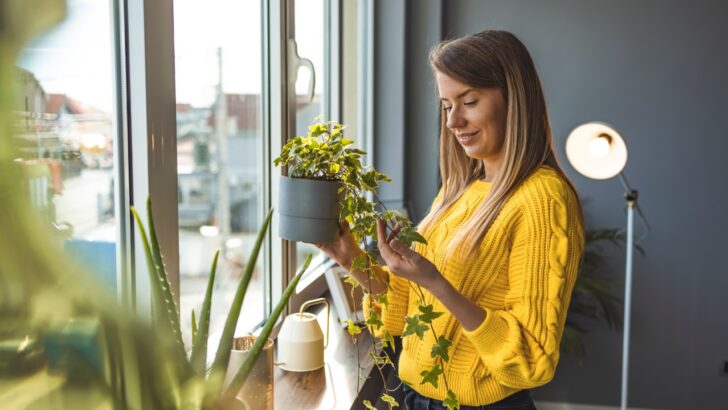
Plants have an almost magical ability to transform a room from a sterile box into a living, breathing space. I once had a living room that felt more like a waiting room, complete with a sad, lonely couch. On a whim, I brought in a fiddle leaf fig tree. Suddenly, the room had a personality. It was no longer just a place to sit; it was a place to be.
Your plants are more than just green accessories; they’re living sculptures that can define a room’s entire feel. This guide will walk you through 12 ways to stage your plants to elevate your home’s aesthetic, turning any corner into a deliberate design statement.
Where We Got Our Data
We created this guide by combining hands-on experience with trusted extension sources. We referenced botanical guides that offer clear, practical advice for keeping these soil-free plants thriving in creative displays. Our bathroom plant recommendations are grounded in the selections of interior designers who align with what horticulturists suggest for high-humidity, low-light spaces.
1. Group Plants for a Lush Jungle Feel
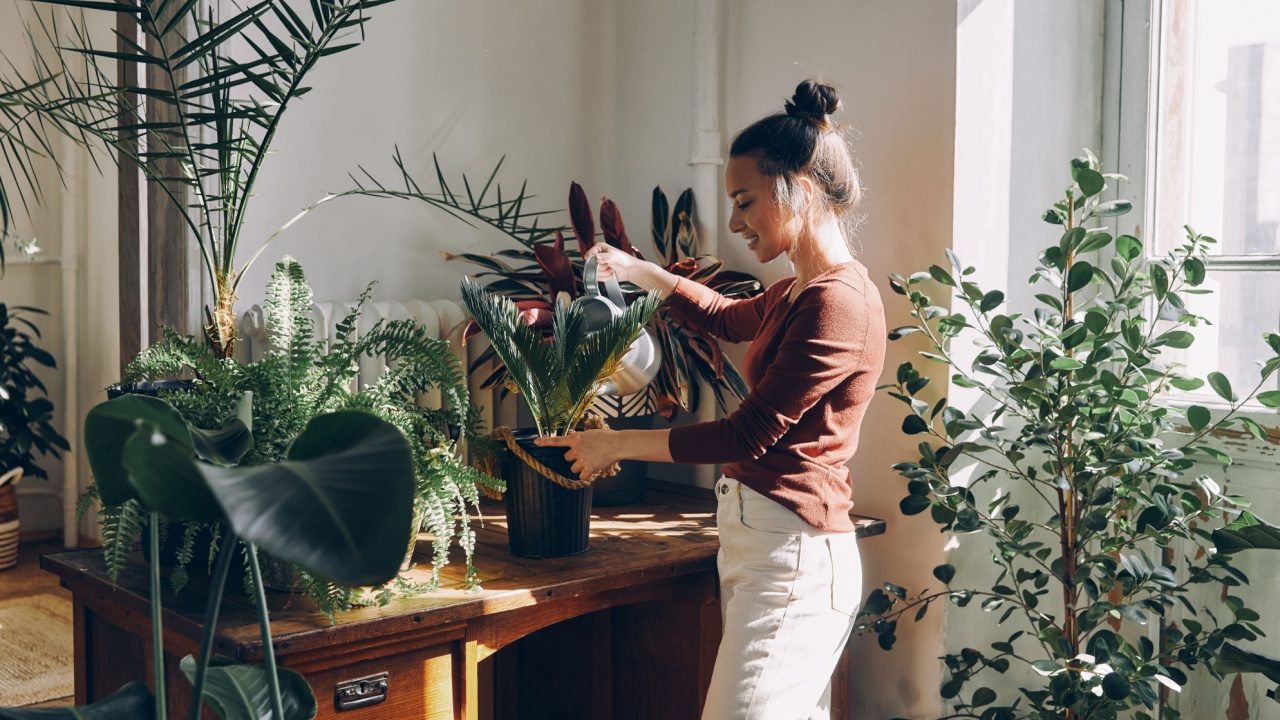
Image Credit: Shutterstock.com.
Creating a “jungle” corner is less about recreating the Amazon and more about thoughtful grouping. By clustering several plants, you create a powerful visual impact that a single plant might not achieve on its own. This method instantly makes a space feel more alive and verdant.
This works because it mimics how plants grow in nature: together. The mix of different leaf shapes, textures, and heights creates a rich tapestry of green. It draws the eye and makes a room feel full and dynamic.
Quick Look:
- How to Do It: Select a corner or a section of a wall. Start with a tall “anchor” plant, like a bird of paradise or a large dracaena. Then, add mid-sized plants around it on the floor and on low stands. Fill in the gaps with smaller pots to create a dense, layered look.
- Pro Tip: Choose plants with similar light and water needs to make caring for your new jungle much easier. Grouping tropicals like monsteras, philodendrons, and calatheas works well.
- Next Steps: Experiment with stands of varying heights to add dimension. A simple wooden stool or a stack of books can elevate a smaller plant so it doesn’t get lost.
2. Use a Statement Plant as a Focal Point
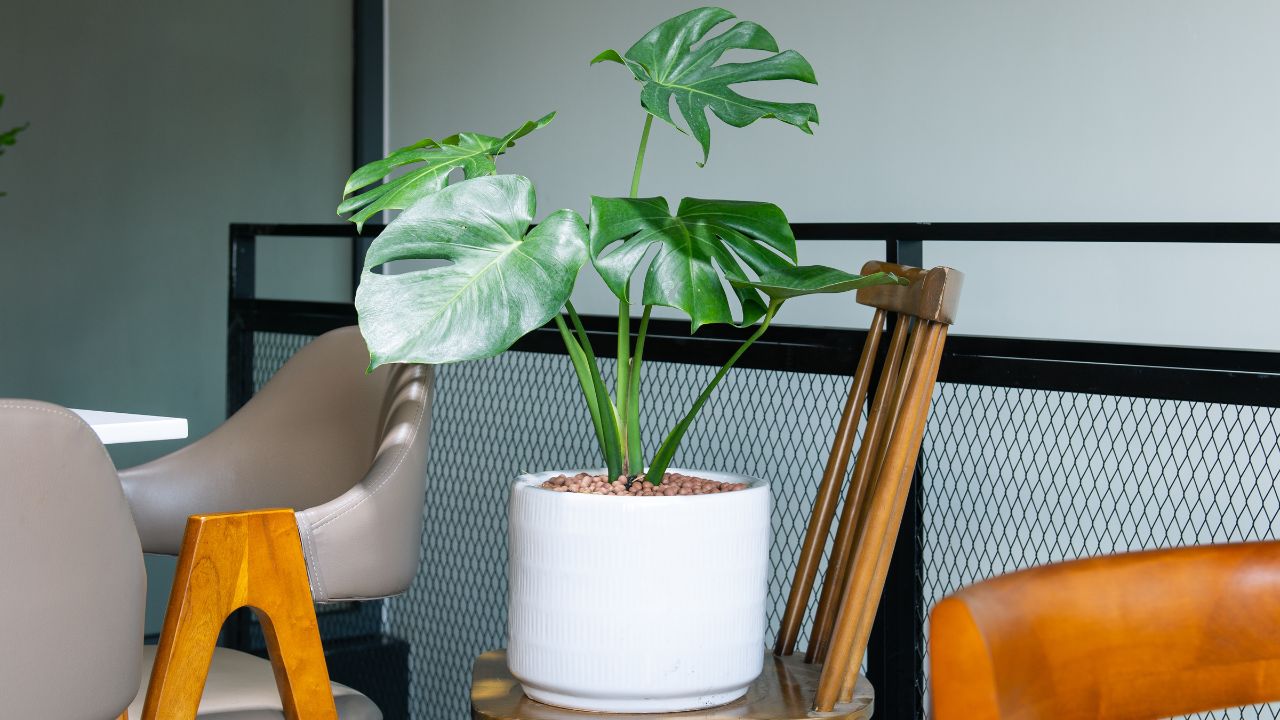
Image Credit: Shutterstock.
Sometimes, all a room needs is one star performer. A large, dramatic plant can act as a living sculpture, commanding attention and setting the tone for the entire space. Plants like a Fiddle Leaf Fig or a Monstera Deliciosa have enough presence to anchor a room all by themselves.
This approach avoids clutter while making a strong design statement. A single, magnificent plant shows that you appreciate natural beauty in its grandest form.
Quick Look:
- How to Do It: Find a well-lit corner that’s currently empty or underused. Place your chosen statement plant there. The key is giving it enough space to shine, so avoid crowding it with furniture.
- Plant Suggestions: Fiddle Leaf Fig (for bright, indirect light), Monstera Deliciosa (for its iconic split leaves), or a tall Snake Plant (for its architectural form and low maintenance needs).
- Next Steps: Invest in a beautiful pot that complements both the plant and your room’s decor. A simple ceramic or terracotta pot often works best, letting the plant be the main attraction.
3. Create Living Layers with Mixed Heights
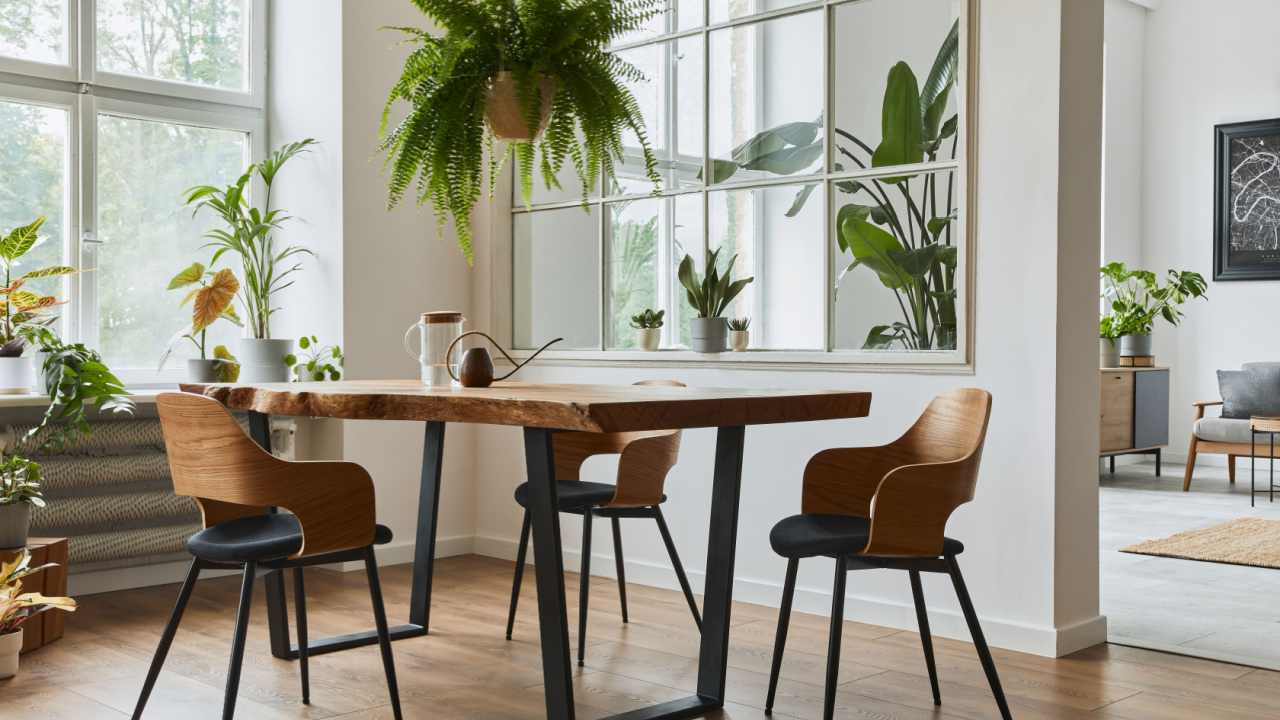
Image Credit: Shutterstock.
A room filled with plants all sitting on the floor can feel a bit flat. The secret to a professional-looking plant display is creating layers. By using a mix of floor plants, tabletop plants, and hanging plants, you guide the eye up, down, and all around the room. This makes the space feel more dynamic and intentionally designed.
Varying heights adds visual interest and depth. It helps fill the “middle space” in a room that often goes unused, between the furniture and the ceiling. This technique makes the room feel fuller and more immersive, turning a simple collection of plants into a cohesive, three-dimensional arrangement.
Quick Look:
- How to Do It: Combine tall floor plants with plants on stands, benches, and side tables. Add hanging planters or place trailing plants on high shelves to draw the eye upward.
- Pro Tip: Don’t be afraid to mix and match. A tall cactus next to a mid-height plant on a stand, with a small succulent on a nearby table, creates a beautiful, layered scene.
- Next Steps: Look for creative plant stands. A vintage bar cart, a small ladder, or even a stack of stylish books can serve as a unique pedestal for your green friends.
4. Embrace Boho Charm with Macramé Hangers
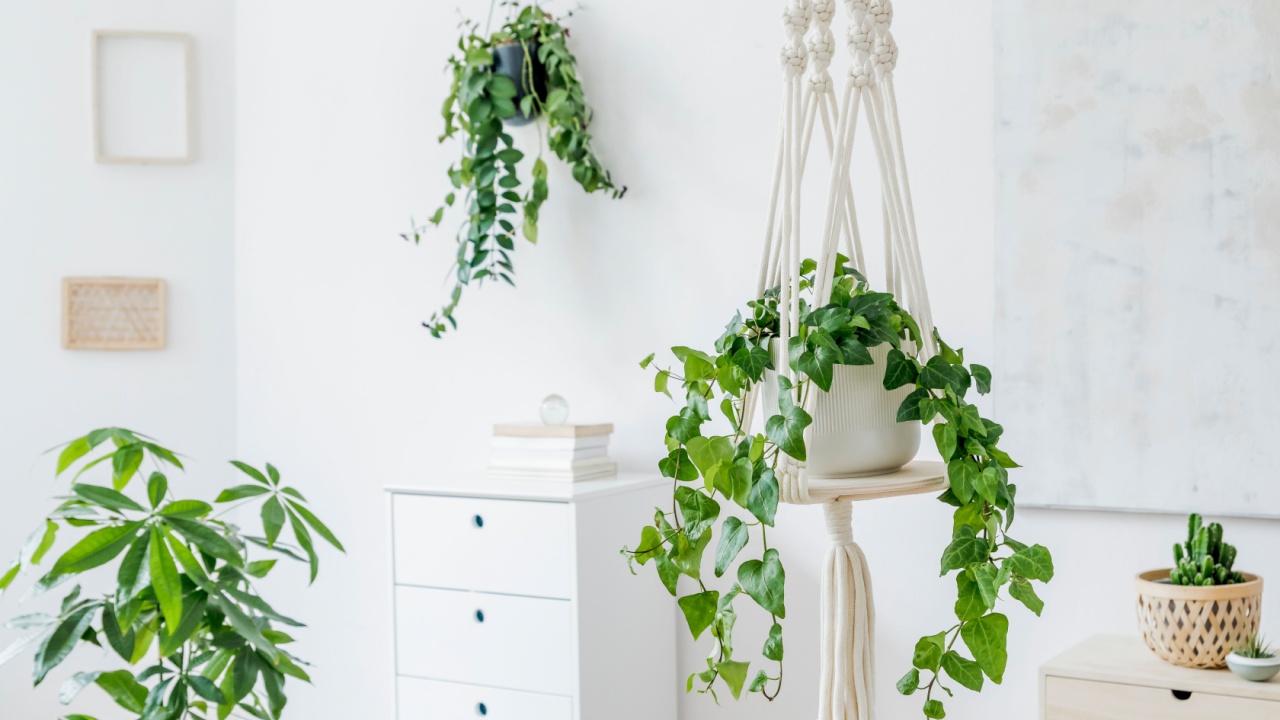
Image Credit: Shutterstock.
Macramé hangers are back, and they’ve shed their dusty 70s reputation. Today’s macramé is modern, stylish, and an amazing way to add texture and warmth to a room. Hanging your plants frees up floor and shelf space, making it a perfect solution for smaller homes or apartments. It literally elevates your greenery.
This idea brings a soft, handmade element into your home. The woven patterns of macramé contrast beautifully with the organic shapes of plants, creating a display that feels both natural and artful. I have a Pothos in a macramé hanger, and its cascading vines look like a living waterfall.
Quick Look:
- How to Do It: Choose a macramé hanger that fits the size of your pot. Securely install a hook in the ceiling or use a wall-mounted bracket. Place a trailing plant inside for the best effect.
- Plant Suggestions: Golden Pothos, String of Pearls, or Heartleaf Philodendron are all great choices because their vines will cascade gracefully.
- Next Steps: Group two or three hangers at slightly different heights in a corner or near a window for a stunning visual effect.
5. Build Tiny Green Worlds in Terrariums
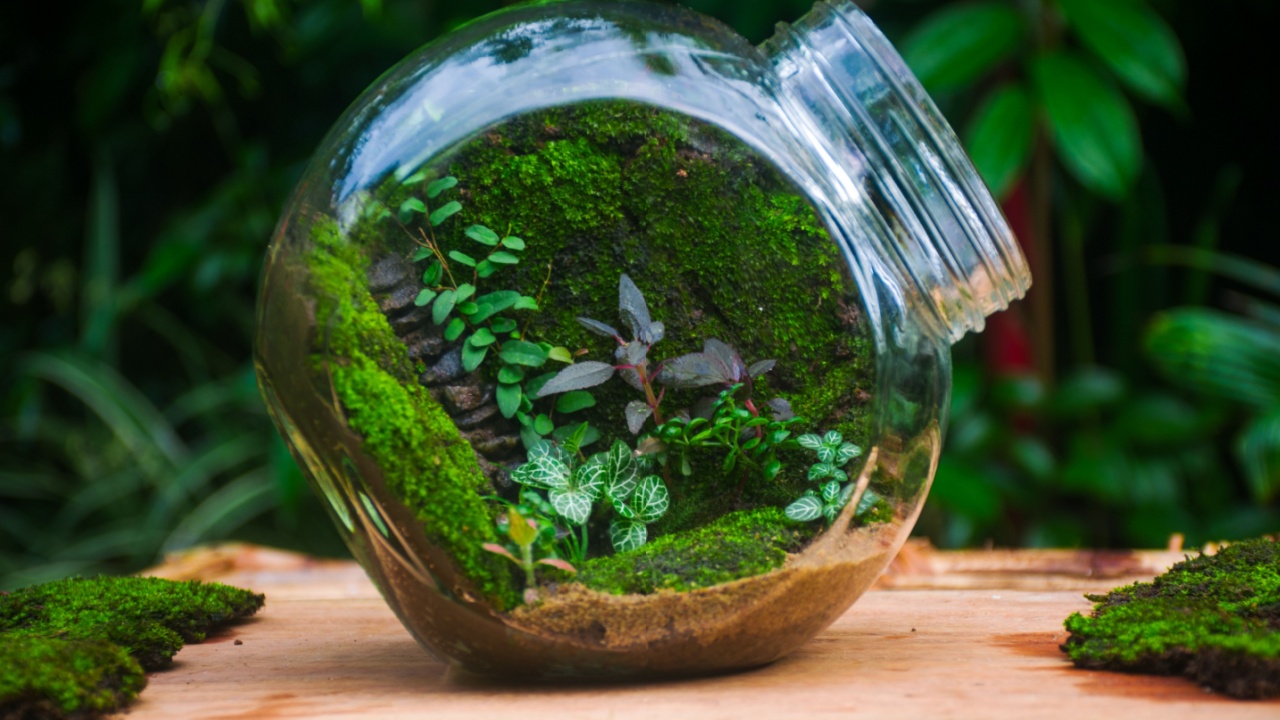
Image Credit: JNW Creation / Shutterstock.
Terrariums are miniature ecosystems housed in glass containers. They are captivating little worlds that bring a touch of enchantment to any desk, shelf, or coffee table. They offer a chance to get creative and build a tiny, self-sustaining garden that requires very little space and maintenance once established.
Terrariums are fantastic because they are both a plant display and a piece of art. They invite closer inspection and spark curiosity. For those of us who claim to have a “black thumb,” a closed terrarium can be surprisingly forgiving, as it recycles its own water.
Quick Look:
- How to Do It: Choose a clear glass container. Add a layer of gravel for drainage, followed by activated charcoal, and then potting soil. Arrange small, humidity-loving plants inside.
- Plant Suggestions: For closed terrariums, use moss, small ferns, and nerve plants (Fittonia). For open terrariums, succulents and air plants work best.
- Next Steps: Personalize your terrarium with small stones, figurines, or pieces of wood to create a unique landscape. It’s your own little planet to design.
6. Design a Vertical Garden for Small Spaces
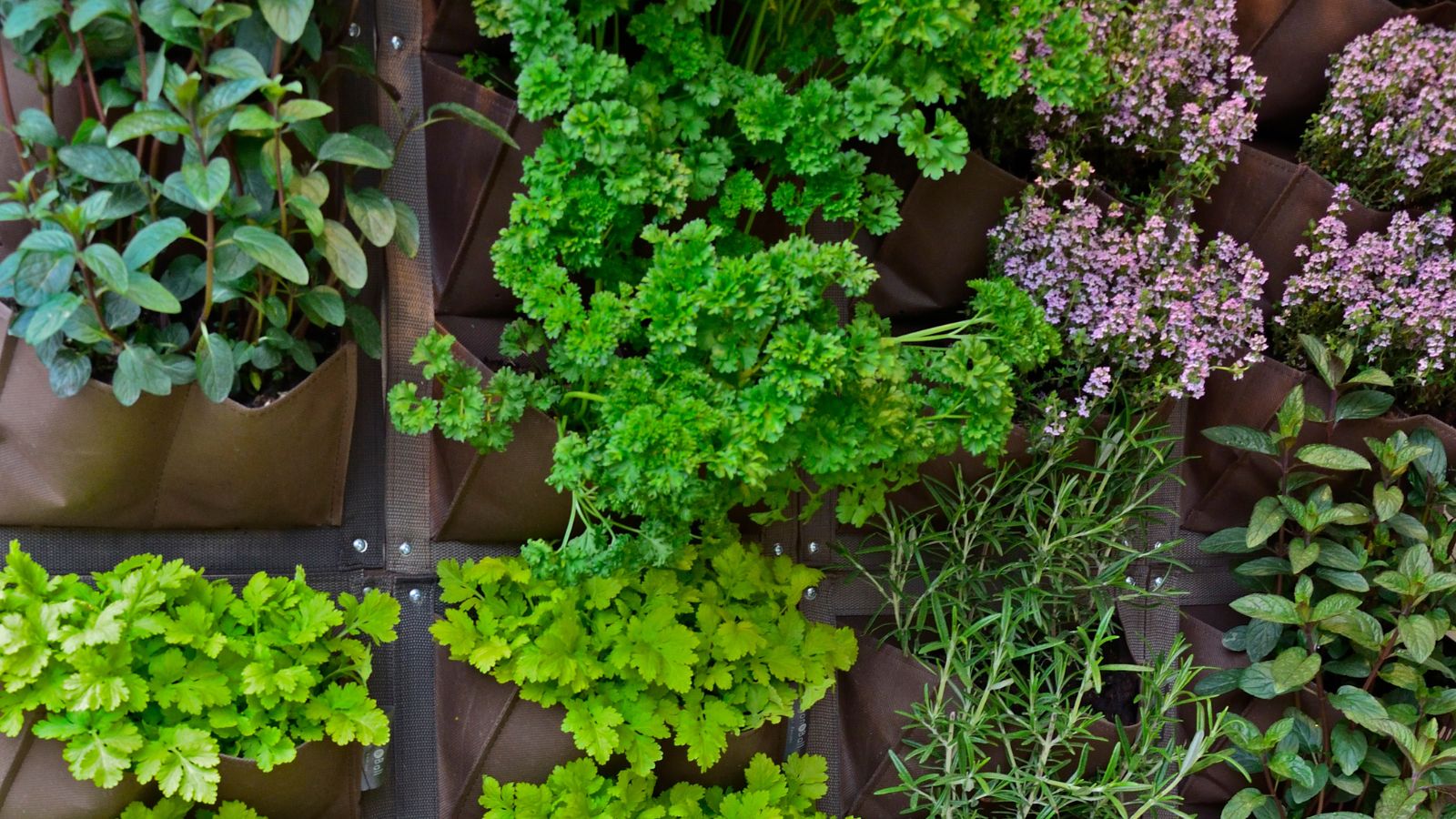
Image Credit: Depositphotos.com.
When you can’t build out, build up. A vertical garden is a brilliant way to display a multitude of plants without sacrificing a single inch of floor space. It transforms a blank wall into a living, breathing work of art. This is especially useful in small apartments, balconies, or kitchens where space is a precious commodity.
Vertical gardens are a high-impact, low-footprint solution. They make a dramatic statement and can purify the air in a concentrated area.
Quick Look:
- How to Do It: You can use wall-mounted planters, a trellis with climbing plants, or a modular pocket system designed for vertical gardening.
- Pro Tip: Make sure the wall you choose can support the weight of the planters, soil, and water. For indoor vertical gardens, select plants that won’t grow too large for their containers.
- Next Steps: An easy starting point is a simple wall-mounted shelf system. Arrange a series of small, matching pots on the shelves for a clean, organized look.
7. Grow an Herb Garden on a Kitchen Windowsill
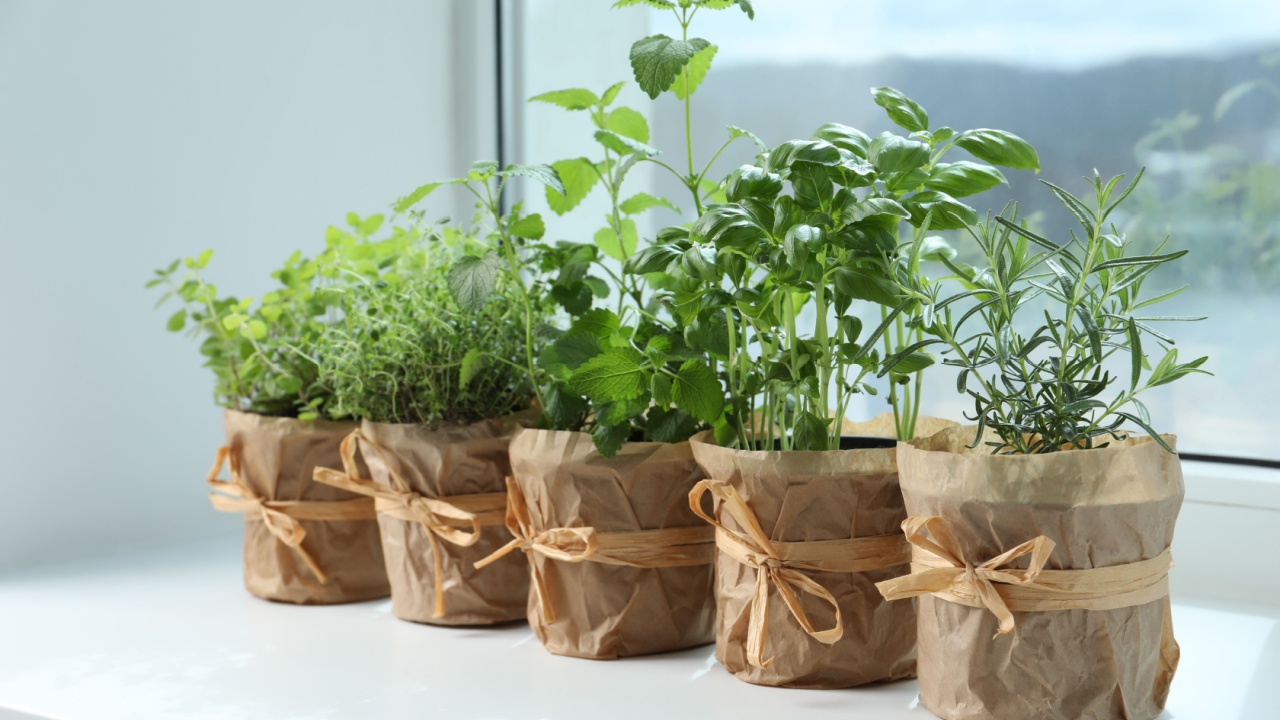
Image Credit: Shutterstock.
A kitchen windowsill herb garden is practical and beautiful. It brings fresh flavors right to your fingertips while adding a touch of rustic charm to the heart of your home. The sight and smell of fresh herbs can make cooking feel more like a joyful ritual and less like a daily chore.
This idea is a win-win: it’s a decorative feature that’s also edible. There’s a simple pleasure in snipping fresh parsley or basil for a meal you’re preparing. It connects you to your food in a direct and meaningful way.
Quick Look:
- How to Do It: Choose a sunny windowsill that gets at least 4-6 hours of direct sunlight per day. Plant your favorite herbs in individual pots with drainage holes, or use a long window box planter.
- Herb Suggestions: Basil, mint, rosemary, thyme, parsley, and chives are all excellent choices for a windowsill garden.
- Next Steps: Use attractive pots that match your kitchen decor. Label your herbs with small, stylish markers so you can tell your oregano from your marjoram in a pinch.
8. Display Air Plants in Unique Holders
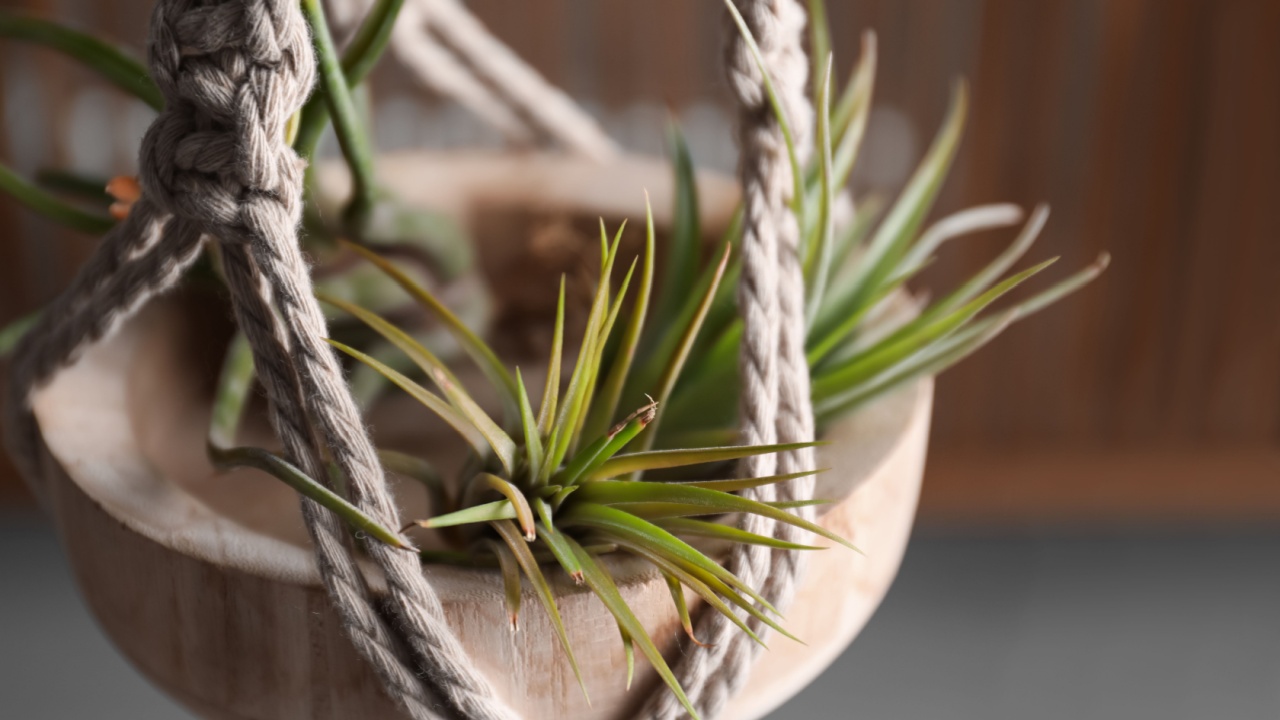
Image Credit: Shutterstock.
Air plants (Tillandsia) are some of the most fascinating members of the plant kingdom. They don’t need soil to live, absorbing moisture and nutrients from the air through their leaves. This unique quality means you can display them in incredibly creative ways that aren’t possible with other plants.
Air plants offer endless styling possibilities. They can be placed in hanging glass orbs, mounted on pieces of driftwood, or nestled in ceramic holders. They are living sculptures that can add a modern, slightly surreal touch to your decor. I have one sitting in a tiny ceramic hand, and it never fails to make me smile.
Quick Look:
- How to Do It: Air plants are very low-maintenance. They just need bright, indirect light and a good soak in water for about 20-30 minutes once a week. Let them dry completely before returning them to their holder.
- Display Ideas: Place them in geometric metal holders (himmeli), attach them to a wreath, or create a composition on a piece of cork bark.
- Next Steps: Because they are so small and versatile, try creating a gallery wall of different air plants in various holders. It’s a great way to fill an empty wall with life.
9. Create Minimalist Succulent Displays
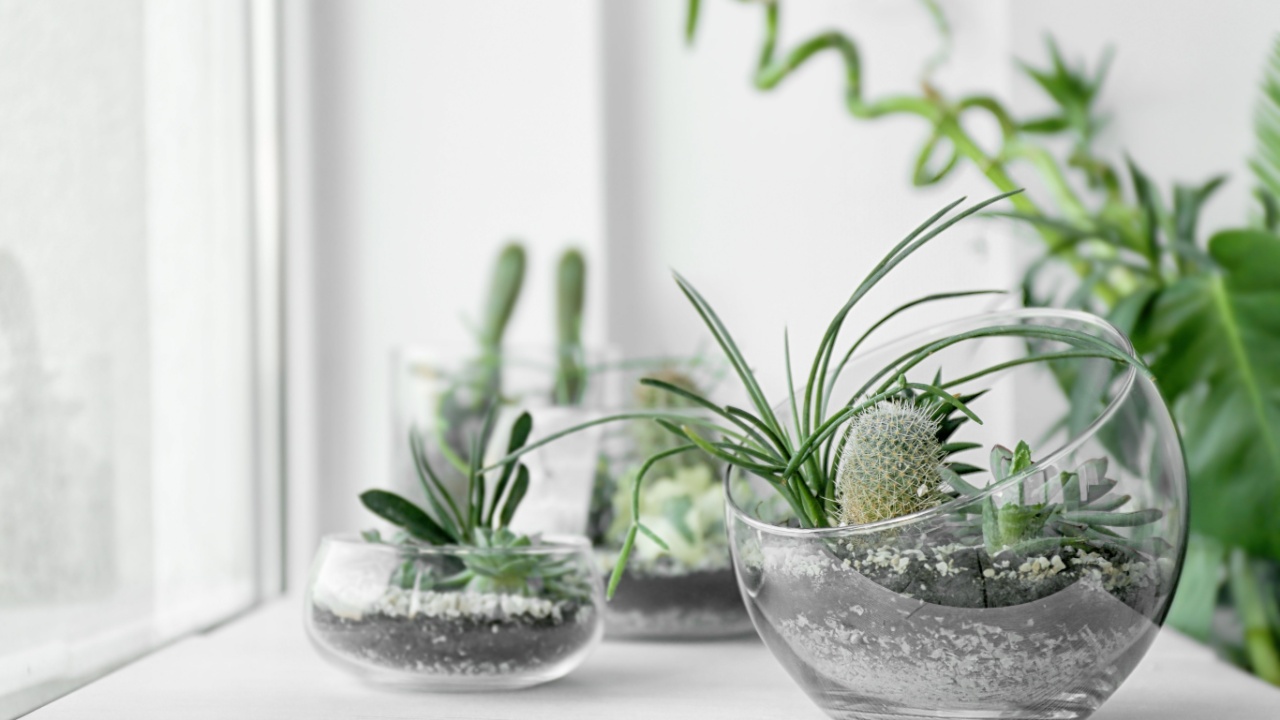
Image Credit: Shutterstock.
Succulents are the masters of minimalist chic. With their clean lines, geometric shapes, and muted colors, they are perfect for creating sleek, modern arrangements. A simple display of succulents can bring a sense of calm and order to a space without overwhelming it.
This approach works because succulents are sculptural and require very little care. A few well-chosen succulents in simple pots can make a bigger impact than a busy, cluttered arrangement. They are ideal for office desks, bookshelves, and other small spaces where you want a touch of green without the fuss.
Quick Look:
- How to Do It: Choose succulents with interesting shapes and textures, like Echeveria, Haworthia, or Crassula. Plant them in simple, modern pots—think concrete, ceramic, or terracotta.
- Pro Tip: Grouping three small succulents in matching pots is a classic designer trick. Arrange them in a line or a tight cluster on a tray.
- Next Steps: Create a small succulent bowl by planting several different varieties together in a shallow, wide dish. Add a top layer of decorative sand or fine gravel for a polished look.
10. Let Greenery Cascade from Shelves

Image Credit: Shutterstock.
There’s something incredibly graceful about a plant with trailing vines. Placing cascading plants like Pothos or String of Pearls on a high shelf or mantelpiece allows their foliage to spill over the edge, creating a beautiful waterfall of green. This softens the hard lines of furniture and adds a sense of movement to your decor.
This staging technique draws the eye upward and makes great use of vertical space. It adds a touch of romance and wildness to an otherwise orderly bookshelf or cabinet. My Golden Pothos has vines that now touch the floor, and it feels like the shelf is alive and reaching out to the rest of the room.
Quick Look:
- How to Do It: Place a trailing plant on the edge of a bookshelf, the top of a kitchen cabinet, or a floating wall shelf. Make sure it gets enough light in its high-up home.
- Plant Suggestions: Golden Pothos, Heartleaf Philodendron, String of Pearls, String of Bananas, and English Ivy are all excellent trailers.
- Next Steps: To encourage long, lush vines, rotate the plant occasionally so all sides get light. You can also train the vines to grow along the shelf or around a window frame.
11. Add Personality with Colorful and Vintage Planters
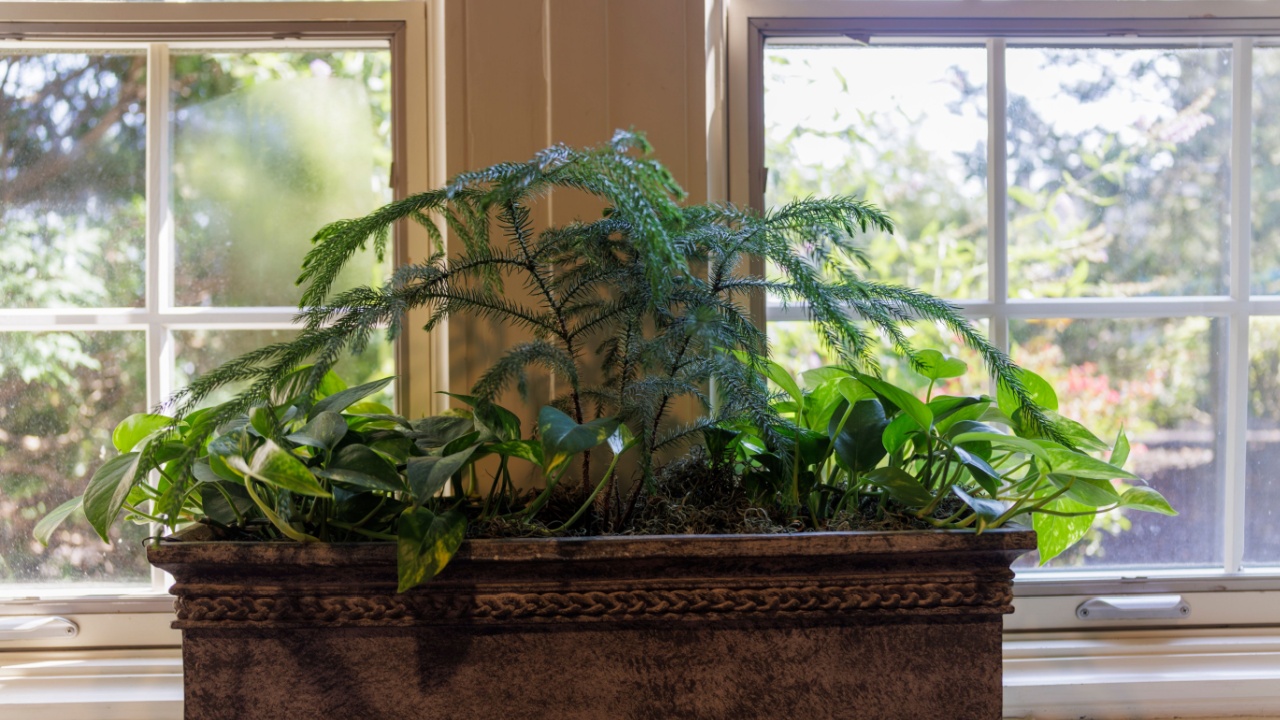
Image Credit: Shutterstock.
The pot you choose is just as important as the plant itself. Colorful planters can inject a dose of personality and energy into a room, while vintage pots can add a layer of history and character. Don’t underestimate the power of the planter to tie your plant into your overall design scheme.
This is your chance to play with color, texture, and style. A bright yellow pot can make a simple green plant pop. A weathered terracotta pot with a beautiful patina can make a room feel timeless and soulful. I found an old ceramic teapot at a flea market, drilled a hole in the bottom, and now it’s the most charming home for a spider plant.
Quick Look:
- How to Do It: Look for planters at garden centers, home decor stores, thrift shops, and flea markets. Don’t be afraid to mix and match styles, but try to maintain a loose color palette to keep the look cohesive.
- Pro Tip: If you find a beautiful pot that doesn’t have a drainage hole, you can either drill one yourself or use it as a “cachepot.” Just place the plant in its plastic nursery pot directly inside the decorative one and remove it for watering.
- Next Steps: Try painting your own terracotta pots. It’s an easy and inexpensive way to create custom planters that perfectly match your decor.
12. Cultivate an Oasis in the Bathroom
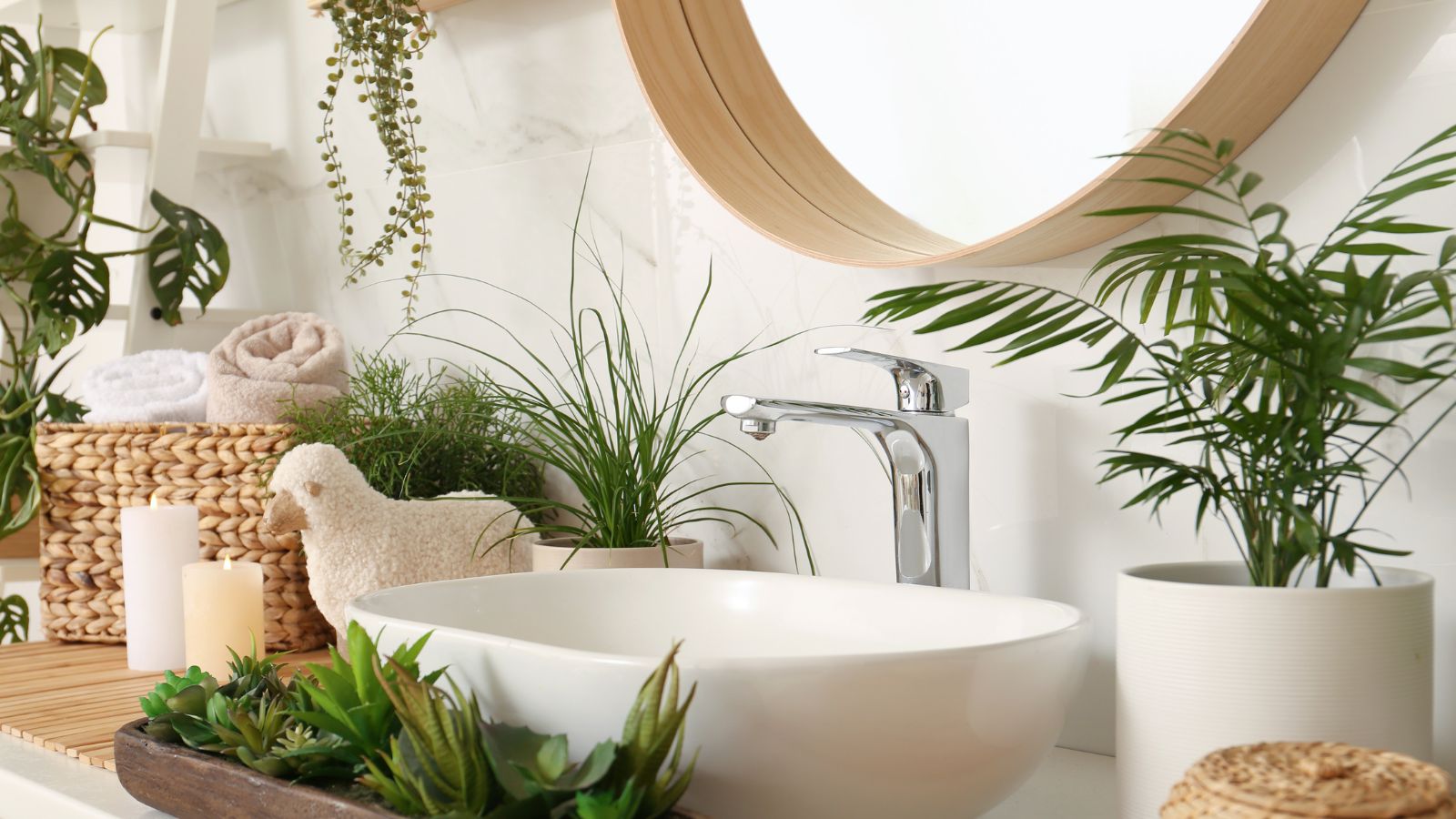
Image Credit: Depositphotos.com.
Your bathroom is a secret paradise for many plants. The steam from your daily showers creates a high-humidity environment that moisture-loving tropical plants absolutely adore. Turning your bathroom into a green oasis can make the space feel like a luxurious spa retreat.
A plant-filled bathroom feels fresh, clean, and rejuvenating. It’s an unexpected place for a lush display of greenery, which makes it all the more delightful. Having a fern unfurl its fronds next to your sink is a small luxury that can make your morning routine feel a lot more special.
Quick Look:
- How to Do It: Choose plants that thrive in high humidity and can tolerate the lower light levels often found in bathrooms. Place them on the vanity, a windowsill, or hang them from the ceiling.
- Plant Suggestions: Ferns (like the Bird’s Nest or Boston Fern), Calathea, Spider Plants, and Orchids are all fantastic choices for a bathroom.
- Next Steps: If your bathroom has no natural light, you can still join in. Many realistic-looking artificial plants are made today, or you can rotate a low-light-tolerant plant like a Snake Plant in and out of the bathroom every couple of weeks.
Cultivating a Green Oasis Indoors
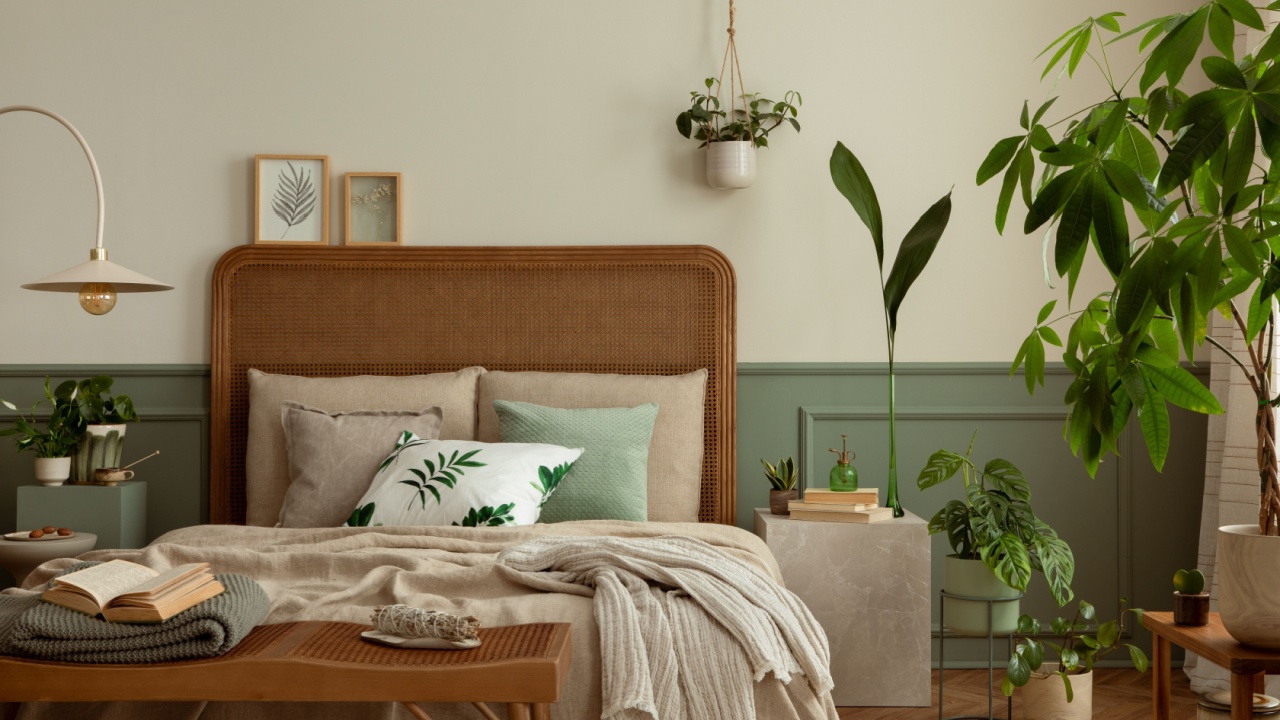
Image Credit: Shutterstock.
Bringing plants into your home is one thing; staging them with intention is another. It’s the difference between just owning plants and living with them as part of your home’s story. You don’t need a degree in interior design to create beautiful green moments in your space. Look at an empty corner, a bare wall, or a lonely shelf in your home. Now, imagine it with a bit of life.
Pick one idea from this list and try it out this weekend. Rearrange, replant, and restyle. You might be surprised at how a little bit of strategic greenery can completely change the way you feel about a room.