

Dreaming of a garden that plants itself? Imagine low-maintenance perennials that spread gracefully, fill empty spaces, and bring a buzzing, fluttering wildness to your backyard—all with minimal effort.
These elegant and eco-friendly garden champions range from sun-lovers to shade heroes, and each one plays a vital role in supporting bees, butterflies, birds, and your peace of mind. Here’s a curated list of perennials that multiply beautifully, blend effortlessly into your design, and help create a thriving backyard haven.
Note: None of these plants are listed as invasive, but it’s always smart to check with your local extension office when choosing what to plant in your region. Sime do spread quite vigorously.
1. Daylily (Hemerocallis spp.)
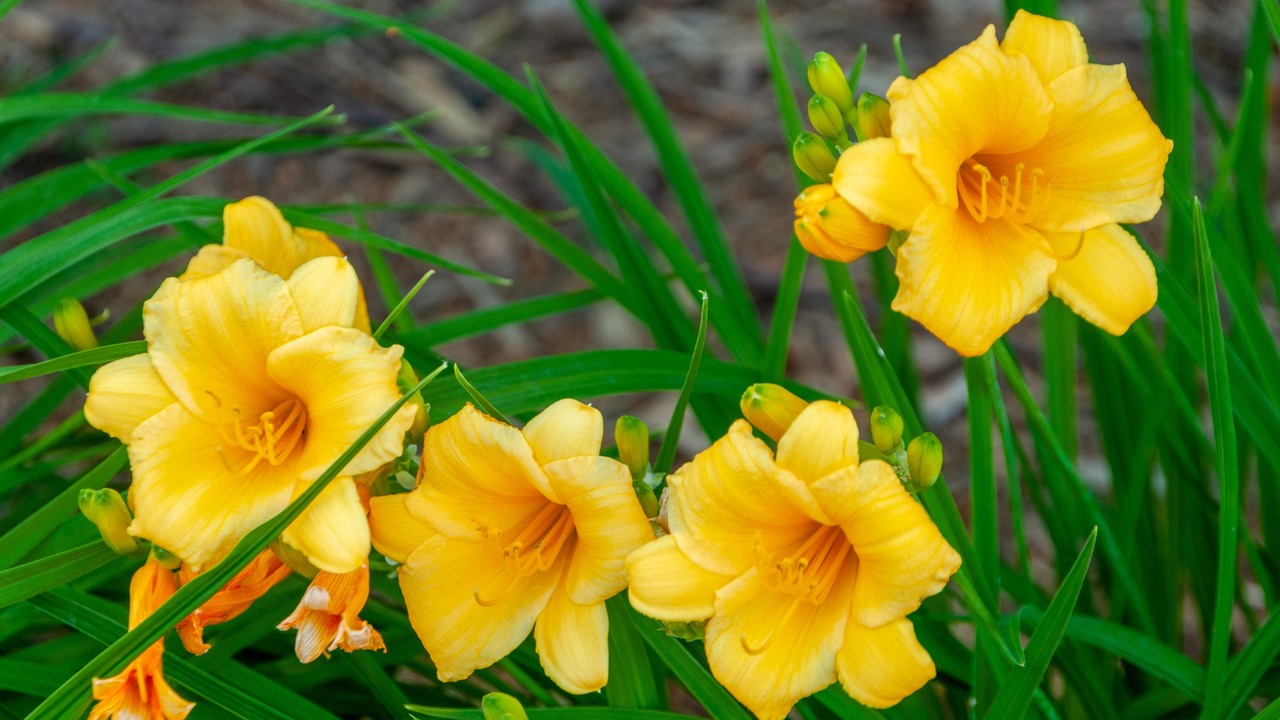
Image Credit: Shutterstock.
A star of easy-care gardening, daylilies spread via sturdy clumps and return every year with bold, trumpet-shaped blooms in virtually every color imaginable. They thrive in full sun to part shade and are resistant to pests and diseases. Avoid planting the classic orange/tawny species to prevent ecological invasive issues.
Care & Use: Divide plants every 3–4 years to maintain vigor and control spread. Grow them along borders or in mass plantings—great for continuous summer color with almost no fuss.
2. Purple Coneflower (Echinacea purpurea)

Image Credit: Shutterstock.
A wildlife magnet and evergreen garden icon, coneflowers self-sow and attract bees, butterflies, and seed-eating birds. Their upright stature adds structure and seasonal interest.
Care & Use: Plant in full sun with well-drained soil. Allow spent blooms to mature for bird seed, or deadhead early for prolonged bloom. Dividing every 3–4 years keeps beds fresh.
3. Black-Eyed Susan (Rudbeckia hirta)
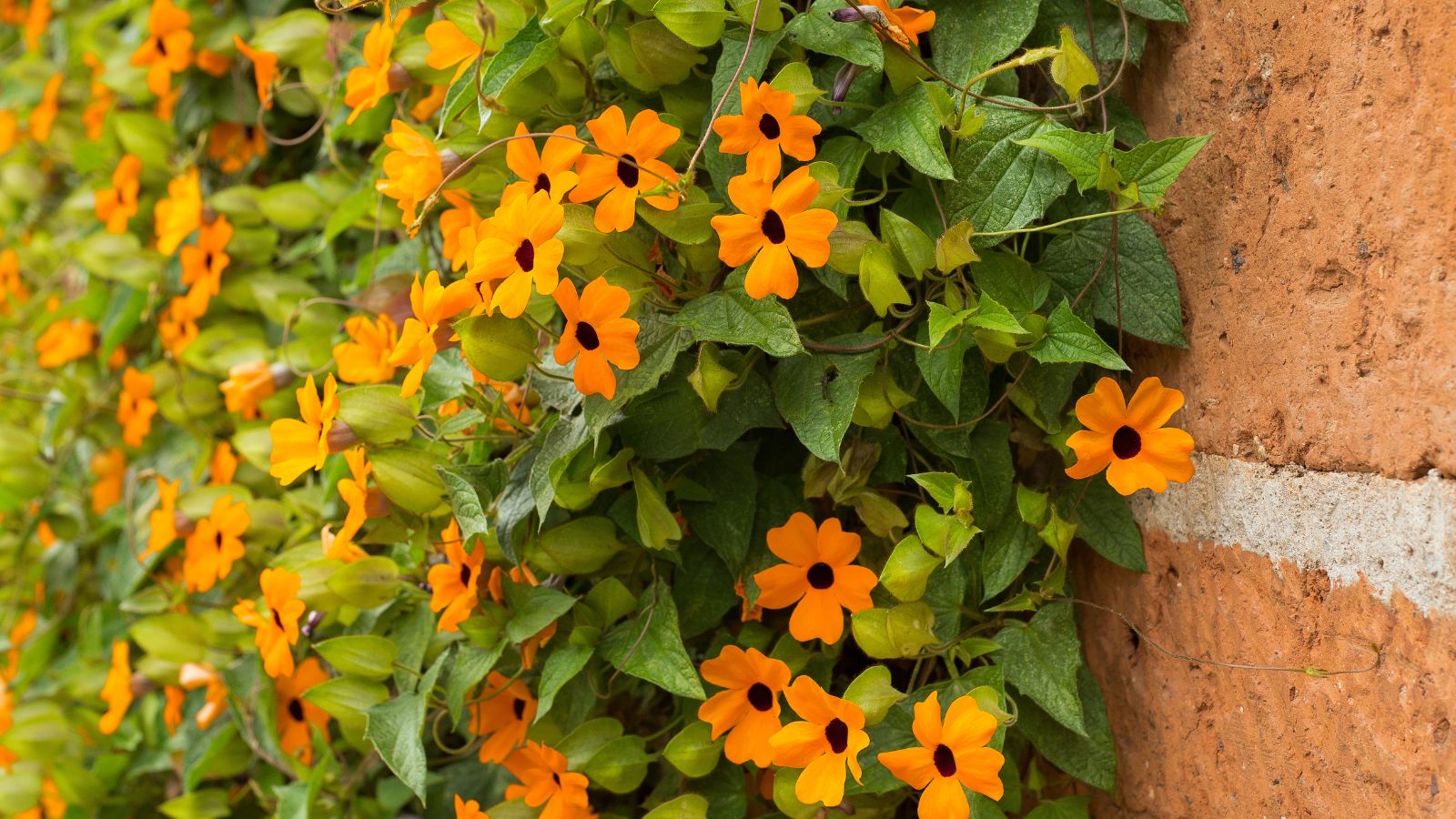
Photo Credit: Depositphotos
Their cheerful, sun-loving daisies multiply through self-seeding, creating bright patches and supporting pollinators. In winter, birds feast on the seeds. They will spread easily to keep them in check, where you want them.
Care & Use: Thrive in sun and varied soils; trim back old blooms or leave some for wildlife. Divide every few years to prevent overcrowding.
4. Hosta (Hosta spp.)
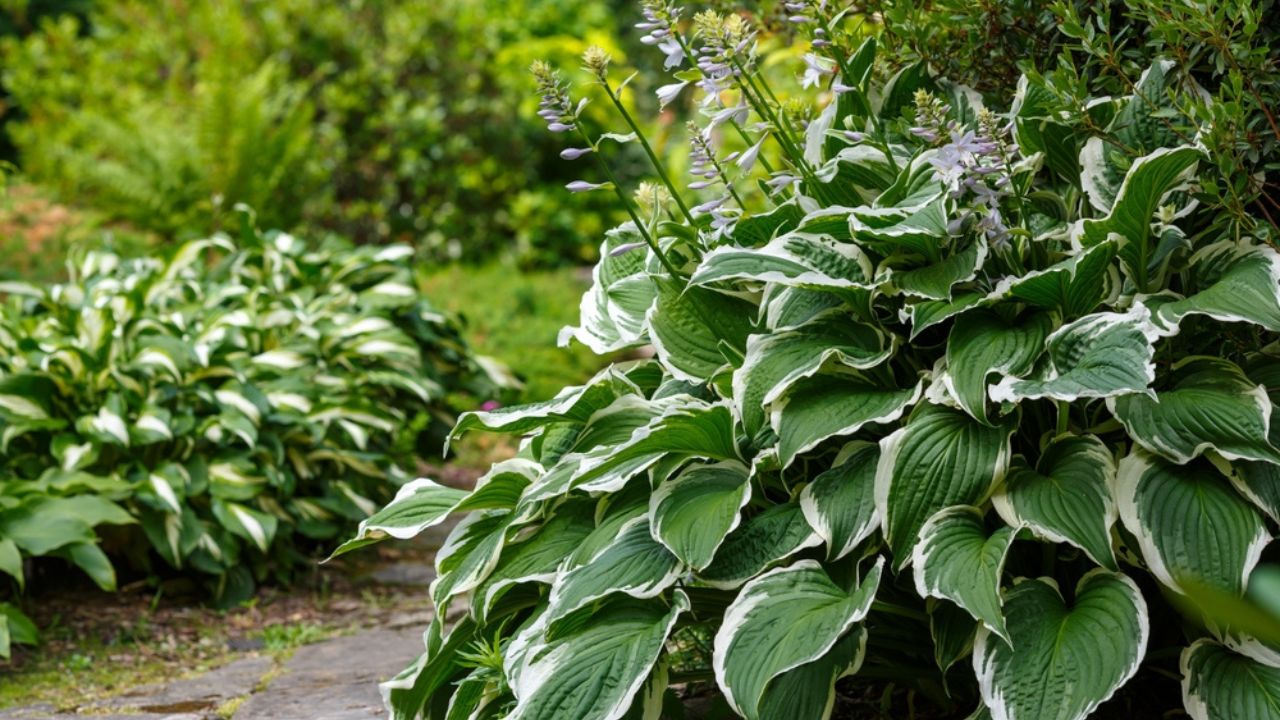
Image Credit: Shutterstock.
Ideal for shade, hostas spread gradually via rhizomes to fill shady beds with lush foliage, making them perfect ground-covers under trees or shrubs.
Care & Use: Provide moist, rich soil and afternoon shade. Divide every 2–3 years in spring to rejuvenate clumps. Protect from slugs with traps or cedar mulch.
5. Bee Balm (Monarda didyma)
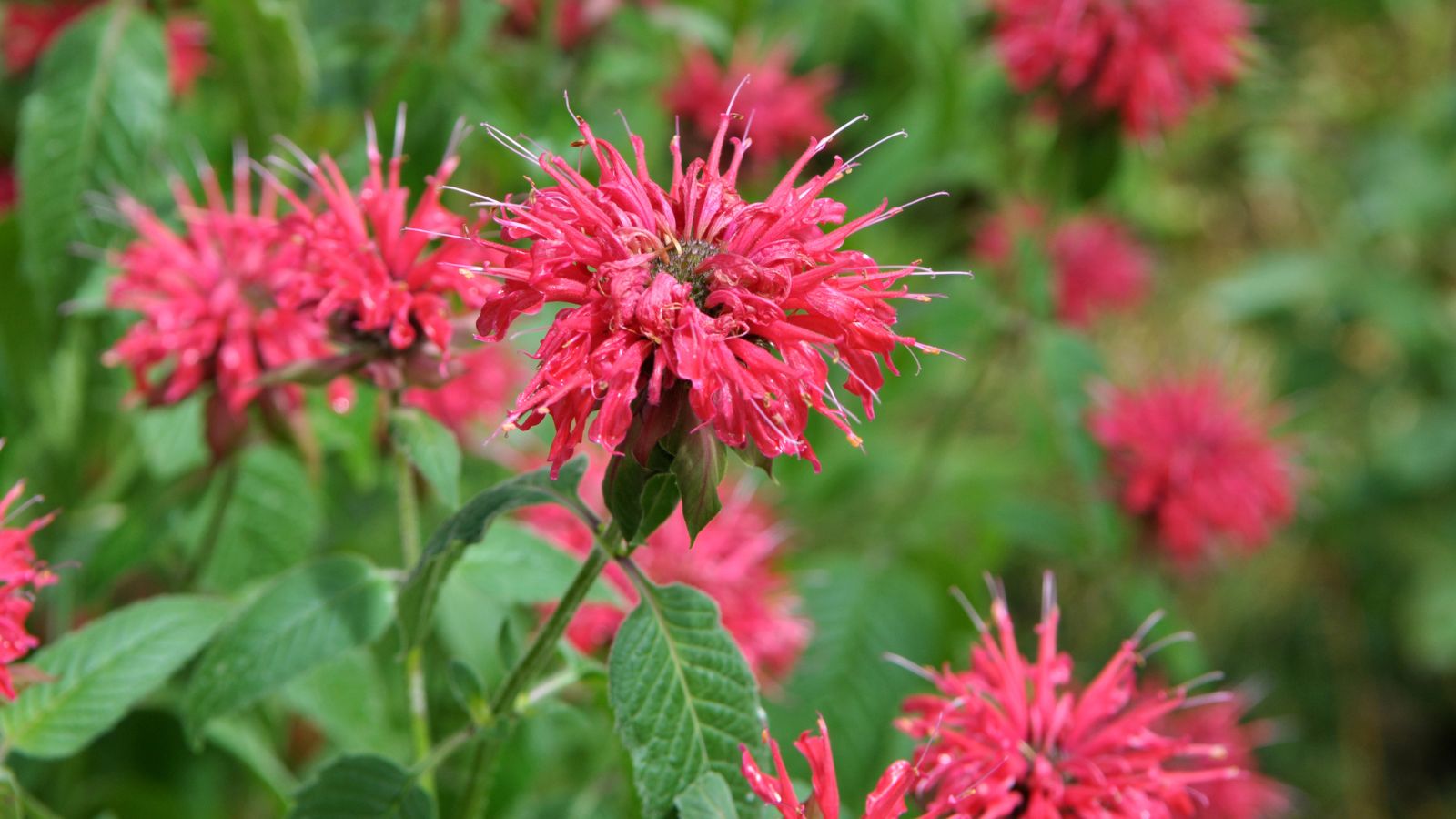
Image Credit: Depositphotos.com.
With its bright red, pink, or lavender blooms, bee balm spreads through underground rhizomes, inviting hummingbirds, bees, and butterflies while forming eye-catching mounds. Check your local growing restrictions for this one.
Care & Use: Needs sun to part shade and moist, well-drained soil. Divide every 2–3 years and remove spent blooms to reduce powdery mildew risk and encourage rebloom.
6. Yarrow (Achillea millefolium)
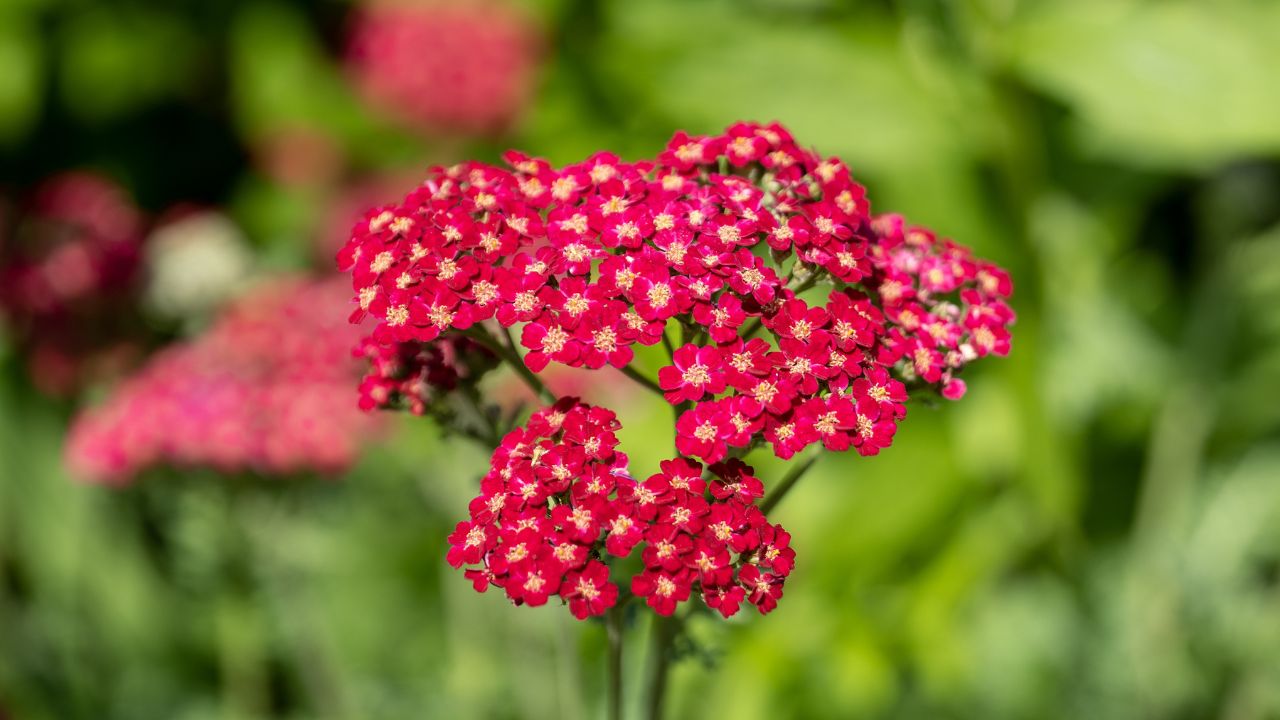
Image Credit: Shutterstock.
An adaptable spreader that thrives in poor soil, producing flat-topped flower clusters that attract beneficial insects like ladybugs and hoverflies, as well as butterflies. It is a native species to North America, but it spreads aggressively without proper management.
Care & Use: Sun-loving and drought-tolerant. Remove spent stems to extend bloom; divide every 3–4 years to maintain health. Excellent in borders and wildflower gardens.
7. Lamb’s Ear (Stachys byzantina)
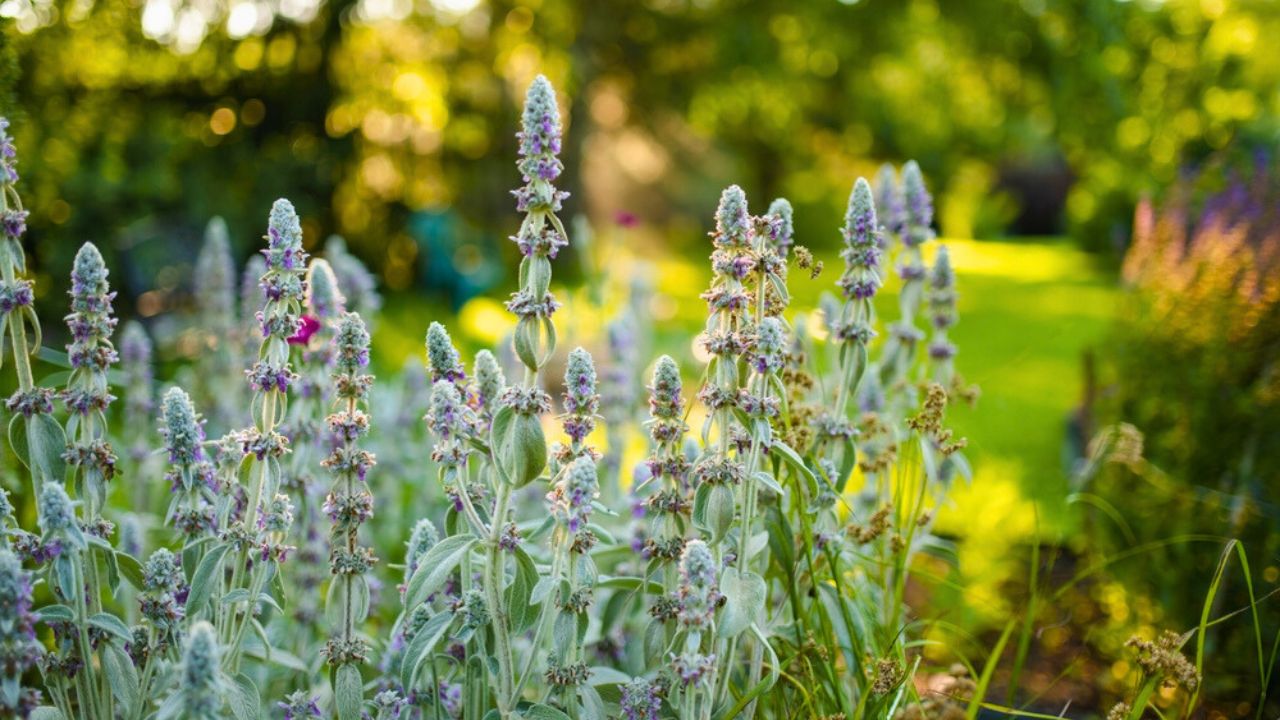
Image Credit: Shutterstock.
Soft, velvety leaves spread to form silver mats cherished by gardeners—and loved by bees—while deterring deer with their slightly fuzzy texture.
Care & Use: Prefers sun and dry, well-drained soil; cut back in spring to rejuvenate foliage. Great in pathways, borders, or as a tactile ground cover.
8. Sedum (Sedum spp.)
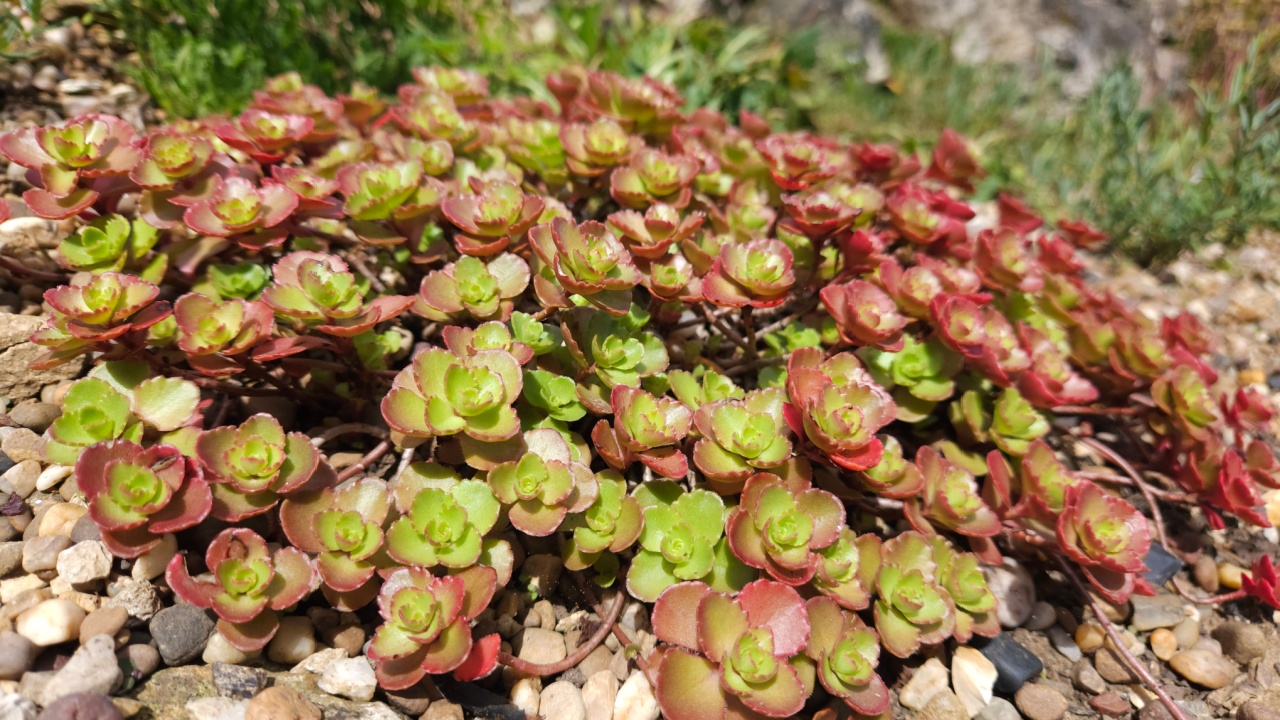
Image Credit: Shutterstock.
Covered in succulent foliage and star-shaped blooms, sedums spread laterally, bloom late in the season, and offer winter interest, plus nectar for pollinators.
Care & Use: Sun-loving with well-drained soil. Trim stems in spring to promote fresh growth. Ideal in rock gardens and containers for low-water landscapes.
9. Chives (Allium schoenoprasum)
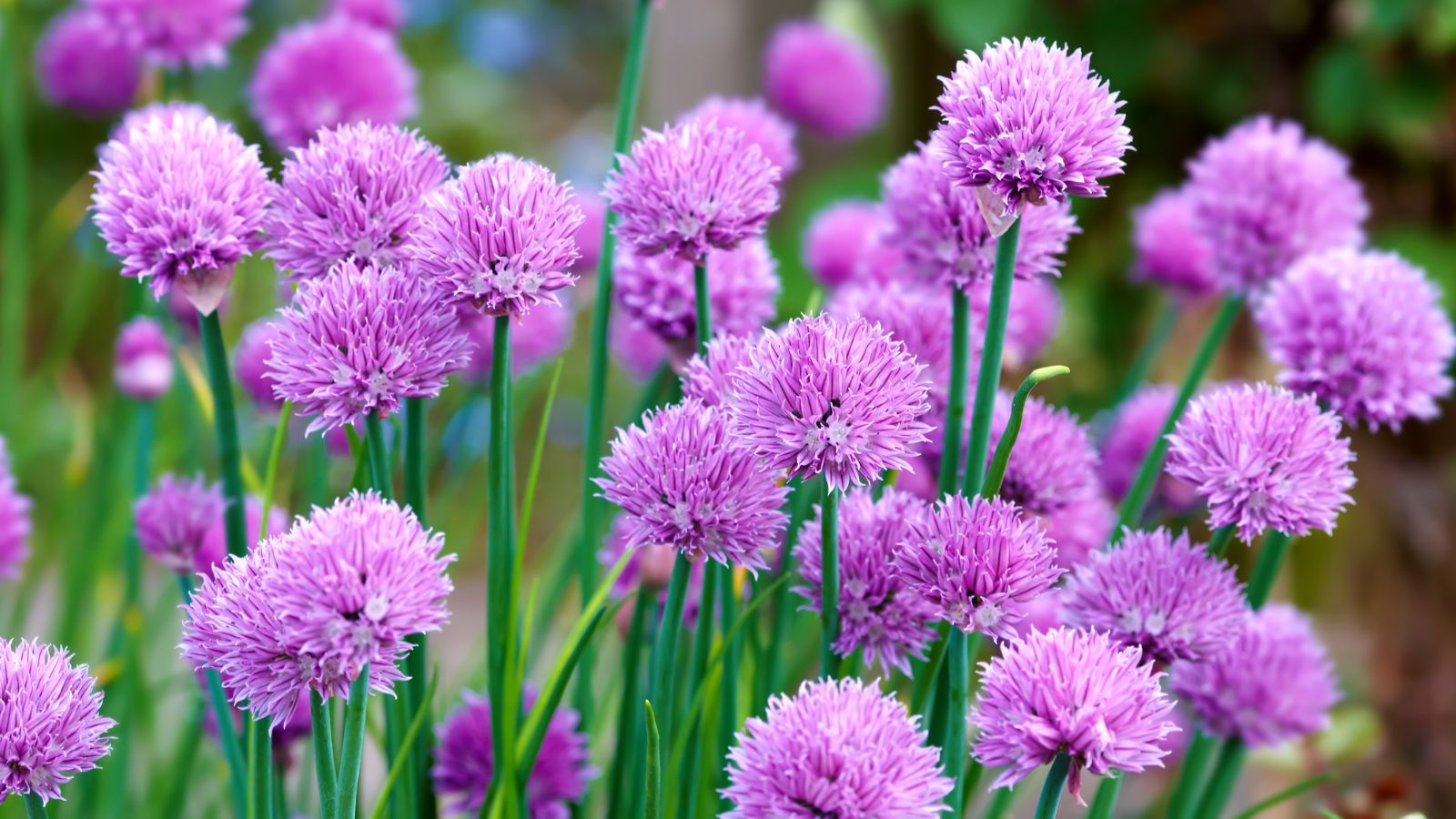
Image credit: YAY Images.
Edible and ornamental, chives spread through clumps and carefree self-seed. Their purple blooms attract bees and double as tasty garnishes.
Care & Use: Grow in sun with well-drained soil. Snip leaves regularly to encourage blooms; divide every 2–3 years for fresh flavor. Can naturalize along garden edges.
10. Japanese Anemone (Anemone hupehensis)
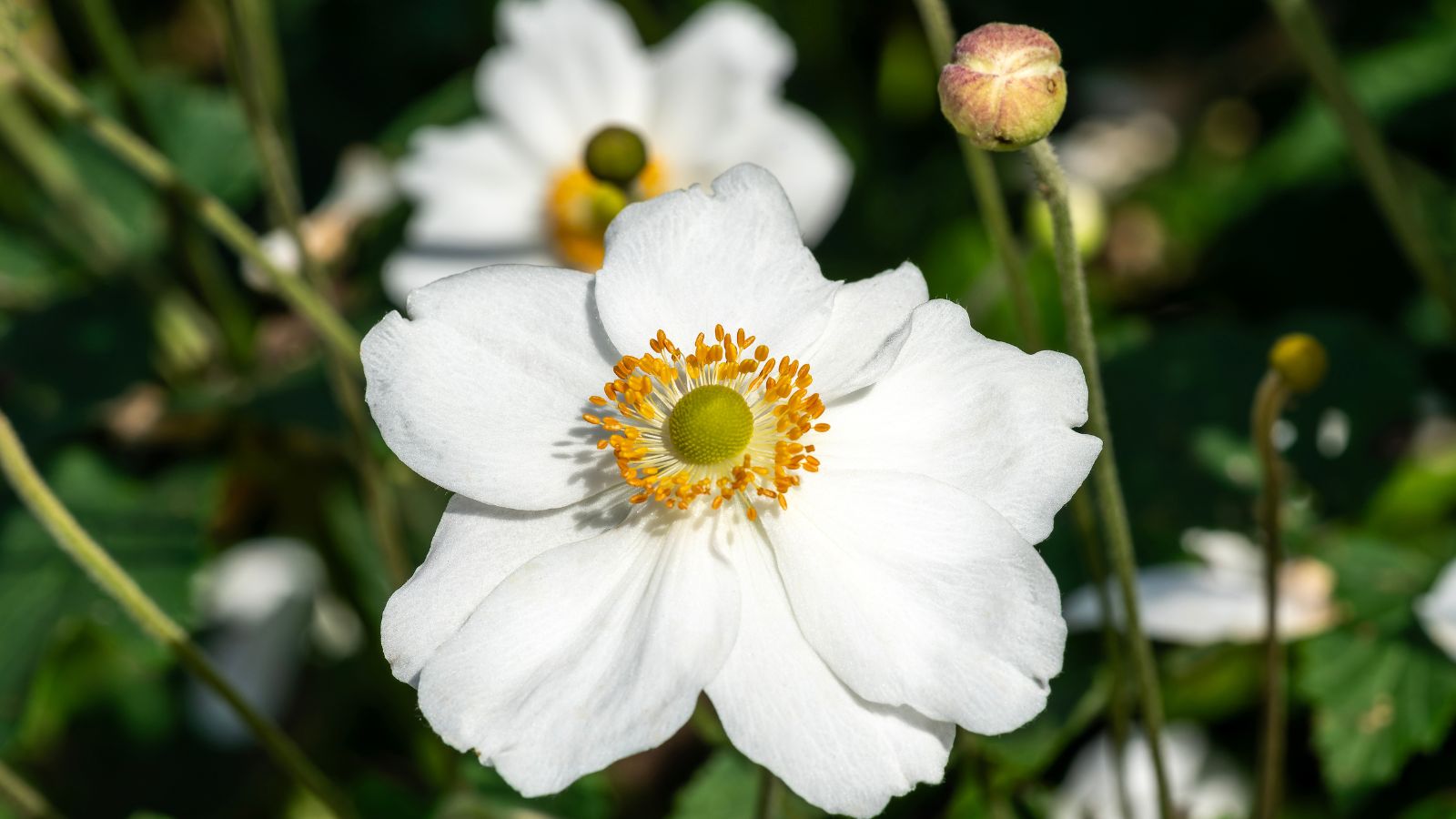
Image credit: Depositphotos.
Tall, graceful, and shade-tolerant, this late-season bloomer sends up runners and flowers in autumn, offering nectar for bees.
Care & Use: Prefers part shade and moist soil. Divide clumps every 3–4 years to avoid crowding. Excellent for under trees or as a fall accent.
11. Lupine (Lupinus spp.)
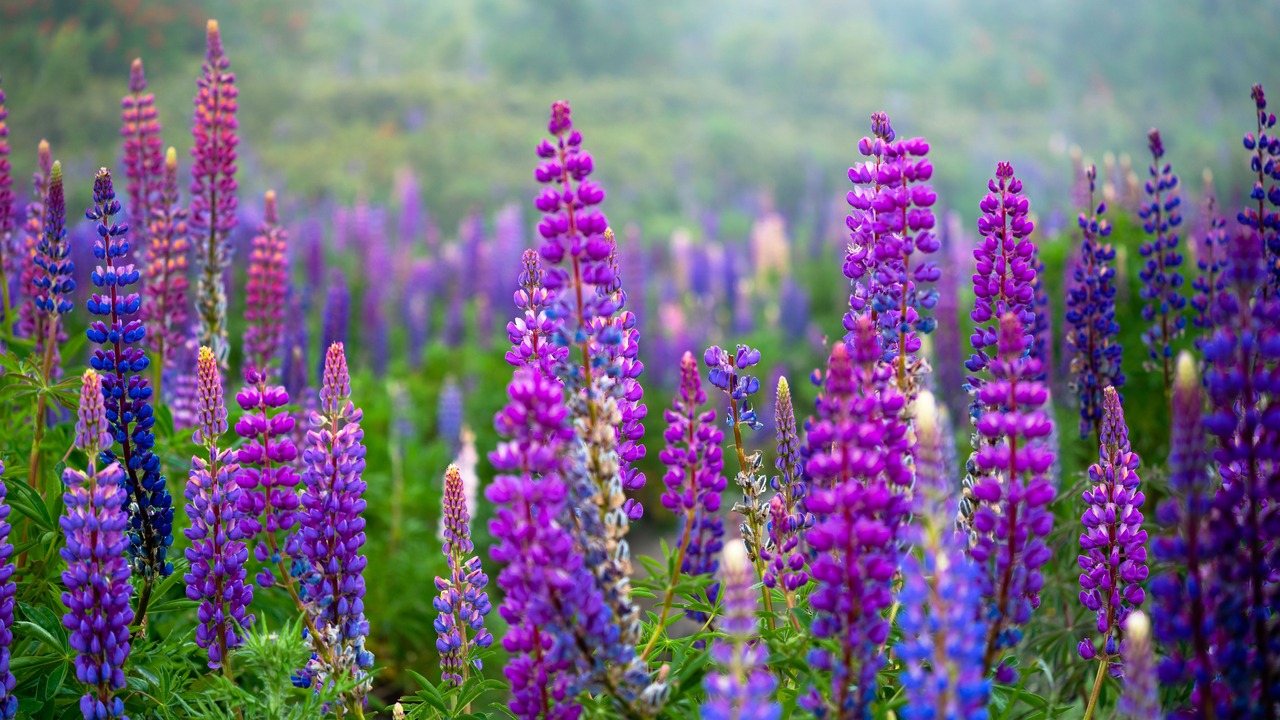
Image Credit: Shutterstock.
Known for bold, colorful flower spikes, lupines self-seed naturally, contribute nitrogen to the soil, and draw bees with scented blooms.
Care & Use: Plant in sun with light, well-drained, slightly acidic soil. Allow some seedheads to mature for new plants. Short-lived, but spreads via seed.
12. Creeping Jenny (Lysimachia nummularia)

Image credit: Depositphotos.
A striking, golden ground-cover that spreads rapidly—ideal for containers or damp areas but may need containment in beds to keep it from invading everywhere..
Care & Use: Thrives in moist ground or water edges. Trim back during the season to prevent it from overtaking nearby plants.
13. Baptisia (Baptisia australis)
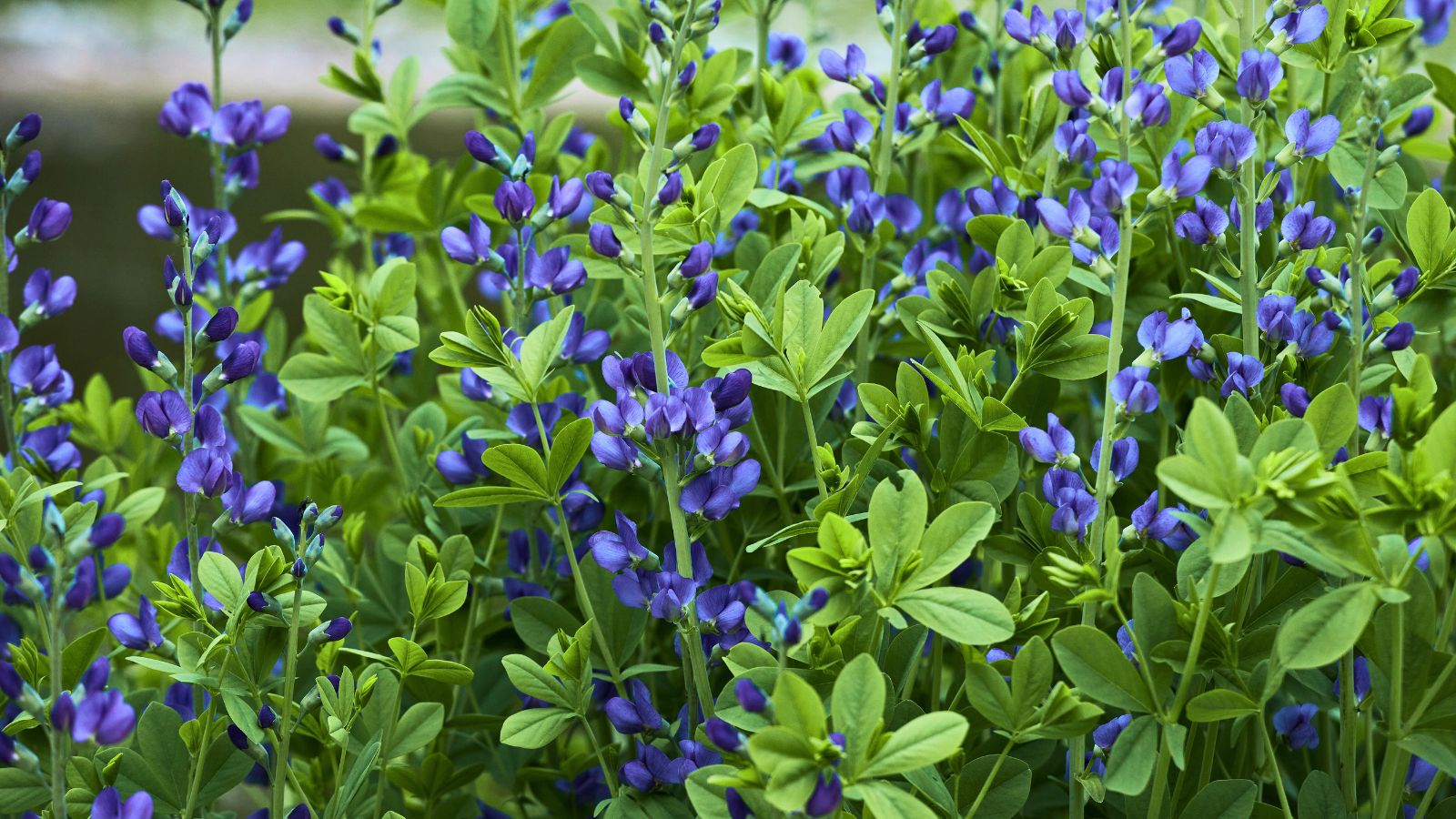
Image credit: Depositphotos.
Also known as false indigo, this native spreads slowly via deep roots and self-seeding, producing bold blue pea-like flowers loved by pollinators.
Care & Use: Plant in sun with well-drained soil; drought tolerant once established. Let seedpods form for self-seeding; divide rarely to minimize stress.
14. Coreopsis (Coreopsis spp.)
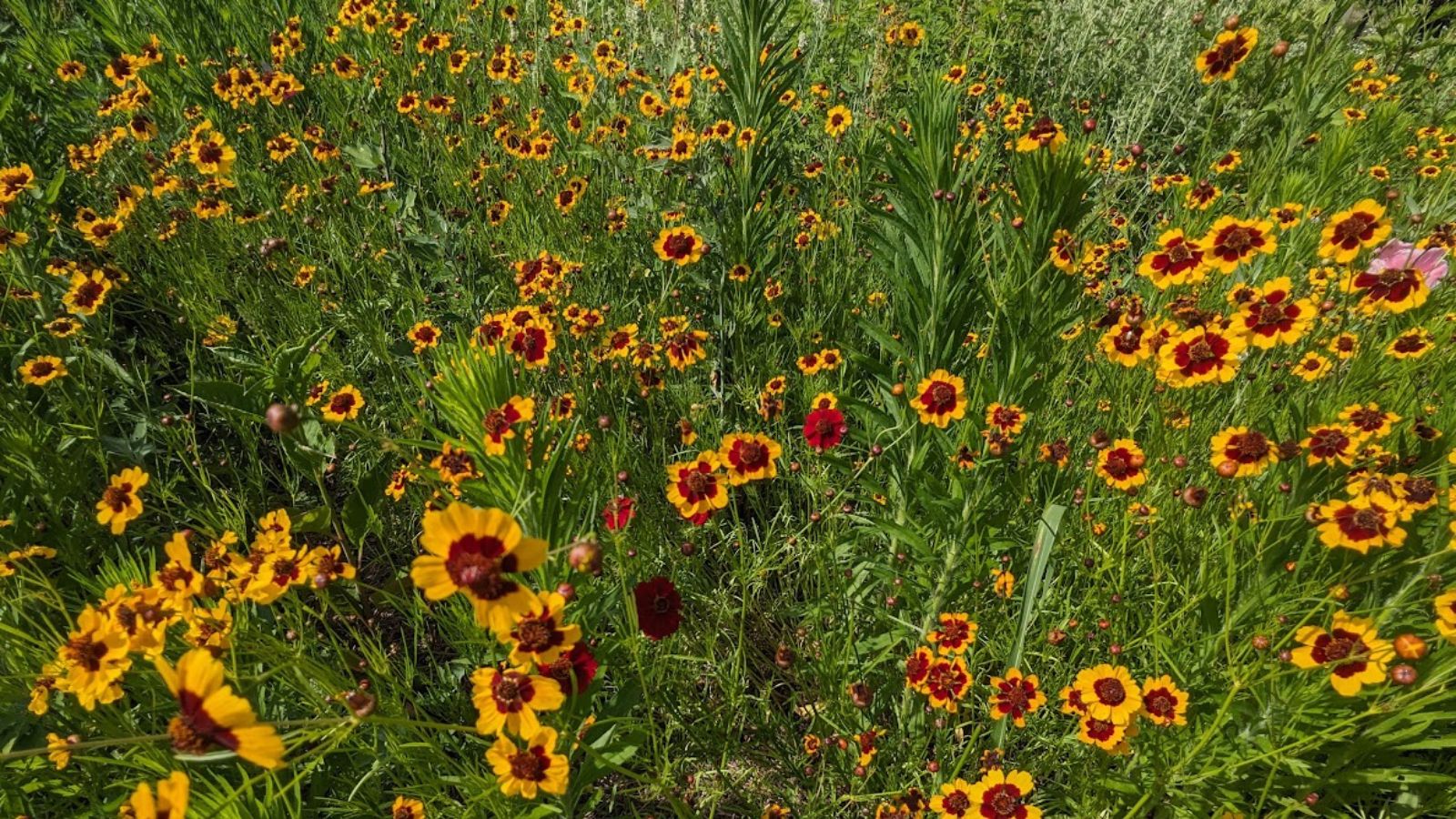
Image credit: Backyard Garden Lover.
Bright yellow or pink blooms that self-seed to fill gaps and are full of nectar for bees, making it a cheerful, low-maintenance border plant.
Care & Use: Sun lover with well-drained soil. Deadhead spent flowers to prolong blooming; allow a few to self-seed for next season.
15. Gooseneck Loosestrife (Lysimachia clethroides)
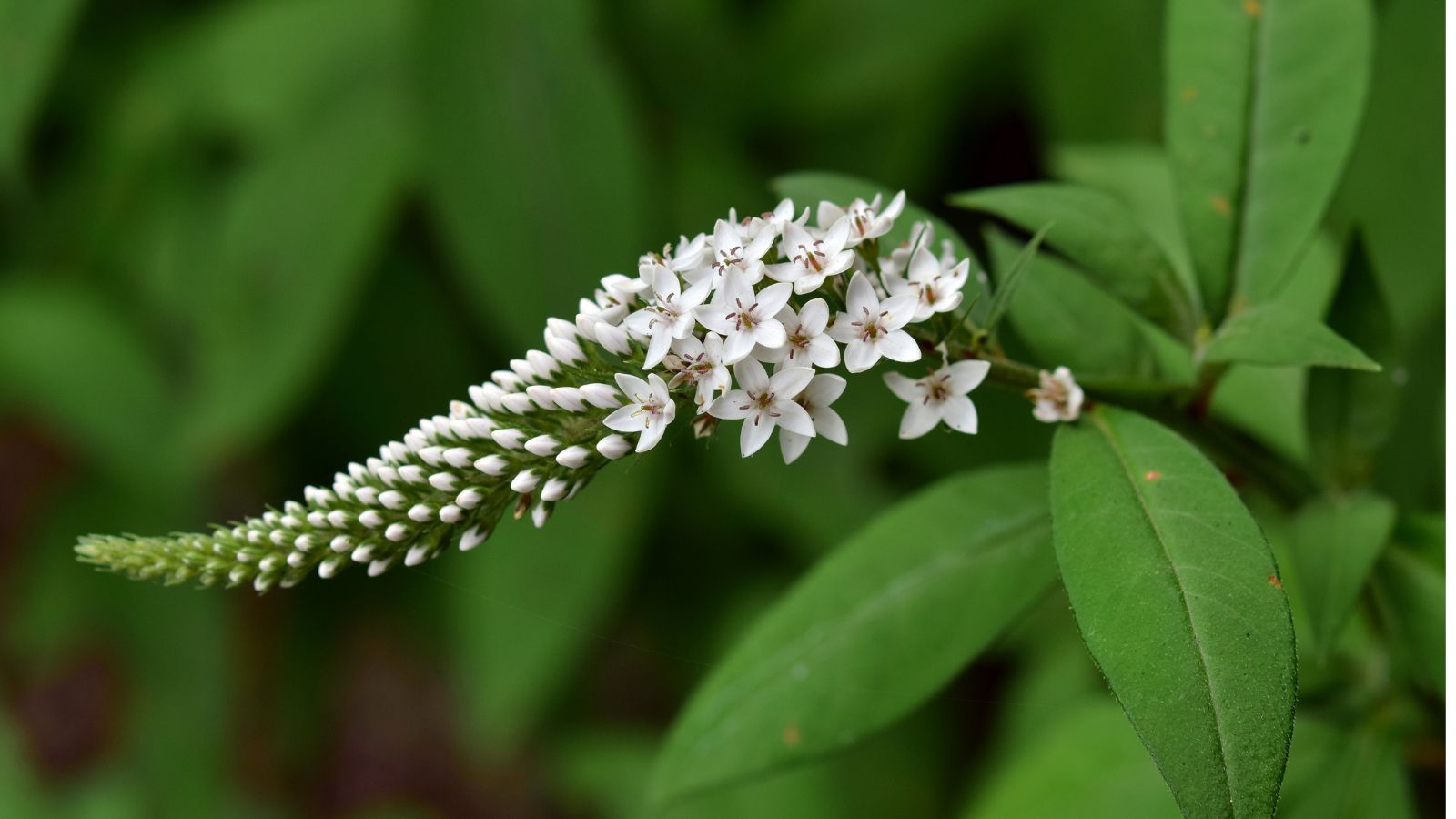
Image Credit: By Haeferl – Own work, CC BY-SA 4.0
Named for its curved white flower spikes, this moisture-loving spreader fills beds with whimsical blooms and lush foliage.
Care & Use: Thrives in fertile, moist soil with sun to shade. Contain by dividing vigorous runners yearly. Lovely along pools or ponds.
16. Hellebore (Helleborus spp.)
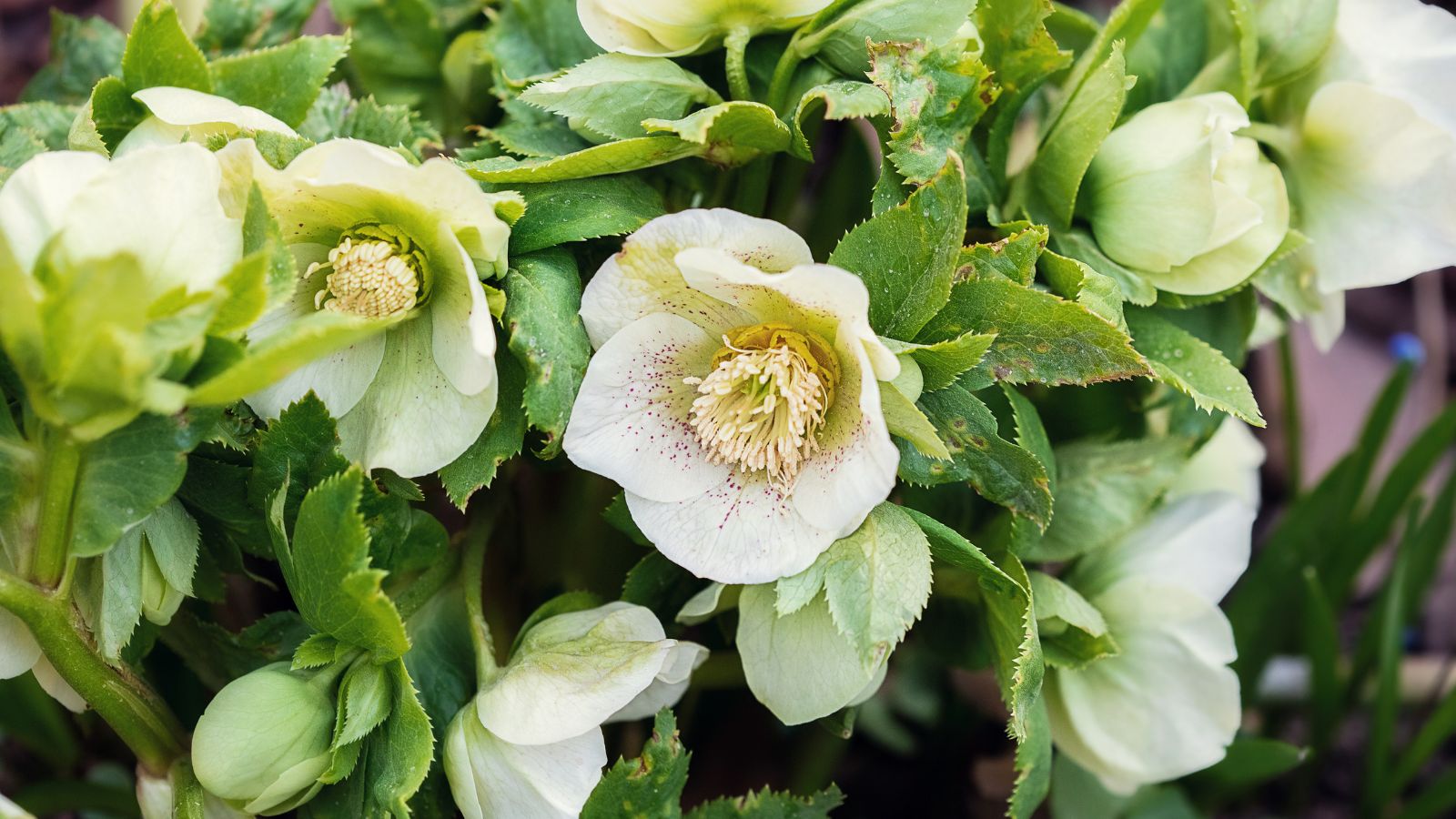
Image credit: YAY Images.
Known as the Lenten Rose, this evergreen spreads slowly and offers early spring flowers when few others bloom, attracting early pollinators.
Care & Use: Prefers partial shade and rich, moist, well-drained soil. Divide every 4–5 years and remove old foliage before new growth.
17. Catmint (Nepeta x faassenii)
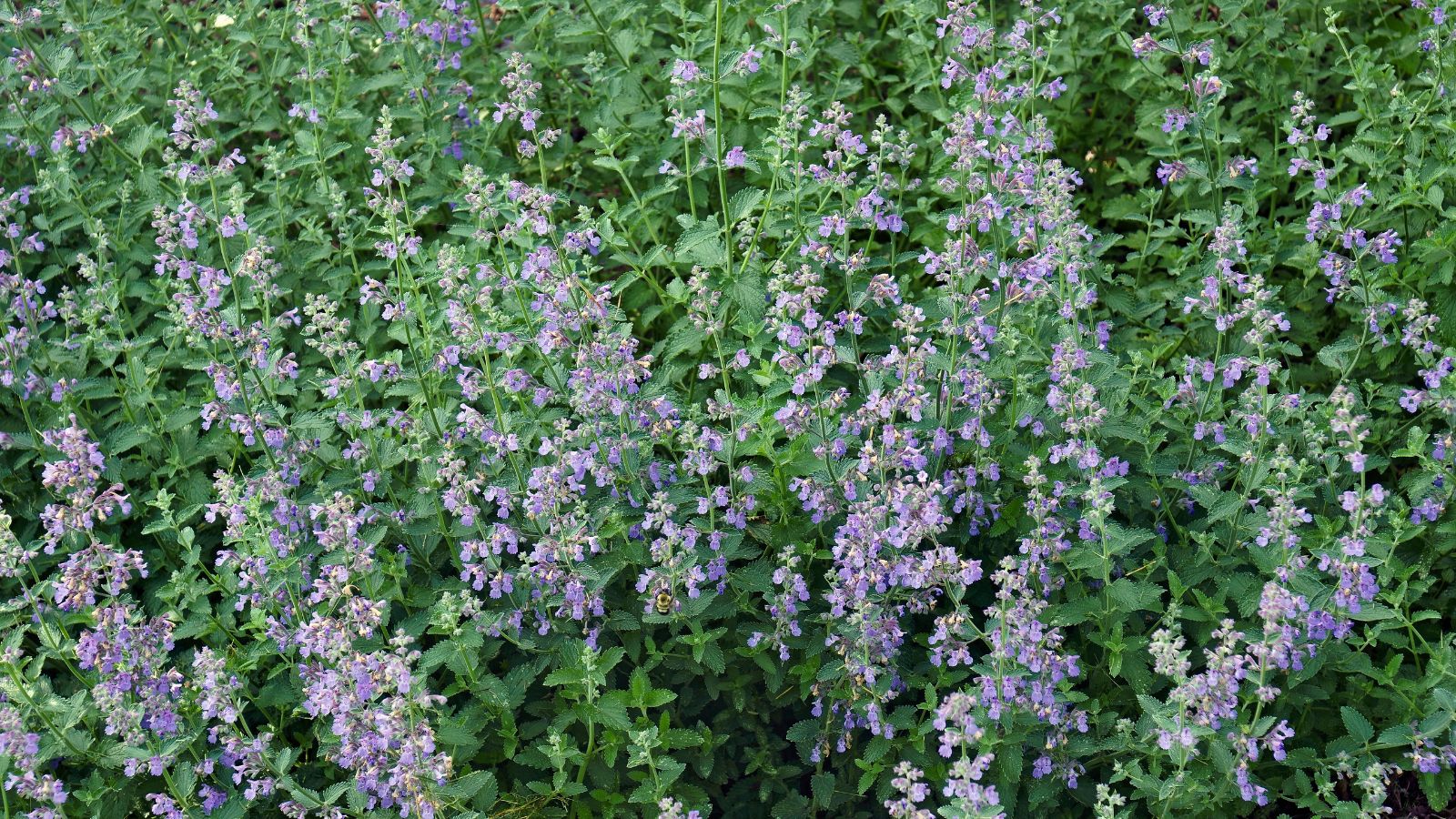
Image credit: YAY Images.
Lavender-blue spikes that self-spread and attract bees, plus deer tend to bypass it. It blooms long into the season and reblooms if trimmed.
Care & Use: Requires sun and well-drained soil. Shear after flowering to stimulate rebloom. Minimal care and ideal along paths or in front borders.
18. Phlox (Phlox paniculata, creeping & garden types)

Image credit: Depositphotos.
From ground-covering types to mounding garden varieties, phlox self-seeds or spreads slowly, offering fragrance and nectar for pollinators.
Care & Use: Prefers sun to part shade with moist, rich soil. Thin every few years to prevent mildew, and deadhead for extended color.
19. Solomon’s Seal (Polygonatum spp.)
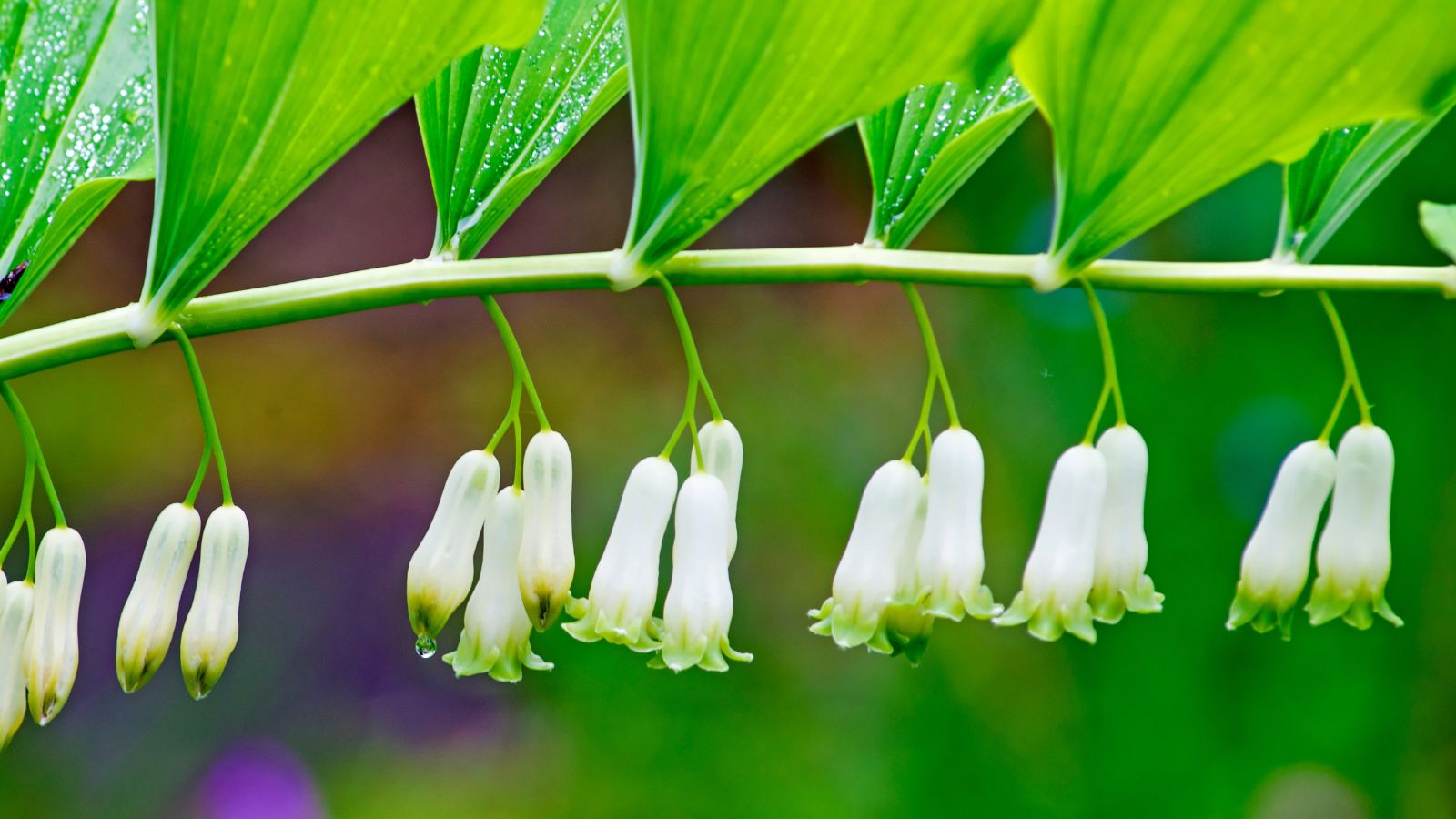
Image credit: YAY Images.
A graceful woodland plant with arching stems and hanging bell flowers expands gently via rhizomes to create elegant shade beds.
Care & Use: Understory favorite in part to full shade with rich, moist, well-drained soil. Divide clumps sparingly—every 5 years—to maintain structure.
20. Ostrich Fern (Matteuccia struthiopteris)
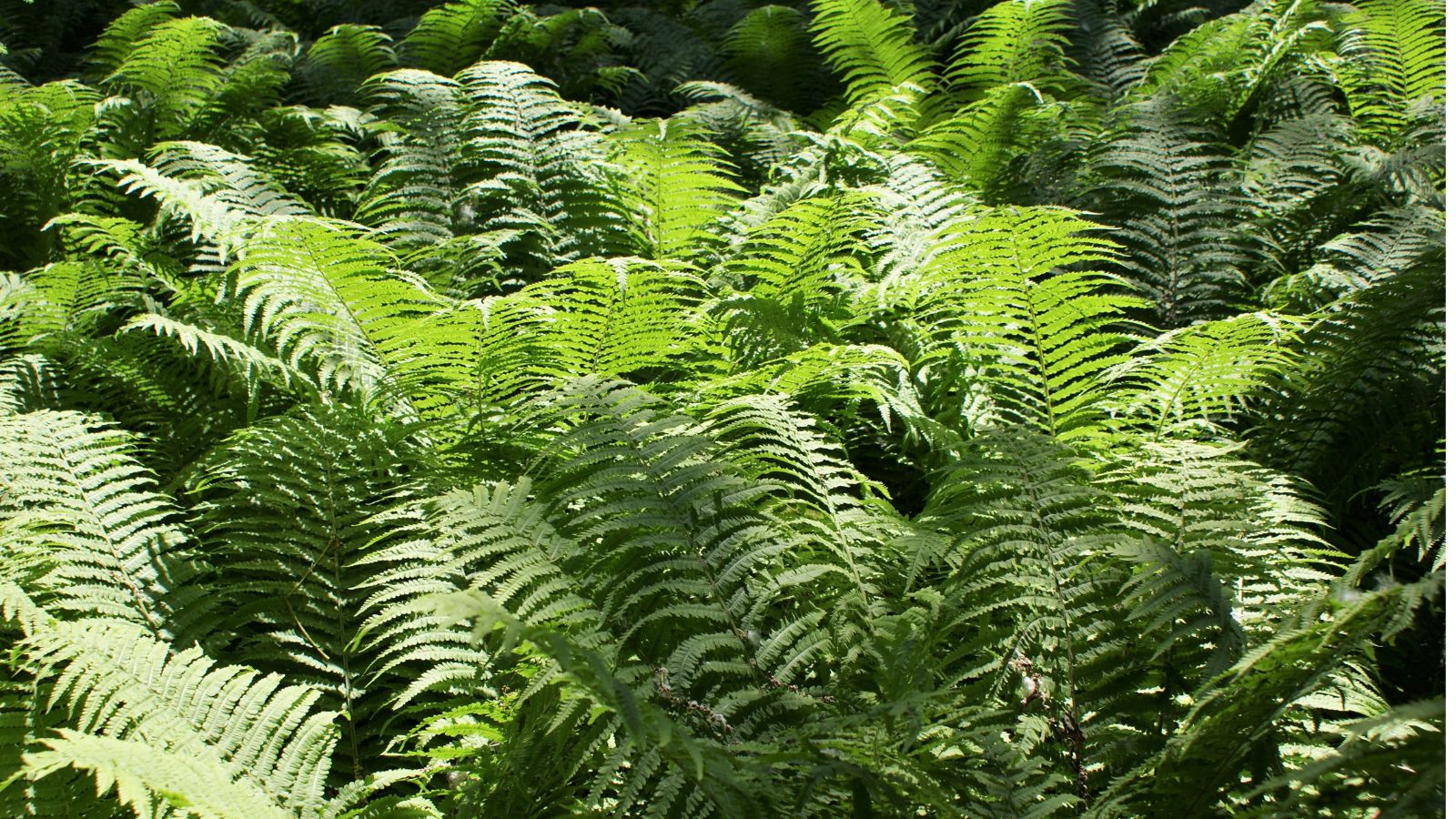
Image Credit: By Krzysztof Ziarnek, Kenraiz – Own work, CC BY-SA 4.0.
Thriving in shady, moist environments, this fern multiplies rapidly to form dramatic, feathery stands reminiscent of a natural woodland.
Care & Use: Don’t let dry out—soil should be rich and consistently damp. Divide every few seasons to prevent overcrowding.
21. Jerusalem Artichoke (Helianthus tuberosus)
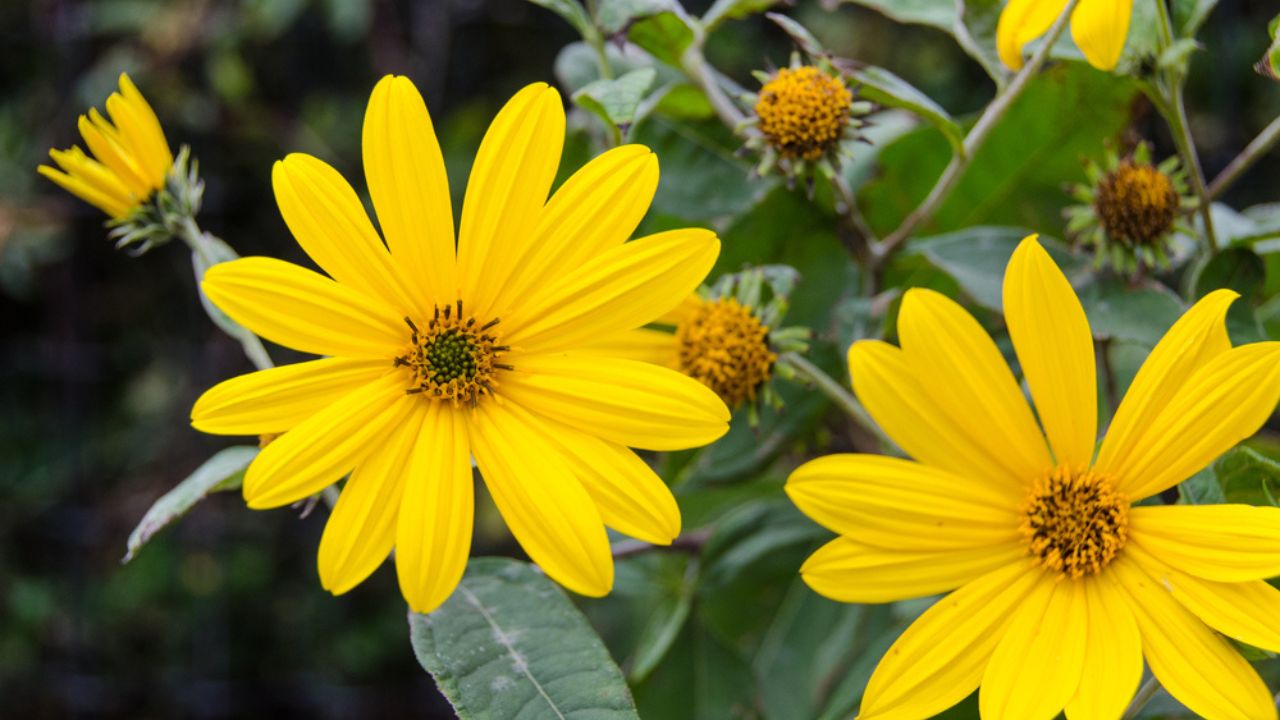
Image Credit: Shutterstock.
This edible perennial spreads vigorously via tubers, producing bright sunflower-like blooms loved by pollinators, and tangled clusters of nutritious roots.
Care & Use: Full sun, fertile soil. Harvest tubers in fall to control the spread. Great for informal veggie borders or wildlife gardens.
22. Celandine Poppy (Stylophorum diphyllum)
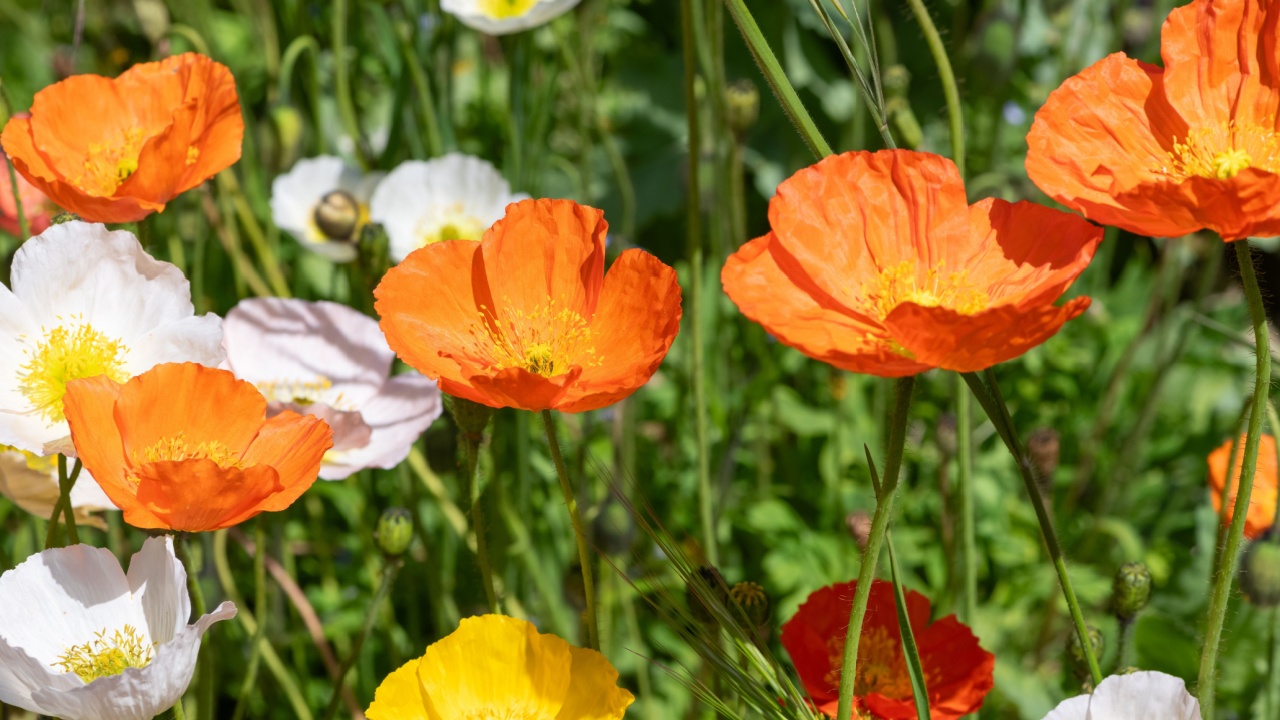
Image Credit: Shutterstock.
Bright yellow flowers in partial shade; spreads by seed to create sunny splashes in woodland gardens.
Care & Use: Moist shade soils. Allow some seedheads for natural propagation; remove excess seedlings to maintain tidy borders.
23. Jacob’s Ladder (Polemonium caeruleum)
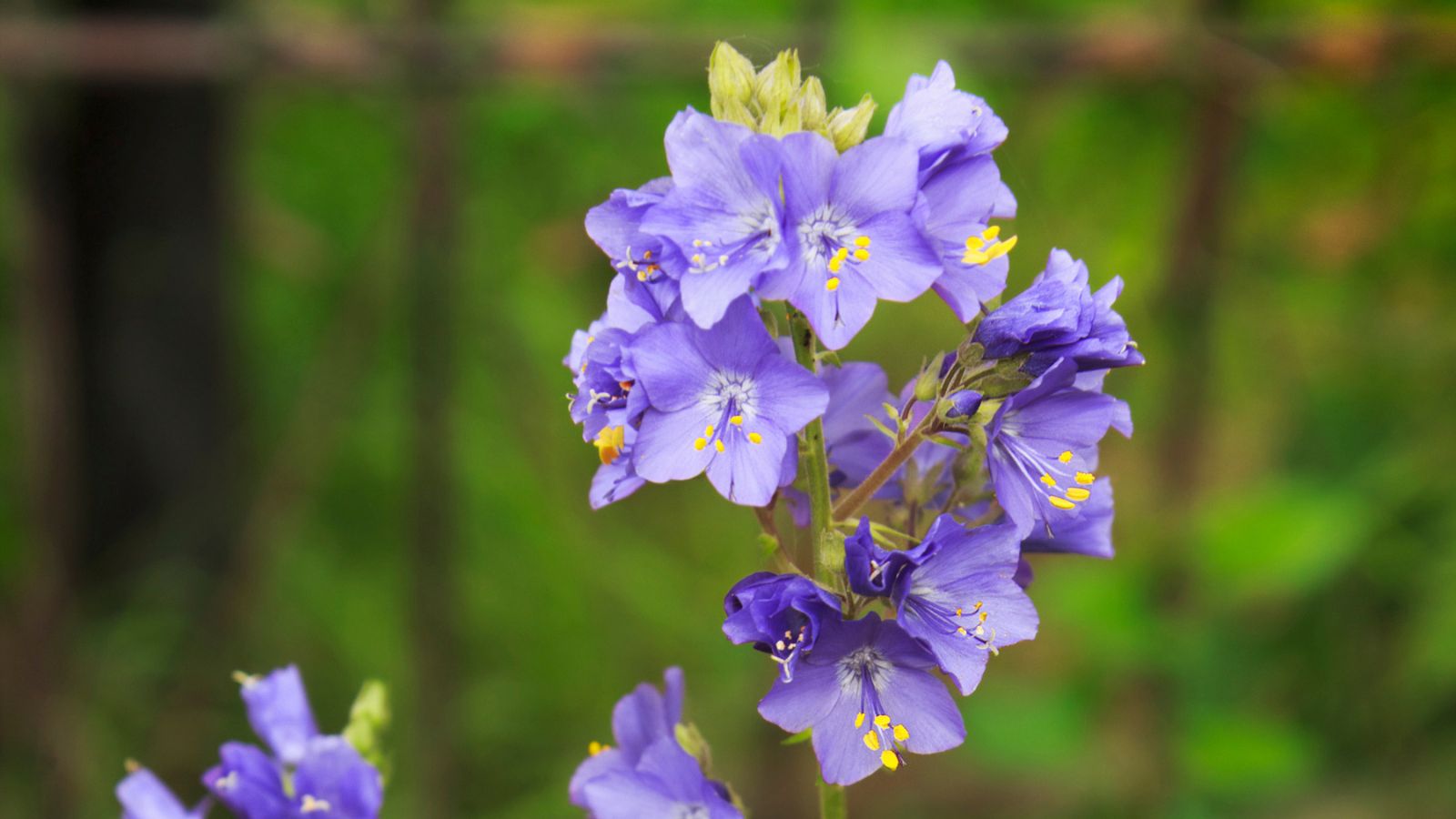
Image credit: YAY Images.
With its fern-like foliage and clusters of lavender-blue bell-shaped flowers, Jacob’s ladder is a shade-tolerant perennial that spreads gently through self-seeding. It’s ideal for naturalizing woodland gardens and offers early nectar for bees and butterflies. Its elegant structure and cooling tones provide visual contrast among bolder plants.
Care & Use: Prefers partial to full shade and moist, well-drained soil. Allow seed heads to mature if you want them to spread, or deadhead to prevent reseeding. Divide clumps every few years in early spring for healthier growth and to control spacing.
24. Foxglove Beardtongue (Penstemon digitalis)
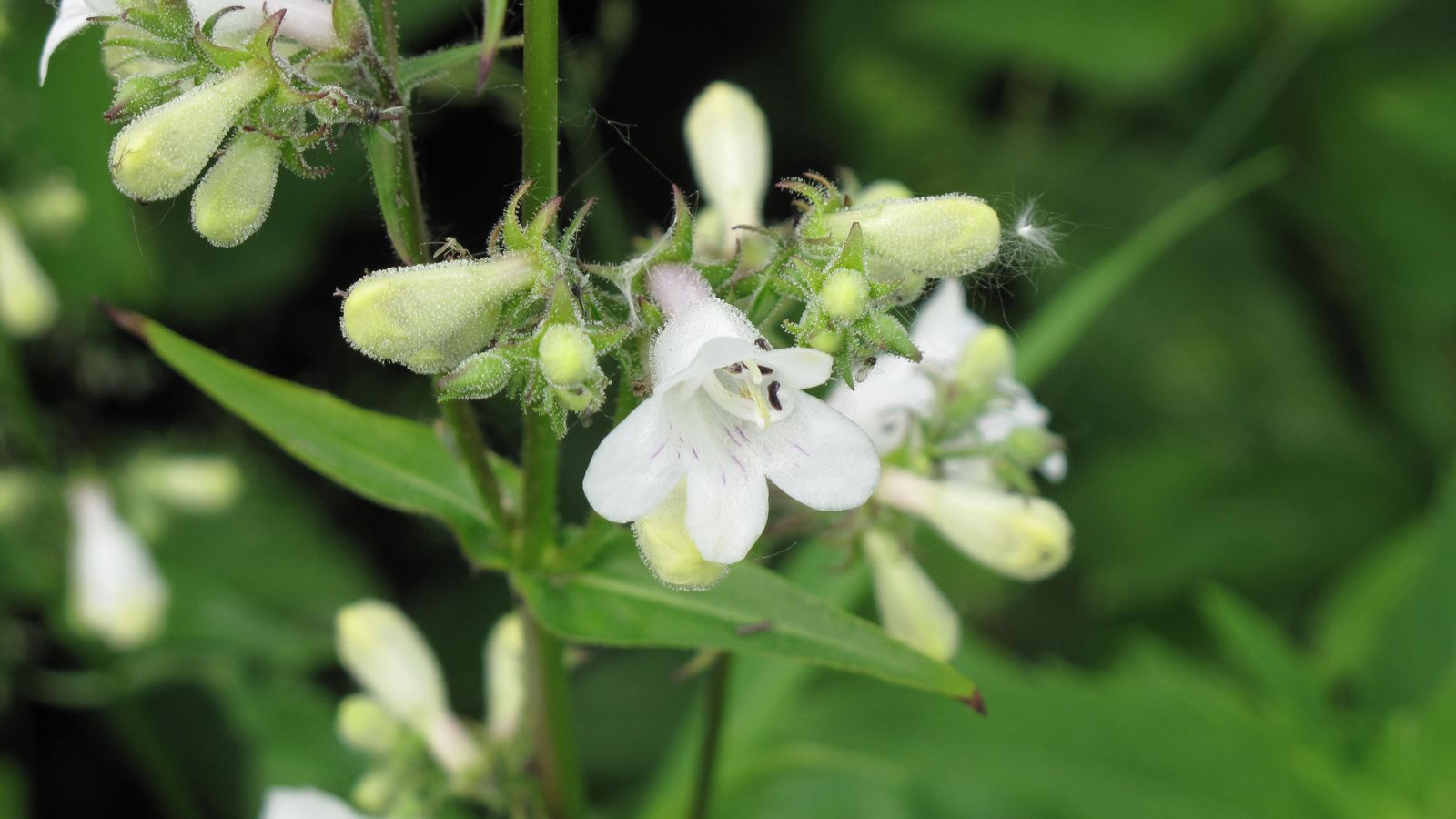
Image credit: By Ayotte, Gilles, 1948- – Bibliothèque de l’Université Laval, CC BY-SA 4.0
Also known as white beardtongue, this upright perennial forms tidy clumps that slowly expand via short rhizomes and self-seed. Its showy, tubular white flowers attract long-tongued bees, hummingbirds, and butterflies during late spring to early summer.
Care tips: Grows in USDA Zones 3–8, preferring full to partial sun and moist, well-drained soils. Plant 18–24″ apart, mulch in fall, and shear spent blooms to encourage a tidier appearance and potential rebloom.
25. False Spirea (Astilbe chinensis)
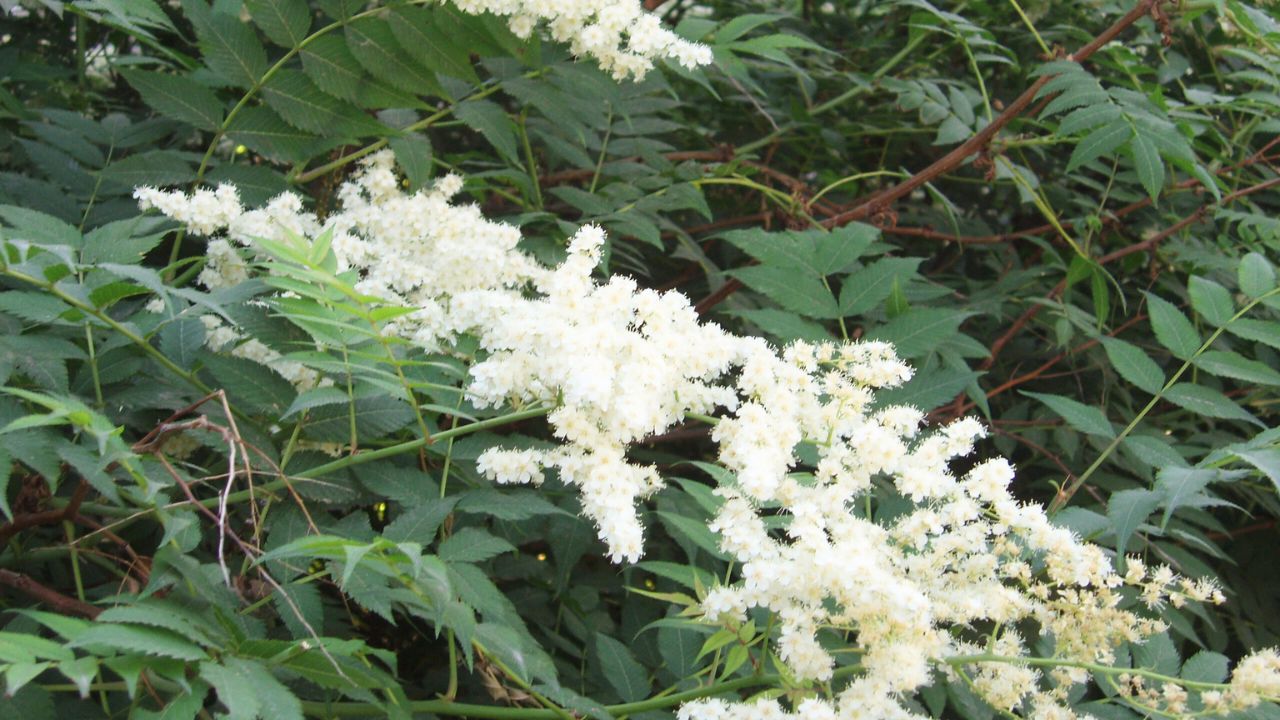
Image Credit: Taken by Fanghong – Own work – CC BY-SA 3.0/Wiki Commons.
This cottage-garden beauty multiplies via rhizomes, forming soft mounds topped with airy flower plumes. Native to Asia, it’s vigorous but not invasive.
Care tips: Thrives in partial shade and evenly moist, rich soils. Blooms midsummer—deadhead to encourage tidy growth, and divide every 3–4 years in early spring to prevent overcrowding.
26. Goat’s Beard (Aruncus dioicus)
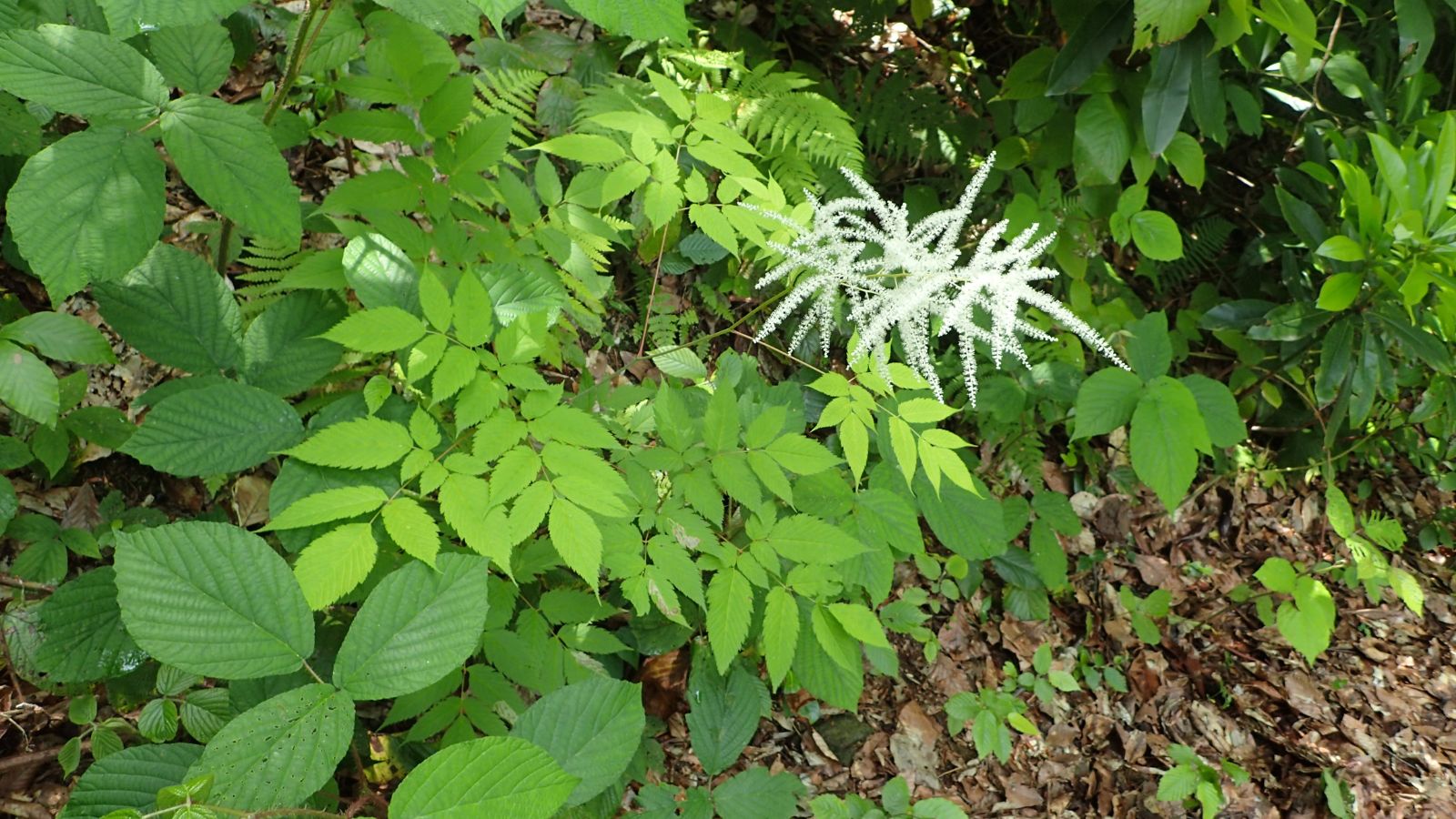
Image credit: By Krzysztof Ziarnek, Kenraiz – Own work, CC BY-SA 4.0.
Also called bride’s feathers, Goat’s Beard spreads via creeping rhizomes to form bold, lacy foliage and creamy plumes in early summer. This native woodland plant is aggressive but not invasive, behaving well in garden beds.
Care tips: Best in USDA Zones 4–9 in partial to full shade with moist, humusy soil. Cut back flower stalks after bloom, and divide clumps every 4–5 years to rejuvenate.
27. Penstemon (Penstemon digitalis & hybrids)
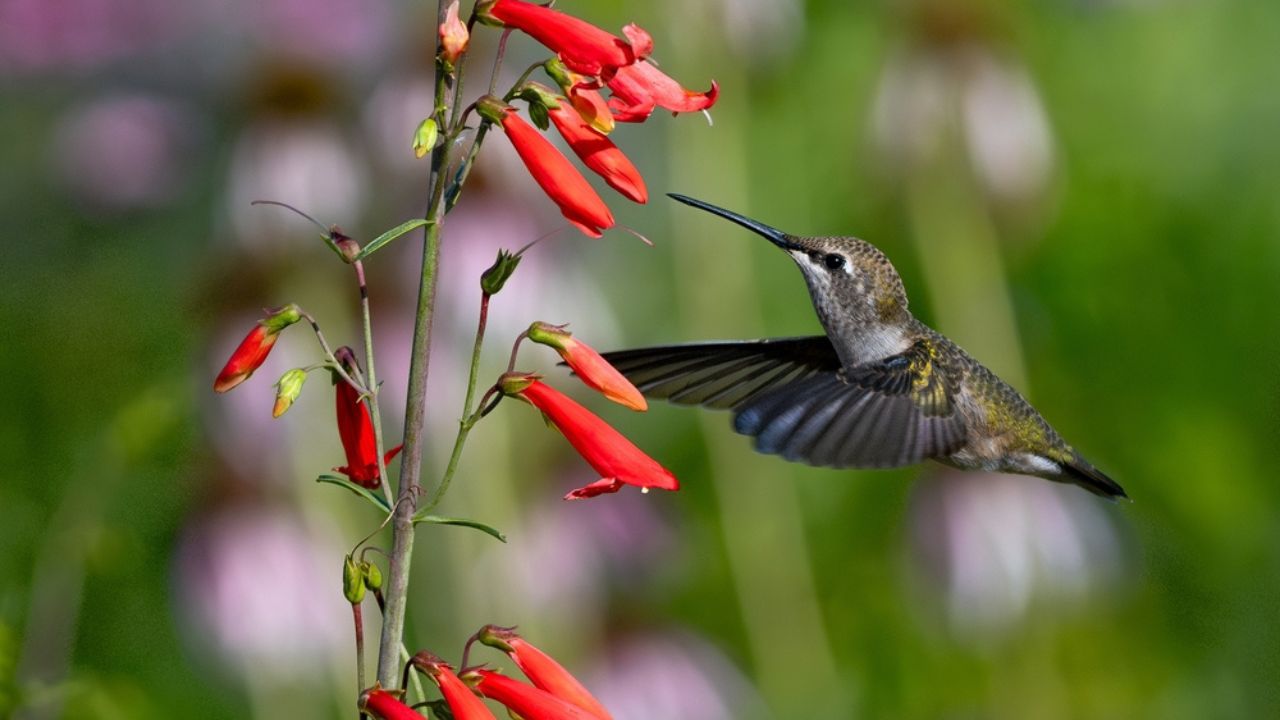
Image Credit: Shutterstock.
Penstemon—sometimes called beardtongue—offers upright spikes of tubular blooms that bees and hummingbirds adore. Many cultivars, especially native species like Penstemon digitalis, self-seed readily and tolerate poor soils. They’re also drought-tolerant once established and provide a strong vertical accent in sunny beds.
Care & Use: Best grown in full sun with well-drained soil. To encourage reseeding, allow some flower stalks to mature fully. Trim spent blooms for a tidier look. Cut back stems in late fall or early spring. Excellent for pollinator gardens and dry borders.
28. Virginia Bluebells (Mertensia virginica)

Image credit: Depositphotos.
This ephemeral native wildflower brings early spring magic with nodding clusters of pink-to-blue trumpet-shaped flowers. It multiplies via rhizomes, naturalizing under trees and along woodland edges, then disappears quietly as summer arrives. It’s a key nectar source for early pollinators.
Care & Use: Plant in moist, rich woodland soil with partial shade. Since it goes dormant in summer, pair with hostas or ferns to fill gaps. Allow clumps to spread naturally—there’s little need for division unless overcrowding occurs.
29. Spotted Dead Nettle (Lamium maculatum)

Image Credit: Shutterstock.
With variegated silver-green foliage and clusters of pink, purple, or white flowers, this groundcover spreads quickly in shade through stolons. It’s excellent for erosion control, suppressing weeds, and feeding spring pollinators. Plus, its foliage adds brightness to darker corners.
Care & Use: Prefers moist, well-drained soil in part to full shade. Prune back in late spring to encourage dense regrowth. It’s easy to contain with edging or regular trimming and works beautifully around shrubs or under trees.
Invasive Risk and Responsible Planting

Image Credit: Shutterstock.
Sgain, every plant listed here is deemed non-invasive in most U.S. growing zones, but habits vary by region. Always check with your local extension service before planting aggressive spreaders like Jerusalem Artichoke, Creeping Jenny, Celandine Poppy, or Gooseneck Loosestrife in sensitive areas. Dividing and deadheading help keep them in check.
Let your garden grow with beauty and wildlife—effortlessly and intelligently.