
15 Things Only 70s Kids Will Remember
Back in the 70s, before helmets were required and warning labels were everywhere, kids had a different kind of childhood. They roamed neighborhoods from sunrise to sunset, played on playgrounds that would terrify modern safety inspectors, and somehow made it through in one piece. It was a bold, colorful, and sometimes risky era that left a lasting impression.
To create this list, we combined 70s memories with old toy catalogs and popular pastimes. These aren’t just random items; they’re the everyday things that defined a generation’s childhood.
Here’s a list of 15 things guaranteed to transport any 70s kid back to their polyester-wearing, banana-seat-biking, Atari-playing days. Get ready for a wave of nostalgia!
1. Clackers on a String
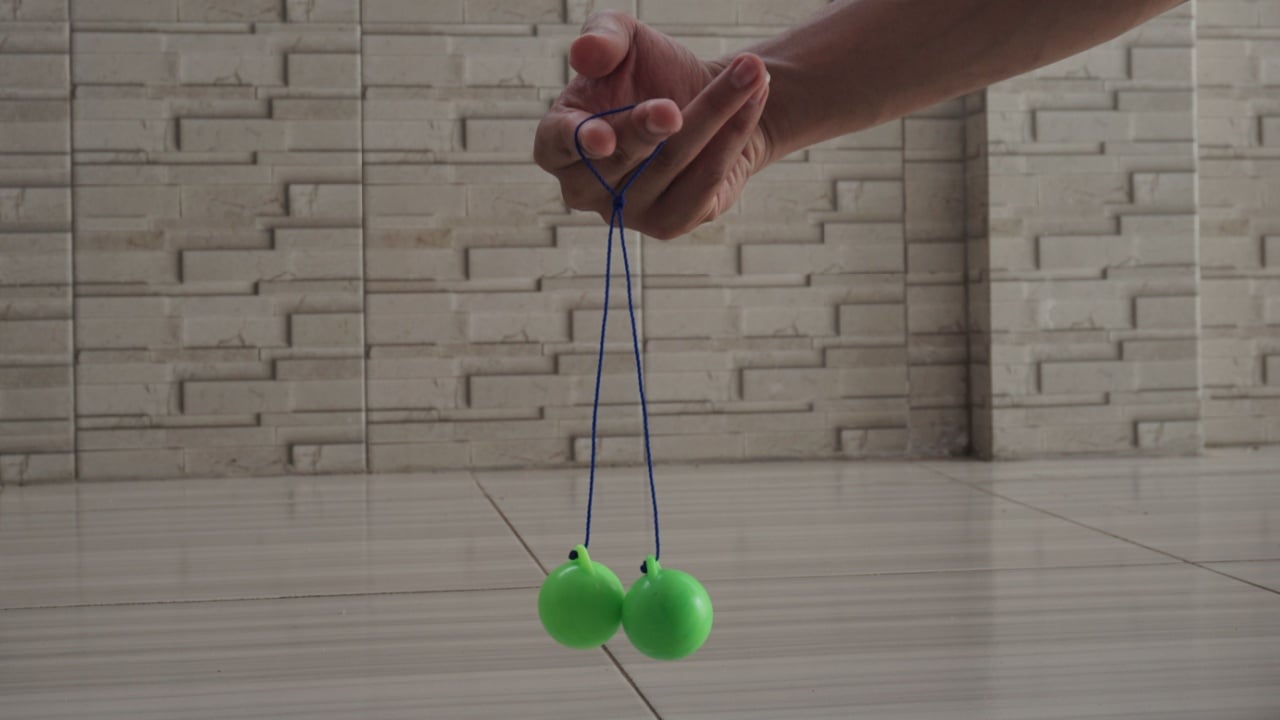
Two acrylic balls on a string, yes, that was the whole toy. Yet it became the most popular thing on playgrounds across America. The goal was simple: swing them up and down until they clacked together above and below your hand, making a loud CLACK CLACK CLACK. Adults hated the noise, but kids loved it. If you mastered the rhythm, you were a hero. If you didn’t, you ended up with bruised knuckles.
The problem? They were dangerous. In 1971, they were banned because they could shatter at high speeds, sending sharp pieces flying. But by then, millions of kids already had them, and plenty of bruises to show for it.
2. Stretch Armstrong
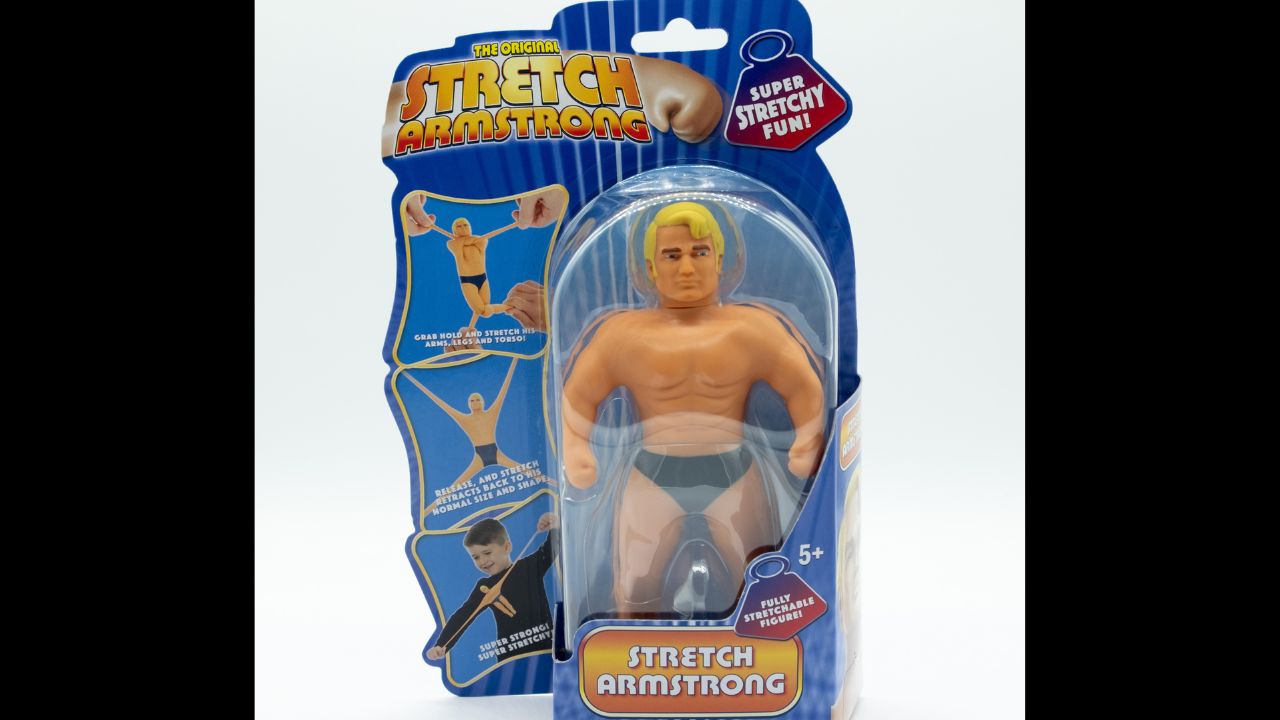
Stretch Armstrong came out of the box with flexed biceps, daring kids to break him. Everyone tried, and everyone failed. His arms stretched absurdly far past the sofa or were tied between two bikes going in opposite directions. He seemed indestructible until he wasn’t.
It usually took a freezer, a hammer, or an older sibling to finally break him. When that happened, the sticky corn syrup inside oozed everywhere, and the smell, like a mix of vanilla and plastic, stuck in the carpet and in memories. For many, catching that scent today is like being nine years old again, watching the gel spread across the floor.
3. The Witch’s Hat Playground Roundabout
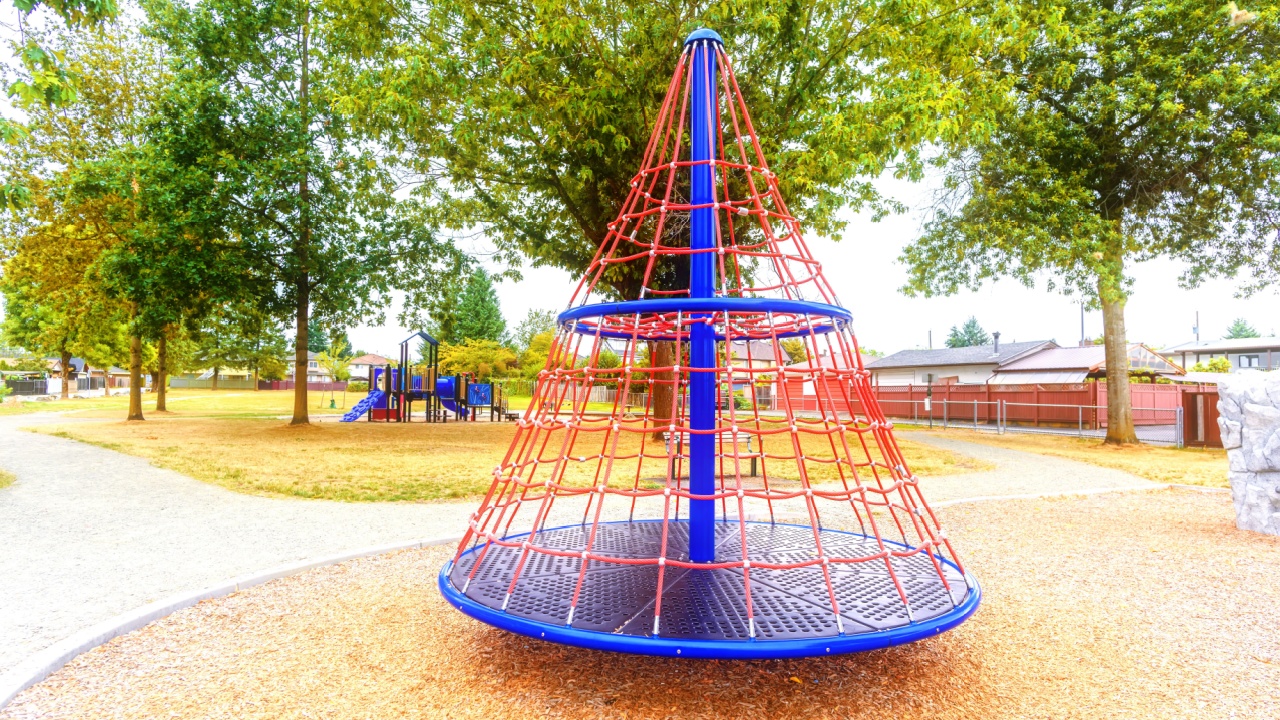
It was officially called a “playground roundabout,” but no one used that name. Every school had one, and every kid had one job: hold on tight. The strongest kid would spin it as fast as possible while everyone else clung to the bars until their hands went numb. The goal was to stay on, but someone always got thrown off or felt sick by the end.
There were no pads, no speed limits, and barely any supervision. Just spinning metal, rust, and pure chaos. By the 1980s, these started disappearing from playgrounds when safety rules caught up (and eventually replaced by safter twirling play equipment like the one in the image above). But every ’70s kid remembers flying off one and hitting the asphalt, and thinking it was totally worth it.
4. Metal Playground Equipment That Got Scorching Hot

By 10 AM, the metal slide felt like a frying pan. The monkey bars were scorching hot, and climbing the ladder barefoot meant blisters. Sliding down in shorts could burn your legs, but none of this stopped anyone.
Kids had their tricks: wax paper for the slide to go faster and stay cool, spitting on the monkey bars to check the heat, and always wearing shoes on the ladder. The smell of hot metal and rust on your hands after recess was just normal. Sunscreen existed, but no one used it. Modern plastic playgrounds are safer, but definitely less exciting.
5. Chemistry Sets With Actual Chemicals

Modern chemistry sets come with things like vinegar and baking soda. In the 70s, they included sulfur, potassium permanganate, and an alcohol burner with a real flame. The metal box opened to reveal glass vials with cork stoppers, test tubes, and an instruction manual for making invisible ink, color-changing solutions, and smoky experiments in the basement.
Back then, the main parental rule was simple: “Don’t burn the house down.” Kids mixed chemicals they couldn’t pronounce, created questionable fumes, and in the process, inspired many future scientists along with a few amateur pyromaniacs. If your dad kept one of those old sets in the garage, the smell alone would bring back memories.
6. Banana Seat Bikes With Sissy Bars
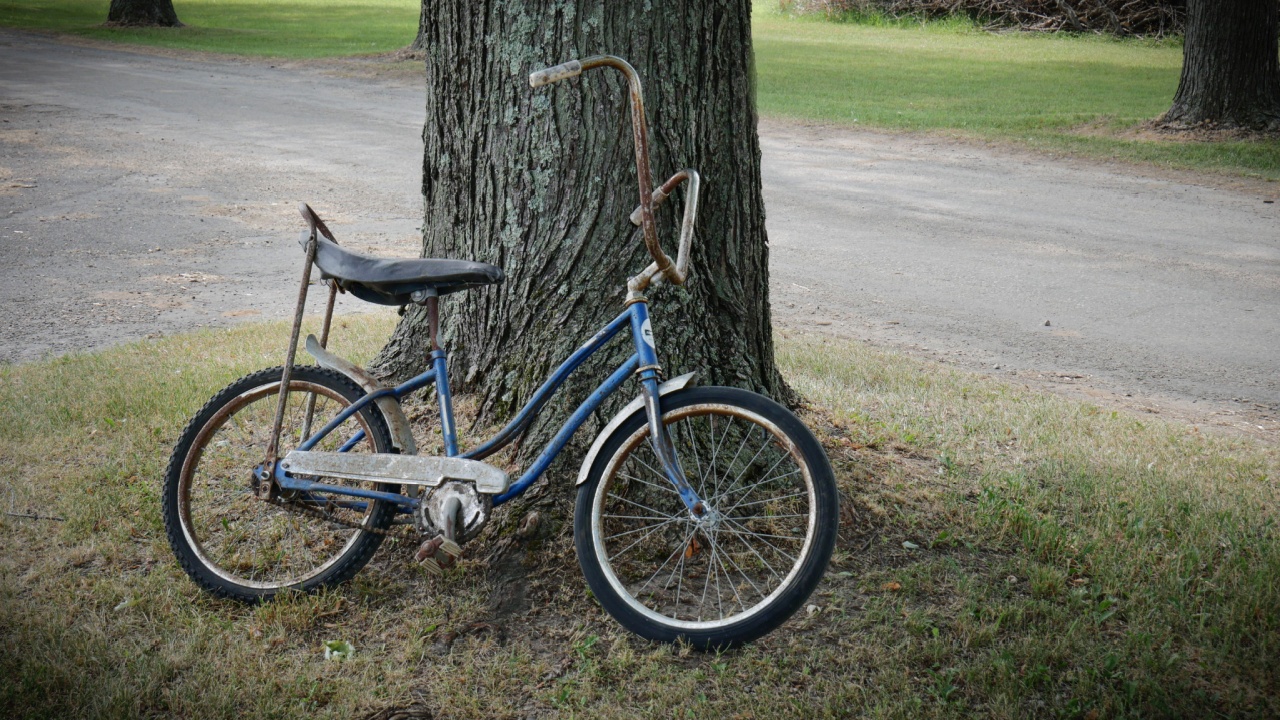
The banana seat bike was more than just a way to get around; it was a statement. It had a long seat in bright colors like purple or orange, a tall chrome bar at the back, and high handlebars. Many added tassels to the grips and a playing card to the spokes to make a motor-like sound.
You could fit three or four kids on one bike, riding down the steepest hill in the neighborhood without helmets. Later, ten-speed bikes became popular, but that first banana-seat bike was special. It was pure freedom.
7. Record Players Built Into Furniture
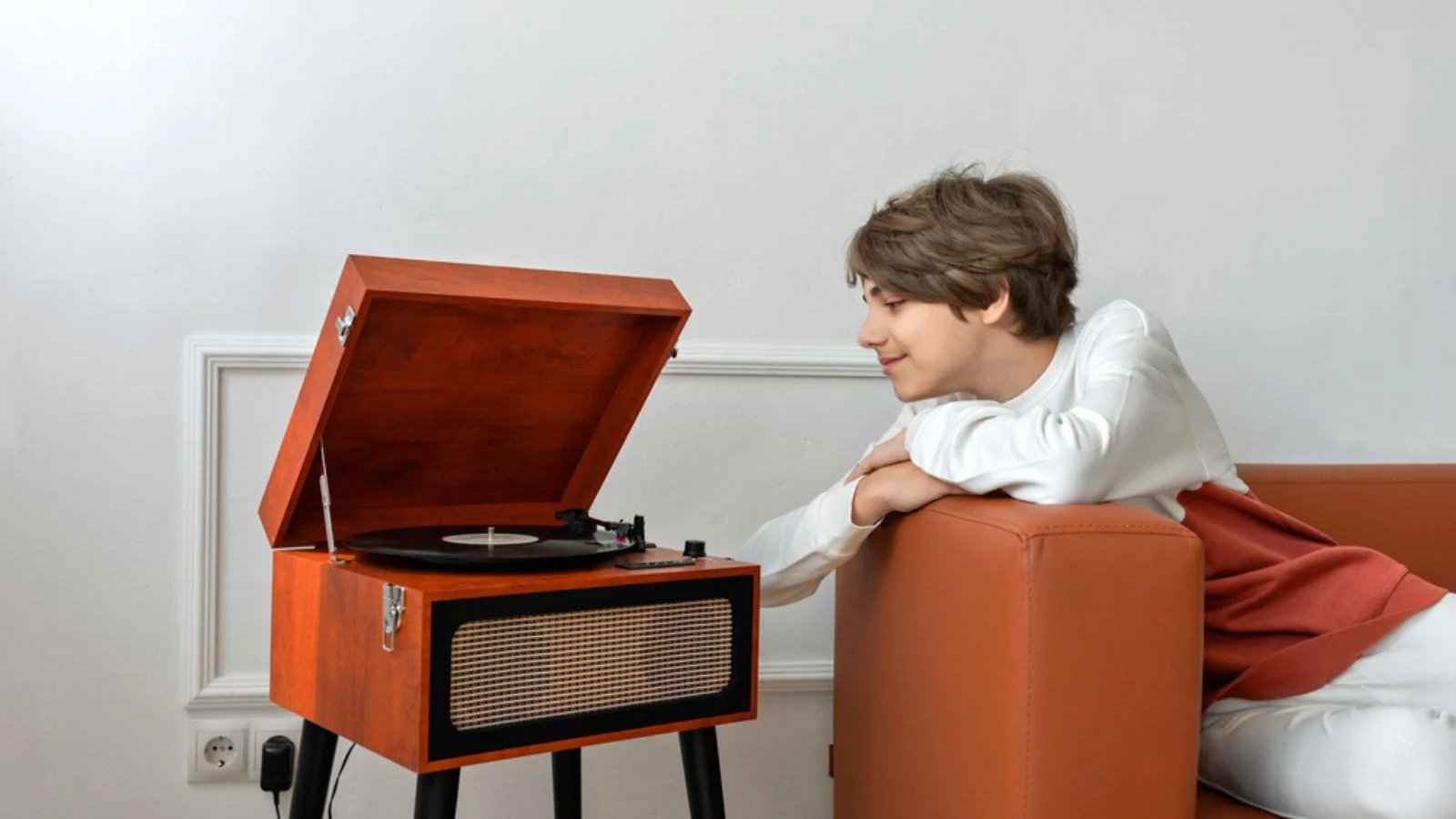
This wasn’t just a stereo; it was a piece of furniture that sat in the living room. It often had a dark wood finish and speakers hidden behind fabric. The top opened up to show the record player inside. Some even had a radio with a glowing dial or a slot for 8-track tapes.
On Saturday mornings, you could stack a few records and watch them drop and play one by one. You’d listen to whatever music your parents had, like The Beatles or Carole King. You weren’t supposed to touch it, but you probably did. Today, these old stereos can be very valuable. Back then, they were just how you listened to music.
8. Aluminum TV Dinner Trays
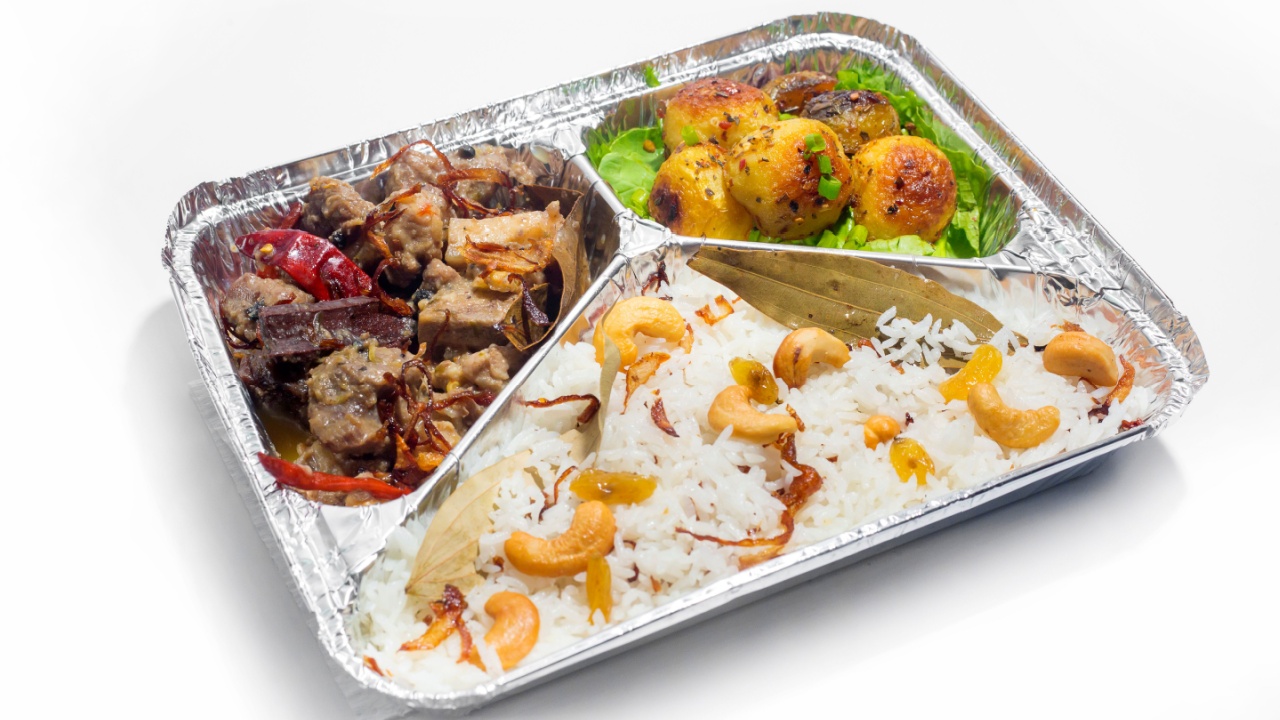
A TV dinner meant Mom got a break, and you got to eat in front of the TV, a huge treat. The aluminum tray came out of the oven after 45 minutes at 425 degrees (no microwaves back then) and went straight onto your lap on a TV tray. It burned your fingers every single time.
The compartments seemed perfect: Salisbury steak in one, mashed potatoes in another, apple cobbler or brownie in the triangle, and corn in its little spot. But in reality, the brownie was burnt at the edges and raw in the middle, the corn was half-frozen, and the main dish was scalding hot. None of that mattered. Eating mystery meat while watching Happy Days felt like pure luxury, and anyone who grew up in the 70s remembers the sound of peeling back that foil halfway through cooking because the directions said so.
9. Tire Swings in the Backyard
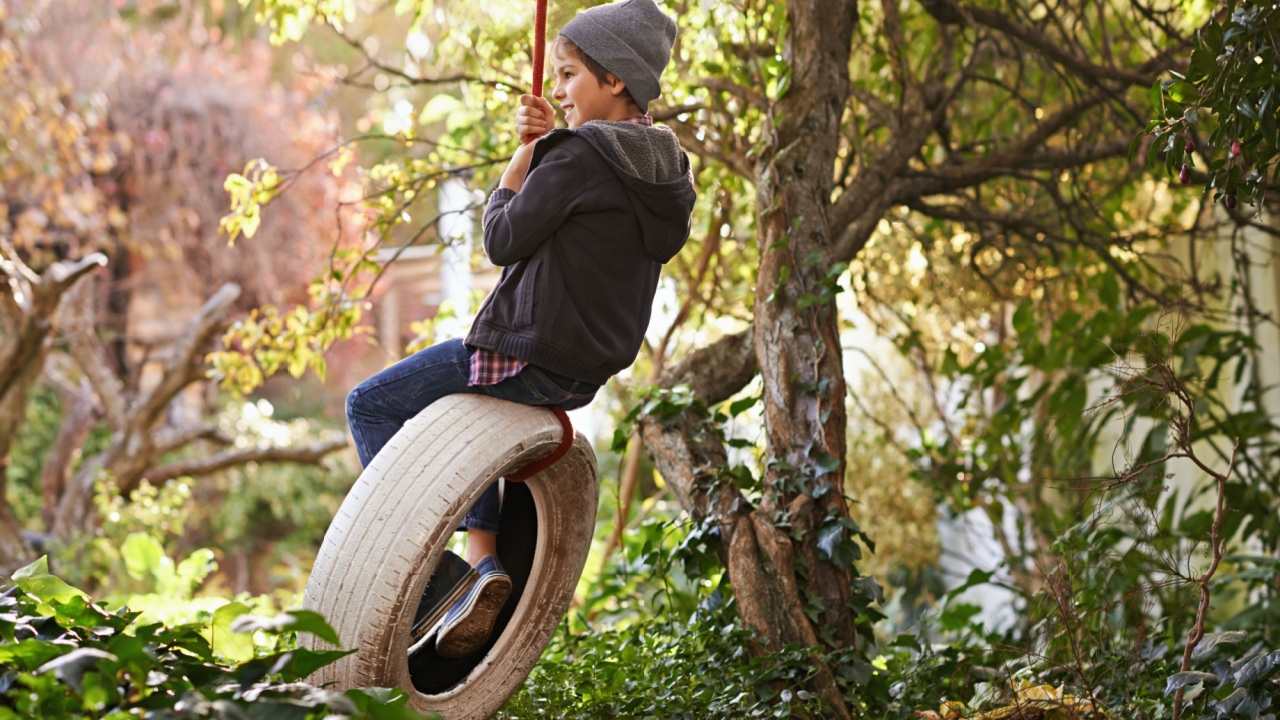
Every neighborhood had that one tree with a tire swing. It was usually a heavy old pickup tire hanging from a strong branch by a thick rope. The bark on the tree was worn smooth from all the hands that had grabbed it over the years.
There were three ways to swing: sitting normally, spinning around, or lying on your stomach like Superman. You’d pump your legs until you were flying high, making the branch bend. The tire would fill with rainwater, and sometimes a frog lived in it. You’d just dump the water out and start swinging again. A frog was never a good enough reason to stop.
10. Pogo Sticks

You either had it, or you didn’t. There was no slow learning process. You just failed over and over until one day, it just clicked. The BOING BOING BOING sound echoed down the street. Your shins were always bruised. The rubber tip would fall off, and the spring would pinch your fingers.
It was always a competition. Who could stay on the longest? Who could jump the highest? Then there was the kid who said he jumped up three stairs. Parents thought pogo sticks would be a quiet outdoor toy. They were wrong. A metal spring bouncing on a driveway for hours is not quiet at all.
11. Milk Bottles on the Doorstep
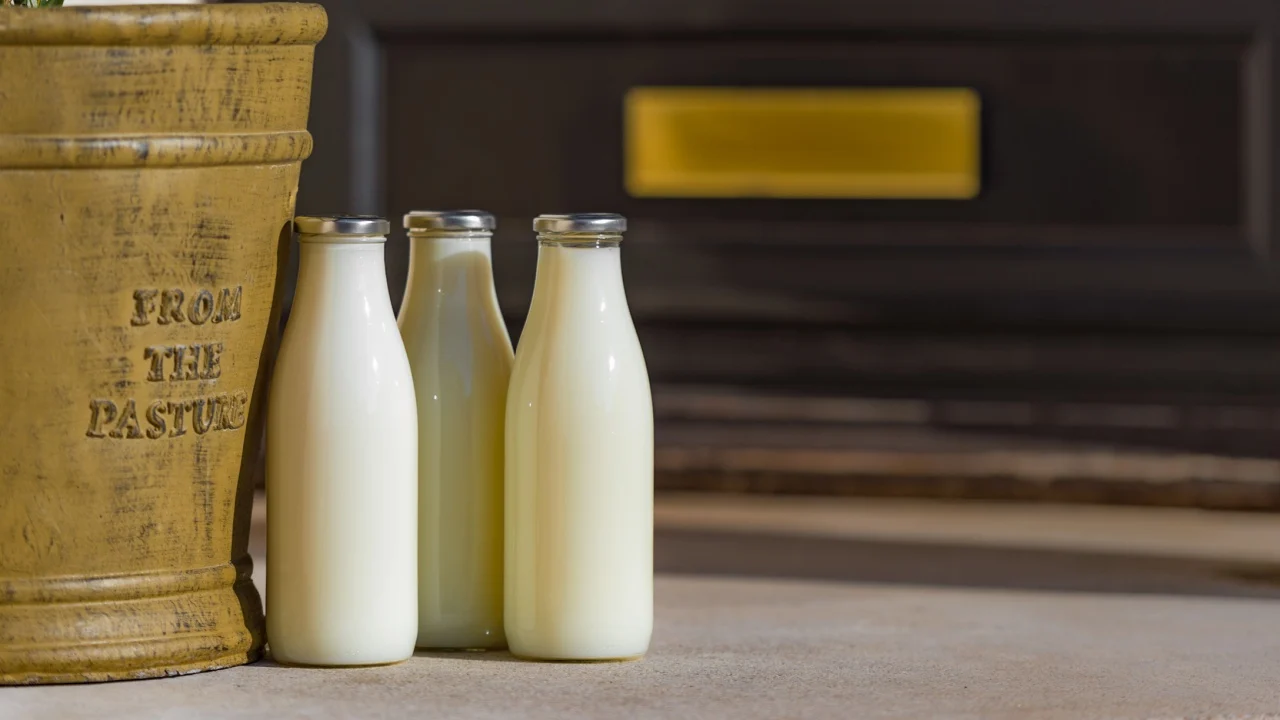
The milkman came before sunrise, his crates making a familiar clink-clink sound as he set them down. The glass bottles were cold and heavy, with a thick plug of cream at the top that everyone fought over. In winter, the milk would freeze and push the cap right off the bottle.
It was a daily cycle. You left the clean, empty bottles out, and the milkman would replace them with full ones. Fridays sometimes meant chocolate milk or orange juice in small, squat bottles. By the 1980s, this all stopped when people started buying milk in cartons from the supermarket. Mornings became quieter. But for a long time, the sound of glass on the doorstep at dawn was the sound of home.
12. Tonka Trucks (The Real Steel Ones)
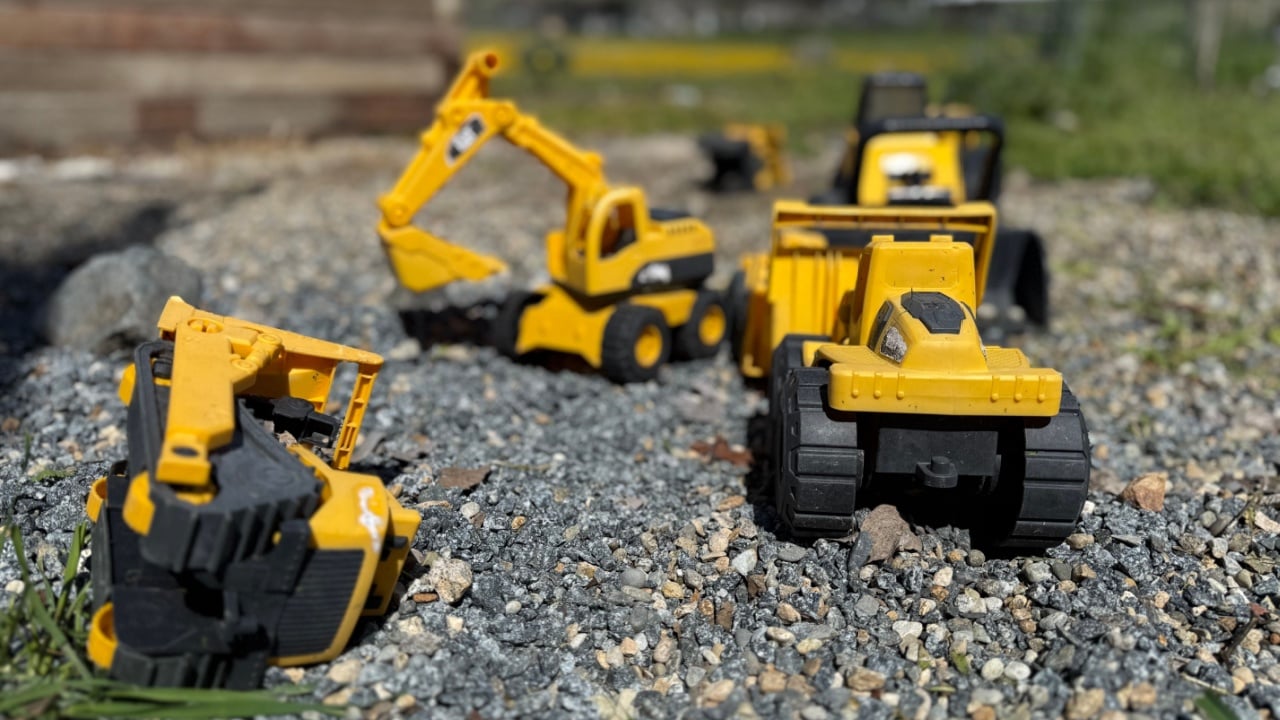
Not the plastic versions that came later. The originals. They were made of pressed steel, painted yellow, and heavy enough to work as an actual construction vehicle for a two-foot-tall person. The dump bed worked. The wheels left real tracks in the mud. You could stand on one, and it wouldn’t bend. You could leave it in the yard all winter, and it would still be there after the snow melted.
That pressed steel edge was sharp enough to cut, and it did, regularly, but that didn’t affect the toy’s popularity at all. Rust just made them look more real and battle-tested. The backyard construction sites these trucks worked on were elaborate. Kids built roads, quarries, and entire towns made of dirt until the rain came and washed it all away. A perfect original Tonka from back then is worth serious money now. But in the 70s, it was just the truck every kid dragged through every mud puddle they could find.
13. Lincoln Logs
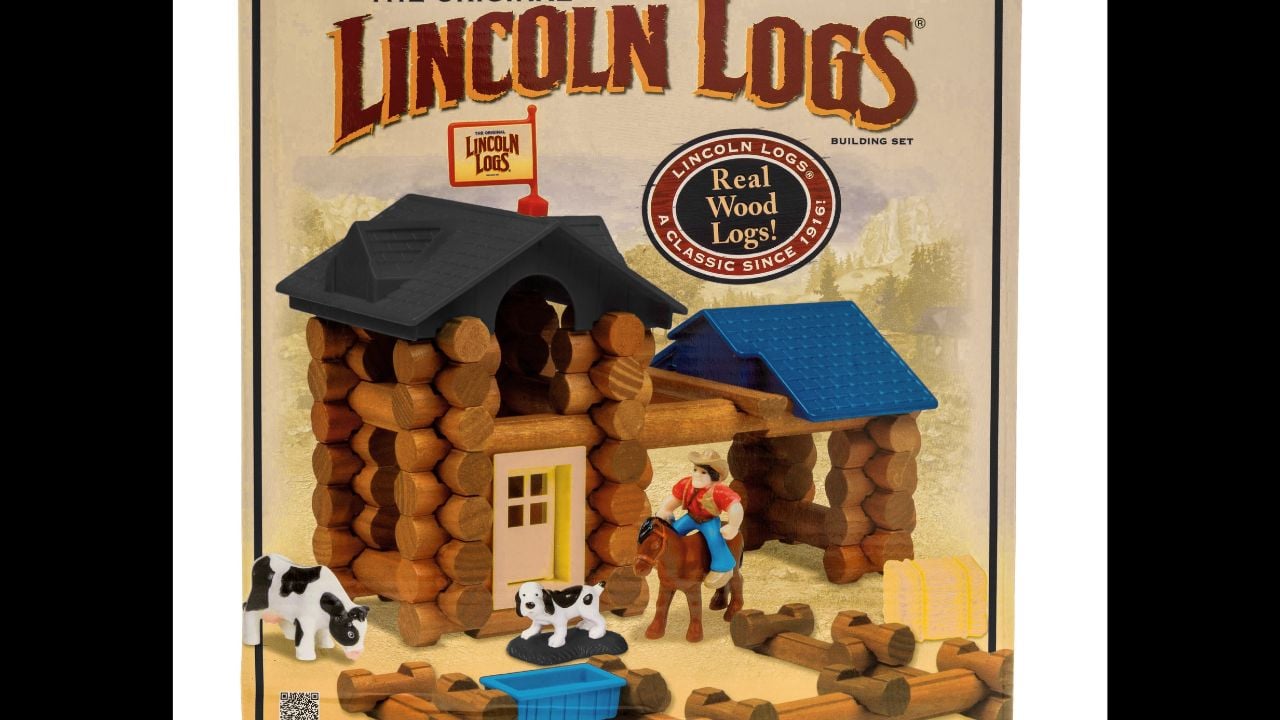
The metal canister made a specific sound when you opened it. Inside, you’d find hundreds of notched logs of different lengths, green roof slats, and a red chimney. There was also an instruction book, but nobody really read it.
Building with Lincoln Logs was straightforward. If you didn’t get the first layer right, your cabin would fall apart. But if you did, you could build a fort, a ranch, or a tall tower. The long pieces were always the first to get lost, and the lid never seemed to fit right after you first opened it. But it didn’t matter. Those logs are probably still in a canister somewhere, with the same smell and the same missing piece from decades ago.
14. GI Joe (The 12-Inch Original)
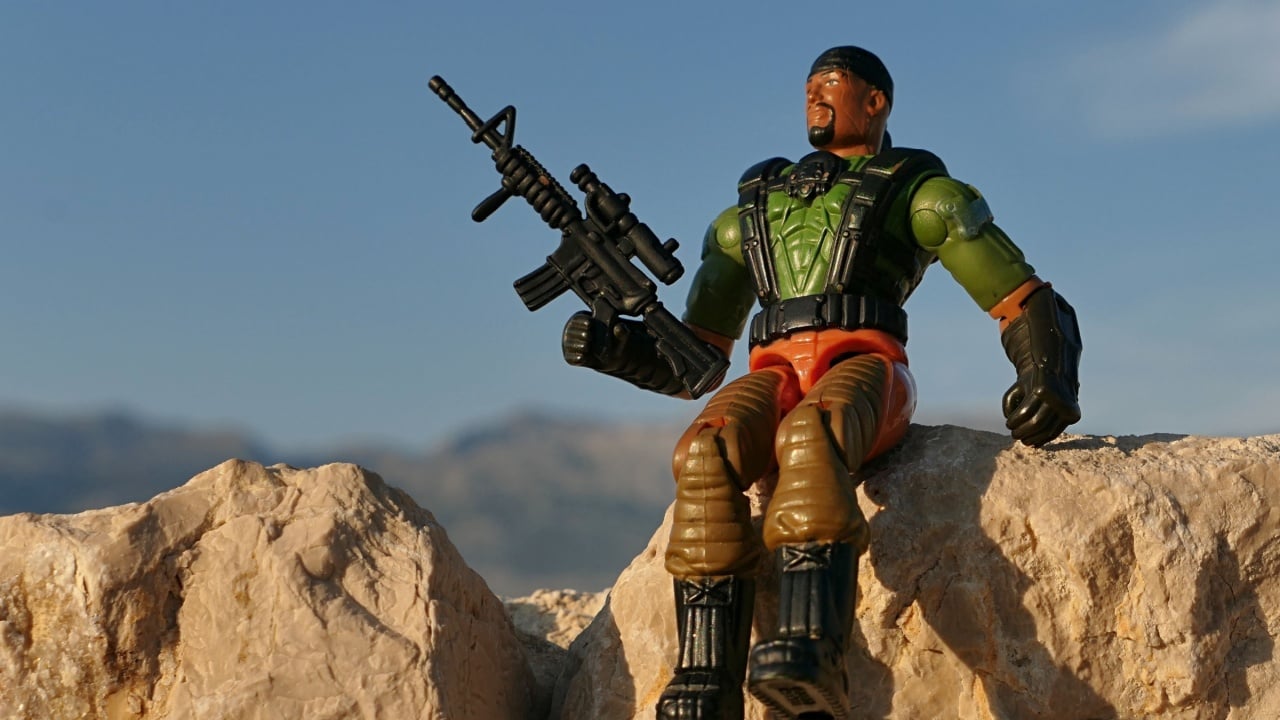
This was not a doll. That was a fact, and anyone suggesting otherwise was quickly corrected. GI Joe was a twelve-inch action figure with fuzzy hair, a scar on his face to show he’d seen action, twenty-one moving joints, and a Kung-Fu grip that could actually hold things. He had tiny zippers, tiny buttons, and boots that took real effort to put on.
The accessories seemed endless: scuba gear, astronaut suits, even a helicopter backpack. A pull cord on his back made him talk. “I’ve got a tough assignment for you!” It felt like his motto. By the early 1980s, Joe shrank to 3¾ inches, and for many kids, it felt like a betrayal.
15. Atari

With its wood-grain panel and six front switches, the Atari console felt like the future. It sat on top of the TV, and it was the center of attention.
The game cartridges were big, and kids usually learned to play by trial and error. Blowing into the cartridge before putting it in the machine was a common ritual, even if it didn’t do anything. The joystick’s button often got stuck, and the cord was barely long enough. The graphics were simple, just a few pixels moving on a flickering screen.
None of that mattered. Saturday mornings were for playing Atari games like Space Invaders, Combat, and Pitfall. Even parents played after the kids went to bed. Everyone loved it until Nintendo came along and made the Atari seem like ancient history.
A Whole Childhood in a Cardboard Box
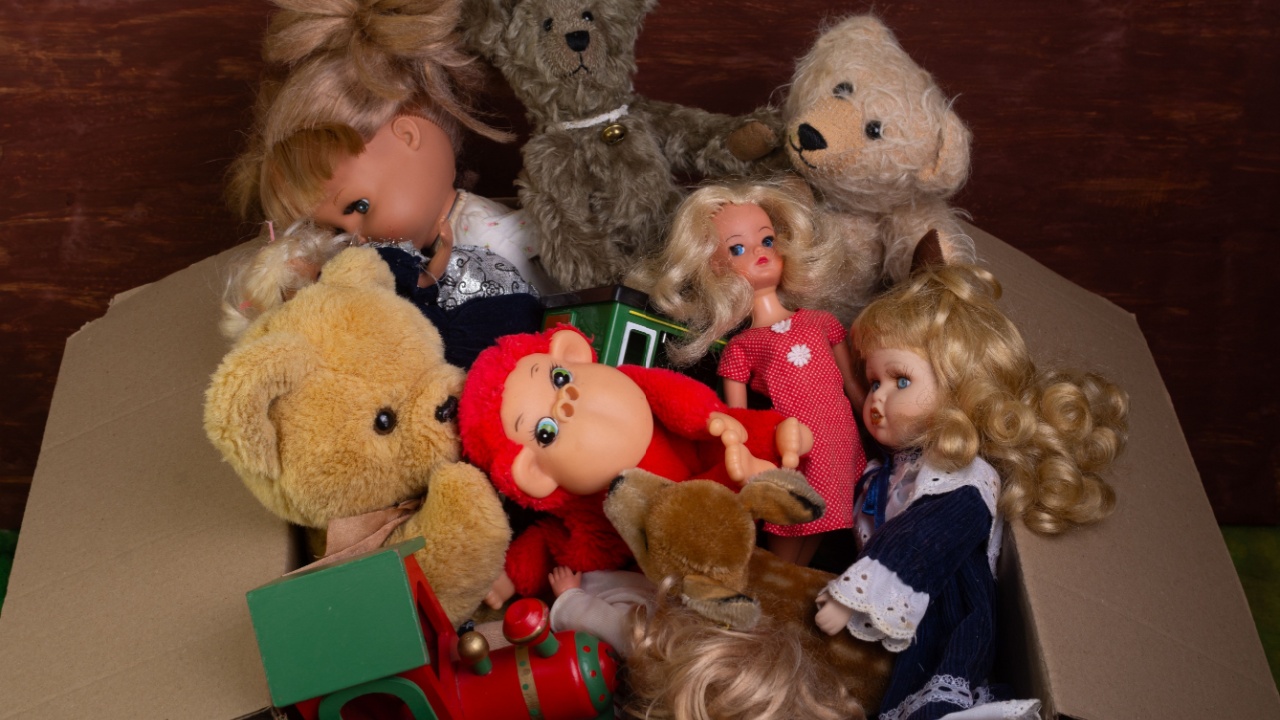
Every item on this list is probably sitting in someone’s attic right now, in a box labeled “old stuff,” waiting to be rediscovered. The clackers that left bruises, the chemistry set with crusty chemicals, the rusty Tonka truck. These toys are actually windows into the past.
It’s amazing how these simple objects can spark so many memories. Whether it’s the sound of clacking plastic or the smell of a well-loved book, these treasures remind us of a time when life felt a little simpler. Maybe it’s time to dust off that box in your attic and see what forgotten gems are hiding inside.
Read More: