

The Amish community is often admired for its simple, self-sufficient way of life. By intentionally stepping away from modern conveniences, they have cultivated a deep understanding of what is truly essential for a resilient and resourceful household. Their practices, rooted in tradition and practicality, offer valuable lessons for anyone looking to become more prepared, sustainable, and connected to their home and garden. You don’t need to live completely off-grid or have a homestead to appreciate the wisdom in their approach. By incorporating some of these time-tested essentials, you can build a more robust and self-reliant lifestyle.
This guide explores 14 key items the Amish keep on hand to thrive- with no connection to electricity necessary. This means you won’t feel totally lost in a power outage when you need to make a meal or see where you’re going in the house a night.
1. Cast-Iron Cookware

Image Credit: Shutterstock.
Cast-iron skillets, dutch ovens, and pans are the workhorses of an Amish kitchen. Valued for their incredible durability, a single piece can be passed down through generations, becoming a cherished family heirloom. Unlike modern non-stick pans that wear out, cast iron only gets better with age as it develops a natural, slick cooking surface called a patina.
Why It’s a Great Option: This cookware is incredibly versatile. It can be used on a gas stovetop, an electric range, a wood stove, or even directly over an open fire. It distributes heat evenly and retains it for a long time, making it perfect for everything from searing meats and frying potatoes to baking cornbread and simmering stews. Its resilience means it won’t warp, scratch, or break under high heat.
- Care & Next Steps: To maintain cast iron, avoid using harsh soaps that can strip the seasoning. After cooking, scrub it with a stiff brush and hot water. Dry it completely on the stovetop over low heat to prevent rust, then wipe a very thin layer of cooking oil inside while it’s still warm. If you’re new to cast iron, start with a 10- or 12-inch skillet it’s the most versatile size for a small family.
2. A Reliable Personal Water Supply

Image Credit: Shutterstock.
Water is life, and the Amish do not take it for granted. Instead of relying on municipal water systems, many communities have their own independent sources. This most often includes a private well with a manual hand pump, but it can also involve cisterns for collecting rainwater or a nearby spring. This ensures they have consistent access to fresh water for drinking, cooking, cleaning, and irrigating their gardens, regardless of public utility issues.
Why It’s a Great Option: Having a personal water supply provides ultimate security. It makes you independent of boil advisories, contamination events, or service disruptions. Rainwater harvesting, in particular, is an excellent way to supplement your water needs for gardening, reducing your utility bills, and conserving a precious resource.
- Care & Next Steps: If you have a well, get it tested annually for contaminants. For those interested in starting small, install a rain barrel at your downspout. It’s a simple weekend project that provides plenty of untreated water for your plants. Always have a reliable water filter on hand, like a Berkey or Sawyer system, to ensure any water you collect is safe for consumption.
3. Heirloom Seeds

Image Credit: Shutterstock.
In an Amish garden, you won’t find hybrid seeds from a big-box store. Instead, they rely on heirloom seeds and open-pollinated varieties that have been passed down for generations. These seeds are prized because they produce plants that are true to type, meaning the seeds you save from your harvest will grow the same plant next year.
Why It’s a Great Option: Heirloom varieties are often more flavorful and nutritious than their commercial counterparts. Because they have been selected over the years for their resilience, they are typically better adapted to specific local climates and more resistant to pests and diseases without chemical intervention. This practice creates a self-sustaining food source, eliminating the need to buy new seeds every spring.
- Care & Next Steps: Start your own seed-saving journey with easy plants like beans, peas, tomatoes, or peppers. Let the best, healthiest fruits on the plant fully mature. Harvest the seeds, clean them, and let them dry completely in a cool, dark, and dry place. Store them in labeled paper envelopes or glass jars until it’s time to plant next season.
4. Homemade Canned and Preserved Foods
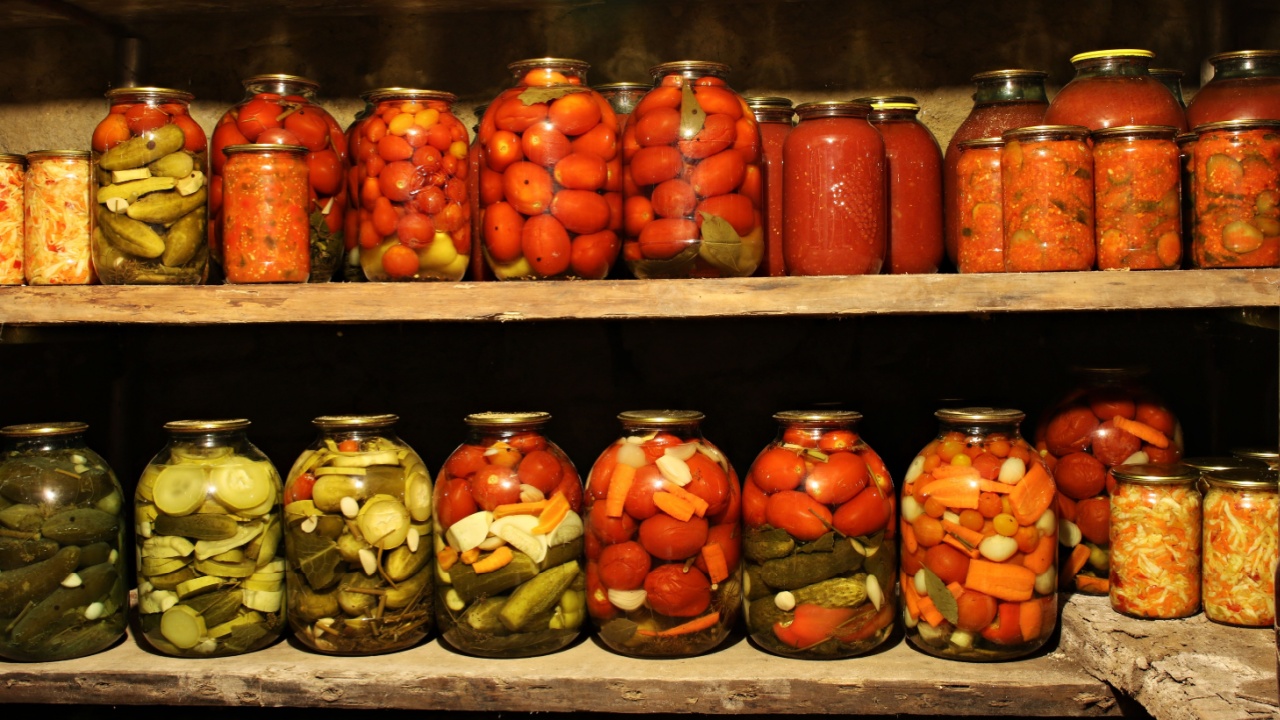
Image Credit: Shutterstock.
Step into an Amish pantry, and you will see shelves lined with glistening jars of preserved food. Canning is a fundamental skill that allows them to enjoy the bounty of their summer garden all year long. Everything from green beans, tomatoes, and corn to fruits, jams, jellies, and even meats is preserved in glass jars.
Why It’s a Great Option: Canning allows you to store food for months or even years without needing electricity for a freezer. It reduces food waste, saves money, and gives you complete control over the ingredients in your food no hidden preservatives or excess sodium. A well-stocked pantry provides immense peace of mind, knowing you have a food supply ready for any situation.
- Care & Next Steps: If you’re new to canning, start with a simple water-bath canning project like pickles or berry jam. You’ll need jars, lids, and a large stockpot. For low-acid foods like vegetables and meats, you must use a pressure canner for safety. Always follow tested recipes from a reliable source to ensure your preserved food is safe to eat.
5. Oil Lamps and Lanterns

Image Credit: Shutterstock.
When the sun goes down, Amish homes are filled with the warm, gentle glow of oil lamps and lanterns. Since they live without public electricity, these lamps are a daily necessity, not just an emergency backup. They provide reliable light for reading, chores, and family gatherings.
Why It’s a Great Option: Oil lamps are simple, effective, and independent of any power source. They are fueled by lamp oil or kerosene, which can be stored safely for long periods. In a power outage, having a few oil lamps is far more reliable and pleasant than relying on flashlights with a limited battery life. They also produce a cozy, calming ambiance that can be comforting during a storm.
- Care & Next Steps: You can find beautiful and functional oil lamps at antique stores, flea markets, or online. When using them, always keep the wicks trimmed to prevent smoke and ensure a clean burn. Store your lamp oil in a safe, well-ventilated area away from heat. Practice using your lamps so you are comfortable with them before an emergency strikes.
6. A Wood-Burning Stove

Image Credit: Shutterstock.
The wood stove is the heart of the Amish home. It’s a multi-purpose appliance that serves as a primary heat source, a cooktop, and a place to heat water for washing. In the cold winter months, the wood stove keeps the entire house warm and comfortable, using a readily available and renewable fuel source wood.
Why It’s a Great Option: A wood stove makes you completely independent of gas or electric heating systems. If you have access to wood on your property, it can provide nearly free heat. The flat top surface is perfect for simmering a pot of soup all day, boiling water for tea, or even drying wet mittens. It provides a reliable source of heat and cooking capabilities during any power failure.
- Care & Next Steps: Proper installation is critical for safety. Ensure your stove is placed on a non-combustible surface and has adequate clearance from walls. The chimney should be professionally installed and cleaned annually to prevent creosote buildup, which can cause chimney fires. Learn how to source and stack firewood correctly so it has time to season (dry out) for a clean, efficient burn.
7. Durable, Functional Work Clothes

Image Credit: Shutterstock.
Amish clothing is designed for practicality and longevity, not passing trends. Made from sturdy fabrics like denim, canvas, and heavy cotton, their clothing is meant to withstand the rigors of farm work, gardening, and daily chores. Men’s trousers are durable, and women’s dresses are modest and functional, often protected by an apron.
Why It’s a Great Option: Investing in high-quality, durable clothing saves money and reduces waste. A good pair of work boots, a sturdy jacket, and tough pants will outlast dozens of cheaper, fast-fashion alternatives. These items protect you from the elements and from scrapes or injuries while working in the yard or on home projects.
- Care & Next Steps: When shopping, look for clothes made from natural fibers with reinforced seams. Learning basic mending skills like sewing on a button, patching a hole, or hemming trousers can extend the life of your wardrobe significantly. A simple sewing kit is an essential item for a self-reliant household.
8. High-Quality Manual Hand Tools
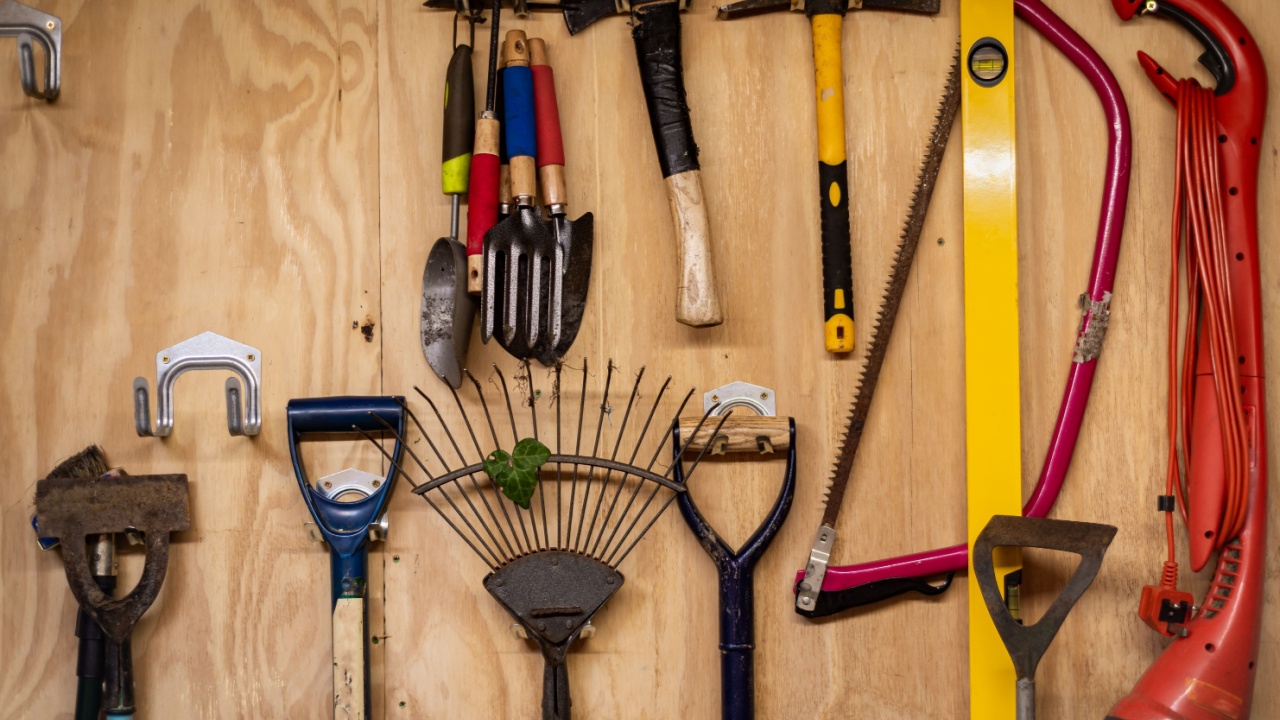
Image Credit: Shutterstock.
While power tools are fast, Amish life relies on the timeless effectiveness of manual hand tools. Workshops are filled with handsaws, hammers, wrenches, screwdrivers, planes, and drills. These tools are used for everything from building furniture and constructing barns to maintaining fences and repairing equipment.
Why It’s a Great Option: Hand tools work without electricity, making them usable anywhere, anytime. They are generally more affordable, safer to operate, and encourage a deeper understanding of the craft. A well-made hand tool can last a lifetime with proper care, and mastering its use is an empowering and valuable skill.
- Care & Next Steps: Start building your collection with a few basics: a good hammer, a set of screwdrivers, a handsaw, and a measuring tape. Keep metal tools lightly oiled to prevent rust, and learn how to sharpen blades on saws, planes, and chisels. A sharp tool is a safe and effective tool.
9. Natural and Herbal Remedies
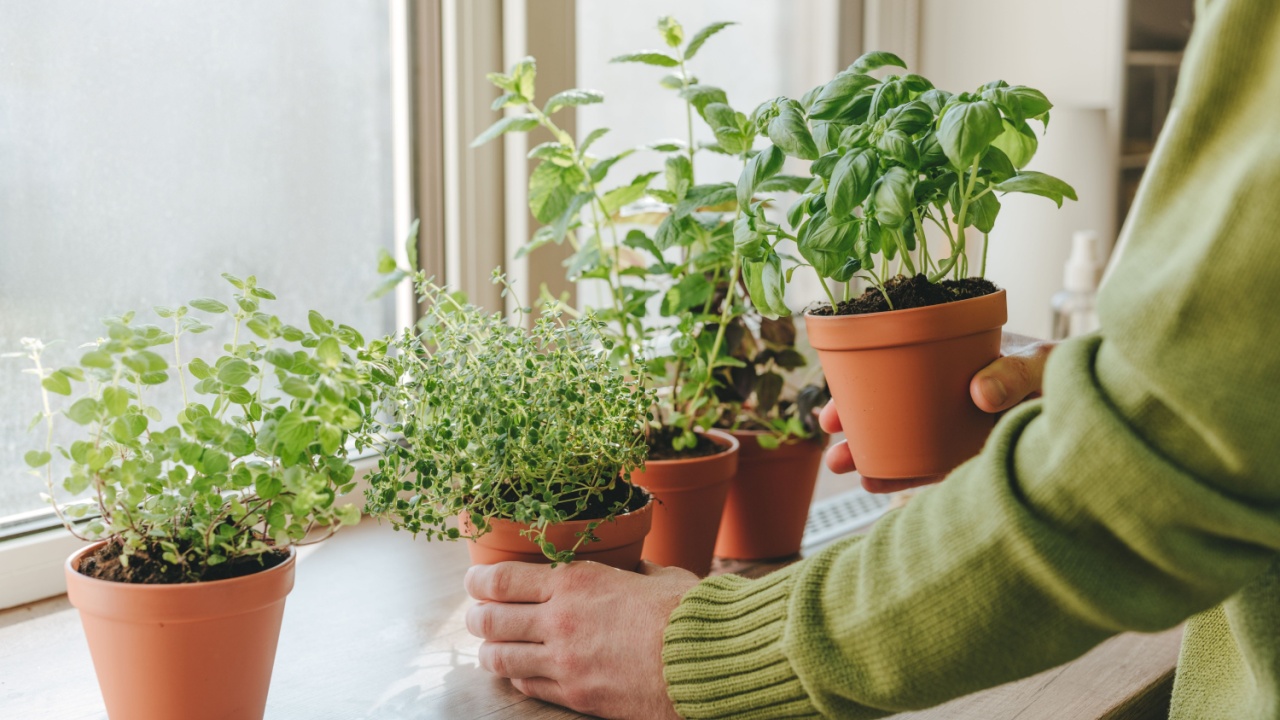
Image Credit: Shutterstock.
The Amish have a long tradition of using natural remedies for common ailments. Their knowledge of healing herbs is passed down through generations. The garden is their medicine cabinet, where they grow plants like chamomile for calming teas, peppermint for digestive issues, comfrey for poultices on sprains, and elderberry to make syrups for colds and flu.
Why It’s a Great Option: Growing your own medicinal herbs gives you access to gentle, effective remedies for minor health issues. It connects you to the natural world and empowers you to take a proactive role in your family’s wellness. Many of these herbs are also beautiful, attract pollinators to your garden, and can be used in cooking.
- Care & Next Steps: Start with a few easy-to-grow herbs like mint, lemon balm, and chamomile. You can grow them in a dedicated garden bed or in pots on your patio. Purchase a good herbal guide to learn about their uses and proper preparation. Harvest herbs in the morning and hang them in small bundles to dry for use throughout the year.
10. A Root Cellar for Food Storage

Image Credit: Depositphotos.com.
Before the age of refrigeration, the root cellar was the primary way to keep produce fresh. Amish families still rely on these underground spaces to act as natural refrigerators. The cool, dark, and humid environment of a root cellar is perfect for storing root vegetables like potatoes, carrots, and beets, as well as apples, pears, and winter squash for months.
Why It’s a Great Option: A root cellar uses the earth’s natural insulating properties to keep food fresh without any electricity. This is the ultimate sustainable food preservation method, allowing you to store large quantities of your harvest and reduce reliance on your refrigerator. It’s a key component of a self-sufficient food system.
- Care & Next Steps: A full-scale root cellar is a big project, but you can replicate the conditions on a smaller scale. An unheated basement corner, a buried trash can, or a well-insulated crawl space can work for storing root vegetables. The key is to find a location that stays dark, humid, and consistently cool (ideally between 32-40°F or 0-4°C).
11. Hand-Powered Kitchen Appliances

Image Credit: Shutterstock.
The Amish kitchen runs on human power. Instead of electric mixers, blenders, and grinders, they use manual appliances like butter churns, hand-crank grain mills, and manual food processors. These tools are simple in design but highly effective for preparing food from scratch.
Why It’s a Great Option: Manual kitchen gadgets are reliable and work during a power outage. A grain mill allows you to grind your own flour from wheat berries, which is more nutritious and stores longer than pre-ground flour. A butter churn lets you make fresh butter from cream. These tools foster a deeper connection to your food and the processes involved in making it.
- Care & Next Steps: Consider adding one or two useful hand-powered tools to your kitchen. A hand-crank coffee grinder, a rotary egg beater, or a manual food mill for making applesauce are great places to start. Look for sturdy, well-made models at antique shops or from specialty retailers.
12. Heavy Wool Blankets
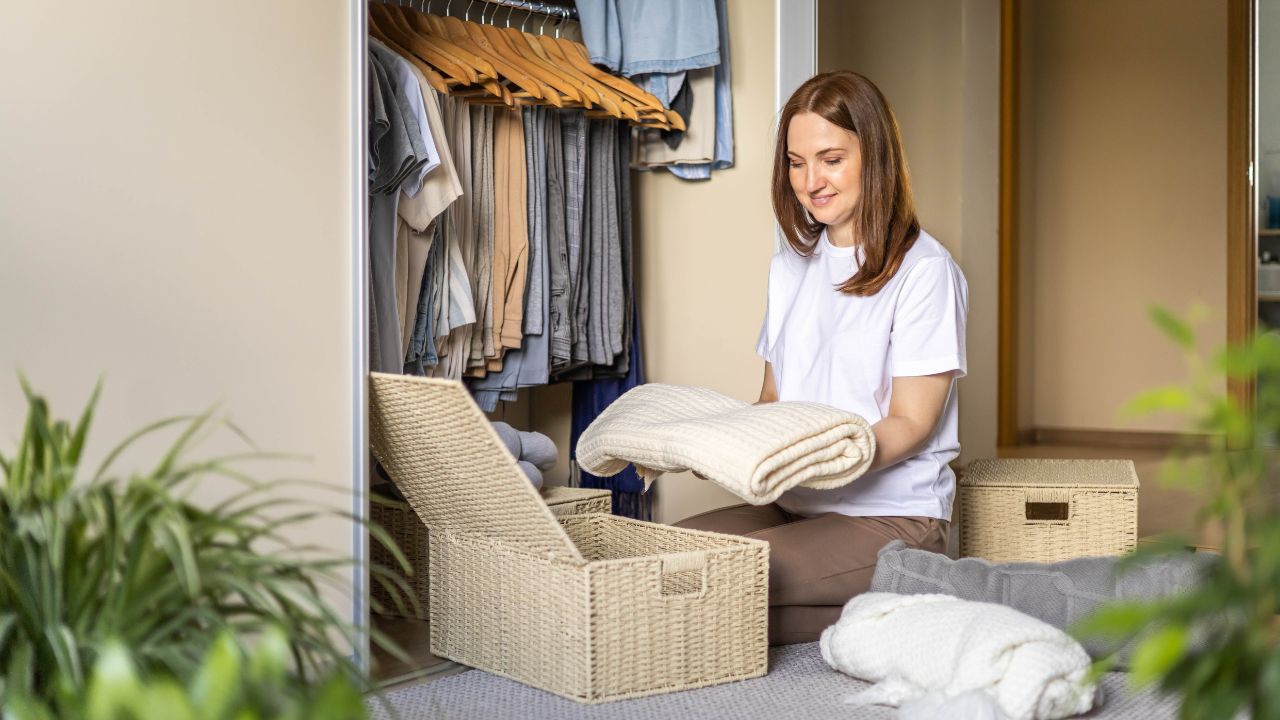
Image Credit: Shutterstock.
For staying warm during frigid winters, nothing beats a heavy wool blanket. The Amish rely on these blankets for warmth in bed, on buggy rides, and for bundling up in a home heated by a single wood stove. Wool is a superior natural fiber prized for its insulating properties.
Why It’s a Great Option: Wool is an amazing insulator, even when it gets damp. It’s also naturally fire-resistant, durable, and breathable. A high-quality wool blanket is a long-term investment that will keep you warm through any power outage or heating failure, and it can last for decades.
- Care & Next Steps: Good wool blankets can be an investment. Check military surplus stores or antique shops for affordable, high-quality options. To care for them, air them out frequently. Wash only when necessary in cool water on a gentle cycle, or by hand, and lay flat or hang to air dry, as heat can cause shrinkage.
13. Animal Husbandry Skills
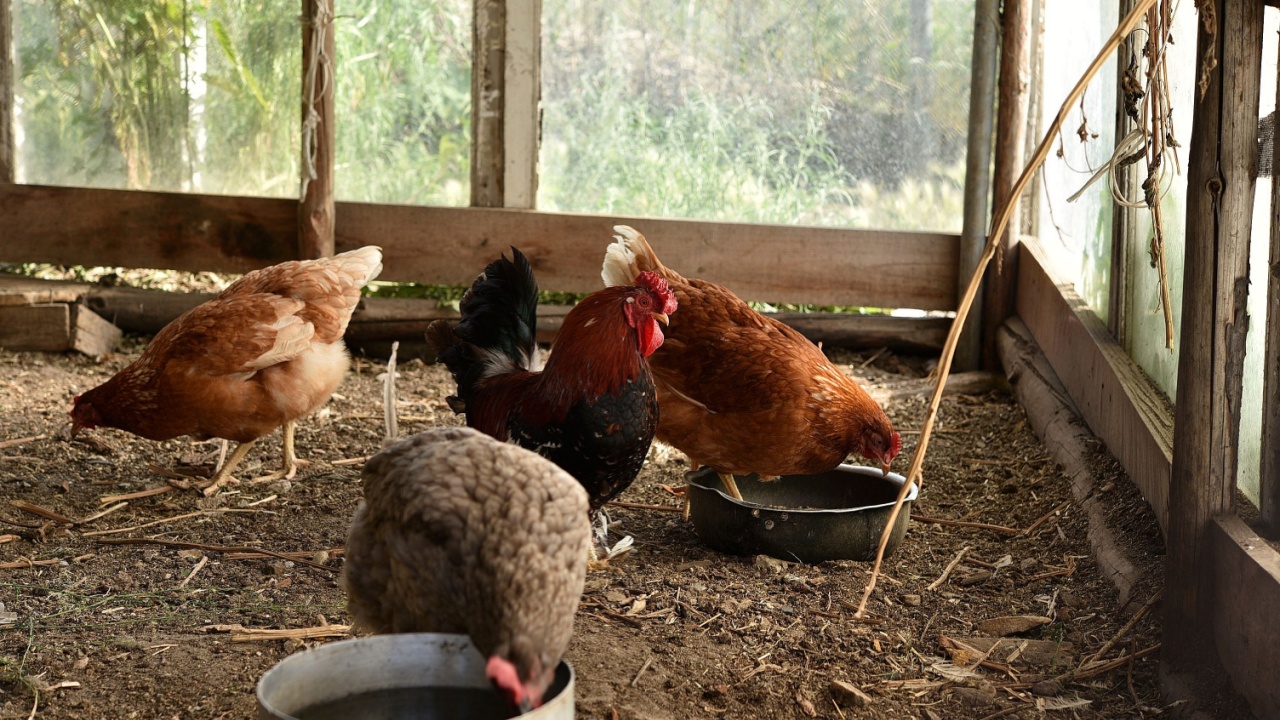
Image Credit: Shutterstock.
Many Amish families raise animals to supplement their food supply and income. Chickens provide a daily source of fresh eggs and meat. A dairy cow or goat offers fresh milk for drinking, cheese, and butter. These animals are integrated into the farm ecosystem, with their manure used to fertilize the gardens.
Why It’s a Great Option: Raising small livestock can be a very rewarding step toward self-sufficiency. Even a small flock of backyard chickens can provide your family with a steady supply of delicious, fresh eggs. It teaches responsibility and provides a direct connection to your food source.
- Care & Next Steps: If you have the space, consider starting with a few laying hens. Check your local ordinances first. You will need a secure coop to protect them from predators and a plan for their daily food and water. The effort is rewarded with fresh eggs that are far superior to any you can buy at the store.
14. A Tight-Knit Community
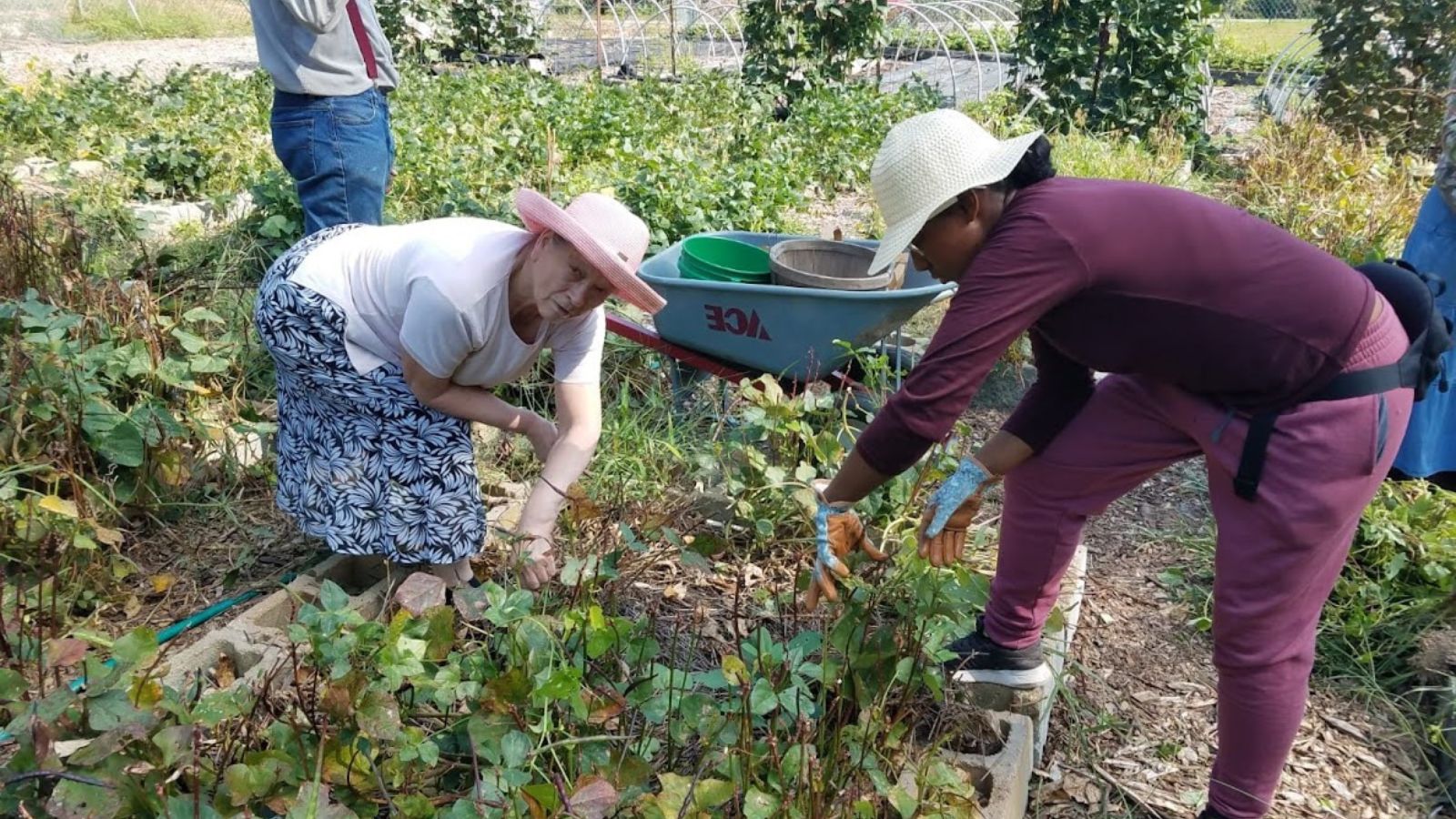
Image Credit: Backyard Garden Lover.
Perhaps the most important survival essential the Amish possess isn’t an item at all; it’s their community. Neighbors rely on each other for everything. They come together for barn raisings, help with the harvest, share food, and provide emotional and practical support during hard times. This powerful social fabric ensures that no one has to face a crisis alone.
Why It’s a Great Option: A strong network of friends, neighbors, and family is your greatest asset in any emergency. These are the people who can lend a hand, share resources, or offer a morale boost when you need it most. Resilience isn’t just about individual preparedness; it’s about community strength.
- Care & Next Steps: Make an effort to get to know your neighbors. Offer to help them with a small project or share some of your garden’s produce. Organize a neighborhood potluck or tool-sharing program. Building these relationships now is the best way to ensure you have a supportive community when you truly need it.
Taking Note of a More Resilient Life

Image Credits: Andrea Izzotti / Shutterstock.
Embracing the Amish way of life doesn’t mean you have to sell your car and give up electricity. It’s about thoughtfully incorporating practices that promote sustainability, preparedness, and a deeper connection to your home.
Start small. Choose one or two essentials from this list that resonate with you. Maybe this year you’ll start a small herb garden and learn to dry your own tea. Perhaps you’ll buy a cast-iron skillet and master the art of seasoning it. Or maybe you’ll simply make a point to get to know your neighbors better. Each small step you take is a move toward a more resourceful and fulfilling lifestyle, ready for whatever comes your way.