Dreaming of Farm Animals? Try These 17 Low Maintenance Options
Starting a homestead can feel overwhelming, but it doesn’t need to be. With the right selection of low-maintenance animals, you can enjoy the benefits of small-scale farming without sacrificing too much time or space. Whether you have a backyard in suburbia or a snug rural plot, these 17 options are sure to fit into your lifestyle.
Each of these animals brings unique benefits, from fresh eggs and milk to natural pest control and fertilizer. Here are the best low-maintenance animals for wannabe homesteaders or anyone managing smaller spaces.
1. Chickens
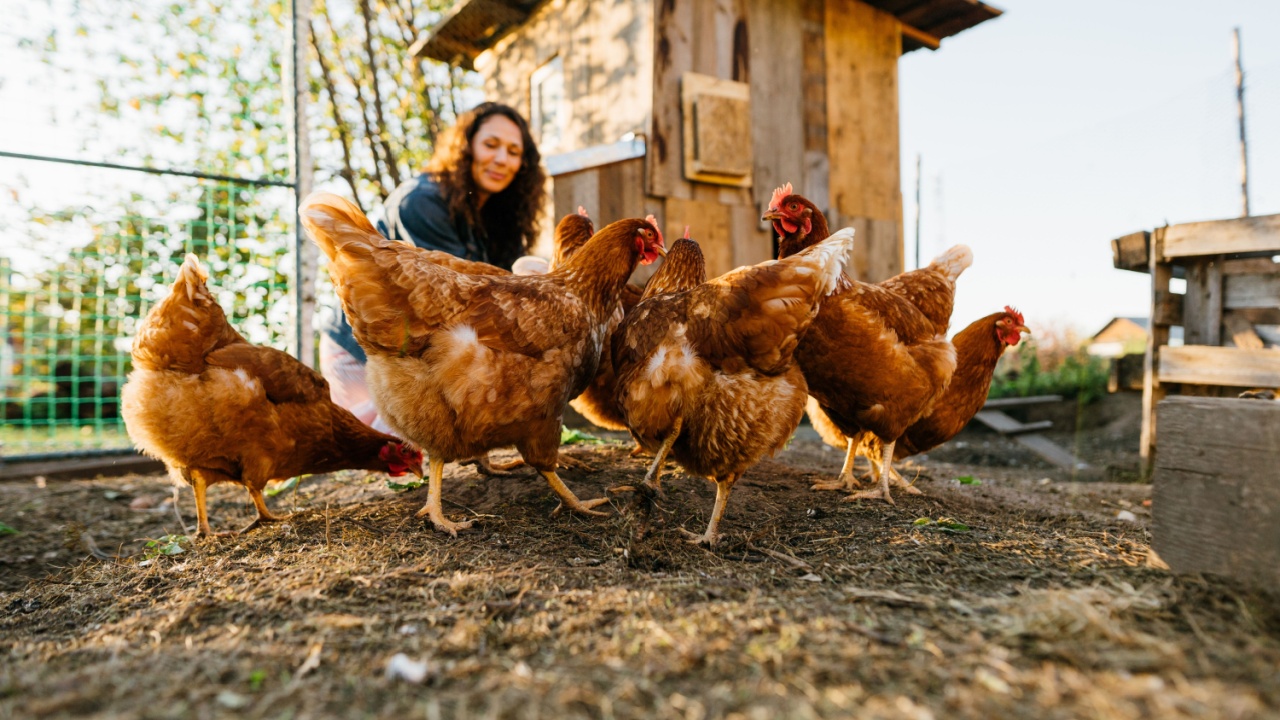
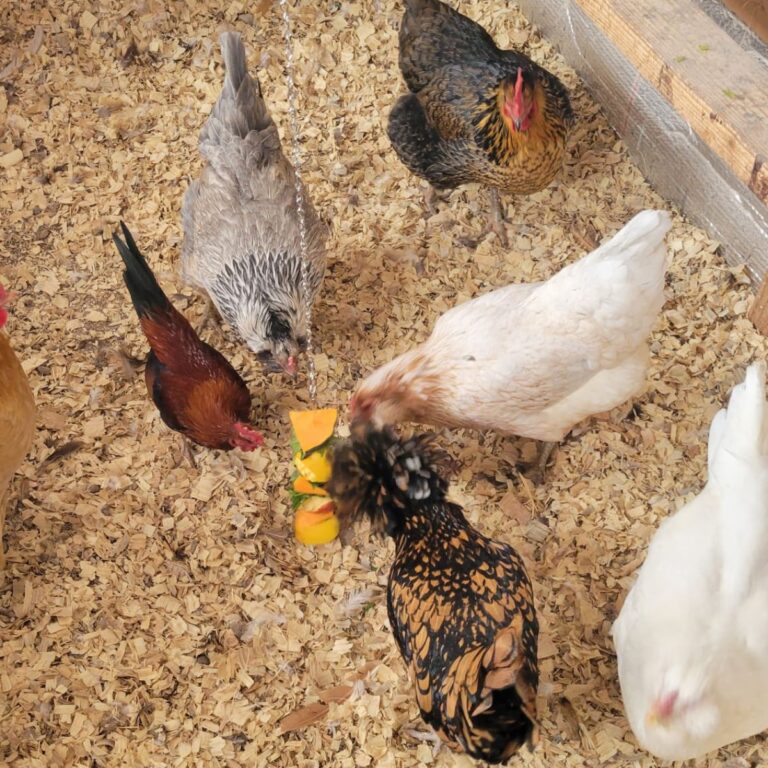
Chickens are the quintessential starter animal for new homesteaders. They are low-maintenance, requiring just a few minutes each day to provide food, water, and safe housing.
Their small size makes them perfect for small yards, and they’ll produce a steady supply of fresh eggs. Plus, they love to eat food scraps and bugs, helping to keep your outdoor space tidy and pest-free.
2. Quail
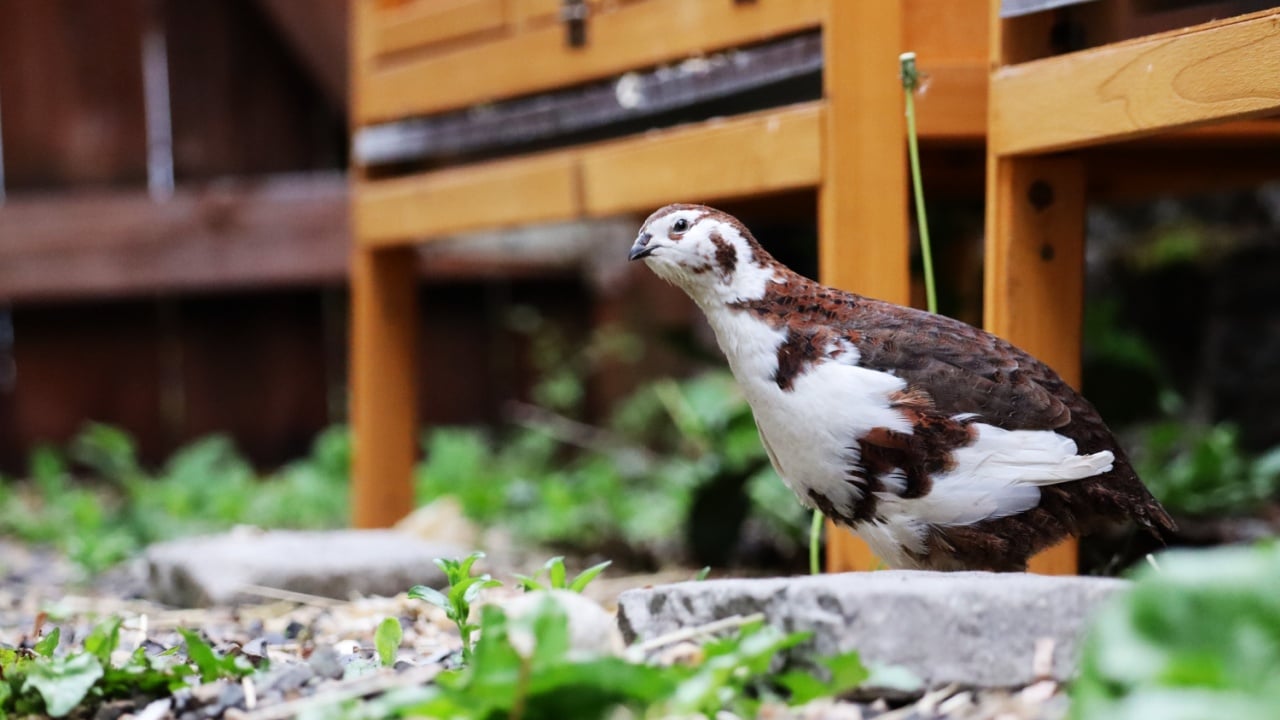
Quail offer the benefits of chickens but in a fraction of the space. A hutch no bigger than a coffee table can comfortably house several of these tiny birds.
Quail begin laying eggs after just six weeks and reach maturity much faster than chickens. They’re quiet and unlikely to upset nearby neighbors, making them a great choice for urban homesteaders.
3. Rabbits
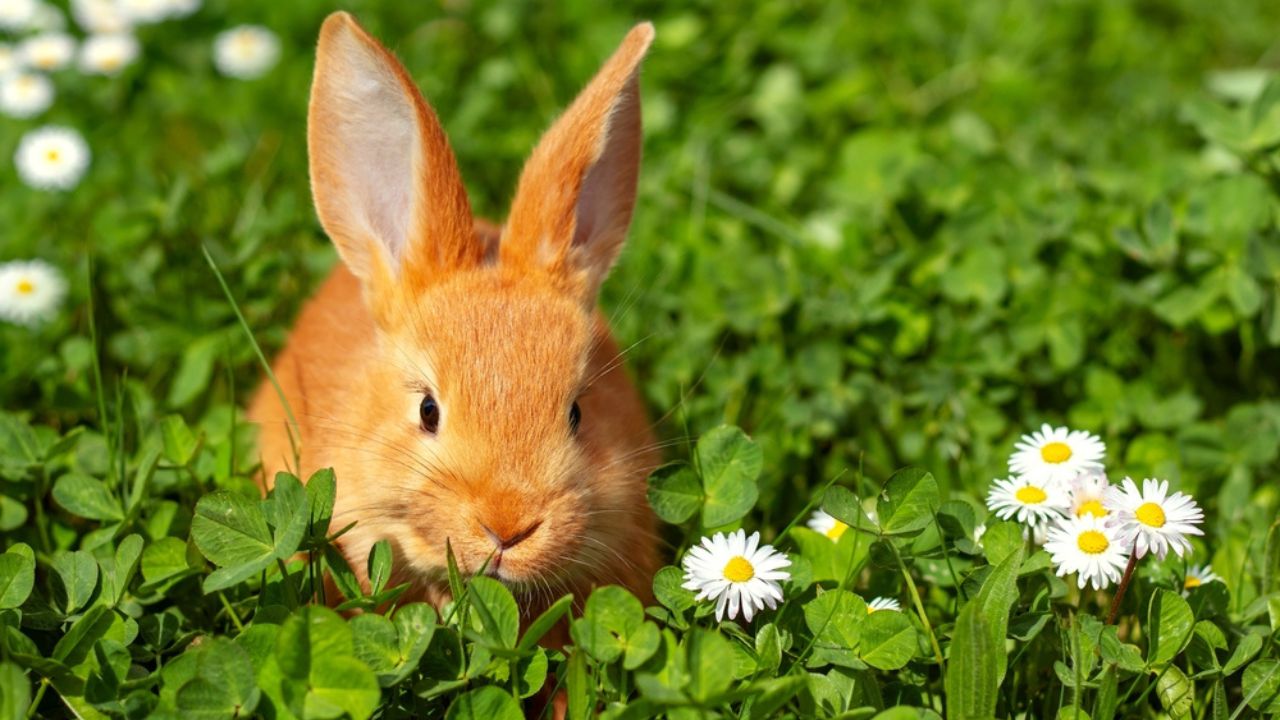
Rabbits are versatile, low-maintenance animals that are ideal for backyard setups. They are quiet, easy to handle, and require minimal space.
You can raise rabbits for meat or focus on certain breeds like Angoras for their wool. Additionally, their manure is an excellent garden fertilizer that can be applied directly to plants without composting.
4. Ducks
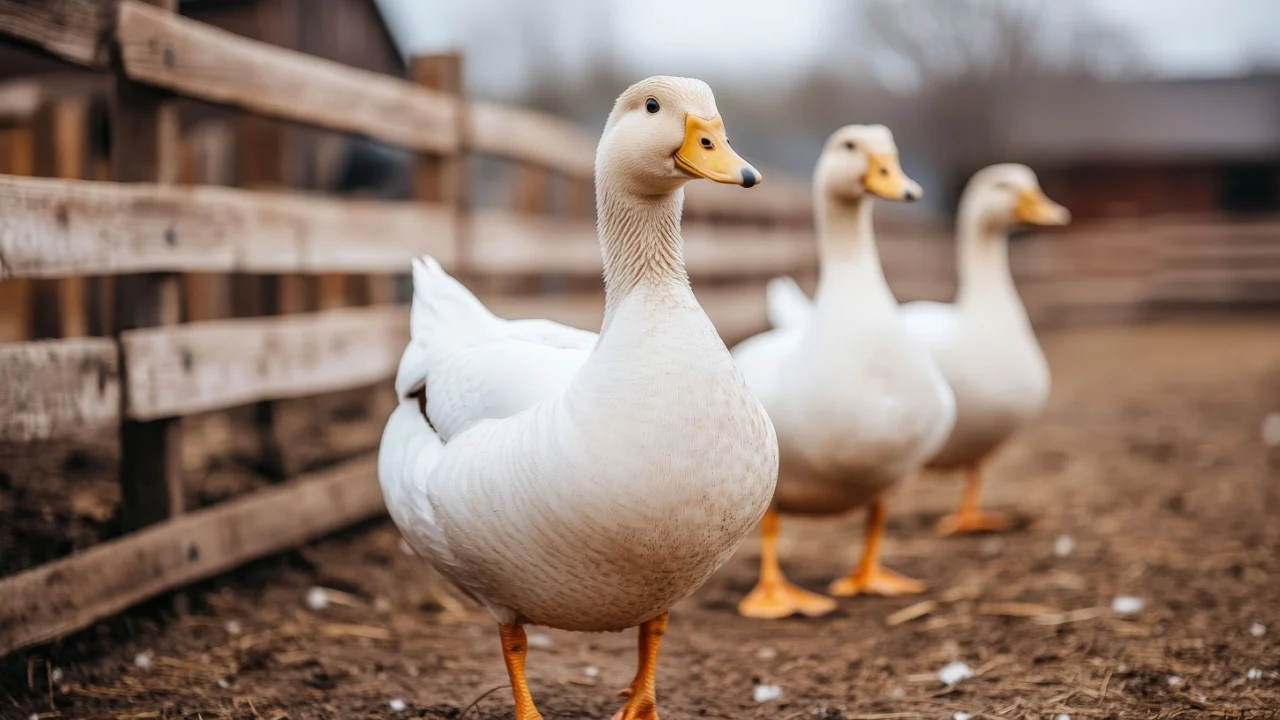
Ducks are hardier than chickens, often thriving in weather conditions that chickens might struggle with. They’re excellent foragers that keep your yard free of slugs, snails, and other pests.
A simple kiddie pool can meet their water needs if you don’t have a pond (although it’ll get quite dirty quickly). Plus, duck eggs are richer than chicken eggs and often preferred for baking.
We’ll look at two other specific recommended species in later slides.
5. Honey Bees

Beekeeping is one of the easiest ways to start homesteading, especially for those with limited space. Once established, honey bees require minimal attention (that is, after you’ve learned all about beekeeping and safety regulations), with most work done seasonally.
Bees provide two major benefits—they produce honey and improve pollination for plants in your garden. This makes them an asset for anyone growing fruits or vegetables.
6. Nigerian Dwarf Goats
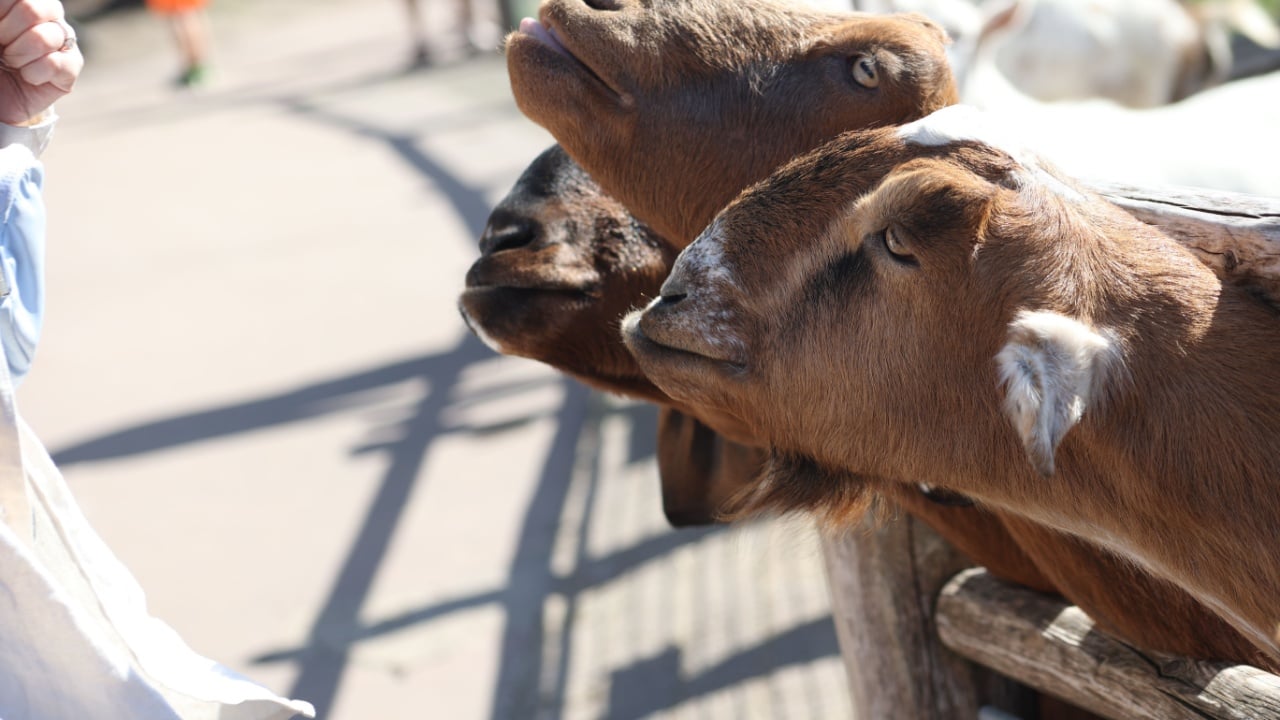
Compact and friendly, Nigerian Dwarf Goats are perfect for small spaces. These hardy animals only need basic shelter, secure fencing, and room to graze.
They produce sweet milk with high butterfat content and are extremely playful, making them as much entertainment as they are productive livestock. Keep at least two to ensure they have proper companionship.
7. Guinea Fowl
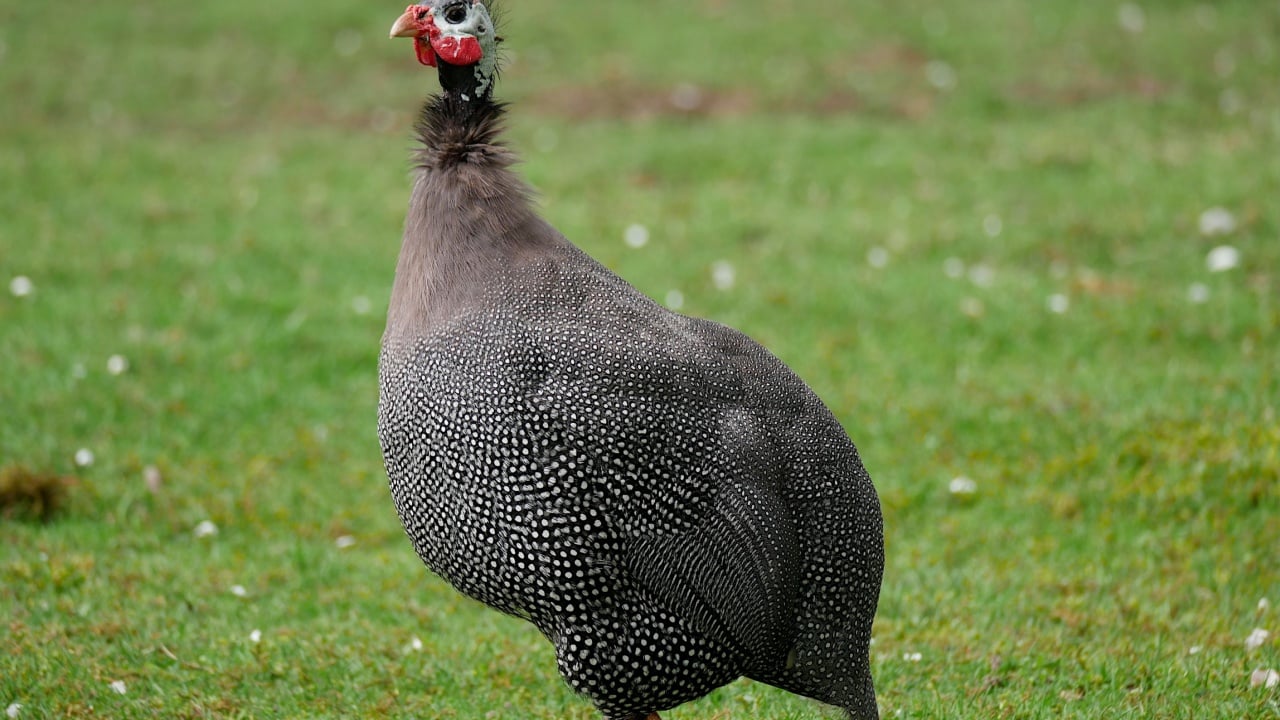
Guinea fowl are pest control professionals, happily eating ticks, flies, and other bugs (but they certainly aren’t perfect at it). Unlike chickens, they won’t scratch up your garden beds but will keep your yard healthy and clear of pests.
They’re independent birds that thrive on free-ranging and require minimal upkeep beyond food and water. Their natural watchdog instincts mean they’ll also warn you of approaching visitors or predators.
Note: Some farmers report they have behavioral quirks (and loud noises) and require secure housing when young.
8. Worms
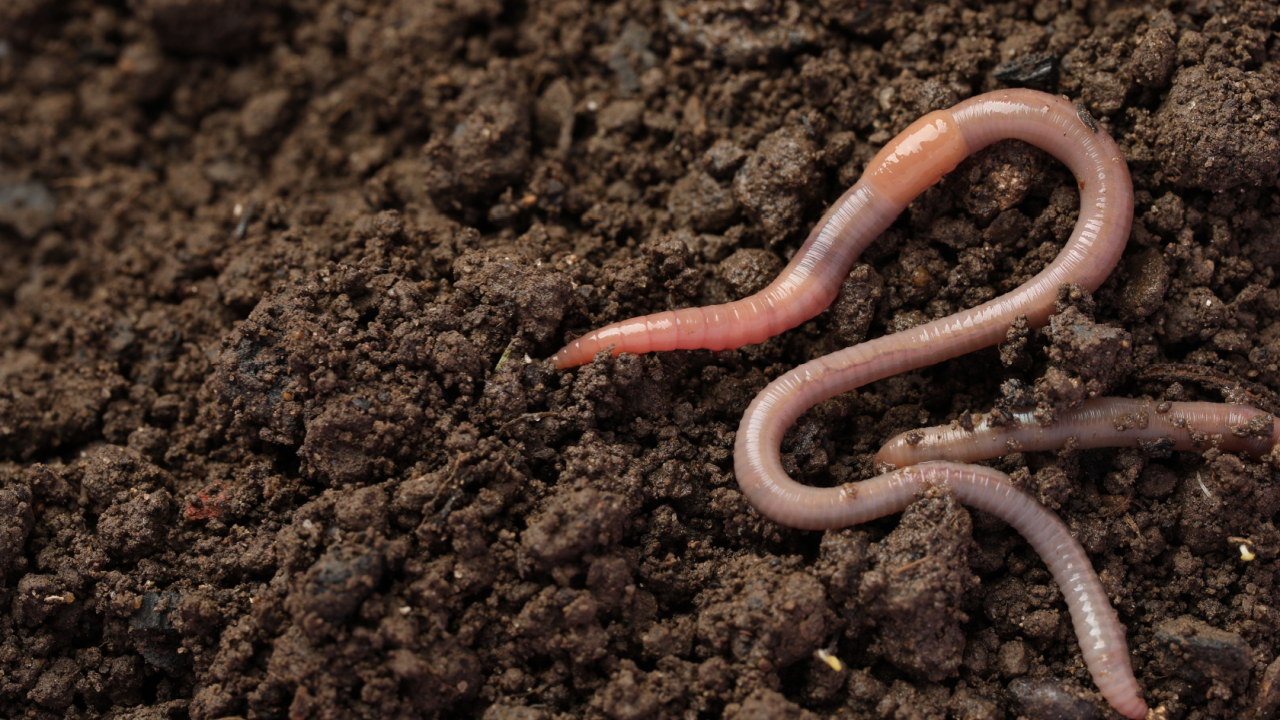
Looking for the ultimate compact farm animal? Worm farming can fit under your kitchen sink. Red wigglers are excellent for vermicomposting, breaking down food scraps into nutrient-rich fertilizer.
They reproduce quickly and require a setup as simple as a plastic bin, making them one of the easiest and most eco-friendly animals you can raise.
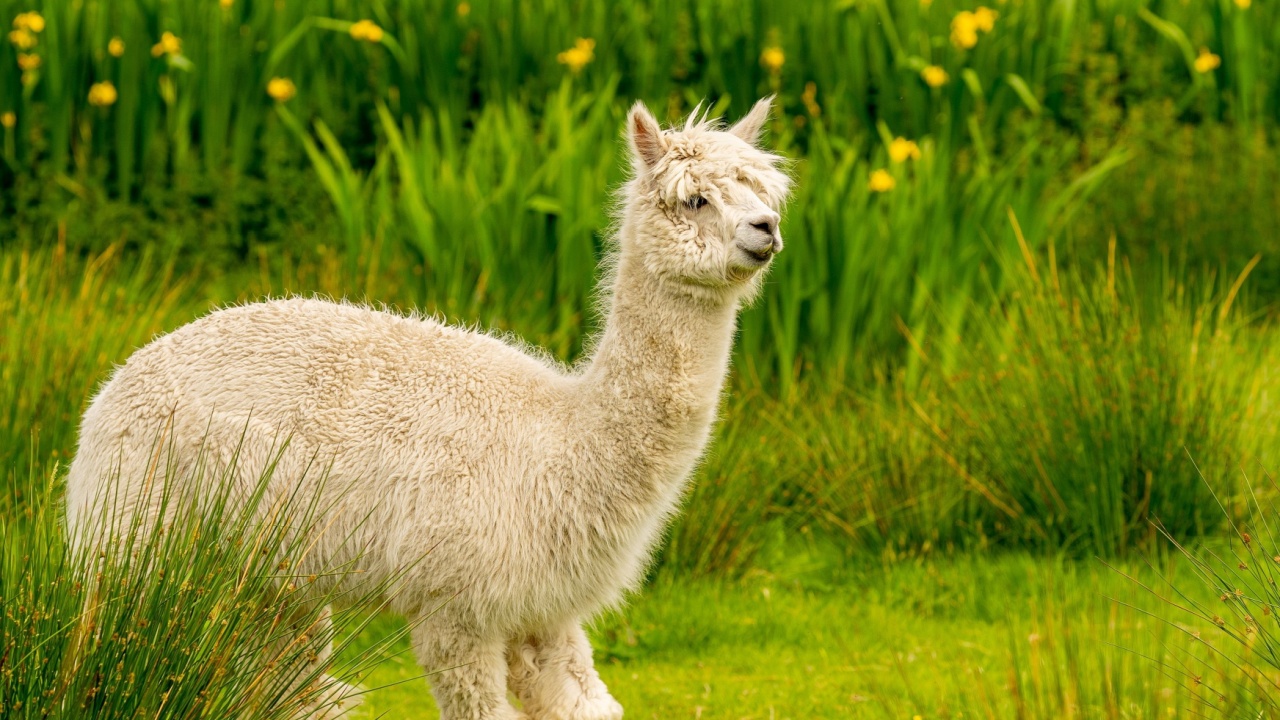
9. Alpacas
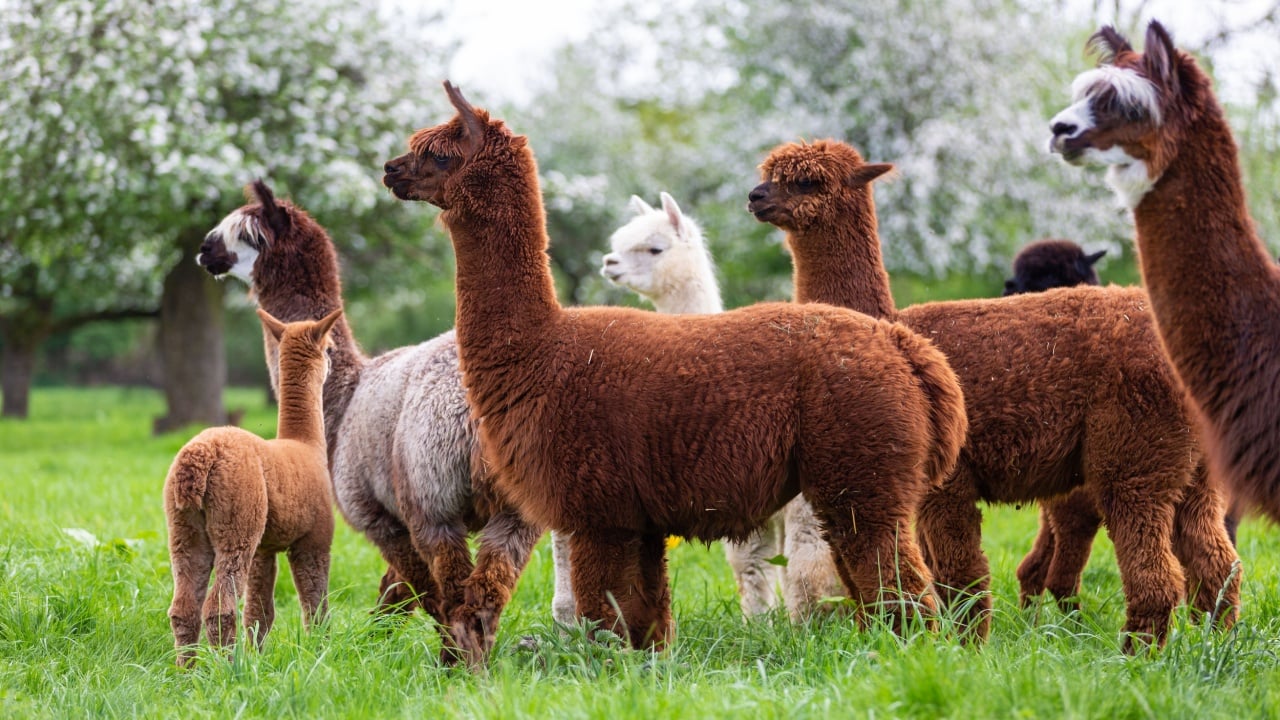
Alpacas are gentle, low-maintenance animals that provide high-quality fiber each year. Despite their larger size, they’re surprisingly easy to raise due to their soft feet that minimize pasture damage.
They eat modest amounts of hay and graze lightly, making them suited even for small properties. Alpacas also tend to be clean, designating particular areas as communal restrooms.
A note: They do require shearing (typically annually), routine toenail trimming, and at least two animals for social needs. They also need parasite monitoring.
10. Muscovy Ducks
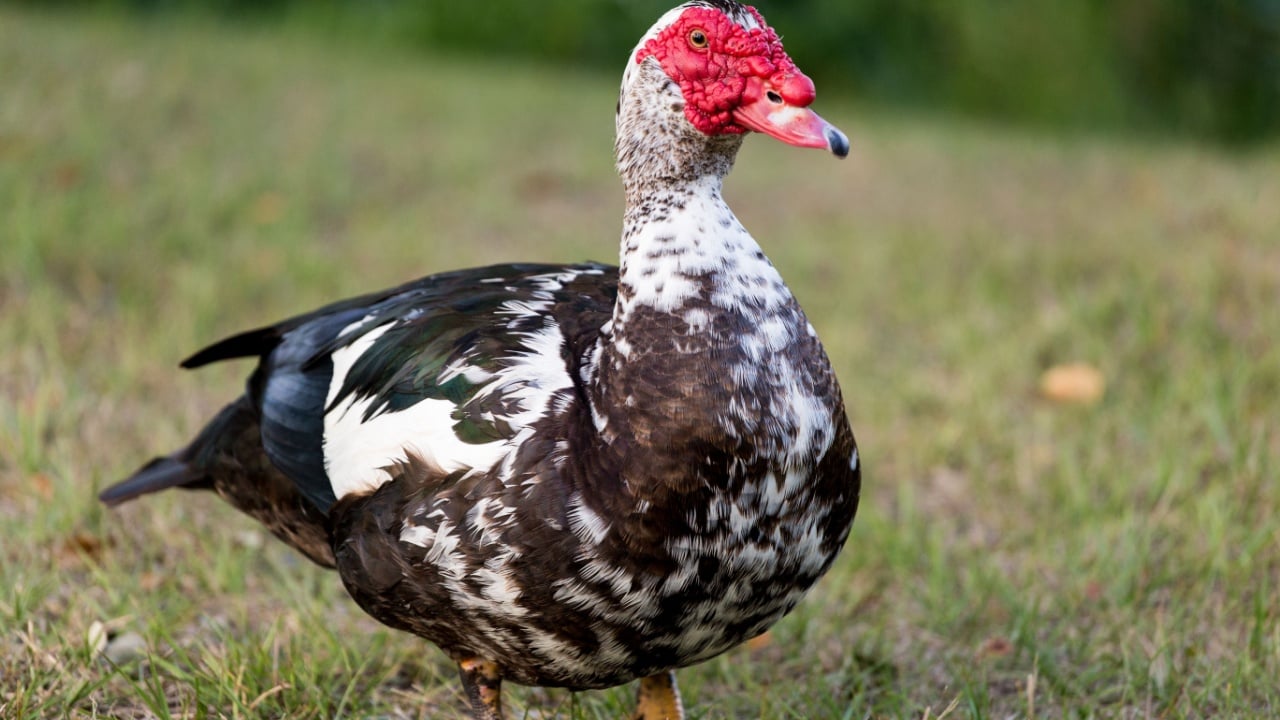
Unlike regular ducks, Muscovy ducks are nearly silent—they communicate with soft hisses and tail wagging. This makes them an ideal choice for suburban backyards.
Their natural foraging ability means they’ll hunt flies, mosquitoes, and other pests. Muscovy ducks also have strong parental instincts and can raise their offspring with minimal human intervention.
11. Sheep
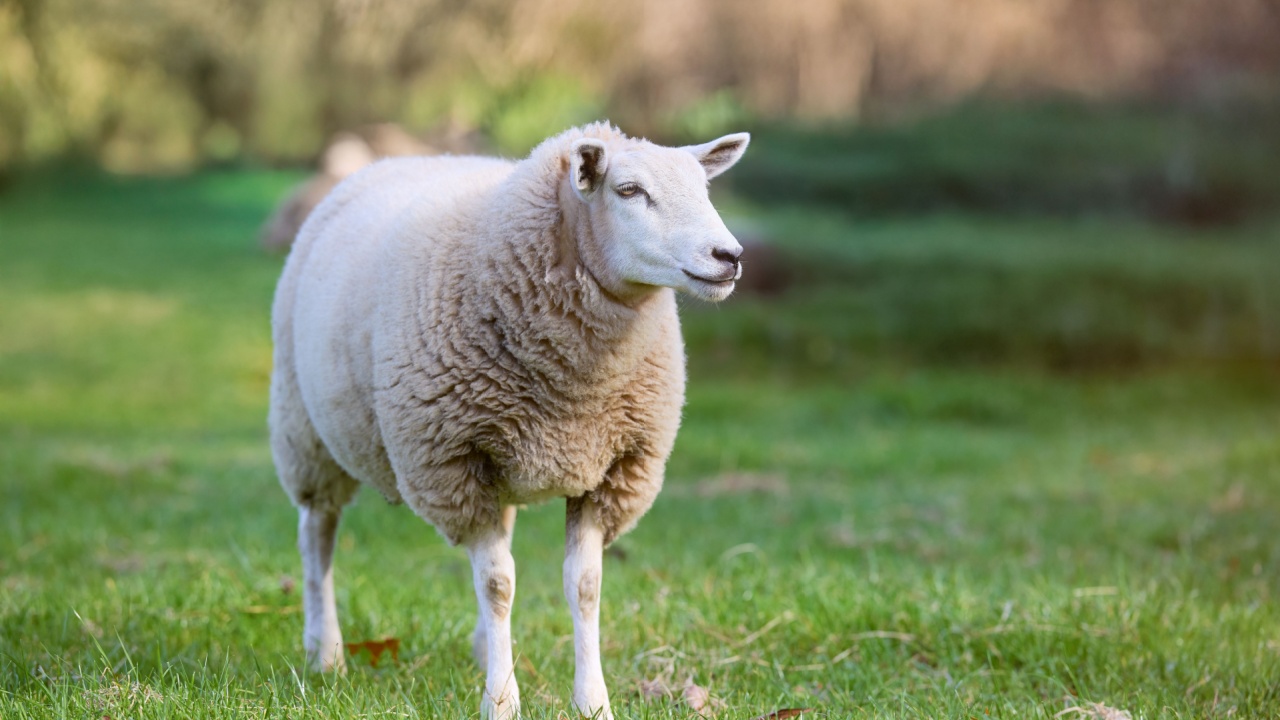
Certain hair sheep breeds, such as Katahdin or Dorper, are low-maintenance grazers that don’t require shearing (but do need parasite monitoring and rotational grazing). They self-shed their wool and are hardy against challenging weather conditions.
Raised primarily for meat, they efficiently convert grass into high-quality protein. Rotational grazing further ensures healthy pastures and significantly reduces the risk of parasites.
12. Pygmy Goats
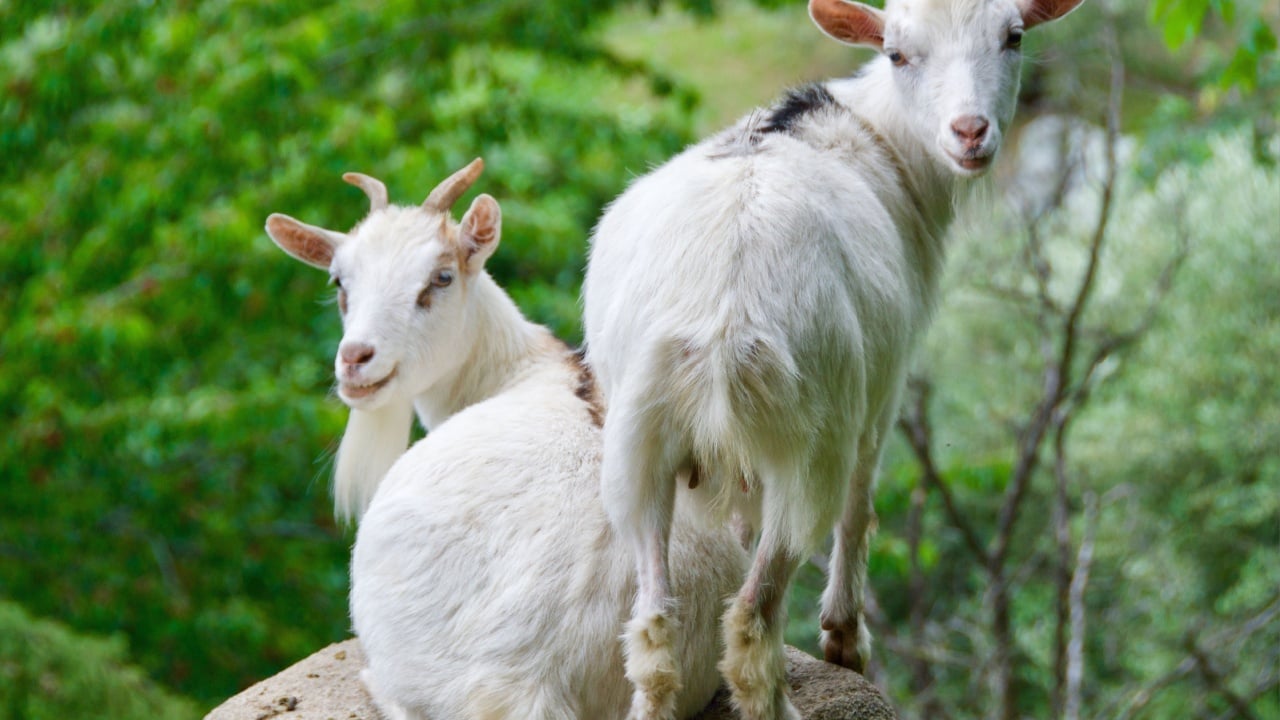
Measuring just 21 inches at the shoulder, pygmy goats are the ultimate compact companions for wannabe homesteaders. These energetic animals eat less than their larger relatives and love to graze on weeds and shrubs.
Easy to care for and endlessly entertaining, pygmy goats only need basic shelter, clean water, and secure fencing. They’re perfect for families or hobby farmers.
13. Khaki Campbell Ducks
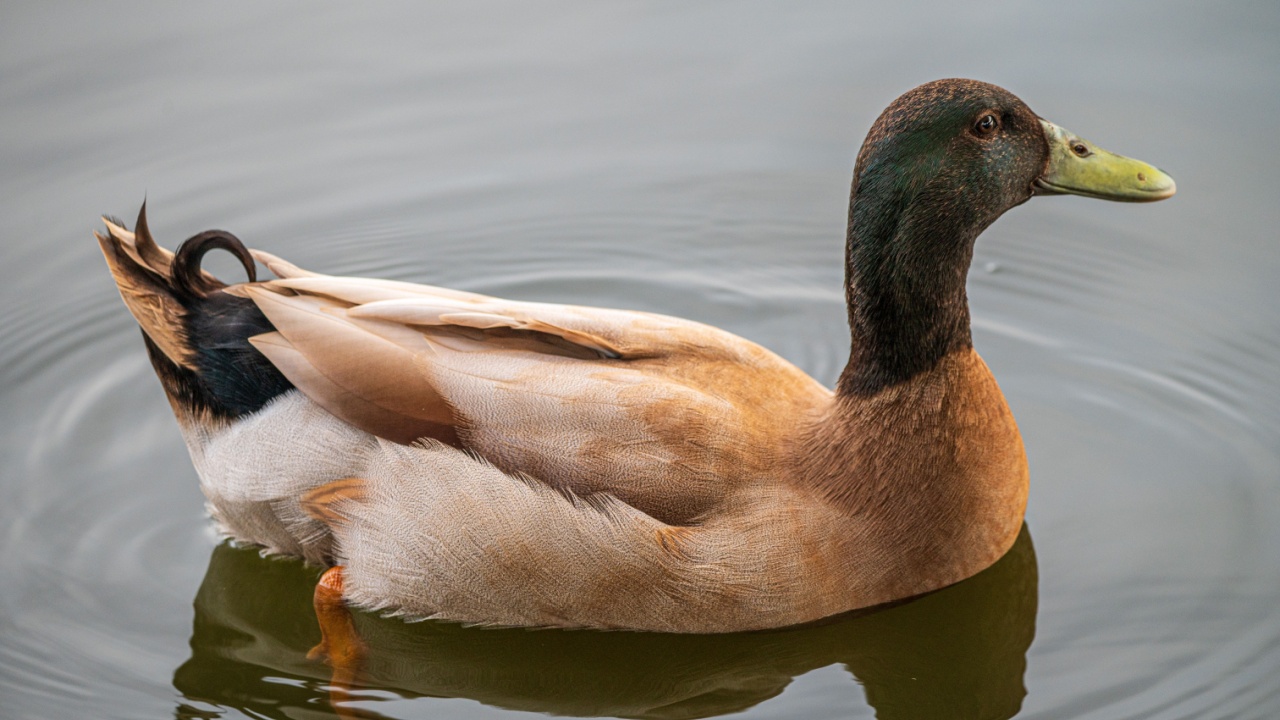
If you’re looking for peak egg production, Khaki Campbell ducks are a standout choice. These hardworking birds can lay more than 300 eggs annually and operate efficiently even without advanced care.
They forage actively and remain consistent layers through winter, making them an asset to any farm. Their calm temperament and weatherproof feathers mean they require less maintenance than chickens.
14. Button Quail
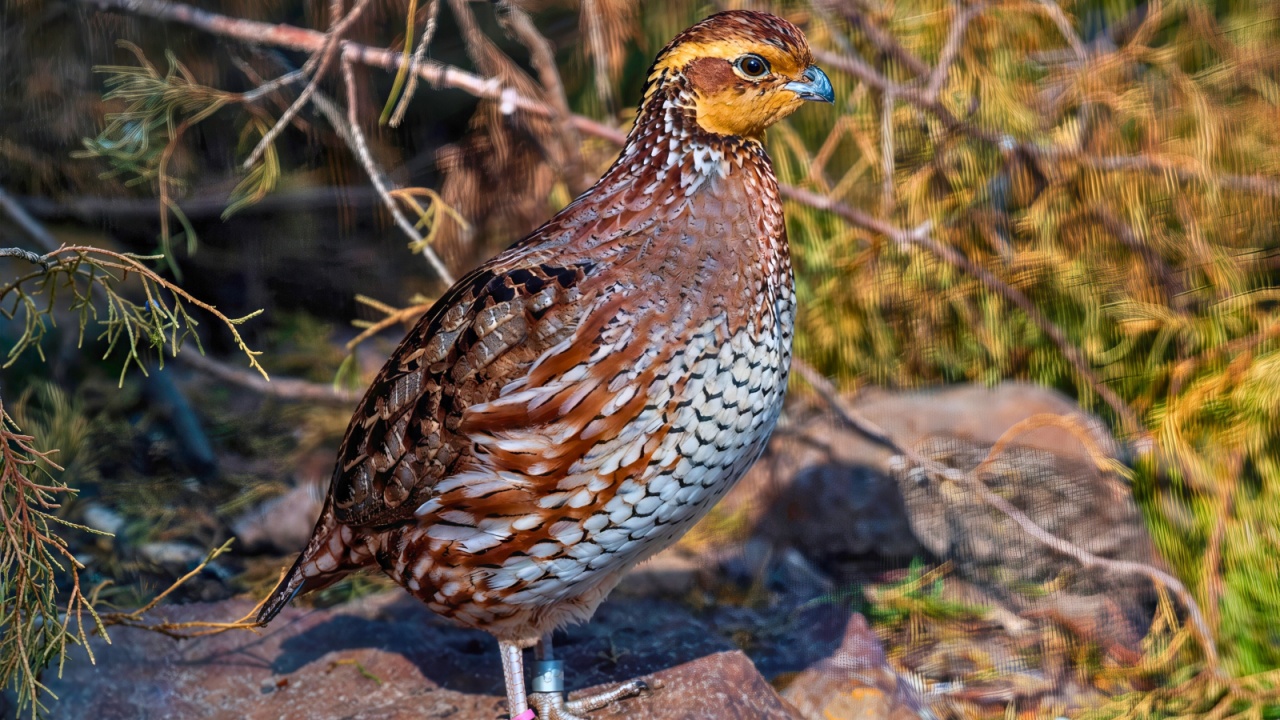
These miniature birds pack poultry potential into the tiniest package. About the size of a sparrow, button quail can be raised in small cages without requiring much space, feed, or equipment.
They’re quiet, productive, and charming, producing small but nutritious eggs. Button quail are ideal for renters with little room to spare.
15. Tilapia

Aquaculture is not just for professionals—tilapia are among the easiest fish to raise. They thrive in backyard ponds or tanks and can survive in imperfect water conditions.
Vegetarian by nature, tilapia can be fed on simple plant diets, minimizing expenses. They reproduce quickly, making them a great source of sustainable meat for homesteaders.
16. Bantam Chickens
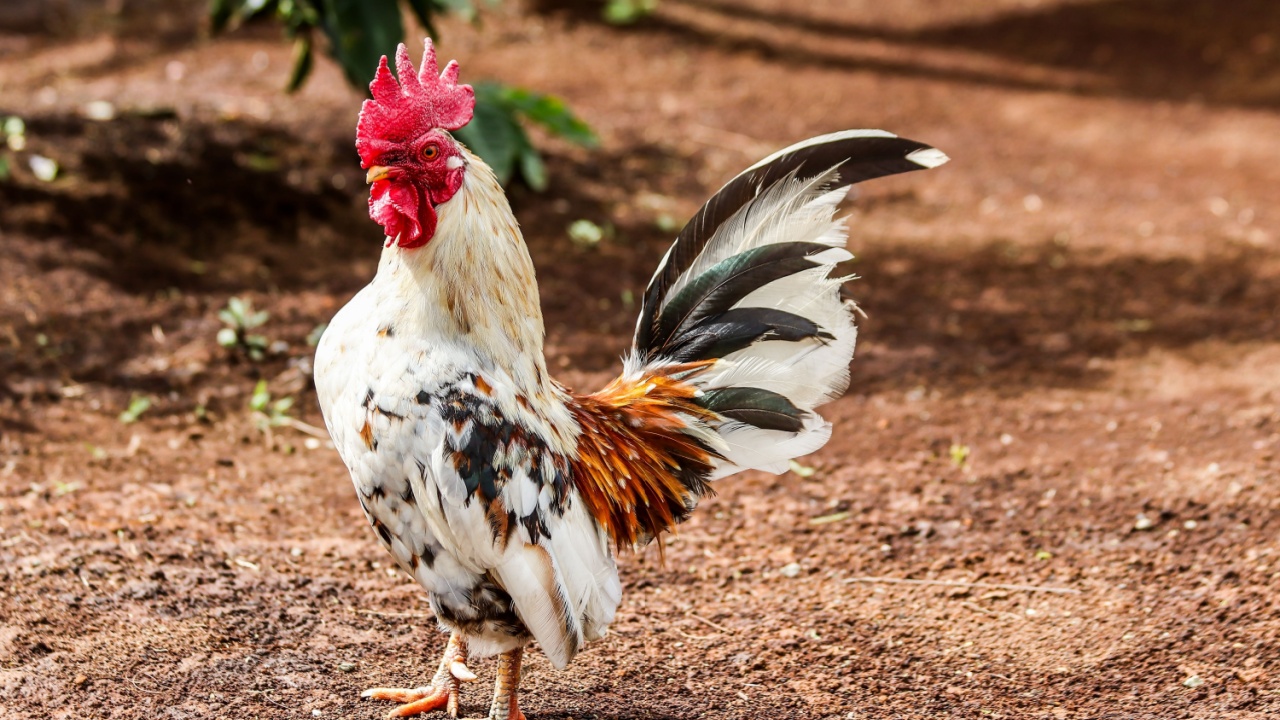
These smaller versions of standard chickens are perfect if your space is limited. They consume half the feed of regular chickens but still produce eggs while offering lively, playful personalities.
Bantam hens are excellent at raising their chicks, eliminating the need for incubators. Thanks to their petite size, they also share living spaces comfortably with other small animals like rabbits.
17. Geese
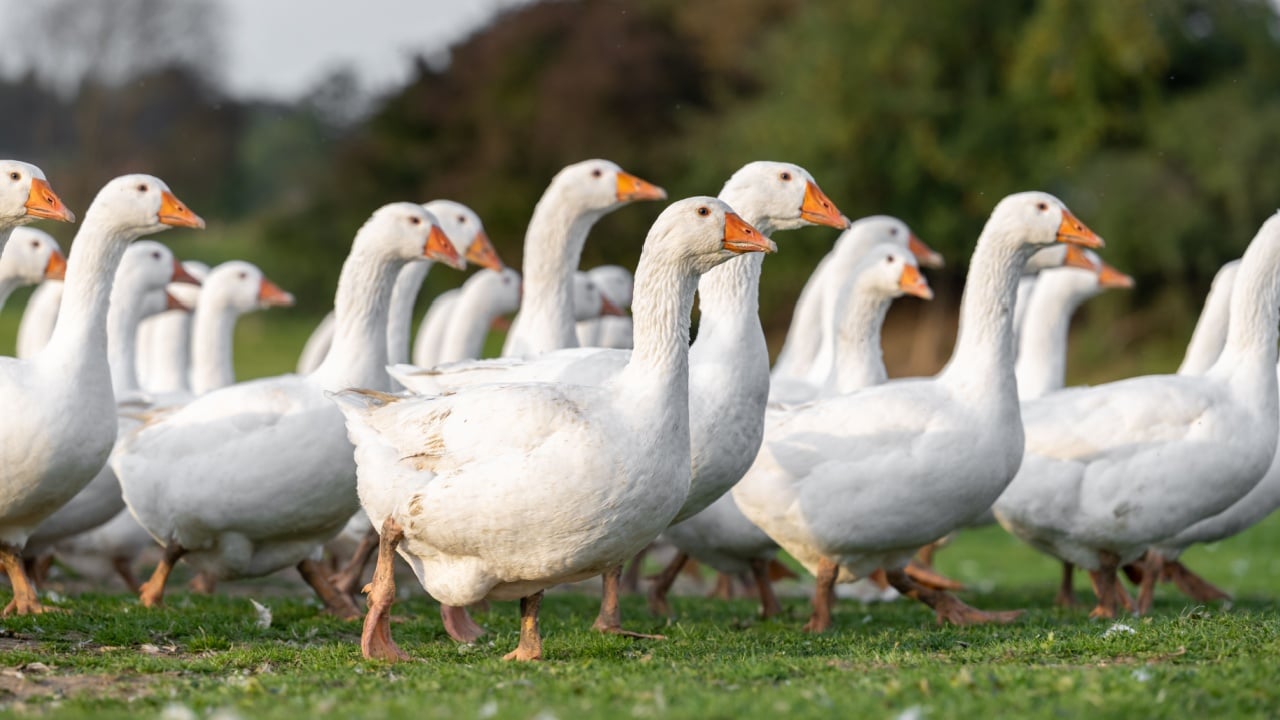
Geese are often overlooked but are ideal for beginners. They thrive on a simple diet of grass and grain and act as natural weeders for gardens or orchards.
With sturdy bodies and minimal health concerns, geese require little maintenance beyond food, water, and shelter. Their protective nature also helps keep smaller animals safe from predators.
A note: They can be aggressive and be a nuisance with large droppings.
Which Animals Are Right for Your Space?
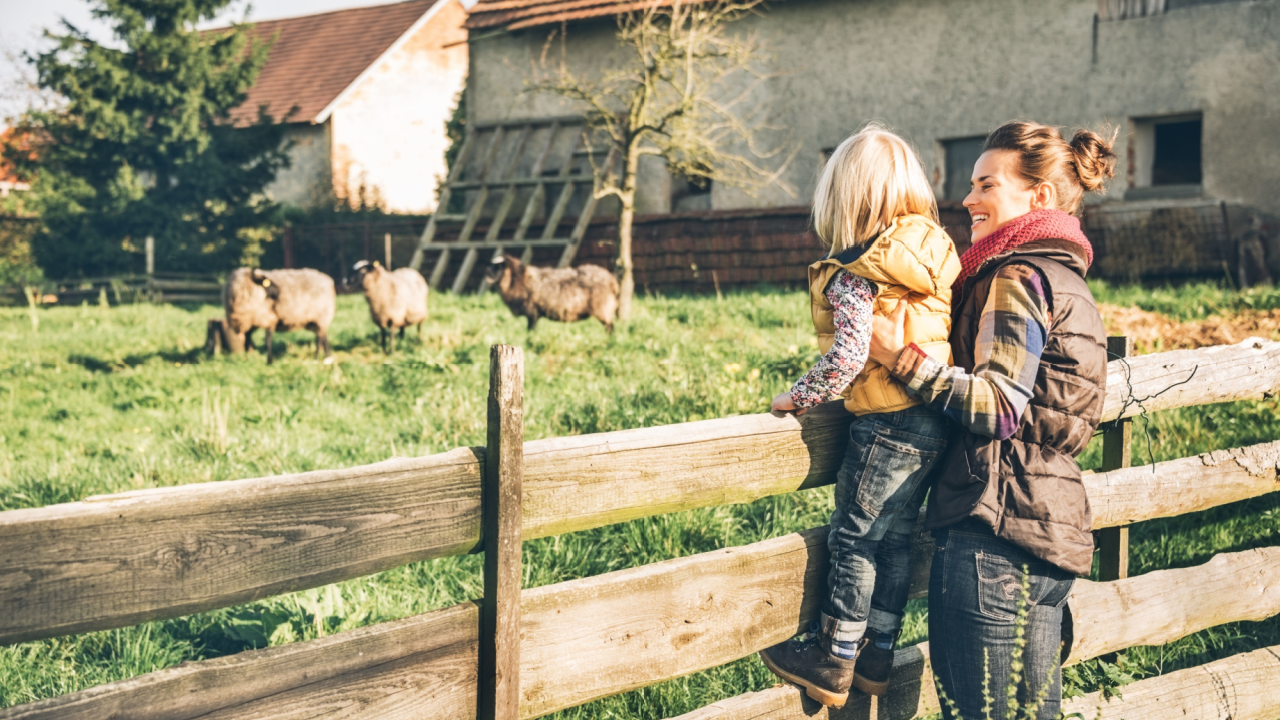
Homesteading doesn’t have to mean exhausting chores or sprawling farmland. By choosing low-maintenance animals suited for small spaces, you can enjoy sustainable living with limited hassle.
Whether you’re dreaming of eggs, milk, meat, or even fiber, these animals make homesteading accessible for beginners or anyone managing modest plots. Start small, and watch your micro farm become a thriving, rewarding haven!
Read more
Looking for Animals? These 10 Practically Take Care of Themselves