No Need for Spendy Seedlings: 12 Plants That Are Easier to Grow From Seed
Walking into a garden center is exciting; you’re surrounded by rows of green plants just waiting to go home with you. It’s easy to load up on pre-grown plants for that instant garden vibe, but for some types, starting from seeds is actually the better choice.
Some plants don’t like their roots disturbed, and others grow so fast that transplanting doesn’t really save time. Starting seeds in the ground often leads to stronger, more resilient plants since their roots grow deep without interruption. Plus, seed packets are way cheaper than buying a bunch of seedlings.
If you want an easier, more affordable garden, here are 15 plants perfect for direct sowing!.
1. Bush’s Poppy Mallow

With its bright pink cup-shaped flowers, this beautiful ground cover grows a long, deep root that helps it survive dry spells. While this taproot makes the plant tough in a drought, it also means it hates being moved. Transplanting a seedling can easily damage the root, shocking the plant or stopping its growth.
Grow Tip: The seeds have a hard shell. To help them sprout faster, you can gently scuff them with sandpaper or soak them in hot water overnight before planting. Plant them in a sunny area where the soil drains well.
2. Beans (Bush and Pole)
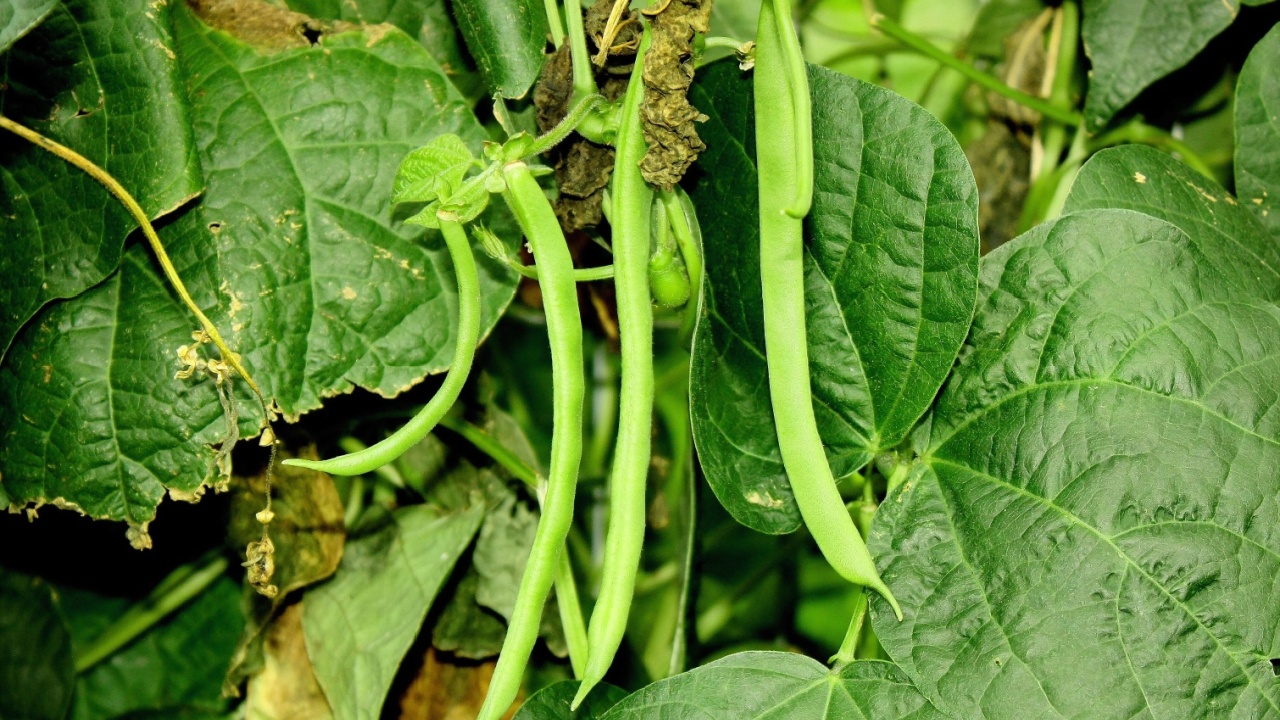
Beans are famous for growing quickly. They can sprout in just 7 to 10 days in warm soil and are usually ready to pick in about two months. Their roots are shallow and delicate, so moving them can cause a major setback, which defeats the purpose of buying a starter plant. Beans planted directly in the garden are usually stronger and give you more to harvest.
Grow Tip: Make sure the last frost has passed and the soil is warm (at least 60°F). Plant the seeds 1 inch deep. If you’re growing pole beans, set up your trellis before you plant so you don’t mess with the roots later.
3. Corn
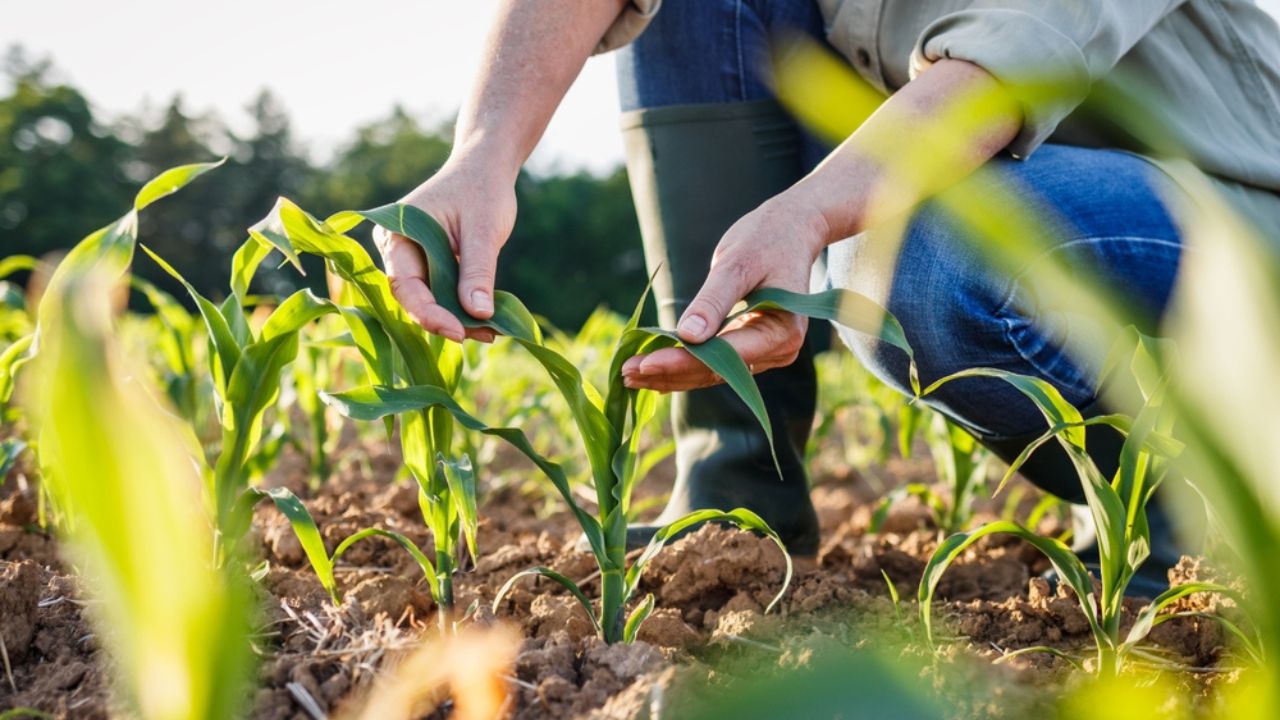
Corn needs a strong root system to keep its tall stalks from falling over in the wind. When you move a corn seedling, you disturb these roots, which can make the plant weak and unstable.
Plus, corn grows really fast. A seed planted right in warm soil will often grow bigger and stronger than a transplanted seedling because it doesn’t have to deal with the stress of being moved.
Grow Tip: Plant your corn in a block (like a 4×4 grid) instead of one long row. Corn plants pollinate each other with the help of the wind, and this block formation helps the pollen reach other plants to create full ears of corn.
4. Pumpkins
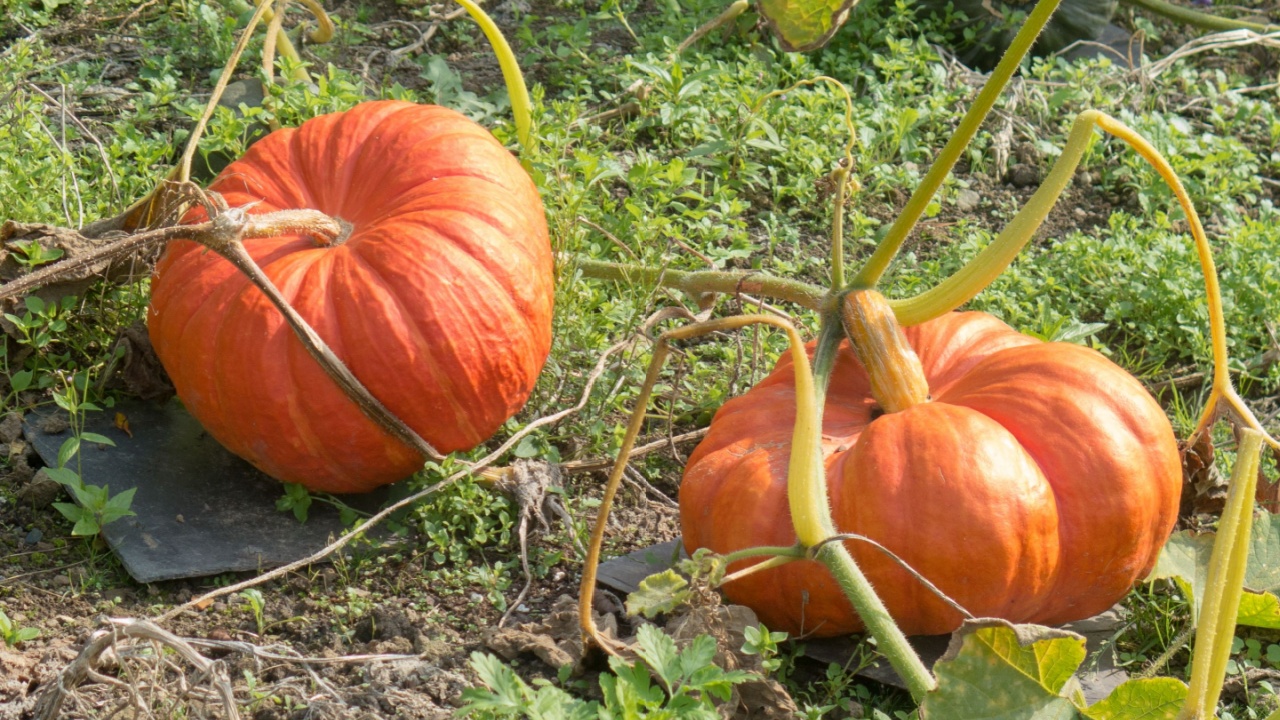
Like many members of the cucurbit family, pumpkins have sensitive roots that dislike being handled. While you can start them in biodegradable pots, direct sowing is generally safer and results in more vigorous vines.
Pumpkins are heavy feeders and drinkers, and a direct-sown plant establishes a deep root network faster, allowing it to access moisture and nutrients more effectively.
Grow Tip: Create small mounds of soil (“hills”) about 3 feet apart. The elevated soil warms up faster in the spring and improves drainage, giving your seeds the perfect environment to sprout.
5. Carrots
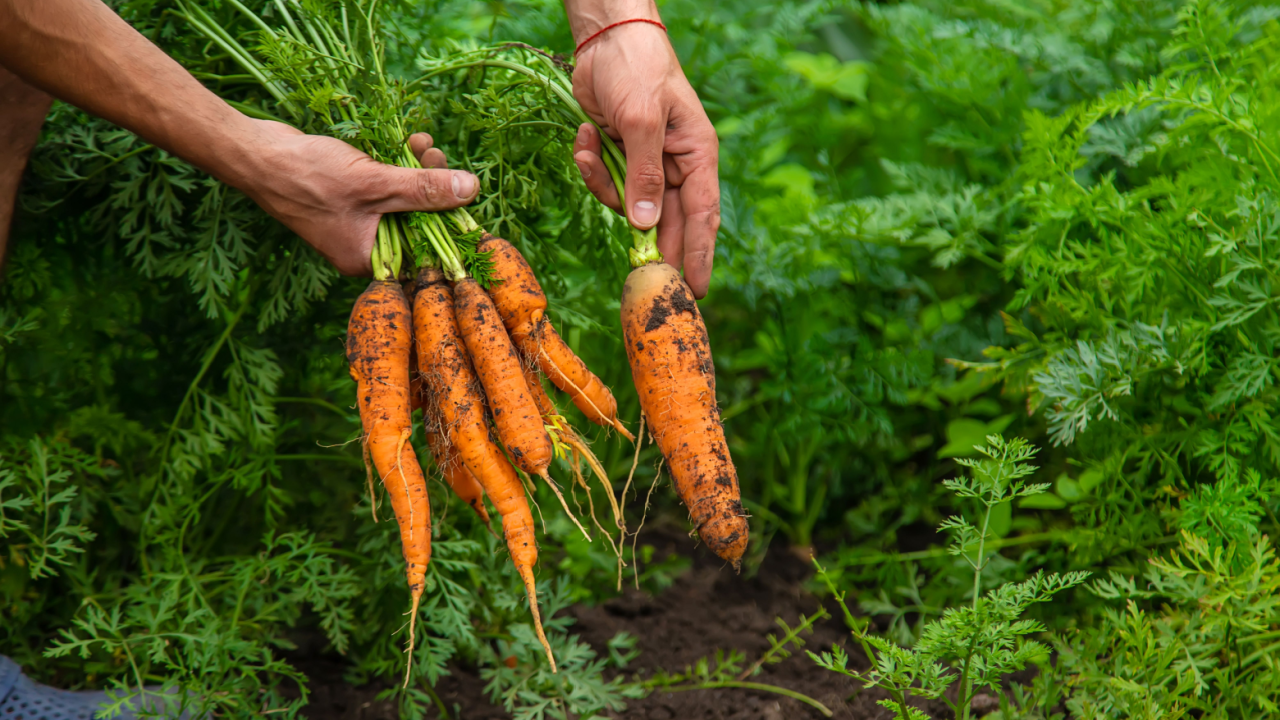
Carrots are the poster child for direct sowing. The part you eat is the taproot itself. If you transplant a carrot seedling, that taproot almost inevitably hits the bottom of the pot or gets bent during the move.
This trauma causes the carrot to fork, twist, or become stunted. For straight, grocery-store-quality carrots, the seed must sprout exactly where it will mature.
Grow Tip: Carrot seeds are tiny and need constant moisture to germinate, which can take up to 3 weeks. Cover the seeded area with a wooden board or a piece of burlap to retain moisture, checking daily until you see green shoots.
6. Beets
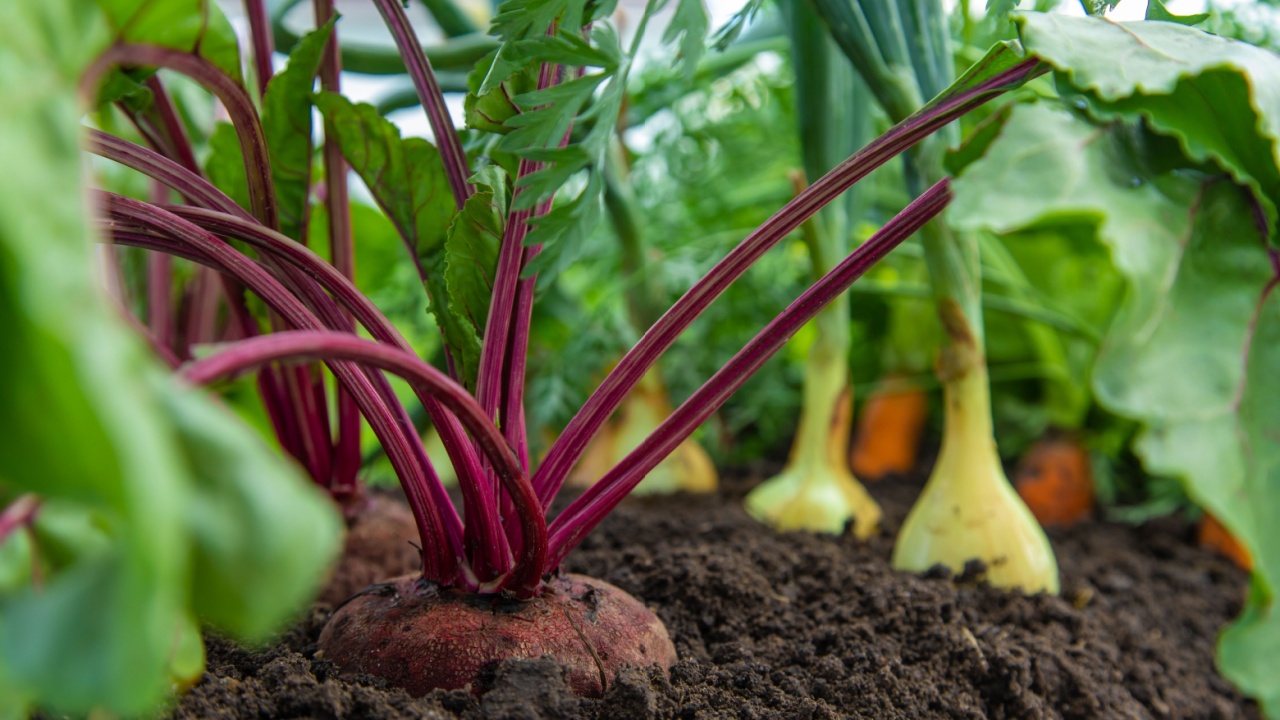
Like carrots, beets don’t like to be moved. While they’re a little tougher than carrots, transplanting can still damage their taproot. This can lead to hairy, weirdly-shaped beets or cause the plant to go to seed too early. For the best results, grow them from seed in their final spot.
Grow Tip: Each beet “seed” is actually a cluster of seeds, so you’ll need to thin them out after they sprout. Snip the extras with scissors instead of pulling to avoid disturbing the roots of the beet you want to keep.
7. Sunflowers
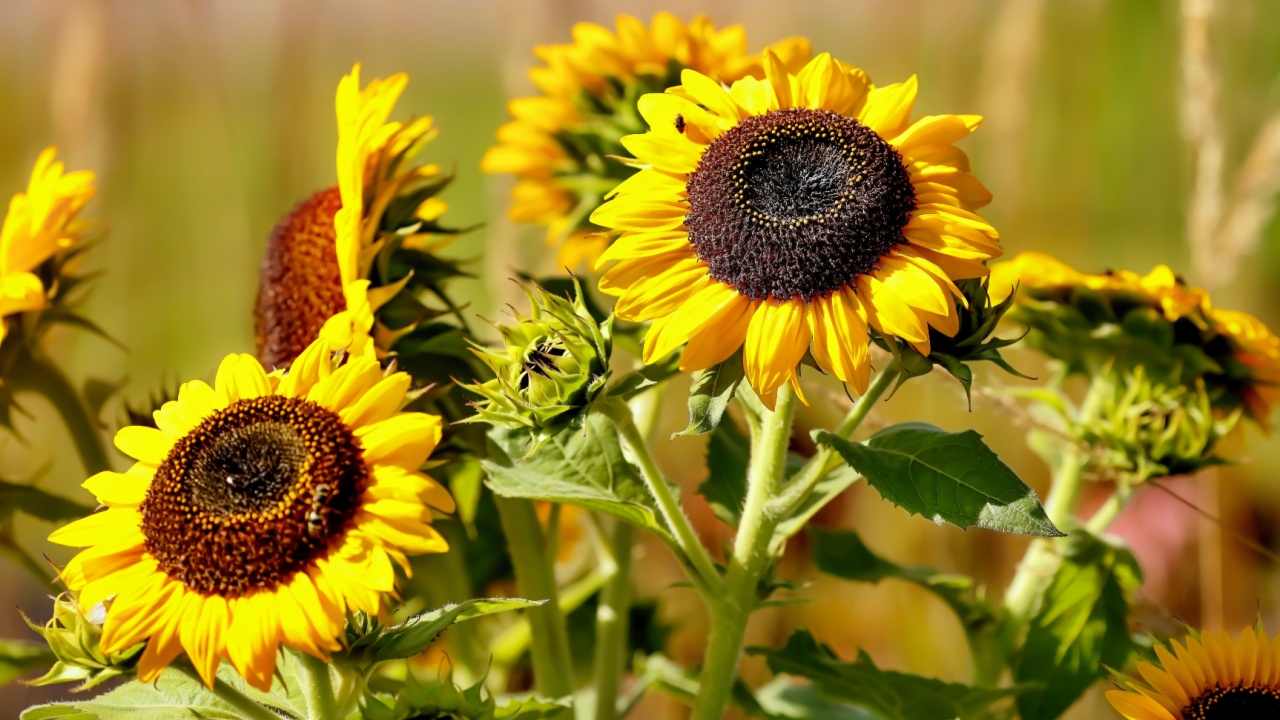
Sunflowers have one big main root, called a taproot, that helps hold up their tall stalks. Some can grow over 10 feet! If you start them in a pot, the root can get tangled up, and the sunflower won’t grow as tall or strong as it could. Planting seeds right in the garden lets the root grow straight down, giving the tall flower a strong base.
Grow Tip: Protect your baby sunflowers! Birds and squirrels love to eat the seeds and new sprouts. You can cover them with a light cloth or some wire mesh until they’re a few inches tall.
8. Peas

Peas are a cool-season crop that thrives in the chilly days of early spring. They germinate well in soil temperatures as low as 40°F. Because their window for optimal growth is short before the summer heat arrives, any setback from transplant shock can significantly reduce your harvest.
Direct sowing allows them to take advantage of cool soil moisture immediately without interruption.
Grow Tip: For a faster start, soak your pea seeds in water for 12 to 24 hours before planting. This softens the seed coat and encourages quicker germination.
9. Lettuce and Leafy Greens
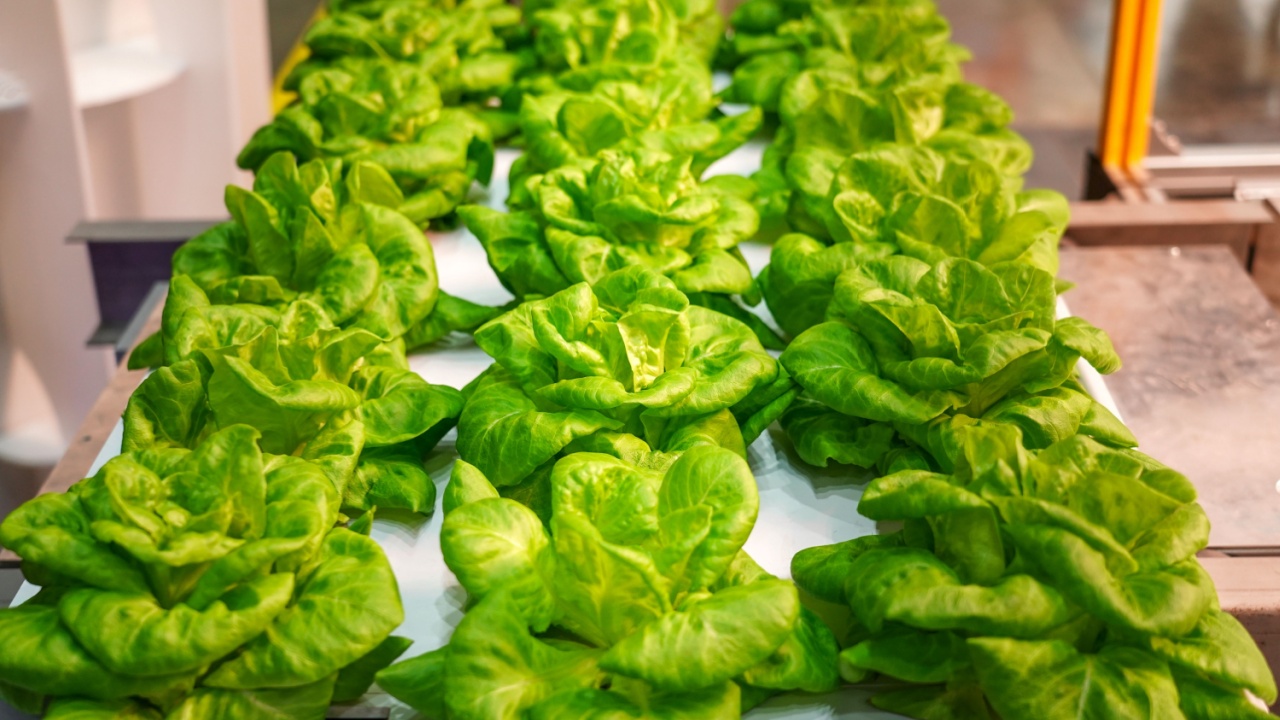
Lettuce, spinach, and arugula grow so rapidly that starting them indoors is usually a waste of resources. A lettuce plant can go from seed to baby-leaf harvest in just 30 days.
Furthermore, transplanting can trigger these cool-weather lovers to bolt (flower and turn bitter) if they experience stress. Direct sowing keeps them calm and productive.
Grow Tip: Don’t bury the seeds too deep. Lettuce seeds need light to germinate, so just barely press them into the soil surface or cover them with a dusting of fine vermiculite.
10. Nasturtiums
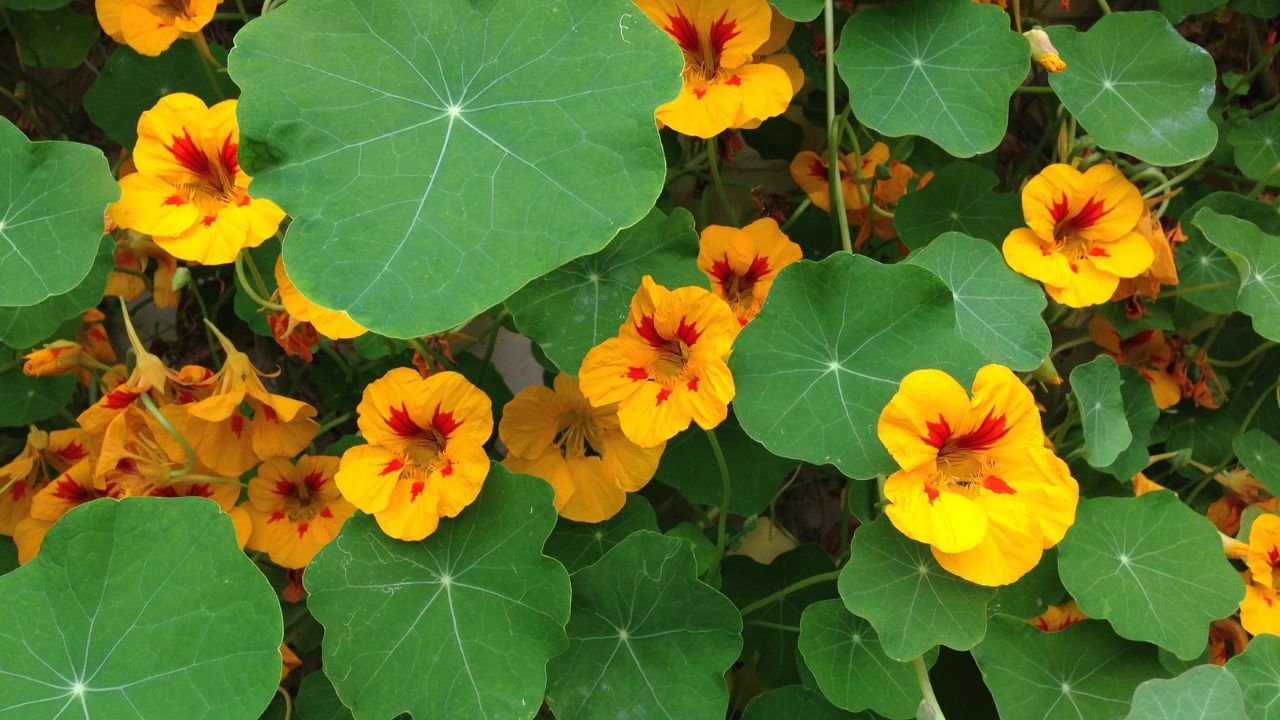
These cheerful flowers are famous for thriving on neglect. In fact, rich soil and pampering often result in lots of leafy green growth but very few flowers. They have fragile, fleshy stems that snap easily during transplanting.
Since the seeds are large (about the size of a pea) and easy to handle, they are perfect for beginner gardeners to poke directly into the ground.
Grow Tip: Before planting, nick the hard seed coat with a file or soak the seeds overnight. This simple step can significantly improve germination rates.
11. Winecup (Purple Poppy Mallow)

Like its cousin, the Bush’s Poppy Mallow, the Winecup is a drought-tolerant native wildflower with a deep taproot. This root makes established plants incredibly tough, capable of surviving hot, dry summers with zero supplemental water.
However, it also means you get exactly one shot to plant it. Once that root starts growing, it does not want to move.
Grow Tip: These seeds need cold stratification to mimic winter conditions. Mix seeds with moist sand and keep them in the refrigerator for a month before planting out in spring.
12. Eastern Red Columbine

This native beauty is a favorite of hummingbirds but is notoriously finicky about having its roots disturbed. While you can find them in nurseries, they often struggle to establish after planting.
Growing them from seed allows them to adapt to your specific soil conditions from day one. They are also prolific self-seeders, meaning once you get them established, they will do the work for you in future years.
Grow Tip: These seeds need light to germinate. Scatter them on the soil surface in late fall and let the winter snow and rain work them into the soil naturally for spring blooms.
Turn Your Garden Into a Seed Sanctuary
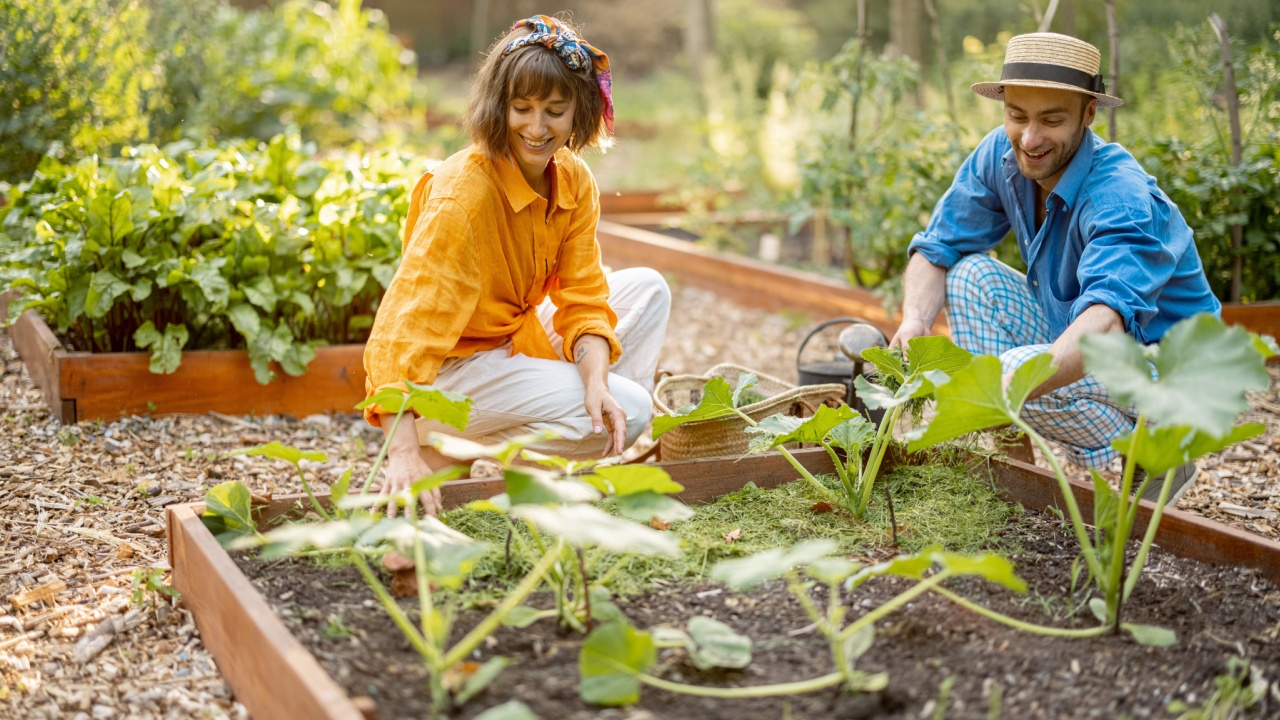
Choosing to sow seeds directly isn’t just about saving money; it’s about working with the plant’s natural biology to get the best possible results. You’ll get stronger roots, healthier growth, and often a bigger harvest.
Grab a few packets of the varieties listed above and designate a sunny patch of soil for your experiments. You might find that the most robust plants in your garden this year are the ones that started right there in the dirt.