6 Smart Ways to Save Money on Garden Seeds
Gardening often starts with a dreamy vision of lush tomatoes and cascading flowers, only to hit a wall when you check the price of seed packets (or entire plants if you waited too long to get started). It is surprisingly easy to spend a small fortune on tiny envelopes of potential. Luckily, you can still fill your backyard with greenery without spending too much if you know exactly what to look for.
This guide breaks down six practical strategies to help you stretch your dollar while still getting high-quality seeds.
1. Compare Open-Pollinated to Hybrid Seeds
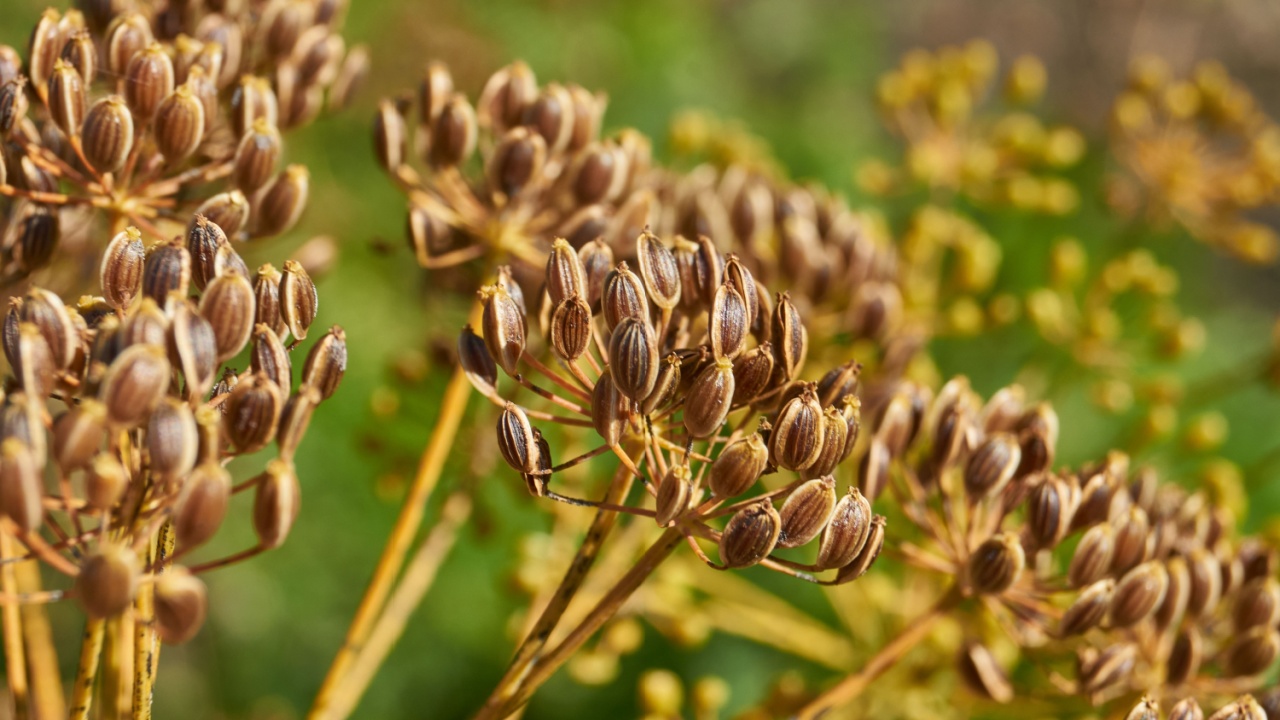
The great debate in the seed aisle usually lands on open-pollinated versus hybrid varieties. Understanding the difference saves money in the long run. Open-pollinated seeds come from plants that are pollinated naturally by insects, wind, or birds. The resulting offspring look very much like the parent plant. This is significant because you can save seeds from these plants at the end of the season and plant them next year for free. It is a one-time purchase that keeps on giving.
Hybrid seeds, often labeled F1, are created by cross-pollinating two specific varieties to get desired traits like disease resistance or higher yields. While they perform well, their seeds often do not grow true to type if you save them. You might get a strange, unrecognizable vegetable or nothing at all. If you want to stop buying seeds every single spring, open-pollinated or heirloom varieties offer a much better return on investment.
2. Check Seed Counts and Freshness

A packet priced at two dollars might seem like a steal compared to one priced at four dollars until you check the weight. One brand might give you 20 seeds while another gives you 200 for just a slightly higher price. Always look at the seed count or net weight printed on the packet to calculate the actual cost per seed.
Freshness matters just as much as quantity. Seeds are living organisms with an expiration date. Old inventory might be discounted, but if only half of them sprout, you have not actually saved any money. Check the “packed for” year stamped on the envelope. If you are buying clearance seeds from a previous year, sow them heavily to compensate for lower germination rates. It avoids the frustration of staring at bare soil weeks after planting.
3. Buy from Reputable Sources
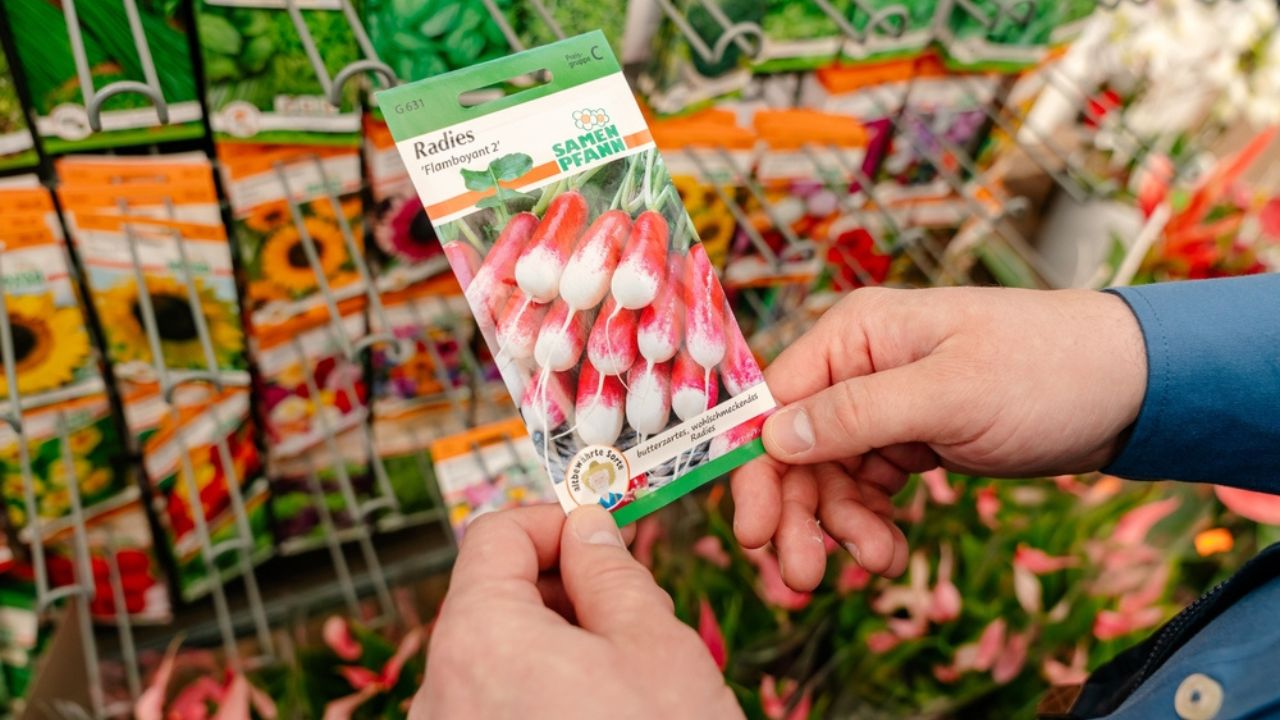
It is tempting to grab random packets from a dollar store rack or a sketchy online listing promising rainbow-colored roses. Those bargains often end in disappointment. Poorly sourced seeds may have low germination rates, carry diseases, or grow into something completely different from what the label claimed.
Established seed companies stake their reputation on quality. They test germination rates regularly and ensure their stock is disease-free. Many reliable companies also offer bulk options or “gardener’s choice” mixes that provide a lot of seeds for a lower price. Spending a little more upfront for reliable genetics prevents wasted time, fertilizer, and water on plants that were doomed to fail from the start.
4. Learn Seed Packet Lingo

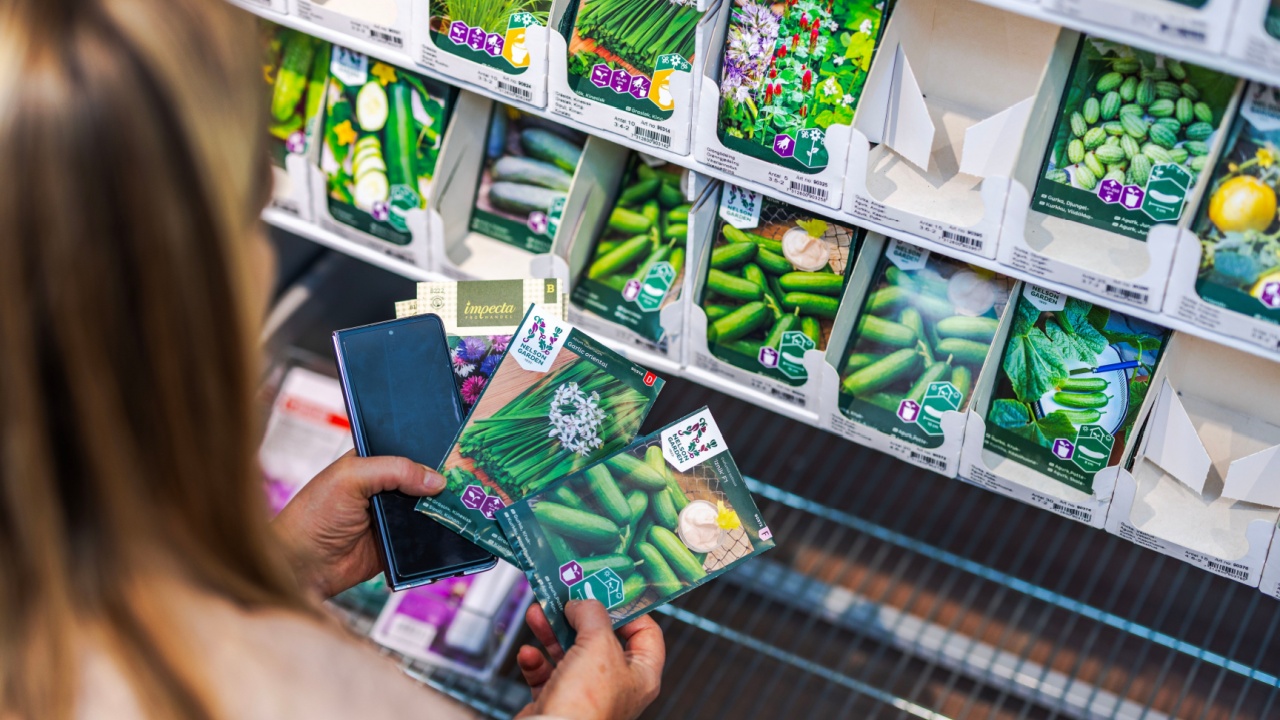
Seed packets are covered in terms that can feel like a secret code. Decoding them helps you avoid buying the wrong thing. Look for terms like “drought-tolerant” or “disease-resistant.” These traits mean the plant is tough and less likely to die on you, saving you the cost of replacements.
Pay attention to “days to maturity.” This number tells you how long it takes from planting to harvest. If you live in a region with a short summer, buying a melon that needs 120 hot days is a waste of cash because the frost will kill it before you get a single fruit. Matching the plant’s timeline to your local weather maximizes your harvest and minimizes waste.
5. Seek Top-Performing Varieties

Some plant varieties are simply more robust than others. Instead of buying the newest, trendy release that costs double, stick to All-America Selections (AAS) winners or varieties known for vigorous growth. These plants have been tested across different climates and proven to perform well.
High-yielding varieties are another budget-friendly strategy. A single zucchini plant often produces more squash than a family can eat, whereas a single cauliflower plant yields just one head. Prioritize crops that produce continuously throughout the season, like pole beans, chard, or indeterminate tomatoes. You get more food from a single seed, which drastically lowers your grocery bill.
6. Keep Your Growing Conditions in Mind
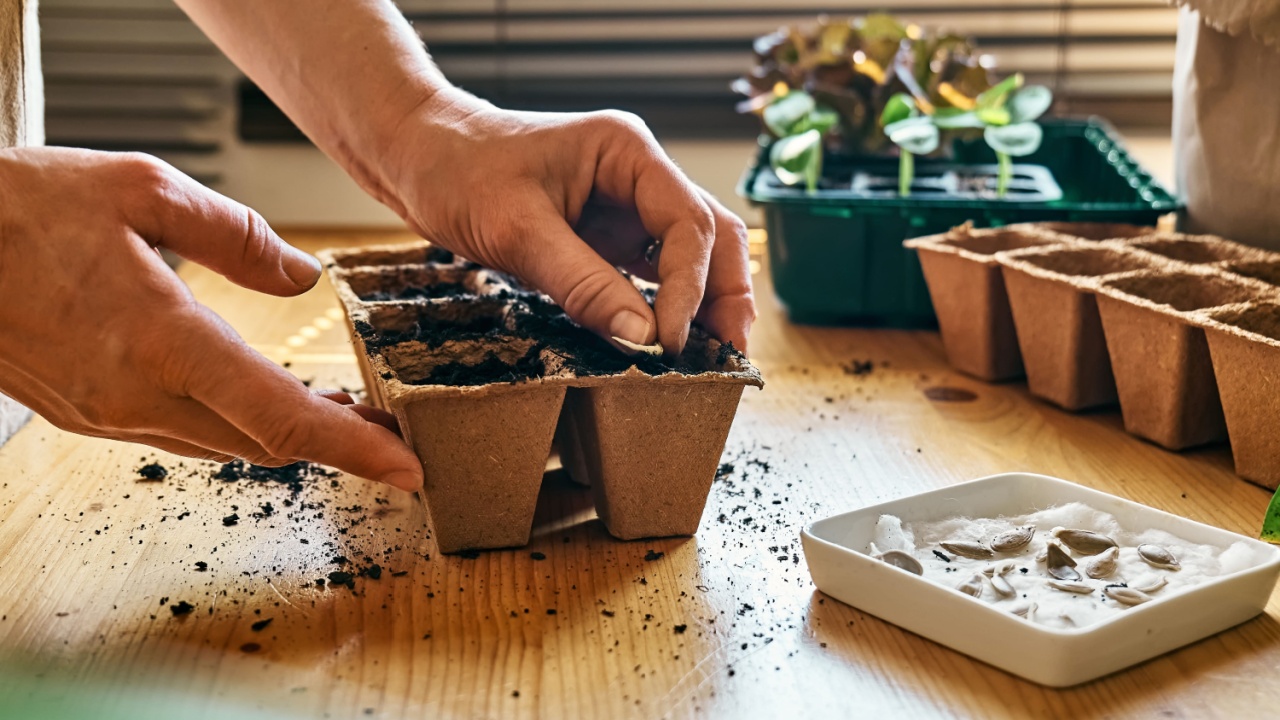
Buying seeds for plants that hate your soil or light conditions is literally throwing money into the dirt. If your garden is mostly shady, those sun-loving pepper seeds will struggle and likely fail. If your soil is heavy clay, delicate carrots might turn into stubby, twisted roots.
Analyze your space honestly before you shop. Note how many hours of direct sunlight your plot gets, and know your USDA hardiness zone. Choosing native plants or varieties adapted to your specific region reduces the need for expensive soil amendments and pest control. Plants that are happy in their environment grow better and produce more with less babying.
Budget Gardening Made Easy
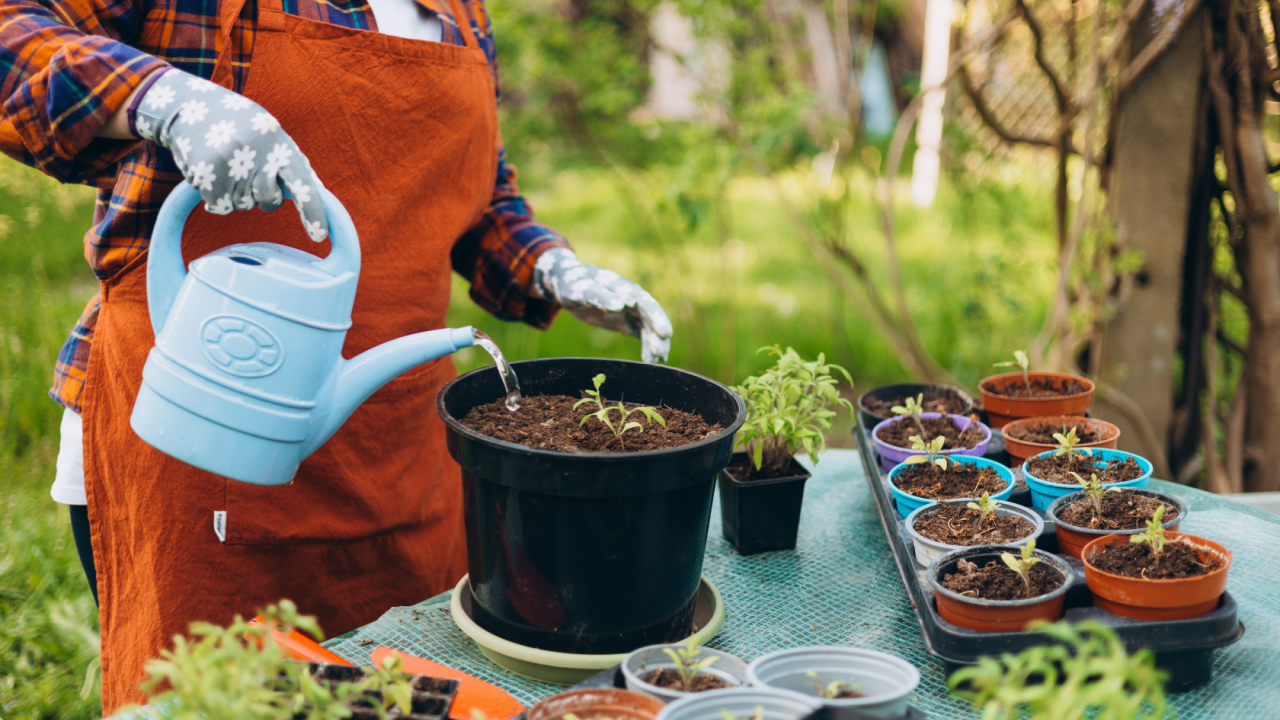
Saving money on seeds comes down to smart shopping and honest observation. When you pay attention to seed quantity, variety, and plant needs, your garden is off to a good start before you’ve even grabbed a trowel.
A handy tip: keep a notebook handy for your empty seed packets and a few quick notes on each plant’s performance. This becomes a personalized guide that helps you spend wisely and skip the varieties that flopped in your own backyard. Grow what works, enjoy your harvest, and let each season teach you something new for an even better garden next year.