New Jersey Town Urges Homeowners To Stop Bagging Grass Clippings This Summer
A New Jersey township is encouraging homeowners to stop bagging grass clippings after every mow and leave the right clippings on the lawn instead.
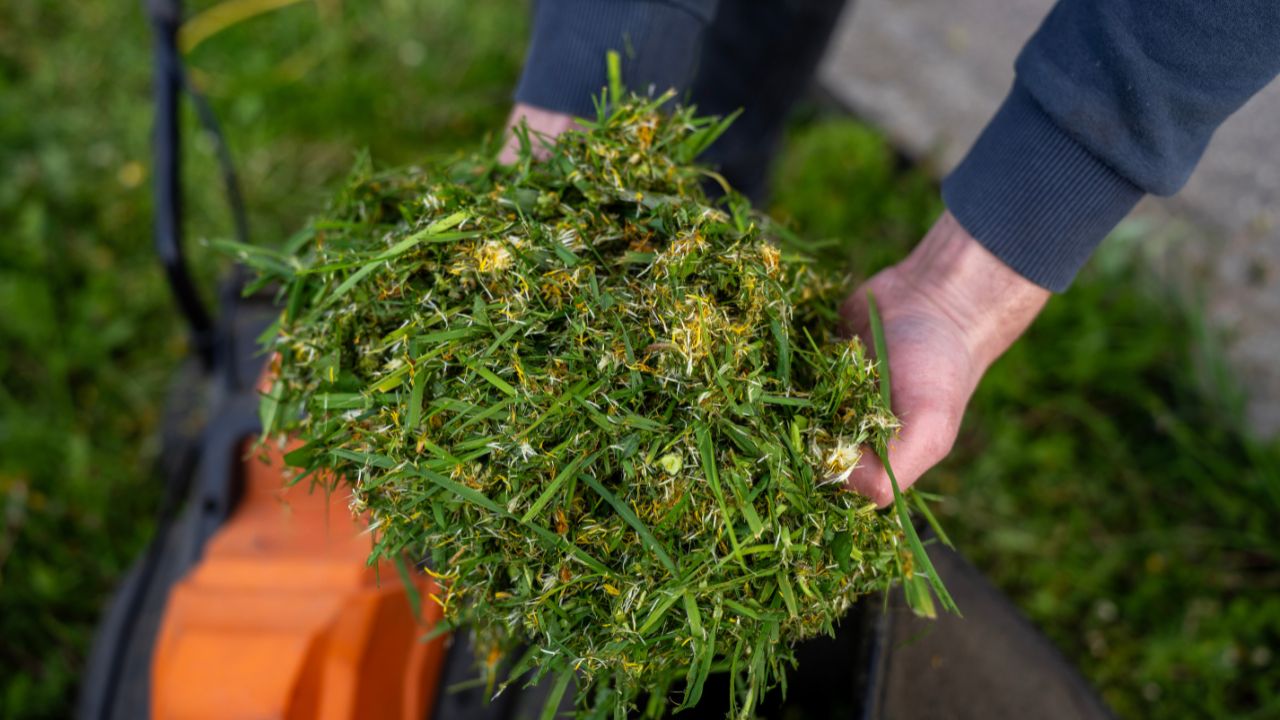
The Township of Livingston is promoting “grasscycling,” a lawn-care habit that lets short grass clippings decompose where they fall instead of sending them into the yard-waste stream. Patch reported the township’s push on June 16, during peak mowing season for many homeowners.
Mow correctly, leave short clippings behind, and let the lawn recycle some of what it already grew. The township says clippings decompose quickly and return nutrients to the soil.
Grasscycling can cut down on bagging, reduce the need for yard-waste bags, shorten mowing time, and help homeowners avoid hauling heavy clippings to the curb week after week.
It works best when grass is dry, mower blades are sharp, and the lawn is cut often enough that clippings are short instead of thick, wet, and clumped on top of the turf.
Livingston Wants Residents To Leave Short Clippings Behind
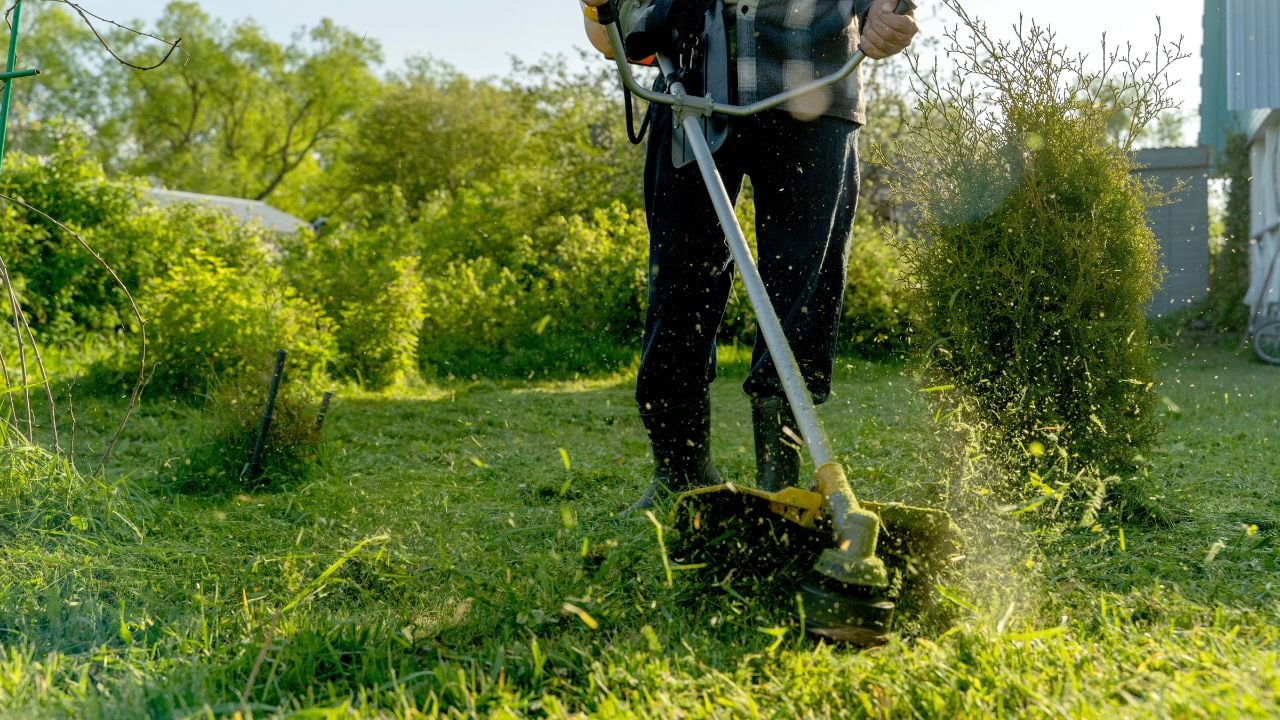
The Township of Livingston describes grasscycling as the natural recycling of grass by leaving clippings on the lawn after mowing. Those clippings break down and return nutrients to the soil instead of becoming another bag of yard waste.
Livingston says grasscycling can save residents 20% to 25% of mowing time because they do not have to stop and empty a mower bag. It can also reduce spending on yard-waste bags and give the lawn a small nutrient return with each proper cut.
The goal is to leave short, fine clippings that fall back through the grass, not wet mats that sit on the surface.
The One-Third Rule Keeps Clippings From Becoming Clumps
The most important mowing rule is to cut before the grass gets too tall. Livingston tells residents to follow the one-third rule, which means mowing often enough that no more than one-third of the grass blade is removed in one mowing.
Rutgers New Jersey Agricultural Experiment Station gives similar guidance for home lawns. Rutgers says mowing frequency should be based on the lawn’s growth rate and that homeowners should remove no more than one-third of the leaf height in a single mowing.
Short clippings disappear into the turf more easily. Thick piles can block light, trap moisture, and smother grass underneath, especially after rain, travel, or a missed mowing week.
A Mulching Mower Helps, But It Is Not Required
Livingston says many newer mowers are mulching mowers, but residents do not necessarily need a special mower to grasscycle. A mulching blade or adapter can help a conventional mower chop clippings into finer pieces so they settle back into the lawn more easily.
Rutgers says a dull mower blade shreds grass leaves, weakens turf, turns leaf tips brown, and may increase the severity of some foliar turfgrass diseases.
That makes grasscycling harder when the mower is not maintained. Ragged grass plus wet clippings can leave a lawn looking messy, even when the basic idea of leaving clippings behind is sound.
Grass Clippings Do Not Automatically Cause Thatch
One common homeowner worry is that leaving clippings on the lawn will create thatch. Rutgers says that is a misconception. Returning clippings to the lawn recycles nutrients and reduces waste, and it does not contribute to thatch accumulation.
Thatch is more closely tied to dense organic material such as roots and rhizomes near the soil surface. Rutgers says a lawn with more than a half-inch of thatch can benefit from dethatching in the fall, and too much thatch can be a sign of excessive nitrogen fertilization or watering.
Rutgers warns that heavy clipping yield may need to be removed or spread out when mowing has been delayed so large clumps do not accumulate on the lawn surface.
Missed Mowing Can Still Be Fixed
Livingston gives homeowners several options when grass gets too tall after rain, travel, or a missed mowing week. One option is to mow the top third of the grass every two days until the lawn reaches the desired height.
Heavy clippings can also be moved into a garden as mulch, mixed into soil, or added to compost. That keeps the material useful without leaving piles on top of the turf.
The worst move is cutting a tall, wet lawn short in one pass and leaving thick clumps behind. That can make the yard look rough and stress the grass during hot weather.
Watering Rules Still Matter After Mowing
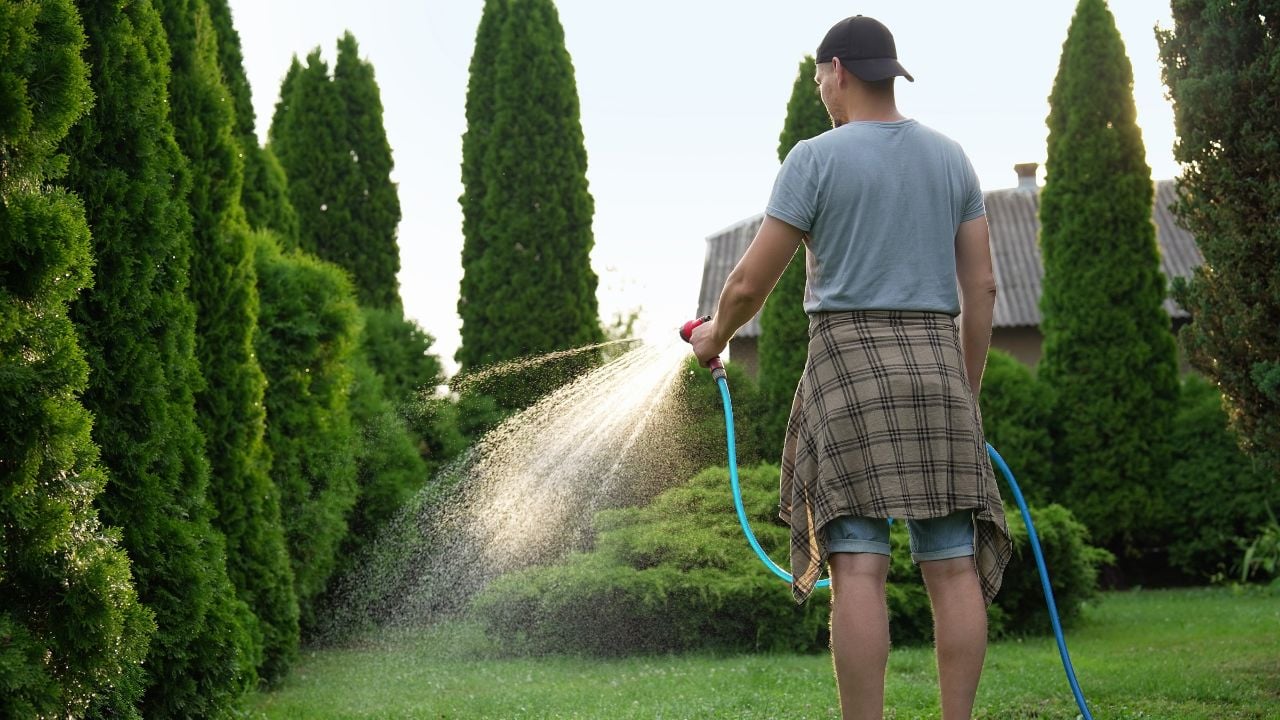
Livingston also reminds residents to water in the early morning or late evening to reduce evaporation and to water infrequently enough that grass can develop stronger roots.
The township’s current lawn-watering rules limit most lawn watering to three days per week. Even-numbered addresses may water on Tuesday, Thursday, and Saturday. Odd-numbered addresses may water on Wednesday, Friday, and Sunday.
For hose or hose-end sprinkler watering, Livingston allows watering between 6 p.m. and 9 a.m. on the permitted days, with a maximum of 30 minutes per lawn section per day. Automatic conventional irrigation systems are limited to midnight through 9 a.m. on the allowed days, with separate time limits for rotary and mist sprinkler zones.
Properties with registered WaterSense-certified smart controllers are exempt from the three-day-per-week restriction, but the controller must be registered with the township and programmed to irrigate between midnight and 9 a.m.
Homeowners outside Livingston should treat that as a local example, not a national rule. Many cities, water districts, and HOAs have their own watering schedules, especially during summer heat or drought conditions.