5 Plants You Should Never Grow Next to Corn
The corn earworm and the tomato fruitworm are the same insect, just feeding on two different crops. If you plant tomatoes next to corn, you’ve essentially built a buffet table for one of the most destructive garden pests in North America. That single mistake can collapse both harvests at once, and most home gardeners have no idea it’s happening.
What you plant next to corn is one of the highest-leverage decisions that you can make in a vegetable garden. Corn is a heavy feeder that strips nitrogen from the soil, towers over everything nearby, and draws pests that will happily spread to other crops if given the opportunity. The wrong neighbors amplify all three problems. The right ones solve them, sometimes in ways that have been refined over thousands of years.
With corn planting season arriving across most of the country in the coming weeks, here is a clear guide to what not to grow next to corn, and what to plant alongside corn for the best yield possible.
1. Tomatoes
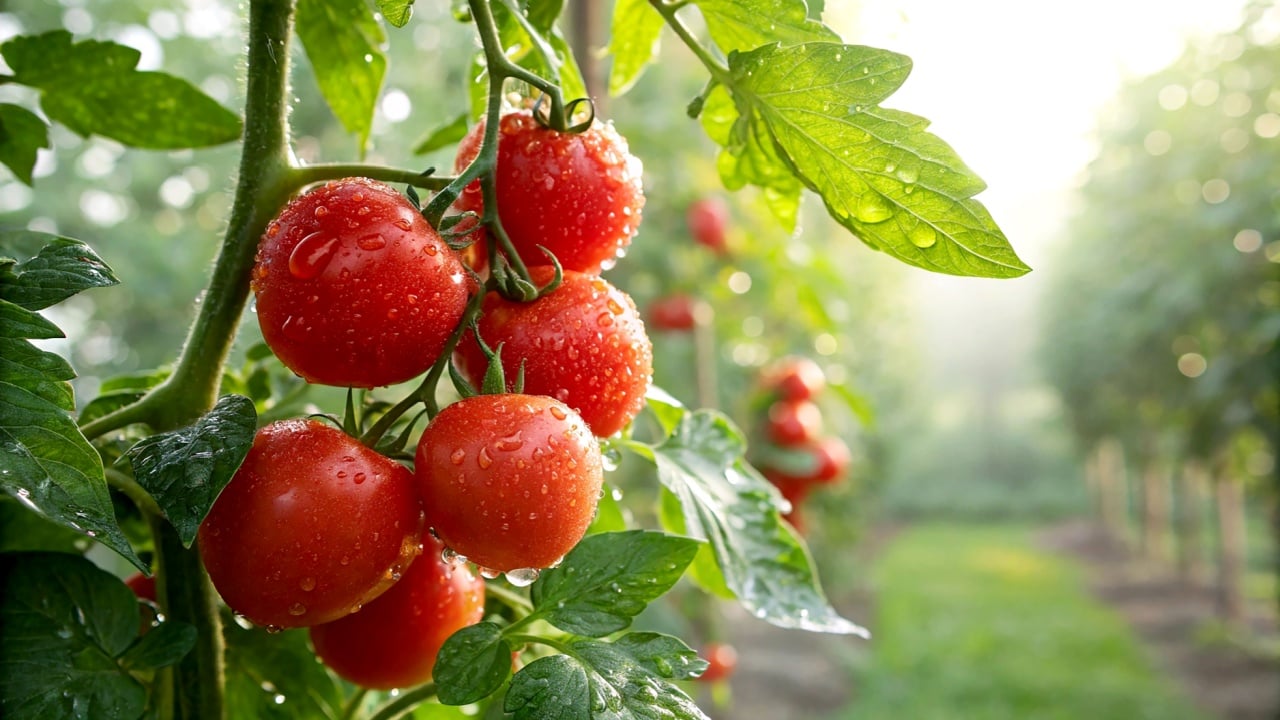
Corn and tomatoes are two of the most common and most costly companion planting mistakes home gardeners make. Clemson Extension horticulture agent Stephanie Turner, quoted by Southern Living, explains it bluntly in Southern Living: “The corn earworm and the tomato fruit worm are actually the same insect (Helicoverpa zea), called by different common names.”
Growing them side by side concentrates pest pressure on both crops simultaneously and makes infestations nearly impossible to contain. Beyond the shared pest, both are heavy feeders competing for the same nutrients and sunlight.
2. Eggplant
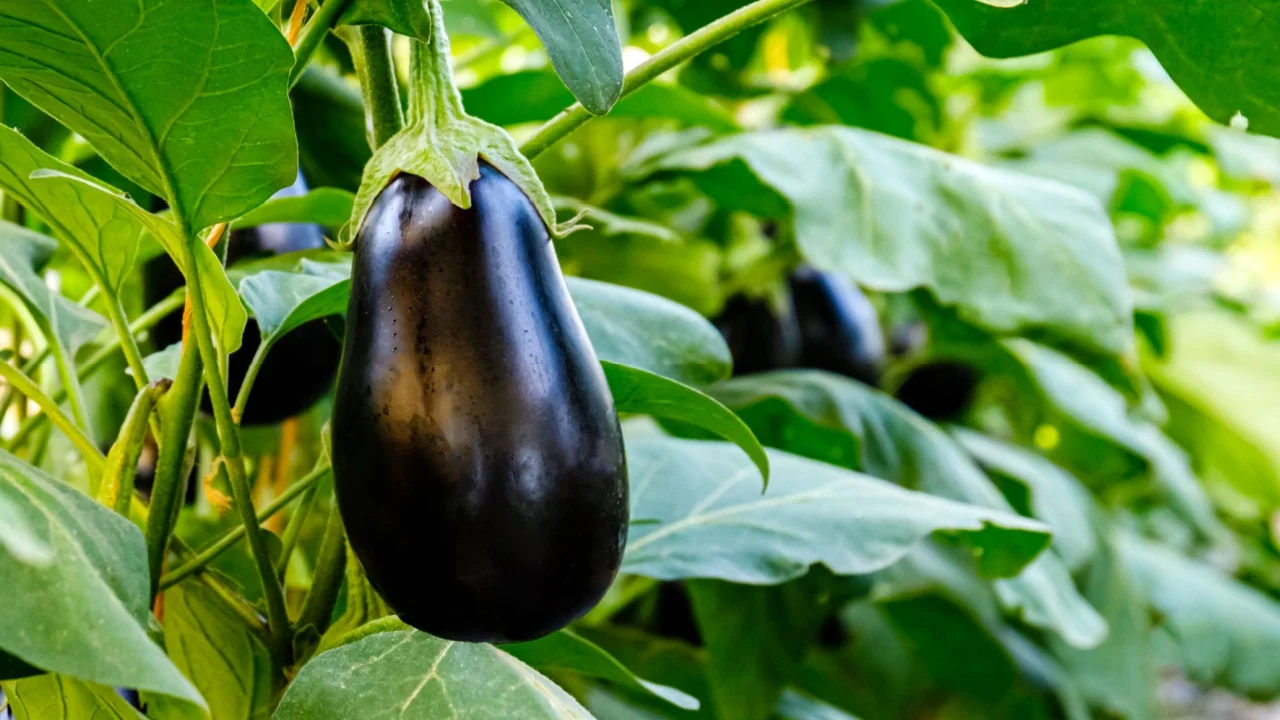
Eggplant falls into the same pest pipeline as tomatoes. According to Mariah Henry, director of urban agriculture at Carolina Farm Trust, quoted by Martha Stewart, eggplant “attracts tomato hornworms and competes for nutrients and sunlight.”
Paired with corn, it doubles the insect load without offering any compensating benefit.
3. Brassicas (cabbage, broccoli, kale, Brussels sprouts, kohlrabi)
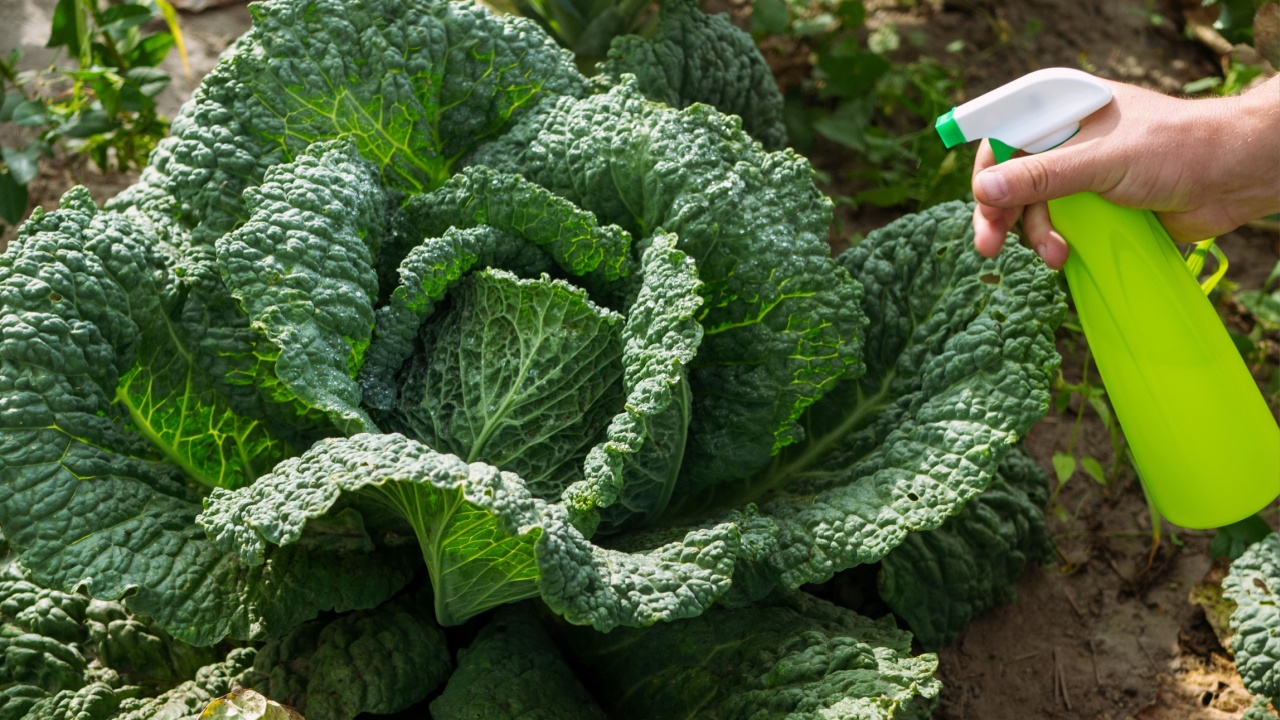
The cabbage family is one of gardening’s great nitrogen hogs, and corn needs all the nitrogen it can get. Josh Marr, lead farmer at Farmscape, notes via Martha Stewart that corn can grow five to twelve feet tall, creating heavy shade. Brassicas require full sun to thrive, and that shade, combined with direct nutrient competition, leaves both crops stunted.
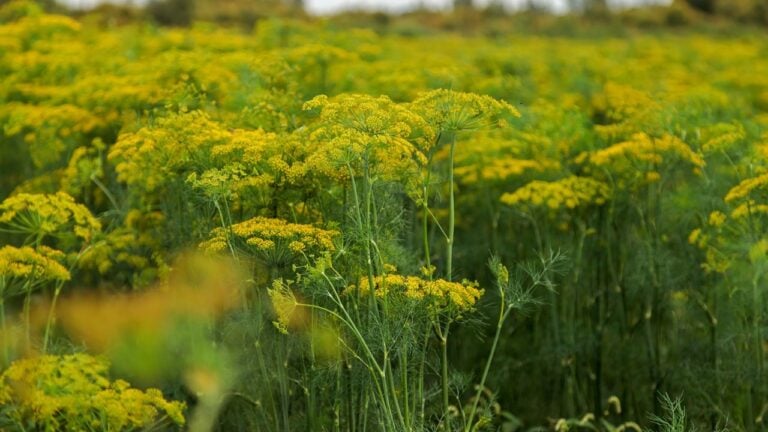
4. Fennel
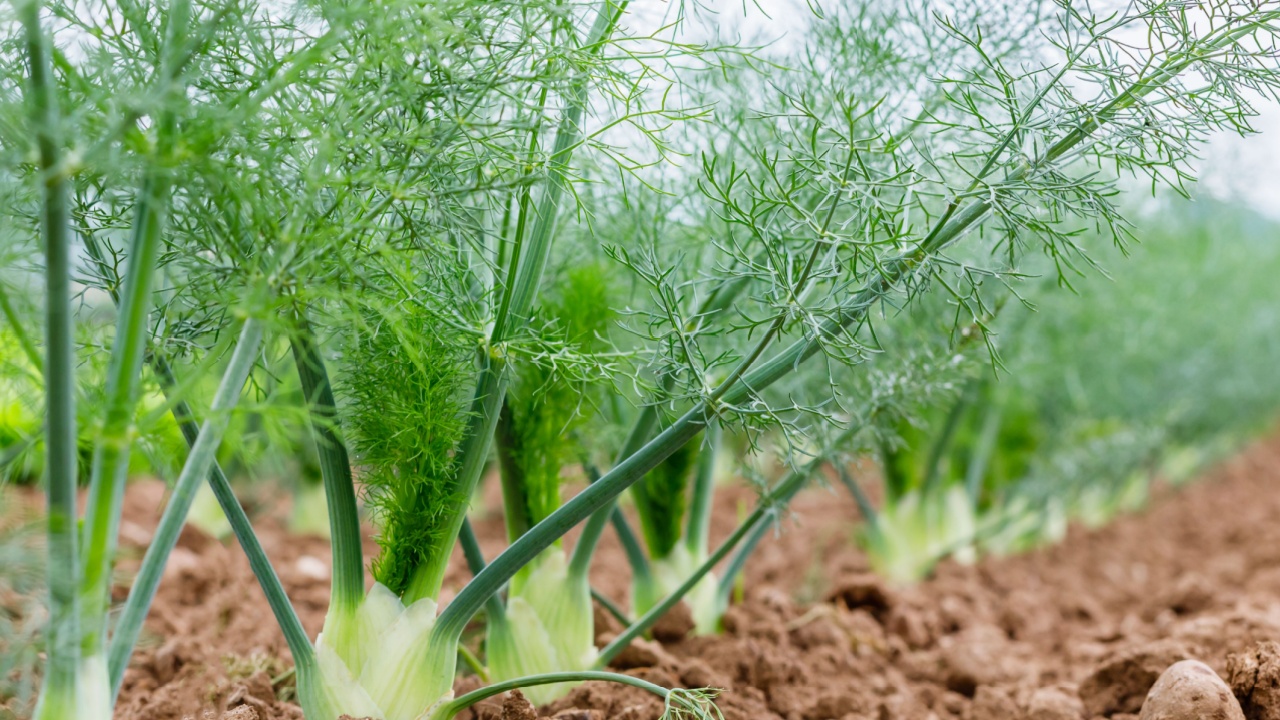
Fennel is allelopathic, meaning its roots release chemical compounds that inhibit the germination and growth of most other plants. It is a poor garden companion to virtually everything, and corn is no exception. Most horticultural experts recommend keeping fennel entirely isolated from the vegetable garden.
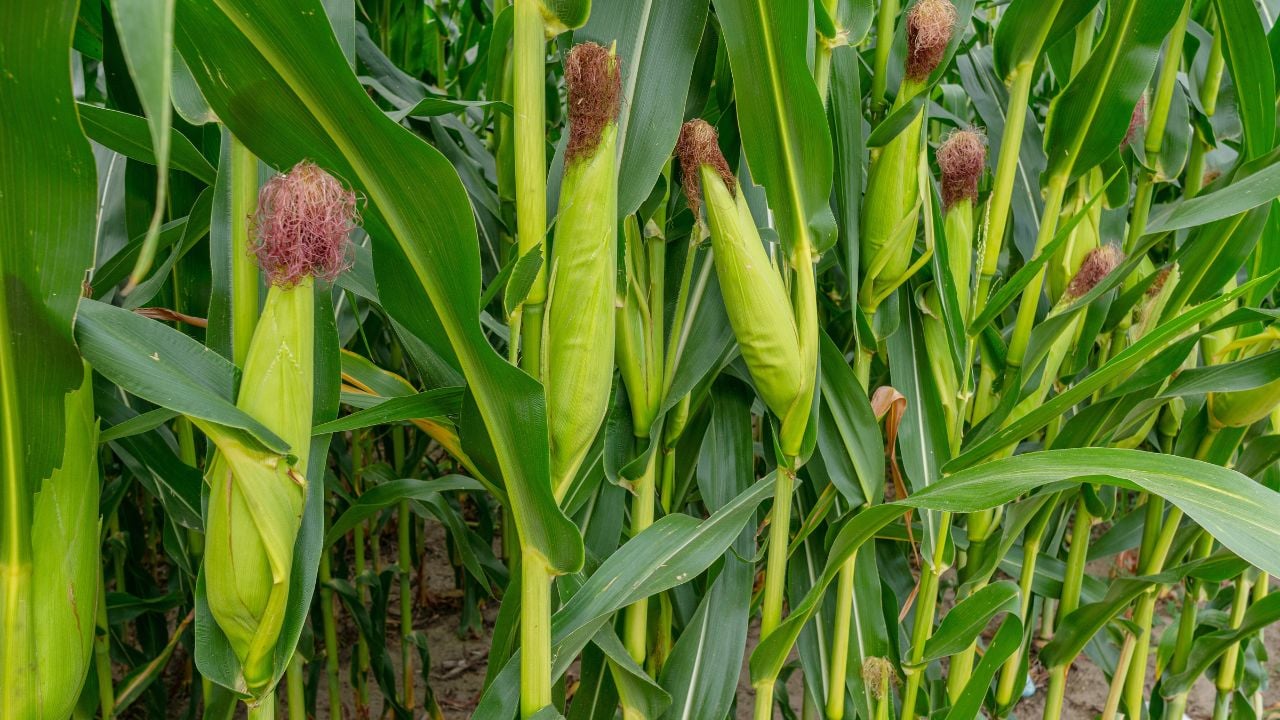
5. Other Corn Varieties Planted Too Close
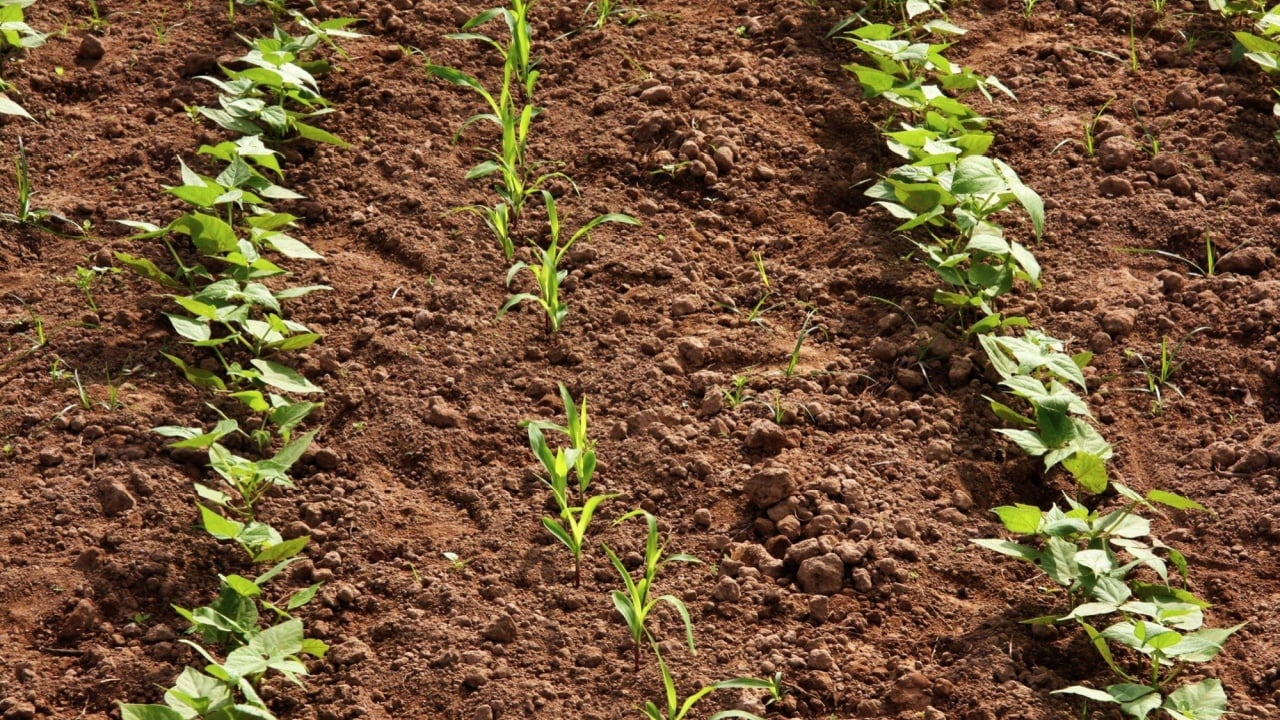
Because corn is wind-pollinated, planting different varieties nearby causes cross-pollination that corrupts kernel quality. Stephanie Turner of Clemson Extension advises, via Southern Living, that sweet corn should be kept at least 400 yards from traditional varieties, and never planted near popcorn, flint, or dent corn.
Try The Three Sisters Instead
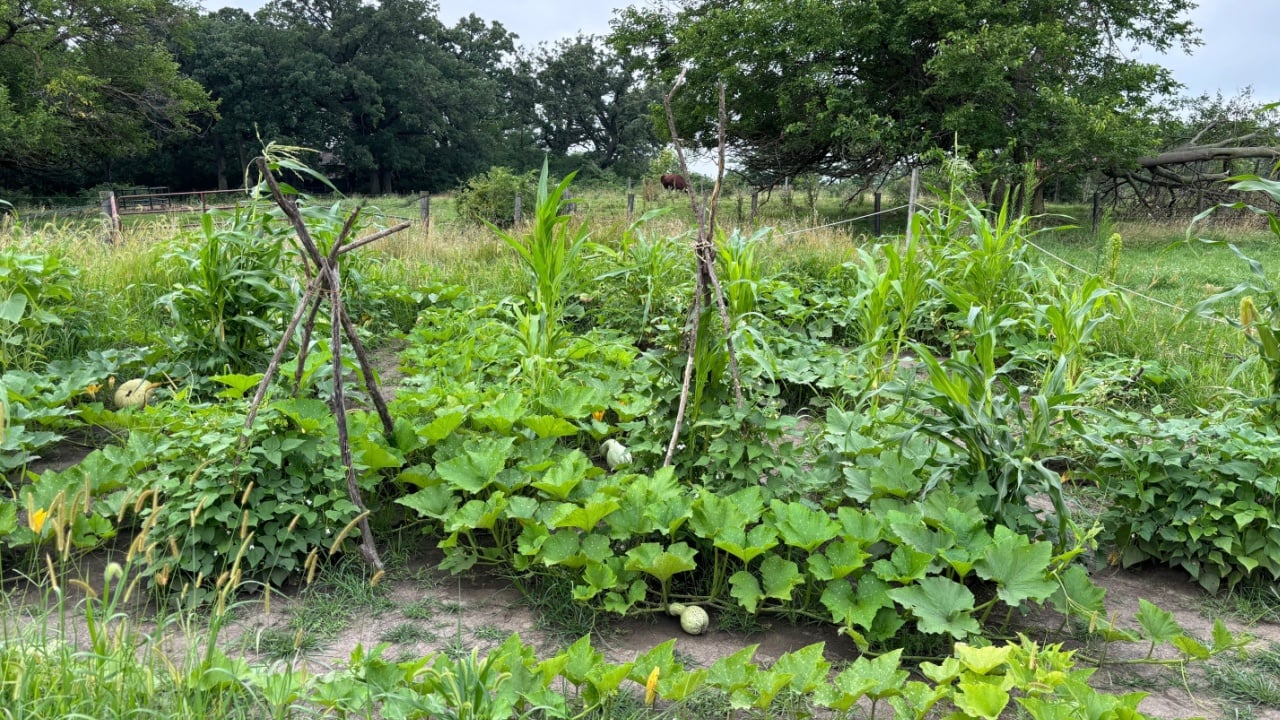
Before there were gardening books, before there were extension services, before there were synthetic fertilizers, Indigenous peoples across North America had already worked out the most productive companion planting system ever documented. They called it the Three Sisters: corn, beans, and squash.
According to the USDA National Agricultural Library, the Three Sisters system was practiced for centuries before European contact, with the Haudenosaunee (Iroquois) nations among its earliest recorded practitioners. The corn provides a natural trellis for climbing beans. The beans host rhizobia bacteria on their roots, fixing atmospheric nitrogen directly into the soil and replenishing what the corn strips away. The squash sprawls outward, shading the soil with its broad leaves to suppress weeds, retain moisture, and keep roots cool during summer heat.
A peer-reviewed study published in PMC (National Institutes of Health) found that the Three Sisters intercropping system yields more energy and more protein per acre than any monoculture planted in the same area, including corn grown alone. The system is not just charming or traditional. It outperforms.
Gardeners attempt the Three Sisters every spring, and many are disappointed. The reason, consistently, is sunlight. The system was designed for wide spacing in bright, open fields. In a small backyard garden with tighter spacing or partial shade, the corn’s canopy blocks the sunlight that squash and beans need to produce fruit.
If your garden is small or partially shaded, adapt rather than abandon the concept. Replace the squash with lettuce, spinach, or cilantro, all of which thrive in corn’s shadow. You lose the ground-cover weed suppression but gain a productive second harvest from the same bed. For wind pollination to work at all, corn must be planted in a block of at least three rows rather than a single line.
Pick The Right Corn Companion

Your neighbors above ground matter as much as your soil below it. Choose corn’s companions the way you’d choose a good work team: partners who fill the gaps you can’t fill yourself, stay out of your way, and make the whole operation run better. In the vegetable garden, that team has been known for centuries. It just takes a little planning to put it together.
Read More
Washing Your Lettuce Won’t Remove Cyclosporiasis, But Growing Your Own Will
Your Grandmother Stored These 8 Foods All Winter Without Canning a Single Jar