Neighbor’s Tree Leaves Woman’s Yard Overrun With Hundreds of Spotted Lanternflies
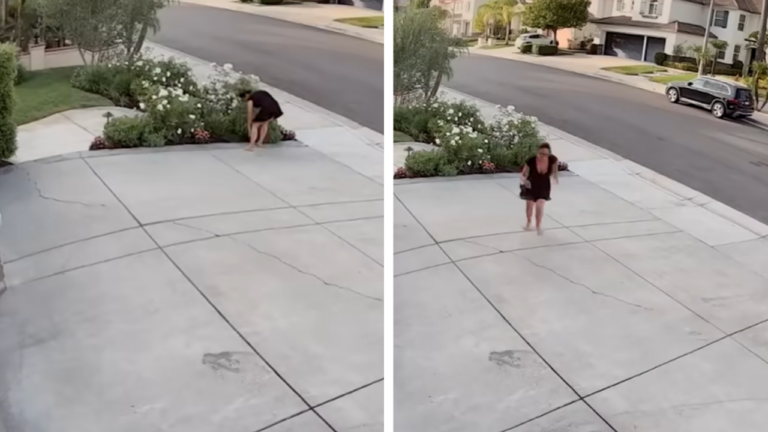
Day after day, a Toledo woman has witnessed hundreds of spotted lanternflies take over her backyard, coating everything beneath a tree with sticky residue and leaving her unable to comfortably use part of her own property.
Heather Keyes found herself reaching a brick wall in her battle against the relentless army of spotted lanternflies. As the struggle persisted, she contacted 13 Action News. She told reporter Imani Jackson that the insects began causing trouble about a year ago, and she has since killed hundreds.
“I can’t park my car back here, I can’t even sit back here,” Keyes told the outlet.
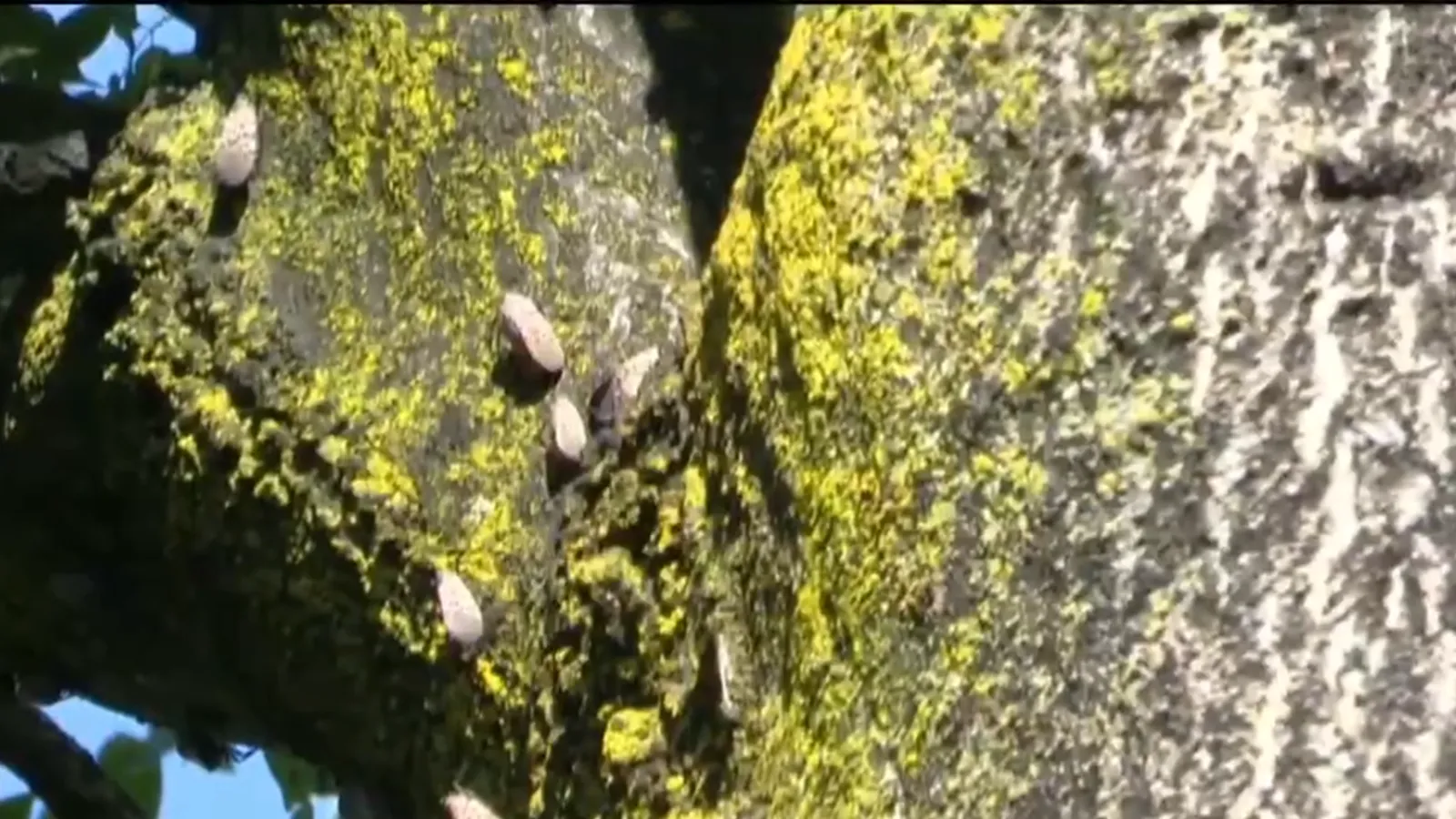
The epicenter of the problem comes from a tree of heaven growing just inches from her driveway. However, one more technicality throws yet another wrench in an already exhausting problem: the tree belongs to the property next door.
Two Invasive Species Have Found Each Other
Embedded media follows. Please allow a moment for it to load.
Spotted lanternflies are invasive insects that feed by piercing plants and drinking their sap. The U.S. Department of Agriculture says they feed on numerous plants, but the tree of heaven is their preferred host.
The tree of heaven is itself invasive. Locally, Metroparks Toledo writes that both species are present in the area and shares that spotted lanternflies were first confirmed in Lucas County back in 2022.
And that sticky substance covering Keyes’ property may not simply be sap dripping from the tree. As Penn State Extension explains, lanternflies consume sugary plant sap and then excrete the excess sugar as a liquid called honeydew. During a major infestation, so much can fall from a tree that Penn State compares it to a light rain.
That gentle downpour of honeydew can coat cars, patios and outdoor furniture. It can also encourage black sooty mold and attract ants, wasps and other insects. In other words, despite its name, honeydew is not a welcome feature, and a tree of heaven can feel anything but divine to live near.
The Source of the Problem is Next Door
Keyes said her own landlord has trimmed what can be reached from her side, but the insects continue returning to the neighboring tree.
13 Action News identified Mercer Holdings 1 LLC as the owner of the property next door using county records. Mercer Maintenance also shares that same address.
The outlet reached out to the company. The maintenance director confirmed that he knew about the tree problem and had previously spoken with Keyes, adding that she could trim portions of the tree extending onto her property.
With regard to cutting down the tree of heaven, that is not a straightforward task. Penn State Extension warns that the invasive tree readily sends up new shoots from its roots after cutting and recommends treating the root system as part of a proper removal procedure.
13 Action News also asked to speak with the neighboring property’s owner. As of the station’s Aug. 25 report, it had not received a response.