
Fisherman Turns Underwater Sculptures Into An Unlikely Weapon Against Illegal Trawling
An Italian fisherman spent decades watching industrial fishing damage the waters he depended on for his livelihood. Eventually, he came up with an unusual way to fight back: putting enormous sculptures on the bottom of the Mediterranean Sea.
Bottom trawling involves dragging heavy fishing nets across the seafloor, catching marine life while also disturbing the habitat below. The Casa dei Pesci conservation group says illegal trawling has threatened the seagrass and other habitat along this stretch of Tuscany’s Maremma coast.
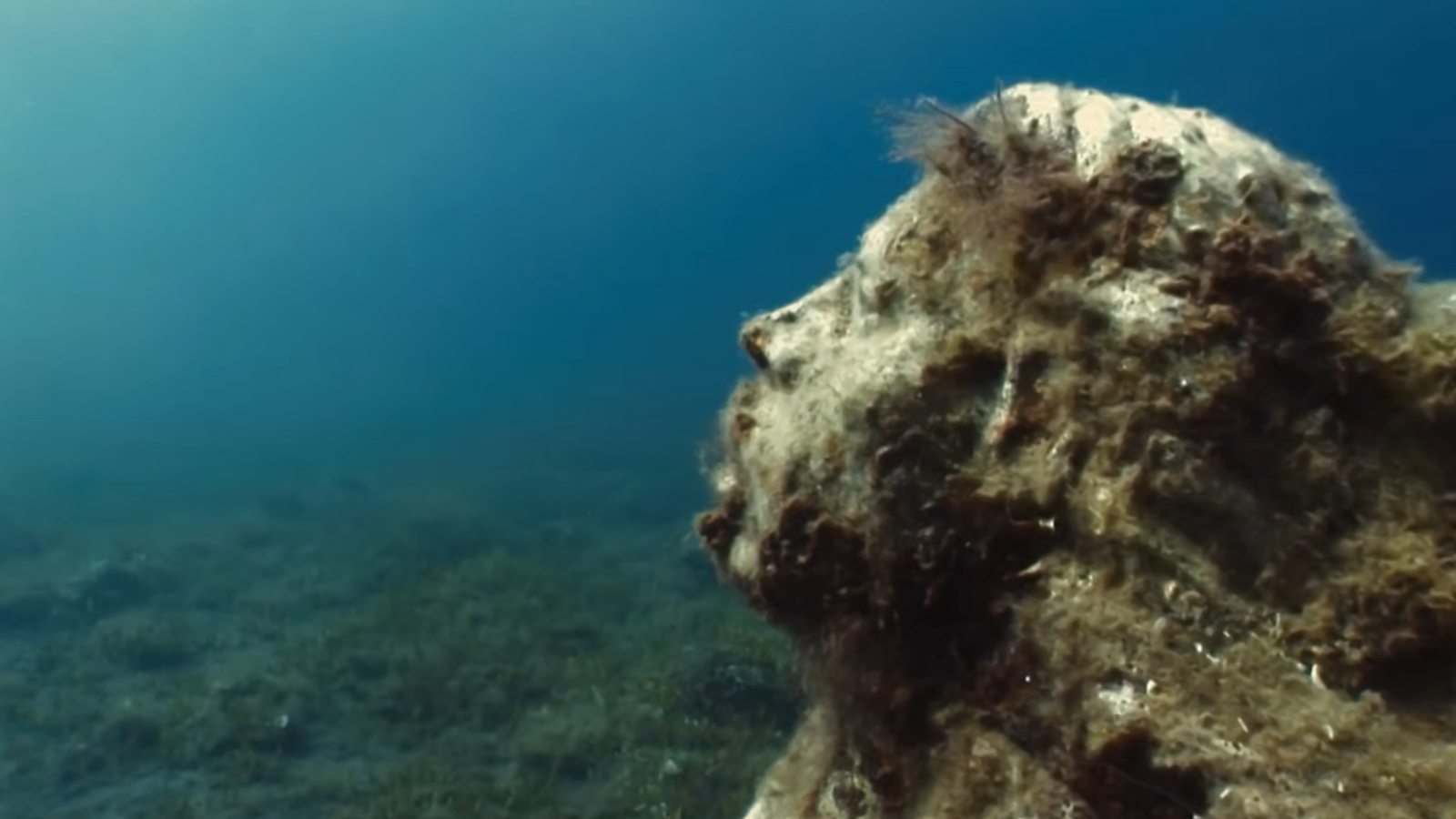
Fanciulli spent years trying to stop illegal trawling near the coastline before turning to a more unorthodox solution. As Patagonia explains in a short film about his campaign, he eventually came up with the idea of placing enormous marble sculptures on the ocean floor.
He Turned The Seafloor Into An Art Museum
Embedded media follows. Please allow a moment for it to load.
Fanciulli’s efforts inspired Casa dei Pesci, or “House of the Fish,” a nonprofit devoted to protecting the marine environment. The group has placed specially designed works of art—along with actual barriers—underwater to simultaneously impede illegal trawling and create new habitats for marine life.
As outlined by the project’s own website, the underwater museum includes Carrara marble sculptures created by Italian and international artists.
The artwork has a very practical job. NPR reports that the statues work in conjunction with some 900 concrete blocks that can catch and tear the nets trawlers use.
Meant as a deterrent for trawlers, the sculptures have also become a pilgrimage site for divers and snorkelers. The Casa dei Pesci website says visitors can reach the museum from the shore at Talamone and, when conditions are just right, even see some of the works while snorkeling at the water’s surface.
Marine Life is Returning With Statuesque Angels Helping Them
Fanciulli told NPR that trawling has stopped within the area protected by the statues and blocks. He also shared that fish are returning.
The structures themselves are also now doubling as a place of residence for other forms of life. NPR reports that some plants now grow across some of the sculptures. Dolphins have also returned to the area in greater numbers.
Fanciulli has now turned his attention to another problem: illegal and excessive octopus fishing. Through a project called Casa dei Polpi, or “House of the Octopuses,” students create terracotta shelters that are lowered into the sea to give octopuses places to live safely out of reach from plastic fishing traps, according to NPR.
When Fanciulli saw that the beloved waters of his home were in peril, he turned to art to make the area a sanctuary once more.


