Most People Forget to Clean Their Washers and These Two Pantry Staples Solve It Fast
The irony of household chores: the machine that cleans your clothes can often be the dirtiest thing in your home. Soap scum, mineral deposits, and trapped moisture create the perfect environment for mildew, leaving your clothes with funky smells.
While the laundry aisle is full of pricey cleaners, the best fix might already be in your kitchen. A mix of white vinegar and baking soda can clean away buildup and odors naturally.
A machine clogged with limescale works harder, wearing down faster. Follow this guide to clear out the hidden grime, keep your washer in top shape, and get your laundry smelling fresh again.
1. Prepare the Machine

First, make sure the washer is empty. If your machine has a dispenser tray for detergent and fabric softener, carefully remove it. Let it soak in a sink filled with hot water and one cup of white vinegar for about 20 minutes. This will help loosen any built-up residue.
After soaking, give it a good scrub with an old toothbrush, rinse it, and set it aside. For front-loading machines, you’ll also need to locate and clean the debris filter. This is usually a small door on the bottom front of the unit.
Place a towel underneath to catch any water, then twist the filter out and clear away any lint, hair, or other gunk you find before reinserting it.
2. Run a Vinegar Cycle
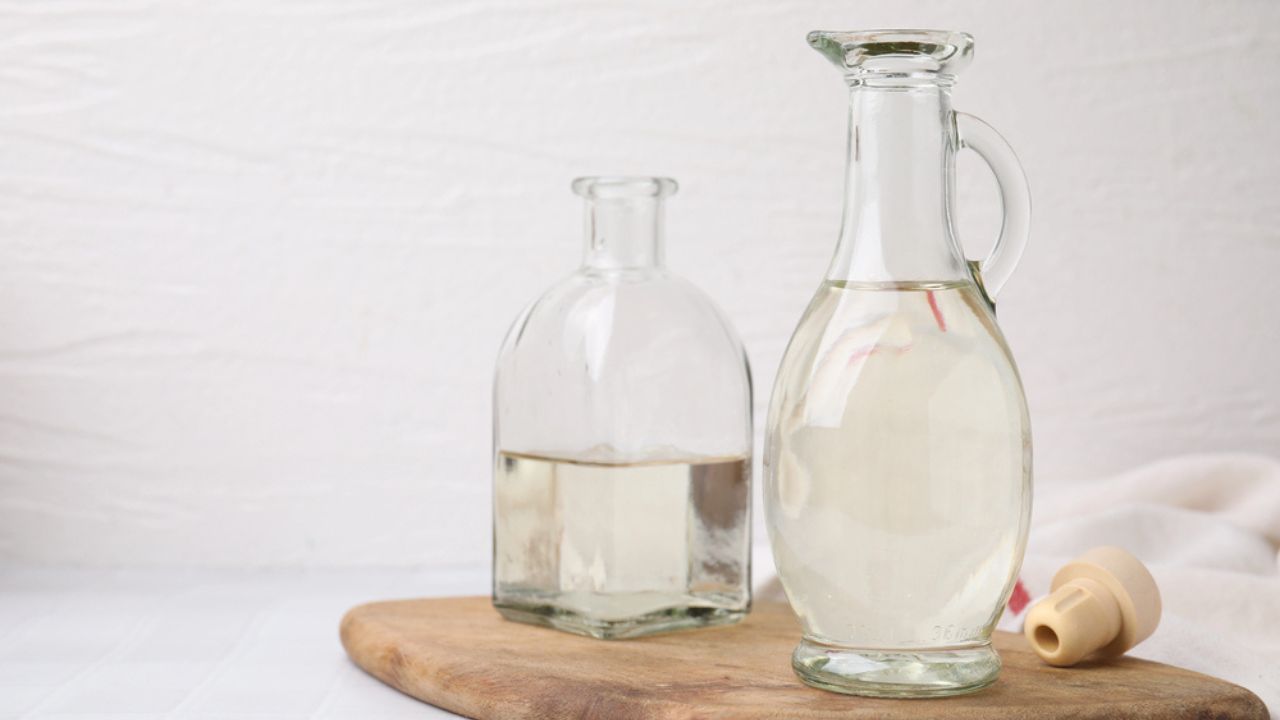
Pour two cups of distilled white vinegar directly into the empty drum of your washing machine. Set the machine to its hottest and longest cycle, such as “sanitize” or “tub clean,” and run it without adding any detergent or laundry.
The vinegar works to dissolve mineral deposits, soap scum, and any lingering odors, leaving your machine fresh and clean. For best results, repeat this process every few months to maintain your washer’s performance. Learn more here.
3. Run a Baking Soda Cycle
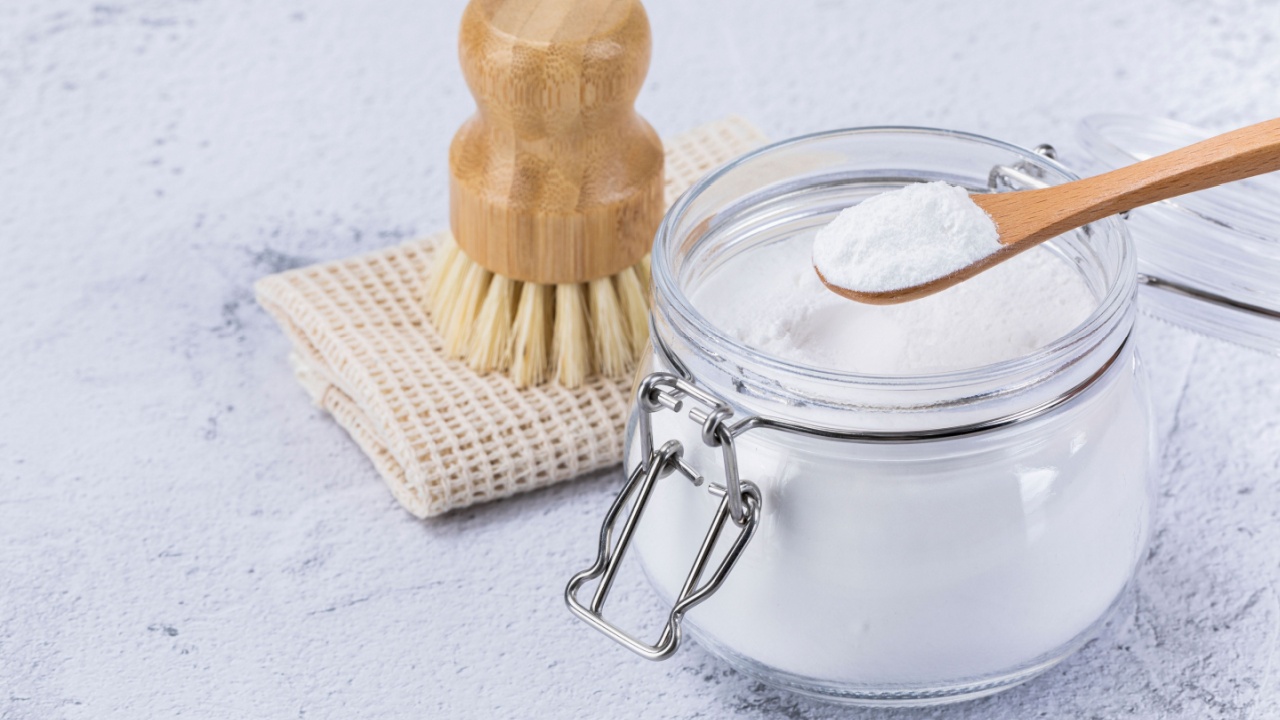
After the vinegar cycle has finished, add about half a cup of baking soda directly into the washing machine drum. Run the washer on its hottest and longest setting again. The baking soda acts as a gentle abrasive, helping to scrub away any residue loosened by the vinegar and neutralize any remaining acidic odors.
It’s important not to mix vinegar and baking soda together in the same cycle. When combined, they react to form water and sodium acetate, neutralizing each other and reducing their individual cleaning effectiveness.
Separate cycles ensure you get the full benefit of both the acidic vinegar wash and the alkaline baking soda rinse.
4. Clean the Seals and Interior
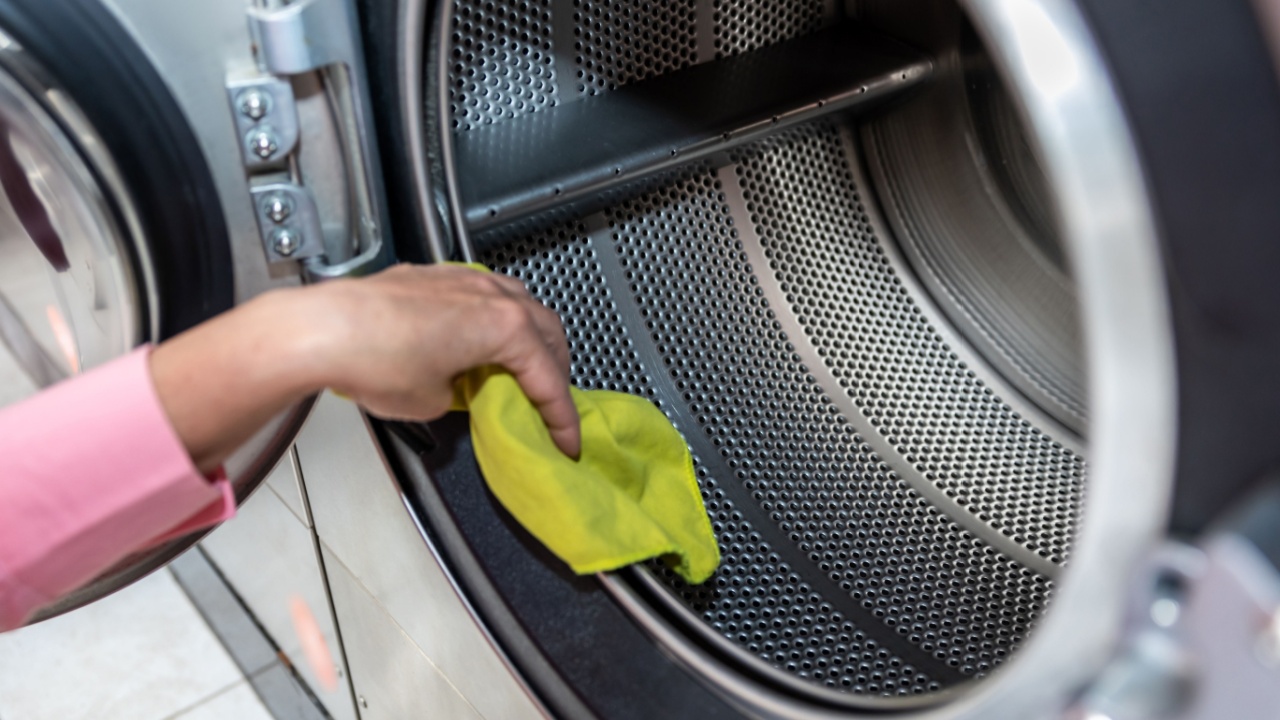
For front-loaders, wipe down the rubber door seal with a cloth dipped in white vinegar to remove mold, mildew, and any trapped dirt that can cause odors. Be sure to get into all the folds and crevices where moisture might linger.
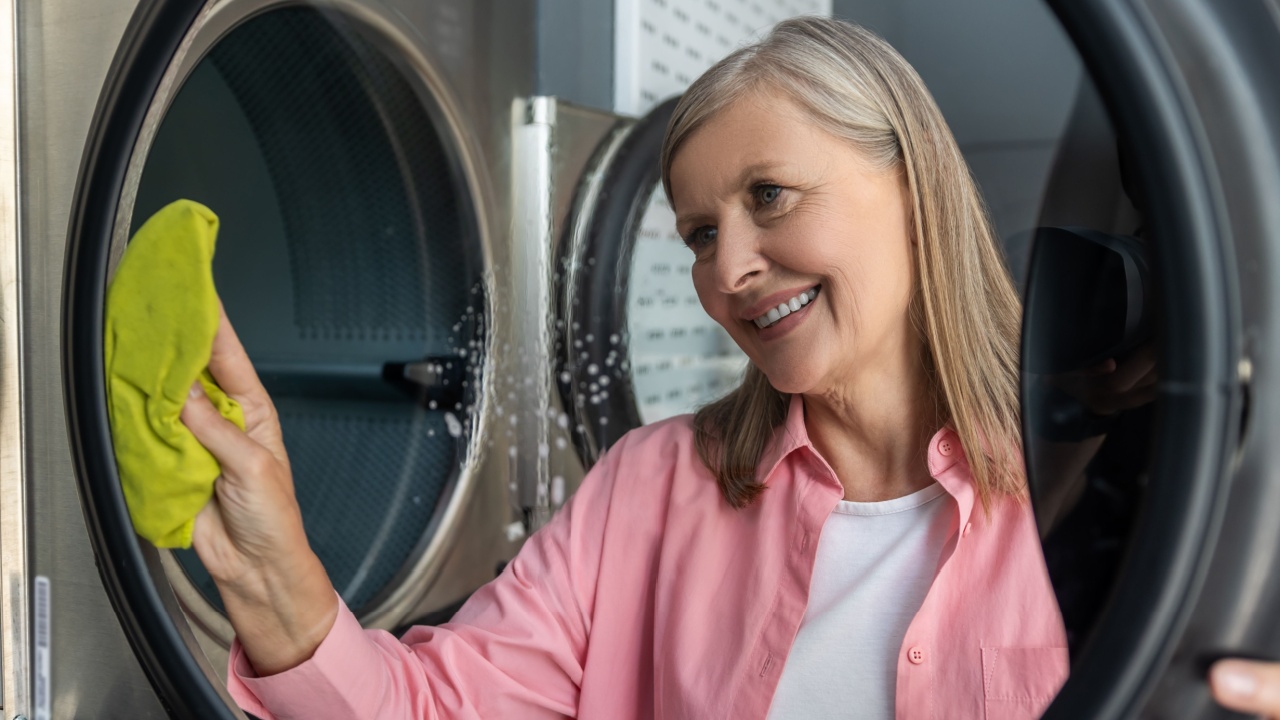
After the washing cycles are complete, use a clean, dry cloth to thoroughly wipe down the inside of the drum and the door glass. It removes any leftover detergent residue or moisture to prevent buildup and keep your machine fresh.
5. Air It Out
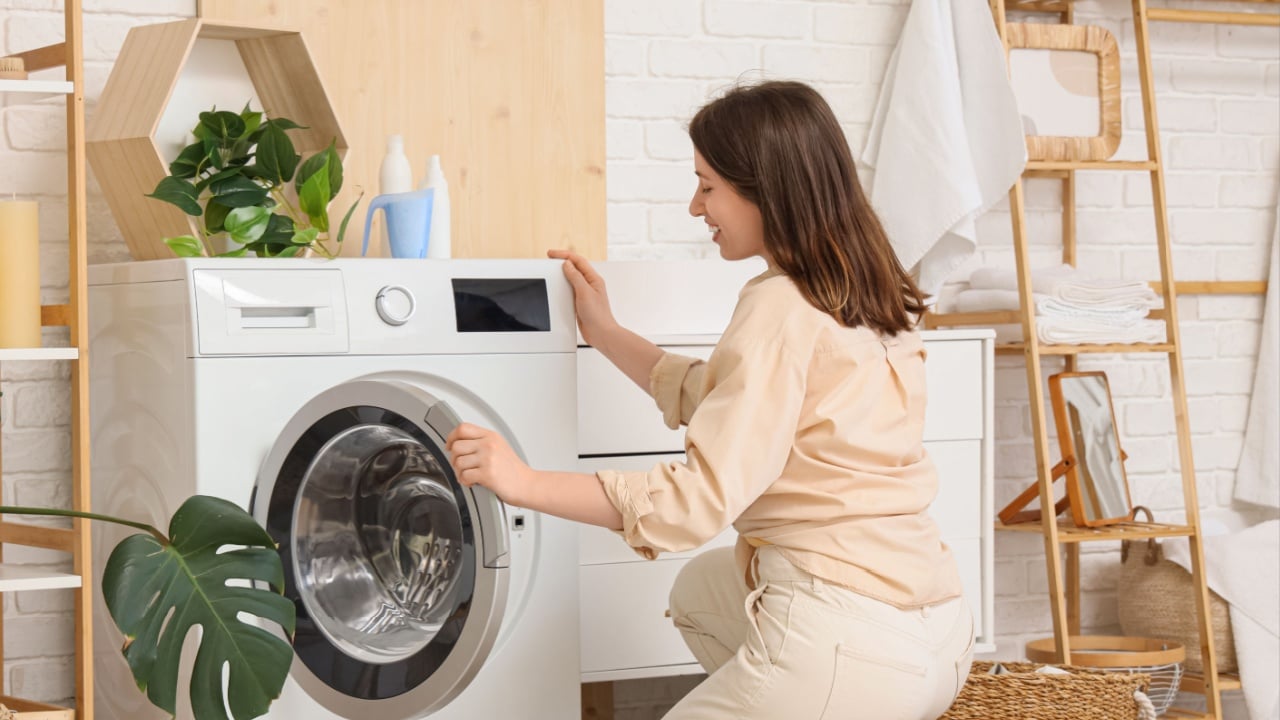
After every cleaning cycle and future wash, make it a habit to leave the washer door ajar for at least a few hours. This simple step promotes air circulation, allowing the interior drum and seal to dry out completely.
A dry environment is key to preventing the growth of mold and mildew, which thrive in damp, enclosed spaces and are the primary culprits behind musty odors.
Refresh Your Washer, Refresh Your Wardrobe
A clean washing machine is the foundation of clean laundry. Neglecting this appliance leads to mysterious spots on clothes and odors that no amount of fabric softener can mask.
By utilizing simple pantry ingredients like vinegar and baking soda, you can maintain a hygienic environment for your clothes and extend the life of your washer. Grab your supplies and give your machine the refresh it deserves today.