How to Start a 30-Day Clutter Challenge That Actually Works
We’ve all been there: staring at a towering pile of mail, a closet bursting with clothes we haven’t worn in years, or a “junk drawer” that has expanded into a “junk room.” Clutter doesn’t just take up physical space; it occupies mental space, leading to stress, fatigue, and a feeling of being overwhelmed.
You might have tried to tackle it all in one weekend, only to burn out by Sunday afternoon. That’s where the 30-day challenge comes in.
By breaking the massive undertaking of decluttering into bite-sized, daily tasks, you can transform your home without upending your life. Here is how to structure a 30-day plan that is realistic, effective, and designed to help you reclaim your space one day at a time.
1. Start with the “Quick Wins” in Week One
Momentum is everything when you are starting a new habit. If you begin your challenge by trying to organize the garage or the attic, you are likely to quit before day three. Instead, the first week should be dedicated to high-impact, low-effort areas. These are the spaces you see every single day.
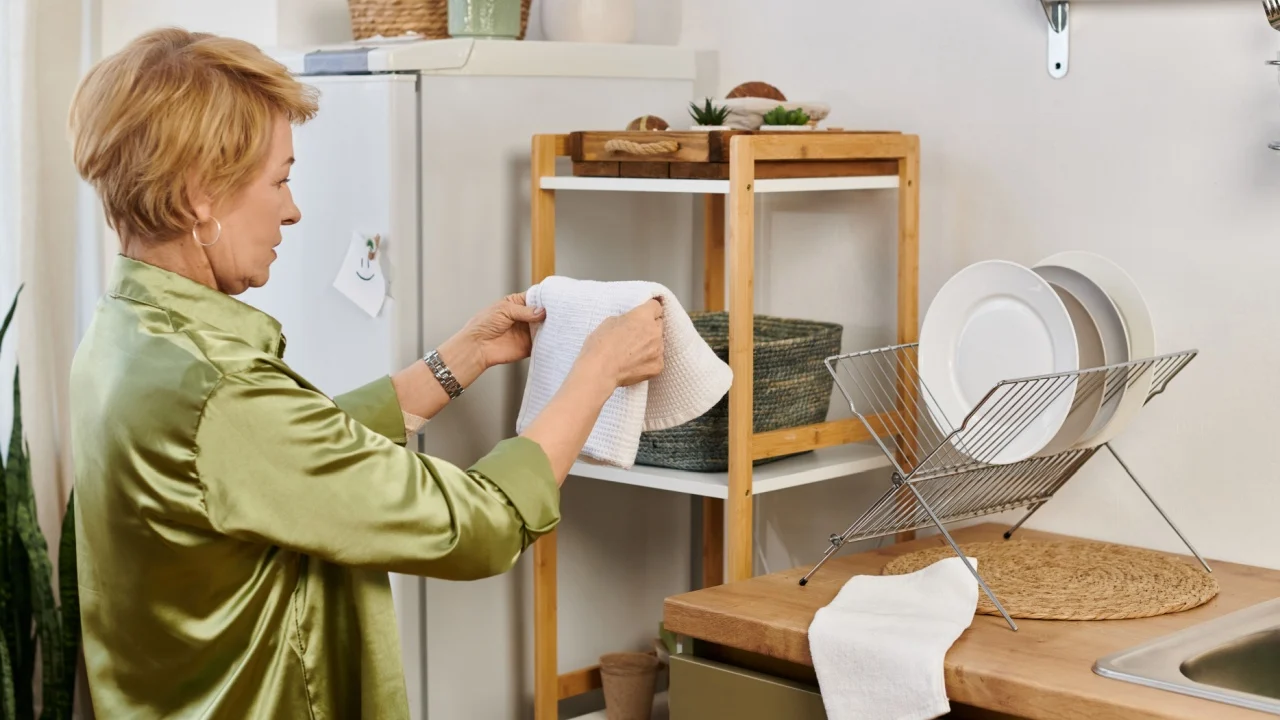
Focus on surface-level clutter: the kitchen countertops, the dining room table, and the entryway. Clearing off the fridge door or organizing the mail pile might seem small, but these visual victories provide an immediate dopamine hit. When you walk into your kitchen and see a clear counter, you feel a sense of accomplishment that fuels you for the harder tasks ahead.
2. Involve the Whole Family Early On

One of the biggest hurdles in a decluttering challenge is feeling like you are the only one doing the work. If you live with others, their stuff is likely mingled with yours. Don’t wait until the end of the month to address the communal mess; tackle it in the first week while your energy is high.
For example, dedicate a day to the entryway shoes or the coat rack. These are often shared dumping grounds. Involving your partner or kids early sets the expectation that keeping the home tidy is a team sport. Plus, tackling a “family” zone together is much faster than doing it alone, and it prevents resentment from building up later in the challenge.
3. Tackle “Behind Closed Doors” in Week Two

Once you have cleared the visible surfaces, it is time to open the cupboards. Week two is the perfect time to address the hidden mess. The linen closet, the medicine cabinet, and the pantry. These areas are often out of sight, out of mind, but they are major sources of daily frustration when you can’t find a matching sheet set or an unexpired bottle of ibuprofen.
Take this week to pull everything out of a specific space, categorize it, and be ruthless about expiration dates and ragged items. Because these messes are hidden, you can take a slightly slower pace if needed, but the goal is to create functional systems so that when you open a door, nothing falls out on you.
4. Confront the Sentimental Quicksand in Week Three

By week three, you might hit a wall. This is often because you are moving from “trash” (expired food, old receipts) to “treasure” (old cards, baby clothes, gifts). This is the “sentimental quicksand” that can derail your progress.
Acknowledge that this week will be slower. You aren’t just moving objects; you are processing memories. If you get stuck on an item, like a mug collection or old t-shirts, ask yourself if the item serves you now. If you have too many mugs to fit in the cabinet, keep the favorites and donate the rest. If the emotions are too high, put the “maybe” items in a box and seal it for six months. If you haven’t opened it by then, let it go.
5. Schedule “Rest and Maintenance” Days

A common mistake in 30-day challenges is assuming you can operate at 100% efficiency every single day. Life happens; you might get sick, have houseguests, or just have a rough day at work. If your schedule is too rigid, one missed day feels like failure.
Build in buffer days. Maybe every Sunday is a rest day, or perhaps day 15 is reserved solely for maintaining the progress you made in the first two weeks. Use this time to take donation bags to the charity shop so they don’t sit in your trunk, or simply enjoy your newly decluttered living room. Recognizing that you need a break prevents burnout and keeps the challenge sustainable.
6. Focus on Donation Logistics
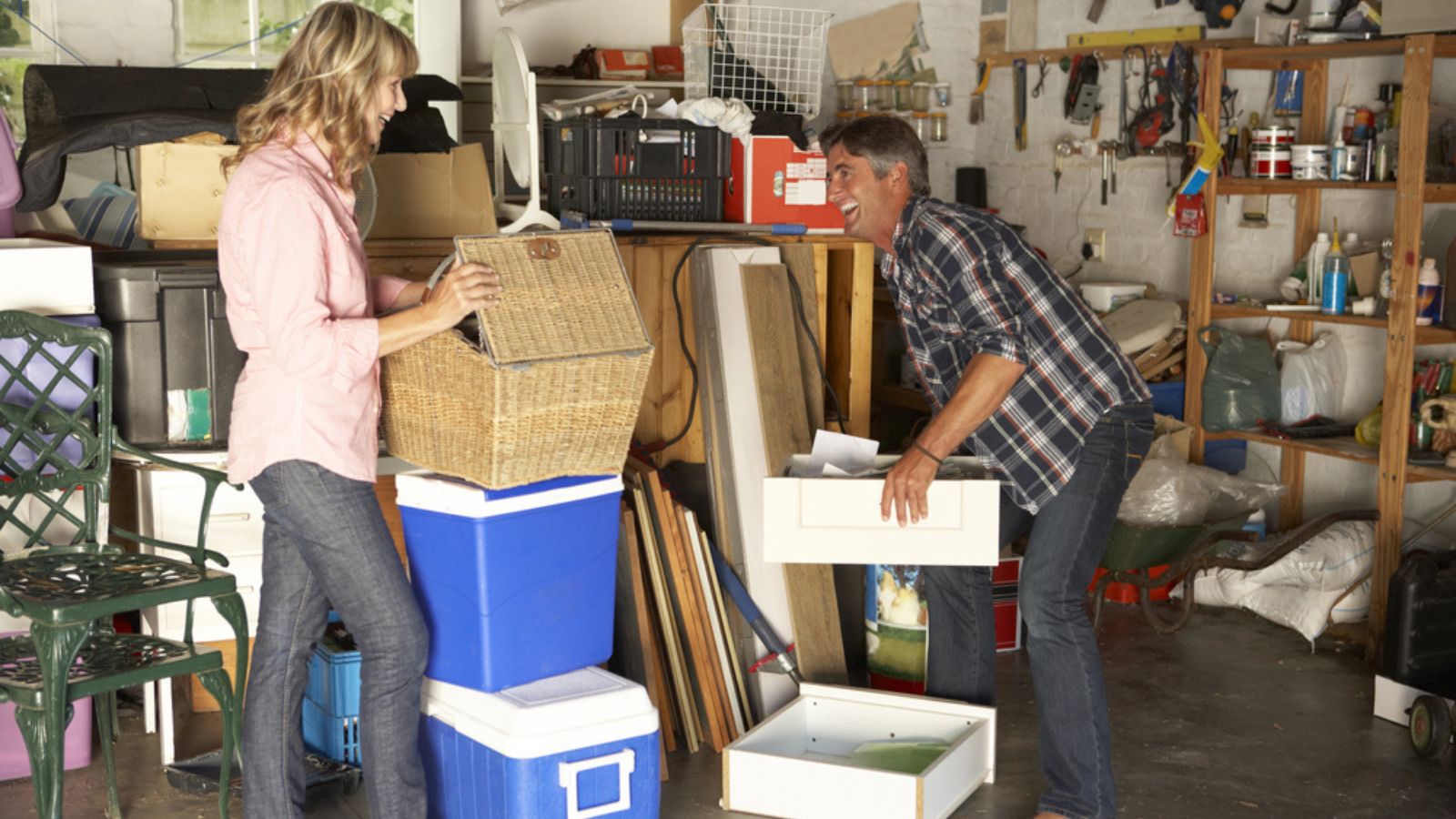
A decluttered home isn’t truly decluttered if the trash bags are just moved from the closet to the garage. A vital part of the challenge is having an exit strategy for your staff. Research local charities, recycling centers, and “Buy Nothing” groups in your area before you start.
Know what items are in high demand (like reusable bags at food banks or towels at animal shelters) and separate your items accordingly as you go. This makes the final step of getting the items out of your house much smoother and gives you the added “feel-good” factor of knowing your clutter is helping someone else.
7. Prepare for the Week Four Slump

By the final week, the novelty has worn off. You might be tired, and the remaining tasks might be the ones you’ve been dreading (like filing cabinets or the basement). This is where many people give up.
Anticipate this slump. Save a few “easy wins” for this week to boost your morale, or promise yourself a reward for finishing. If you didn’t get to everything on your list, that’s okay. Even 60% completion is a massive improvement over where you started. Focus on maintaining the areas you did finish rather than obsessing over the garage you didn’t get to.
Ready to Reclaim Your Home?

Starting a 30-day clutter challenge is about more than just cleaning; it’s about resetting your relationship with your possessions. It teaches you to value the space you live in more than the things that fill it.
Perfection is not the goal, progress is. Even if you only stick to the plan for half the month, you will have lightened your load significantly. So grab a trash bag, pick a countertop, and start your timer.