Most Gardeners Don’t Know They’re Making These 7 Tomato Mistakes Until It’s Too Late
Your tomato plant looks perfect. The leaves are a deep, saturated green. The stems are strong. It’s growing fast, maybe too fast, and you feel like you’re doing everything right. You’re not.
The most common tomato disasters don’t announce themselves until the damage is already done: blossoms dropping without setting fruit, a beautiful plant that produces almost nothing, black rot creeping up the bottom of tomatoes you waited all season to pick. The plant looked fine right up until it didn’t.
What makes tomato growing so frustrating isn’t ignorance; it’s misplaced confidence. The mistakes that ruin harvests are almost always invisible in the moment. Overwatering looks like thorough care. Over-fertilizing looks like a thriving plant. Planting too early looks like getting a head start. By the time symptoms appear, typically weeks after the original error, the season is already compromised. Experienced gardeners know this, and it’s why they obsess over a few specific habits while beginners focus on the wrong things entirely.
The good news is that May is still the right moment to correct course. Most tomato plants haven’t yet committed to fruiting, and the decisions you make in the next few weeks, about watering, feeding, spacing, and soil temperature, will determine whether you’re picking $400 worth of tomatoes this summer or nursing a beautiful, fruitless vine. The window to fix these mistakes is short, while the consequences of not fixing them run all season.
Here are seven mistakes quietly guaranteeing a failed harvest, and exactly what experienced growers do instead.
1. Planting Into Cold Soil Before It’s Ready
This is the mistake that sets off a chain reaction most gardeners never trace back to its source.
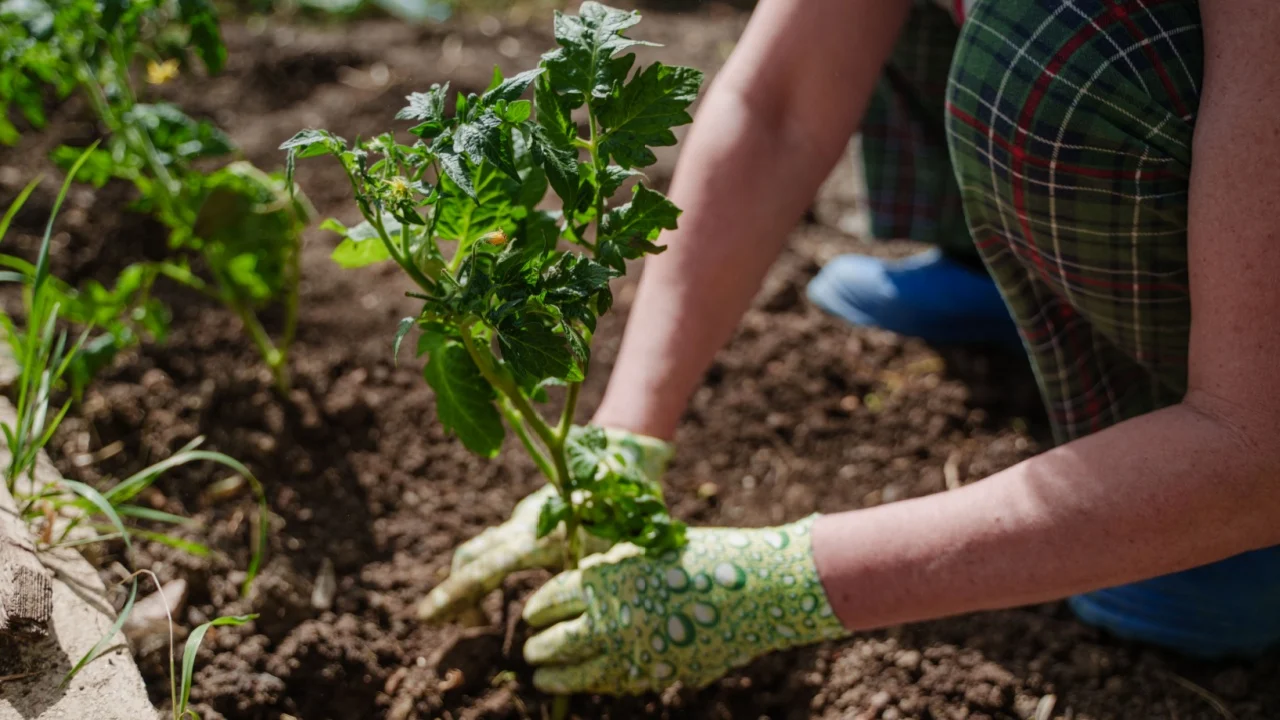
Tomatoes need soil that has reached at least 60°F before transplanting. Plant before that threshold, and the consequences are immediate, even if they’re invisible. According to Jobe’s Company, prematurely planting tomatoes into cold ground causes blossom drop, where blossoms fall off before the fruit even forms. The plant isn’t dormant; it’s stressed, and stressed tomatoes don’t set fruit.
Cold soil does more than stall growth. The Connecticut Agricultural Experiment Station reports that early planting in cold soils is a documented contributing factor to blossom end rot, the black, leathery rot that destroys developing fruit from the bottom. Blossom end rot causes direct fruit losses as high as 50% in a single season. That’s half your harvest, wiped out by a decision made on planting day.
According to plant expert Rebecca Sears in Real Simple, nighttime temperatures need to be consistently above 50°F before tomatoes go out, and daytime temperatures should reach 60°F or higher. A soil thermometer costs less than a six-pack of transplants and removes all the guesswork. If the reading isn’t there yet in your area this May, wait. One impatient planting day can cost you the entire fruiting season.
2. Watering Overhead Instead of at the Base
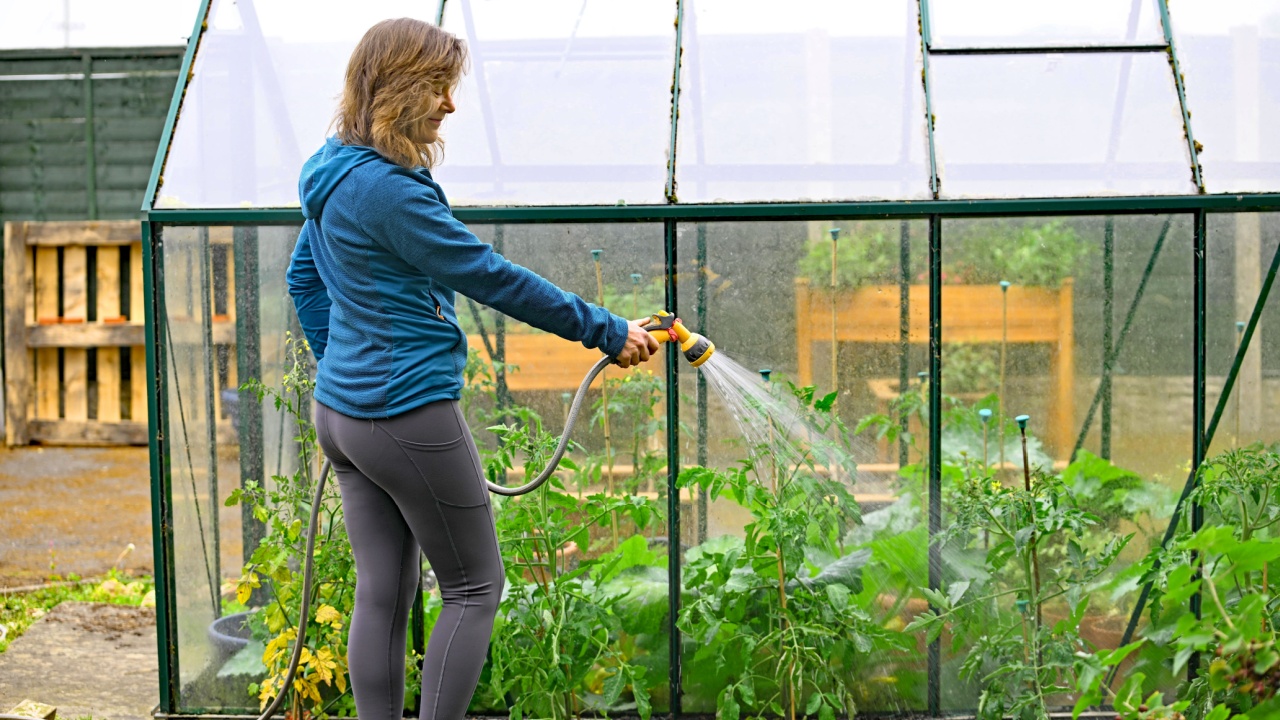
The garden hose aimed at the top of the plant or a shower of water across the whole bed looks like good care, yet it’s one of the most destructive habits in tomato growing. Overhead watering spreads fungal spores through splash contact, turning a single infected leaf into a garden-wide outbreak within days.
According to the Clemson Home & Garden Information Center, splashing water from overhead irrigation directly aids the spread of fungal spores. Michigan State University Extension confirms that watering late in the day or evening leaves plants wet overnight, creating exactly the conditions fungal diseases need to flourish. Septoria leaf spot, the most common foliar disease of tomatoes, spreads primarily through water splash. So does late blight, which, once present in your garden, has no cure. Plants must be destroyed immediately to prevent spread, according to Rutgers NJAES.
The fix is straightforward: water at the base only, in the morning, so soil and stems dry before nightfall. Or, opt for a soaker hose or drip irrigation system, which eliminates the problem entirely.
3. Overfeeding With the Wrong Fertilizer
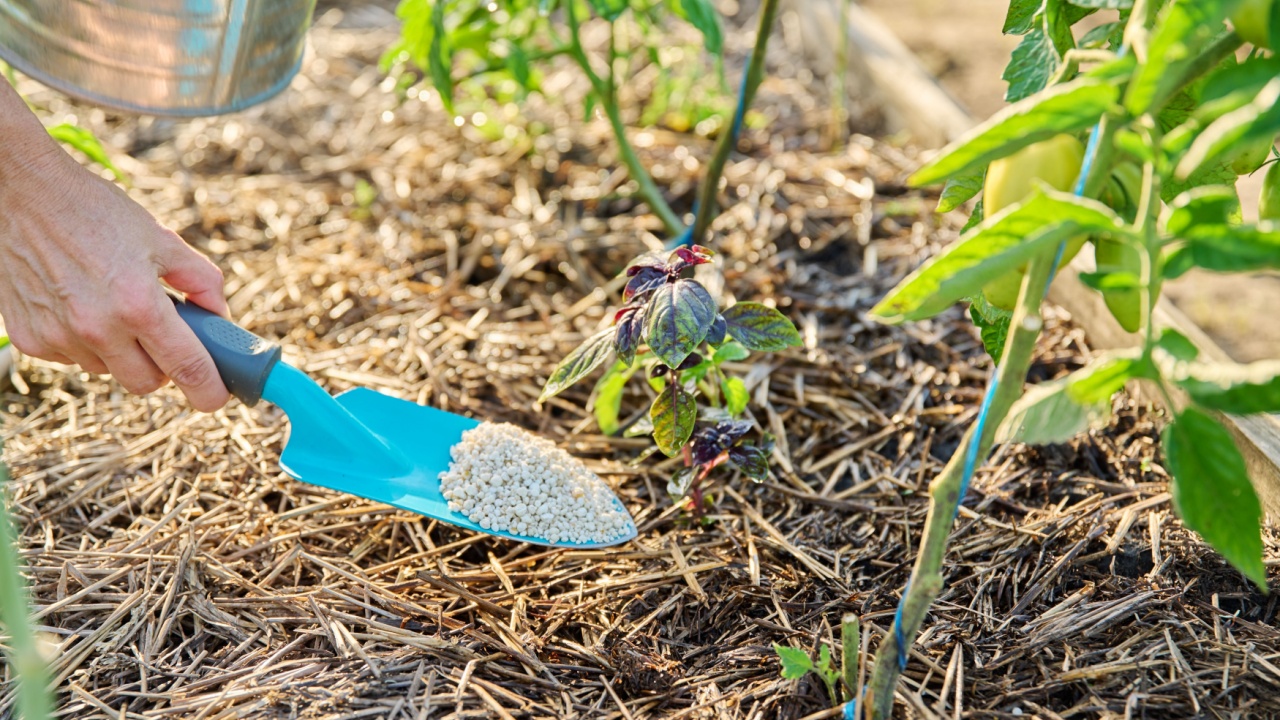
If your tomato plant is lush, vigorously green, and producing almost no fruit, this is almost certainly why. Too much nitrogen, especially from a generic balanced fertilizer like 10-10-10, pushes plants into aggressive vegetative growth at the expense of flowering and fruit production. The plant looks spectacular, but it’s producing almost nothing that matters.
As Gardenstead explains, tomatoes need less nitrogen and more phosphorus to produce flowers and then fruit. The 10-10-10 fertilizer many gardeners reach for by default puts too much nitrogen into the tomato bed, often guaranteeing a season of beautiful foliage and disappointing yields. According to House Digest, excess nitrogen also makes plants more attractive to aphids and hornworms, and contributes to blossom end rot by diverting calcium toward leaf production instead of fruit.
The professional grower’s rule is not to fertilize at all until fruits reach the size of a ping-pong ball, then use a fertilizer specifically formulated for tomatoes, one that is low in nitrogen and higher in phosphorus and potassium. Stop spending money on the wrong product. Your grocery bill shrinks when the tomatoes actually show up.
4. Planting Too Shallow
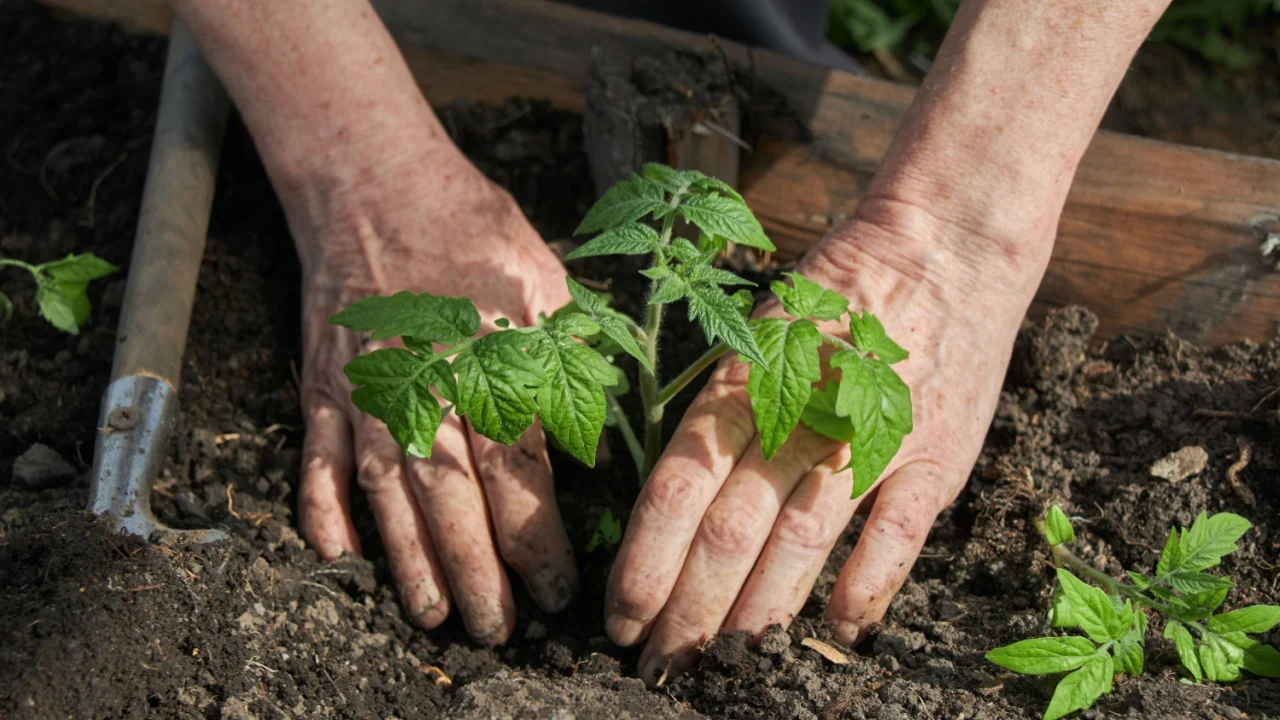
Most plants go into the ground at the same depth they grew in their nursery pot. Tomatoes are the exception. Unlike virtually any other vegetable, tomatoes can produce roots along their main stem, which means that every inch of stem buried underground becomes a root-producing machine.
Better Homes & Gardens recommends planting seedlings so the top of the root ball sits two to three inches below the soil level. This deeper planting spurs a larger, more expansive root system that increases drought resilience, improves nutrient uptake, and gives the plant the structural foundation it needs to support a heavy crop. Shallow-planted tomatoes establish poorly, stress easily, and are far more vulnerable to the moisture swings that trigger blossom end rot and fruit cracking.
The fix takes ten extra seconds at planting time and pays dividends all season. Strip the lower leaves, dig a deeper hole, and let the plant do the rest.
5. Skipping Pruning Because It Feels Risky
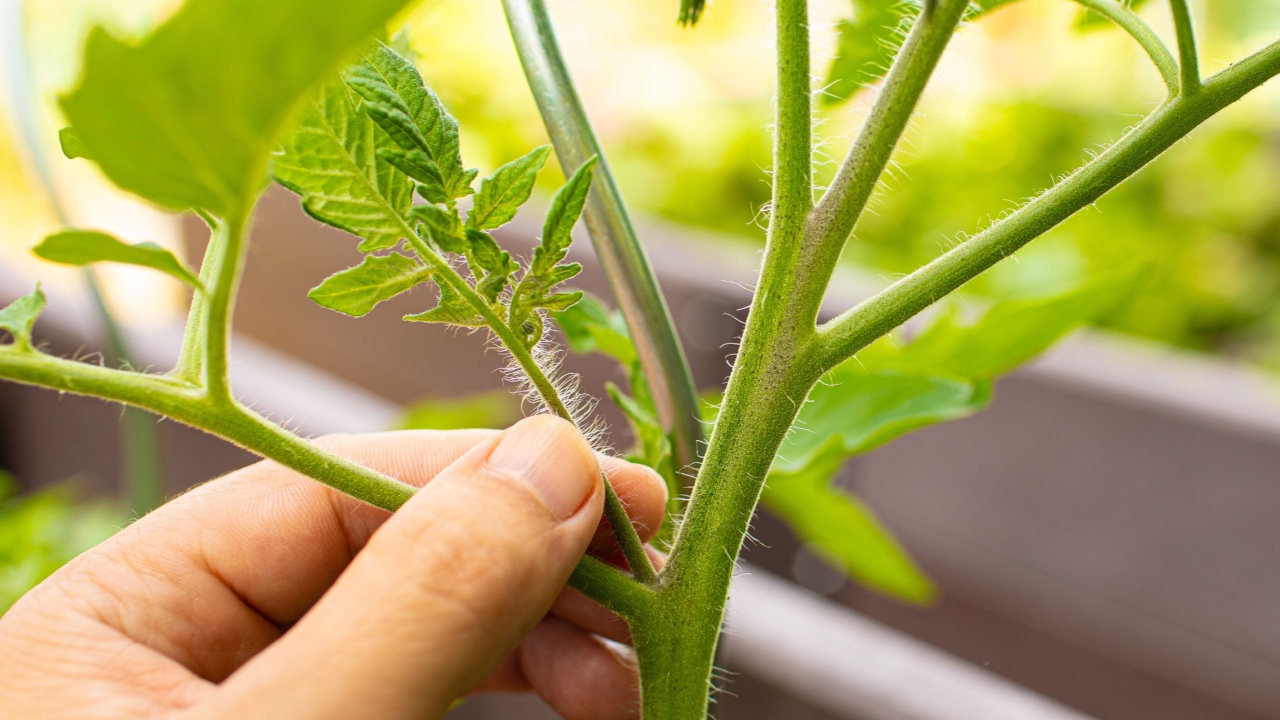
Pruning is the task most beginning gardeners avoid, and it’s the habit that separates consistently productive plants from beautiful disasters. Suckers, those shoots that emerge at the junction of the main stem and side branches, redirect energy away from fruit and create the dense foliage that traps moisture and invites disease.
English gardener and author Sarah Raven, quoted in Good Housekeeping, is direct: “With side shoots left on, you get too much air congestion and with that potential pests and diseases. People are scared to do it in case they pinch out the wrong bit, but you MUST.” Gardening author Brian Brigantti adds that pruning leaves making soil contact is equally important, since those leaves transmit soil-borne diseases directly to the plant.
Tomatoes are resilient. They handle pruning well and reward it with better airflow, less disease, and stronger fruit production. Remove suckers when small, clear the lower foot of foliage from soil contact, and prune with confidence.
6. Overcrowding and Planting the Wrong Neighbors

The spacing numbers on seed packets feel conservative until you’ve watched an overcrowded tomato bed succumb to early blight in a single wet week. Jobe’s Company recommends spacing determinate tomatoes 18 inches to 2 feet apart and indeterminate varieties 2 to 3 feet apart, with rows kept at 4 to 6 feet. Crowding restricts airflow, holds moisture against leaves and stems, and allows disease to move rapidly between plants.
Companion planting matters too, and not all neighbors are friendly. Southern Living identifies several plants that actively harm tomato growth. Cabbage, broccoli, and other brassicas compete directly for the same nutrients, often causing tomatoes to stall without producing buds. Corn attracts the same moth larvae that destroy tomato crops. And fennel inhibits tomato growth outright. Keep fennel in its own pot, away from everything else in the garden.
7. Choosing the Tallest Transplant at the Nursery
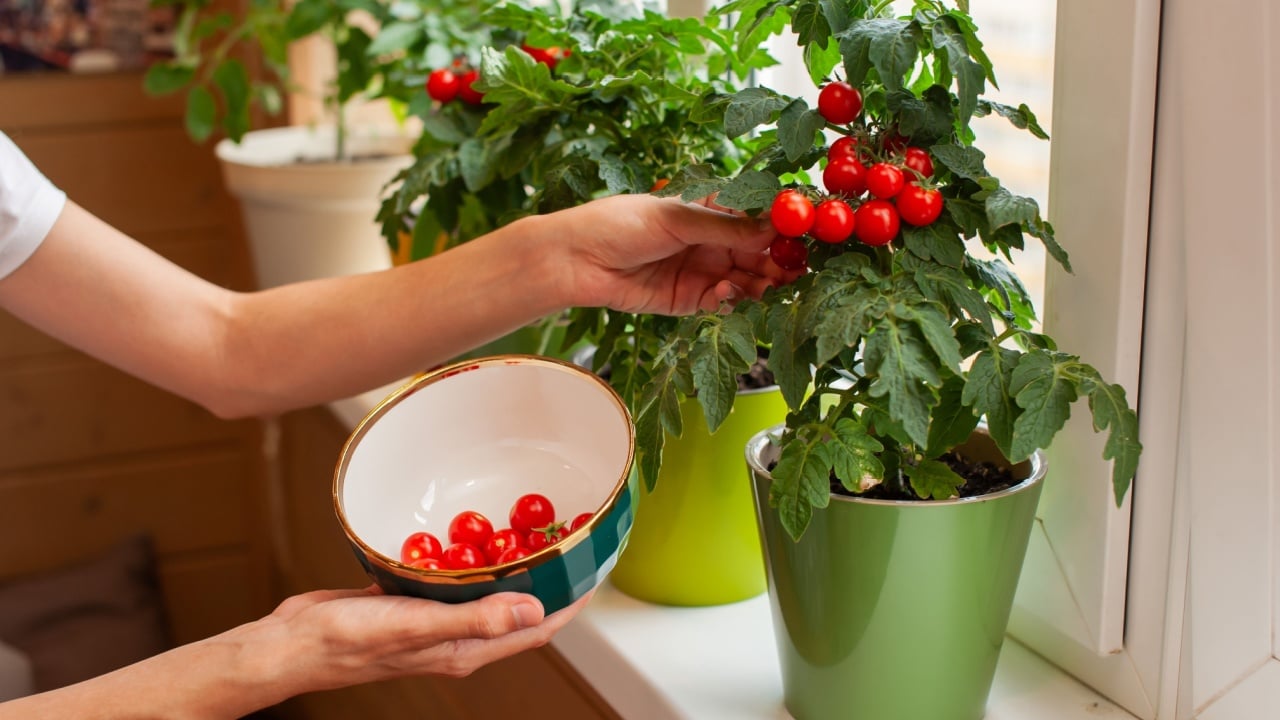
The instinct to reach for the biggest plant in the garden center is nearly universal and almost always wrong. Tall, leggy transplants look established, but they’re often spindly from growing in low light, and they take significantly longer to recover from the shock of transplanting than their shorter, stockier counterparts.
According to Better Homes & Gardens, blooming transplants, the ones that already have flowers or early fruit, are among the worst choices. They often take weeks longer to establish in the garden than compact, pre-bloom seedlings. Look for a transplant with a straight, sturdy stem, deep green (not yellowing) leaves, and no visible blooms. That modest-looking six-inch plant will outperform the showy eighteen-inch one by midsummer, reliably.
The Best Tomatoes of the Season Are Still Ahead
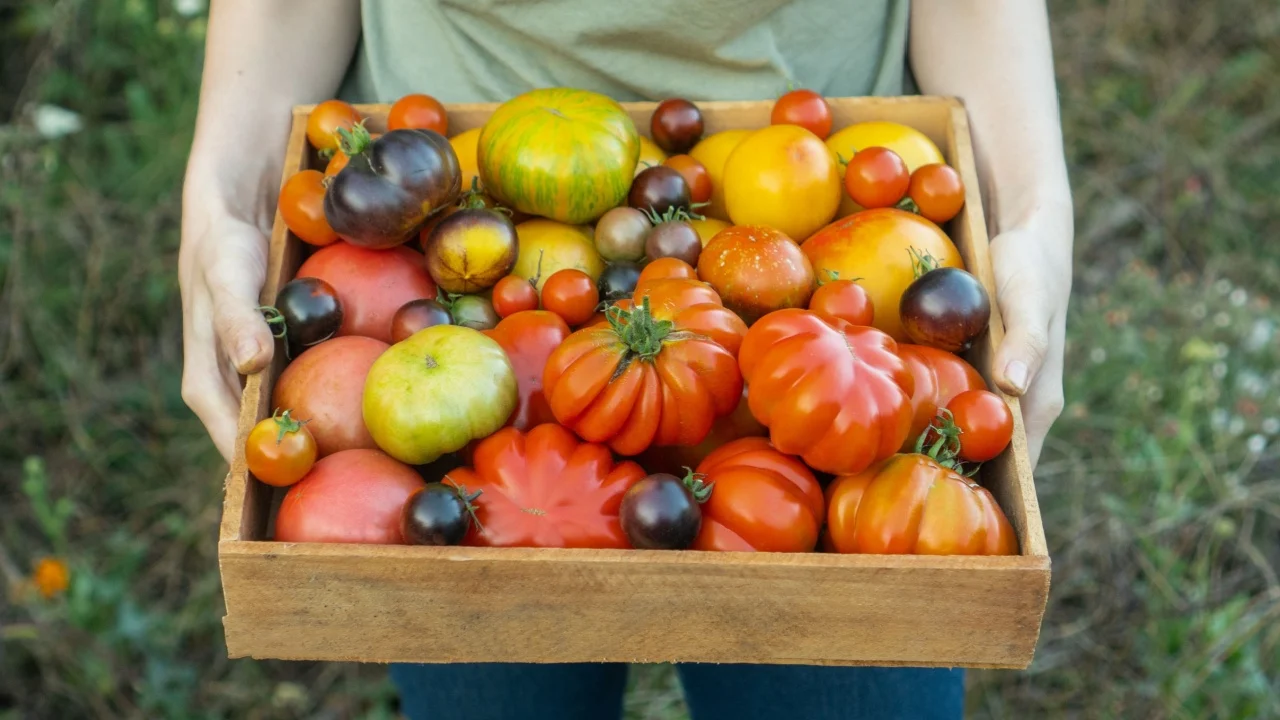
None of these mistakes are fatal if you catch them in May. Tomatoes are forgiving when given the right conditions, and the corrections above require no special tools, no expensive products, and no expertise beyond paying attention. Your grandmother grew extraordinary tomatoes without a single garden supplement, because she understood the fundamentals: warm soil, deep roots, dry leaves, and room to breathe.
The lush green plant that produces nothing is a warning, not a success. Treat it as one, make the adjustments, and the harvest that seemed out of reach will arrive right on schedule.
Read more:
Why wildlife experts are telling people to take down their bird feeders
Plant these 10 companion plants with your tomatoes — and stop planting these 4