A $13.1 Million Price Tag: The Staggering Bill to Fix the Nation’s Most Famous Reflecting Pool
The Lincoln Memorial Reflecting Pool is the crown jewel of the National Mall in Washington, D.C. For a century, it has served as a silent witness to our most historic moments. But right now, people aren’t talking about history or unity when they visit.
They are talking about a massive, shocking repair bill that keeps getting bigger. What started as a quick fix has turned into a $13.1 million financial saga. Imagine getting a quote for a small house repair and having it turn into the price of a mansion.
That is exactly what is happening with the country’s most famous water feature. The project has everything: politics, lawsuits, no-bid contracts, and a very specific shade of blue paint.
A Masterpiece Built on a Swamp
To understand why this pool is so expensive to fix, you have to look at its foundation. Washington, D.C., was famously built on marshy land and tidal flats. When architect Henry Bacon designed the pool in the early 1920s, he was working with difficult terrain.
Engineers had to dredge thousands of cubic yards of soil just to create the basin. The pool was officially completed in 1923, stretching over a third of a mile. It serves as the physical and visual link between the Lincoln Memorial and the Washington Monument.
Because it sits on a former swamp, the pool has been sinking almost since the day it opened. The massive weight of 6.75 million gallons of water doesn’t help matters. Over the decades, the ground underneath shifted, causing the structure to crack and settle.
The Physics of a Mirror
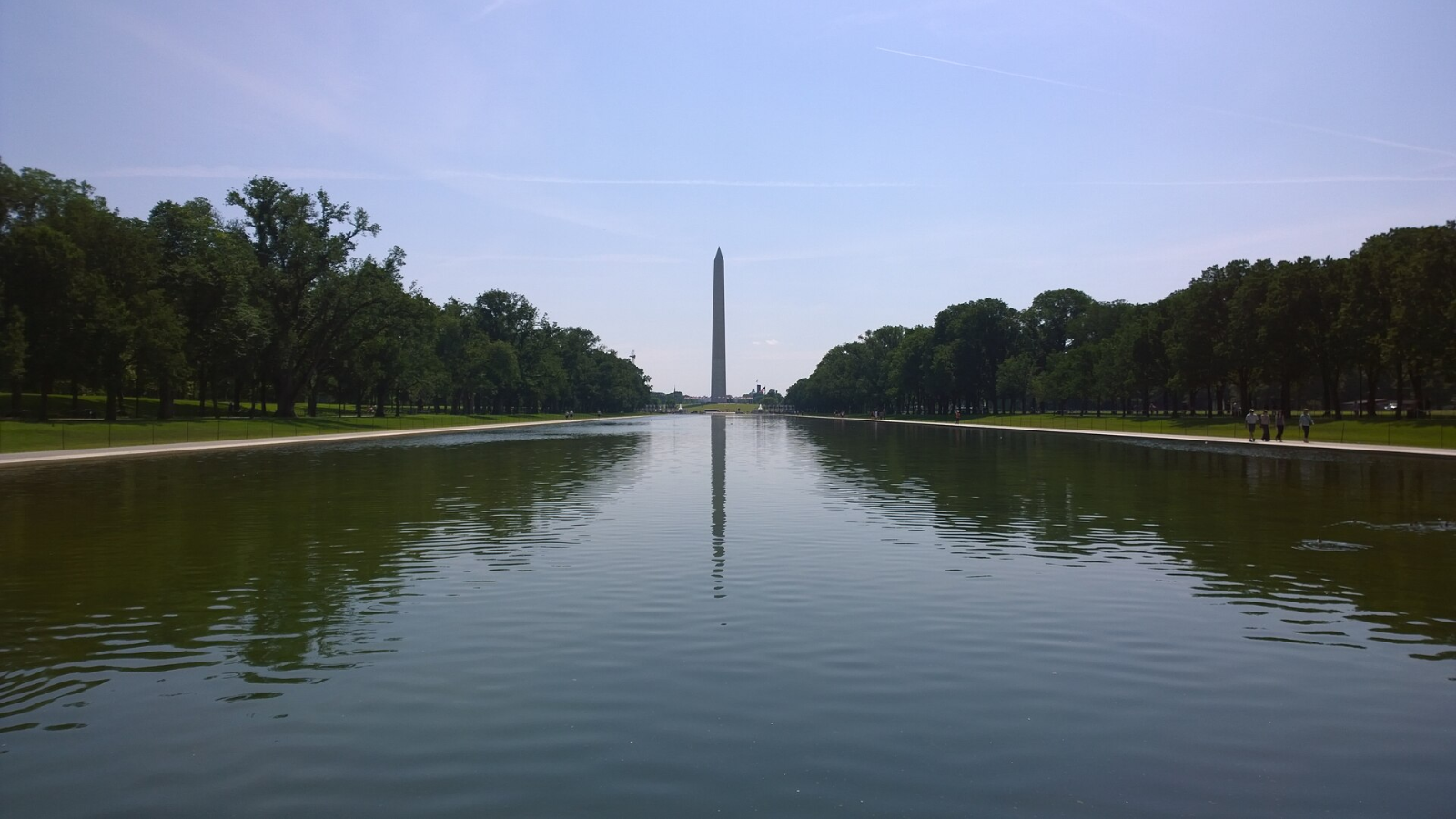
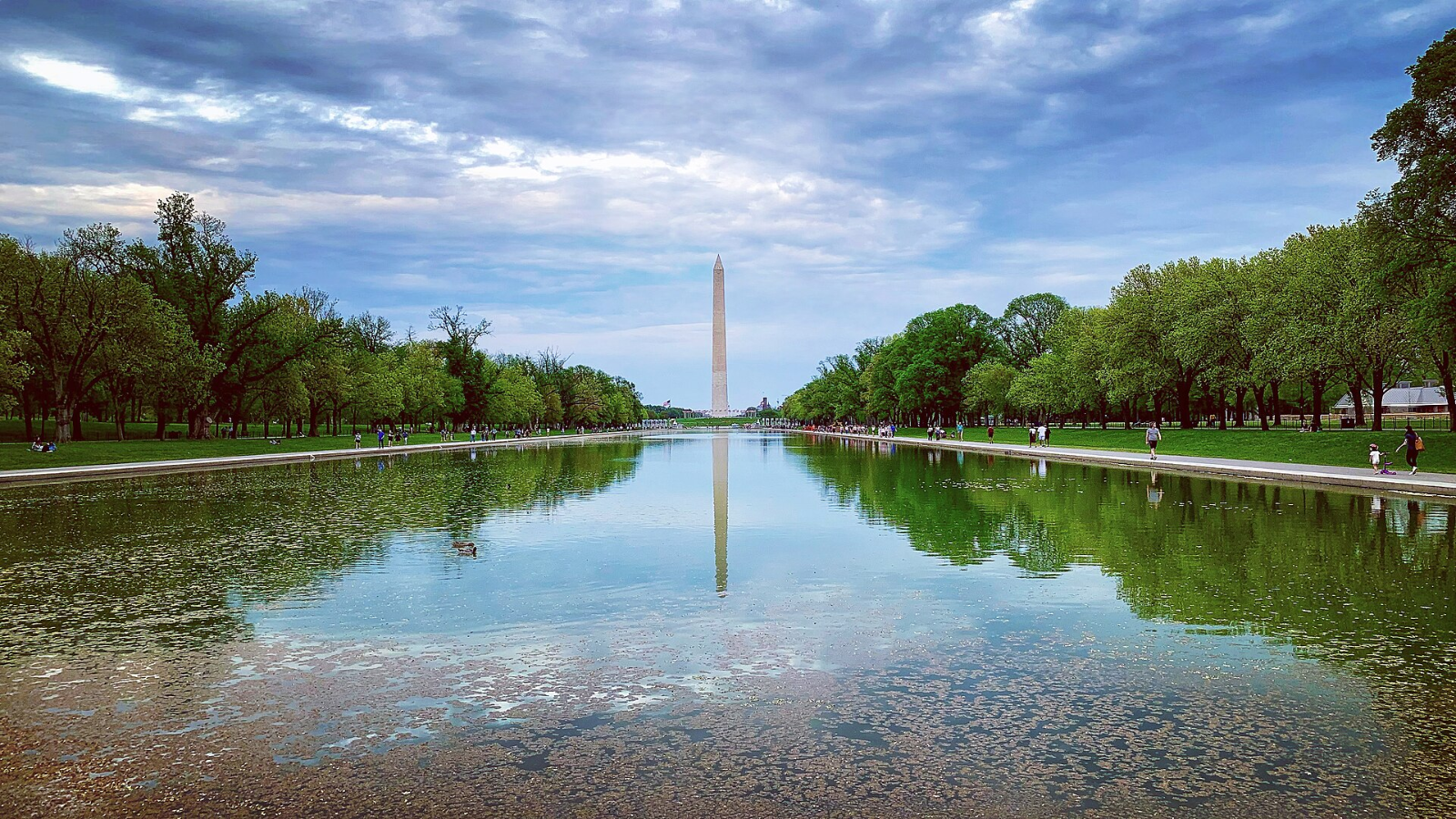
The pool wasn’t just built to hold water. It was designed with a very specific artistic purpose: to be a giant mirror. When the wind is still, the shallow depth creates a perfectly calm surface. It reflects the Washington Monument for those walking toward the Lincoln Memorial.
If you turn around, you get a perfect view of the Lincoln Memorial itself. The original design used a gray, achromatic basin. This was a deliberate choice by the designers and the Commission of Fine Arts. The dark, neutral colors created an illusion of great depth.
This made the reflection look more profound and solemn. It was meant to be a “subordinate” surface that didn’t distract from the monuments.
The Constant Struggle with Leaks
Despite its beauty, the pool has always been a maintenance nightmare. By the early 2000s, the structure was failing significantly. It was riddled with cracks and leaks that were impossible to ignore.
The pool was losing a staggering 500,000 gallons of water every single week. That is roughly 26 million gallons of wasted city water every year. On top of the leaks, the water quality was often disgusting.
The pool originally relied on water circulated from the nearby Potomac Tidal Basin. That system eventually failed to keep up with the modern world. Algae blooms turned the water green and murky. Sediment and bird droppings from thousands of local geese made the situation worse. It was no longer a sparkling mirror; it was a muddy, expensive mess.
The $34 Million Obama-Era Overhaul
In 2010, the federal government decided to stop patching the leaks and rebuild the whole thing. The project was funded by $34 million from the American Recovery and Reinvestment Act.
This was a massive engineering feat that took 20 months to complete. Because of the marshy soil, they couldn’t just pour new concrete. They had to install 2,113 timber pilings for support. These pilings were driven 40 feet deep into the ground until they hit solid bedrock. This was designed to finally stop the pool from sinking and cracking.
The renovation also added a modern filtration and circulation system. The goal was to provide crystal-clear water and stop the weekly loss of 500,000 gallons.
Why the $34 Million Fix Wasn’t Enough
You would think spending $34 million would fix a pool for a long time. But the Reflecting Pool is a complicated beast. Even after the major overhaul, issues persisted.
By 2019, the pool was still requiring expensive refills. Reports indicate the city used an additional 71 million gallons that year alone, costing over $1 million.
There have been rumors that the wrong-sized pipes were installed during the previous renovation. Structural settlement and the harsh D.C. climate also continued to take a toll. The massive basin still required deep cleaning every spring to remove algae and goose droppings.
By the time 2025 rolled around, the current administration decided the pool was in “terrible” shape again. President Trump described it as “filthy, dirty” and said it “leaked like a sieve.“
Enter the 2026 “Beautification” Plan
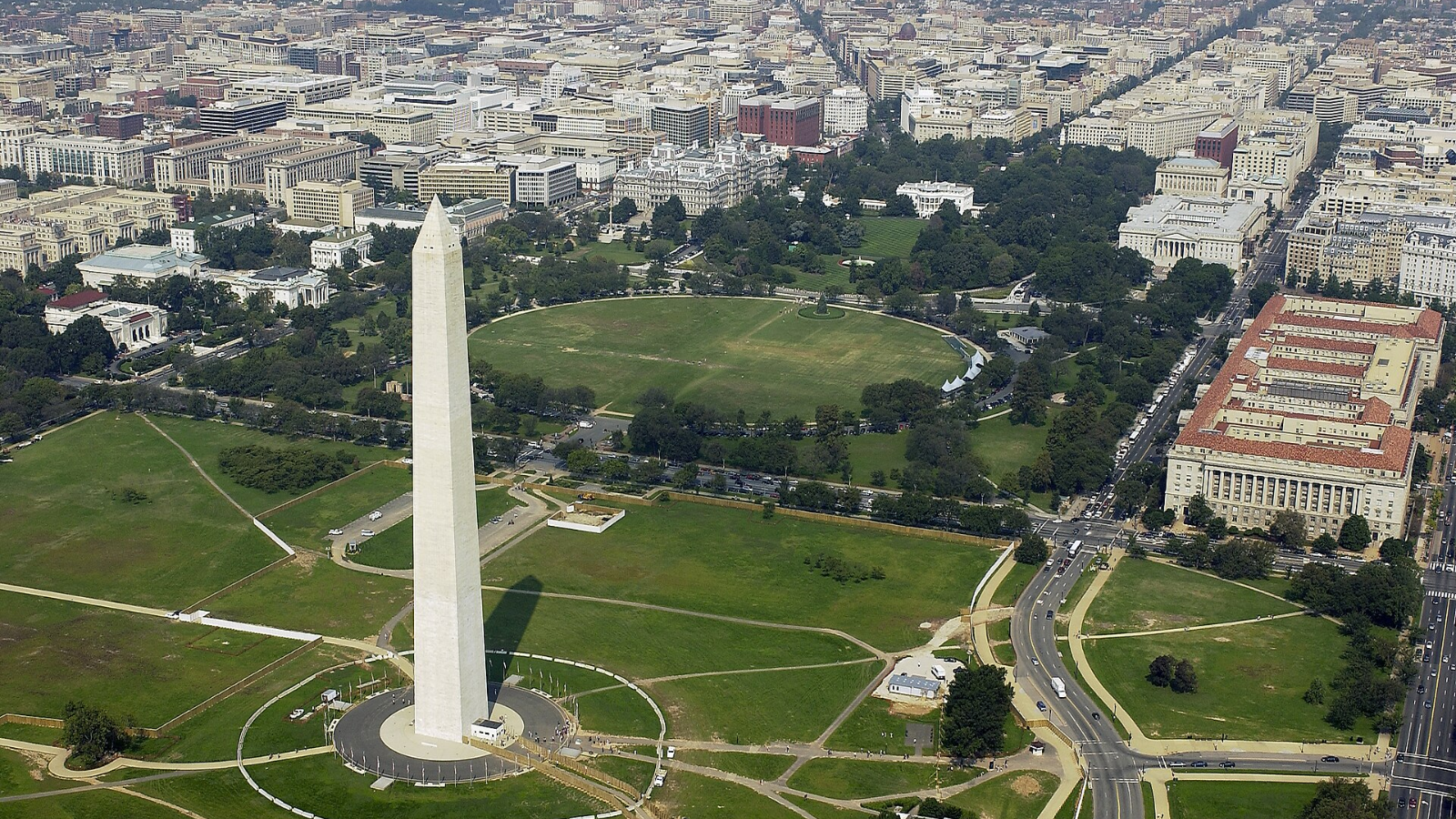
The latest project is part of a much larger push to clean up Washington, D.C. The goal is to have the capital looking its absolute best for America’s 250th birthday this summer.
President Trump has taken a very personal interest in the project. He said he was inspired by a friend from Germany who complained about the dirty water.
The administration decided that simply cleaning the pool wasn’t enough this time. They wanted to resurface the entire bottom and change the color. The President famously claimed he could do the job faster and cheaper than anyone else.
He framed it like fixing a “highly sophisticated swimming pool” rather than a historic monument. He promised the project would only cost about $1.8 million and take just a few weeks.
The “American Flag Blue” Debate
One of the most controversial parts of the new plan is the color. For 100 years, the pool had a gray stone bottom. The President described this gray color as “never good.” He originally thought about a turquoise shade, similar to what you’d see in the Bahamas. But a contractor allegedly talked him out of it. They suggested a color hued in “American flag blue” instead.
The President said this would make the pool more beautiful than it was when it was first built. The administration believes the blue will enhance the reflections of the Lincoln Memorial and the Washington Monument. However, critics are horrified by the change.
They argue that a bright blue pool looks like something you’d find at a resort or a theme park. They believe the vivid blue ruins the solemn, reflective atmosphere of the National Mall.
A Cost Increase That Will Make Your Head Spin
If the $1.8 million price tag sounded too good to be true, that’s because it was. As the project moved forward, the numbers started climbing fast. Federal records reviewed by the New York Times tell a very different story from the initial promises. The total projected cost has now soared to $13.1 million. That is more than seven times what the President originally estimated.
The Department of the Interior says the price hike is due to the extreme rush. To finish by the July 4th deadline, they have to pay for more people and longer hours. They also need more materials and equipment to get the job done in record time.
The No-Bid Contractor Controversy
It’s not just the price that’s raising eyebrows—it’s who is doing the work. Normally, the government has to let companies compete for big contracts. This is designed to keep costs down and prevent favoritism. But for this project, the administration bypassed those rules.
They used an “emergency exemption” to award a no-bid contract. The contract went to a Virginia-based company called Atlantic Industrial Coatings. What’s really interesting is the company’s past connections.
Atlantic Industrial Coatings had previously performed work at President Trump’s golf club in Sterling, Virginia. Before this massive D.C. project, the firm had never held any federal contracts. The President said he chose them because they were some of his “best pool builders” from his real estate days. The owner, Eddie Wood, has confirmed the contract details but hasn’t said much else.
The Lawsuit to Stop the Paint
While the painters are busy, the lawyers are even busier. A nonprofit called the Cultural Landscape Foundation (TCLF) has sued the federal government. They want a judge to immediately halt the project. They argue that the administration is violating the National Historic Preservation Act. Under this law, the government is supposed to consult with experts before changing historic landmarks. The lawsuit claims the National Park Service skipped this entire process. There was no public comment period and no environmental assessment.
Charles Birnbaum, the head of the foundation, says the blue paint is a “desecration.” He argues that as long as the work continues, the historic character of the pool is being permanently altered. The case has been assigned to U.S. District Judge Carl Nichols.
“Like a Resort or a Theme Park“
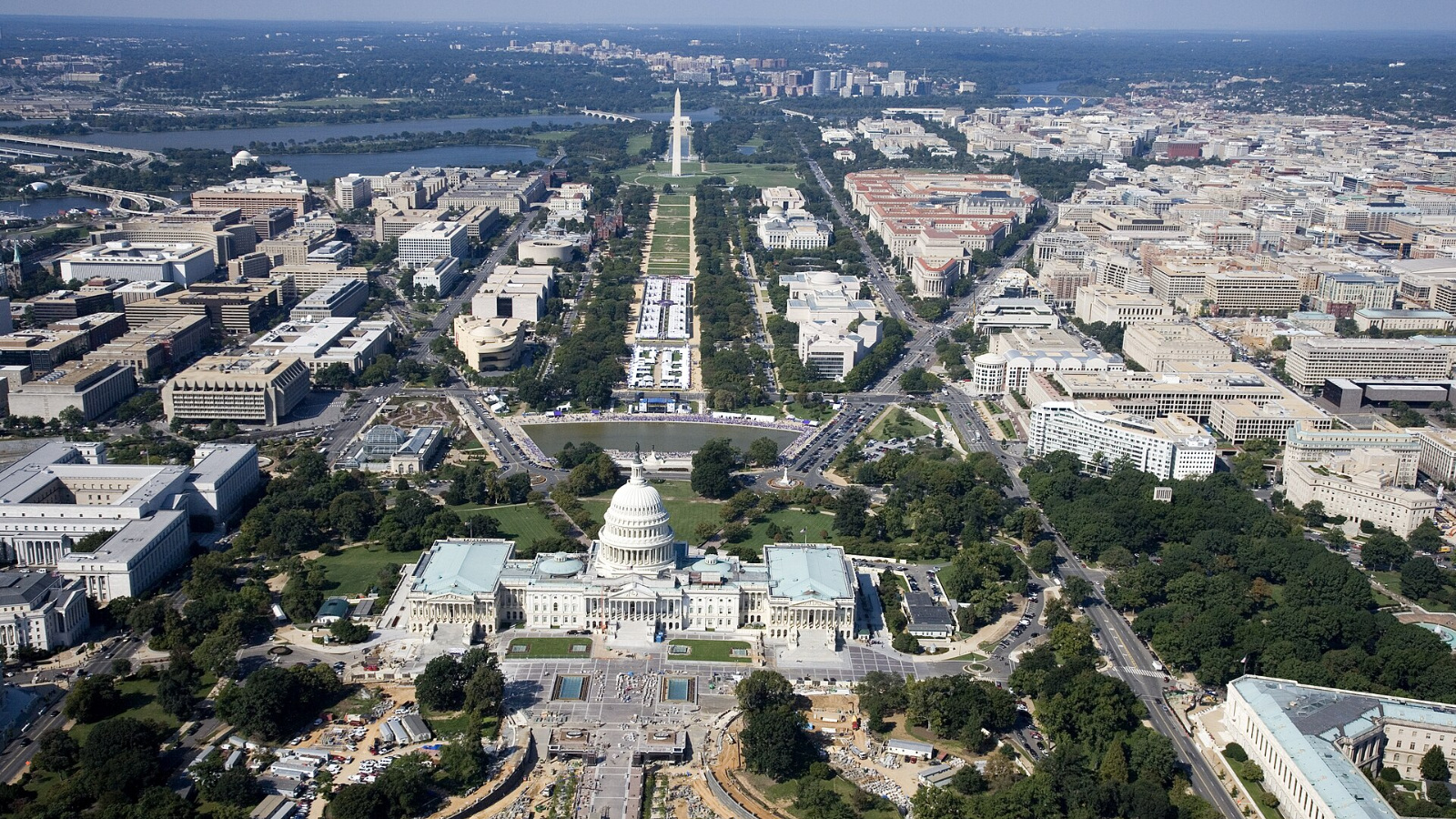
The aesthetic debate is surprisingly heated. Birnbaum and other preservationists believe the National Mall should be a solemn place. They say the original gray basin was part of a “designed landscape” that shouldn’t be touched. The gray was meant to be “subordinate,” meaning it didn’t draw attention to itself. By painting it “American flag blue,” critics say it now looks like a giant swimming pool at Mar-a-Lago.
They worry it turns a place of reflection into a tourist attraction for the wrong reasons. The Department of the Interior has a very different view. They say the blue color will actually “enhance the visitor experience.“
They believe it will make the monuments look even grander. One spokeswoman said the President has done more to make D.C. a “shining beacon” than any other leader.
More Than Just a Paint Job
The administration says the $13.1 million isn’t just for a change of color. They claim they are fixing the underlying leak problems once and for all. The project involves applying a special leak-prevention coating to the entire basin.
They are also installing a high-tech “ozone nanobubbler” filtration system. This is supposed to keep the water clear without using massive amounts of harsh chemicals. They are also hiring a dedicated crew just to maintain the grounds and handle wildlife issues (Which is a polite way of saying they are going to keep the geese from pooping in the blue water). The administration argues that these technical upgrades will save money in the long run.
Where is the Money Coming From? (The TikTok Connection)

You might be wondering how the government is paying for all these “beautification” projects. The answer is a mix of budget shifts and unexpected settlements. The White House is reportedly close to a $400 million settlement with TikTok. The settlement is over allegations that the platform violated children’s privacy. Usually, that kind of money would go to the victims or privacy programs. But the administration wants to use it for D.C. projects like the Reflecting Pool.
They are also proposing a massive $10 billion “Presidential Capital Stewardship Program.“ This fund would be used for construction and “beautification” in and around the capital. Critics call it a “slush fund” because the details on how it will be spent are very vague.
The Big Trade-Off: National Park Service Cuts
While billions are being directed to D.C. beautification, the rest of the country’s parks are in trouble. The administration’s 2027 budget proposal includes a massive 25% cut to the National Park Service (NPS).
That would slash $736 million from the budget for running our national parks. The NPS construction budget would be cut by 72% compared to 2025 levels. This comes at a time when the parks have a $23 billion backlog of needed repairs.
Since January 2025, the Park Service has lost about 4,000 staff members, a 25% drop. Many experts are worried that focusing so much money on D.C. monuments is hurting the rest of the system. They point out that while the D.C. backlog is about $2 billion, the administration is asking for $10 billion for “new” projects.
Other Major Changes Coming to D.C.
The Reflecting Pool is just the tip of the iceberg for the capital’s makeover. The administration has several other huge projects in the works. There is a plan to build a 90,000-square-foot ballroom at the White House.
That project has already seen part of the East Wing demolished. It is a $400 million, privately funded initiative. Then there is the “Victory Arch,” which would stand near Arlington National Cemetery. At 250 feet tall, it would be a massive addition to the skyline.
There is even a plan to redesign the public golf course at East Potomac Park into a “championship-level” course. All of these projects have one thing in common: they are moving fast and facing legal pushback.
The 250th Anniversary Deadline
The big reason for all the rush is the date: July 4, 2026. This is the “Semiquincentennial“—America’s 250th birthday. The administration wants all these projects completed by then to showcase the capital to the world.
This tight deadline is why they are using no-bid contracts and emergency exemptions. They say there isn’t enough time to go through the normal bidding and review process. The President even drove his SUV across the drained and painted pool last week for an inspection.
He seems determined to make sure everything is perfect for the celebration. But with the lawsuit still pending, it is unclear if the blue paint will be allowed to stay.
A Mixed Reaction from the Public
If you walk down to the National Mall today, you’ll see workers spraying the blue coating. Tourists are stopping to watch, and their reactions are all over the place. Some people think the blue looks great and makes the water look much cleaner. Others think it looks “fake” and detracts from the site’s history.
Locals who have visited the pool for years are particularly sensitive to the change. They remember the gray stone that has been there for their whole lives. Social media is also buzzing with AI-generated images of the project. The President has shared images of himself and staff lounging at the pool, which has only added to the controversy.
The Long-Term Reality of the Reflecting Pool
Keeping 6.75 million gallons of water clean and contained is a never-ending job. The $34 million overhaul in 2012 was supposed to be the “forever” fix, but it didn’t quite make it. Now, we are spending another $13.1 million for a different kind of fix.
It shows that our national monuments require constant investment and attention. The debate isn’t really about whether we should fix the pool—everyone agrees it shouldn’t leak. The debate is about how we do it, how much we pay, and what it should look like when we’re done.
As we head toward the 250th anniversary, the Reflecting Pool remains a symbol of American ambition—and American disagreement.
Key Takeaway
The Lincoln Memorial Reflecting Pool is getting a $13.1 million makeover that has far exceeded its original $1.8 million estimate. The project uses a controversial “American Flag Blue” paint and was awarded through a no-bid contract to a company that previously worked on President Trump’s golf courses.
While the administration says the rush and cost are necessary to prepare for America’s 250th birthday, a preservationist lawsuit seeks to stop the work, arguing that the new look ruins the historic “mirror” effect of the iconic landmark. This massive spending on “beautification” in D.C. comes at the same time as proposed 25% cuts to the rest of the National Park Service budget.