
14 Nutrient-Dense Vegetables to Eat Daily
Vegetables are an essential part of a balanced diet. They are vibrant and delicious, packed with nutrients such as vitamins, minerals, and fiber, and their low-calorie count also helps with weight management.
Research suggests that eating vegetables prevents diabetes, heart disease, stroke, various cancers, and many other diseases. Another study revealed that more consumption of fruits and vegetables leads to reduced mortality. The researchers concluded that if you eat five servings of fruits and vegetables in a day (three of which should be vegetables), you will likely live a longer life, as it reduces the mortality rate by up to 13%.
Ironically, most US adults eat way less than the recommended value. While you probably shouldn’t stick to the same vegetable every day (variety keeps you from getting bored and provides a mix of nutrients), consuming even just some vegetables regularly is important because of their nutrients and health benefits.
To inspire your next grocery store trip, here are 14 nutrient-dense vegetables we recommend adding to your daily rotation.
1. Carrots

Carrots are rich in beta-carotene, a powerful antioxidant that gives them their orange color. Your body converts beta-carotene into vitamin A, and one cup of carrots, approximately 128 grams, delivers 119% of the daily value of this essential vitamin. It helps with vision problems, enhances immunity, and gives your skin the perfect glow.
Carrots also contain magnesium, vitamin C, fiber, and vitamin K. According to a study, eating at least 2 to 4 carrots a week can reduce your risk of developing colorectal cancer in the long run.
2. Broccoli

If you are looking to increase your vitamin C intake, add broccoli to your diet. One cup of broccoli contains 90% of the daily value of vitamin C and better yet, it is packed with vitamin K, fiber, folate, and potassium. Vitamin C helps boost your immune system and supports skin health, while vitamin K is important for blood health and bones, and folate is necessary for DNA repair.
Because of its exceptional nutritional profile, broccoli has antimicrobial, anti-cancerous, and anti-inflammatory properties. Research indicates that broccoli has a compound called glucosinolate, and its byproduct, sulforaphane, might prevent certain cancers and reduce heart disease-related chronic inflammation in the body.
3. Sweet Potatoes

Sweet potatoes are root vegetables that have tremendous benefits for your health. They are full of antioxidants, fiber, vitamins A, C, potassium, and zinc.
The dietary fiber in sweet potatoes improves gut function. Research indicates it acts as a prebiotic, promoting healthy gut bacteria growth and better digestion.
In addition, this vegetable affects the immune system, prevents cancer, and regulates blood sugar and cholesterol levels. With all these benefits, it’s no wonder this vegetable should be included in your weekly veggie lineup.
4. Kale

Kale is often called a superfood, and for good reason. Just one cup or 21g of raw kale contains potassium, calcium, vitamins A, C, K, and copper. This leafy green powerhouse is also rich in fiber, manganese, and antioxidants, particularly lutein and zeaxanthin, which may combat inflammation and prevent chronic diseases.
A study finds that eating kale with a high-carb meal prevents sugar spikes more effectively than eating a high-carb diet alone. If you are not adding this wonder veggie to your salads, it’s high time you should.
5. Beets

Beets are colorful root vegetables that have an earthy aroma, and while they might not seem appealing at first, eating them regularly provides more benefits than you can imagine. Beets contain folate, manganese, fiber, and nitrates (which the body converts into nitric oxide).
They help dilate or open blood vessels, lower blood pressure, and improve brain function and athletic performance. When blood vessels widen, they increase blood flow to the brain and lungs.
Also, betalains are the antioxidants found in beets that give them color, and they’re known to reduce inflammation throughout the body and prevent chronic disease.
6. Tomatoes
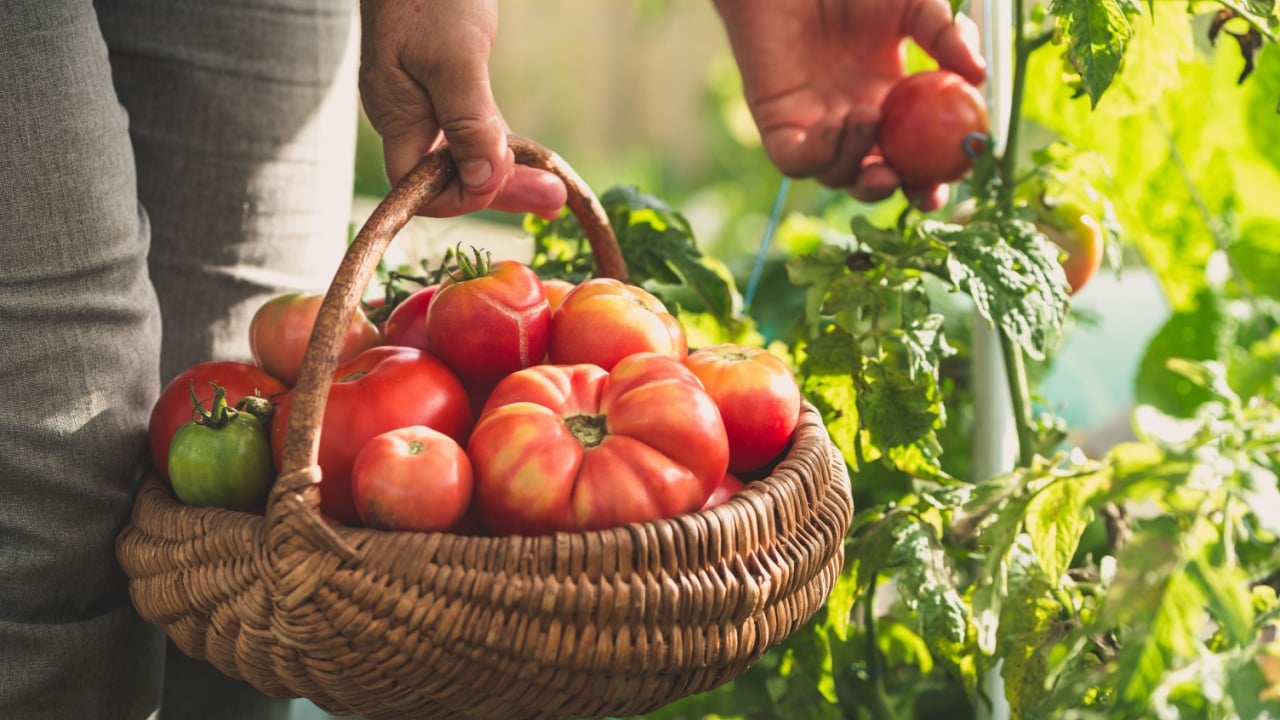
Although tomatoes are technically classified as fruit, they are often considered vegetables because of their tangy flavor. According to data, 31% of the tomatoes Americans consume are fresh, while 73% are canned or processed. Either way, they pack a nutrient-dense punch that’s great for your health.
Tomatoes contain vitamins C, K, potassium, folate, fiber, and various antioxidants, including lycopene, flavonoids, and beta-carotene. These have been linked to reducing the risk of chronic diseases like cancer, heart disease, and diabetes. Better yet, because they have fewer calories and are low in carbohydrates, they’re a great veggie for diabetics
7. Onions

Onions are flavorful, nutritious, and versatile, a great aromatic to start off any dish. They are packed with vitamin C, which supports the immune system and helps absorb iron, and vitamin B6, which plays a vital role in metabolism and brain health.
Additionally, onions are rich in quercetin and allicin, which fight many chronic diseases and lower blood pressure and cholesterol for improved heart health. Add them to enhance the taste of any dish you want, such as salads, soups, stir-fries, and casseroles.
8. Swiss Chard

Swiss chard is a leafy green vegetable with an impressive nutritional profile. It is loaded with vitamins A, C, and K, which are essential for maintaining healthy vision, strengthening the immune system, and supporting bone health.
Additionally, Swiss chard is rich in magnesium, calcium, and potassium. These three minerals provide many vascular benefits, including lowering blood pressure.
Because this vegetable belongs to the beet family, it also contains nitrates, which provide oxygen to the muscles, so eating Swiss chard can also increase your exercise abilities during intense workouts.
9. Cabbage

Cabbage is an incredibly useful vegetable with many health benefits. It contains vitamins C, K, and B6, as well as minerals such as manganese, calcium, potassium, and fiber. Its crisp texture and mild flavor make it easy to incorporate into many dishes.
Also, when fermented, cabbage transforms into sauerkraut, which adds a delicious tartness to meals but also boosts gut health thanks to its probiotic content.
10. Bell Peppers

Bell peppers, available in a rainbow of colors including green, red, yellow, and orange, are great multipurpose vegetables packed with nutrients, especially vitamin C. One normal-sized bell pepper contains 169% of the recommended daily intake, which is even more than oranges, making them excellent for boosting the immune system and promoting skin health.
Additionally, bell peppers contain various antioxidants, including capsanthin in red peppers, which have been linked to anti-inflammatory properties and a reduced risk of certain chronic diseases.
11. Brussels Sprouts

While Brussels sprouts do not get the attention they deserve, they actually pack a punch in flavor and health benefits. These mini-cabbage-like vegetables contain vitamins C and K, fiber, and antioxidants. The fiber content in Brussels sprouts promotes gut health, maintains weight, and helps manage blood sugar levels because it delays the digestion of food.
Like other cruciferous vegetables, they also contain sulforaphane. This compound helps prevent cancer by supporting the growth of cancer cells or even killing them. However, eating them shouldn’t be a chore. Try them roasted with a dash of olive oil and sea salt to caramelize them and enhance their flavor.
12. Garlic

Garlic might seem small, but it’s a powerhouse of nutrition! With its unique aroma and bold flavor, this little bulb is packed with sulfur compounds like allicin, which offer many health benefits. Garlic can boost immune function, reduce blood pressure, and improve heart health by lowering cholesterol levels. Plus, its antimicrobial properties are a great defense against infections.
It is best to consume it raw or crushed, as this lets the allicin develop fully. For that extra kick, you can also add fresh garlic to your salads, dressings, or stir-fries.
13. Cauliflower

Cauliflower is another versatile vegetable known for its adaptability in cooking. It’s low in calories yet teeming with nutrients like vitamin C, vitamin K, folate, and fiber. Enjoy its mild taste and texture in dishes like cauliflower rice, mashed cauliflower, or even as a pizza crust, making it a great go-to for healthier options.
Additionally, cauliflower has compounds that may help prevent cancer and reduce inflammation. For maximum nutrients, you can add it raw to salads or lightly steamed.
14. Asparagus

Asparagus is a tasty veggie that can be used in both fancy and everyday cooking. It is well-liked for its mild flavor and range of textures depending on how it’s cooked. It is filled with vitamins A, C, E, and K, plus folate, which is great for cell health, prevents chronic diseases, and is especially good for pregnant women.
The long spears are also high in fiber, helping with digestion. Plus, its diuretic properties can help flush out excess salt and fluids from the body.