Nearly 4 Million Americans Over 75 Are Still Paying a Mortgage, More Than Double 2010
Nearly 4 million Americans aged 75 and older are still paying off their homes, according to new research. That’s more than twice as many as in 2010, when 1.79 million homeowners in that age group had a mortgage.
The increase comes as more Americans are managing to pay off their homes. Across the country, 41% of homeowners now own their properties outright, up from about one-third in 2010.
For older homeowners, the numbers tell a different story. Nearly three in ten still have a mortgage, and the amount of debt they carry has grown as well.
A new report from Realtor.com shows how much has changed in 15 years. It also raises questions about what mortgage debt could mean for older Americans who want to downsize, move closer to family, or remain in their homes.
Still Paying
Embedded media follows; please allow a moment to load.
According to the November 16 Realtor.com study, 28.7% of homeowners aged 75 and older had a mortgage in 2025. Back in 2010, that figure was just 20.3%.
The number of older homeowners with mortgages jumped 119% during that period. Meanwhile, the number who owned their homes outright grew by only 39%.
There’s another figure that stands out. Median home-secured debt among people 75 and older reached $101,000 in 2025, compared with $77,720 in 2010. That’s an increase of roughly 30%, based on Federal Reserve data cited in the report.
But carrying a mortgage into retirement doesn’t always mean someone is struggling to pay the bills. Some Americans buy their first home later in life. Others refinance, move to a different property, or choose to keep a low-interest loan rather than pay it off early.
Realtor.com senior economist Jiayi Xu explained that buying later in life can extend mortgage payments into years when past generations were more likely to own their homes free and clear.
A Different Picture
What’s unusual about the findings is that older homeowners are moving against the national trend.
Overall, the share of American homeowners with a mortgage dropped from 67.2% in 2010 to 59% in 2025. But among homeowners over 75, the share carrying debt has gone up.
Older Americans are also more likely to own a home than they were 15 years ago. The homeownership rate for households in this age group climbed from 75.7% to 78.3%.
That means more seniors have become homeowners, even as fewer of those owners have managed to pay off their mortgages.
Where they live can make a big difference. Among the nation’s 50 largest metro areas, Grand Rapids, Michigan, had the highest share of mortgage-free homeowners aged 75 and older, at 79.2%. Pittsburgh followed at 78.4%, while Buffalo reached 75.6%.
On the other end was Riverside, California, where only 55.2% of older homeowners owned their properties outright. Las Vegas and Los Angeles were also among the areas with the lowest shares.
Harder to Leave
Realtor.com chief economist Danielle Hale discussed the findings in the company’s weekly housing outlook. She also explained why today’s mortgage rates can make moving so expensive.
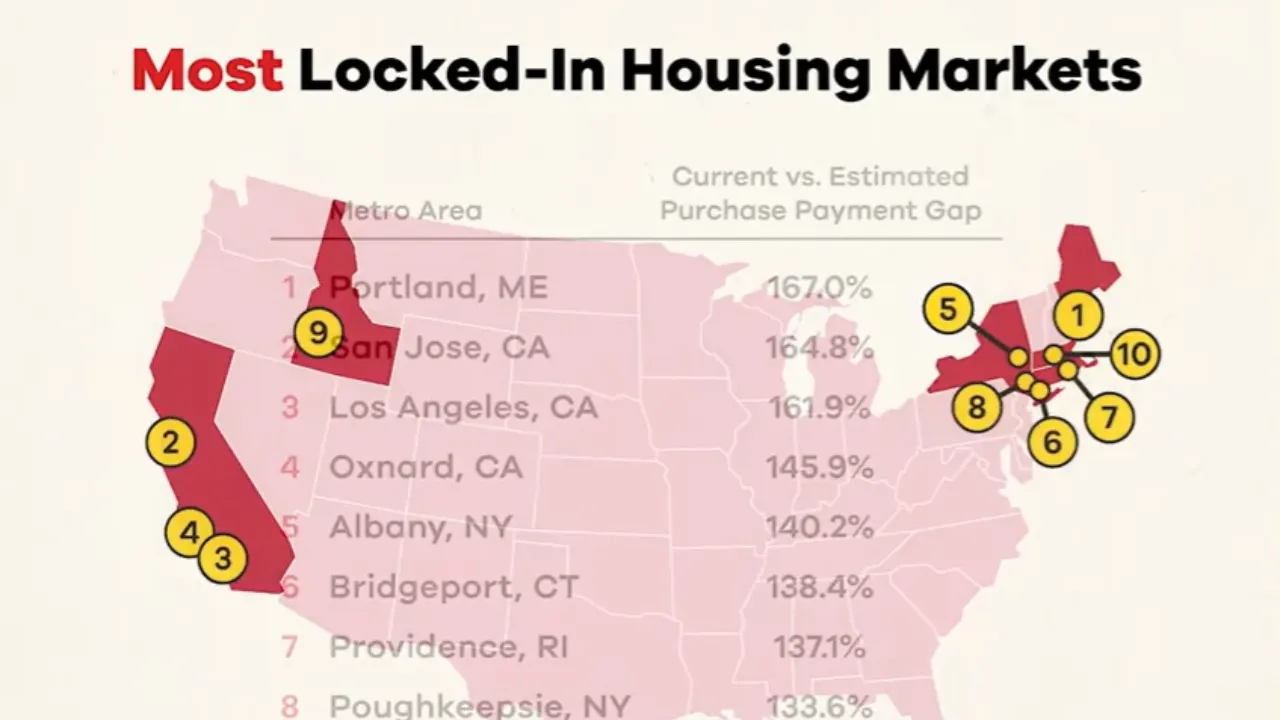
For a typical repeat homebuyer, replacing an existing mortgage with a new one could increase the monthly payment by about $1,100, according to separate Realtor.com research. That’s an 85% jump over the typical existing payment of $1,300.
The issue is especially important for homeowners who secured low mortgage rates years ago. Selling a house means giving up that cheaper financing, and buying another property could leave them with a much higher payment.
Economists call this the mortgage rate lock-in effect. Even homeowners who would prefer a smaller house may find that moving doesn’t save them as much as they expected.
Older people who have paid off their homes face a different choice. Without an existing mortgage to replace, they can decide whether to sell based more on their needs, their finances, and where they want to live.
That distinction could matter as baby boomers grow older and more of their homes become available to younger buyers.
Who Owes What
Mortgage debt also varies widely depending on location, even when homeowners of all ages are included.
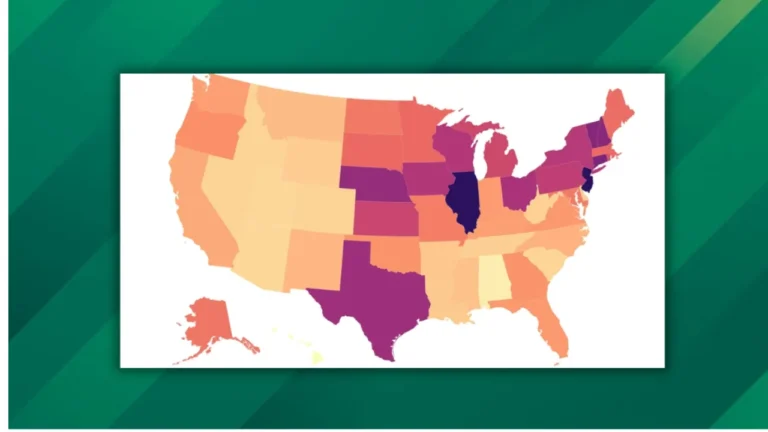
Washington, DC, had the highest share of mortgaged homes at the state and district level, with 73.5% of homeowners still carrying a loan. Maryland followed at 69.4%, while Colorado reached 68.4%.
West Virginia was at the opposite end, with just 43.4% of homeowners carrying a mortgage. Mississippi followed at 47.3%, while New Mexico was evenly divided between homes with and without mortgages.
These figures reflect all homeowners, not just those over 75. They help show why the cost of moving can have a different impact from one part of the country to another.
For older Americans, the report offers another important distinction. Although the number of seniors carrying mortgages has climbed sharply, most still own their homes outright.
Of the 13.68 million homeowner households aged 75 and older in 2025, about 9.75 million had no mortgage. The remaining 3.93 million were still carrying a loan.