Restaurant Dining Hits Record Low as Americans Decide to Stay Home
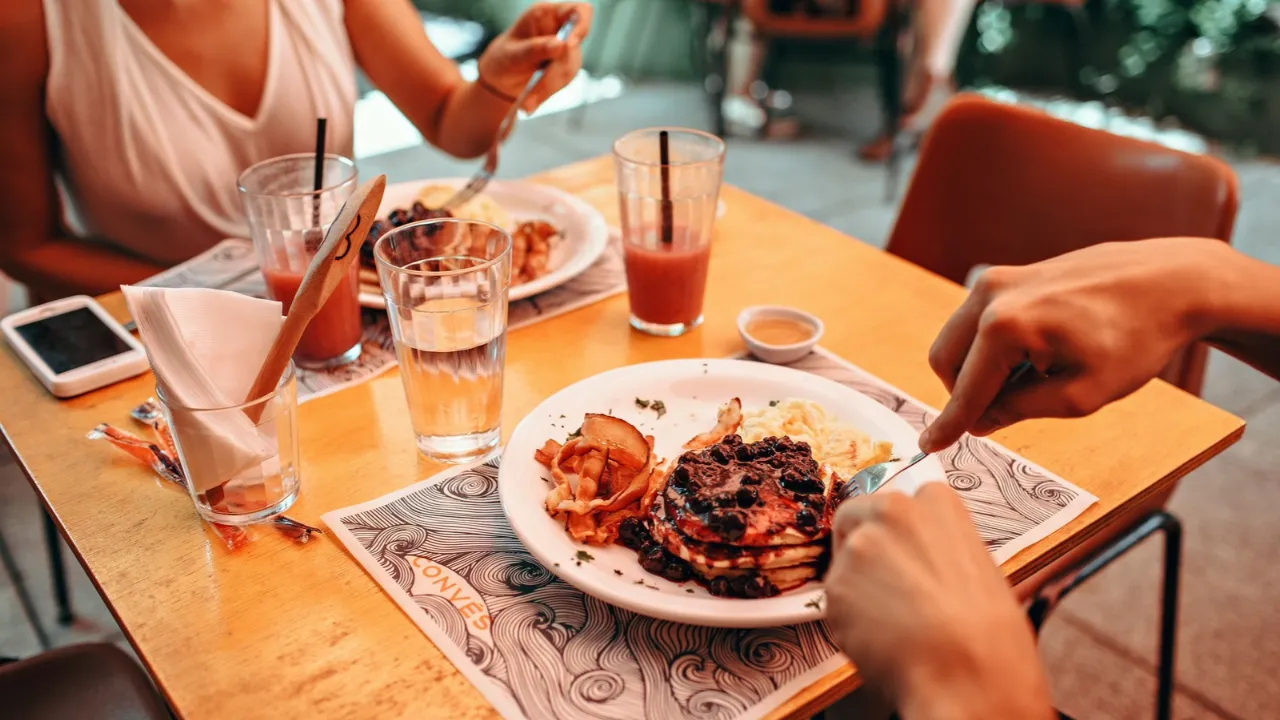
Americans are losing their appetite for restaurants, and it’s not just about the food. Between rising prices, tipping expectations, and meals that don’t always impress, more customers are deciding that staying home might be the better deal.
A new Gallup poll found that just 39% of Americans eat at restaurants at least once a week. That’s down from 53% in 2019 and marks the lowest level since Gallup began tracking the habit in 2018.
The findings have sparked plenty of debate online. Some people blame the growing cost of eating out, while others say they can make better meals at home. Even customers who can afford regular restaurant visits appear to be cutting back.
Restaurant owners are feeling the pressure, too. Separate industry research shows that many businesses are serving fewer customers, even as menu prices continue to climb. For people on both sides of the table, the weekly restaurant meal is becoming a harder sell.
Not Worth The Bill
Embedded media follows; please allow a moment to load.
Source: Gallup, “More Ordering Groceries Online; Fewer Dining Out,” by Lydia Saad, October 21, 2026. View the original research.
The Gallup survey found that 20% of Americans now eat at restaurants only a few times a year or less, twice the share recorded in 2019.
The pullback isn’t limited to people with tight budgets. Among upper-income adults, weekly dining has fallen from 65% to 48% since 2019. Middle-income adults saw a drop from 54% to 38%.
Meanwhile, federal inflation data shows why restaurant bills may be difficult to justify. In September 2026, full-service meal prices were 3.8% higher than a year earlier. Grocery prices rose just 1.8% over the same period.
A separate National Restaurant Association survey found that 45% of consumers had reduced spending at full-service restaurants over the past year. Another 43% said dining out had been financially difficult during the previous six months.
Customers are changing what they order as well. About 40% reported relying more on discounts and deals, while 34% said they were skipping extras such as desserts and drinks.
Keep Your Tip
The poll struck a nerve on Facebook, where readers had some pointed explanations for staying home.
“When they said, if you can’t afford to tip, you should eat at home. And we did just that,” one FB user joked. Another commenter offered a different complaint: “Food quality doesn’t match the price.”
Tipping frustration was a common theme, although payment data tells a more complex story.
According to restaurant payment company Toast, customers left average digital tips of 19.1% at full-service restaurants during the second quarter of 2026. Quick-service restaurants averaged 15.8%, while tipped takeout orders averaged 13.8%.
Those percentages have remained fairly steady over the past two years. The figures don’t measure whether customers dislike being asked for tips, nor do they show that tipping has caused restaurant visits to decline.
Some Facebook commenters also questioned the national numbers, pointing to crowded restaurants in their own towns. Their experiences aren’t necessarily at odds with the survey, which measures how often Americans dine out rather than how busy any one restaurant might be.
Fewer People, Higher Bills
Restaurant operators have reported their own changes in customer traffic.
In a separate National Restaurant Association report, 44% of operators said they served fewer customers in September 2026 than a year earlier. Yet 54% reported higher sales.
That difference matters. A restaurant can bring in more money without attracting more guests, especially when prices rise. Higher revenue doesn’t automatically mean a healthier business.
Delivery hasn’t filled the gap, either. Gallup found that weekly takeout or delivery ordering has fallen from 39% in 2021 to 31% this year.
At the same time, weekly online grocery ordering has grown from 4% in 2019 to 15% in 2026. That doesn’t prove Americans are replacing restaurant meals with home cooking, but it shows how food-buying habits continue to change.
Bring Them Back
Some restaurant owners are responding with cheaper meals and more promotions.
Teneshia Murray Butler, owner of T’s Brunch Bar in Atlanta, told Fox News Digital that dine-in and takeout traffic have slowed over the past several months. Weekdays have been especially difficult, and fewer families with children are coming in.
To attract customers, she has introduced $10 meals, $5 drinks, and smaller portions of certain dishes. Those specials come as her costs for beef, cooking supplies, and takeout packaging have increased.
Other restaurant owners face a similar challenge: finding ways to offer better value without making it harder to cover their expenses.
For Murray Butler, the effort now extends beyond the menu. She has started advertising on billboards around Atlanta and plans to pursue airport advertising to reach more potential customers.