11 Money Saving Grocery Store Hacks That Actually Work
Grocery shopping has become an endurance sport for your wallet. You walk in for milk and eggs, and suddenly, you are refinancing your mortgage to afford a block of cheese. You stare at the receipt, wondering if you accidentally bought a small island instead of sandwich ingredients.
While we cannot control inflation or the price of avocados, we can control how we navigate the aisles. It is time to stop dreading the checkout line and start shopping smarter. Here are some practical, actionable strategies to keep your hard-earned cash where it belongs: in your pocket.
1. Always Shop with a List

Walking into a grocery store without a plan is like walking into a casino with your life savings; the house always wins. Without a list, you are at the mercy of clever marketing, colorful packaging, and your own stomach’s whims. You might intend to buy vegetables for salads, but without a written directive, you will likely leave with three different types of gourmet salsa and a bag of chips the size of a toddler. How we shop says a lot about us, and a grocery list shows you are goal-oriented and organized.
Studies show that shopping with a grocery list is linked to a healthier diet and a lower BMI. A list acts as your shield against these temptations. It forces you to inventory your pantry before you leave the house, so you don’t end up buying a fifth jar of cinnamon when you really needed cumin.
Quick Look:
- Why this works: Sticking to a shopping list saves money and reduces food waste by focusing on ingredients for specific meals instead of unnecessary items.
- Pro Tips: Keep a running list on your fridge or phone throughout the week. Categorize your list by aisle to prevent backtracking and extra exposure to temptation. Check your pantry and freezer before finalizing the list to avoid duplicates.
2. Avoid Peak Times

Grocery stores during rush hour are chaos incarnate. Carts clashing, long lines snaking through the aisles, and the general sense of panic can cause you to make rash decisions just to escape the madness. When you are stressed and rushing, you grab the first item you see rather than comparing prices or looking for deals.
You might grab the expensive brand of pasta sauce simply because there is a traffic jam in front of the cheaper option. Shopping during off-peak hours changes the entire dynamic. You have space to breathe, think, and most importantly, look at the price per ounce.
Quick Look:
- Why this works: A calm shopper is a frugal shopper. This clarity allows you to make rational financial decisions rather than emotional, stress-based ones.
- Pro Tips: Google your local store to see their “popular times” graph. Try shopping late on a Tuesday or early on a Saturday morning. Use the extra time to properly inspect produce and check expiration dates.
3. Go to the Grocery Store Solo

Grocery shopping is not a team sport. Bringing partners, roommates, or children along multiplies the number of impulse triggers in your cart. You might have the discipline of a monk, but your shopping companion might see a new flavor of soda and decide it is essential for survival. Research indicates that shopping companions significantly influence purchasing decisions.
Every extra person is an extra variable that can derail your budget. When you shop alone, you are the sole captain of the ship. You control the pace, the path, and ultimately, the total at the register.
Quick Look:
- Why this works: Eliminating the “nag factor” or the “that looks good” factor from others directly impacts your bottom line. It is much easier to say no to yourself than to argue with a toddler (or a hungry partner) in the middle of the cereal aisle.
- Pro Tips: Schedule your shopping trip when you have childcare or when your partner is busy. If you must shop with others, agree on a “treat budget” beforehand to limit unplanned spending. Use headphones with a podcast or music to keep yourself focused and in the zone.
4. Buy the Generic Brand

We have been conditioned to believe that shiny, famous labels equal better quality. Marketing departments spend millions to make you feel like their can of beans is superior to the store brand can of beans. In reality, many generic products are manufactured in the same facilities as the name brands, just packaged differently. The ingredients list is often identical. Paying a premium for a logo is a quick way to inflate your grocery bill without actually improving the quality of your food. Making this inflation-friendly swap will save you money eventually.
Quick Look:
- Why this works: If you swap out ten items in your cart for the generic version, you could easily save $10-$20 per trip. Over the course of a year, that is hundreds of dollars saved simply by ignoring the fancy label.
- Pro Tips: Compare the ingredients list and nutritional facts side-by-side. Start by swapping simple staples like flour, sugar, canned vegetables, and spices. Do a blind taste test at home to see if your family can actually tell the difference.
5. Opt for Frozen Instead of Fresh Where Possible

There is a misconception that fresh is always best. While fresh local produce is wonderful, out-of-season “fresh” produce has often traveled thousands of miles to get to you, losing nutrients along the way. Frozen fruits and vegetables are typically picked at peak ripeness and flash-frozen immediately, locking in flavor and nutrition. They are also significantly cheaper and have a much longer shelf life, meaning you are less likely to throw away money in the form of slimy spinach.
Quick Look:
- Why this works: You stop paying for spoilage. Frozen options are cheaper and don’t spoil as fast.
- Pro Tips: Stock up on frozen broccoli, peas, corn, and berries. Check the freezer aisle for seafood fillets, which are often cheaper than the “fresh” counter (which is often just previously frozen fish anyway). Look for bags that don’t feel like a solid block of ice, which indicates thawing and refreezing.
6. Shop on the New Sales Day

Grocery store sales run on a cycle. Sales don’t just happen randomly; they start and end on specific days of the week. If you shop the day before a new sale cycle begins, you are paying full price for items that will be discounted the following day. Conversely, if you shop on the first day of the sales, you get the pick of the litter before the best deals are sold out. This is often when stores are fully stocked and looking their best.
Quick Look:
- Why this works: By aligning your schedule with the store’s schedule, you maximize your purchasing power. You can often overlap sales from the previous week with the new sales if you time it perfectly.
- Pro Tips: Ask a store employee or manager when their weekly ad begins (usually Wednesday or Thursday). Plan your meal list around the front-page deals of the flyer. Check if your store has a “clearance” section for bakery or meat items early in the morning.
7. Buy Fresh Produce When It’s In Season

Trying to buy strawberries in December or pumpkins in July is a sure way to overspend. When produce is out of season, it has to be imported from far away, and that transportation cost is passed directly to you. In-season produce is abundant, meaning supply is high and prices are low. It also tastes infinitely better. A tomato in August tastes like sunshine; a tomato in January tastes like wet cardboard.
Quick Look:
- Why this works: You are working with the natural agricultural cycle rather than fighting against it. Farmers’ markets and grocery stores will discount items they have in surplus.
- Pro Tips: Keep a seasonal produce calendar on your phone. Be flexible with your recipes; if asparagus is expensive, swap it for the cheaper zucchini. Consider canning or freezing in-season produce yourself to enjoy later in the year.
8. Buy Breads and Desserts That Can Be Frozen
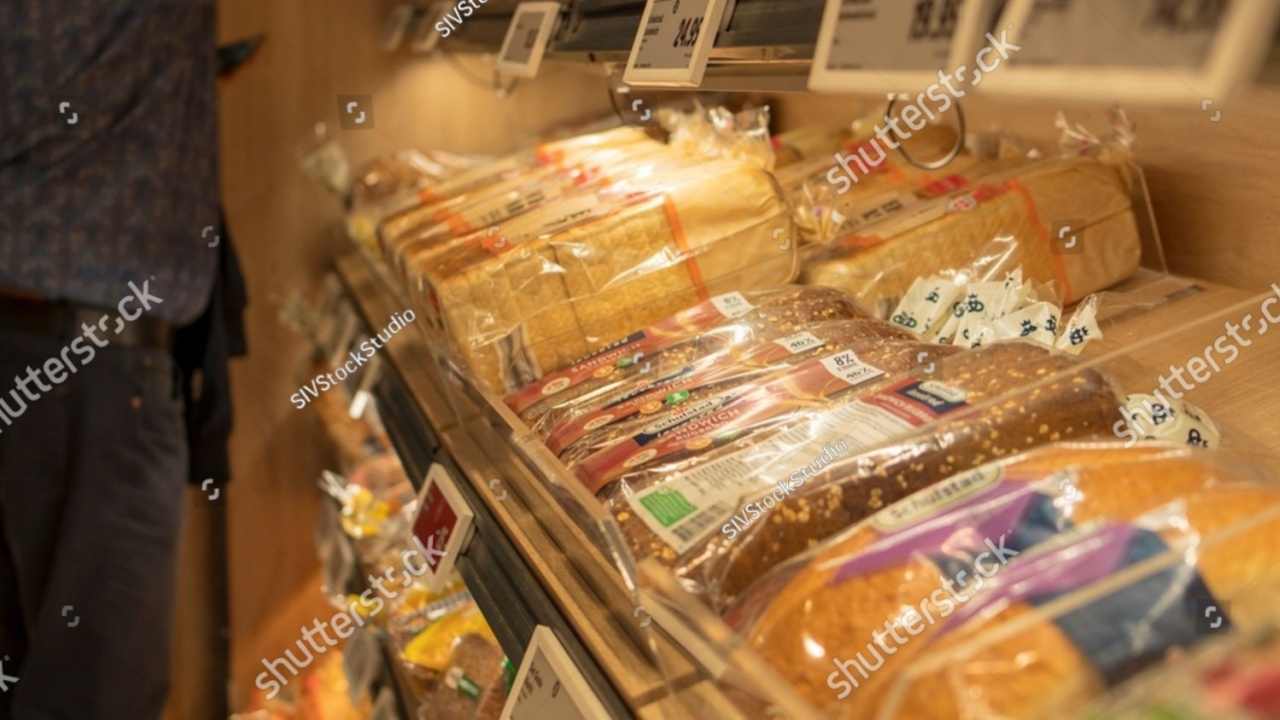
The bakery section is a siren song of delicious smells, but fresh-baked goods have a notoriously short lifespan. If you don’t eat that loaf of artisanal bread in two days, it becomes a rock. However, the freezer is a time machine for carbohydrates. You can buy bread, bagels, muffins, and even cakes when they are on sale or marked down, and freeze them for later. They thaw out beautifully and taste just as fresh as the day you bought them. It also stops you from feeling pressured to eat an entire cake in one sitting so that it doesn’t go to waste (though we wouldn’t judge you if you did).
Quick Look:
- Why this works: It allows you to take advantage of “manager’s special” stickers on bakery items that are nearing their sell-by date. You rescue them for pennies on the dollar and store them safely in your freezer.
- Pro Tips: Slice bread before freezing so you can take out only what you need. Double wrap items to prevent freezer burn. Look for day-old bakery racks usually tucked away in a corner of the store.
9. Buy in Bulk
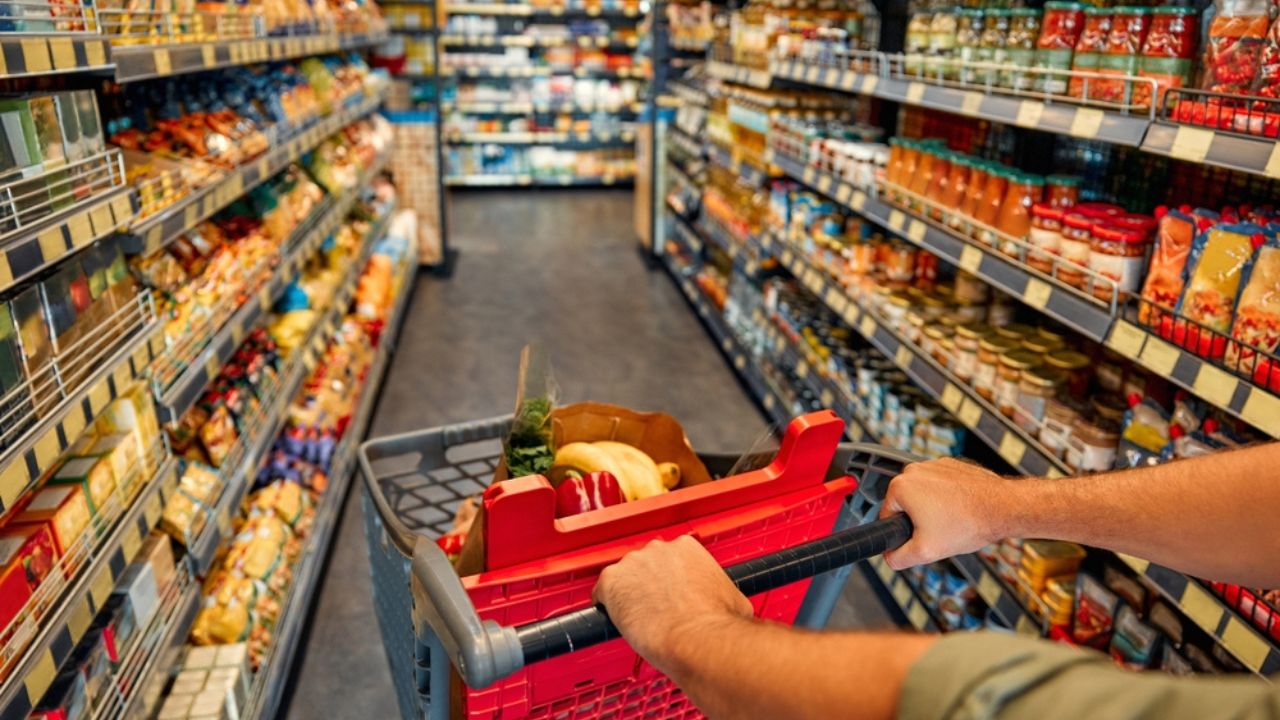
The unit price is the secret weapon of the savvy shopper.Buy things in bulk to save money. A small bag of rice might cost $2, but a bag five times the size might cost $5. You pay more upfront, but the cost per serving drops dramatically. This applies to non-perishables like toilet paper, pasta, canned goods, and cleaning supplies. While it might feel painful to drop a larger sum at once, you are essentially pre-paying for future months at a discount.
Quick Look:
- Why this works: You insulate yourself from future price hikes and reduce the number of trips you need to make. If you have 20 pounds of rice at home, that is one less thing to worry about for months.
- Pro Tips: Check the “price per ounce” or “price per unit” on the shelf tag. Only buy in bulk if you will actually use the item; 5 gallons of mayonnaise is useless if you hate sandwiches. Ensure you have adequate storage space at home before loading up the cart.
10. Filter Deals for Your List, Ignore the Rest

Flipping through the entire coupon book or scrolling through every digital deal is a trap. You will inevitably spot a deal on something you never intended to buy and convince yourself you are “saving money” by buying it. If you weren’t going to buy it in the first place, buying it on sale is still spending money, not saving it. Money experts say it’s only a good deal if you need it.
Quick Look:
- Why this works: By filtering deals only for items on your list, you utilize coupons as a tool for reduction, not as a trigger for consumption. You remain in control of the transaction.
- Pro Tips: Use the search function in your grocery app rather than browsing categories. Match coupons specifically to the items already on your written list. Ignore “buy 2 get 1 free” offers if you don’t actually need three of that item.
11. Utilize Rain Checks

It is incredibly frustrating to trek to the store for a specific sale item only to find the shelf empty. But do not walk away defeated. Most grocery stores offer rain checks, which are essentially a promise to sell you the item at the sale price once it is back in stock. It locks in the discount for you, regardless of when the inventory is replenished.
Quick Look:
- Why this works: It prevents you from having to buy a more expensive alternative just because the sale item is gone. It also allows you to space out your spending. You get the deal on your terms, effectively extending the sale beyond its expiration date.
- Pro Tips: Visit the customer service desk to request a rain check if a sale item is out. Check the expiration date on the rain check (usually 30-90 days). Keep the slip in your wallet so you have it ready for your next trip.
Shop Smarter and Save

Changing how you shop takes a little bit of effort, but the relief you feel when looking at a lower receipt total is worth it. You don’t have to implement all eleven of these hacks tomorrow. Start with the list. Then, try shopping solo.
Gradually, these small adjustments become your new normal, and you will wonder how you ever shopped differently. Your pantry will be stocked, your stress levels will be lower, and your bank account will look a little less frightened at the end of the month.