Sweat Equity: 14 Money-Saving DIY Skills to Try at Home
The cost of living seems to climb every time you blink. Groceries are expensive, home repairs have become a financial workout, and for a while, you needed venture capital to buy eggs. How do you save money and still live a decent life? Learning a few DIY skills.
These skills can save you from running to the hardware store with a worried wallet, but they also come with that “I did it myself” satisfaction. You can’t quite put a price tag on that bonus. You don’t need to be a jack-of-all-trades and master of none. With some practice, you’ll be well on your way to keeping more money in your pocket for things you enjoy.
Here are some basic money-saving DIY skills you need to know, brought to you by DIY home experts we sourced from the internet.
Warning: Always consult a professional if you are not sure or if there is a safety concern.
1. Patch and Paint Walls Like a Pro

When the walls start showing signs of life—cracks, scuffs, mysterious dents—calling in a professional is the first thought. However, patching and painting are actually accessible skills that pay off quickly.
Learning the basics of patching can transform walls that look like battlegrounds into fresh canvases. All it takes is a bit of filler, a sandpaper block, and a steady hand to smooth out the rough patches. Invest in a good brush and roller to avoid streaks, and don’t skip the painter’s tape for those crisp edges.
2. Master the Art of Basic Plumbing
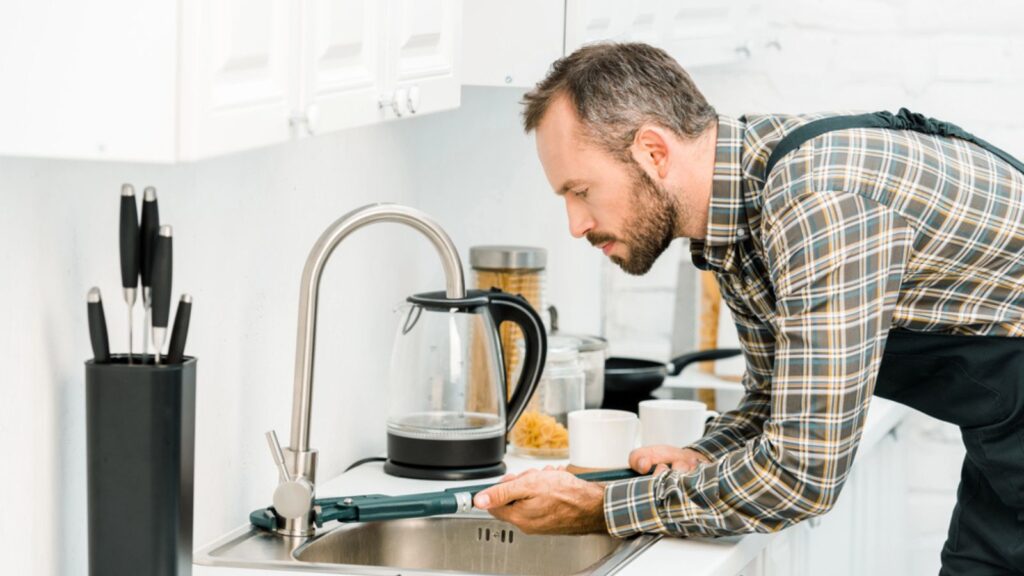
A dripping faucet or clogged drain may not seem like a big deal—until you see your water bill or notice the slow drainage turns into a pond. Learning to fix basic plumbing issues will save you the hassle and high cost of calling in a plumber for minor fixes.
Most home plumbing fixes involve only a few tools, like a wrench and a plunger. Get familiar with these, and you’ll be able to tackle many small issues that come up.
3. Get Savvy with Appliance Maintenance

Appliances breaking down can be costly, especially when it’s something critical like the fridge or washing machine. Yet, with some basic maintenance knowledge, you can extend the life of these essential machines.
Many manufacturers even have online guides, so you can quickly understand your machine’s quirks and tackle potential issues before they grow. Simple tasks, like cleaning out lint from the dryer vent or checking refrigerator coils, can prevent breakdowns and save you from pricey repairs.
4. Make and Mend Your Own Clothes

Tailoring your own clothes may sound like a throwback skill, but it’s a handy one when you’re trying to save on wardrobe costs. Learning a few basic stitches can breathe new life into old clothes or fix minor tears, saving you from buying replacements.
All you need is a needle, thread, and perhaps a small sewing kit, and you’re good to go. Once you get the hang of hemming pants or fixing popped buttons, you’ll start seeing clothing repairs as something you can handle with ease.
5. Get Crafty with Basic Woodworking

If you’ve ever eyed a simple shelf or frame and wondered if you could make it yourself, the answer is yes, you can. Basic woodworking can be a rewarding and cost-effective hobby.
Start with simple projects like picture frames, spice racks, or even a small table. A few inexpensive tools and some quality wood are all you need to begin. The pride in crafting something yourself often outweighs the purchase price of store-bought items.
6. Become a Green Thumb with Gardening Basics

Why spend extra on herbs and veggies when you can grow them yourself? Gardening doesn’t have to be a grand undertaking—a few pots on the balcony or a small patch in the yard can yield a surprising bounty. Start small with easy-to-grow plants, and before long, you’ll be reaping the benefits of your own green space.
With minimal investment, you can grow your own tomatoes, herbs, or greens, giving you fresh ingredients right at your fingertips. Once you’re comfortable with basic gardening, you might find yourself drawn to more ambitious projects or complex plants.
7. Mix Your Own Cleaning Products

Household cleaners are surprisingly expensive, especially the specialty types for floors, windows, and kitchens. Making your own cleaners can save a small fortune over time. Simple recipes using common items like vinegar, baking soda, and essential oils can handle most cleaning jobs effectively and safely.
DIY cleaners are also more eco-friendly, with fewer harsh chemicals than store-bought options. And by reusing spray bottles and containers, you cut down on waste.
8. Build Your Own Storage Solutions

Shelving, bins, and storage racks can add up quickly, but you don’t need to splurge to get organized. Try building custom storage solutions tailored to your home’s layout. DIY storage can help you maximize space without stretching your wallet, from under-bed rolling bins to overhead garage racks.
Once you see how easily you can customize storage, you’ll be surprised by how much space you can reclaim—and how much you’ll save in the process.
9. Make Custom Curtains and Blinds

Buying curtains today feels like daylight robbery– how can these window treatments cost so much? You may not understand the overpricing, but you can learn how to craft your own curtains or blinds. This allows you to tailor them to your style, adjust for light control, and avoid designer markups.
A few yards of fabric, a sewing machine, and basic curtain rings are all you need to get started. Once you know the basics, experimenting with different fabrics and styles becomes easy. You can update your windows seasonally, all while keeping the budget intact.
10. Install Your Own Backsplash
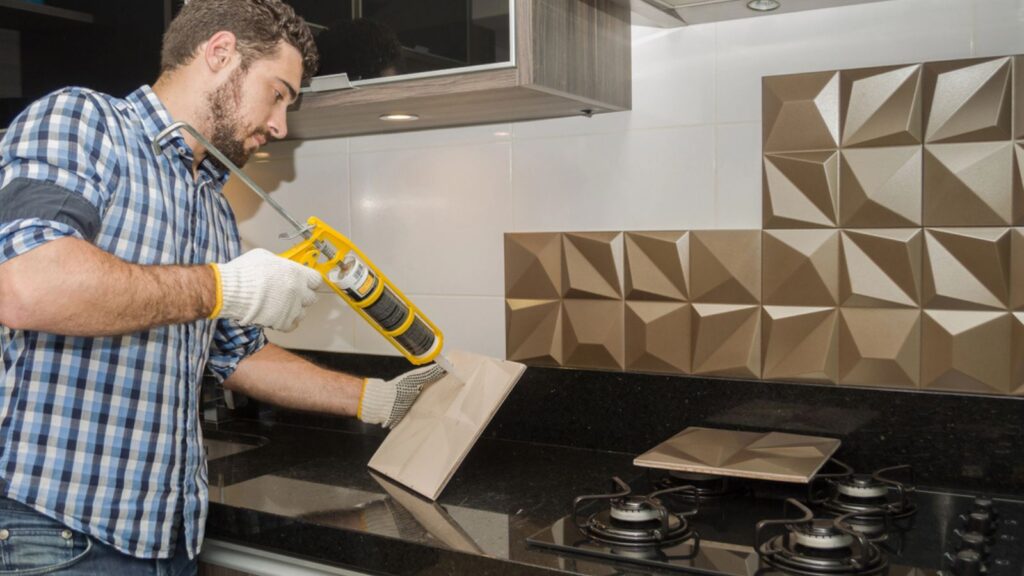
A kitchen backsplash can transform a room, but professional installation can get pricey. Installing one yourself is a straightforward project, especially with peel-and-stick tiles or grout-free options.
In just a few hours, you can add style and protect your walls without the cost of a remodel. Many home improvement stores offer classes on tile installation if you want a little guidance. Start with smaller spaces, and as you build your skills, you’ll gain the confidence to tackle more.
11. Repair Your Own Bike

For cyclists (and parents of little cyclists), small repairs and tune-ups are often inevitable. Yet frequent visits to the repair shop aren’t the only solution. Learning to change tires, adjust brakes, or tighten loose handlebars can keep your bike in top shape while saving on repair fees.
Bike maintenance is an easy skill to pick up. Knowing how to manage minor fixes means you’ll stay rolling—and spend less—throughout the year.
12. Create Your Own Art for Wall Decor

Wall art adds personality to a space, but custom pieces can get expensive. There’s a little artist in you waiting to be unveiled, so experiment with making your own. From painted canvases to framed pressed flowers or homemade prints, you can create unique art that reflects your style without draining your bank account.
The beauty of DIY art is that it can be as simple or complex as you’d like, using basic supplies. Try experimenting with colors, textures, or framing techniques that fit your room’s theme.
13. Master the Art of Baking

Baking is the lowest-hanging fruit for DIY skills, and you can save a lot on breakfast and snacks just by knowing how to measure and whisk. To guarantee accuracy, equip yourself with essential tools like mixing bowls, a good-quality oven thermometer, and a kitchen scale. Starting with basic recipes like cookies or banana bread can boost your confidence in the kitchen.
As you become comfortable, challenge yourself with more intricate pastries, cakes, and bread. Baking lets you control the quality and ingredients in your treats. It also allows you to share freshly baked love with friends and family.
14. Food Preservation

Food preservation techniques can easily reduce food waste and extend the life of your groceries. Canning, pickling, and freezing are effective methods of preserving fresh produce, allowing you to enjoy off-season items throughout the year.
Canning and pickling use sterilized jars and vinegar or brine to safely store fruits and vegetables for months. Meanwhile, freezing helps retain the nutritional value of food while minimizing spoilage. You will decrease grocery costs and keep a steady supply of nutritious options, regardless of seasonality or market prices.